
Ibraaz: inside the Grade II-listed building offering creative freedom for the global majority
Tucked away in central London is a great hall celebrating art and culture from the south-west Asia and north Africa region

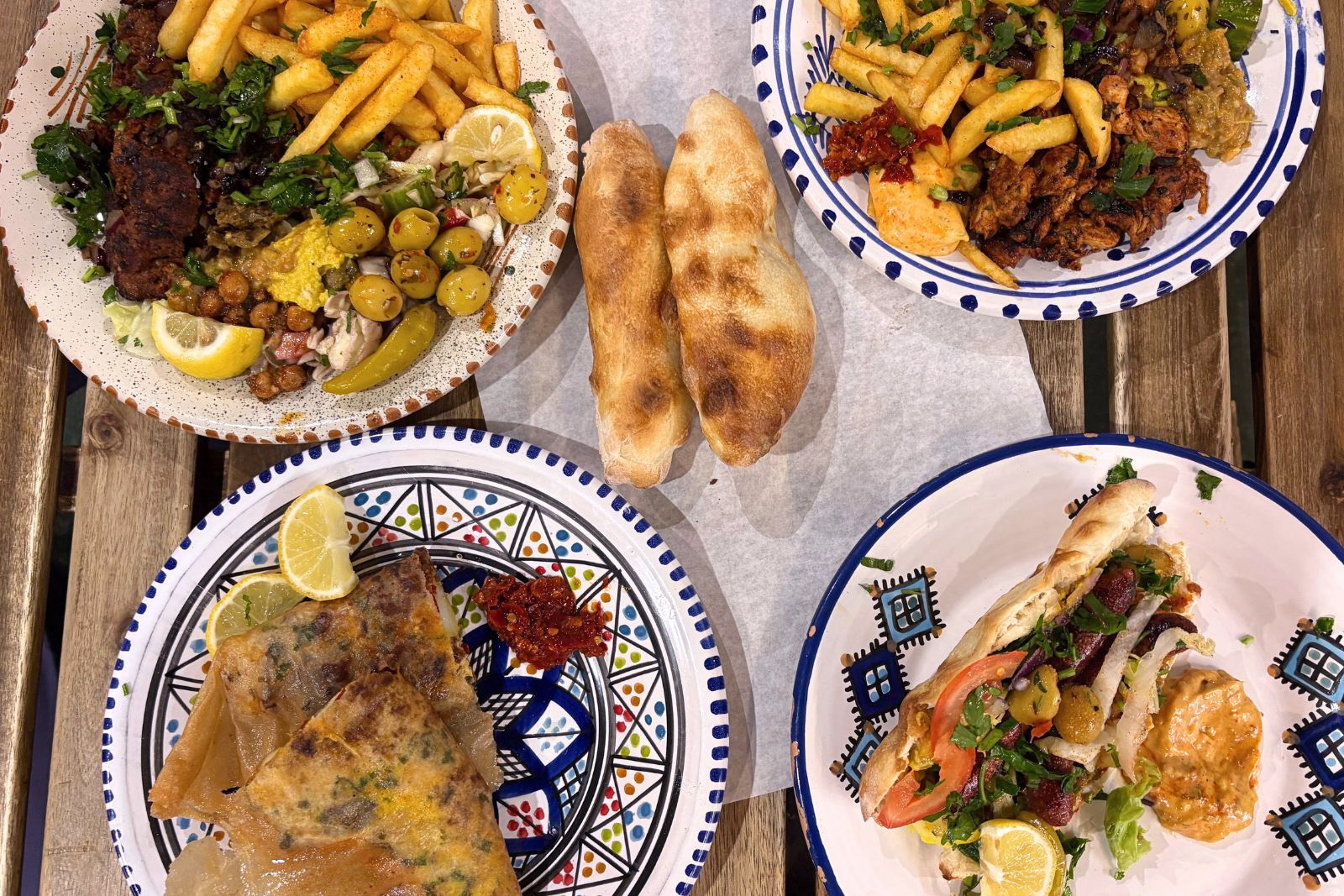
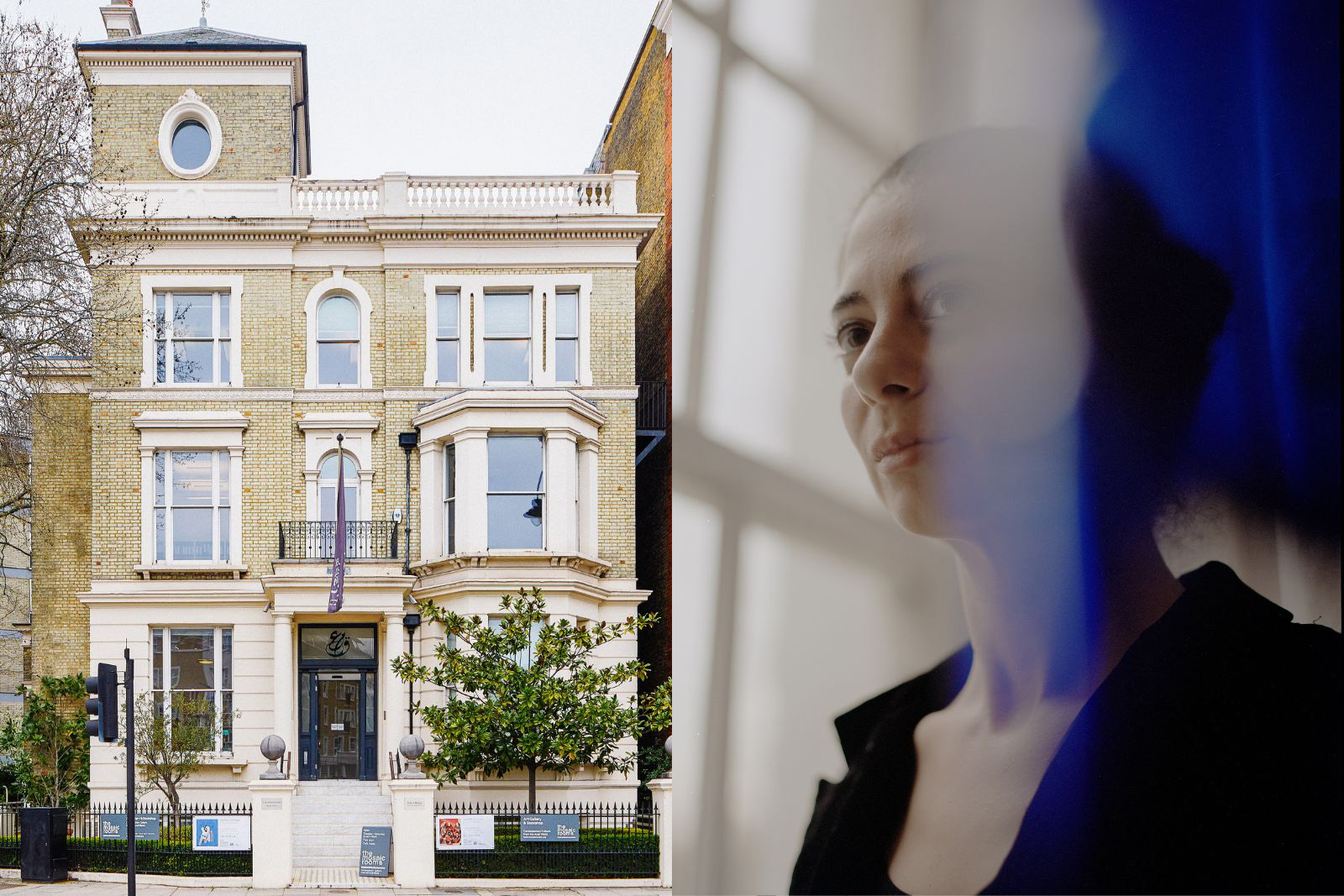
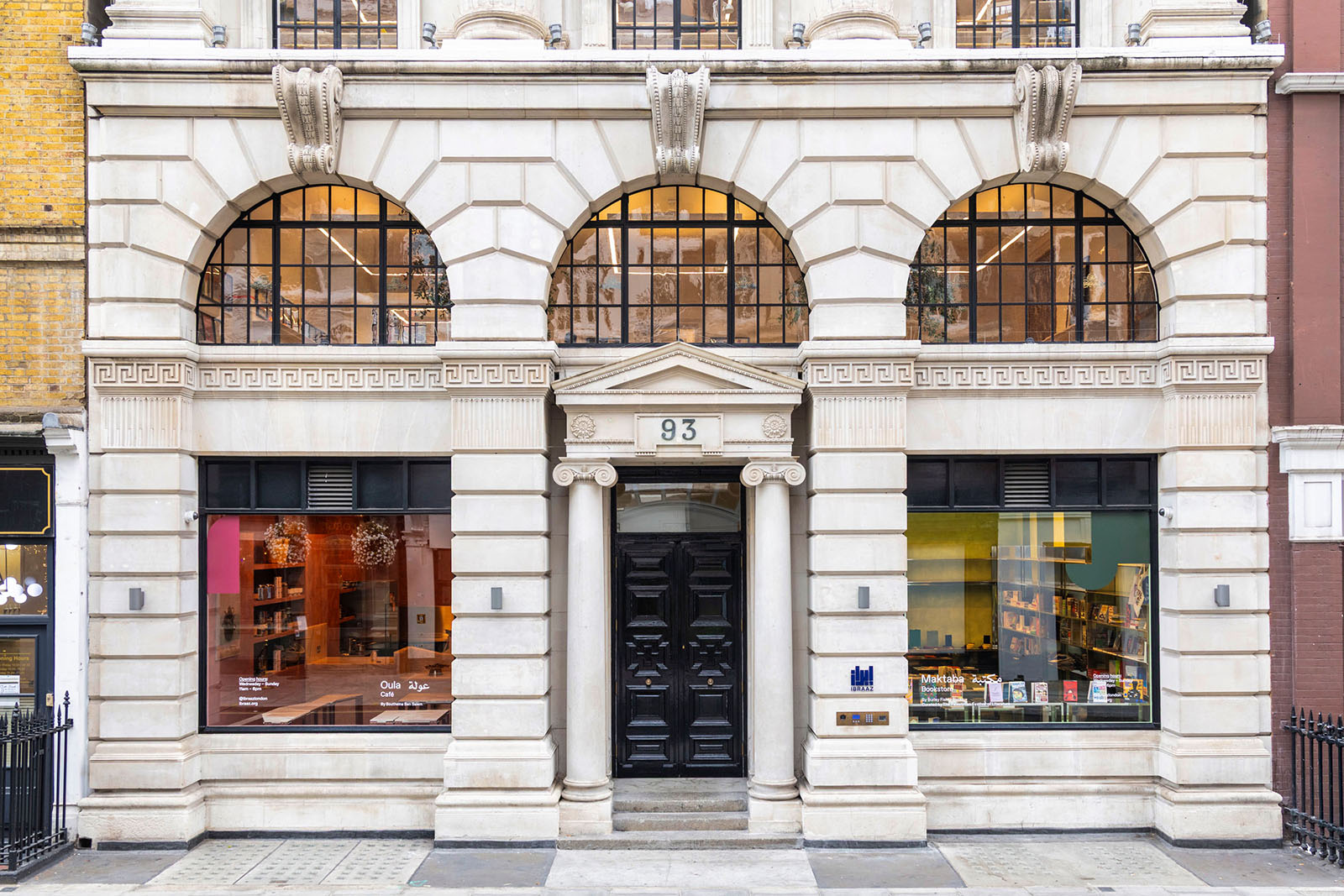
A striking building of Portland stone framed by Ionic columns sits at number 93 Mortimer Street in London. At the end of the long foyer, past the Maktaba bookstore curated by the Palestine Festival of Literature on the right, and French-Tunisian chef Boutheina Ben Salem’s Oula Cafe on the left, is a great hall.
Conceived in a neo-Greek style by the architects William and Edward Hunt in the early 20th century, the room’s soaring ceilings are crowned by ornate, decorative mouldings. A series of skylights reveal glimpses of the city above. The intended effect, it seems, is to inspire awe.
Since last October, this great hall has been repurposed as the Majlis (Arabic for sitting place, assembly or parliament) of Ibraaz, a new space dedicated to “art, culture and ideas from the global majority”.
The hall is presently occupied by Ghanaian artist Ibrahim Mahama’s Parliament of Ghosts. Seventy-five chairs, symbols of patriarchal authority in Ghanaian households, are placed along a floor of timber reclaimed from the railways built by the British empire. Jute sacks, gesturing to the often exploitative trade of goods in capitalist economies, line the walls.
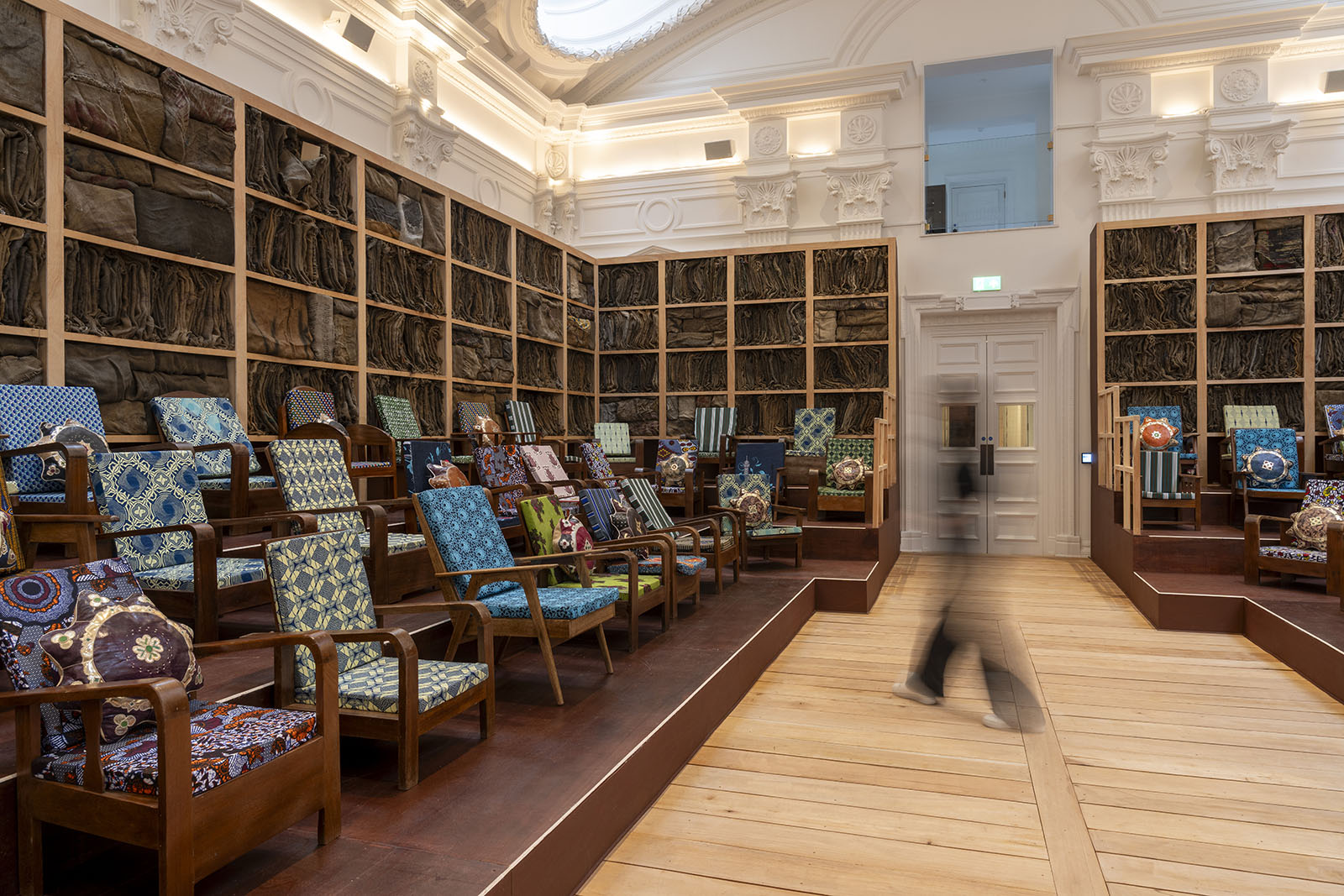
“The installation is asking us, how do we live with our ghosts as guests, rather than trying to exorcise them or to bust them?” explains Hammad Nasar, director of programmes and content at Ibraaz, referring to Mahama’s material references to colonialism. Exorcising ghosts, Nasar says, is “quite often a sort of north Atlantic cultural trope, whereas in many other parts of the world, you give offerings to ghosts, or you talk to them, or you live with them”.
Mahama’s work is a fitting first installation for Ibraaz. Through its multidisciplinary arts programming and focus on being a space of gathering, Ibraaz seeks to answer what Nasar refers to as fundamental questions: how do we share contested histories, and how do we share a place?
“London is a pretty darn good place to do that, because it’s where a lot of those lines of divisions were. It’s in the Royal Geographical Society where many of those maps live,” Nasar says. “London was the source of many of these problems, and I think it has to be a contribution to possible solutions.”
An initiative of the Kamel Lazaar Foundation, Ibraaz builds on the legacy of its eponymous predecessor, a digital platform of the 2010s focused on the visual culture of south-west Asia and North Africa (Swana) and founded by art critic and curator Lina Lazaar. Both ventures, Nasar explains, were responses to the political moment.
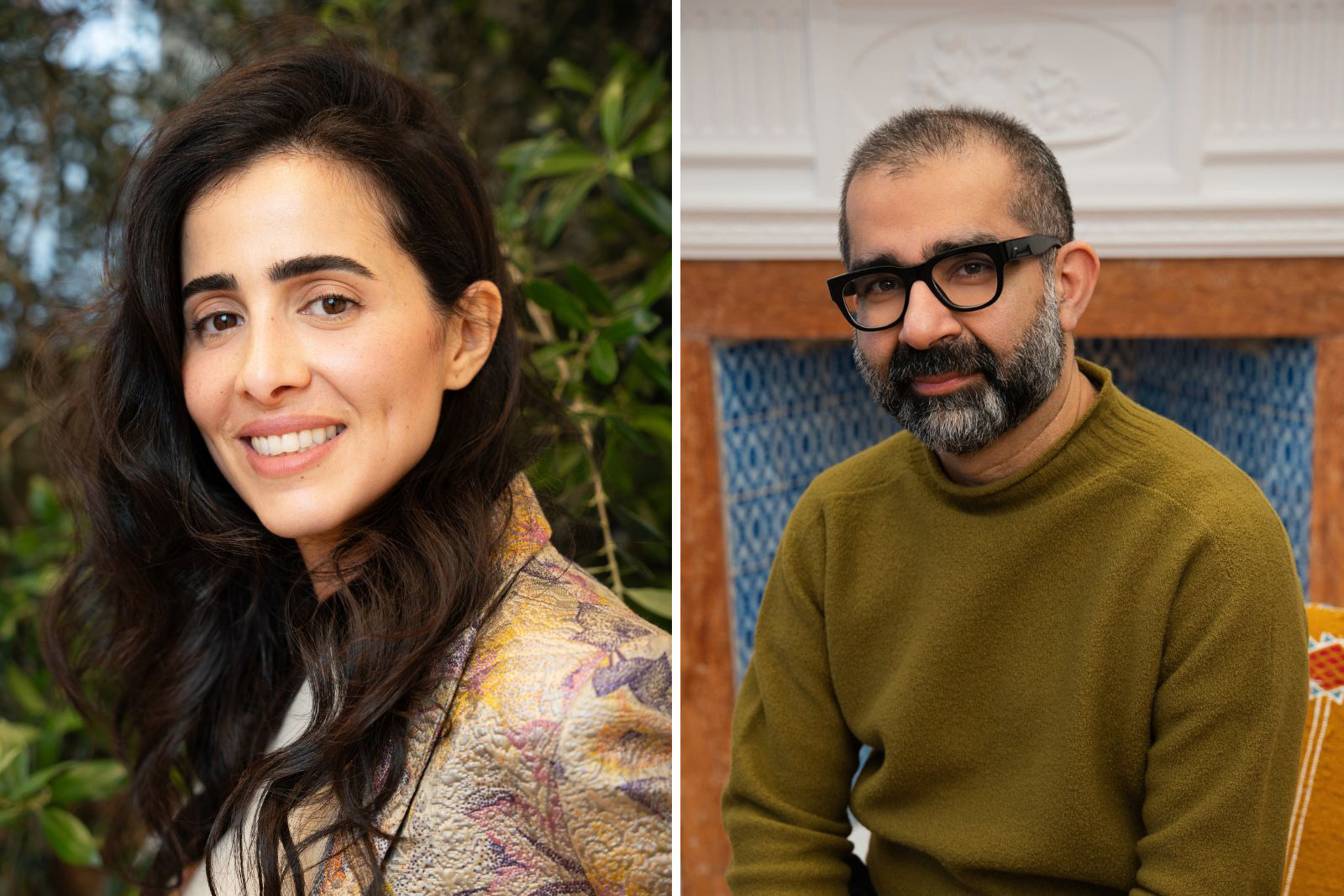
“I see Ibraaz really as an intervention into the Atlantic cultural space,” says Nasar. “The time of 2011 and the Arab Spring. It’s not entirely coincidental that both that and Ibraaz have Tunisian roots. And then this post-genocidal moment unfolding in front of us, the shrinking of space for these supposedly western values of free expression and artistic freedom.”
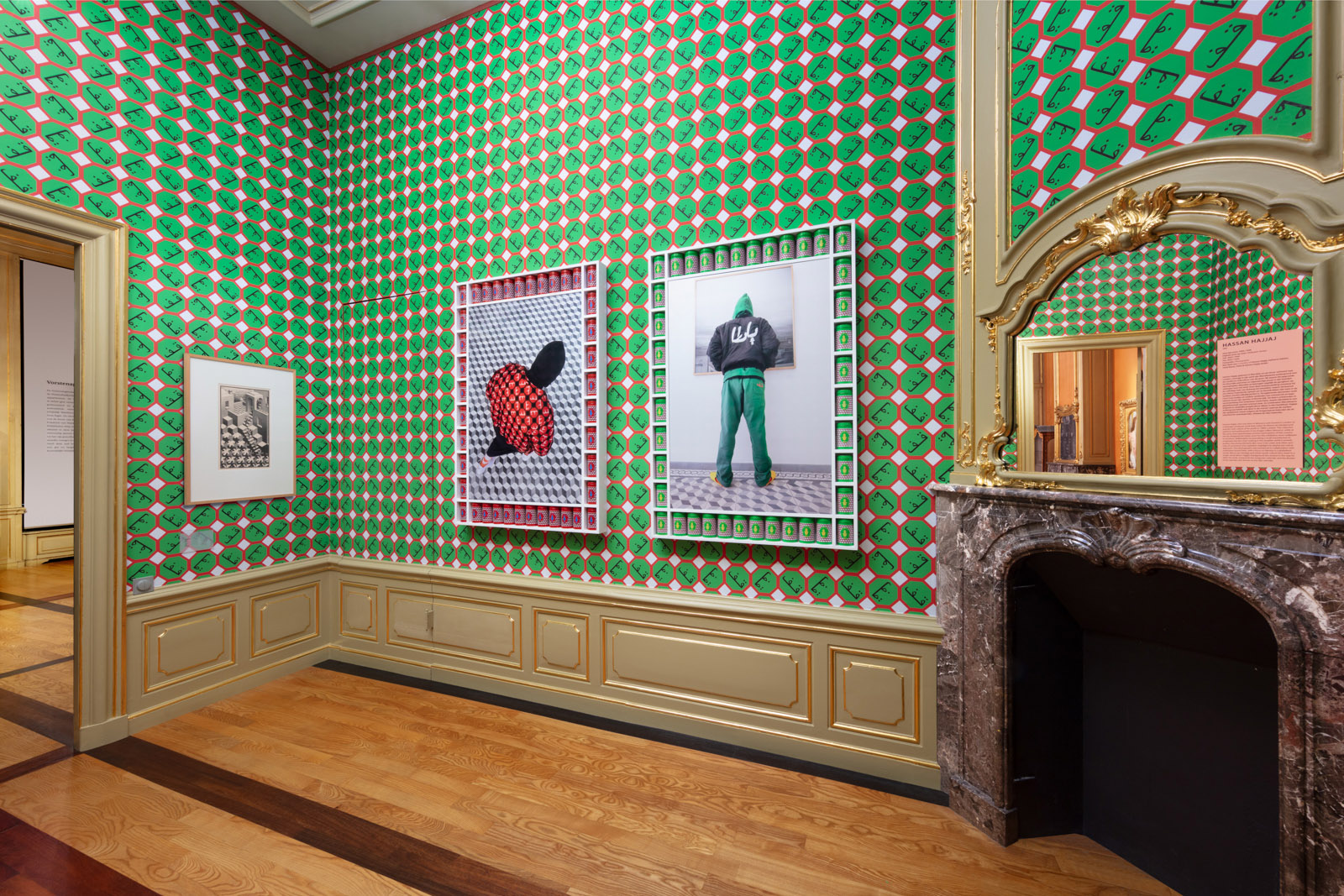
Ibraaz’s headquarters were once the home of 19th century Conservative Party politician Sir Robert Bateson Harvey, the German Athenaeum, and an arts centre that hosted events of a left-wing and suffragist focus. The Grade II-listed building has now been reimagined by South African architect Sumayya Vally, founder of the firm Counterspace.
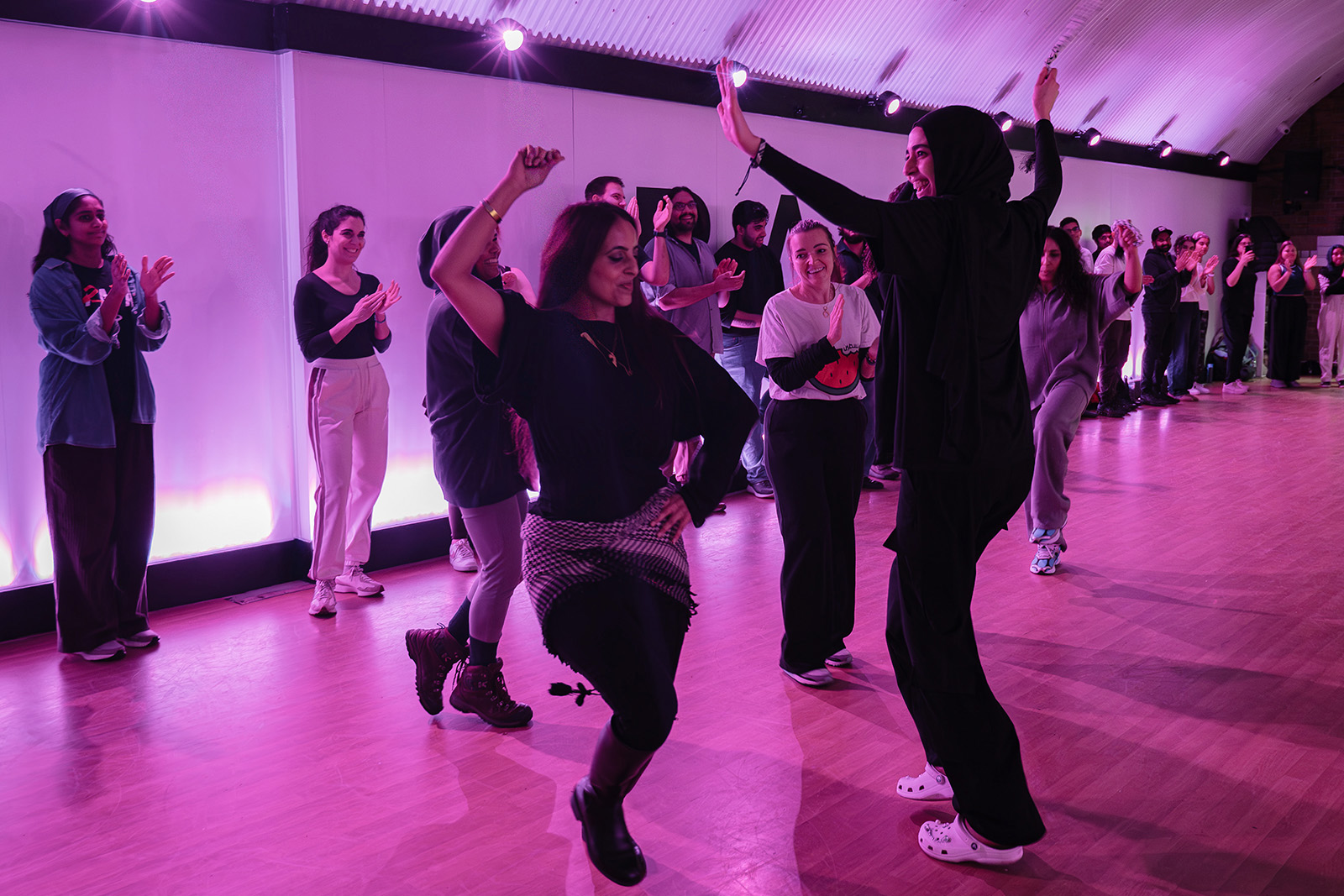
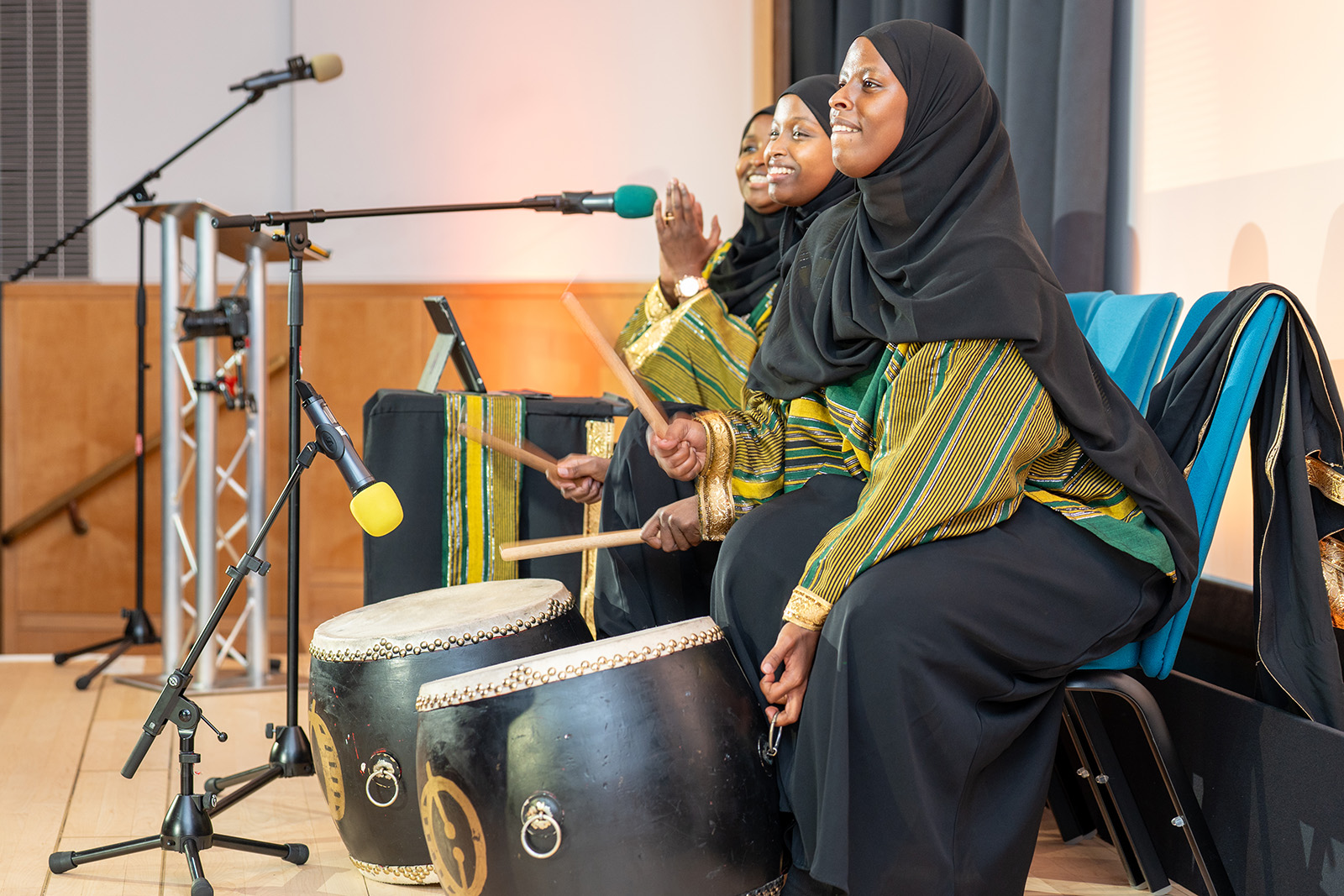
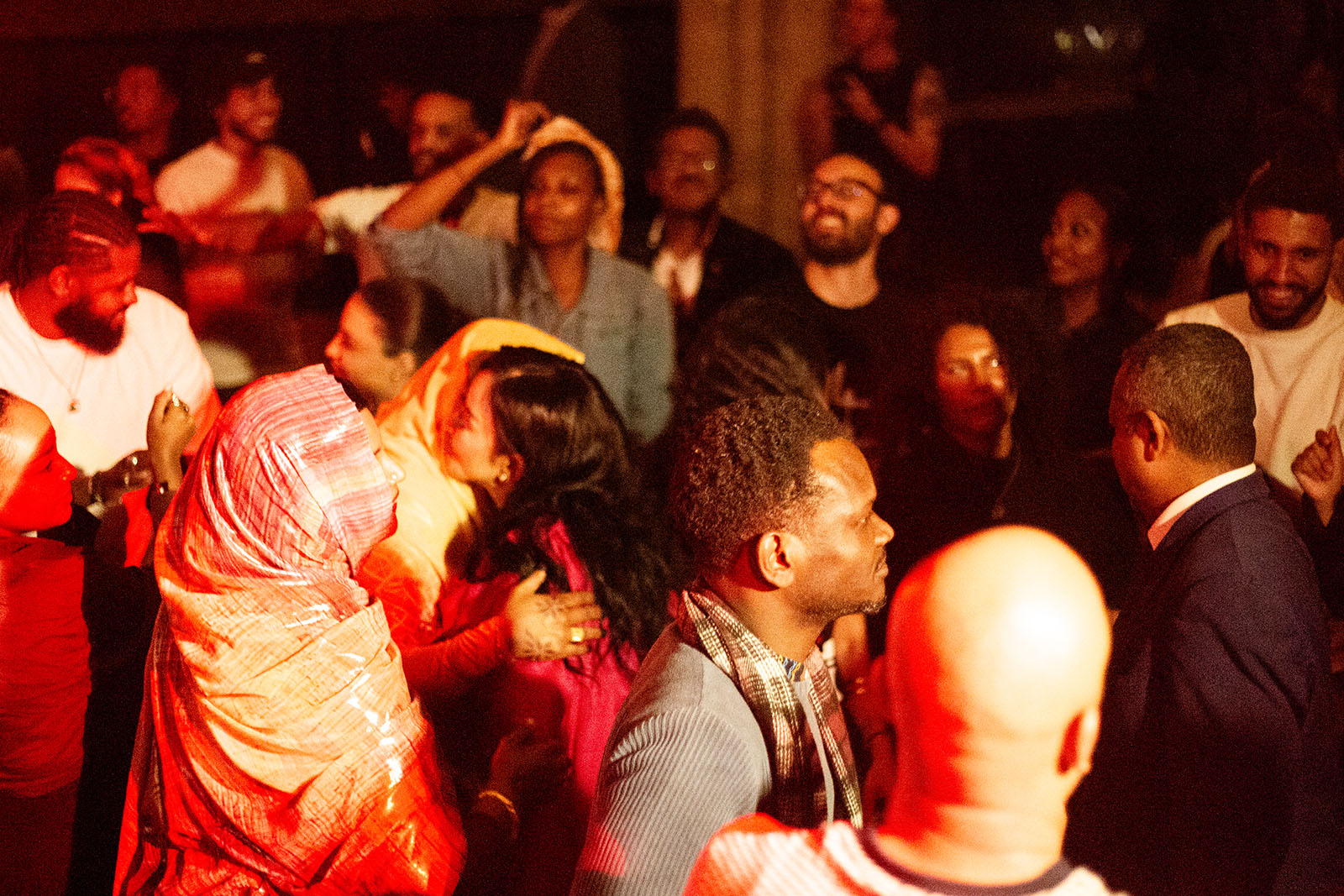
Minassa, on the lower ground floor, is at once a screening room and performance space that has already hosted the singer Susheela Raman, and choreographer Samaa Wakim’s performance to composer Samar Haddad King’s field recordings from Palestine. In a library upstairs, the books, journals, records and films of The Otolith Group, founded by artists Anjalika Sagar and Kodwo Eshun, are available for collective study.
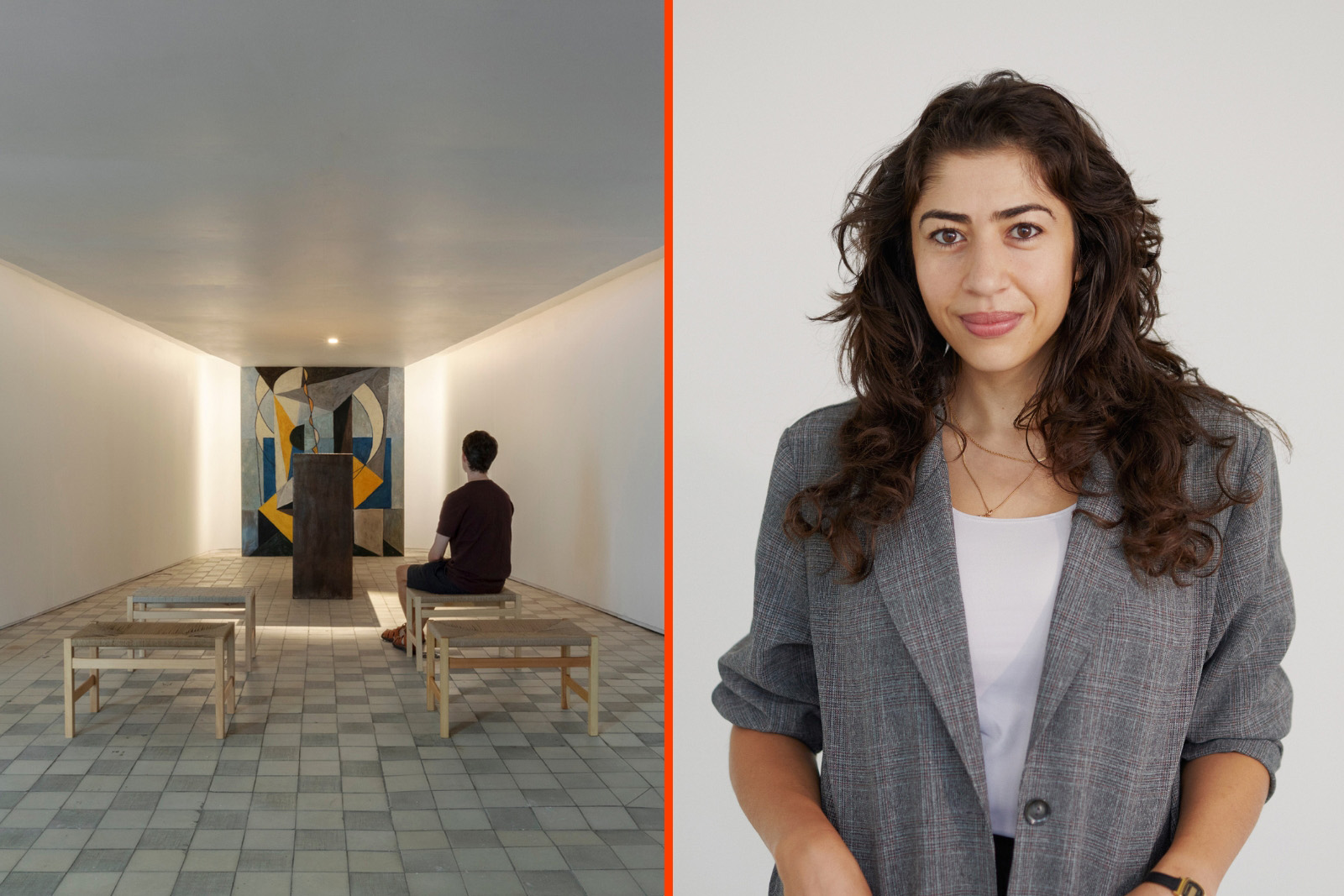
Vally, whose design of reclaimed steel, timber and cork for the Serpentine Pavilion in 2021 paid tribute to London’s diasporic communities and gathering places, describes the research underlying her design for Ibraaz as grounded in Tunisia’s architectural forms, as well as broader Arab and African geographies.
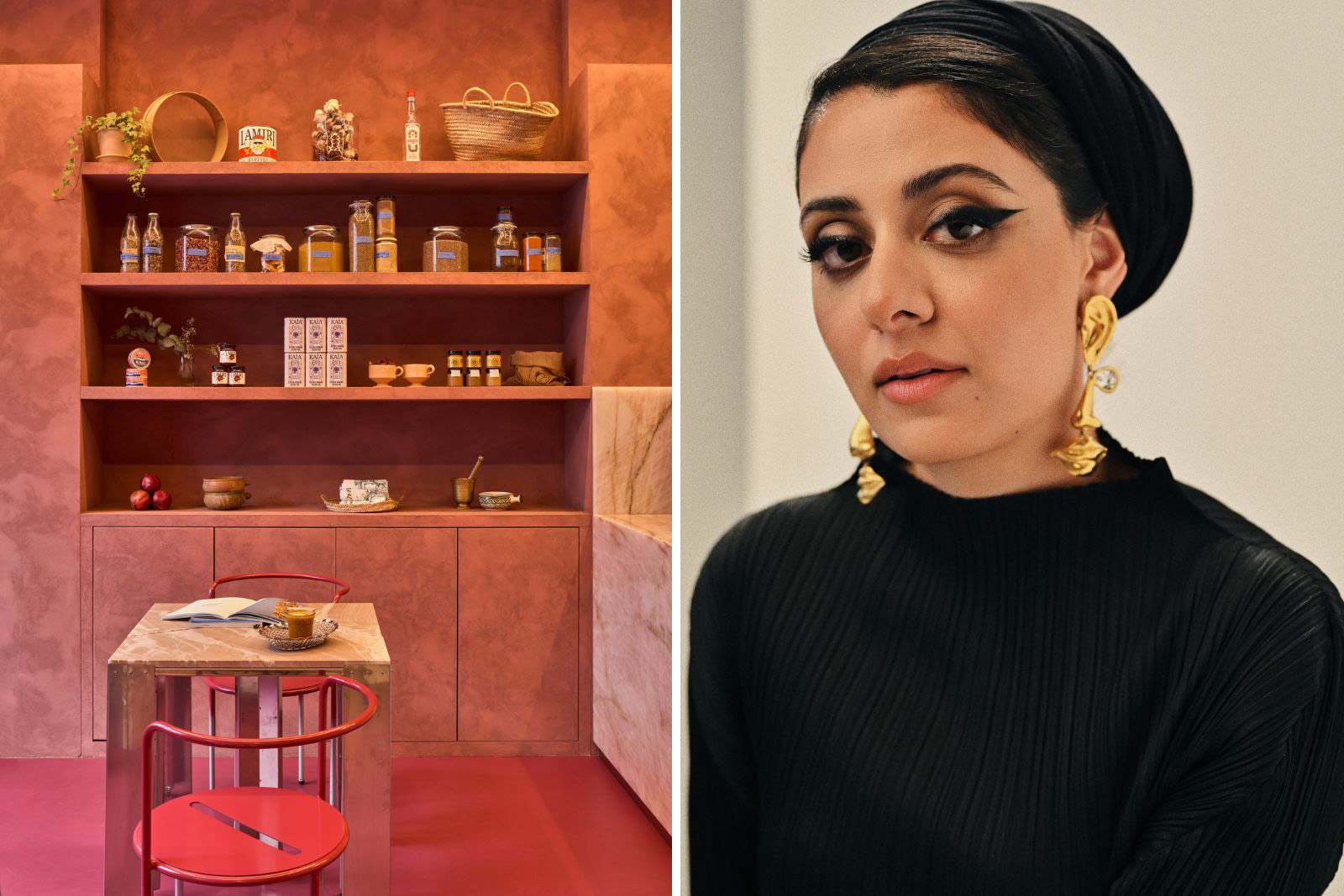
“In these settings, gathering often unfolds in informal, fluid ways — in corridors, on staircases, at thresholds, and across counters that both separate and connect,” Vally says. “These spontaneous points of assembly reflect a deeply embedded cultural rhythm, where social interaction is shaped as much by improvisation as by design.”
Across the building’s six floors, Vally envisioned a space with the attitude of something “akin to a city rather than a building”, inhabited incrementally, expanding and layering as communities congregate. “It is designed to hold gathering in all its forms — ritual, debate, exchange, celebration — and to let these gatherings inscribe themselves into the very fabric of the space over time,” she adds.
From 11-15 February, Berlin-based Pakistani artist Bani Abidi’s temporary sound piece Memorial to Lost Words accompanied Mahama’s installation in the Majlis. In it, a male voice sings a poem written by Amarjit Chandan based on the censored letters of Indian soldiers in the first world war. In their writings home they condemn the war, while the soldiers’ wives, mothers and sisters sing a Punjabi folk song of resistance.
The work embodies what Nasar believes is inherent to the space’s focus: for art to be a form of knowledge and exchange, rather than, as is the case at the commercial galleries that surround 93 Mortimer Street, a luxury good. “It’s not a kunsthalle doing yet another David Hockney exhibition,” Nasar says of Ibraaz. “One of the things a number of people have said is they’ve never seen so many chairs in an art institution.”