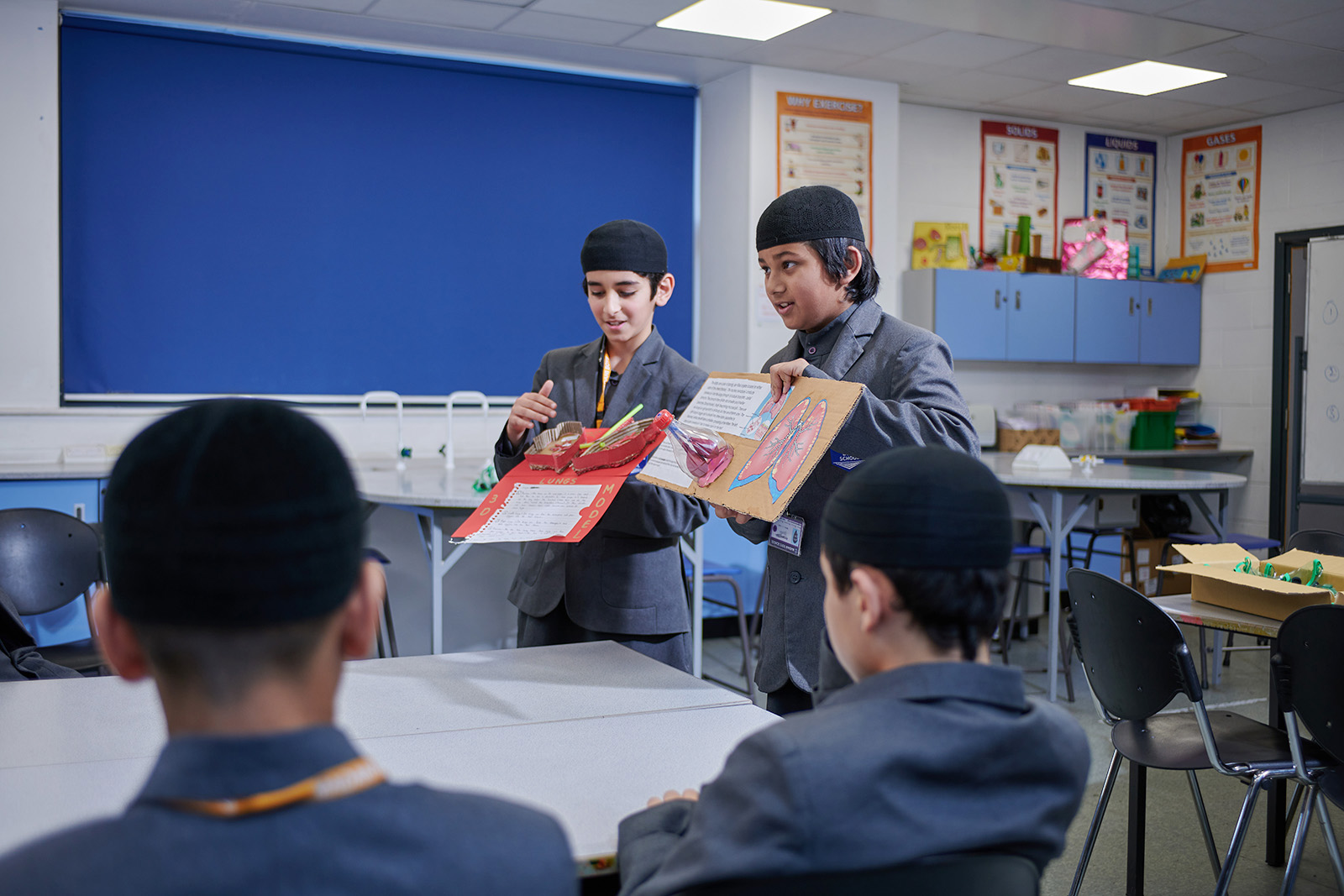

When is Eid al-Adha 2026 in the UK and Europe — and what is it?
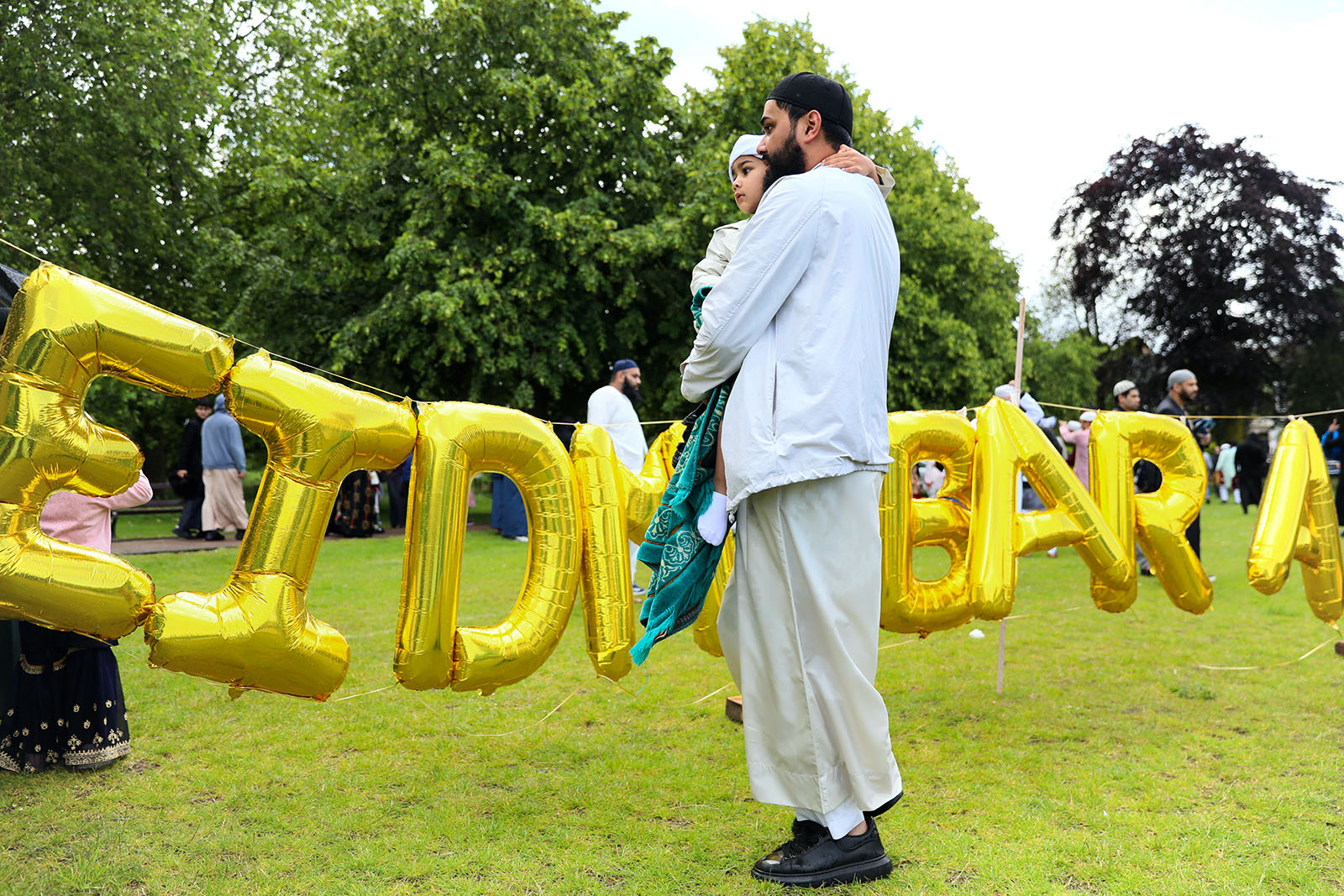
Everything to know about Eid al-Adha 2026: dates, meaning and what to expect

Eid al-Adha, also known as the Feast of Sacrifice, is the second of the two main celebrations in Islam. The festival lasts three days and begins on the 10th day of Dhul-Hijjah, which is the 12th and last month of the Islamic calendar.
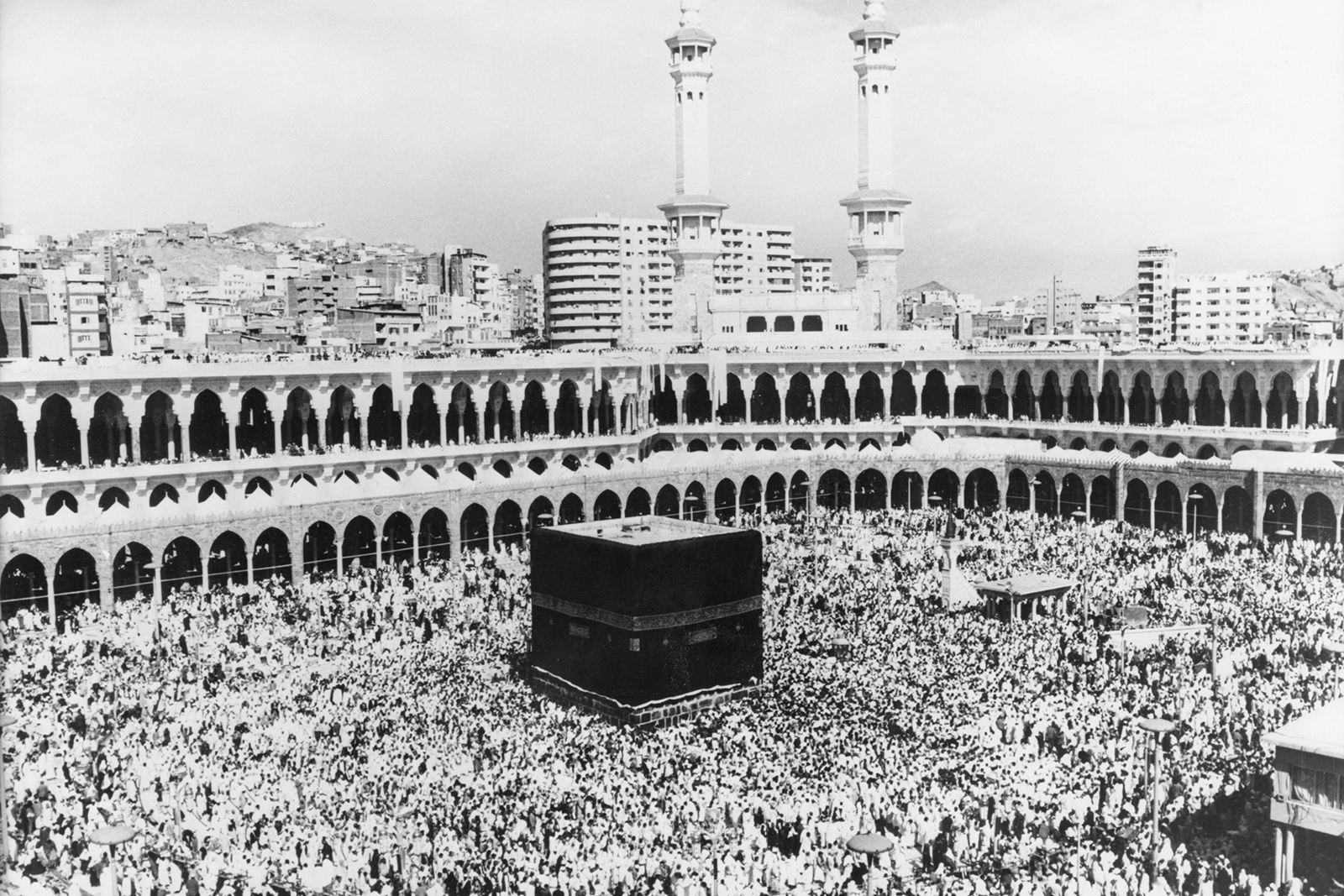
Eid al-Adha also marks the third day of Hajj, an annual pilgrimage to Mecca, Saudi Arabia, that all Muslims are required to perform at least once in their lifetimes.
When is Eid al-Adha in the UK?
In the UK, Eid al-Adha is expected to begin on the evening of Tuesday 26 May or Wednesday 27 May, depending on the sighting of the new moon.
As the Islamic calendar is based on the lunar cycle, the exact date when Eid al-Adha begins will not be confirmed until the sighting of a new moon marking the beginning of Dhul-Hijjah.
What are the key dates and why can they differ?
Related content
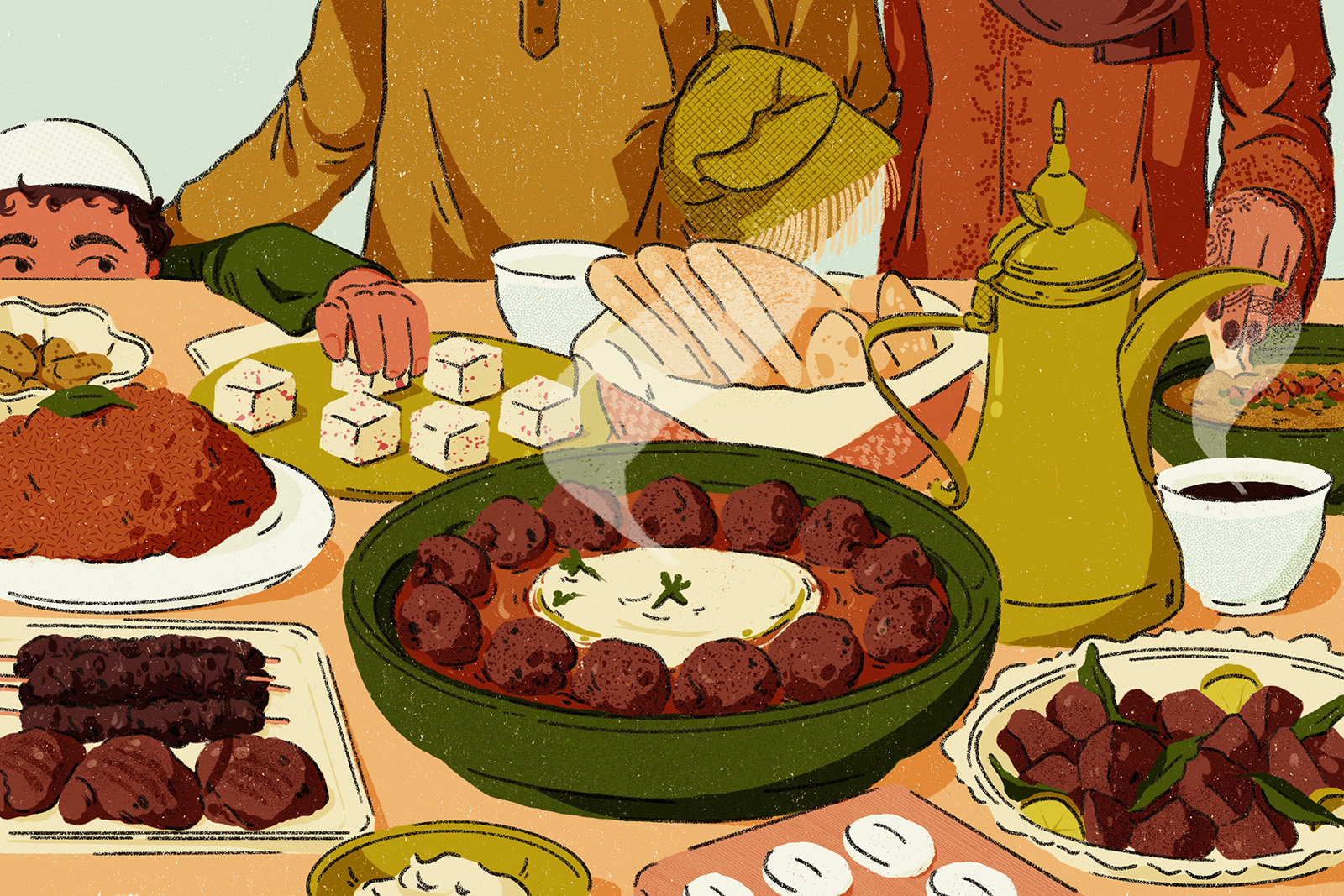
Different communities across the UK follow different moon sightings, which means that not everyone will observe Eid al-Adha on the same days.
Many Muslims follow announcements from Saudi Arabia. If Dhul-Hijjah begins on Monday 18 May, then Hajj will begin on Monday 25 May and the Day of Arafah (the second day of Hajj) will be on Tuesday 26 May. In this case, Eid al-Adha will start that evening, and the first day of celebrations will be on Wednesday 27 May.
Some communities follow moon sightings here in the UK. For updates on moon sightings in the UK, Muslims can follow the astronomy group, the New Crescent Society.
What is the significance of Eid al-Adha or the Feast of Sacrifice?
In Islam, Eid al-Adha commemorates the Prophet Ibrahim’s dedication and devotion to Allah. Muslims believe Prophet Ibrahim saw a recurring dream from Allah instructing him to sacrifice his only son, Ismail. At the point of sacrifice, Allah replaced Ismail with a ram, rewarding Ibrahim for his willingness to submit to him.
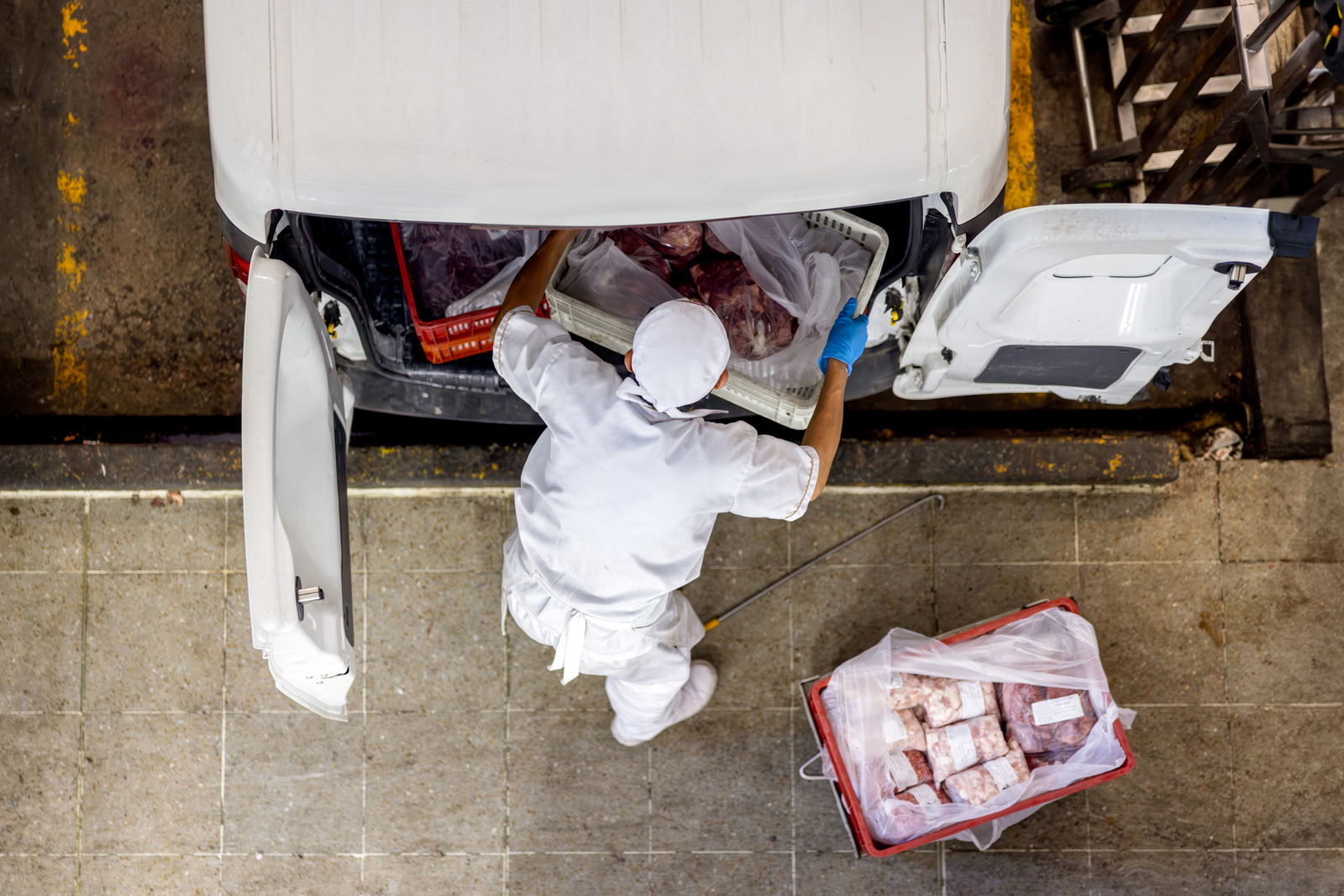
In remembrance of Prophet Ibrahim’s sacrifice, Muslims carry out the act of qurbani on Eid al-Adha. This is the slaughter of an animal, such as a sheep, goat, lamb or cow. The animal must be in good health and slaughtered in accordance with Islamic, halal principles. The sacrifice is carried out after Eid morning prayers.
The meat from the qurbani is then divided into three equal portions. One third is eaten by your own family, another third is shared with friends, and the third portion is donated to people in need.
What do Muslims do on Eid al-Adha?
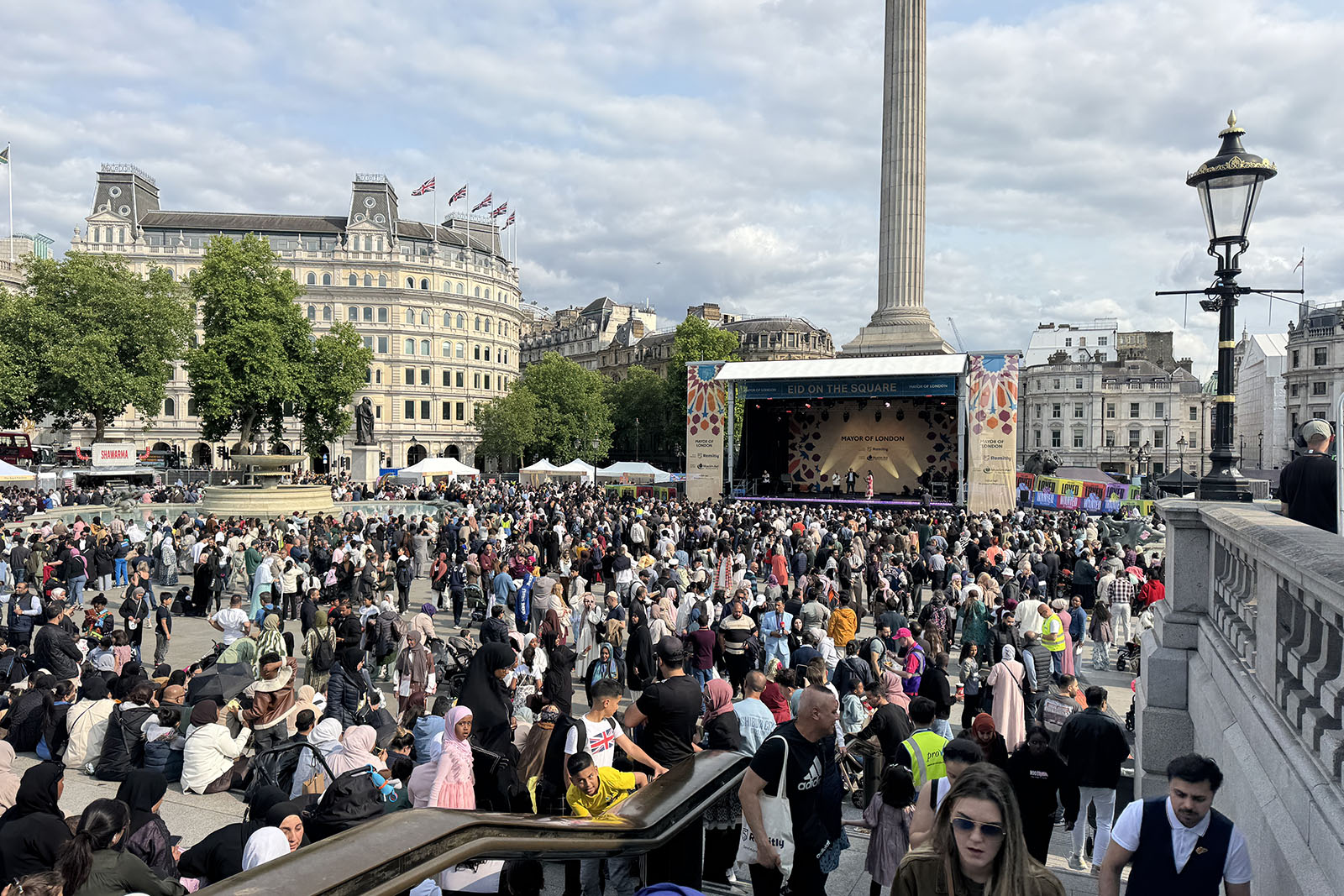
Aside from giving qurbani, Muslims celebrate Eid al-Adha by visiting their loved ones. Many people decorate their homes for the occasion and exchange gifts. A centrepoint of Eid celebrations is the food, with large feasts often prepared in advance and shared with family and friends.
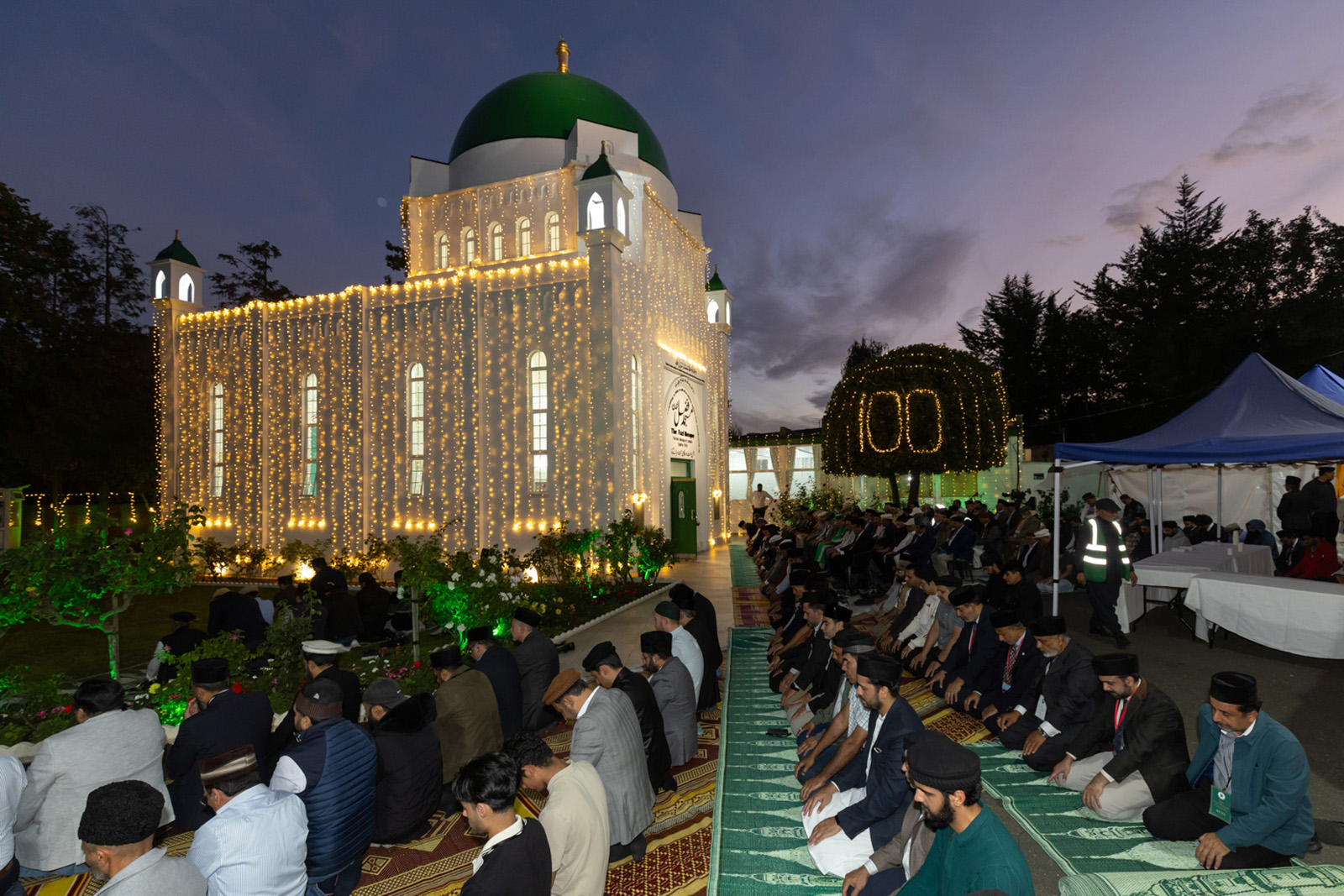
Most Muslims also attend Eid prayer, which is held in congregations in mosques on the first morning of Eid al-Adha. Most mosques hold up to four prayers across the morning. Exact timings can vary, so worshippers should check announcements from their local mosque. The first prayer typically begins around 7.30am and the last prayer usually concludes by 11am.
Eid al-Adha events 2026
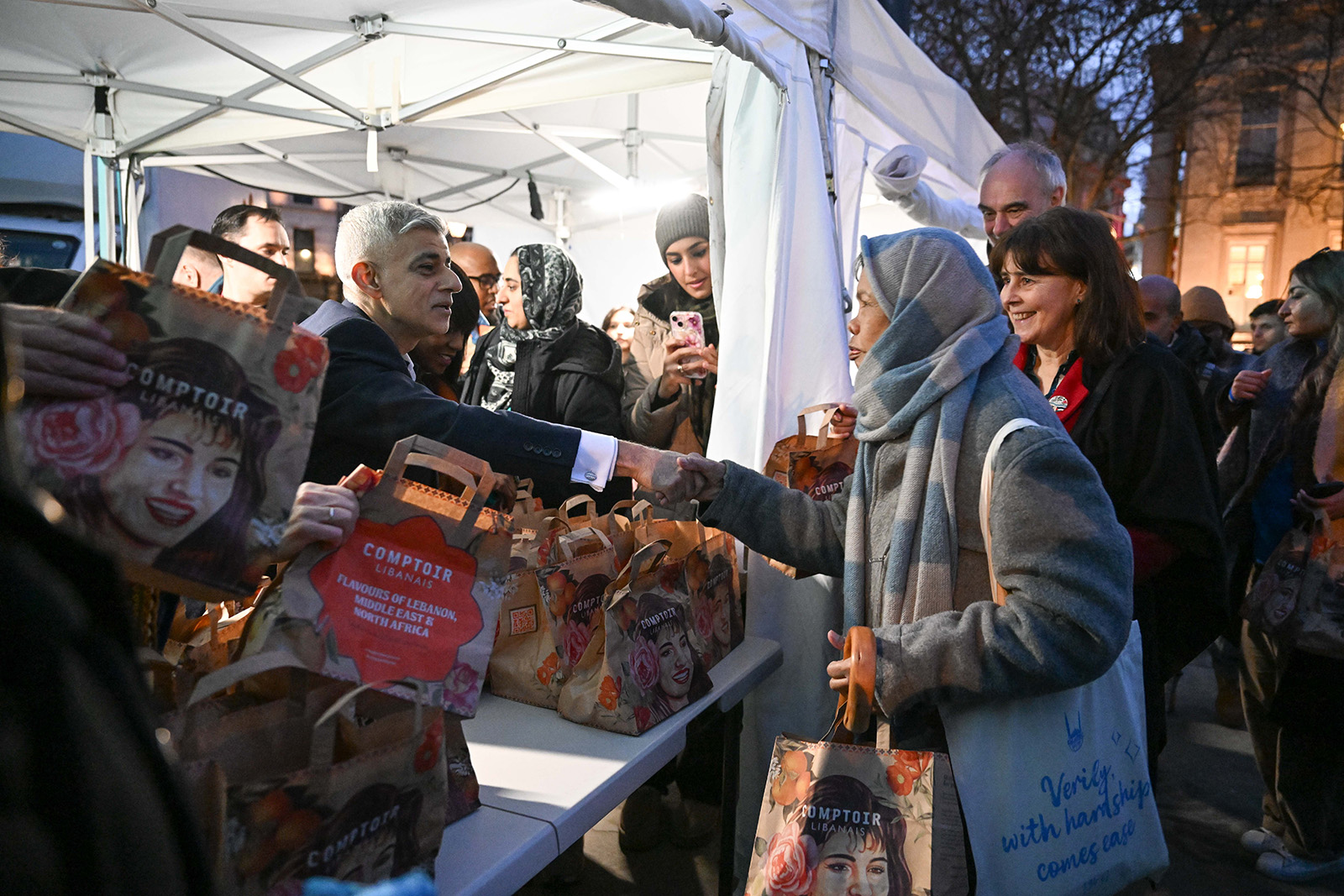
The Mayor of London’s free, annual Eid al-Adha celebrations will return to Trafalgar Square on 30 May. The event will feature family-friendly activities as well as retail stalls and food vendors.
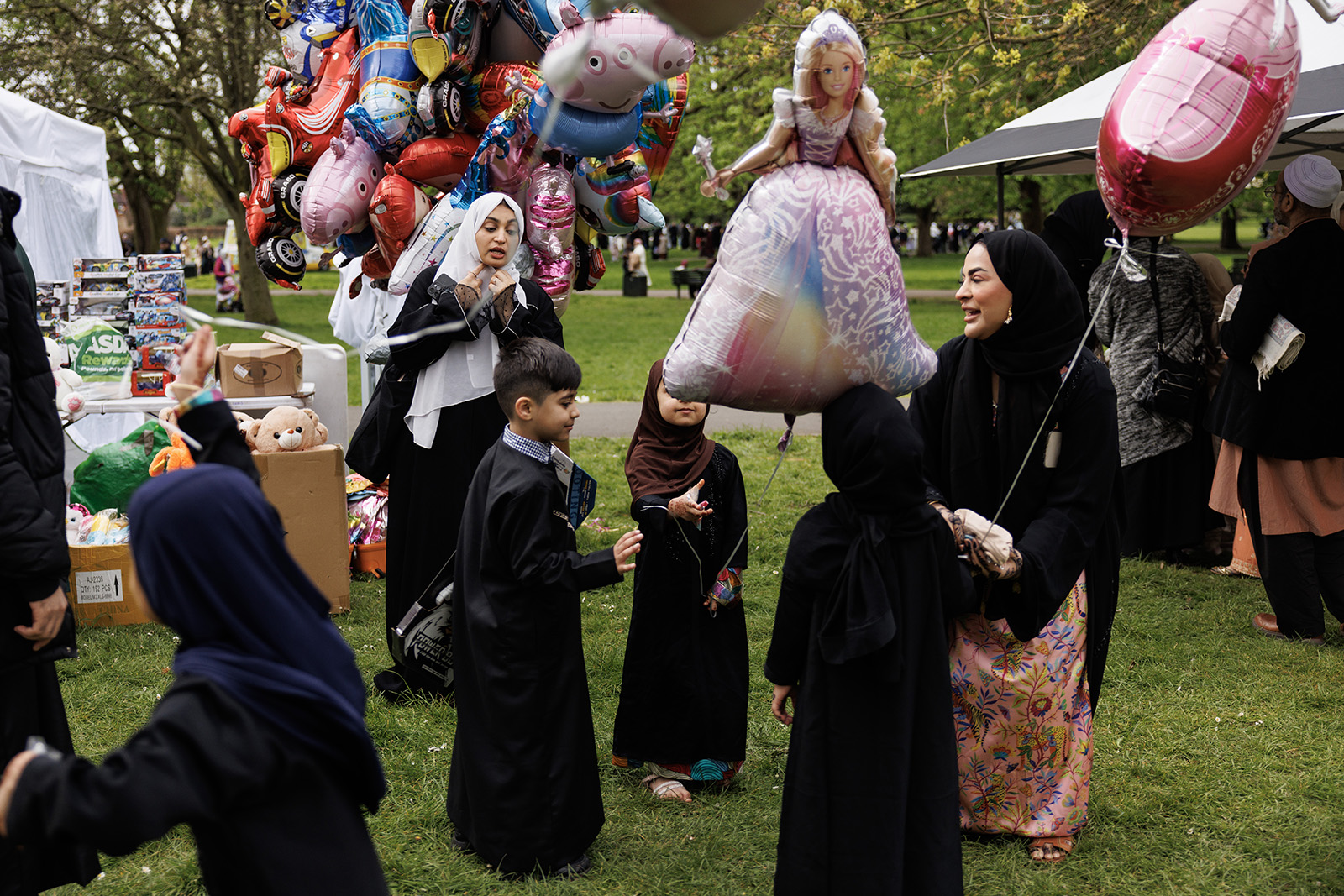
Also in London, an Eid festival is being held in Goodmayes Park, Ilford from Wednesday 27 May until Saturday 30 May. The celebrations will include a firework display, a boxing and sumo competition, activities like axe throwing, as well as a petting zoo.
When is Hajj? Key dates and what Muslims do on Hajj?
Related content
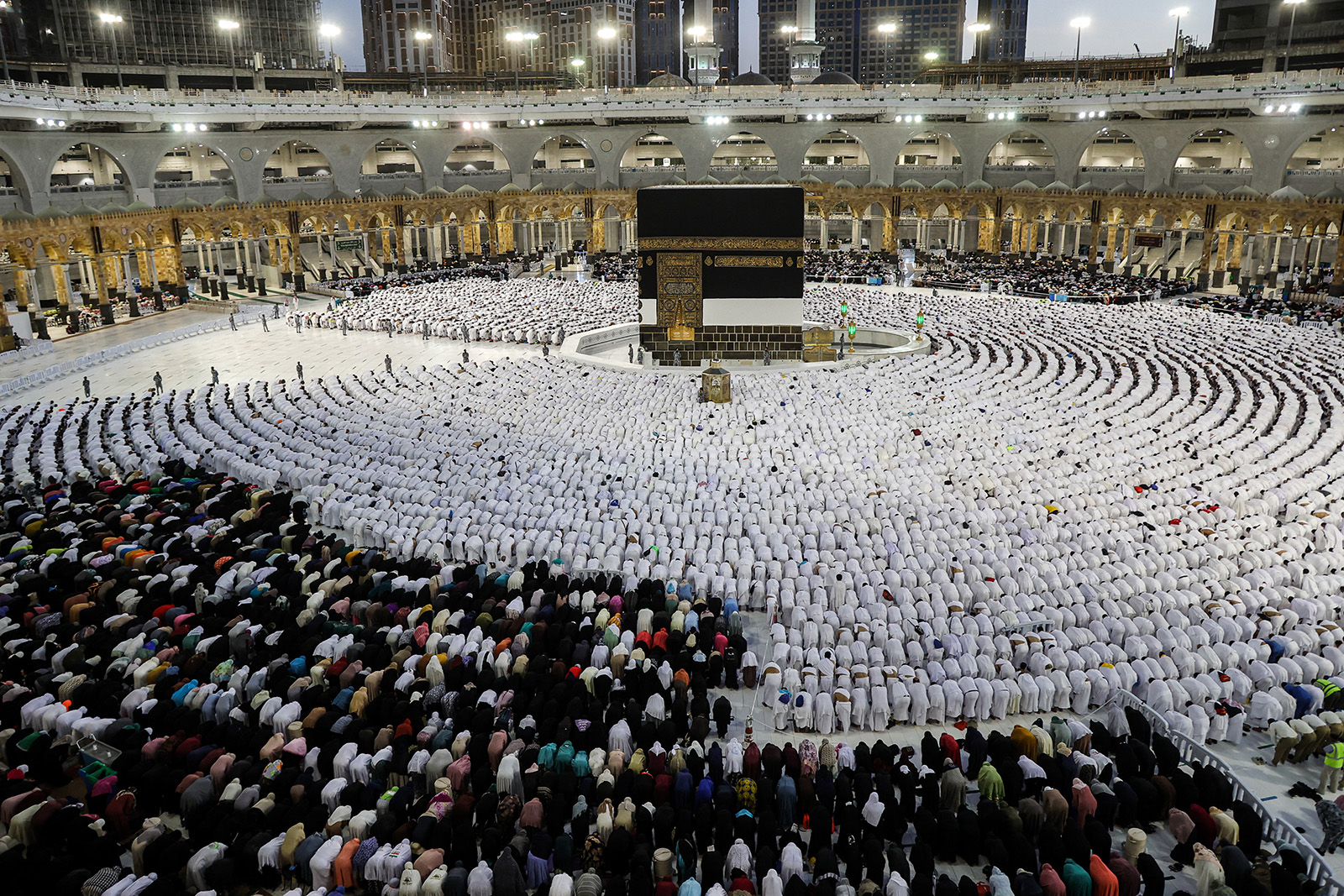
Performing Hajj is one of the five pillars of Islam. It takes place during the final month of the islamic calendar, which means it is also determined by the sighting of the new moon.
Hajj begins on the eighth day of Dhul-Hijjah and lasts until the 13th. On the first day, known as Tarwiyah, pilgrims travel to Mina. This is a valley located around eight kilometres from Mecca. Here, pilgrims spend the night sleeping in tents.
On the second day of Hajj, the Day of Arafat, pilgrims travel to Mount Arafat where they pray and seek forgiveness from Allah. At sunset, they travel to Muzdalifah, an open plain between Mina and Arafat, where they spend the night under the open air, with no tents or bedding.
On the third day, which is also the first day of Eid al-Adha, pilgrims carry out the symbolic stoning of Jamarat al-Aqabah, known as stoning of the devil. They also perform Tawaf al-Ifadah, which is to walk around the Kaaba seven times in a counter-clockwise direction.
Pilgrims stay in Mina for two additional days, during which they continue the ritual stoning of the Jamarat.