Detained or homeless: Greece’s asylum system under the EU migration pact
Detention centres are overcrowded, medical supplies run short and refugees sleep rough despite the country’s receipt of €5bn in EU migration cash

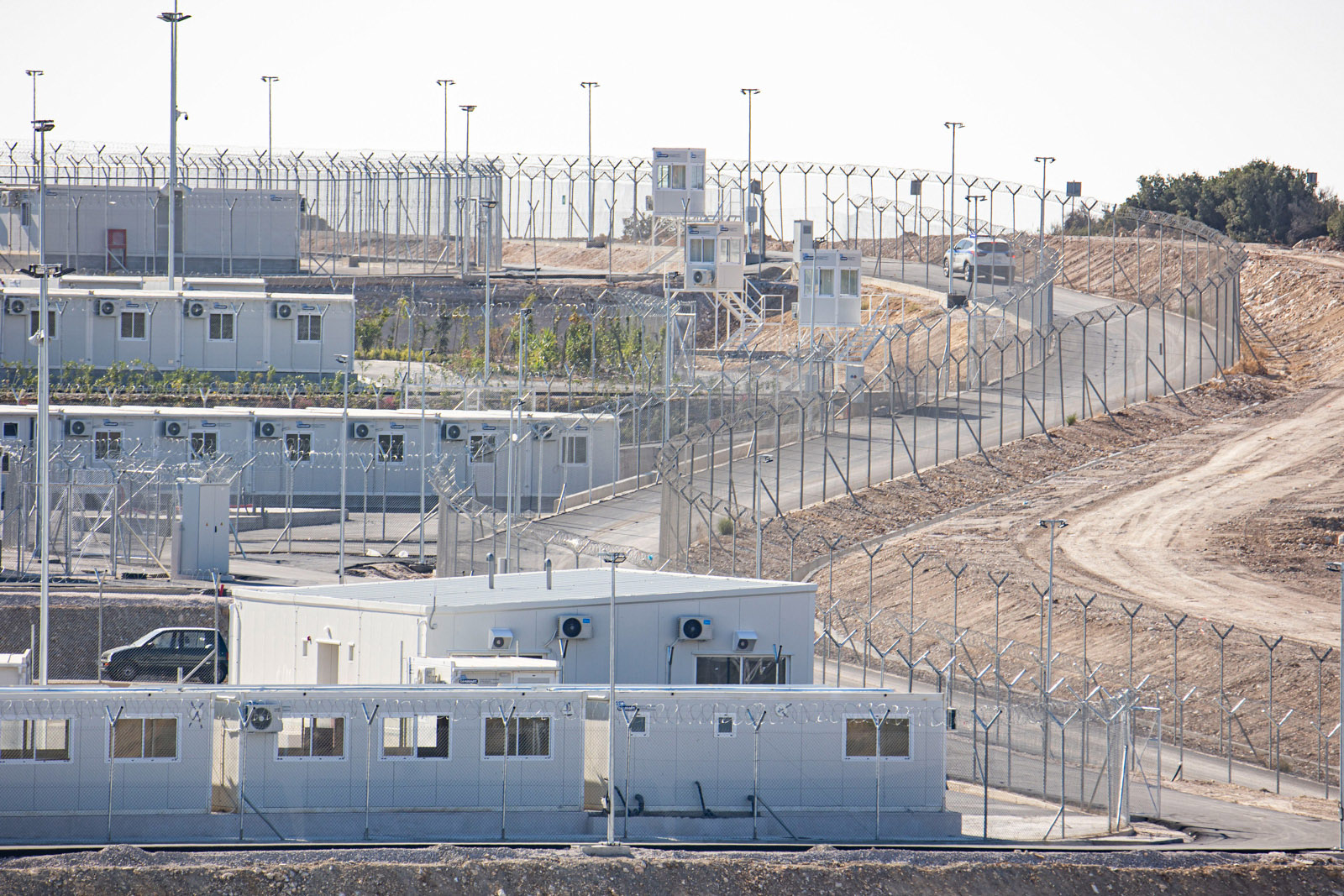
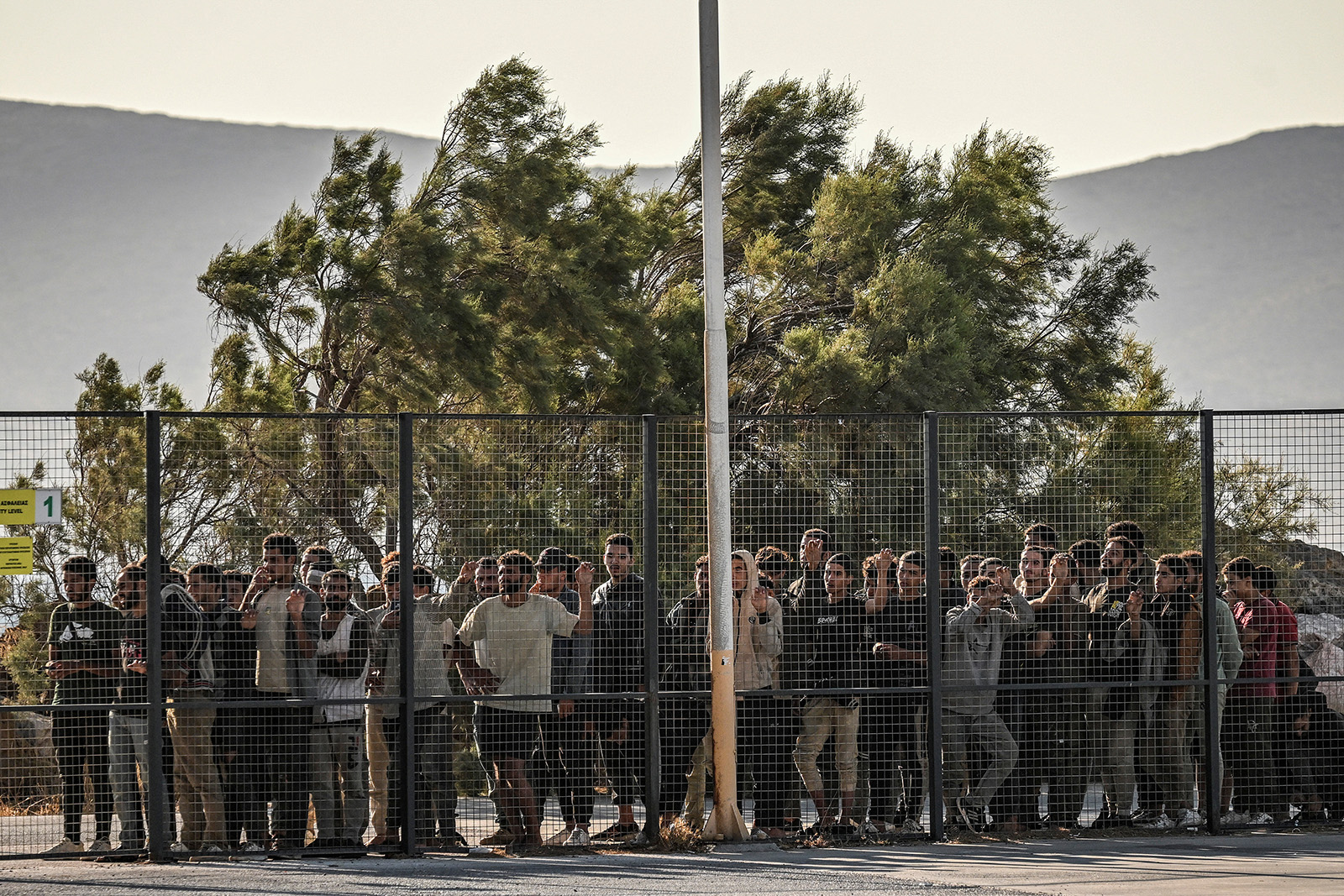
On the night of 22 August, unrest broke out at the Sintiki migration centre in north-east Greece. More than 50 men, mainly from Egypt and Bangladesh, tore down a fence and escaped.
“It all started while we were queuing for food. Someone tried to jump the queue and go to the front,” says Mohammed, an Afghan asylum seeker who was living at Sintiki at the time. “People of different nationalities often fight amongst themselves over such things because conditions are really bad.”
Sintiki operates both as a controlled-access facility, where asylum seekers are housed while their claims are processed, and a special detention facility, for people held over immigration violations. Mohammed, whose name has been changed at his request, entered Greece via its north-eastern border with Turkey. When Hyphen spoke to him, he had been at Sintiki for 33 days and was in the process of obtaining a temporary asylum seeker’s card. He was subsequently issued the document and left Sintiki for Athens.
Three days after the unrest, detainees at Sintiki sent a letter to United Against Racism and Fascism (KEERFA in Greek), a migrant rights group, describing conditions inside.
“We’ve been trapped here for 14 months,” they wrote. “Our children in Egypt can’t find anything to eat, and we’re here like the living dead.”
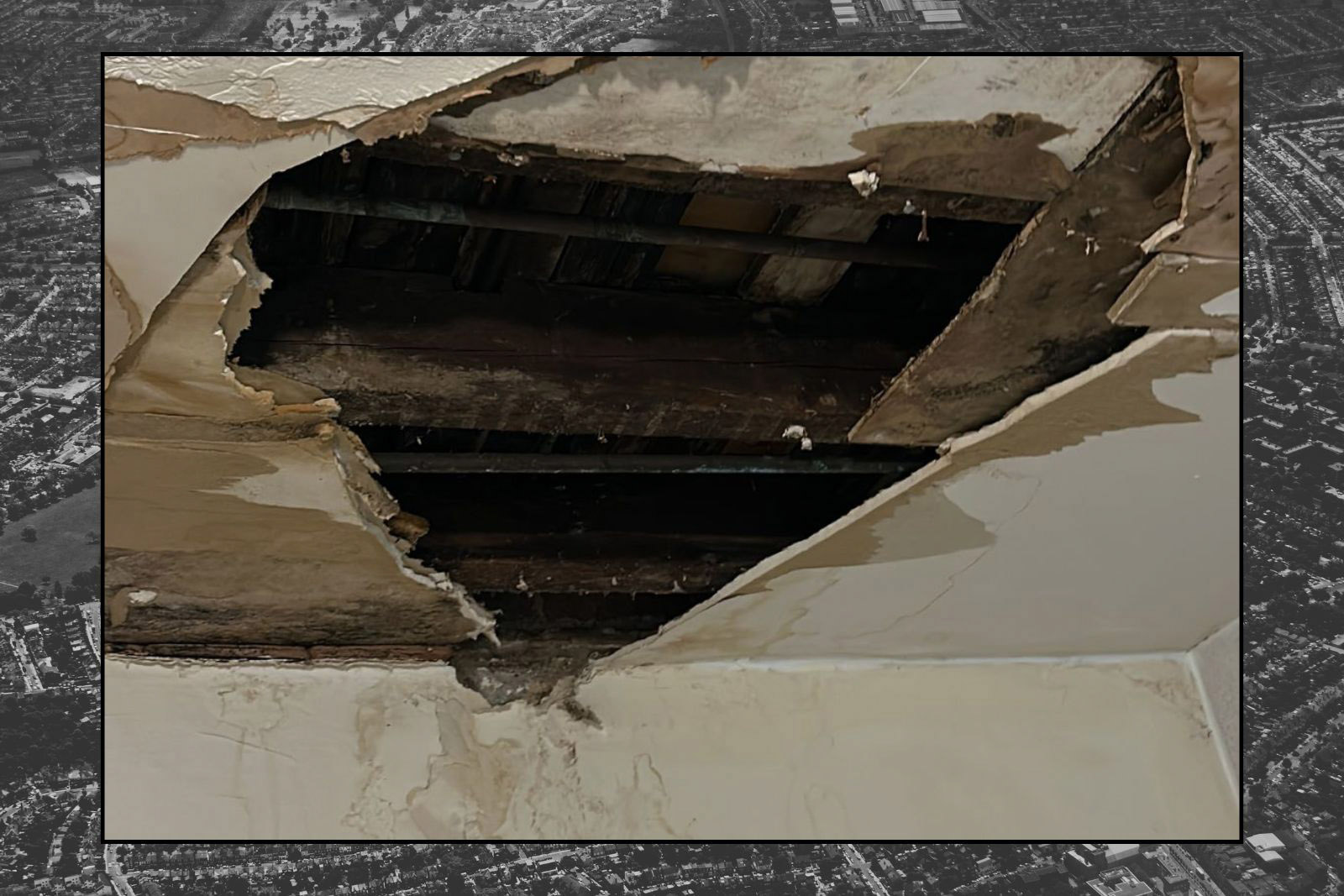
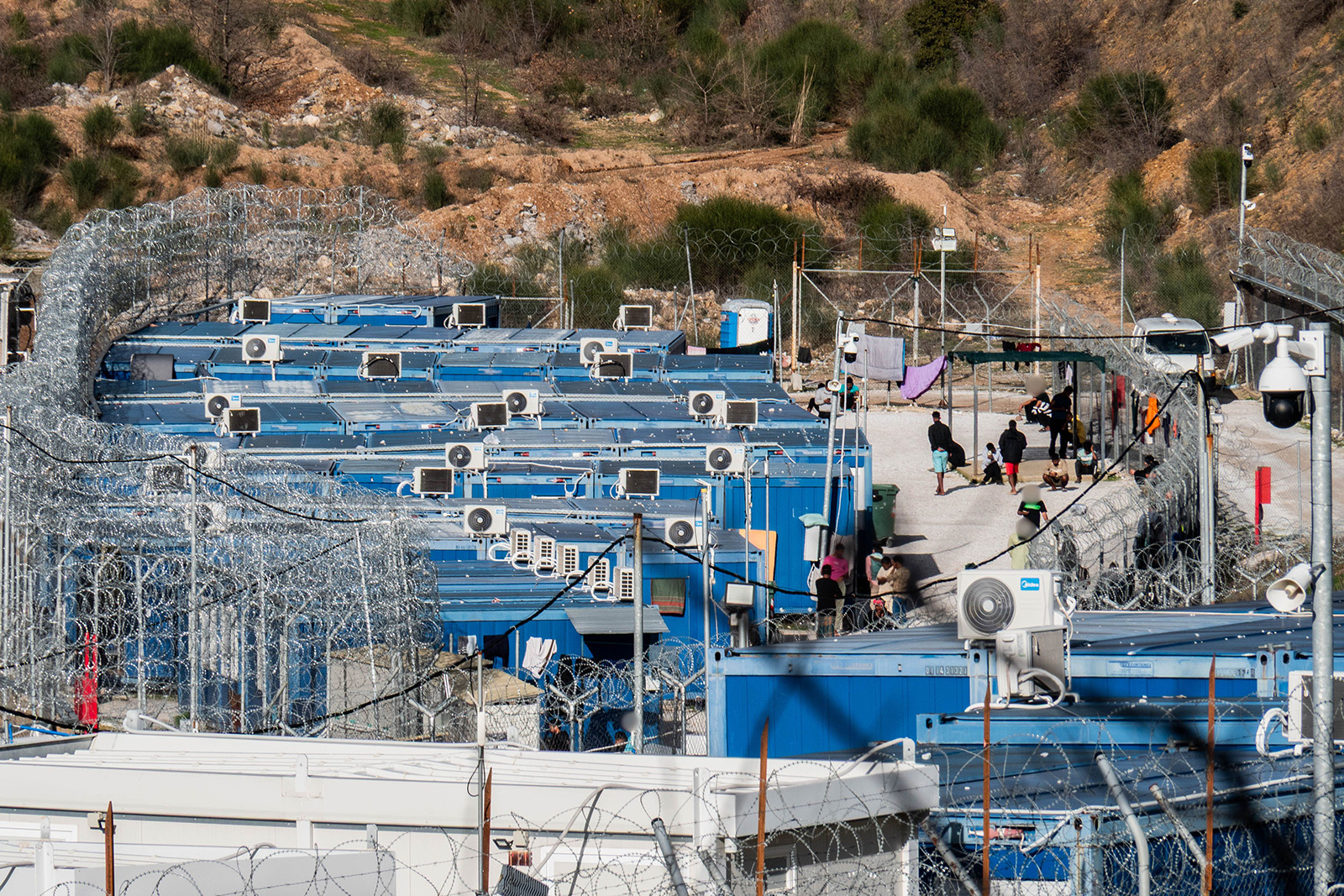
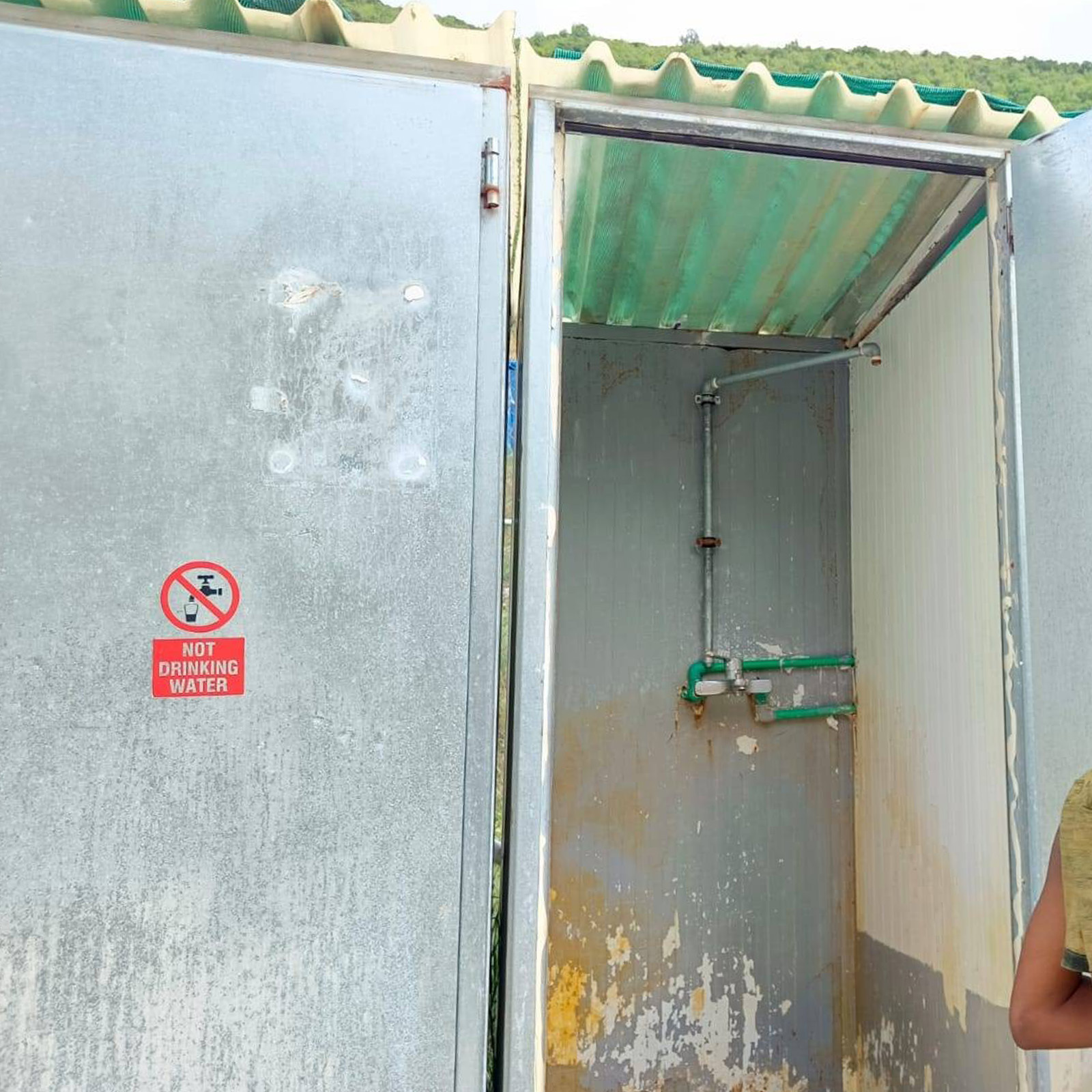
The detainees said more than 15 people were sleeping in containers with only four or five beds, while more than 300 people shared four bathrooms and three toilets. The air-conditioning was broken and insects, snakes and other reptiles were entering the facility, they said.
Mohammed gives a similar account.
“The security is really bad indeed and the food is rubbish,” he says. Requests for medical treatment could take a long time, while three daily portions of food were delivered together once a day.
“The food stinks. It’s unfit for consumption.”
Lawyers and refugee organisations have repeatedly warned that serious deficiencies in reception conditions in Greece persist despite years of scrutiny from EU officials.
Greece has received more than €5 billion from EU home affairs funds since 2015 for “migration management”, a large part of which was supposed to be spent on improving living conditions for migrants.
The latest official figures from the Ministry of Migration and Asylum, provided in response to parliamentary scrutiny and analysed by Refugee Support Aegean (RSA), ahead of the publication of its latest report, show the scale of staffing shortages across the reception system.
According to RSA’s analysis of the ministry data, as of 30 June 2026, just 58 doctors and 37 psychologists were working across Greek asylum reception camps. Among the 10 camps with the largest populations, there was around one doctor for every 800 residents. Six camps had no psychologist and none had a psychiatrist on duty.
Almost half of the 3,390 people identified as victims of torture or violence were living in large camps without financial assistance and with limited medical and psychological support, according to RSA.
Dr Afroditi Stampouli, a doctor from Thessaloniki, entered the centre at Sintiki with the NGO Albatros following the unrest. She describes metal containers standing under the summer sun with little shade, broken toilets and no functioning air conditioning.
She says she saw detainees hanging onto the barbed-wire fence separating them from the administrative area and shouting “freedom”.
Some pointed at their hands and scratched them. Stampouli believes they were trying to show symptoms of scabies, which she says is common in detention facilities.
When she stopped to listen, she says, the camp director and police director escorted her away.
“I wasn’t supposed to listen; I wasn’t supposed to respond,” she says.
According to Stampouli, she was told that engaging with the detainees could encourage further unrest.
Although a doctor herself, Stampouli says she was denied access to the centre’s doctor. She was also told that when detainees needed outside treatment, groups of five to 10 people had to be assembled before being transported by police, in handcuffs, to local medical facilities.
Further disturbances took place at Sintiki on 29 August and 8 and 13 September. Iraklis Pekiaridis, a lawyer representing asylum seekers there, says some detainees arrested during previous disturbances had told him they would rather go to prison than return to the centre.
Hyphen has found that the conditions described at Sintiki are part of a much wider problem confronting the EU as it begins implementing its new Pact on Migration and Asylum.
A Hyphen investigation has revealed that EU member states have fallen more than 19,000 places short of agreed asylum reception targets despite receiving more than €600 million in EU funding.
In Greece, cash assistance intended to cover asylum seekers’ daily expenses has meanwhile been suspended since March 2025.
“Greece is implementing a deterrence approach,” Lefteris Papagiannakis, head of the Greek Council for Refugees, tells Hyphen. “They are making life hellish for people to send a message not to come. And as you know, that doesn’t work.”
Minos Mouzourakis, legal and advocacy officer at RSA, says shortages of doctors, psychologists and social workers have become entrenched.
“We still have many camps that have either one doctor per hundreds of people, or sometimes no doctor at all,” he says.
For Mouzourakis, the persistence of those deficiencies raises questions about what years of EU funding and oversight have achieved.
“How is it possible that a country that has received that amount of EU funding, and that has a sort of constant presence and spotlight from EU mechanisms, and with known documented deficiencies in the rollout and the provision of even essential services, [is] actually still in that type of situation?”
Internal European Commission updates obtained by Hyphen document problems across Greece’s asylum system, including shortages of interpreters, delays in asylum claim decisions, problems with registration systems, suspended cash assistance and barriers to employment.
The problems do not end when an asylum claim succeeds.
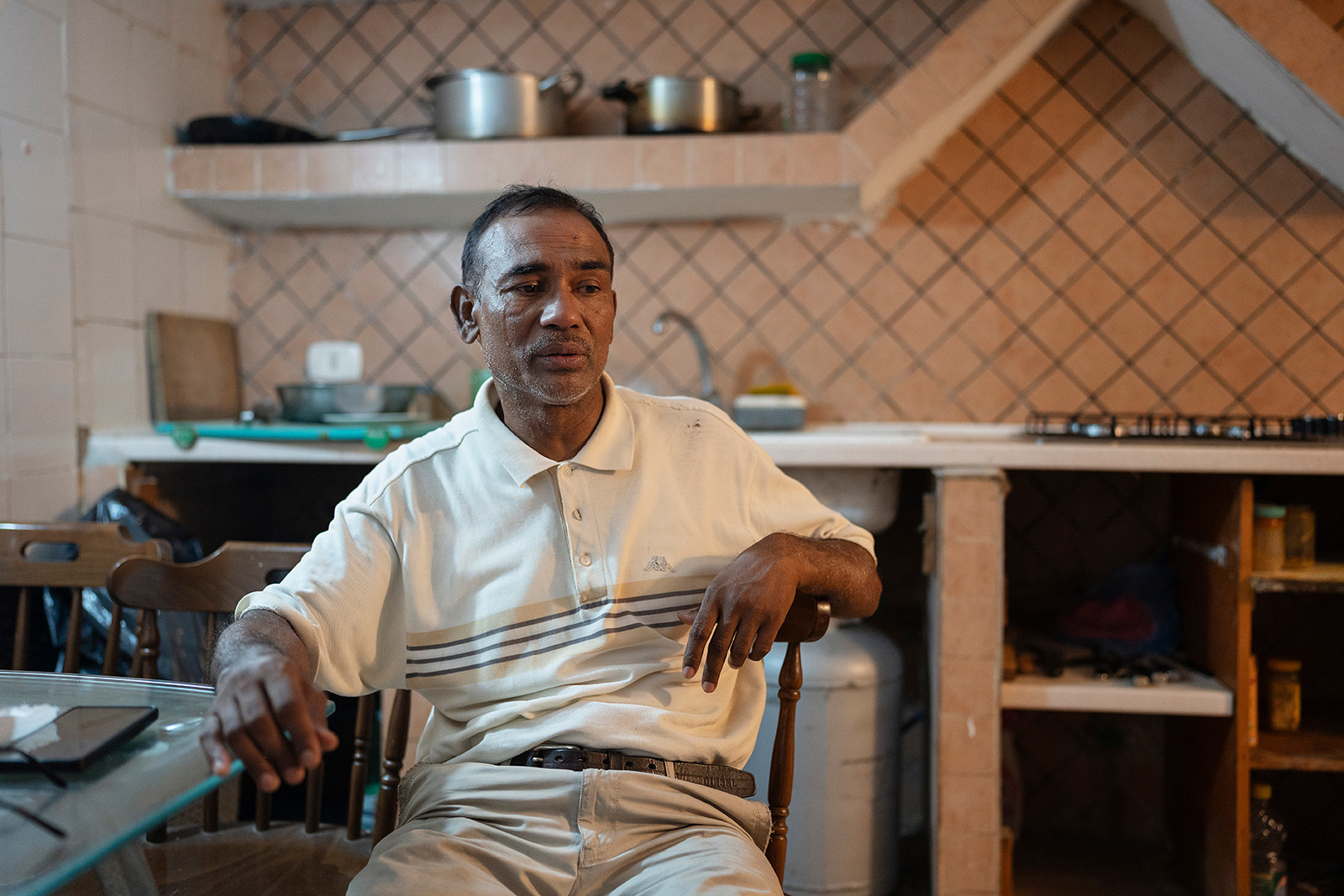
Fifteen minutes from central Athens, groups of Sudanese men sleep on mattresses or in makeshift shelters in Bakoyiannis Park, between municipal buildings. Some are still going through the asylum system. Others, including Ali Suleiman, have already been recognised as refugees.
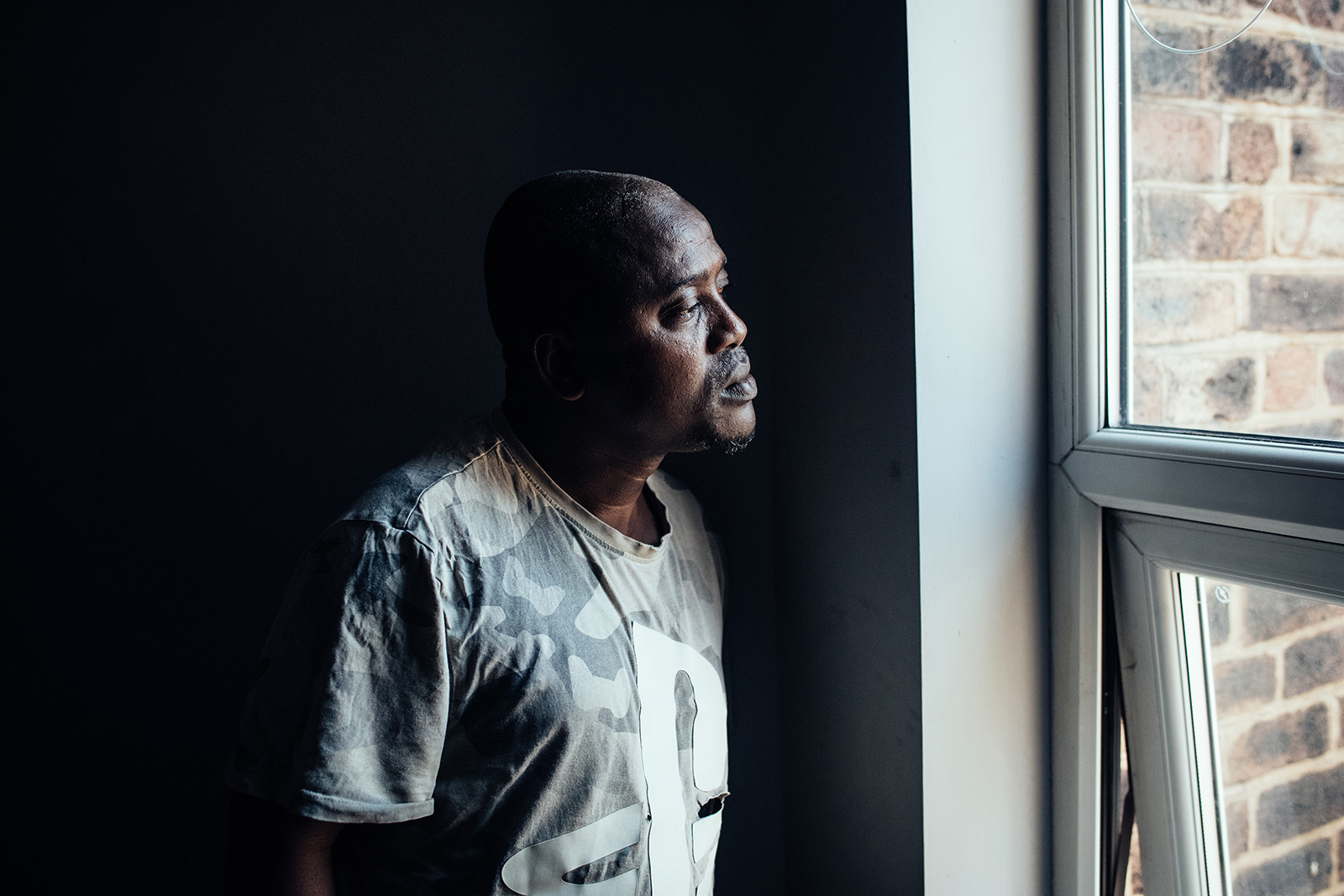
“The worst days of the trip were when I left the camp,” Suleiman says, sitting on a bench beside the mattress where he sleeps. “I came here and had no money, no one to go to and nothing to do.”
Suleiman, 47, was a blacksmith in Khartoum. He fled Sudan’s war, leaving behind his wife and three children. He travelled by truck to Libya before crossing the Mediterranean in a dinghy, spending four days and nights at sea before arriving in Crete dehydrated and exhausted.
He was transferred to a migration centre near Athens and received refugee status about three months later.
But recognition brought a new problem.
“I got the paper, and the guard told me I’m free to go and do whatever I want,” he says. “I stood at the door happy but quickly realised I had nowhere to go.”
Suleiman has now been homeless for more than a year.
Asked why he does not rent somewhere to live, he looks surprised.
“Rent a house? A house requires money. I don’t have any.”
Recognised refugees are required to leave reception accommodation shortly after receiving refugee status. The period in which they are permitted to remain was reduced from six months to 30 days, according to the Greek Ombudsman. But the Ombudsman found that this had not been matched by a corresponding reduction in the time required to issue the residence documents refugees need to establish themselves independently, leaving some exposed to homelessness and precarious living conditions.
Greece’s main refugee housing and integration programme, HELIOS, ended its original phase in November 2024. RSA estimated that more than 94% of those eligible were left without housing assistance. Its successor, HELIOS+, is intended to support just 4,323 beneficiaries over four years.
Suleiman says the only assistance he currently receives comes from the Red Cross as a homeless person. He receives no financial support as a refugee and has also struggled to enter formal employment.
The Greek Ombudsman has identified another problem: access to healthcare can itself depend on recognised refugees being able to demonstrate employment or the intention of an employer to hire them, potentially leaving people who are looking for work without healthcare.
The failures of Greece’s asylum system raise serious questions about how the country will deliver on the EU’s new migration pact. The legislation promises stronger protections for asylum seekers, alongside provisions governing recognised refugees’ access to housing, employment, healthcare and social assistance.
Greece passed Law 5307/2026, titled Implementation of the Pact on Migration and Asylum, on 11 June 2026, as the new EU asylum rules came into force. But some of the measures needed to put the system into practice were delayed or still missing.
Rules for processing asylum claims at the border were not published until 10 July, a month after implementation began, while rules governing age assessments have still not been issued. A separate measure offering payments to lawyers when asylum seekers withdraw their claims was opposed by Greek bar associations, which refused to implement it.
At a technical level, Greece has made progress. A European Commission assessment published in July said the country had successfully completed the work necessary to connect its national systems to the EU’s Eurodac database. Its Alkyoni II asylum system had also been upgraded to support the pact, including through automated calculation of deadlines, with further connections planned.
The commission assessment said Greece was “demonstrating its readiness to ensure the effective implementation of the responsibility rules”.
But refugee organisations say the new asylum system is taking effect alongside tougher Greek laws criminalising illegal entry and residence, with potentially serious consequences for people who are unable to register an asylum claim.
In September 2025, Greece’s right-wing government led by prime minister Kyriakos Mitsotakis introduced legislation criminalising illegal entry, exit and residence, carrying a prison term of at least two years. By the end of 2025, public prosecutors had brought more than 800 cases under the new provisions, mainly for illegal entry and residence, with the overwhelming majority resulting in convictions.
RSA has documented at least five cases in the Attica region in which people went to the Malakasa facility seeking to register asylum claims but were instead arrested, detained and brought before criminal courts for illegal entry or presence
In one case documented by RSA, a Syrian man who approached Malakasa to claim asylum was arrested before he could register his application. In others, people seeking international protection were detained and faced deportation procedures despite having attempted to make asylum claims.
“In Attica, there is a complete lack of access to the asylum procedure, with the result that people seeking international protection are being arrested and sent to prison instead of receiving the protection to which they are entitled,” Mouzourakis says.
RSA argues that people already on Greek territory who have not first been apprehended at the border can have no effective route into the asylum system. It says people presenting themselves to registration authorities have instead been arrested, detained, prosecuted and issued with deportation orders.
Papagiannakis says the asylum system was at one stage effectively non-operational for more than two months.
“There is administrative chaos and a huge ‘grey area’ of people who remain outside the system, with no papers and without the rights of an asylum seeker,” he says.
The contrast matters because the pact does not simply seek to make the EU asylum system faster. Its revised reception rules are also intended to establish minimum standards for people seeking international protection.
Mouzourakis argues that many of the failures seen under the previous system risk simply carrying over into the new one.
“People may end up spending weeks or even months homeless without healthcare, without any type of support, even though they are eligible for it,” he says. “They’re entitled to it under the reception conditions directive.”
Following the disturbances at Sintiki, migration minister Thanos Plevris defended the detention regime at the centre.
“This is the cost of running a closed facility – that is, a facility that detains illegal immigrants and does not allow them to move freely around towns and villages,” he said.
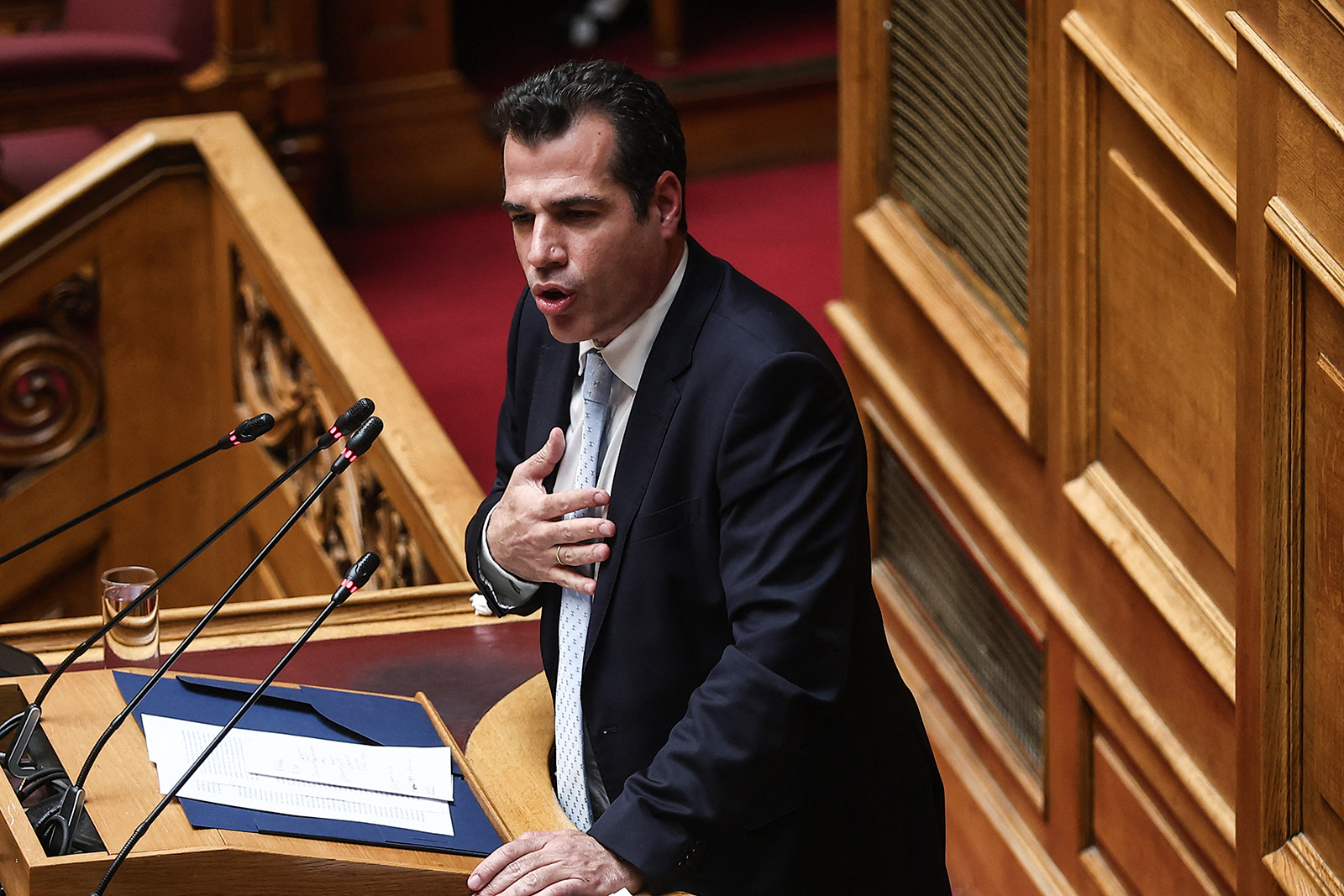
Plevris has also called for rejected asylum seekers to be removed from the EU as quickly as possible, arguing that European migration policy should place greater emphasis on returns.
Hyphen contacted the Greek Ministry of Migration and Asylum by email and telephone for comment but had received no response by the time of publication
For Suleiman, the immediate question is more basic.
In Bakoyiannis Park, he is still trying to find regular work while his wife and three children remain in Sudan.
“I couldn’t imagine it was going to be this bad,” he says.
But returning home is impossible while the civil war in Sudan continues. Nor, he says, is he particularly concerned about which European country he eventually lives in.
“I just want work to bring my family out of there and give my children proper education.”