
Suzannah Mirghani on making her debut feature at a ‘time of destruction in Sudan’
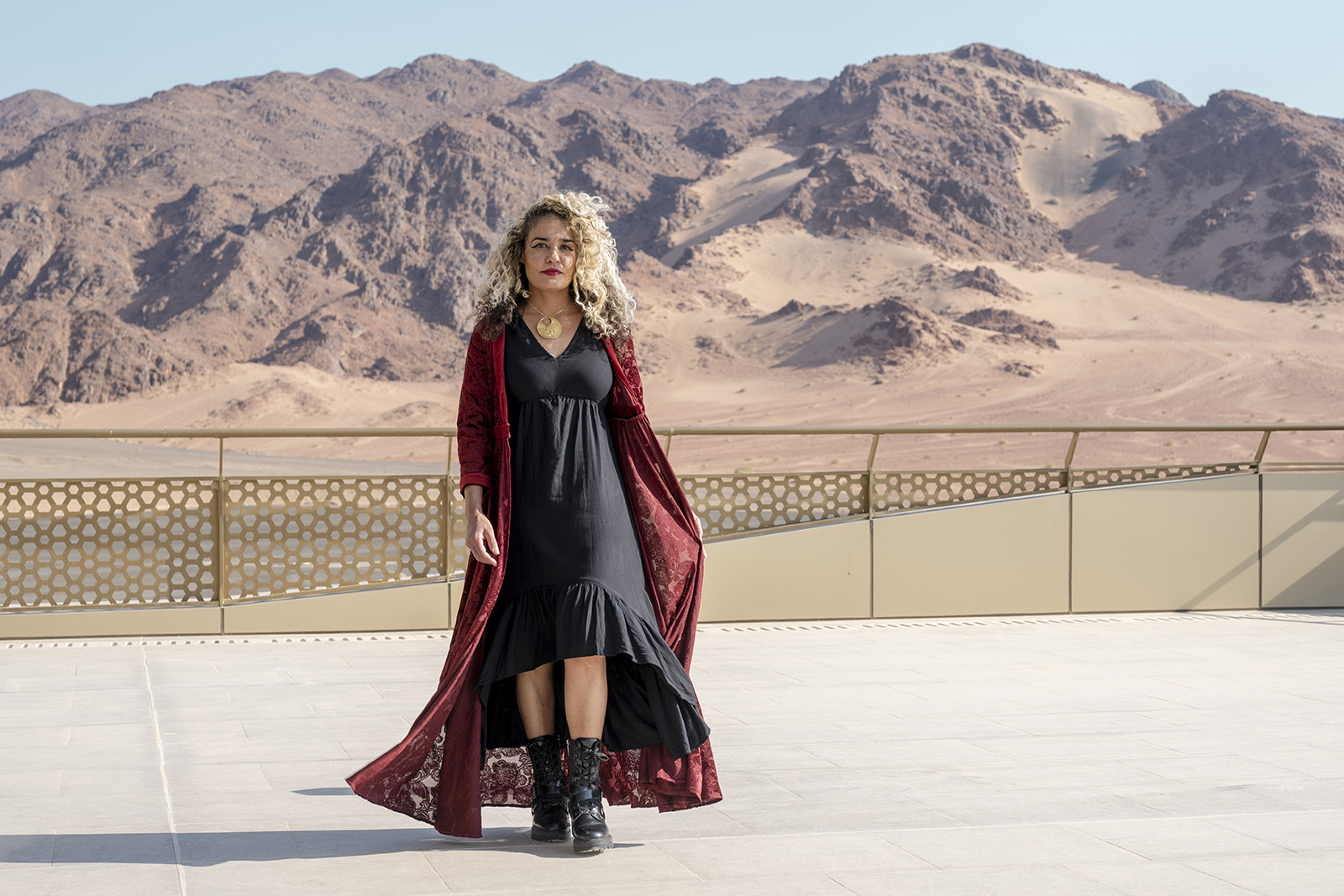
The Sudanese director’s film, Cotton Queen, is a story of women’s rights and the scars of British colonialism

“To see Sudan on screen is a very rare occurrence,” says director Suzannah Mirghani. “It only happens every few years.”
Cotton Queen is the Sudanese film-maker’s feature debut, a story of women’s rights and the scars of British colonialism. It follows a young Sudanese girl Nafisa (Mihad Murtada) contending with an arranged marriage she doesn’t want. She works picking cotton in a field owned by her grandmother Al-Sit (Rabha Mohamed Mahmoud), the “Cotton Queen”.
The reason Al-Sit got her nickname is told through tales of folklore throughout the film. One story tells of Al-Sit poisoning 100 British soldiers and burying their bodies in the field where the cotton now grows — which is why the soil is so rich.
The script came from Mirghani’s experience growing up in Sudan, inspired by memories of her grandmother and the cotton fields of her extended family in the Al Jazeera region.
“I grew up in a multigenerational household with grandmothers, my uncle and my parents and sisters. The grandmother figure in these households would weave cotton into thread, and she would sell it and be economically independent,” Mirghani explains. “Sudan is a very matriarchal society, which a lot of people don’t know because it’s such a patriarchal government through military and authoritarianism. But within the home, the grandmothers rule.”
Mirghani moved with her family as a teenager to Qatar, where she is now based, working as a film-maker and editor at Georgetown University’s campus in the Arab state. She only returned to Sudan after the 2019 revolution to begin work on her short film Al-Sit (2020), on which Cotton Queen is based. “It was extremely refreshing to work with people who saw the film as a community project rather than an industry project,” she says. “We were living in people’s houses, their mothers were cooking for us. It was a very nurturing and grounded experience of filmmaking.”
Mirghani worked with a cast of mostly non-actors on the short to prove that she could do it for a feature film. “I promised everyone that if this film did well, I’d get more money and I would come back to make the feature,” Mirghani says. “However, in between, the war broke out in 2023, and I couldn’t go back.”
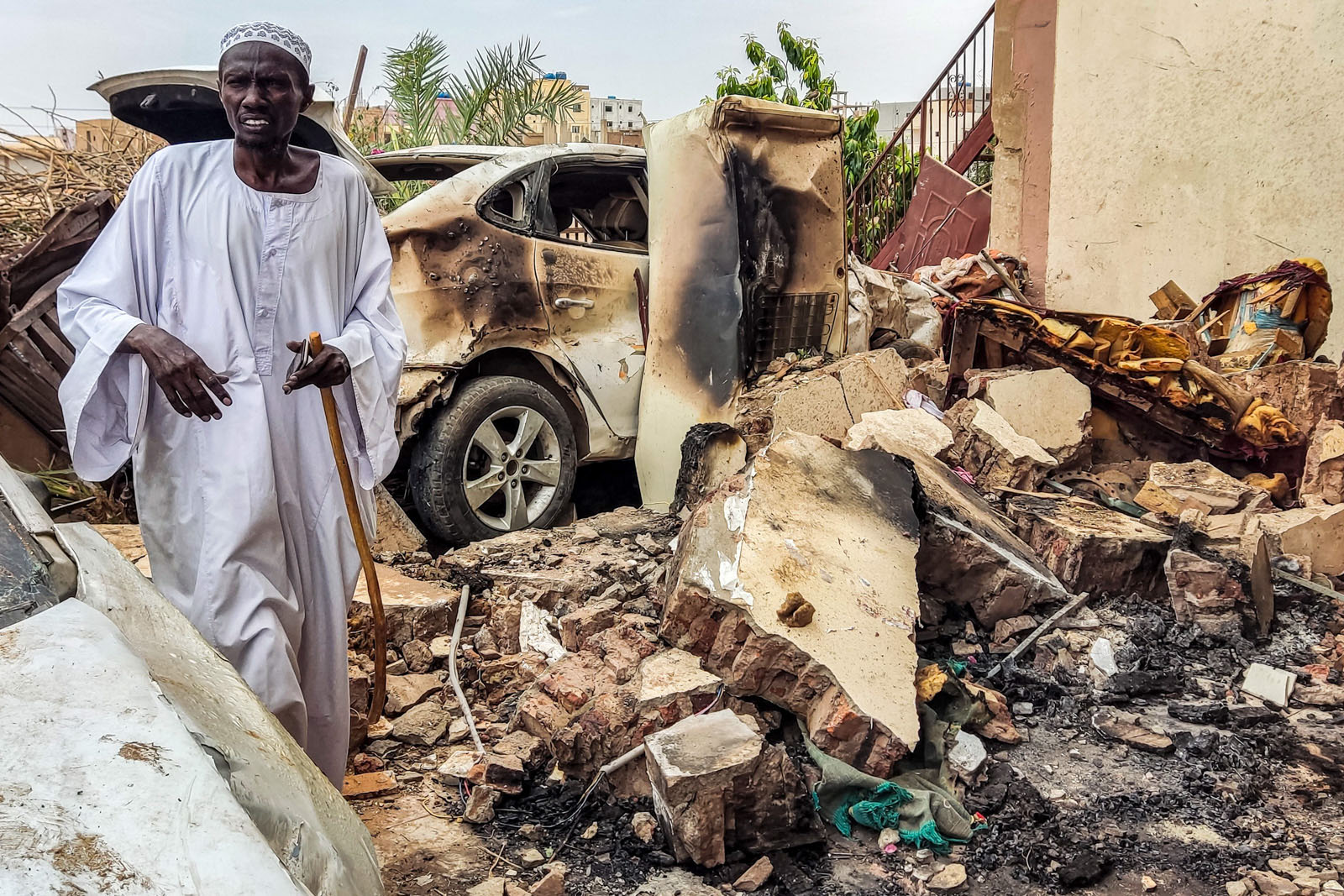
Much of the cast and crew from Al-Sit fled Sudan when the civil war began, primarily to Egypt. Mirghani decided that she would shoot the feature there. “At the time, a lot of them weren’t working, weren’t going to school,” she says. “To this day, Mihad Murtada hasn’t been to university. Their lives were disrupted by the war.”
In her recreation of Sudan, Mirghani wanted to capture the history of British colonialism in the region, but also how that history echoes into the present day. The title comes from the Cotton Queen beauty pageants in the UK.
“I had never heard of cotton queens, and so I started digging deeper and discovered that it was a beauty competition for young girls working in the cotton mills of northern England, but the cotton that they were handling was Sudanese cotton, which they had extracted,” says Mirghani.
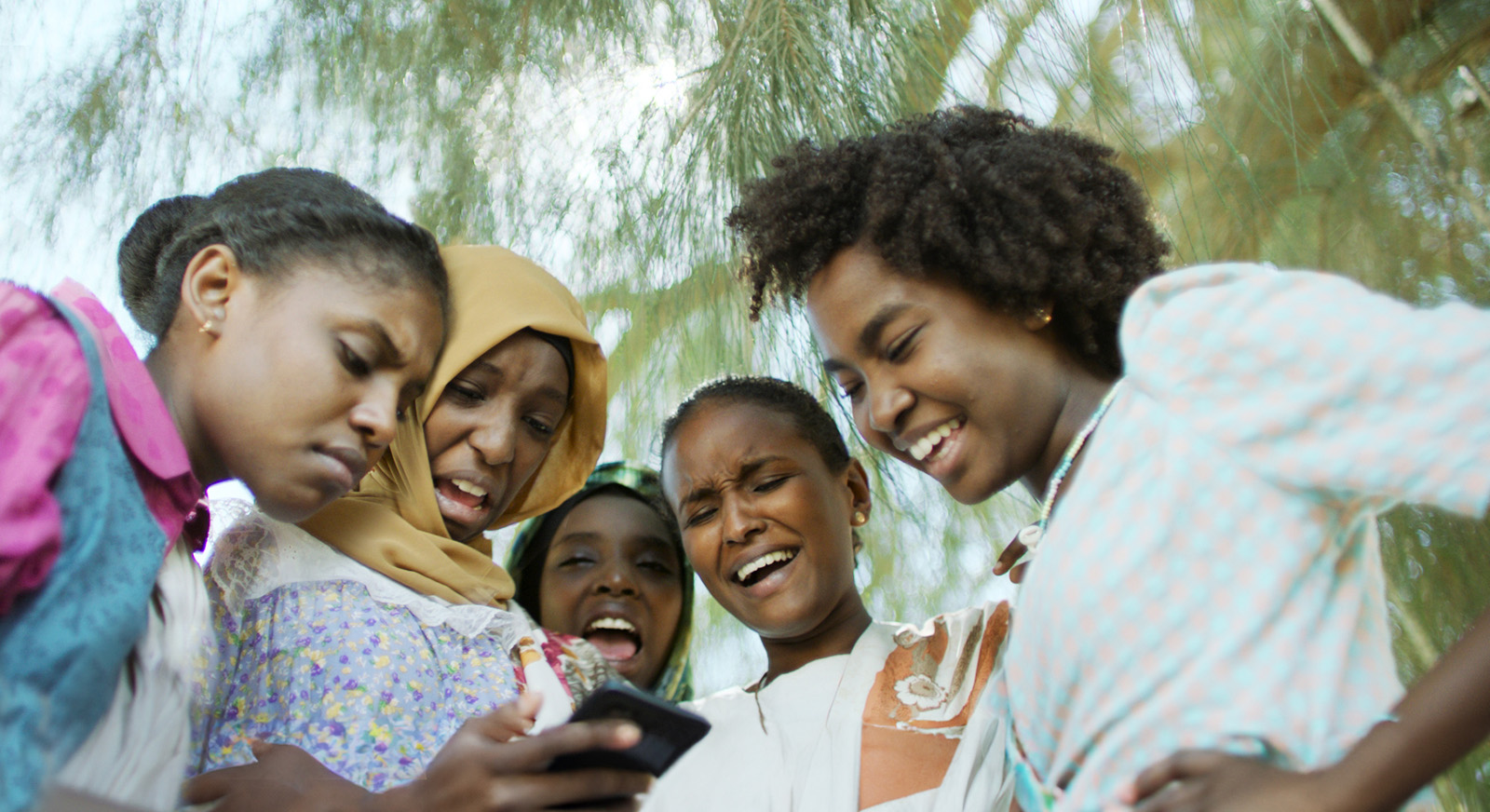
The cotton itself has significance. “Sudanese people have a very intimate connection with cotton,” Mirghani explains. “This is the crop they pick for their sustenance, for themselves, for their clothes, bedding, animal feed. Women use raw cotton for their periods. And then, of course, when the British colonial project came in, it kind of severed that relationship, distanced people from the land.”
Mirghani uses Nafisa’s story as a way to explore not just the effects of colonialism but also issues faced by Sudanese girls, such as female genital mutilation (FGM).
“In Sudan, they don’t call it FGM. It’s called ‘purification’. It’s given a very positive outlook because it’s a rite of passage. It’s celebrated and centuries old. It’s so deeply ingrained in Sudanese society, but it’s also about control of girls’ bodies, control of their sexualities,” she says.
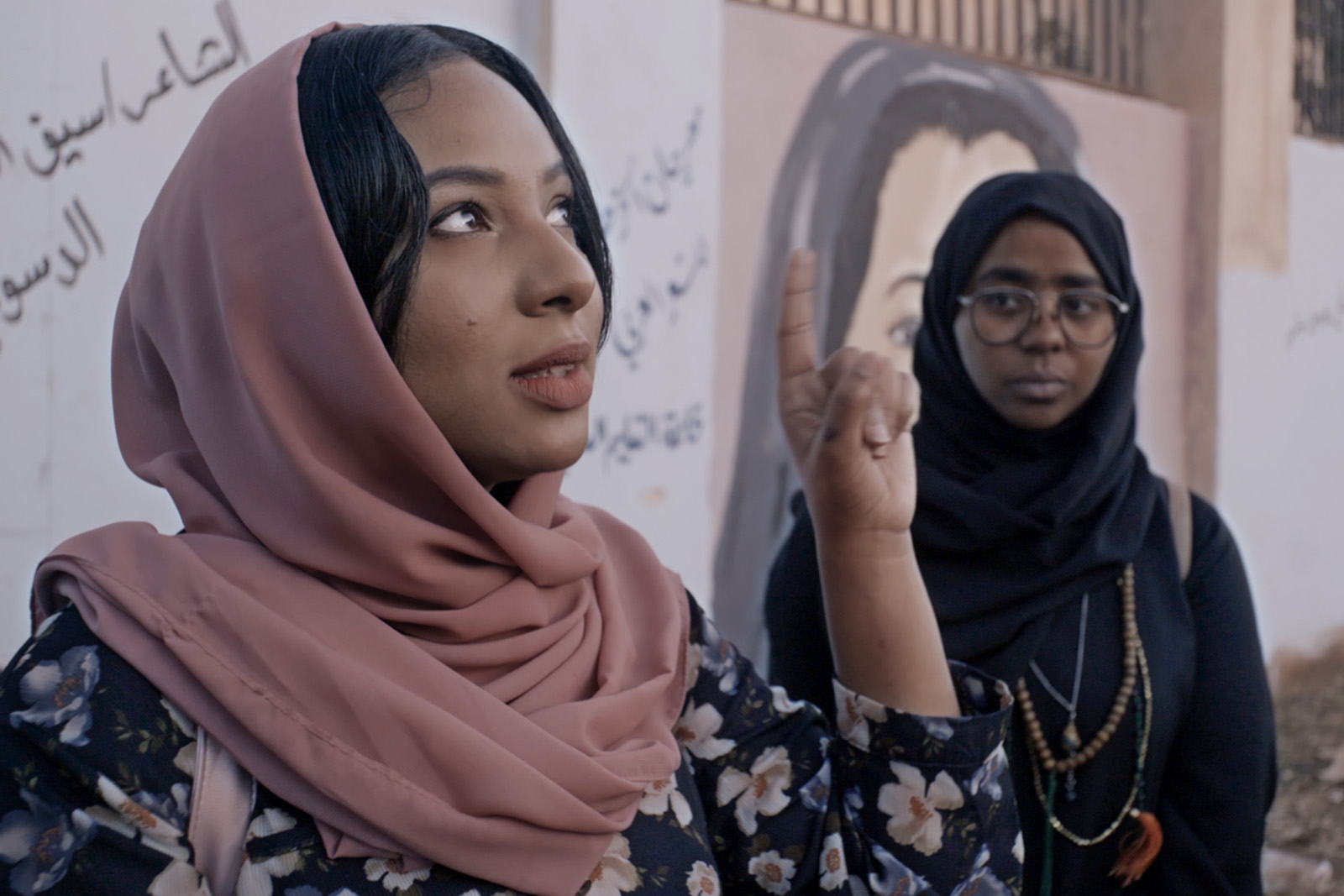
Mirghani hopes the film can open conversations about bringing an end to that tradition. “This is something that I wanted to critique and it’s not a topic of discussion in Sudan publicly. I found this to be a good way of at least opening that topic up,” she says.
“As much as I honour certain aspects of [Sudanese tradition], I also critique certain aspects of it, which is the hold that both tradition and modernity have on girls’ bodies.”
The boldness in Mirghani’s storytelling reflects the strength shown in making the film itself. “It became a mission for all of us, to work on something positive at this time of really terrible destruction in Sudan,” she says.
“We will make our films despite the fact that we have no support and we have no industry, and despite all the problems and psychological issues from what was going on in the war. People had lost family members, so this became our project and we were able to rebuild, to recreate Sudan.”