
NAZA is truly one of the most powerful films you will ever see
The new documentary from Oscar-winners Yuval Abraham and Rachel Szor may change minds and inspire action. It can also leave audiences devastated and no better equipped to alter what they have witnessed

The phrase “essential viewing” is applied rather liberally to documentaries about ongoing atrocities. It suggests that watching is an act of moral obligation and that choosing not to is an abdication of responsibility. Yet, after three years of seeing the destruction of Gaza unfold in extraordinary detail, it is worth questioning what watching another 80 minutes of horror is supposed to achieve.
Related content
There is a difference between being unwilling to acknowledge suffering and realising that you cannot bear any more after having confronted so much of it. It’s with that qualifier that I recommend NAZA, a film that despite not being explicitly violent, depicts a level of cruelty that left me feeling hollowed out, despairing and physically ill.
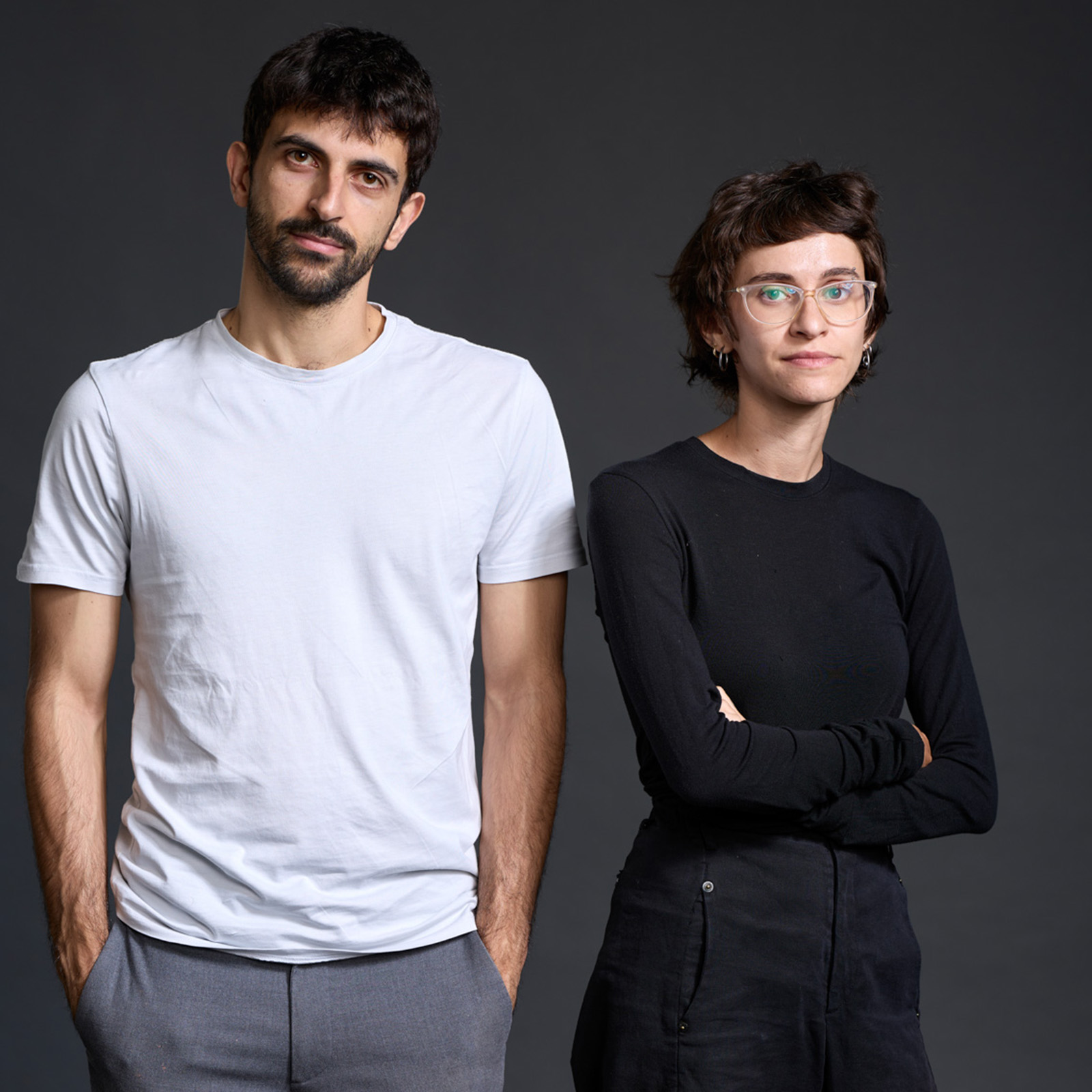
The new documentary from Oscar-winning No Other Land directors Yuval Abraham and Rachel Szor and executive produced by Jonathan Glazer, draws on interviews with 24 anonymous Israeli soldiers and intelligence officers, building on investigations published by the Guardian, +972 Magazine and Local Call. Its title derives from an Israeli military acronym for collateral damage, used to describe the number of civilians expected to be killed in their attacks.
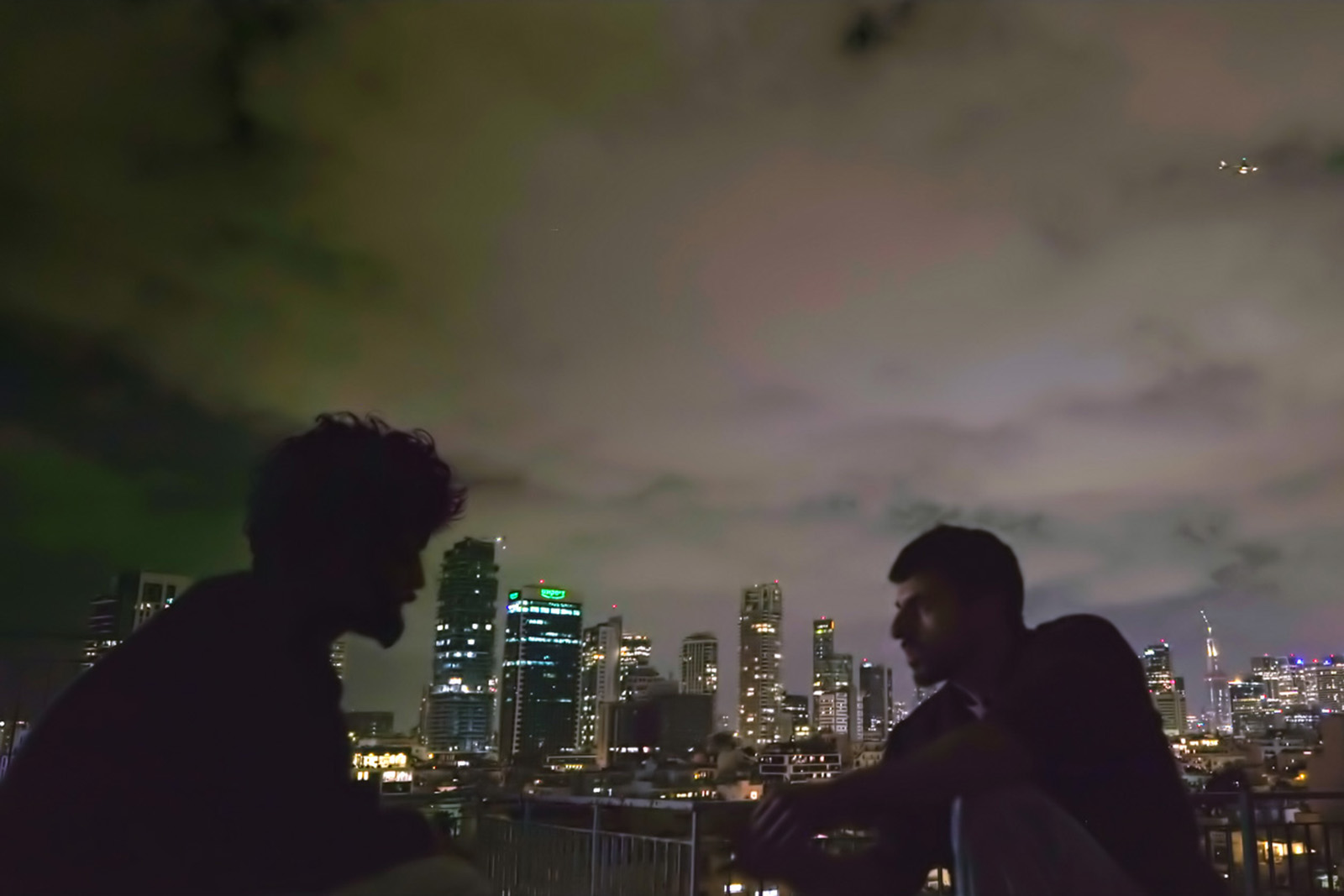
The film details allegations that AI-assisted targeting systems and mobile-phone surveillance have been used to identify targets, with anticipated civilian casualties calculated in advance. Abraham and Szor interview their subjects on rooftops overlooking Tel Aviv, its illuminated skyline providing a striking counterpoint to accounts of devastation in Gaza. Their identities are concealed and voices altered. These are necessary protections to secure testimony from within the Israeli military, but I found an uncomfortable irony in those describing Palestinian deaths being afforded anonymity, while the people whose lives they discuss have been denied any protection whatsoever.
The film-makers are less interested in whether individual soldiers feel remorse than in how the military allows them to distance themselves from the violence they help carry out. Some interviewees express shame, most seem remarkably untroubled. With responsibility spread across so many people, departments and technologies, each can regard their own role as too insignificant to bear much responsibility.
The documentary received a 25-minute standing ovation and won the Special Jury Prize at Venice, but its reception among Israel’s political right has been considerably less enthusiastic. The directors have been accused of treason, with culture minister Miki Zohar calling for them to be stripped of their citizenship and Prime Minister Benjamin Netanyahu announcing plans for legislation targeting Israelis who defame the country’s soldiers. Far-right demonstrators even gathered outside Szor’s parents’ home demanding the death penalty for traitors.
More recently, Israeli embassies have promoted a rival documentary, NAZA: The Real Story, which imitates the original film’s visual style, including its anonymous rooftop interviews. In a cartoonishly evil move, a website initially presented itself as belonging to Abraham and Szor’s documentary before being repurposed to promote the rival production. Although Israel’s foreign ministry denies producing it, the government awarded its creators a certificate of appreciation for their contribution to public diplomacy.
Producer James Wilson, who was also behind The Zone Of Interest and The Voice Of Hind Rajab, has described the backlash as frightening and aggressive. The Israeli military has also rejected the documentary’s account of its targeting procedures, alleging substantial inaccuracies. Yet the efforts to discredit NAZA demonstrate how politically contentious testimony on this genocide remains.
For three years, Palestinians have been filming their own slaughter, often on the same phones they use to say goodbye to their families. Journalists have reported on the deaths of their neighbours, colleagues and children, sometimes becoming the story themselves before they can finish telling it. Yet their testimony is endlessly interrogated, their photographs scrutinised and their death tolls disputed.
Now, Israeli soldiers are describing the very same atrocities and their accounts are being greeted as astonishing revelations. None of this diminishes the achievement of Abraham and Szor, whose access to the people responsible offers invaluable evidence, but it says something undeniably ugly about whose words are most listened to when it comes to Palestinian lives.
Related content

It is against this background that the expectation to watch becomes complicated. There are limits to the amount of suffering anyone can process. For many Muslims, the devastation has been accompanied by the additional distress of watching their own humanity questioned in public discourse. The demand to continue witnessing can become exhausting, particularly when the evidence already available has proved insufficient to halt a genocide.
Still, none of this diminishes the importance of NAZA. Documentary filmmaking has always had a role in establishing the historical record, and accounts from those participating in violence can expose systems and challenge the official line in ways a victim cannot.
A documentary like NAZA can change minds and inspire action. It can be an absolute masterful example of the form, and its film-makers deserving of a second Oscar. It can also leave audiences devastated and no better equipped to alter what they have witnessed. If you have the strength, this is truly one of the most powerful films you will ever see. But if you suspect it would break you, channel your energies elsewhere.
NAZA is in UK and Irish cinemas from Friday 16 October.