Bassam Tariq and Mahershala Ali on faith, fatherhood and making 2026’s most exhilarating film
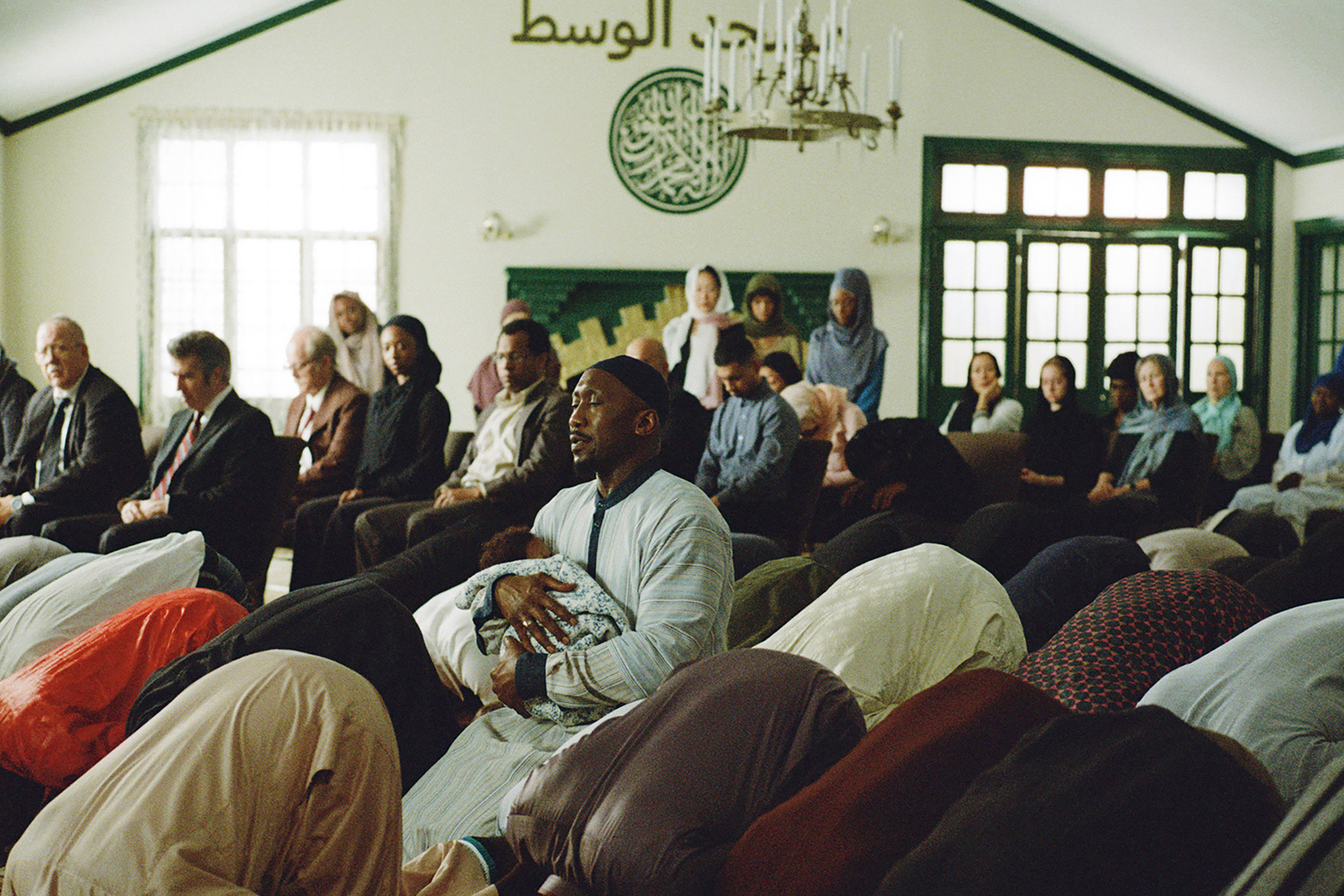
Ali stars as a widowed Muslim assassin raising three children alone in Tariq’s Your Mother Your Mother Your Mother

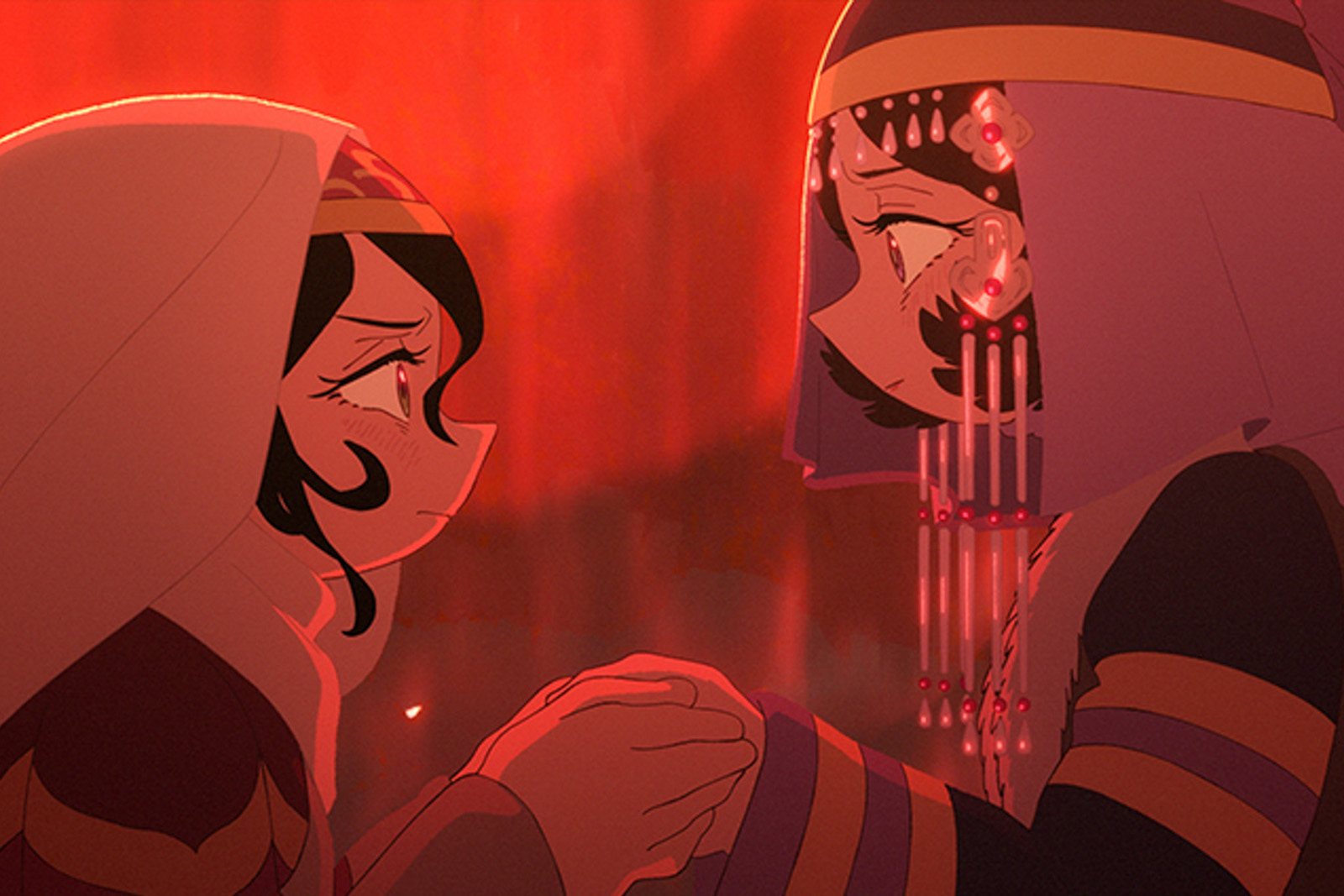
It takes a special kind of film to make a sword fight feel like poetry and a trip to the fridge like a race against death. In Your Mother Your Mother Your Mother, director and writer Bassam Tariq pulls off both — such mind-melting feats, often within minutes of each other.
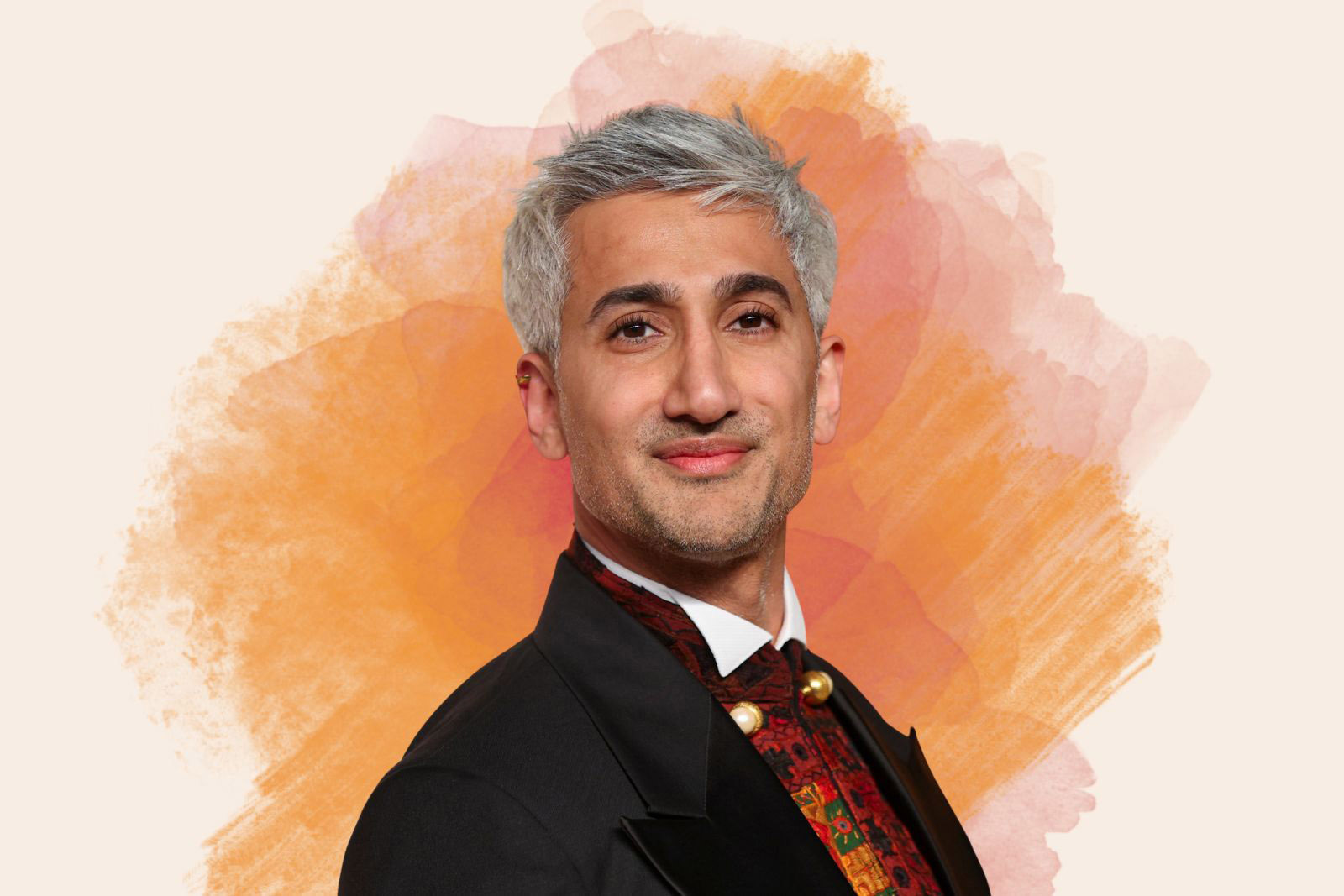
As we speak just after its premiere at the London Film Festival in October, Tariq is particularly delighted that audiences are experiencing the film together, having felt that some of the dry humour of his previous feature, Mogul Mowgli (starring Riz Ahmed as an ailing rapper) was lost when people watched it alone during the pandemic. “I’m so happy that at least this time around, we all have a collective experience of watching this movie,” he says.
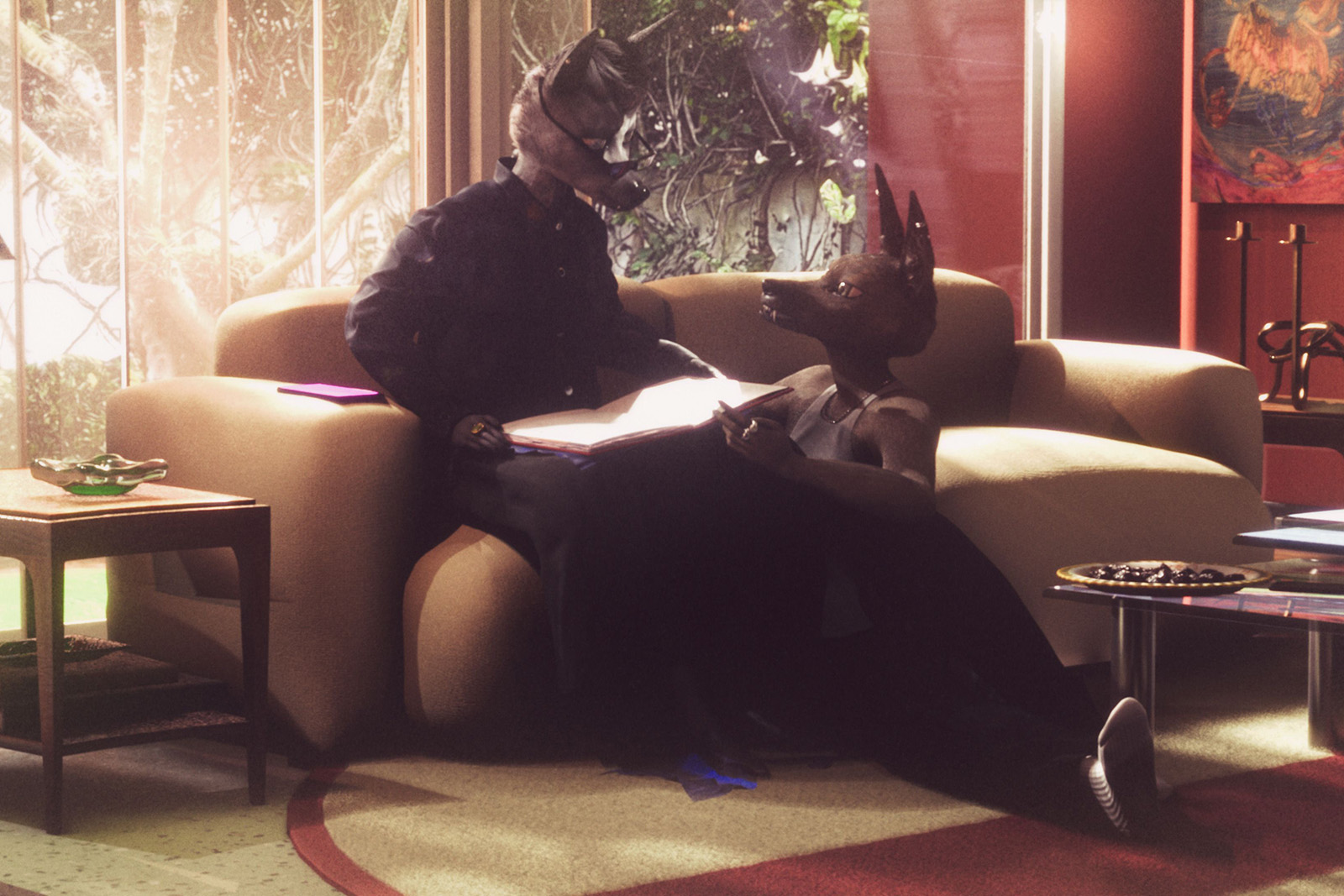
Your Mother proves to be an ideal communal experience — it is uproariously funny, ferocious and capable of breaking your heart without warning. Oscar-winner Mahershala Ali stars as Latif, a widowed Muslim assassin raising three children alone while navigating the Houston underworld. A former marine-turned-evangelical anti-porn crusader (John Cho) has set his sights on taking down a Muslim-themed adult content creator by any means necessary. Latif, who just wants a brief respite from his work to help his children through their grief, is caught in the crossfire between Arab-American and Korean-American gangs.
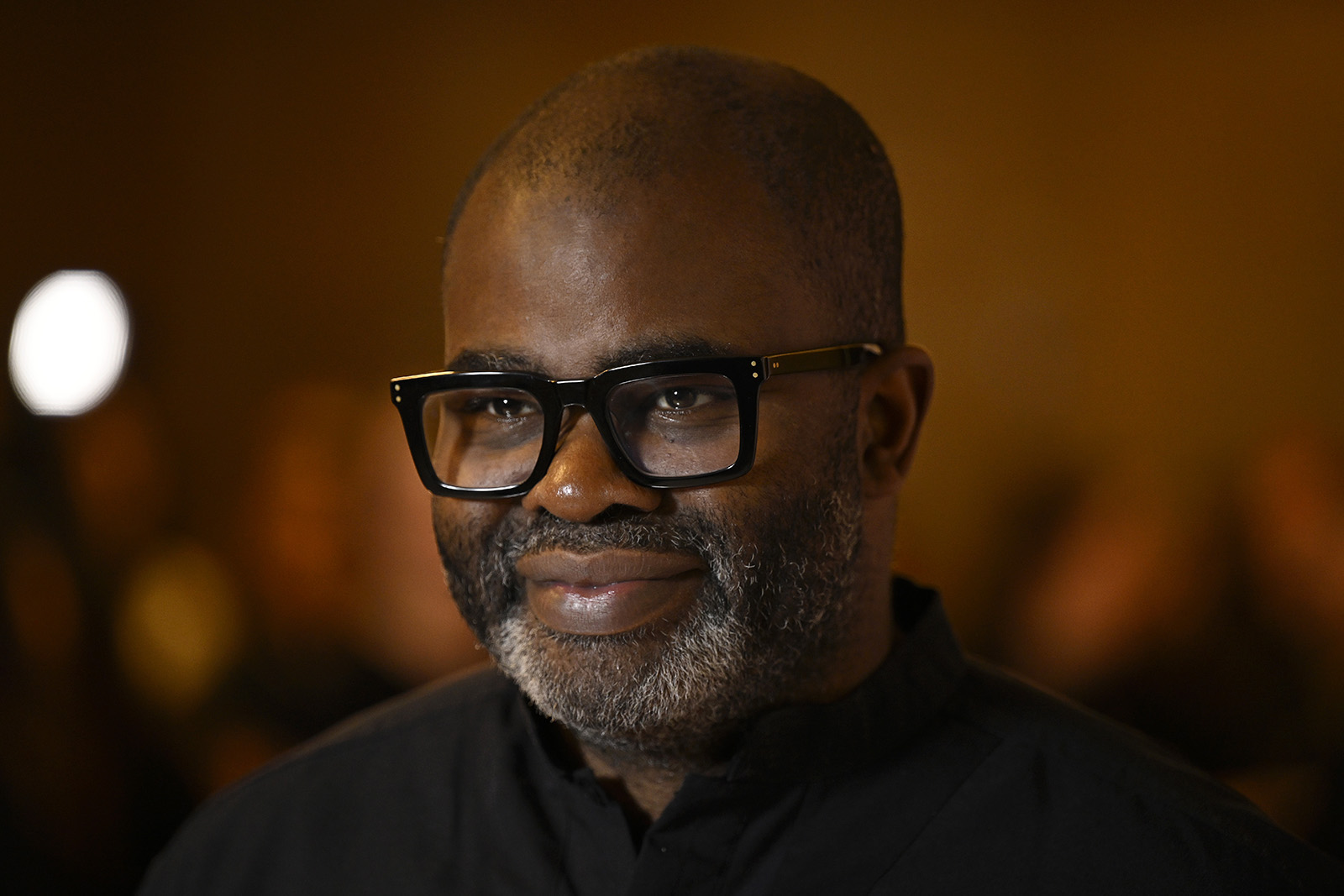
There are grisly executions, theological arguments and moments of tenderness that make the violence almost unbearable. For Ali, working with Tariq offered an opportunity to discover just how far he could push himself as an actor. “I appreciate him exposing for me what my own bandwidth is,” Ali says. “I’m always curious about, well, what can we do? What truths can we excavate within this story? I’m just looking for that. I think the work should challenge you.”
Ali describes the fight scenes — which are exquisitely choreographed, but occasionally almost impossible to watch — as possessing “a real unusual beauty but are still a continuation of the story”.
“Tariq finds something in the ugliness,” Ali says. “And you can see when Latif is reluctant, and when he feels it is deserved.”
Tariq wants us to marvel at the choreography, then mourn the person on the receiving end. “I’ve been wanting to make sure that anyone that’s dying, there’s consequences for that. Death in movies is just so disposable,” Tariq says.
Your Mother’s most ingenious concept is in the search for breastmilk for Latif’s youngest, whose late mother’s frozen supply has nearly run out. Finding it becomes a life-or-death mission. Here, the machinery of the action accommodates the indignities of parenthood, the absurdity of religious certainty and the devastation of grief.
This unlikely thriller mechanism comes from Tariq’s own experience. Shortly after his son’s birth, Tariq’s wife developed an infection and was hospitalised. Their baby refused formula, leaving him desperately searching for breast milk. Later, when his wife recovered and returned to her demanding corporate job, he cared for their son, guarding her carefully labelled supplies of expressed milk like treasured elixirs of life. “This milk is so precious. In a way this was all I had of her. This is a piece of memory and imprint of her,” he remembers thinking.
For Latif, too, the milk becomes something far more precious than sustenance: a dwindling physical connection to the wife he has lost, and a reminder that even his extraordinary abilities cannot provide everything his children need.
Tariq wrote the part specifically for Ali, having witnessed his athleticism, acting prowess and instinctive command of a sword during preparations for their aborted Blade film. (The film had spent years stuck in development and ultimately Marvel failed to begin production on it.)
Ali was acutely aware of the faith being placed in him by Tariq. “I appreciate how deeply challenging it is and clearly what he must think of me in passing that along my way,” Ali says. “It is a monumental task, but it was just so attractive to me.”
That trust has been spectacularly repaid. Ali gives a performance of extraordinary range. It’s a reminder of how much cinema has been missing by leaving one of its finest actors — twice Oscar-winning — so chronically underused.
Your Mother is set in Houston, where Tariq spent much of his youth, encountering a religious landscape more complicated than Bible Belt cliches suggest. In a city where public services were thin on the ground, places of worship doubled as community centres.
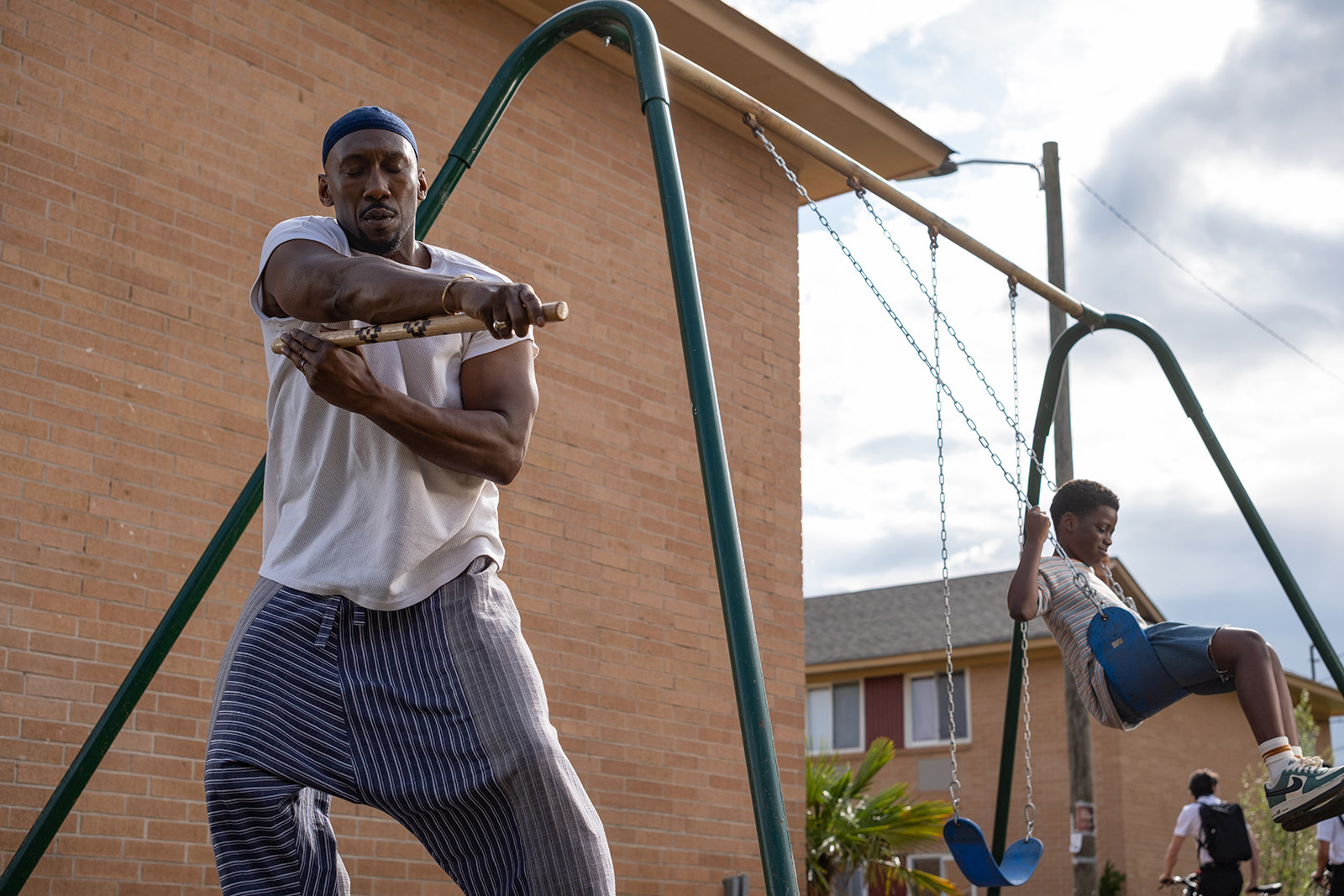
“You needed groceries or you needed to play basketball, you’d go play at your local church or you’d learn swimming at your mosque,” he recalls. Religious identity was shaped as much by where you spent your afternoons as what you believed. Tariq remembers young people attempting to convert one another before discovering something more interesting beneath their competing certainties. “We all just believe in grace. We all believe in this idea of compassion,” he says.
In Your Mother, the tension between compassion and cruelty is embedded in the protagonist’s name. Al-Latif, one of the 99 names of Allah, is associated with gentleness and subtle kindness, qualities this particular Latif would not, at first glance, evoke.
Tariq explains that Islamic tradition distinguishes between God’s beautiful attributes and those associated with majesty and power. While he believes Ali is undeniably “more majestic” in real life, the character he wrote for him leans into the more beautiful divine qualities, explaining “he’s there giving justice and reckoning, but what he has to learn is to find that subtlety. Embrace his gentler side.”
That subtext is there for those who understand the faith, but Tariq has no intention of translating every aspect of Muslim life for an audience who may know nothing about it. Arabic is spoken without elaborate explanations, religious practices unfold without lectures and characters possess knowledge the viewer does not.
Nor does Tariq feel obliged to turn the film into an overt political lesson. “I’m more curious about human complexity, chaos and crises of faith at the moment,” he says.
It’s precisely this refusal to simplify that makes the film such a triumph. Latif is a loving father, a frightening killer, a devout believer furious with God, and a man capable of making catastrophically bad decisions while desperately trying to do the right thing. In Your Mother, Tariq has made something remarkably warm, funny and alive.
Your Mother Your Mother Your Mother is in cinemas in the UK and Ireland from 20 November.