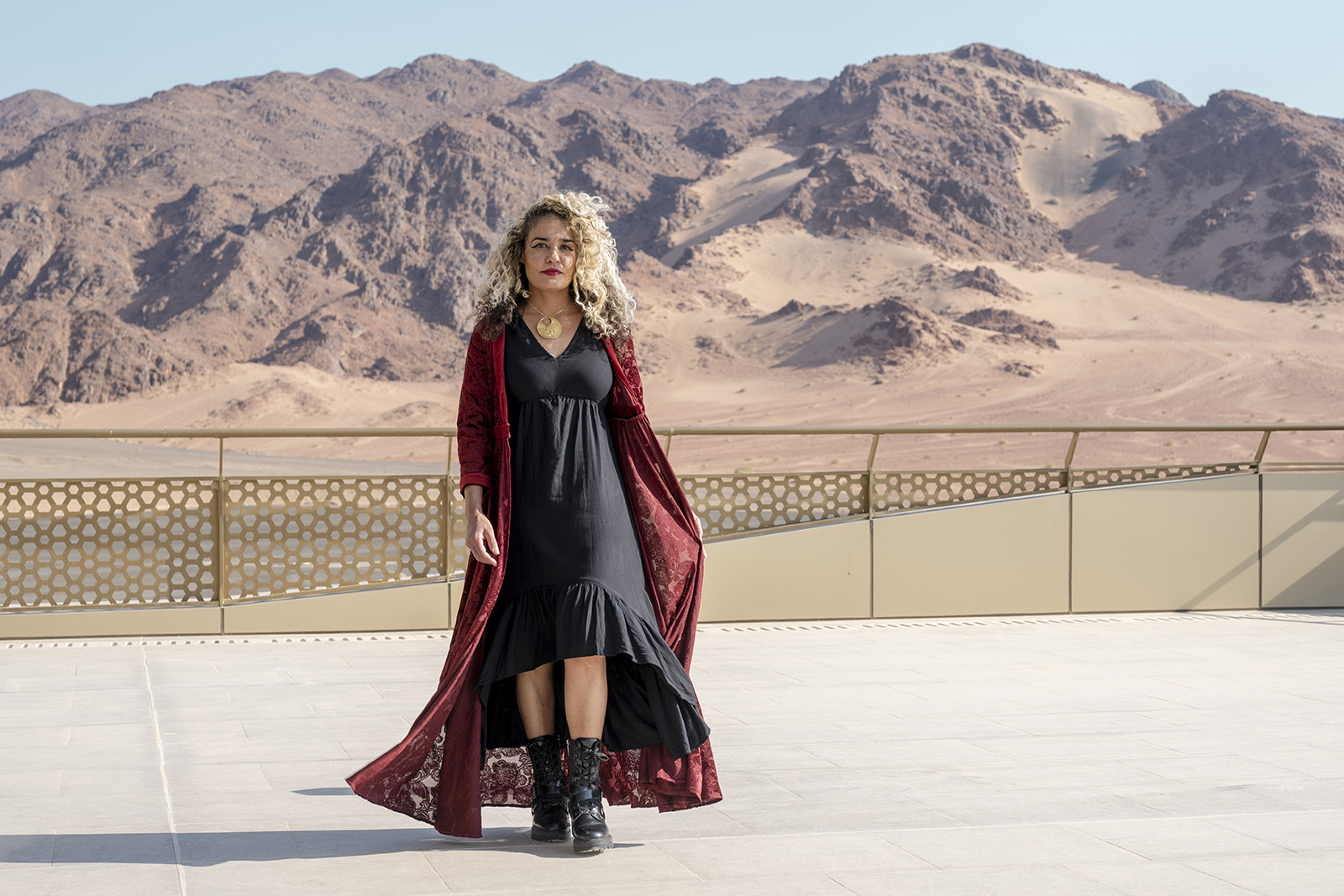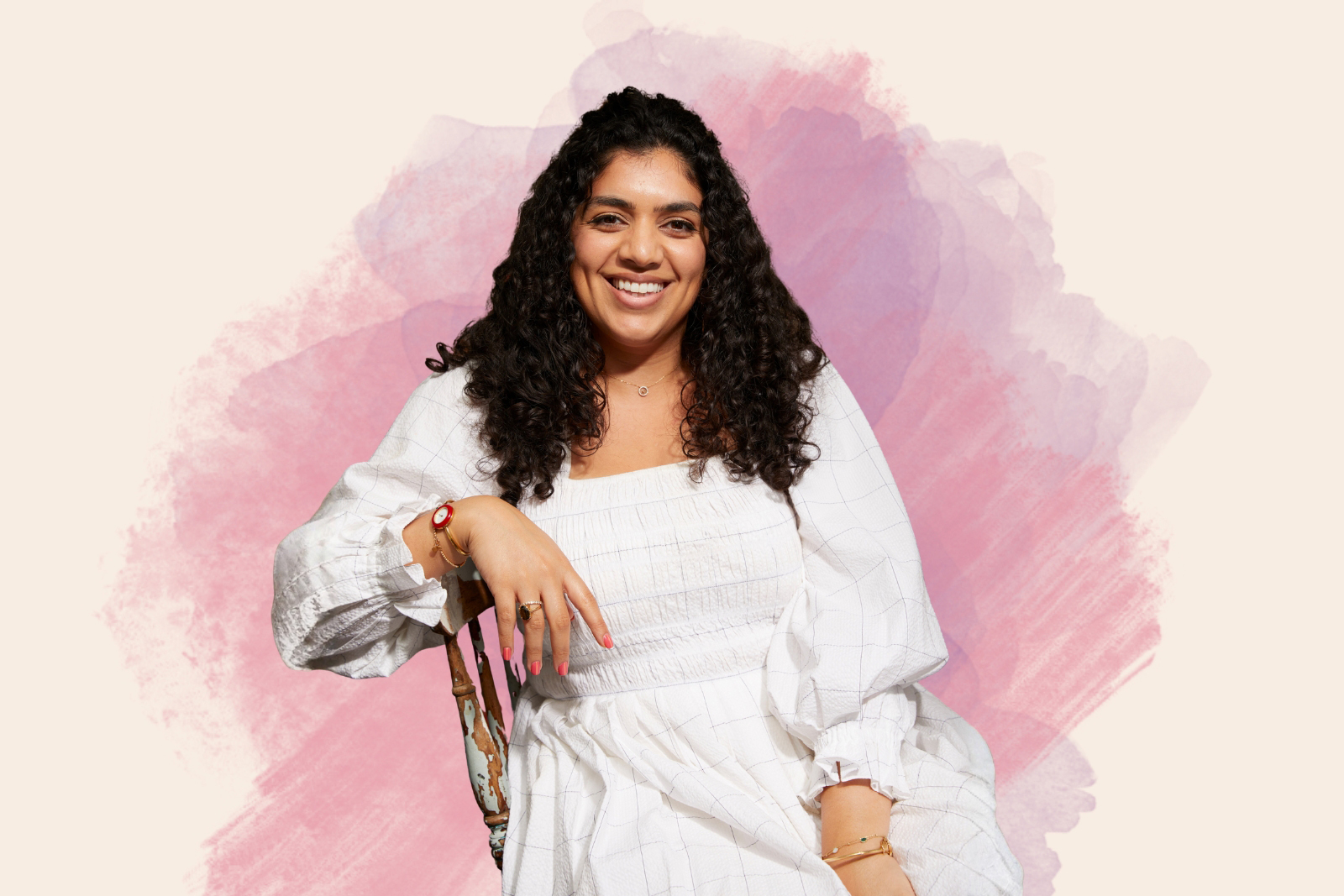

Weekend with Ola Labib: ‘I can clean the toilets a billion times, but I despise anything to do with clothes’
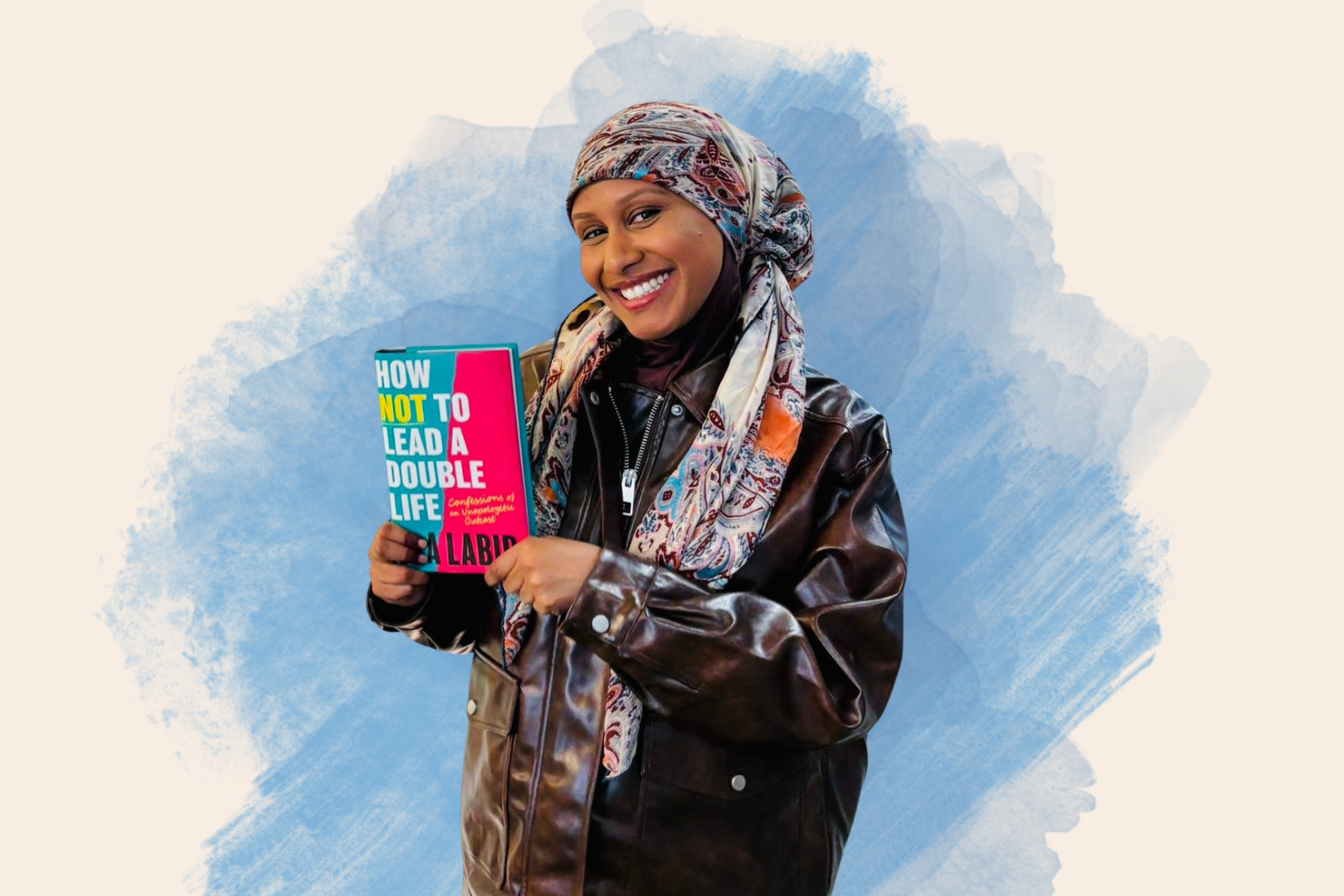
The comedian on wrangling household chores, her favourite dishes to cook on a Saturday and her memoir How Not To Lead A Double Life

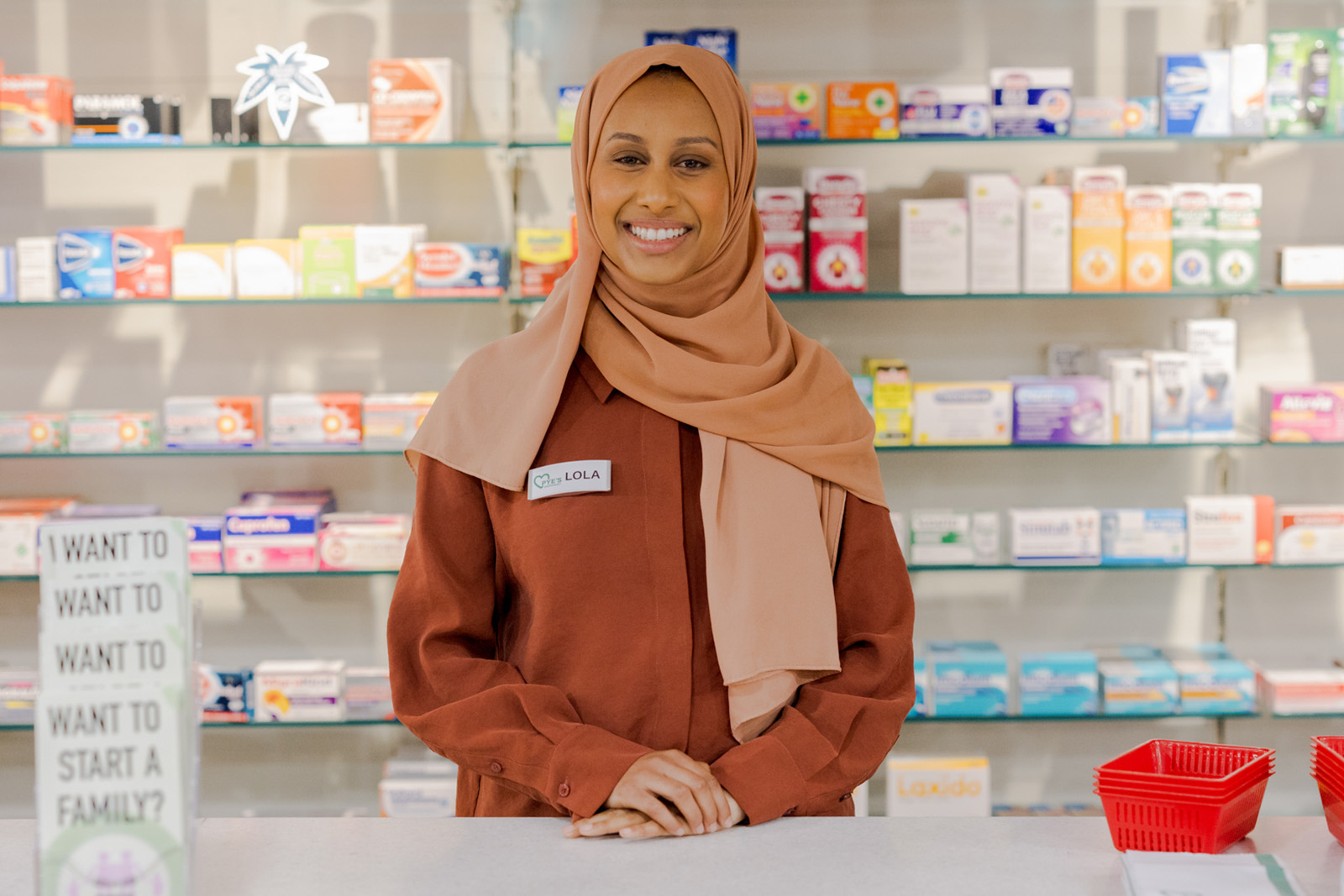
Ola Labib is a British-Sudanese comedian and writer from Portsmouth. After working as a pharmacist, she began performing standup and has gone on to appear on Comedy Central Live and TV panel shows Richard Osman’s House of Games and Sorry I Didn’t Know.
Her comedy short for Channel 4, The Pharmacy, aired in 2025. Labib’s memoir, How Not to Lead a Double Life, was published in July 2026 and explores her upbringing in a Sudanese household, and navigating faith, culture and British identity.
How does a typical Saturday morning start for you?
I worked for the NHS for 13 years, so my body clock has been fixed. I cannot sleep in on weekends. I’m always up at 7 or 7.30am at the latest.
Then what do you do?
As a comedian, a lot of our work is on Saturdays. I try to get as much housework done as possible in case I’ve got gigs in the evening.
What’s your least favourite household chore?
I hate putting clothes away. I could do anything — I can clean the toilets a billion times. I could do all the cooking and washing up, but I despise anything to do with clothes.
What do you like to cook?
I’m known for this Sudanese dish called nuaimiya. It’s a slow-cooked stew made using peanut butter and yoghurt. It’s a very nutty stew, and we have it with asida — the closest thing I can compare it to is pounded yam.
When we were kids, we used to say, “Mum, is it the mountain thing for dinner?” That’s how I explain it. It’s a mound of this dough, I guess.
How do you spend the rest of the day?
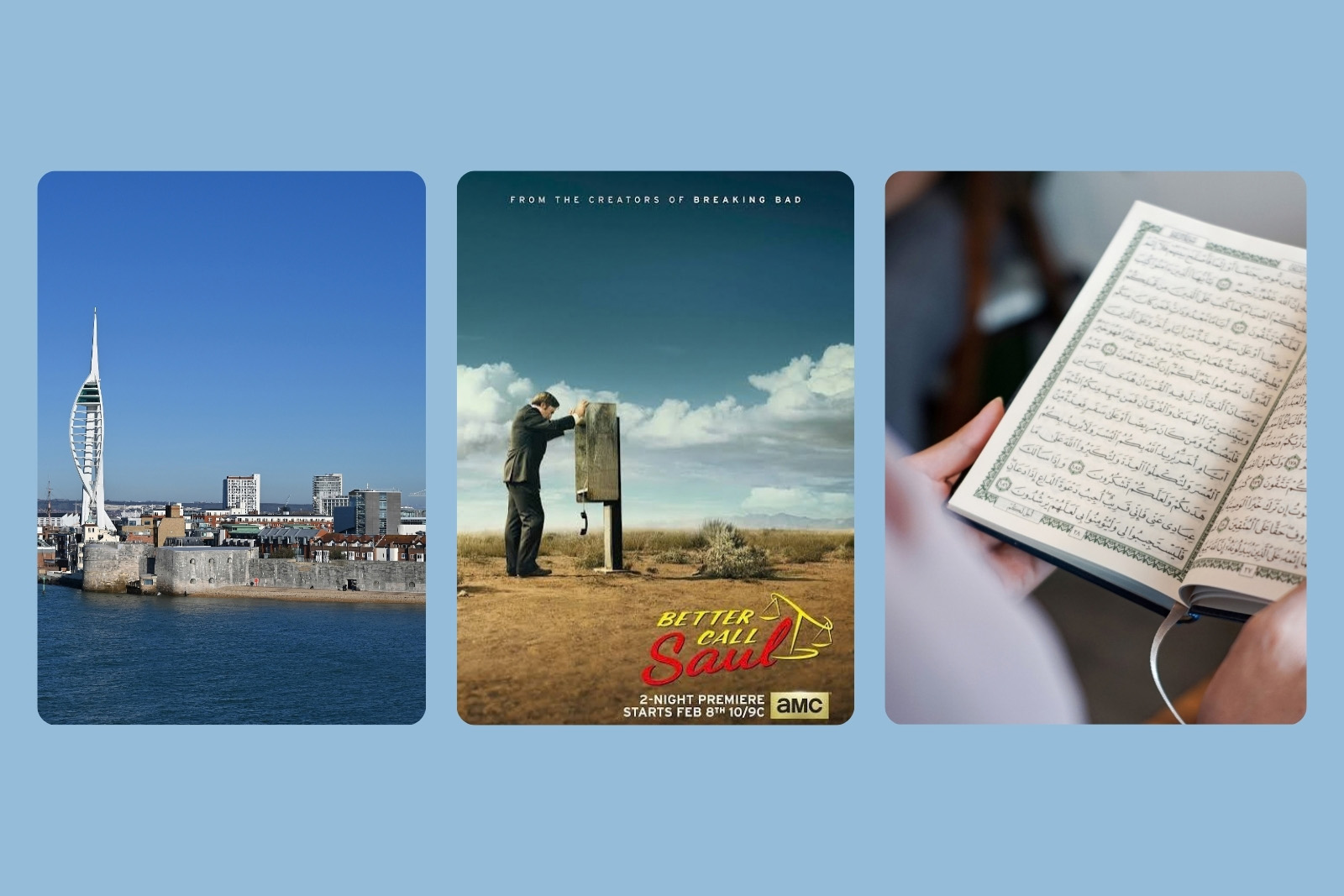
Saturday is now my day for reflection. We’ve just started weekly halaqas in our Sudanese community. It’s two hours — an hour discussing topics that affect us and our community living in the west, and then we read the Qur’an. It’s really lovely. It’s all women, and it’s a safe space, especially at a time when everything feels so dark.
What are you watching at the moment?
We just finished watching Better Call Saul, years later, because I refused to watch it while Breaking Bad was on. We also watch a lot of Judge Judy. Usually, if we’re not out seeing people, we just watch YouTube. We’re also really into these YouTube cooking competitions.
If I were visiting Portsmouth for the weekend, where should I go?
I recommend you leave. Just do a U-turn and go.
But we do have the sea, which is nice. Take a stroll. Go to Gunwharf Quays, a super affordable shopping outlet. Food-wise, I’d recommend Fuegos Street or Spice n Grill.
Where’s your favourite place to perform?
Manchester — that’s where I started my comedy career.
Tell us about your memoir

It was originally a scripted piece in development for over four and a half years, going from production company to production company. Eventually my manager asked if I wanted to put it on the shelf, and I thought: “I can’t just put it on the shelf.” So I adapted it into a book.
How did it compare with writing comedy?
I approached it similarly. It’s a semi-autobiography, so a lot of it is true to my personal experience, but some of it was added to normalise or take away from the trauma.
That’s how I approach comedy too. I put true-life events in the book, but then filled it with storytelling and comedic, exaggerated dialogue to take the punch out of it.
What do you want readers to take away from the book?
I think it’s more about understanding and insight — a first-person narration of what it’s like being not just Muslim, but an African Muslim in this country. It’s a first-person perspective of what it’s really like being us, living in this country and trying to balance.