
25 years on, UK Muslims remember how 9/11 changed their lives
On the anniversary of the attacks that ushered in the ‘global war on terror’, a teacher, a civil servant and an imam look back
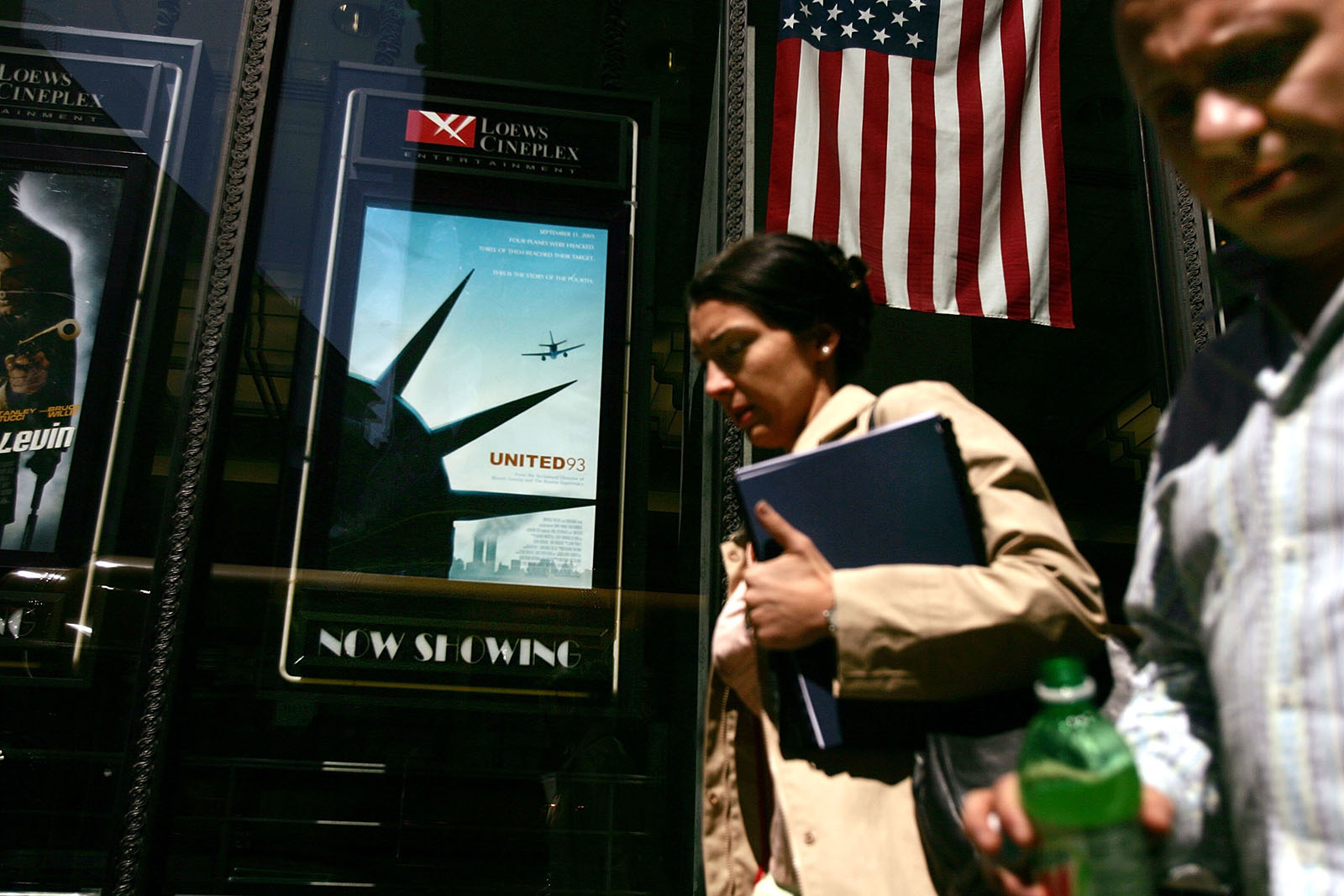
Twenty-five years ago this Friday, al-Qaida members hijacked four US passenger planes. Two were flown directly into the twin towers of New York’s World Trade Center at 8.46am and 9.03am, killing nearly 3,000 people and injuring many thousands more. It was the deadliest terror attack on US soil.
Within weeks, President George W Bush had sent troops to Afghanistan as part of what was dubbed the “global war on terror”. The UK followed the US there in November 2001; British forces would remain in the region for 20 years.
But 9/11 also ushered in a new era of suspicion and surveillance for Muslims in the west. For many, political rhetoric about terrorism and extremism led almost immediately to violent attacks, abuse and discrimination. A mosque in Edinburgh was firebombed. News coverage of Muslims and Islam soared, much of it conflating faith with threats to national security via poorly understood terms such as “Islamism” and “jihad”. Former prime minister Margaret Thatcher criticised Muslim leaders for not, as she saw it, condemning the terror attacks strongly enough.
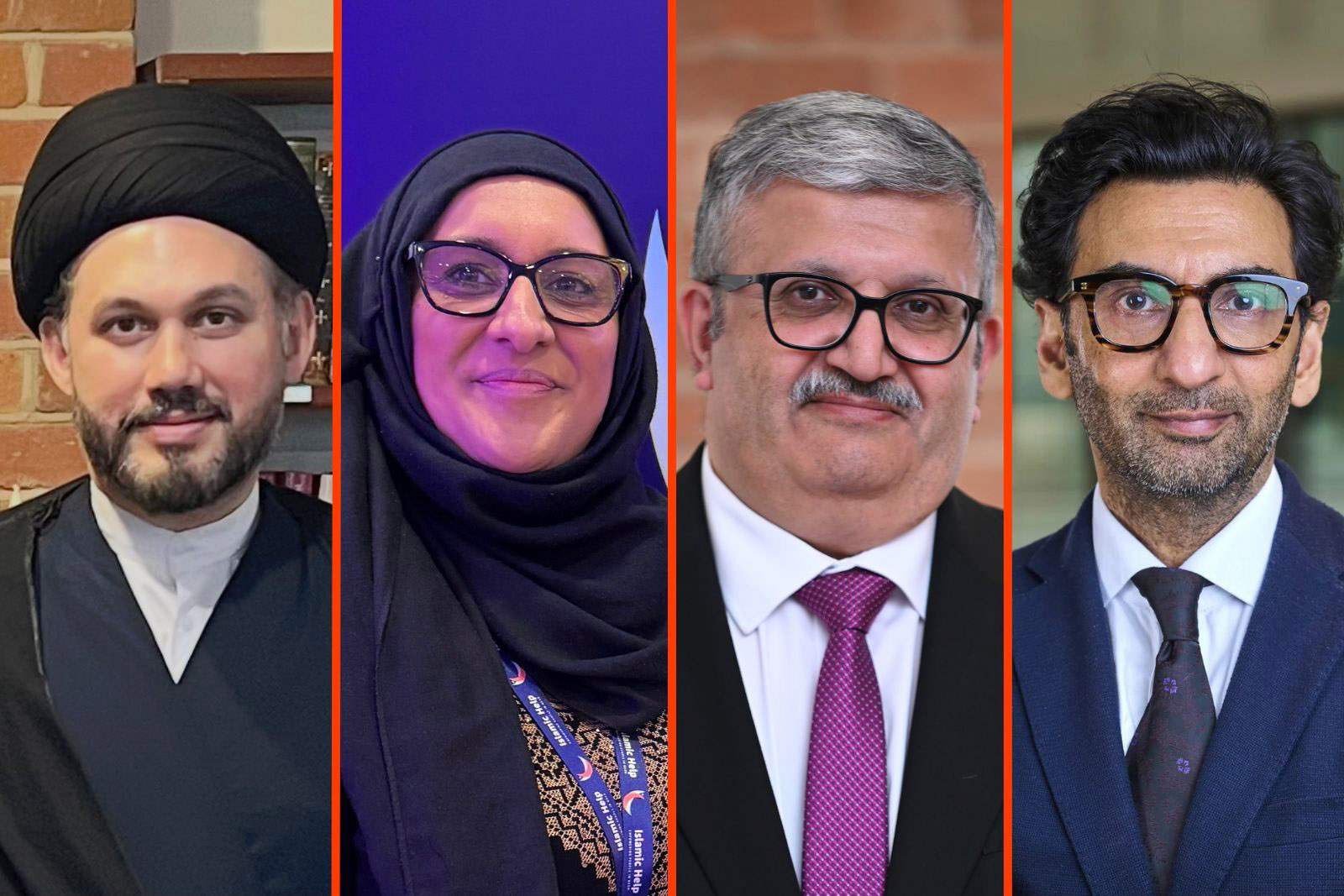
The effects of 11 September 2001 remain with us to this day, both globally and domestically. We asked five UK Muslims from different walks of life how the attacks and their aftermath affected them and their communities.
These interviews have been edited for length and clarity. The role in each heading refers to what the person was doing at the time of the attacks.
Tahir Abbas, Home Office researcher
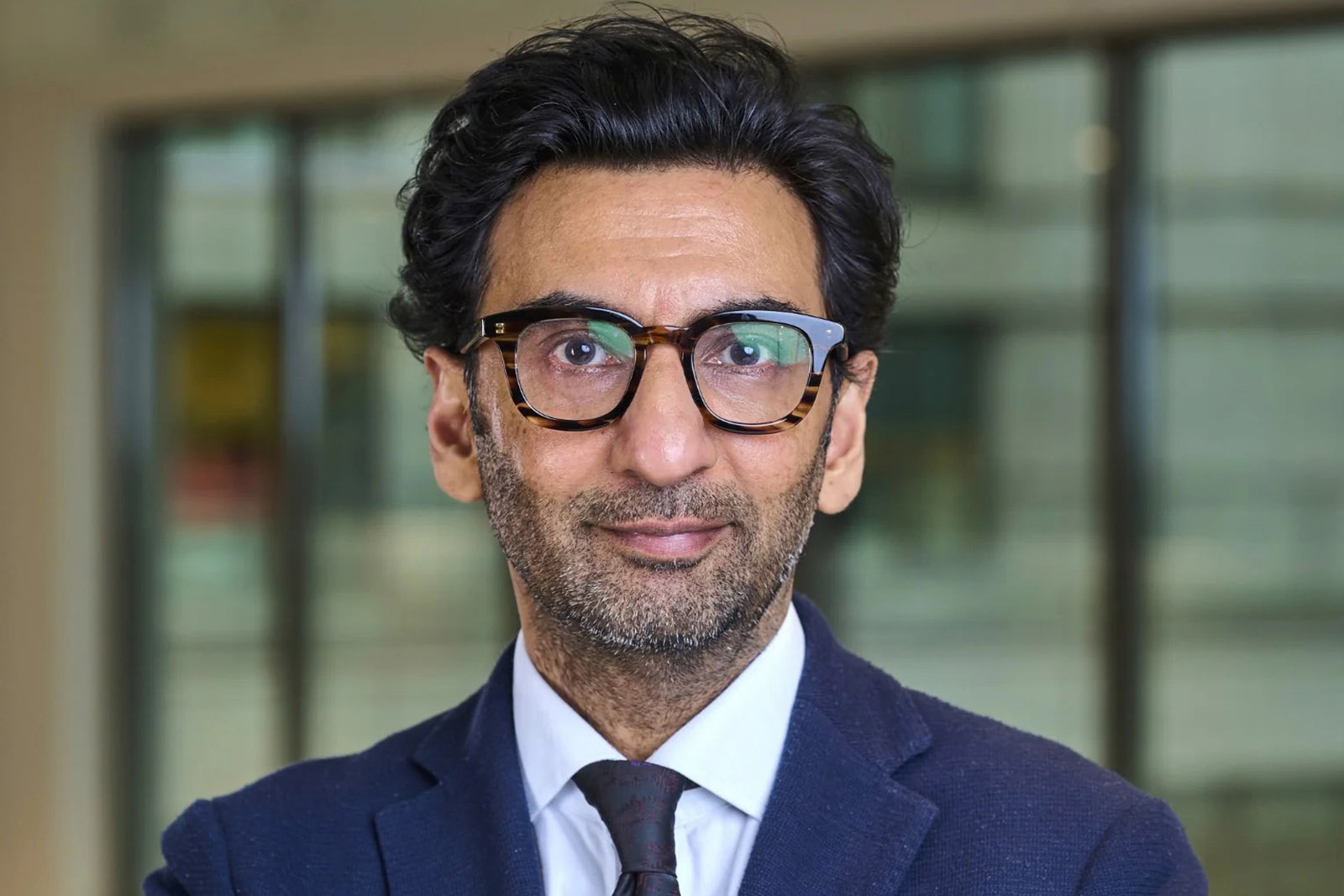
I was working for the Home Office in London managing the citizenship survey. I had finished my doctorate and I was a freshly trained researcher. I thought, OK, I’ll go into the lion’s den and make the world a better place from the inside out. At the time, it was all about trying to help with evidence-based policy research.
One of the things I did notice being in the Home Office was, a few months before 9/11, we had the northern disturbances, and what were clearly issues of class, social mobility, disadvantage, racist policing and poor housing allocation were somehow blamed on communities lacking cohesion.
When 9/11 happened, I was actually back in Birmingham shadowing some field researchers. I was just at home and it was unfolding before my eyes. My first thought was that it must be a crazy accident. I went back upstairs to get ready and heard there was a second plane. I thought, “oh my gosh, it’s aliens. It’s got to be an alien attack. Who would do this?” And then I said to my friend: “If it’s anything to do with Muslims, we’re screwed.”
It didn’t happen overnight. You could just feel that chill and the air shifted. People started to talk about Muslims as people of religion, all of a sudden, and how it’s religious values that created the conditions for extremism, and that we have to eliminate the extremism within the religion because it’s a religious problem. And this is a whole industry — policing, security, intelligence, counterterrorism. It all focused on ideology and I think it’s the other way around — ideology comes into play much later, often when people need to find a way of justifying their actions as a result of the state of their mind and given the circumstances in which they find themselves.
At work, you’d always have that feeling, even when you’re in different government meetings. You walk into the room and your ethnicity walks in the room before you do. Everything else disappeared and the Muslim label became the all-encompassing label — the problematic Muslim, the Muslims that need saving, Muslim extremists, Muslim immigrants and all the rest of it.
In some ways, I sort of jumped in. I thought, well, OK, here’s a space now; it’s going to get filled in by actors who will mobilise it for their own interests. I’ve got a doctorate, I’ve just come out of the community research settings, I’ve seen what it’s like inside the government. Let me go in and see what I can do and speak to both sides.
Tahir Abbas is now a professor of criminology and global justice and a director at the Aston Centre on Radicalisation, Inclusion and Social Equity
Ridwana Wallace-Laher, teacher
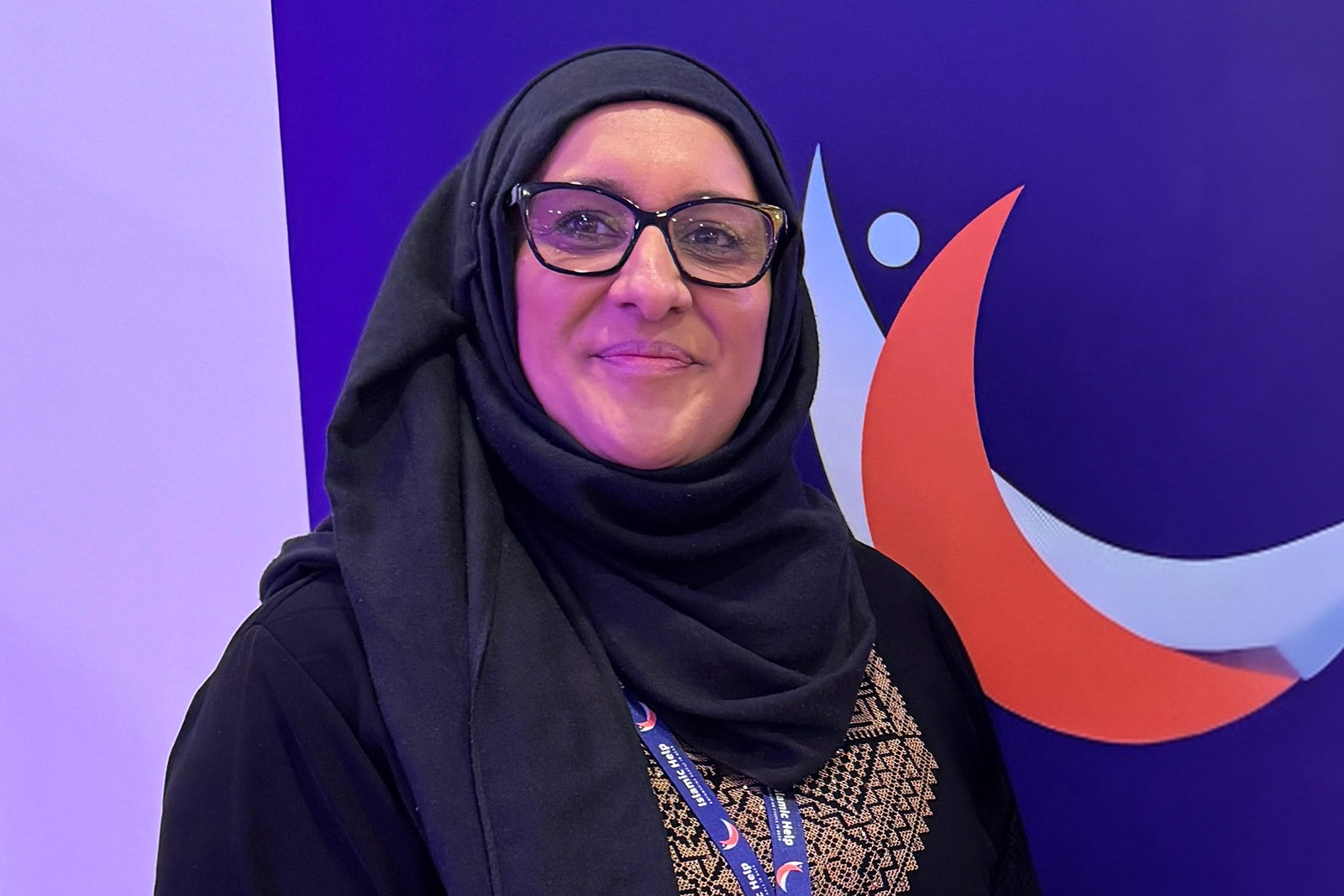
I was 23 and working as head of religious studies at a predominantly white secondary school in Huddersfield. The events of 9/11 sparked a lot of good-quality debate among youngsters as they had questions.
A lot of the information pupils were getting at the time was from their families, and many had preconceived ideas about Muslims, so it was good to unpack those in school.
Before 9/11, I think the children just saw me as any other teacher. But afterwards, I suddenly became “the Muslim teacher”. I started getting a lot of questions about Islam in general, what my life was like and what I believed.
A lot of the questions were around Muslim terrorists. “Is that what the Qur’an teaches you?” “Is this normal for Muslims to act like this?” Some pupils understood that this was a minority and that it didn’t mean every Muslim acted like this.
There were a handful of Muslim teachers at the time and the school made sure we knew we could come forward if we felt unsafe. I did feel like I had suddenly become a representative of Islam.
I was quite confident in myself to carry on as normal, but I know of friends at other schools who were really scared. One of my friends took her hijab off because she was so frightened.
What stays with me most is how important those conversations with young people were. They can be easily led, and I’m grateful I was in a position to challenge some of those ideas.
Ridwana Wallace-Laher is now a trustee at Bradford City FC Community Foundation
Sahmeena Ali, student
I was 21 at the time, in my final year of university studying for a social work degree and quite active within community work as well. I wore a headscarf at university, so was visibly Muslim. I had all the kind of stereotypes that came along with that back then.
At university, even though there was an Islamic Society, we felt that there was a particular need for a Muslim women’s society. So my friend and I organised a Muslim Women’s Forum.
Related content
I was at a conference that I helped organise. One of the participants alerted the rest of us of an incident that had occurred in America. Once information started seeping through, it was quite quickly attributed to al-Qaida. You almost felt like you had to kind of condemn those actions at a different level to anybody else, like there was just a feeling of suspicion. It felt really uncomfortable.
People were afraid of going out. There were attacks towards people that fit that demographic or looked anything like the perpetrators or part of any of those communities, so it just became a scary time not knowing what would happen.
On campus, we just felt like our work was a lot harder now. We were already working to dispel myths and misconceptions and now it just became a climate of fear and suspicion. It really tested that sense of belonging and identity as a British citizen.
I remember going into class shortly after and there was this feeling that you were expected to explain or answer for something that you had nothing to do with. It kind of felt like you were being questioned. It was the intention behind those questions that changed the atmosphere and made me more self-conscious and aware of how other people and other students might see me. It wasn’t all entirely negative, either — there were some people who showed support.
Sahmeena Ali is now a social work lecturer at Glasgow Caledonian University
Jabeer Butt, race equality campaigner
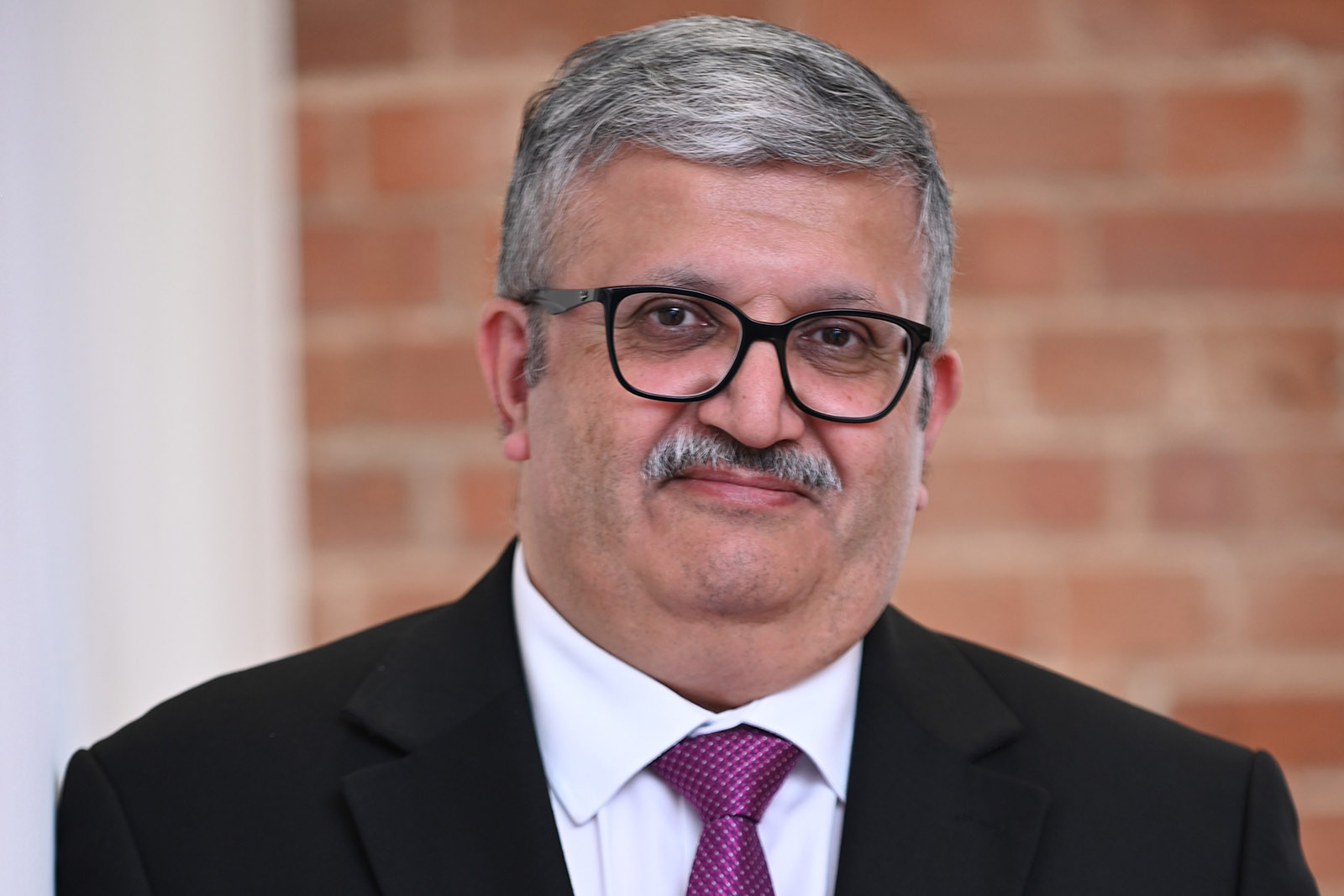
I was deputy chief executive of the Race Equality Foundation at the time. Between November 1999 and March 2012, I travelled to the US about 11 times. On one trip in May 2001, months before 9/11, I visited the twin towers — a memory that later took on a significance I could never have imagined.
My first post-9/11 trip to the US was to Los Angeles. Before boarding at Heathrow, I was “randomly selected” for an additional search — a regular occurrence on almost every subsequent journey to America. On my final two trips, I faced special searches both when entering and leaving the US.
These experiences were unsettling, though insignificant beside those of the 2,977 people murdered on 9/11 and the millions killed, injured or displaced in the “war on terror” that followed.
Even so, they offered a small insight into a wider shift: whole communities, particularly Muslims, were being labelled as threats.
The language of security made this seem necessary. Yet when suspicion attaches not to what someone has done but to their name, appearance or presumed faith, exceptional treatment becomes routine and distrust takes root in everyday life.
This exceptional treatment did not remain at airports. In Britain, the Prevent strategy placed a legal duty on teachers and others to identify people supposedly at risk of being drawn into terrorism. Its implementation has swept innocent people, including children, into a system that embeds discrimination, encourages self-censorship and erodes trust in essential public services.
At the same time, political rhetoric and public policy repeatedly framed Muslims as a threat. Alongside distrust in institutions, this has created fertile ground for misinformation and disinformation. In 2024, false claims after the Southport murders helped ignite racist and Islamophobic violence.
Twenty-five years after 9/11, we should ask whether policies pursued in the name of security have instead deepened division. A safer world is not possible when whole communities feel they do not belong.
Jabeer Butt is chief executive of the Race Equality Foundation
Sayed Ali Abbas Razawi, imam in training
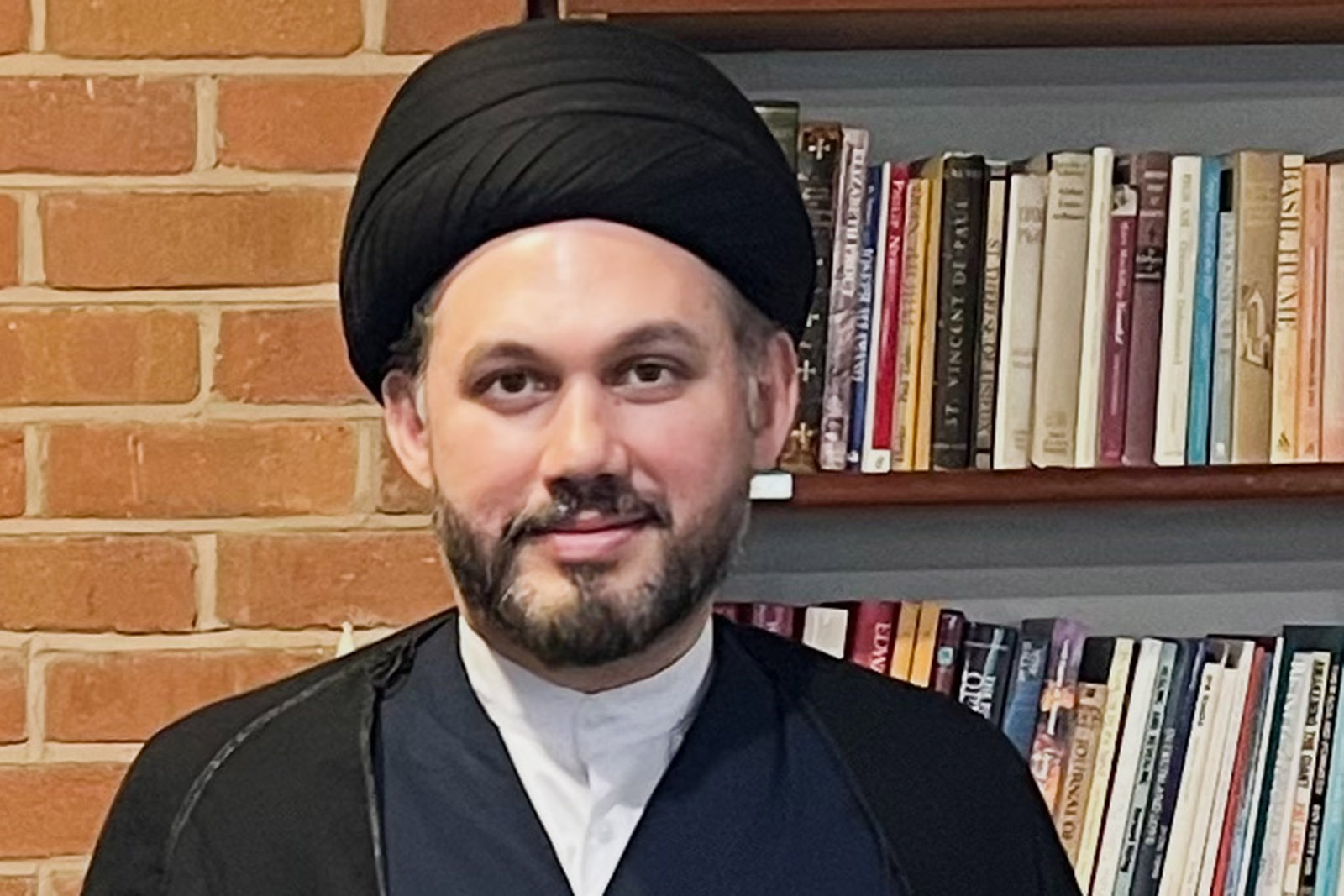
I was at university in London when 9/11 happened. I was doing a history degree, but I was in seminary part time. I was enjoying a day out with my friends and I had missed the news completely. I spent the whole day outdoors and no one said anything. I remember coming back that evening around 5.30pm and watching the coverage on television, in shock at what had happened.
Immediately, it did not affect me personally — perhaps because I did not conform to prevailing stereotypes of what a Muslim was thought to look like. For my sister, however, who wears the headscarf, the experience was much more difficult. What struck me most was the tightening of security, particularly at airports, and the heightened scrutiny of Muslims in the media. Muslim communities were made to feel fearful and vulnerable, while many ordinary Muslims experienced a growing sense of social isolation.
I think 9/11 has had a lasting influence on the public image of Islam and Muslims, which has, in turn, affected Muslim minority communities across the UK. Although its impact on my own life was less immediate, it shaped the wider environment in which we live.
The role of an imam is fundamentally a pastoral one — to support people and serve them to the best of our ability. When incidents like this occur, and negative media coverage creates fear and mistrust, our responsibility is to offer care and compassion, not to deepen divisions. As imams, we should remain committed to dialogue and reconciliation — reaching out to others with kindness, bringing communities together, and helping people to heal.
Dr Sayed Ali Abbas Razawi OBE is a Scottish imam