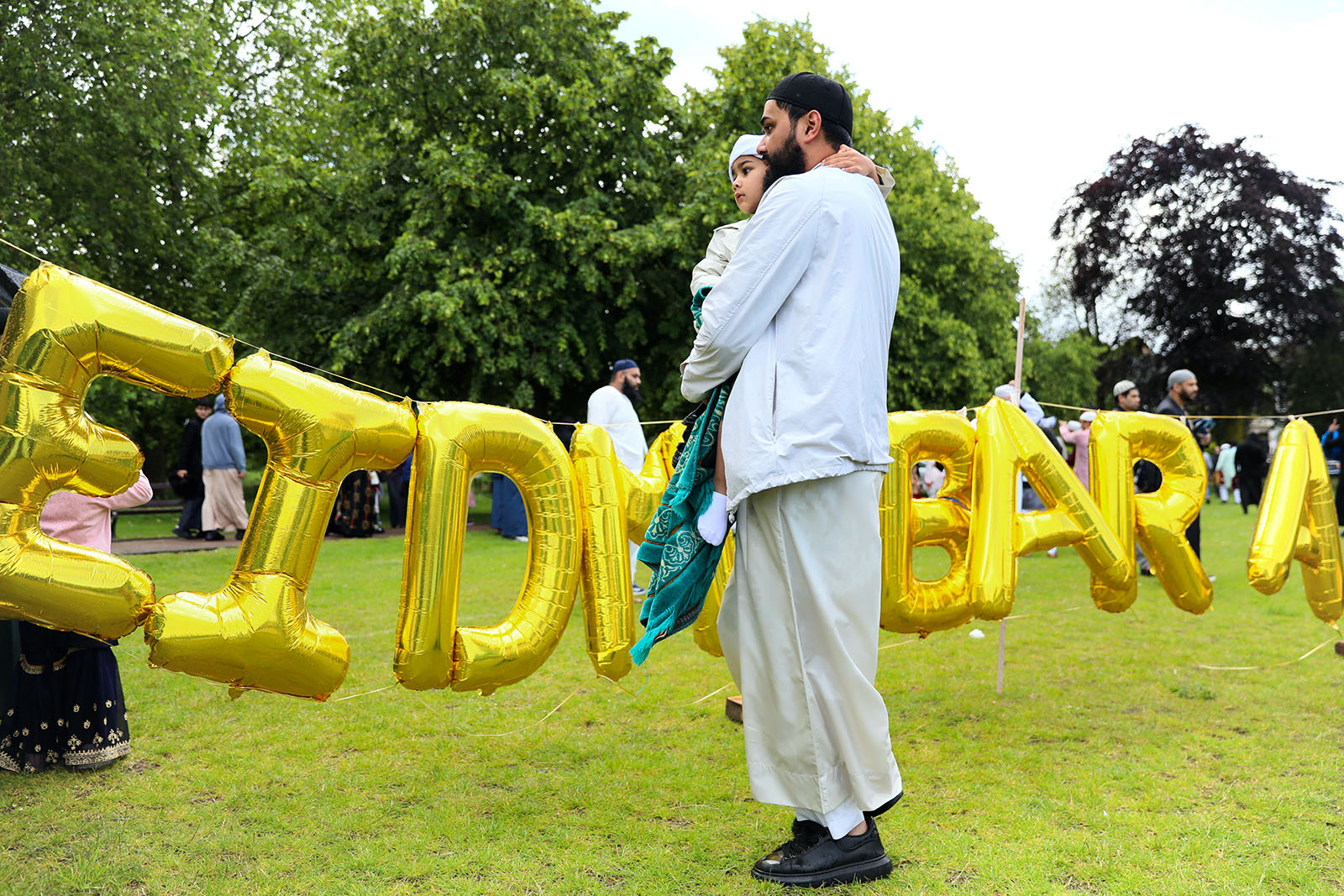

How Muslim footballers are bringing sujood to the World Cup stage
From Egypt’s post-match prostrations to football’s biggest stars wearing faith openly, sujood has become one of the World Cup’s most powerful images
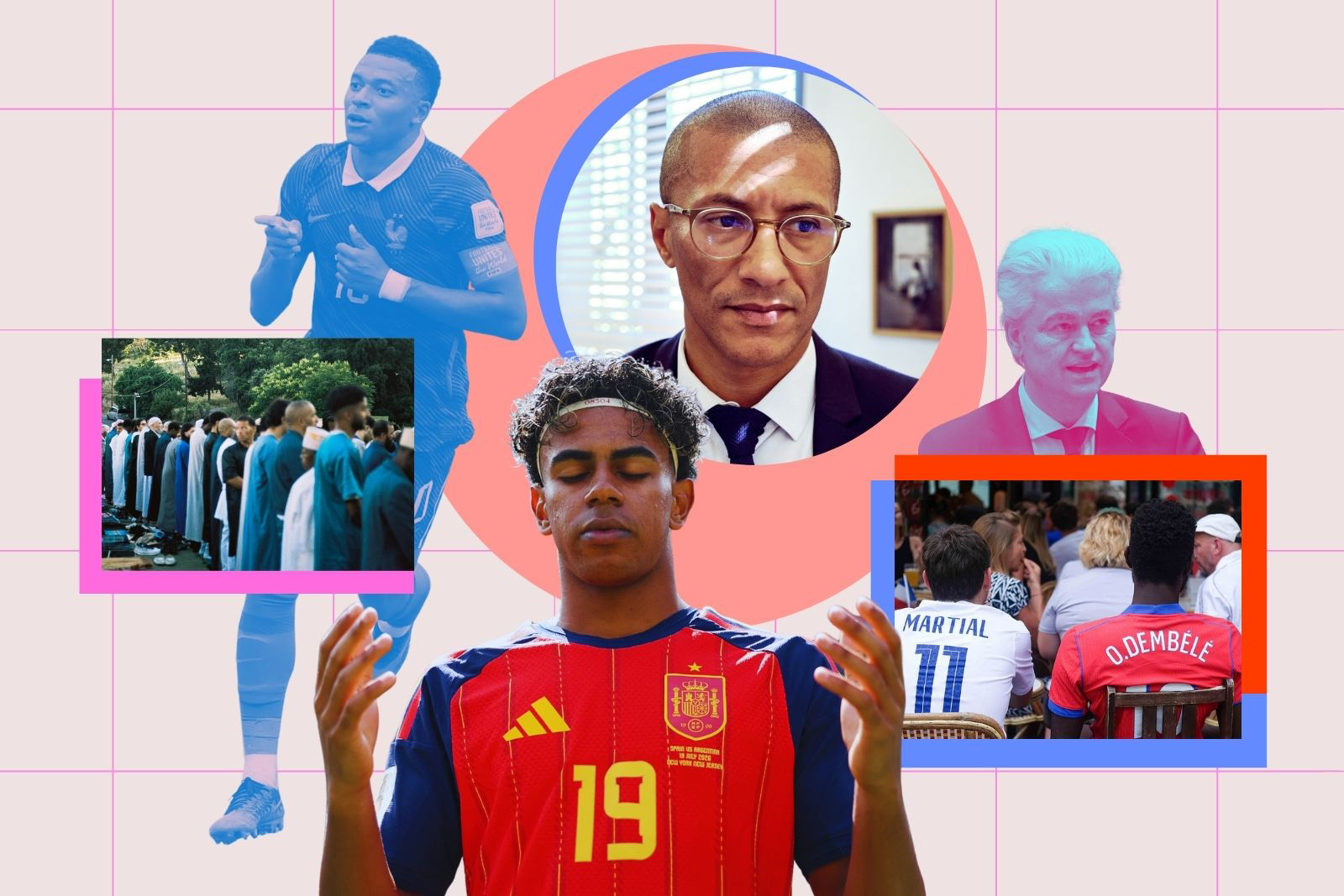
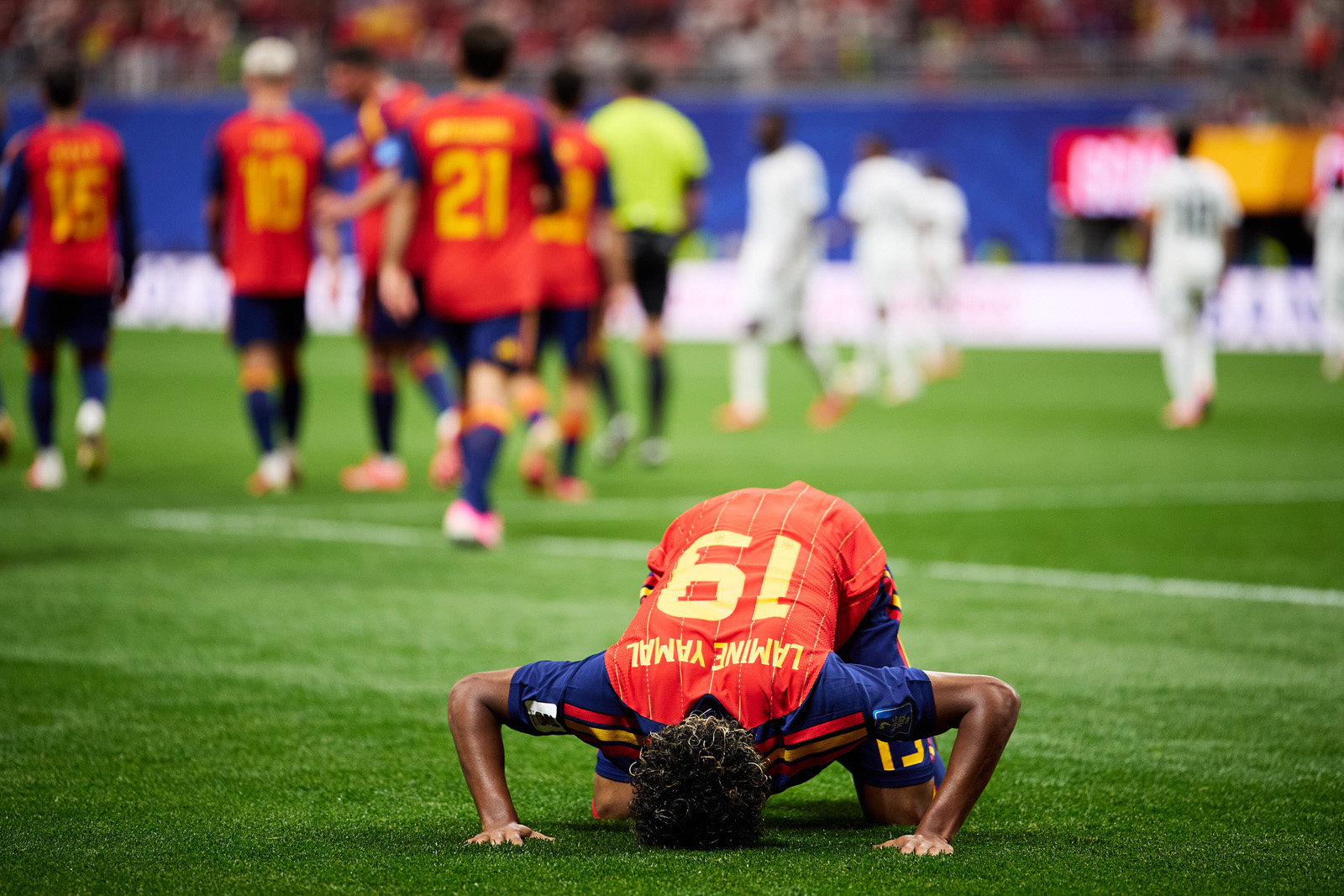
The play starts from the halfway line, with the ball moved up the left wing and then crossed to the back post as Lamine Yamal slides in to score his first World Cup goal. The crowd erupts as Yamal runs down the touchline in celebration, taking hugs from his Spanish teammates. Then, he turns around, puts his hands in the air at right angles to his head, kneels down and bends his head and hands to the floor — to give thanks to Allah.
The 2026 World Cup has brought sujood, the movement of prostrating oneself during prayers, even more into the global spotlight, with Muslim players using football’s biggest stage to express faith.
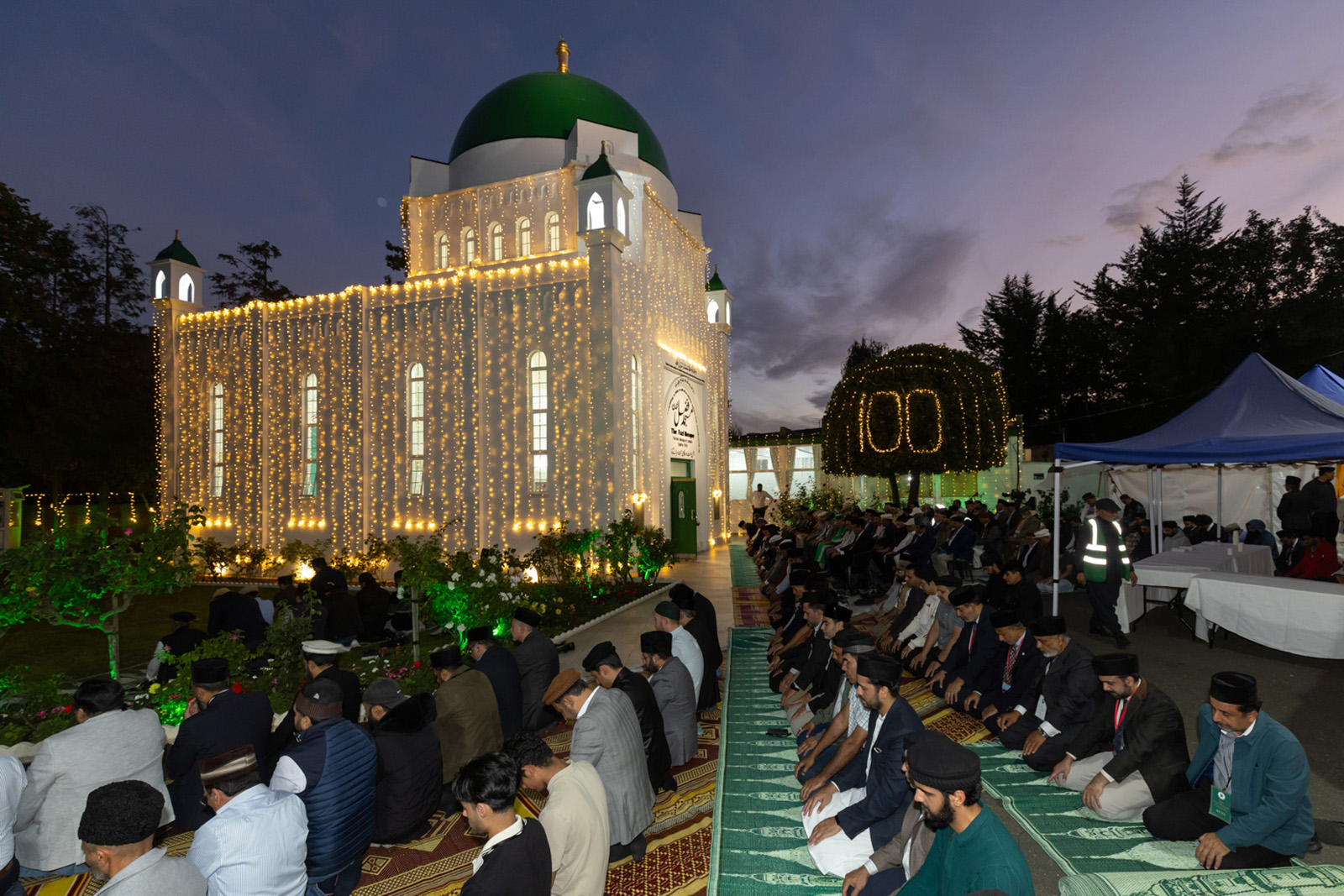
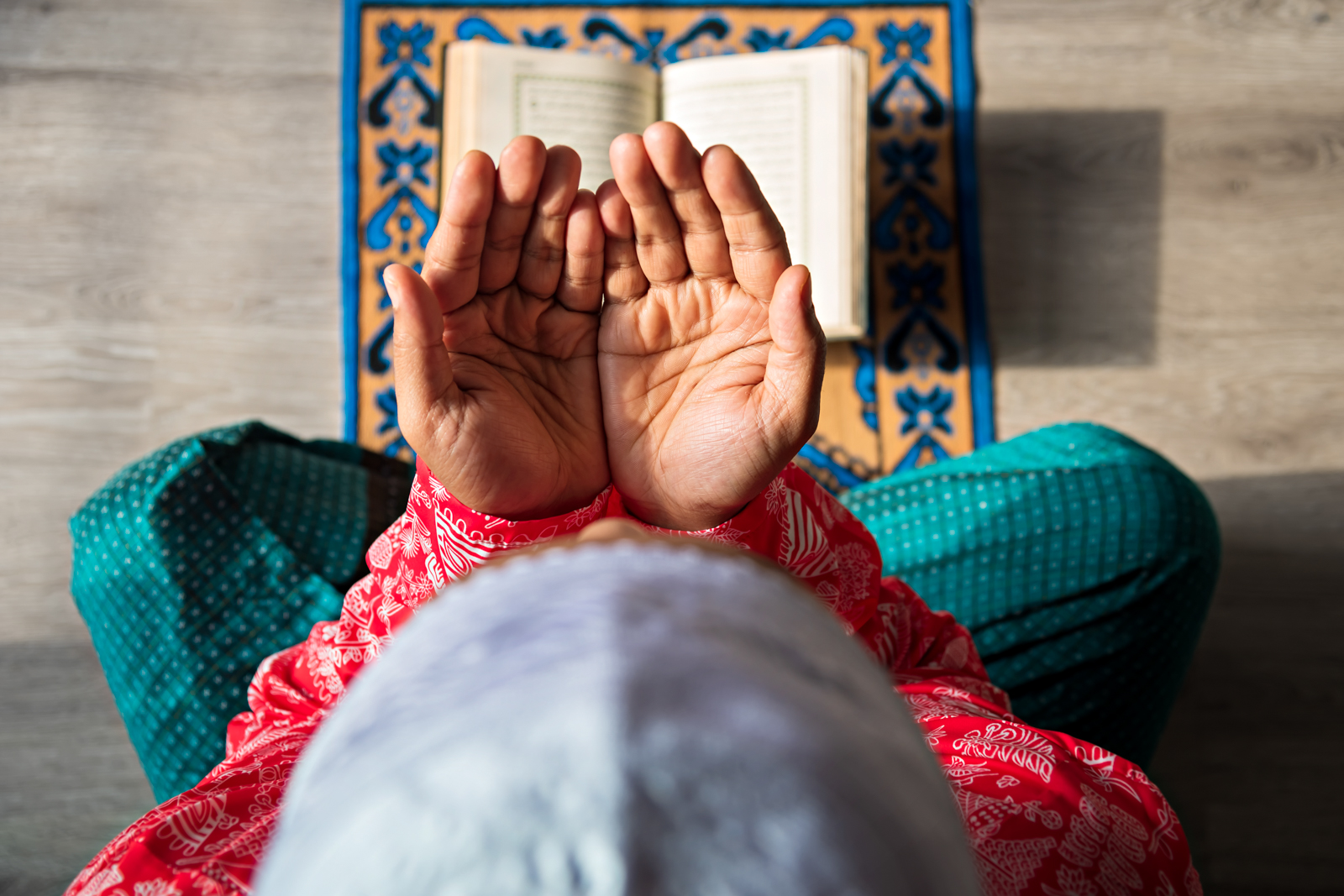
Sujood is a movement during Islamic prayers in which one kneels and then places one’s head and hands on the floor. Spiritually, it is an act of humility and thanks that is the closest a believer is to God.
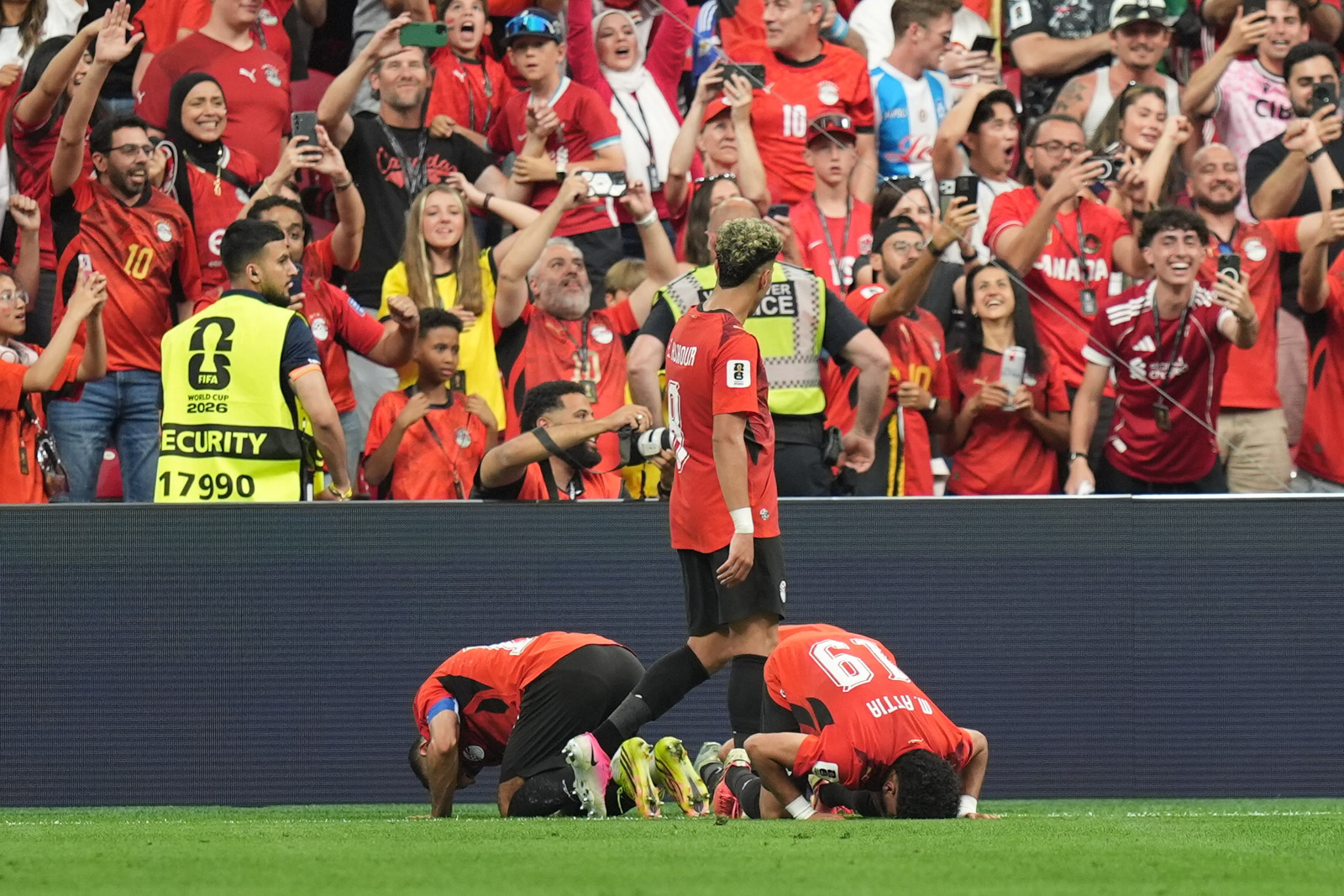
For Muslim athletes, sujood forms part of celebrations after scoring or winning, showing gratitude, grounding and remembrance to God for what they have been enabled to do.
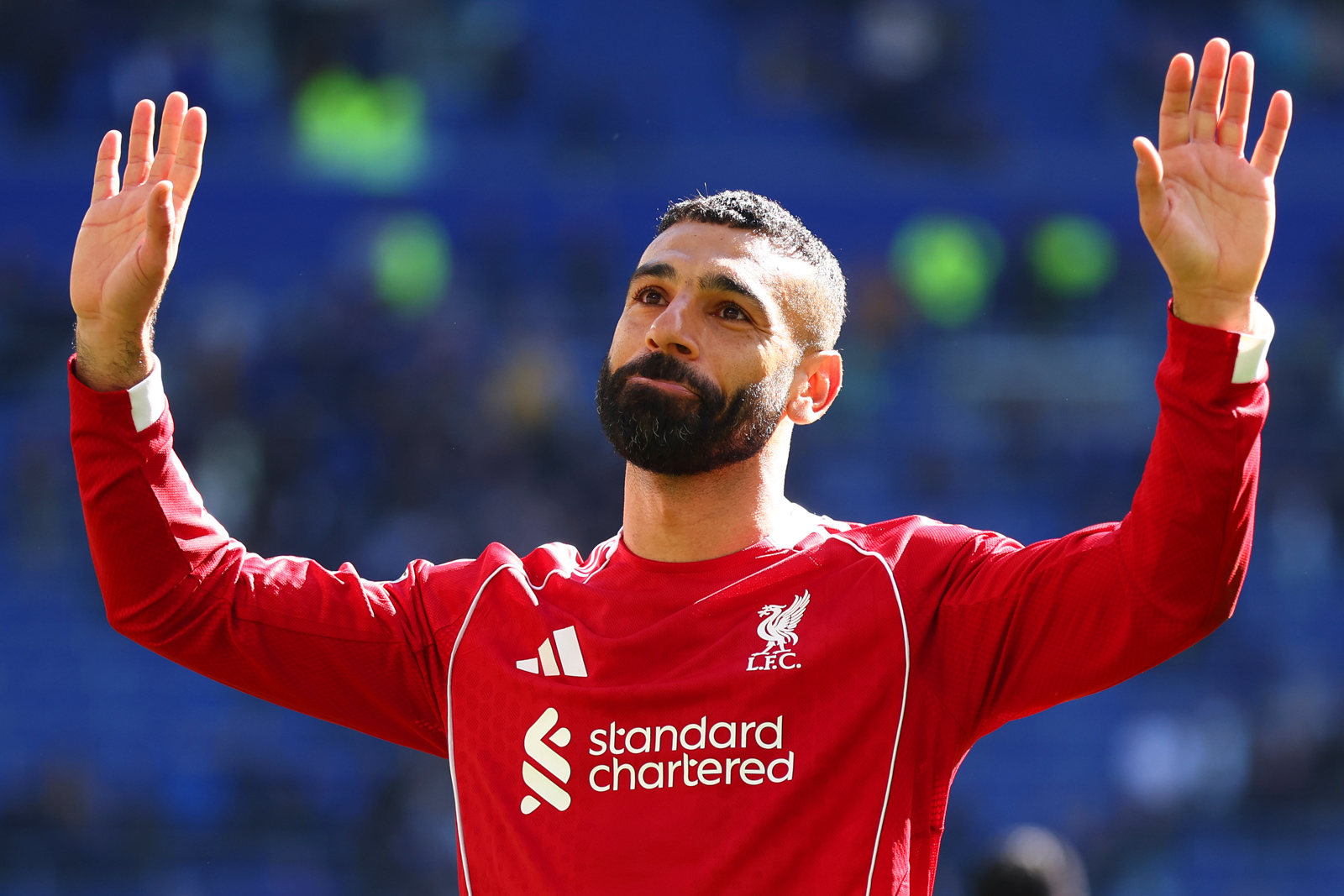
Footballers have been celebrating since the dawn of time and Muslim players have often used sujood to do so – Mo Salah is one of the footballers who has helped make it more visible.
The 2026 World Cup has had more sujood moments than any previous tournament. Egypt’s stunning 3-1 defeat of the New Zealand team put them at the top of their group, meaning they are very likely to go through to the knockout stage. After going down 0-1 to New Zealand, Egypt equalised and then took the lead with a goal from Salah (and a sujood) before sealing their first World Cup tournament victory with another goal. At the final whistle, the entire team performed sujood on the pitch.
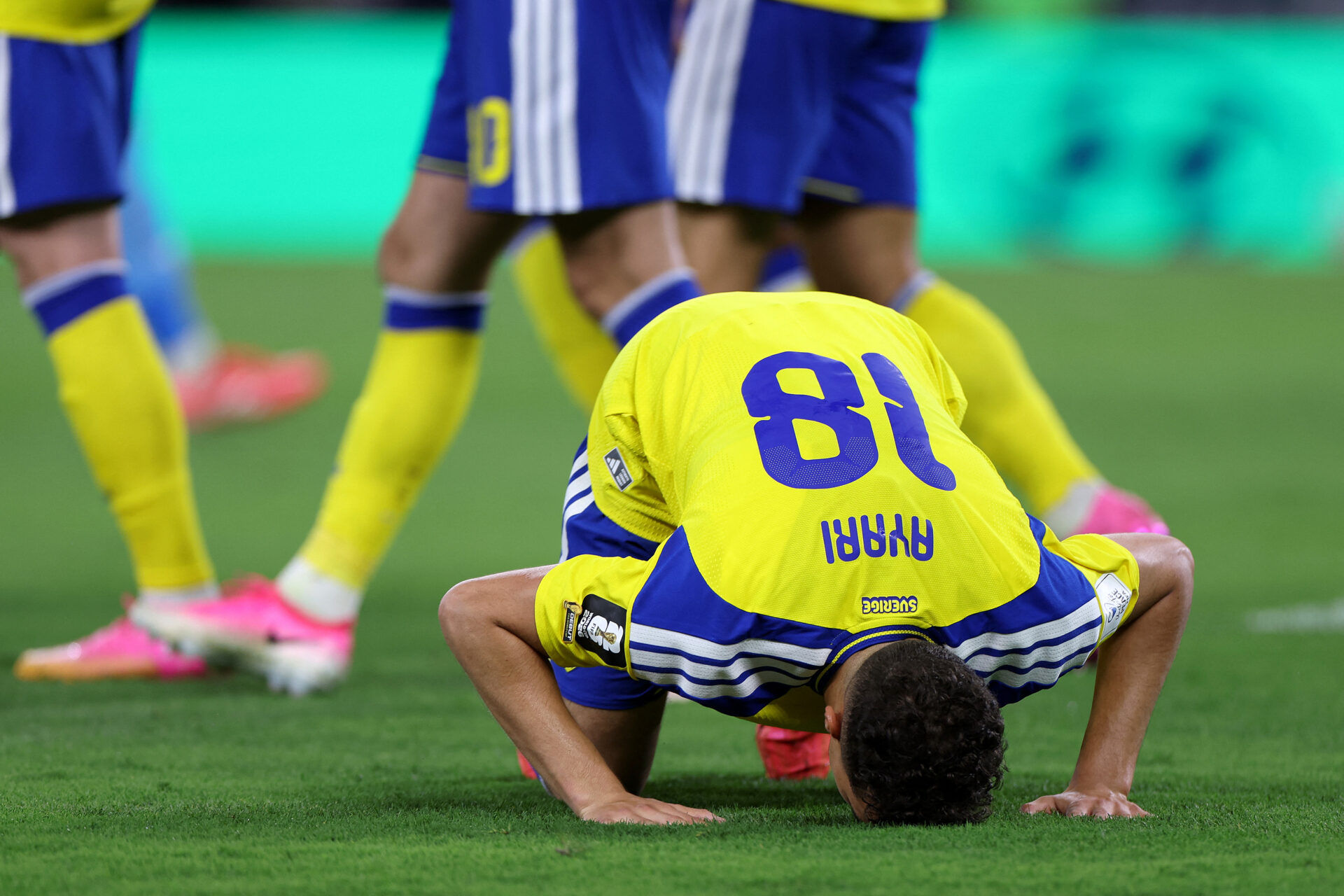
Lamine Yamal at 18 is one of the youngest players at the World Cup. He started playing football at age 4 at a local club and was scouted by Barcelona two years later. At the Euro 2024 tournament, his goal celebrations included making the number “304” in reference to the postcode of the neighbourhood he grew up in Mataró, in north-east Spain. Yamal is one of a generation of young Muslim players in Europe who are playing for their national teams. Djed Spence became the first Muslim player to start for England at the team’s match against Ghana, while Yasin Ayari scored twice for Sweden in their match against Tunisia — performing the sujood after the first goal.
Performing the sujood is not limited to football players, however, with cricketers and Olympic athletes all doing it. However, some athletes have encountered resistance, NFL player Husain Abdullah was penalised for his sujood during a match in 2014. Non-Muslims have also taken it up. Christiano Renaldo caught attention for performing sujood after scoring a goal for Saudi team Al-Nassr in 2023 and Oleksandr Usyk, the Ukrainian boxer, incorporates it into his training.
Nor are noted public expressions of faith during sports limited to one religion. Lionel Messi, a practising Catholic, celebrated his record-breaking 17th goal at World Cup Tournaments by thanking God and making the sign of the cross. The Argentina star had just scored a hat-trick against Algeria to seal his place in the history books.
These moments of reflection at a moment of triumph for a player and team have, generally, been well received. They show the increasing diversity of western national teams that just a few decades ago would have been overwhelmingly white and Christian but also model interfaith respect and cooperation at a time of polarisation — often within those same nations.
For Muslims, particularly in countries where they are a minority, these public expressions of faith give both visibility and pride.
However, Muslim expression in sport, particularly women’s sport, has often been heavily discouraged through clothing mandates and bans. With the women’s football World Cup taking place next year in Brazil, it seems likely that these controversies will re-emerge.
What is certain is that the World Cup is a platform for faith as much as football and Muslim athletes are more visible than ever.