
‘Good mayhem’: the football coach creating safe spaces for children
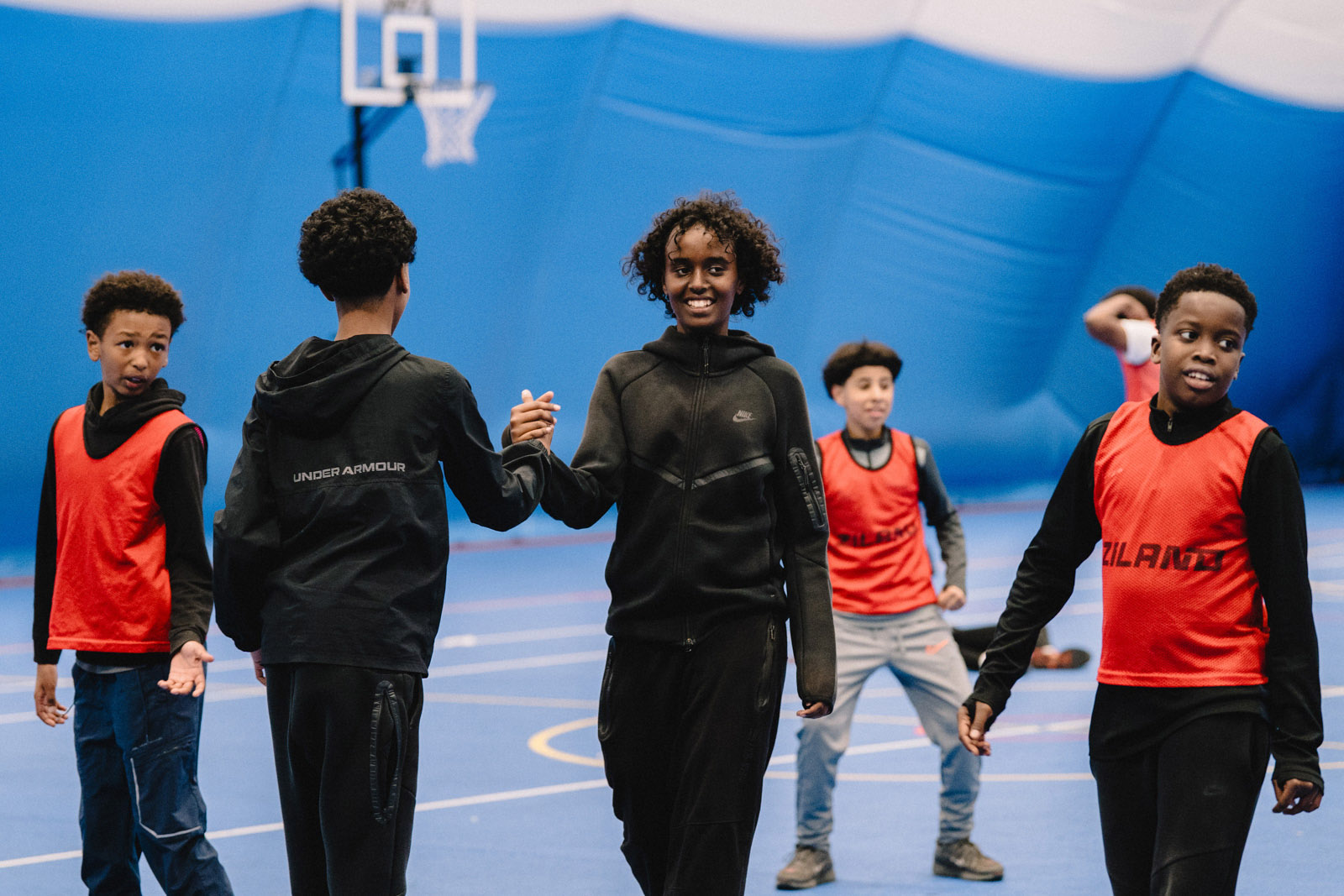
Hashim Mustafa leads free sports sessions in Cardiff’s neighborhoods with higher deprivation, helping youngsters build community and friendship

As a child, Hashim Mustafa couldn’t always afford to go to weekly football sessions in his Cardiff neighbourhood.
Raised by a single dad in Butetown, he remembers that the few pounds he needed to go and play sports were not always guaranteed.
When we meet, Mustafa, 31, is carrying training bibs and footballs into the sports dome behind Cardiff and Vale College’s city campus as it slowly fills with excited children. They’re here for Butetown Kicks, a free weekly football session for youngsters aged eight to 18, led by Mustafa.
“It’s mayhem,” says Mustafa, as he looks around at the children. “But in a good way.”
“When I was a kid, we never had much,” he adds. “Getting money from my dad for activities like this, it was like: ‘If I’ve got it, I’ll give it to you’. We had to pay £5 so I could go play football with my friends. These kids don’t need to worry about that. They just come and kick a ball.”
By day, Mustafa works as a fire warden for Cardiff council. In the evenings, he gives up his spare time to run the weekly sessions in Butetown and neighbouring Grangetown, where 20 to 30 local children come to play football for free in a safe, supervised environment.
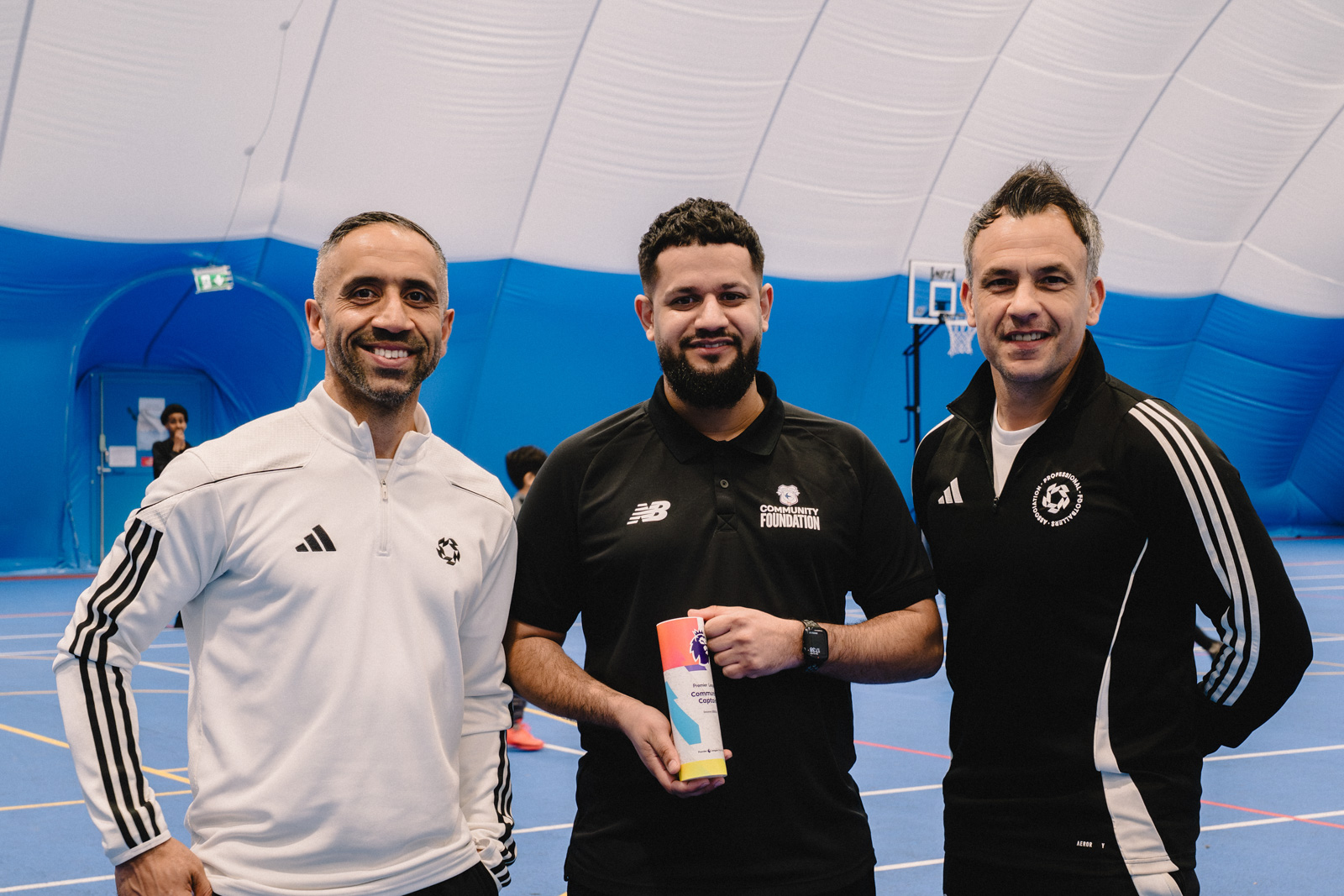
A father himself, Mustafa says he pushes the project “as much as possible” because of his love for the game and what it can offer young people growing up in the area.
“What [keeps] me coming back is the love for the community. I want to make a positive difference to the community and help them become the best version of themselves,” he says.
One of Cardiff’s most multicultural areas, Butetown — formerly known as Tiger Bay — is home to generations of working-class families with roots from across the world. According to the 2021 census, 39.7% of residents are from a minority ethnic background. Butetown remains among the 10% most deprived areas in Wales, with 49% of children in the neighbourhood living in poverty, according to an analysis of local data by news outlet Wales Online in 2022. For many of the families in Butetown, paid activities for children can be difficult to sustain.
The football sessions are funded through the Premier League Kicks project, which was first launched in Tottenham, north London, in 2006. More than 600,000 young people have since taken part in programmes across the country. Designed to create safe spaces for children and young people in areas facing higher levels of anti-social behaviour or youth violence, the programme has been running in Butetown since 2023.
“I do see myself in some of them,” Mustafa says of the children he works with. “Me stepping into this is to help them as much as possible. It’s a big achievement for myself because I’m happy that I could help a child not be in the situation where they have to pay for football. I’m trying to do my best while I’m here.”
For the boys who come each week, these sessions offer more than just football. “I keep coming back because Hashim and the workers are kind,” says Malik Abdulmajeed, a regular at the sessions. “We have so much fun here because we’ve got nothing to do at home if we’re bored. I can come play every week and I am part of something in Butetown.”
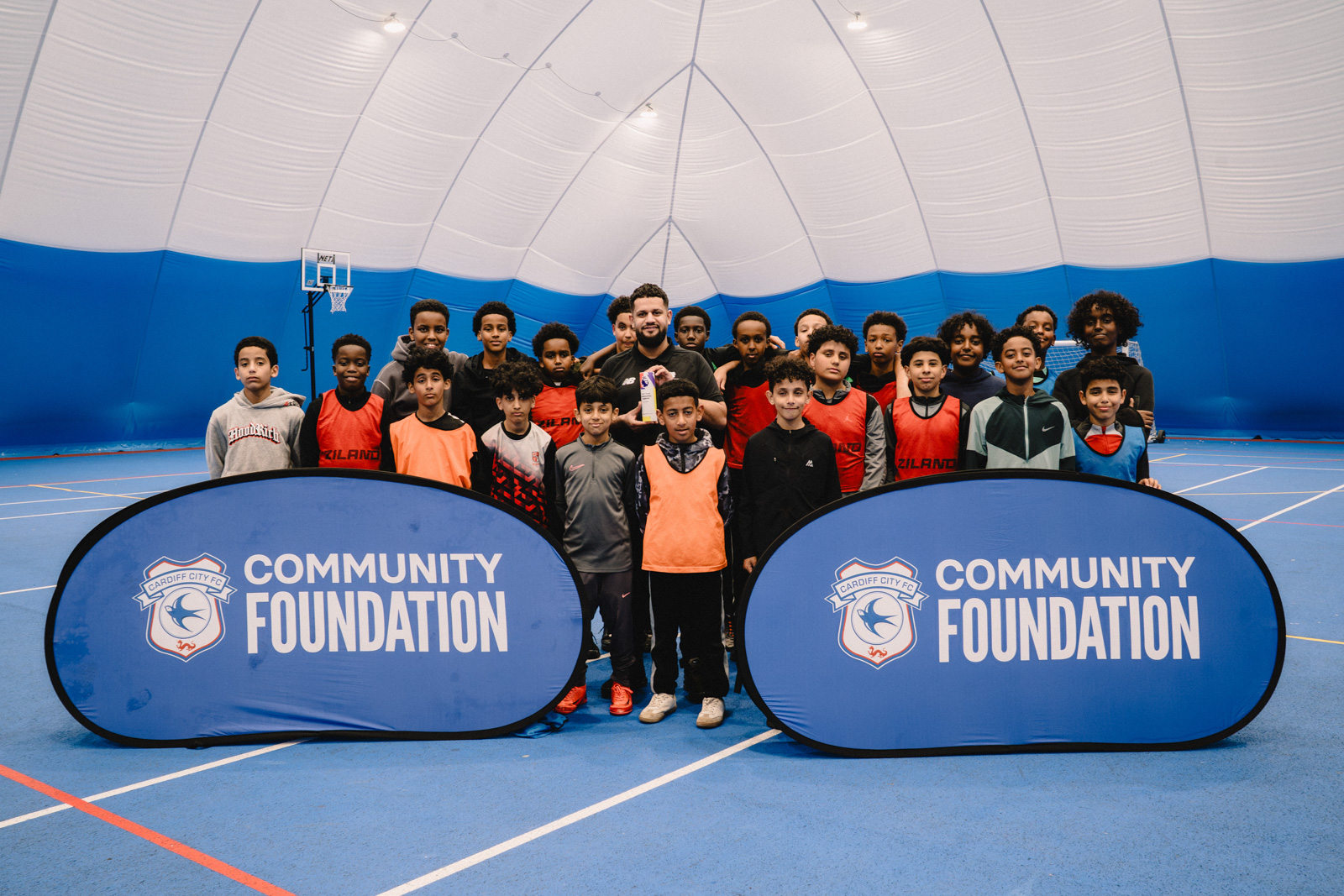
Diaa Mohammed, who also regularly attends, says: “When I make mistakes in games, Hashim helps me make the right decisions. He also helps me learn what’s good and what’s right. I look up to him.”
Mustafa takes his responsibility as a role model seriously. “There are people that do drugs around the area. I’ve got two kids myself — you just want the best for your children, you don’t want them to be around that. So when they come here, they see a friendly face and parents know, ‘Oh, my kid’s safe’ because they can see I’m doing good for the kids,” he says.
In March, Mustafa was recognised by the Premier League as Cardiff City’s community captain for his involvement in the programme and his positive effect on the local area.
For Mustafa, the clearest sign of success comes when the sessions are paused. His phone doesn’t stop ringing when he’s away.
“When we have time off or if I’m away, I get calls from members saying ‘Where are you? I need football!’” he says.
Riz Rehman, player inclusion executive at the Professional Footballers’ Association, has travelled from south London for the evening session. Taking a break from a mini-match with the children, he says the atmosphere reminds him of his own childhood.
“You see these kids here today, they’re all different ages, religions, languages — that is what football does and that’s what football should be about. We just need communities to unite better, and I think sport really has the power to do that,” Rehman says.