
Hero who confronted Huntingdon train attacker is still waiting for therapy
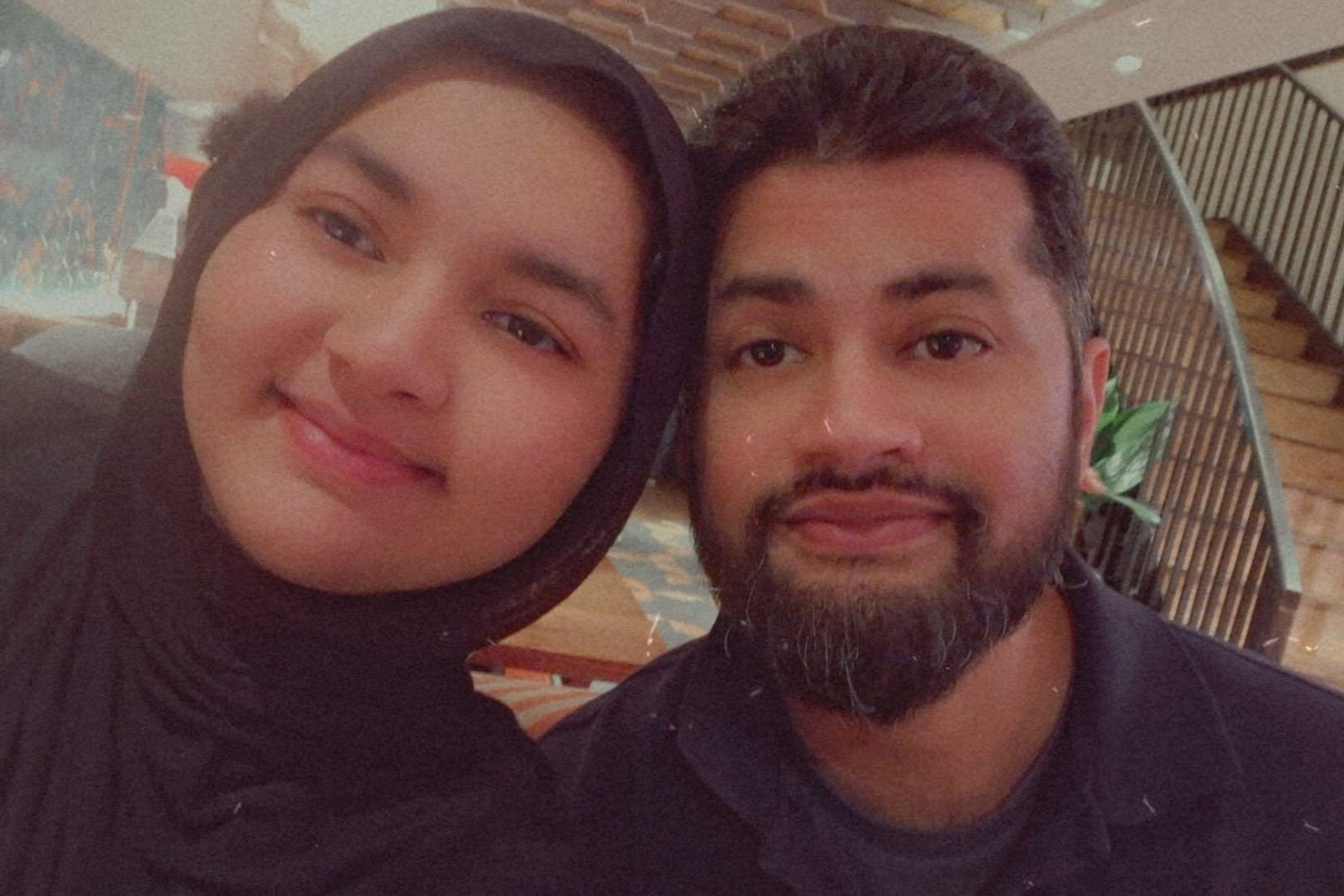
Raza Mustafa Aslam was stabbed as he protected passengers from a knifeman on an LNER train last year. His daughter is appealing to get him help

A hero delivery worker who was stabbed while protecting passengers during last year’s Huntingdon train attack is still waiting for specialist trauma treatment — and says he lives in fear of reliving the incident when the case goes to court.
Dad of four Raza Aslam, 45, also known by his middle name Mustafa, was left unable to work by the attack in November 2025 after losing the full use of his arm and suffering ongoing panic attacks and flashbacks.
His daughter, Maryam Aslam, has launched a GoFundMe campaign to help support her father after the attack turned their lives “upside down”. He told Hyphen that money raised would help cover household costs and fund specialist trauma therapy if the NHS treatment for which he has already waited months does not materialise.
Related content
Aslam was one of 10 people seriously injured in a mass knife attack on board an LNER train travelling from Doncaster to London King’s Cross on 1 November last year, shortly after the train left Peterborough.
It was diverted to Huntingdon station, where armed police detained Anthony Williams, 32, from Peterborough. Williams will stand trial in October on 13 counts of attempted murder. Some of the charges relate to other alleged assaults in Peterborough and London before the train attack.
Aslam, who worked for a motor delivery company before the incident, had been heading home after delivering a car when passengers began running through his carriage from further down the train, shouting that a man armed with a knife was attacking people.
He said he helped families and other passengers move carefully towards safety before deciding to stay back, rather than hide in a nearby toilet.
“Those last seconds, I had to decide whether to call my mum and say goodbye,” he said. “I decided not to, because I’ll get too emotional. I thought, my mum is abroad, she’ll get worried and she’ll have a horrible night. So I placed myself in front, while everybody was behind me.”
Aslam said he positioned himself between Williams and the remaining passengers in the carriage, hoping to buy others time to escape or hide. He was stabbed in the left arm, severing his radial nerve.
The injury left him with partial paralysis in his arm and hand. He said doctors have told him the nerve could take years to heal with ongoing treatment, but that he is unlikely to ever regain its full use.
“Even though I can clench my fist, I can’t grip anything or pull anything. I’ll just cause more damage. So that’s been really difficult,” he said.
Aslam was in the same carriage as LNER worker Samir Zitouni, who was also seriously injured trying to protect passengers.
Before the attack, Aslam had already been living with a number of long-term health conditions, including severe depression, anxiety and chronic neuropathic pain, making the psychological toll of the incident even harder to deal with.
“If I get my mind back, then I’m OK. I can survive. I can live with a partially paralysed arm,” he said. “But if I don’t, I don’t know what to say. I’m already suffering so much.”
Aslam was diagnosed with post-traumatic stress disorder (PTSD) in the aftermath of the attack and now experiences panic attacks, nightmares and flashbacks. He said everyday encounters can trigger memories of the incident, often leaving him fearful and anxious in public.
He added that travelling by train — something he used to do regularly — has become difficult because it brings back memories of the attack.
“I’m scared to go out to most places,” he said. “It’s not impossible, but something always triggers it.”
He is now worried about the possibility of being a witness at the upcoming trial and the impact it could have on his mental health.
“When it’s on TV, or if I’m in the stand and I have to see him again, I’m going to relive it all again, and it’s not that easy,” he said.
Despite being referred by his GP for eye movement desensitisation and reprocessing (EMDR) therapy — commonly used to treat PTSD and complex PTSD — he has yet to receive specialist mental health support.
“I really need EMDR beforehand to have any chance of getting through [the trial] without making it worse,” he said.
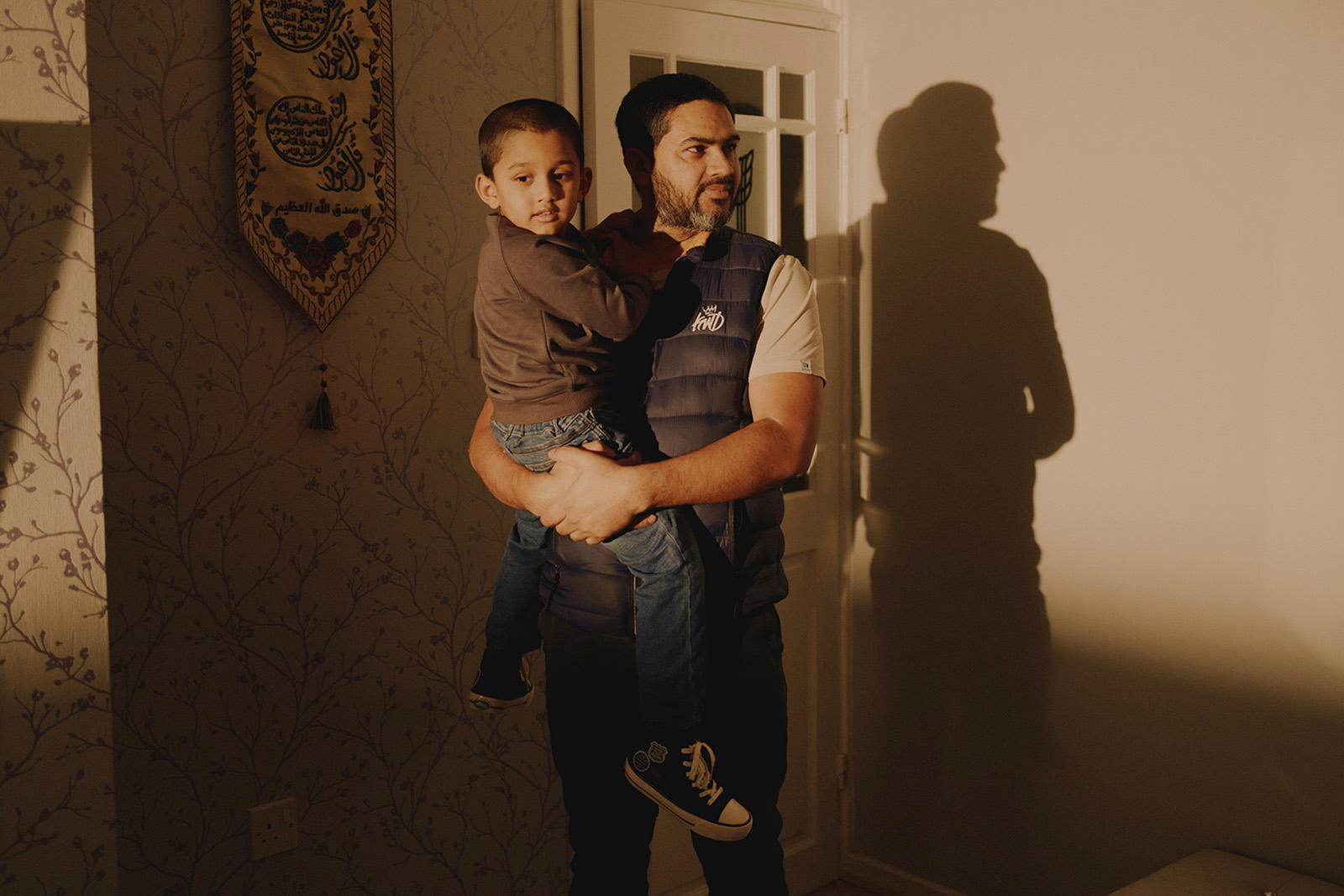
He said both he and his GP have repeatedly tried to follow up with the trust since November. A spokesperson for North London NHS Foundation Trust said it was “working with him to ensure he gets the support he needs from the right services” but declined to comment further.
Aslam also said he had been unable to continue working, costing him some £2,000 a month in income since the attack.
He began receiving universal credit in April, giving him an extra £400 a month, but he says the financial loss has placed a significant strain on his family.
“My wife has been doing all the work,” he said. “My children have been traumatised as well, seeing what I went through. Our life has been turned upside down since that day.”
He was initially reluctant to ask for help through a fundraiser. “I wasn’t particularly interested in it because after eight months, I thought no one would even care about it,” he said of the GoFundMe campaign.
Now, he says his focus is on supporting his family and accessing the treatment he needs before the trial.