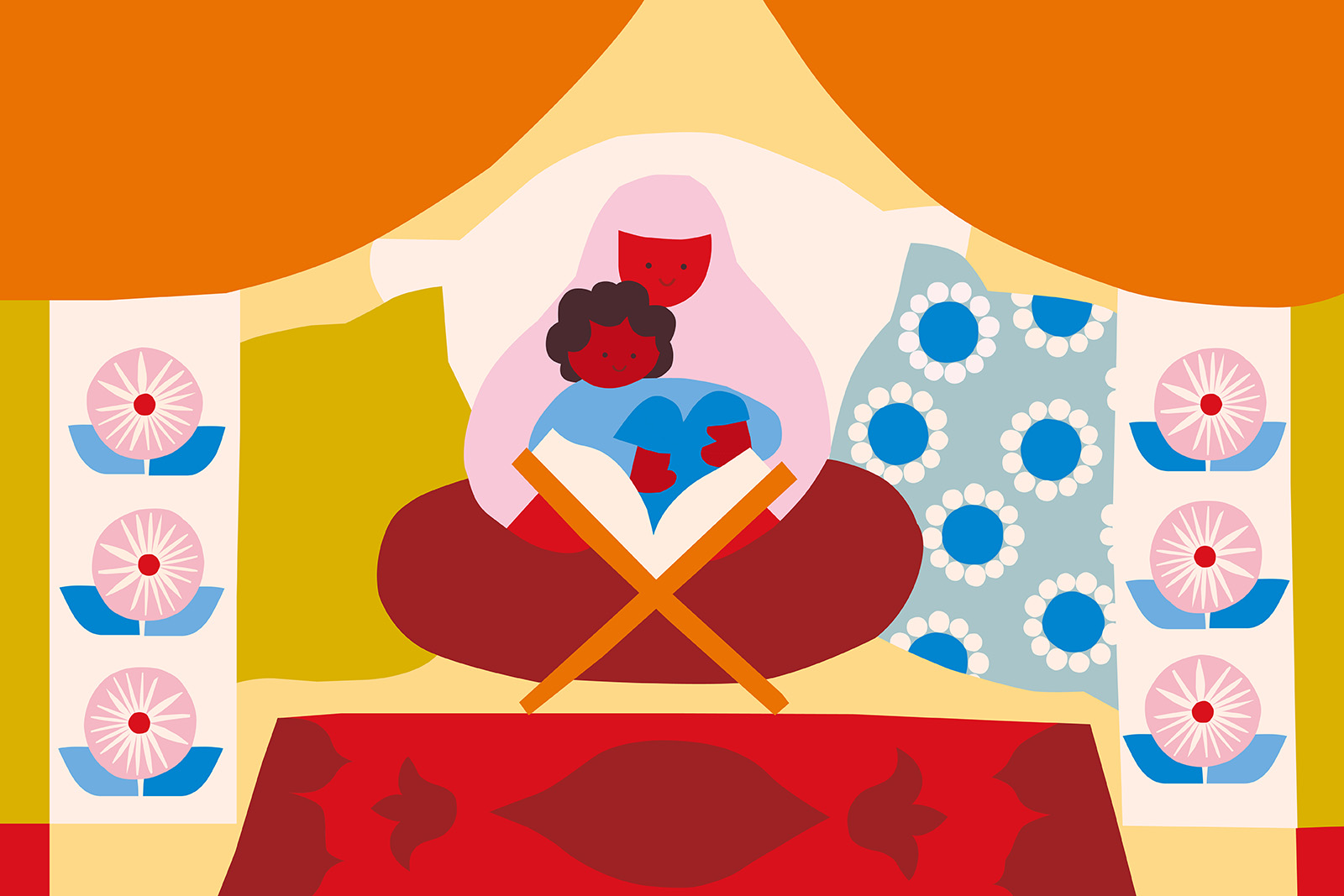

‘One of the biggest sources of stress’: Muslim mothers on the social media ban for under-16s
From bringing exposure to Islamophobic content to poor mental health, many parents welcome the ban, but some say it is punishing kids instead of big tech
In June, Keir Starmer announced plans for a complete social media ban for under-16s in Britain to “give kids their childhood back”. The ban, which will come into force by spring 2027, follows a landmark policy introduced by the Australian government in December 2025, prohibiting the use of platforms such as Instagram, YouTube, TikTok, Snapchat, Facebook and X for under-16s.
This announcement came as a huge relief to many parents like me. Although my son is only four, I have always believed that he does not need access to social media until he’s in his late teens. In fact, I signed up to the Smartphone Free Childhood pact, where parents pledge not to give their children a smartphone before the age of 14.
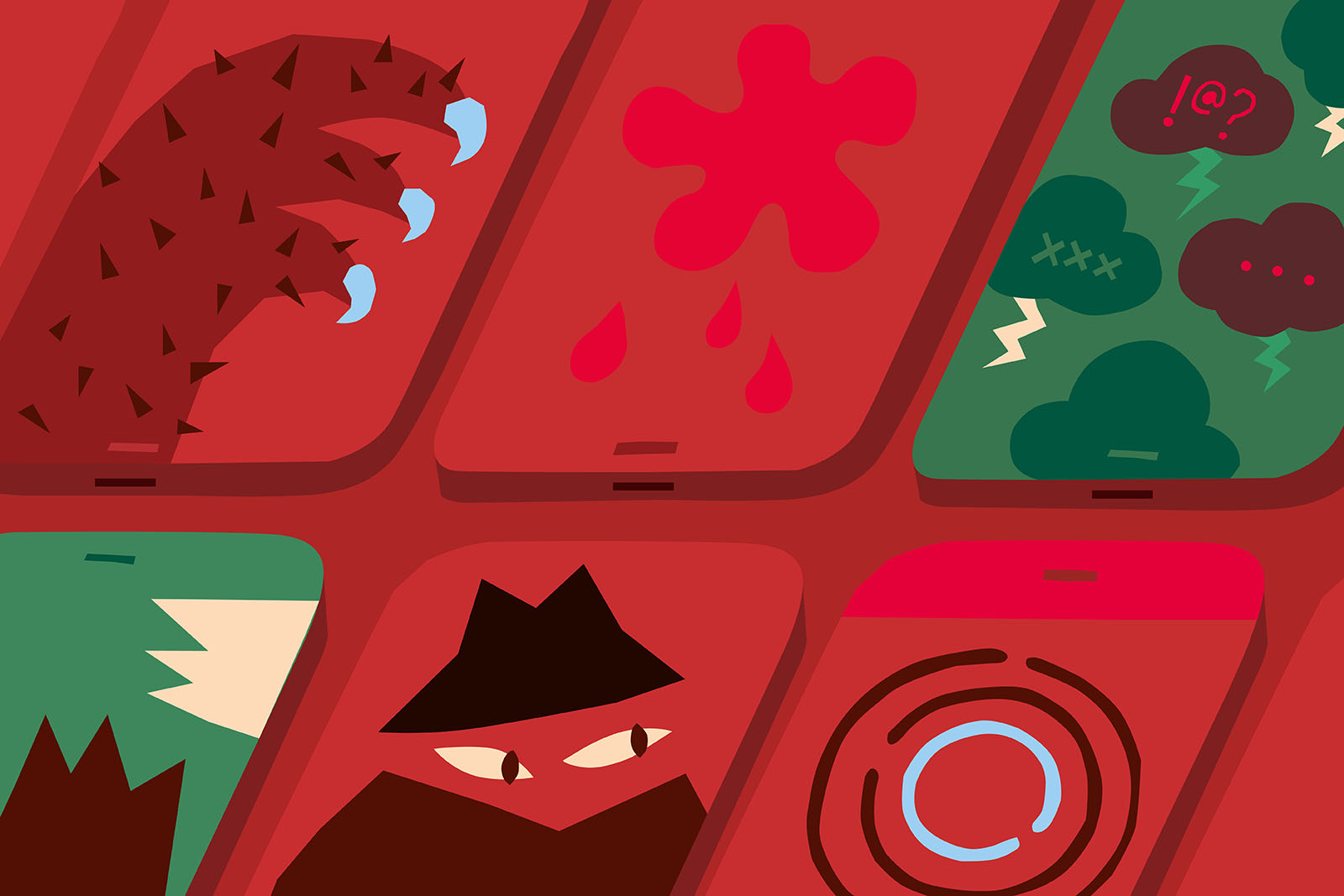
My son does watch YouTube Kids using my phone, but even a platform for children isn’t safe from inappropriate content — we once stumbled across a cartoon that mimicked Peppa Pig but with expletives.
The problematic impact of social media use among children is well known — it has been linked to decreased attention span, poor mental health, aggressive behaviour and sleeplessness. At its worst, cyber bullying and death by suicide.
The government believes the ban will stop under-16s from being exposed to harmful, violent and pornographic content.
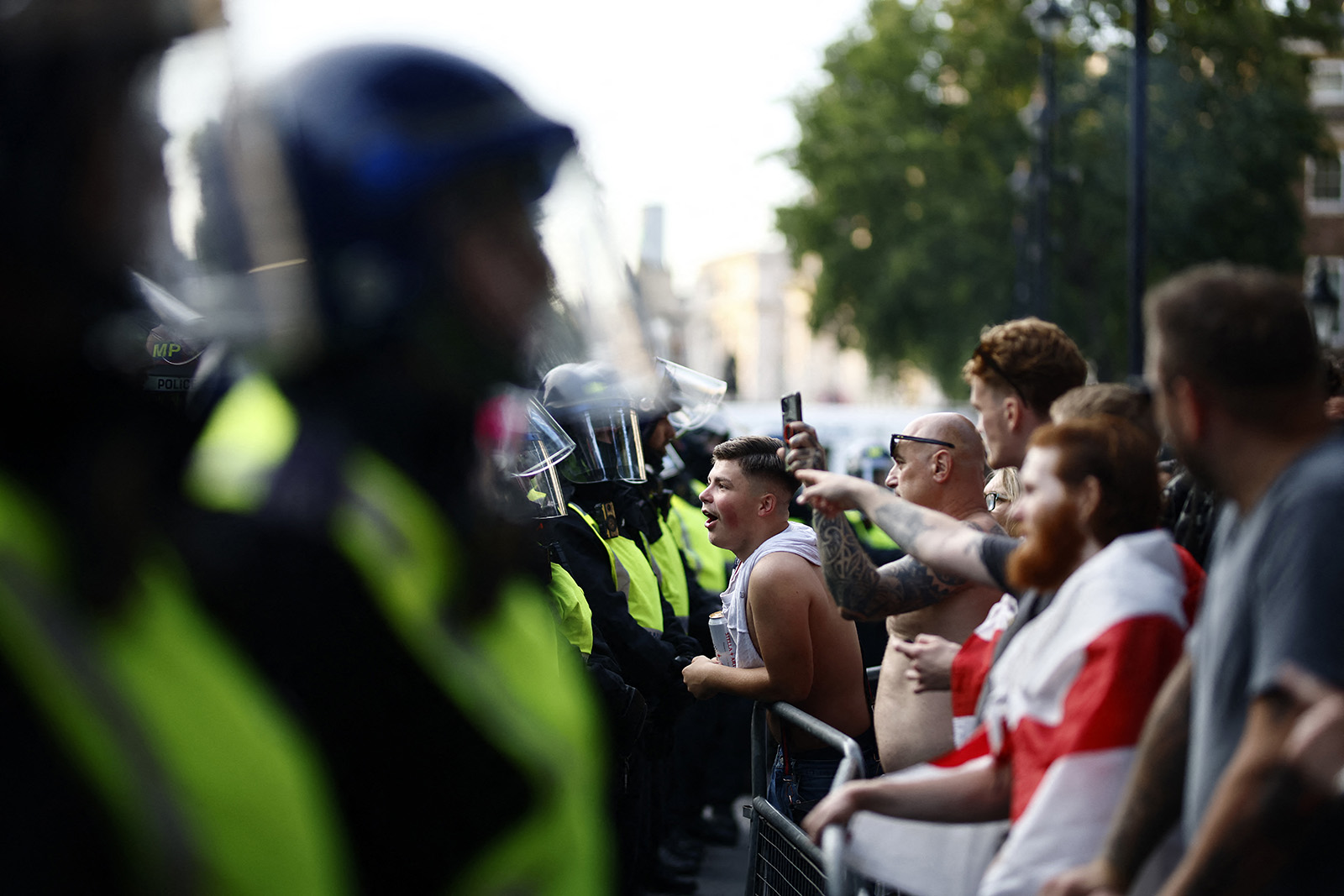
For Muslims, children also face the risk of coming across Islamophobic discourse online. I’ve had heartbreaking conversations with other mothers whose children have asked them: “Why do people hate us?” after seeing discriminatory posts on their social media feeds. They answer by telling their children that social media is not reflective of real life, but this is getting harder to believe. The amount of hateful content is increasing and has physical, violent consequences — not only for our kids. The disinformation amplified by platforms including X in the summer of 2024, for example, helped fuel racist violence across the UK, and continues to do so.
“Phone usage has been one of the biggest sources of stress in this household for the last nine years,” says Kate Rafiq, an author based in Birmingham who has four children. Her concern is the type of content her children can be unwittingly exposed to.
“When my son was 10, he clicked on a pop-up on YouTube and was accidentally exposed to pornography. It upset us all. We learned our lesson with our older children and because of that, my nine-year-old will not be allowed social media accounts. Something has to be done because social media is extremely toxic.”
Writer Nafisa Rahimi, co-founder of the media platform Muslim Mamas, says many of the mothers in her community report challenging behaviour at home as a result of teenagers overusing their smartphones.
She believes the ban will help because “when there is a law saying something is illegal, it has a lot more clout”. Rahimi says: “If everyone knows what the boundaries are, there’s no distinction between children and teenagers, and there’s a standard expectation which is easier for everyone to follow.
“It’s never been about being anti-technology. It is part of life and there are many positives. The concern is social media specifically, and the sheer volume of content children are exposed to before they’re emotionally mature enough. Within minutes they can be exposed to bullying, harmful trends, aggressive behaviour and unrealistic lifestyles.”
Another challenge comes in the responsibility as Muslim parents to provide an Islamic upbringing for our children.
“Islamically, we are encouraged to protect both our hearts and our minds,” says Bushra Anwar, a psychologist who has three children.
As parents, she says, we need to ask ourselves whether social media usage is achieving that and how it is impacting our children’s Islamic development. “Is it encouraging gratitude and modesty, or is it encouraging vanity, jealousy, and envy? Is it strengthening family ties or weakening them? Is it reminding my child of Allah, or is it distracting them from Him? Is it encouraging truthful speech, or is it encouraging backbiting?”
Still, Anwar believes a more nuanced conversation is needed around the ban, that its introduction must also come with government investment in social spaces and activities for children.
“In the winter, there is nowhere for teenagers to go,” she says. “A lot of the time, they will be studying and doing their homework together via social media. A ban could further isolate them and result in worse mental health problems.”
Hera Hussain, online safety campaigner and chief executive of Chayn, a platform providing free, online resources for survivors of abuse, says the key issue is that the ban does not hold big tech accountable.
“It punishes children by restricting access to something that they’ve had no control over. Children also have digital rights, and it’s not just the right to be protected, but the right to use social media and the internet in the same ways that we do,” she says. “They have not caused online spaces to be harmful.”
Related content
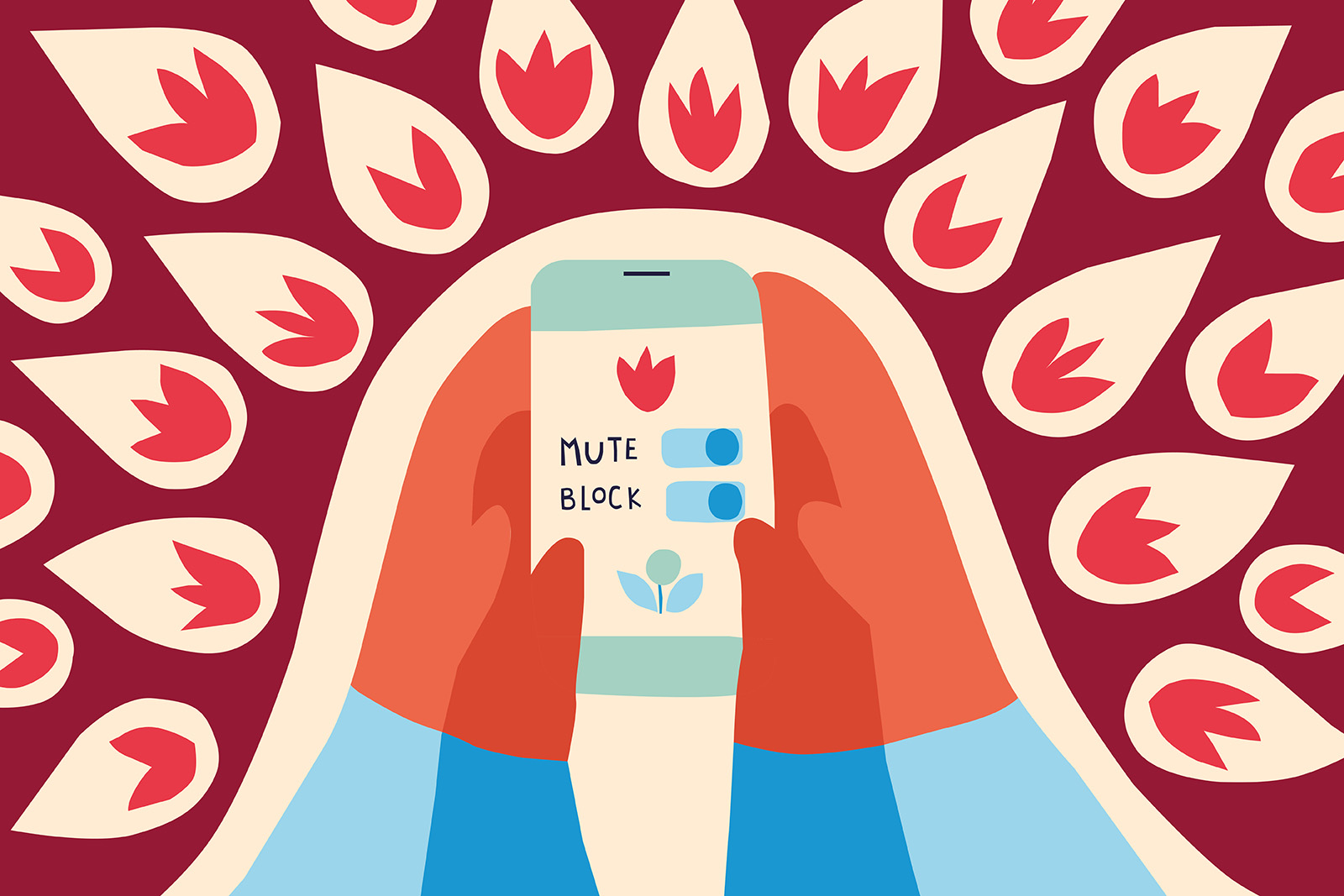
Safeguarding features on social media apps are an afterthought for the tech companies, Hussain says, with many instances of platforms such as Snapchat scrambling to put them in place only after an incident such as child grooming has taken place.
Government regulation, Hussain adds, must be put in place to ensure that social media platforms implement safeguarding measures before they are allowed to go live. The ban also only includes the most well-known platforms and may drive youngsters to lesser known ones that have even poorer safeguarding features.
Instead, Hussain believes the government, tech companies, schools and parents should all be working together to make the digital world a safer space for children.
“What we really want is to root out the culture of abuse on some of the platforms and to build an entire infrastructure around this area, from policies to charities that help schools,” Hussain says.
“All these different actors need to be capacitated to support children in making better choices. Everybody has to be involved in making social media safer.”