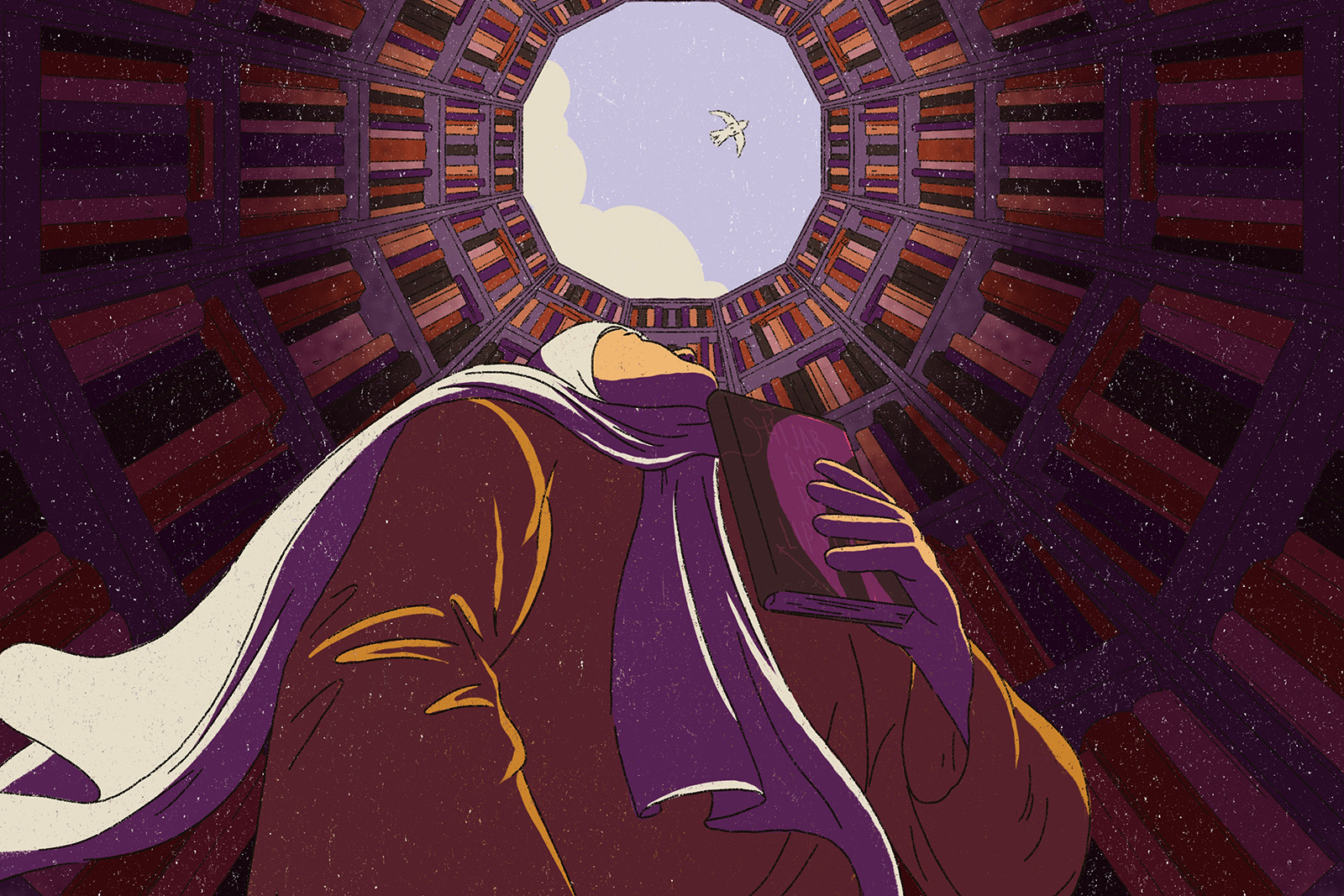

Whenever I see my father, I worry it will be the last time
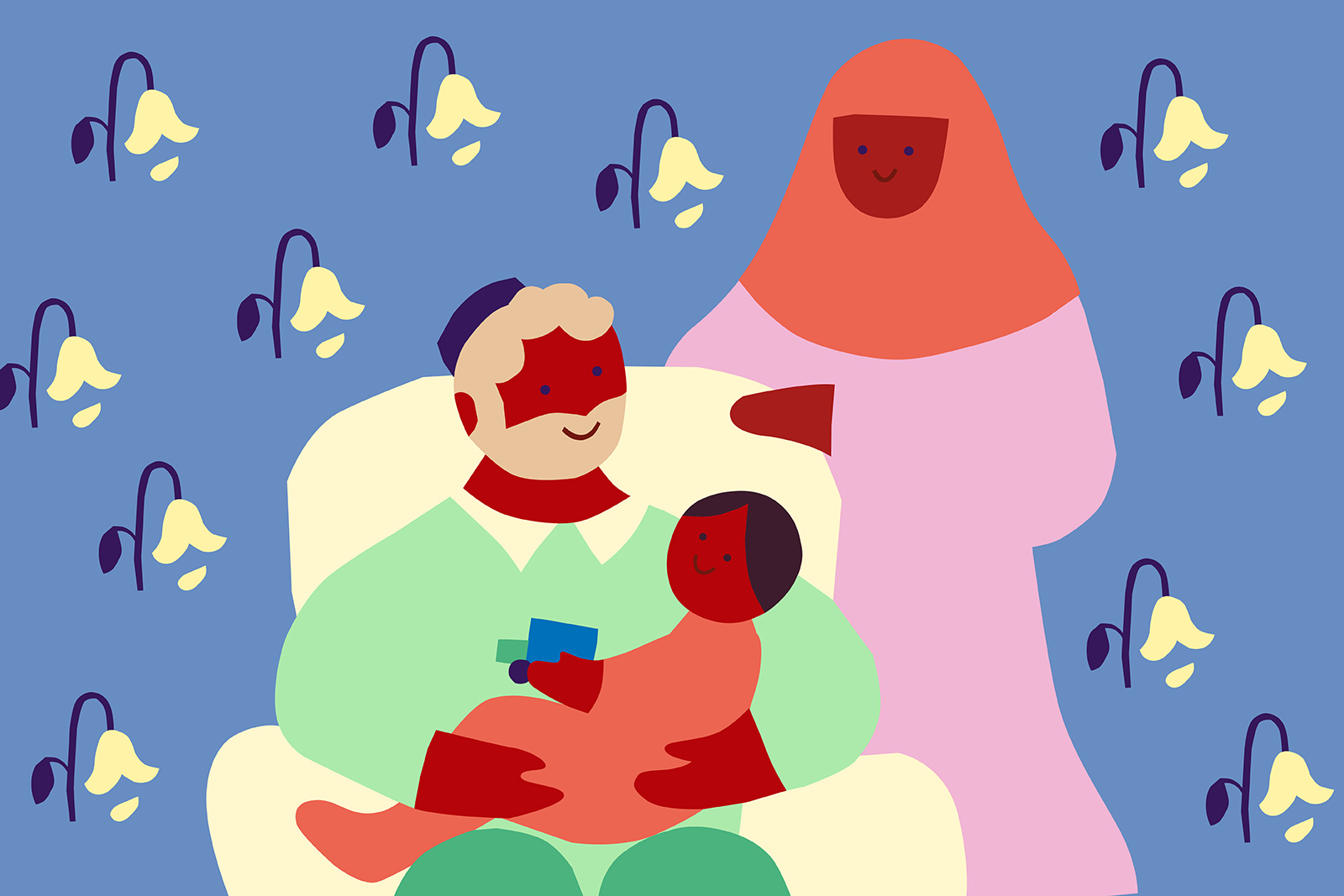
I never knew you could start to experience the hurt of someone’s passing before it has even taken place
Every time my father leaves for Doha I give him two hugs: the first is a customary goodbye, and then I reach in again for a second, longer and tighter embrace. I don’t have to say the words, and I know by the way my father squeezes me that he understands what I am trying to convey: “This second hug is just in case we don’t see each other again.”
My father has been living between Qatar and the UK for the past seven years, but as he moves closer to his 70s it has started to dawn on me how he has aged. He looks slightly frailer and his hair a lot whiter.
Related content

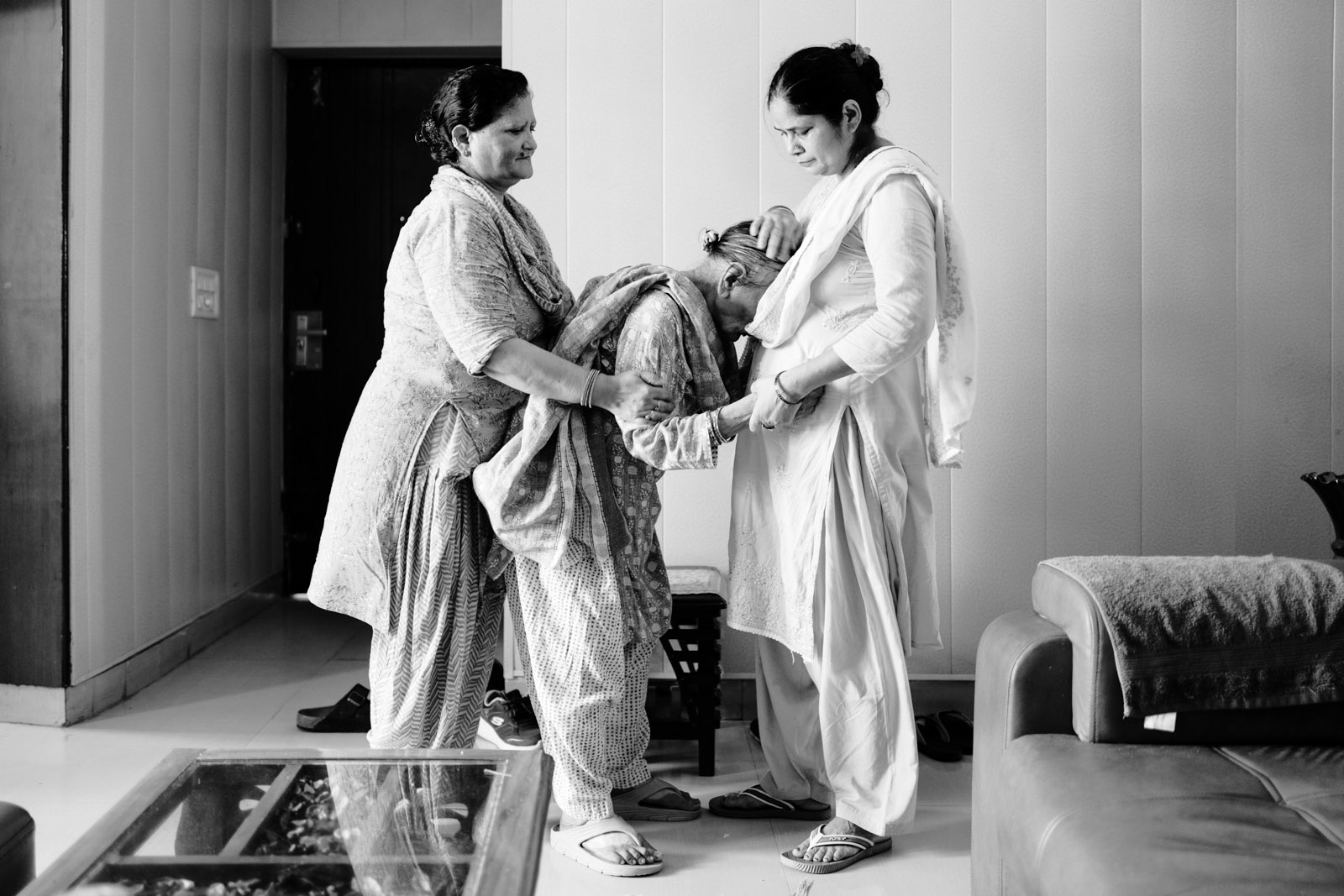
Recently, I have been feeling a kind of grief about how much time I have left with my father. Every time I see or speak to him, I worry that it will be the last. As a Muslim, I know this concern is futile because we believe that Allah has assigned each person a fixed term in this world and everything is qadr, pre-determined. But still, as my friends have begun to lose their parents, I can’t help but fear it will soon be my turn. They are on loan to me and that loan is approaching the end of its term.
I never knew you could start to experience the hurt of someone’s passing before it has even taken place.
This feeling is exacerbated for those of us who live apart from our families. For the diaspora in the UK whose ageing parents live in our homelands, we may see them only once a year, twice if we are lucky and able to afford it.
For some, our parents live in countries that are in the midst of war such as Sudan, Palestine, Lebanon and Iran. The dread of loss looms over us in a very different way — there is a very realistic threat of them being killed by air strikes rather than dying from old age.
This awareness of mortality has made me treat my parents differently, in a way that is a lot gentler. I have not only noticed their physical fragility but also their increased emotional vulnerability. Their ageing has meant we have been able to have more honest conversations that seemed unapproachable when I was younger. Perhaps it is because they recognise that I too am a parent so they feel able to talk with a level of honesty. Perhaps old age makes you feel like you need to leave nothing unsaid.
I have found faith to be important in navigating this stage in my life. Whenever I feel a wash of sadness, I say the du’aa mentioned in the Qur’an for parents: “My Lord have mercy on my parents as they brought me up when I was young.” This brings me instant comfort. Remembering that death in this world is only a temporary parting and that we will hopefully be reunited with our parents in the afterlife is a balm to the soul.
Related content
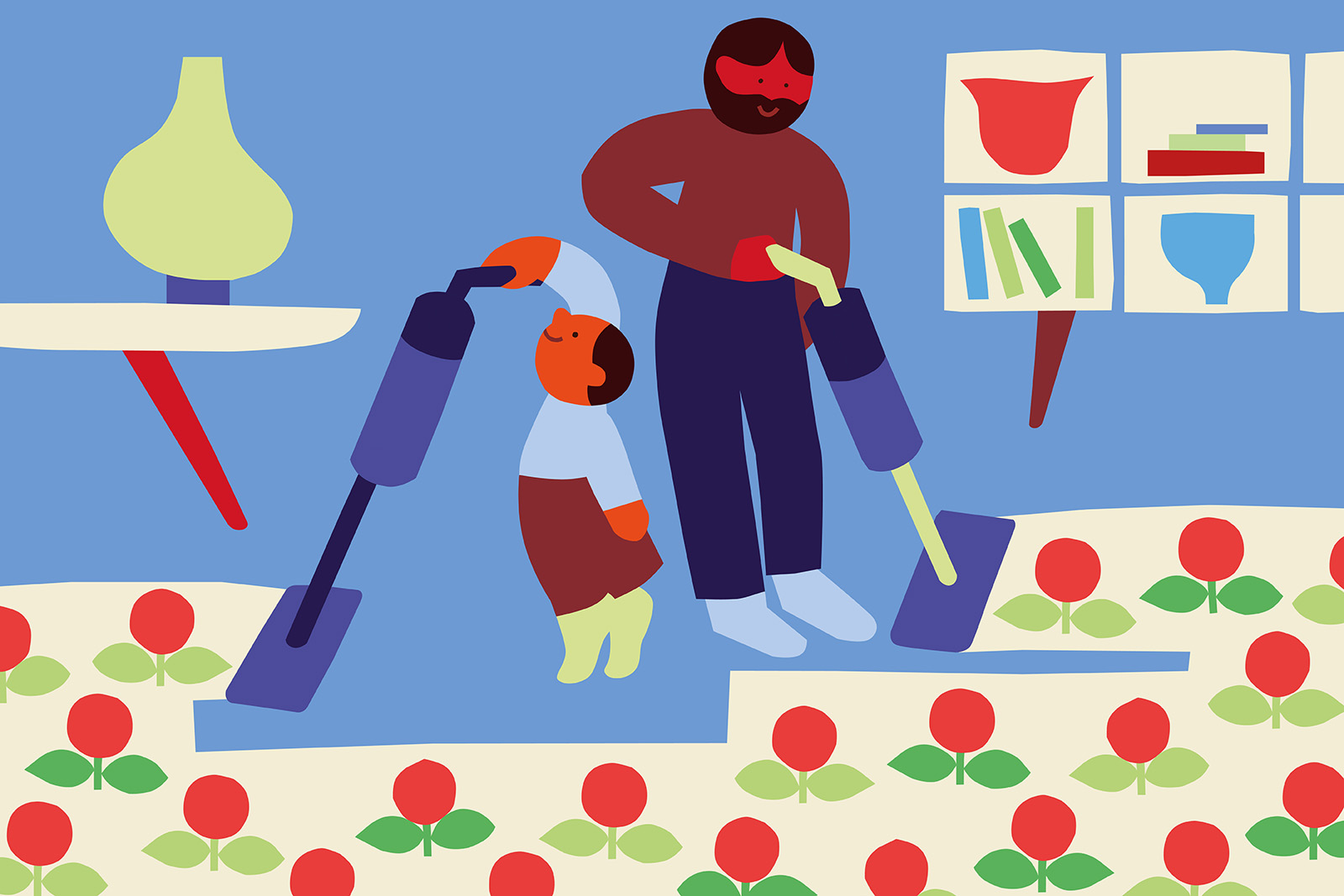
I often sit with my four-year-old son looking through family photo albums. These snapshots of the past act as reminders of how time spent with my own son is temporary and that each moment should be cherished. I’m now around the same age that my father was when I was four. I recall the father of those photographs, energetic and constantly on the go; how my brother and I would tag along with him as he ran errands across London. I think of the Sundays spent at the playground together, or the fairground rides he’d take us to, even though he didn’t like getting dizzy. These memories are gifts.
Recently, my father was back in the UK and we spent time together as a family. He was born in the 1950s. My son and nephews may live to the year 2100. Three generations in the same room is nothing short of a marvel, and I will hold onto this despite the sadness I may feel seeing my loved ones age.