
What is Muharram? Meaning, significance and how it’s observed
Discover the meaning of Muharram, the first month of the Islamic calendar

Muslims across the world are currently observing Muharram, the first month of the Islamic calendar and one of four most sacred months in Islam. Muharram holds such reverence in Islam that it is also referred to as the “Month of Allah”, according to hadith. Many Muslims believe that good deeds carried out during this month carry extra reward.
The meaning of Muharram
The meaning of Muharram translates to “forbidden” or “sacred” in Arabic. Historically, Muharram was one of four months in the Islamic calendar when warfare was strictly prohibited. The other three months during which fighting was forbidden are Rajab, the seventh month of the Islamic calendar, Dhul Qadah, the eleventh month and Dhul Hijjah, the twelfth and final month.
Why is Muharram significant?
Muharram holds historical significance because it marks the start of the Islamic calendar, which was established to honour the migration of Prophet Muhammad and his early followers to Medina. Prophet Muhammad left Mecca to escape oppression of Muslims and established the first Islamic state in Medina in 622 CE.
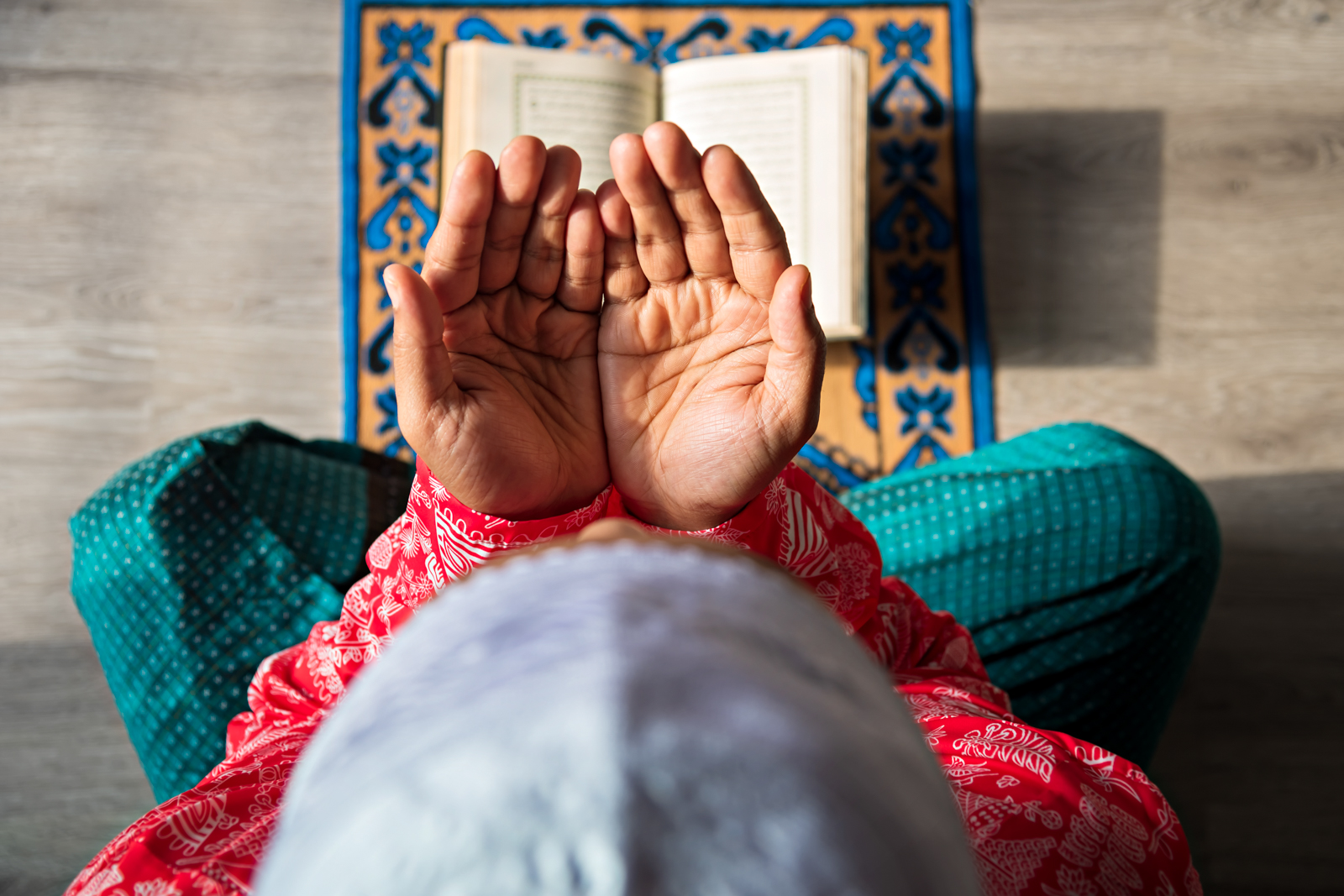
Many Muslims believe that good deeds carried out during this month carry extra reward. As it is the first month of a new year, worshippers spend the time reflecting on the year past, seeking forgiveness and practicing gratitude. During this month, Muslims may increase their donations to charity, incorporate more voluntary prayers and recite the Qur’an. Many Muslims also fast on the ninth and 10th day of Muharram.
Why do Muslims fast on the 9th and 10th day of Muharram?
The Day of Ashura, the 10th day of Muharram is commemorated by Muslims across the world.
For Sunni Muslims, it marks the day Prophet Musa and his followers were saved from the Pharoah, after Allah allowed him to part the Red Sea. Many Sunni Muslims fast on this day to seek forgiveness for their sins.
For Shia Muslims, the Day of Ashura is a day of mourning, as it honours the martyrdom of Husayn ibn Ali, a grandson of Prophet Muhammad, and his companions during the Battle of Karbala in 680 CE.
Many Muslims fast on the 9th of Muharram because according to hadith, Prophet Muhammad had intended to fast on this day to distinguish himself from followers of other Abrahamic religions. Though he passed away before he could observe this fast, it is a sunnah (tradition) that has carried on since.
Aside from these specific days of importance, the whole month of Muharram is regarded as a “spiritual renewal“, during which Muslims seek to start the new year by reflecting on the year gone and setting their intentions for the year to come.
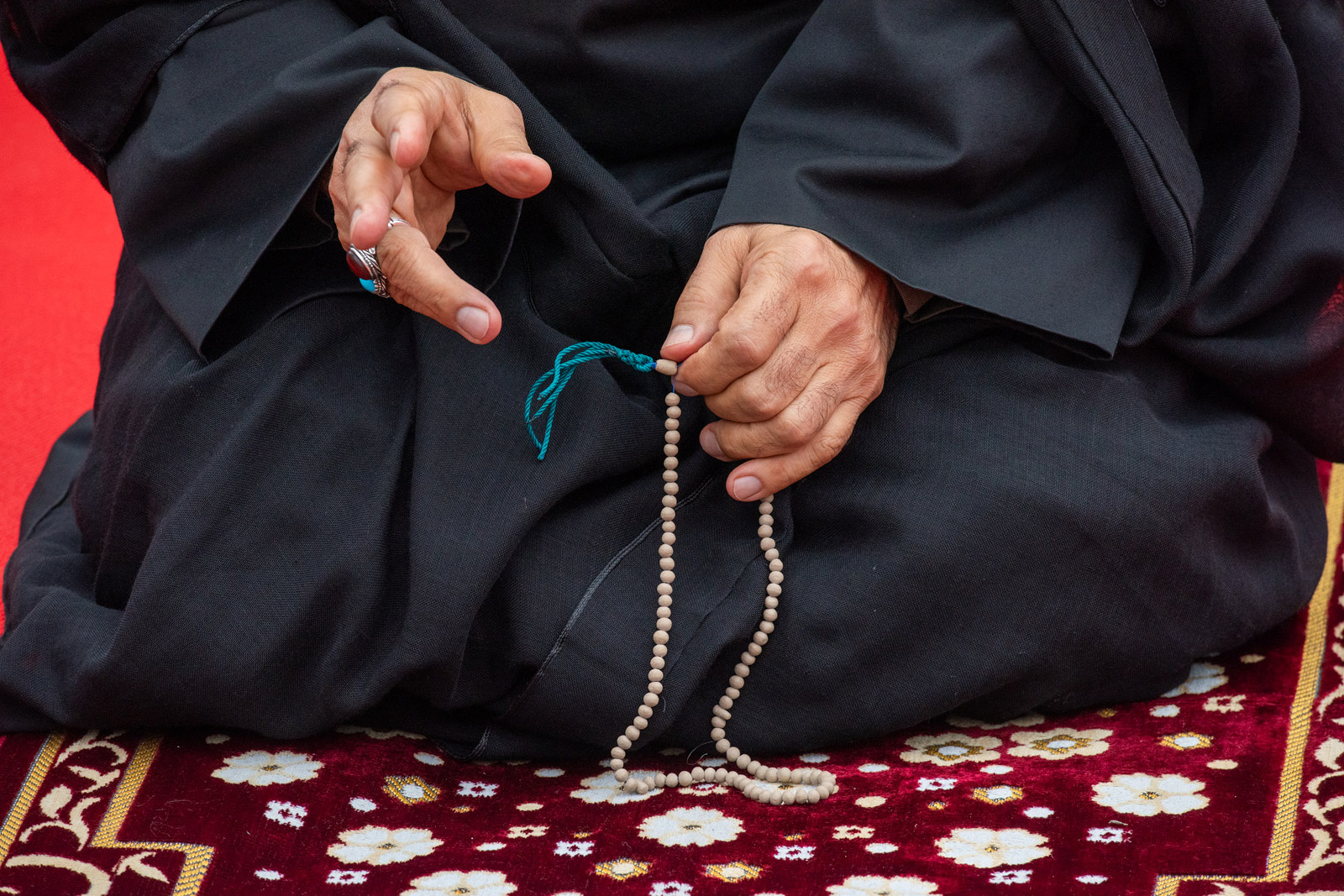
Many Muslims may also start the year by increasing their acts of sadaqah, a form of voluntary charity, and by making a concerted effort to read the Qur’an and increase dhikr, a form of worship during which prayers and Islamic phrases are repeated for the purpose of remembering Allah.