Daniel Malikyar shows an Afghanistan you’ve never seen before
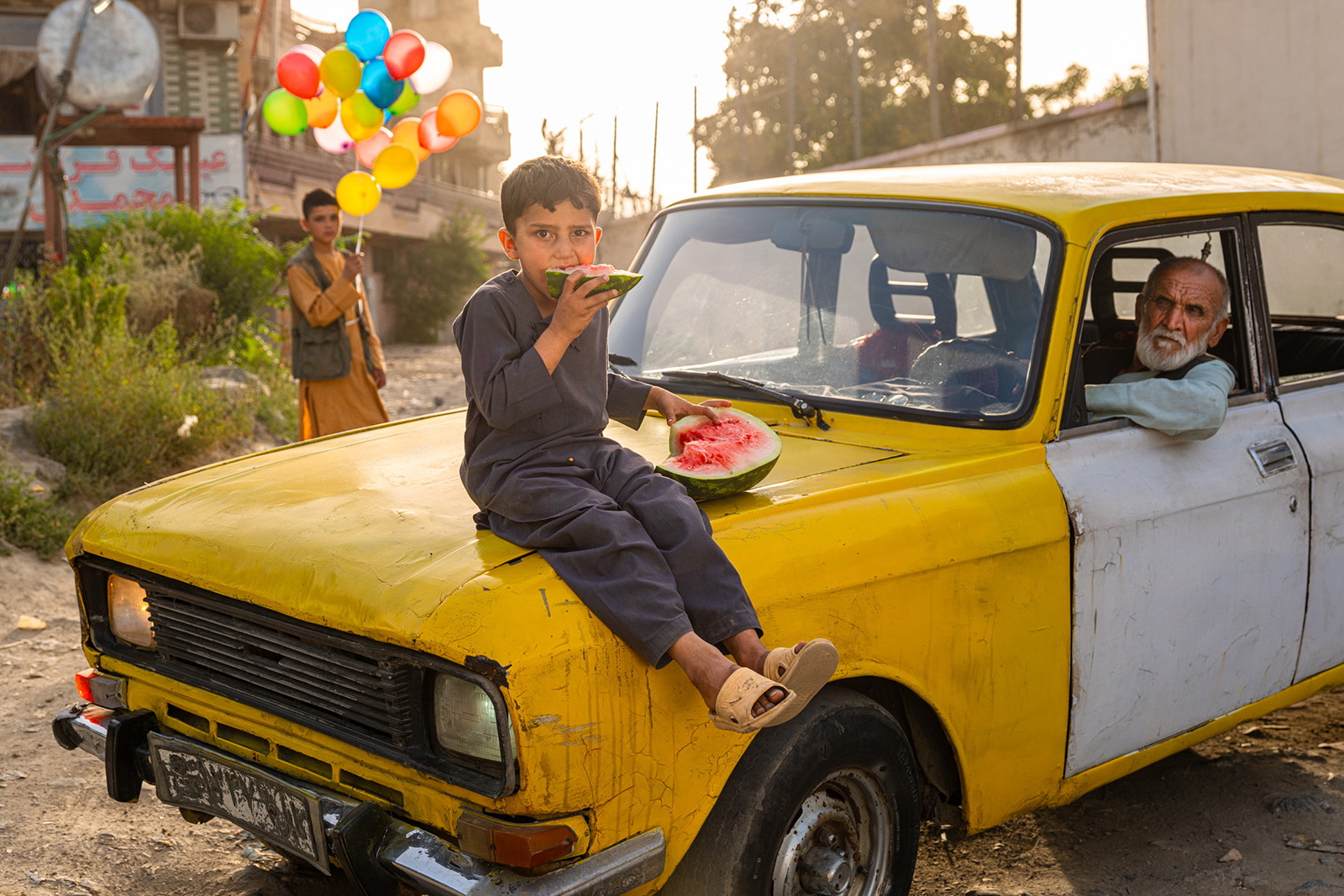
In a new book, the photographer chronicles a long-awaited homecoming

The narrow streets of Ka Faroshi, Kabul’s ancient bird market, buzz with the chirping of thousands of feathered creatures. Nestled in his usual spot, Noor Mohammed sits cradling two large white geese.
Mohammed welcomes customers with tongue-in-cheek humour. Behind his thick grey beard and deeply lined face is a warmth that speaks to Afghanistan’s long-honoured tradition of hospitality.
For photographer Daniel Malikyar, its places such as Ka Faroshi and people such as Mohammed that represent the true heart of Afghanistan.
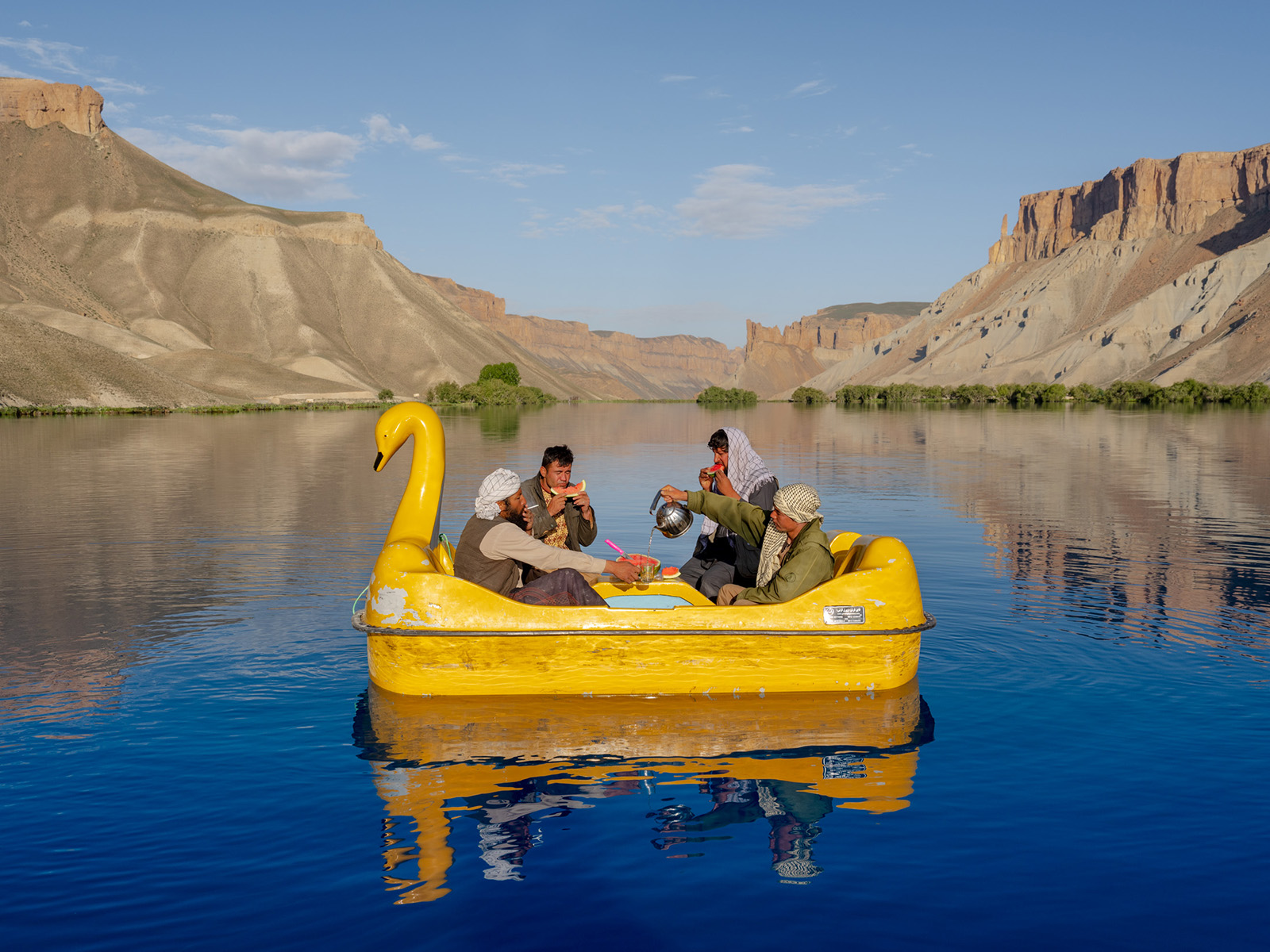
“We usually look at monuments and landmarks, or objects in a museum for this,” he says. “But I think the most important national treasures are oftentimes the living, breathing humans who are preserving these little facets of culture that, without them, will disappear.”
Malikyar, 31, whose own family fled Afghanistan in 1979 following the Russian invasion, was born in Los Angeles. Over the course of several self-funded trips, he created the work that features in his debut photobook, Afghanistan. He credits much of the inspiration for the project to his grandfather, who would often record family gatherings and then share the photographs and tapes.
“He just loved the art of documentation,” says Malikyar. “That sparked this subconscious interest in me to document the world around me and the things that are important, to be able to preserve and relive them. There’s pictures of me at five years old holding a camera and that interest never left. It just continued to grow.”
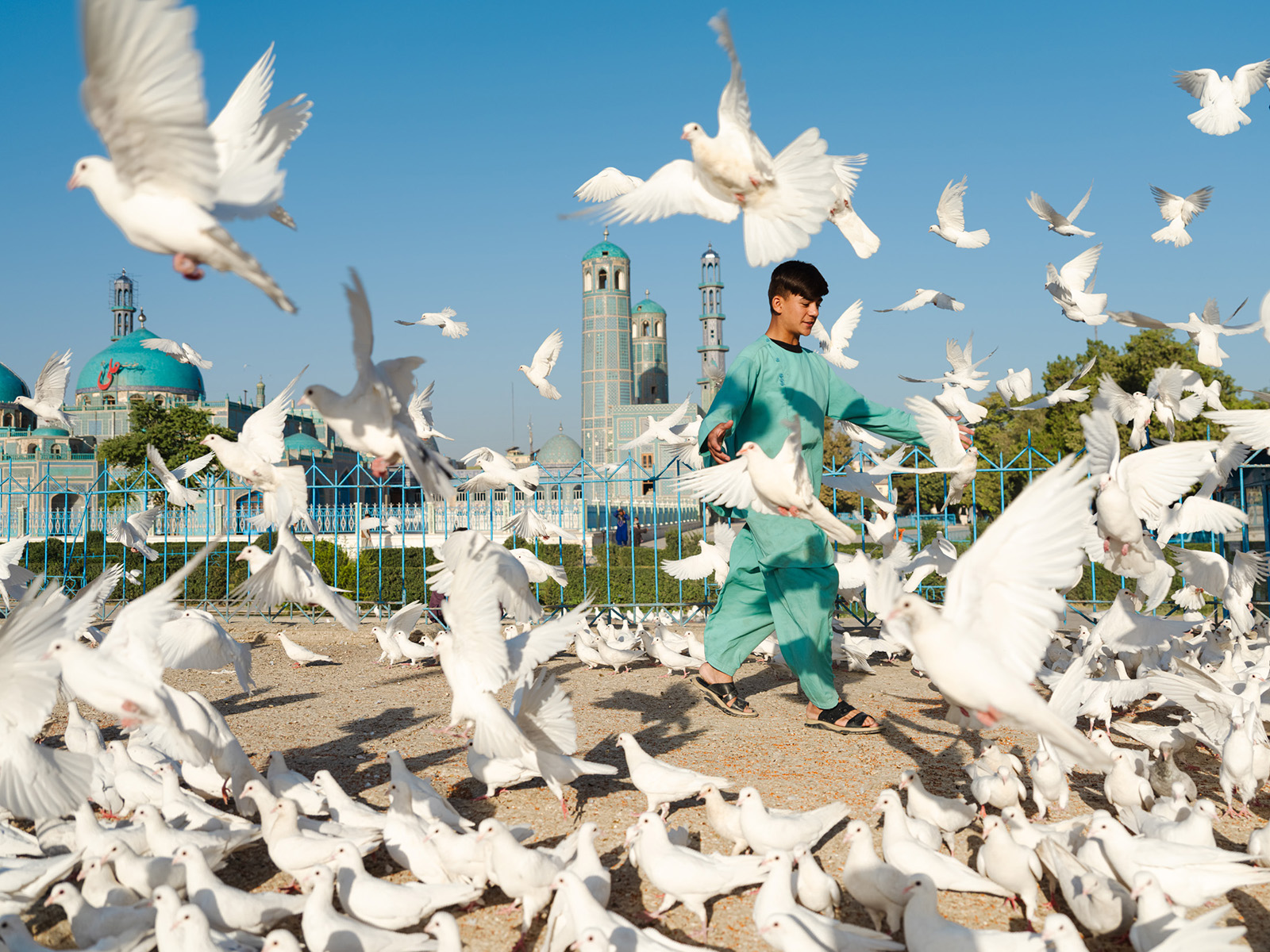
As an adult, Malikyar has travelled to 55 countries as a visual artist working in photography, film and creative direction. His commercial campaigns have featured at the Oscars and he has photographed celebrities including Drake, Will Ferrell and Snoop Dogg. Yet, he always felt like there was a piece of his story missing.
“Growing up, I had a connection to Afghanistan through stories from my parents and grandparents, and aunts and uncles,” says Malikyar. “But there were never any pictures, so there was this void of not being able to physically experience it, but also of not really knowing what things looked like.”
From a young age, he had set the intention to one day visit his motherland. That desire was intensified by prevailing global narratives about Afghanistan.
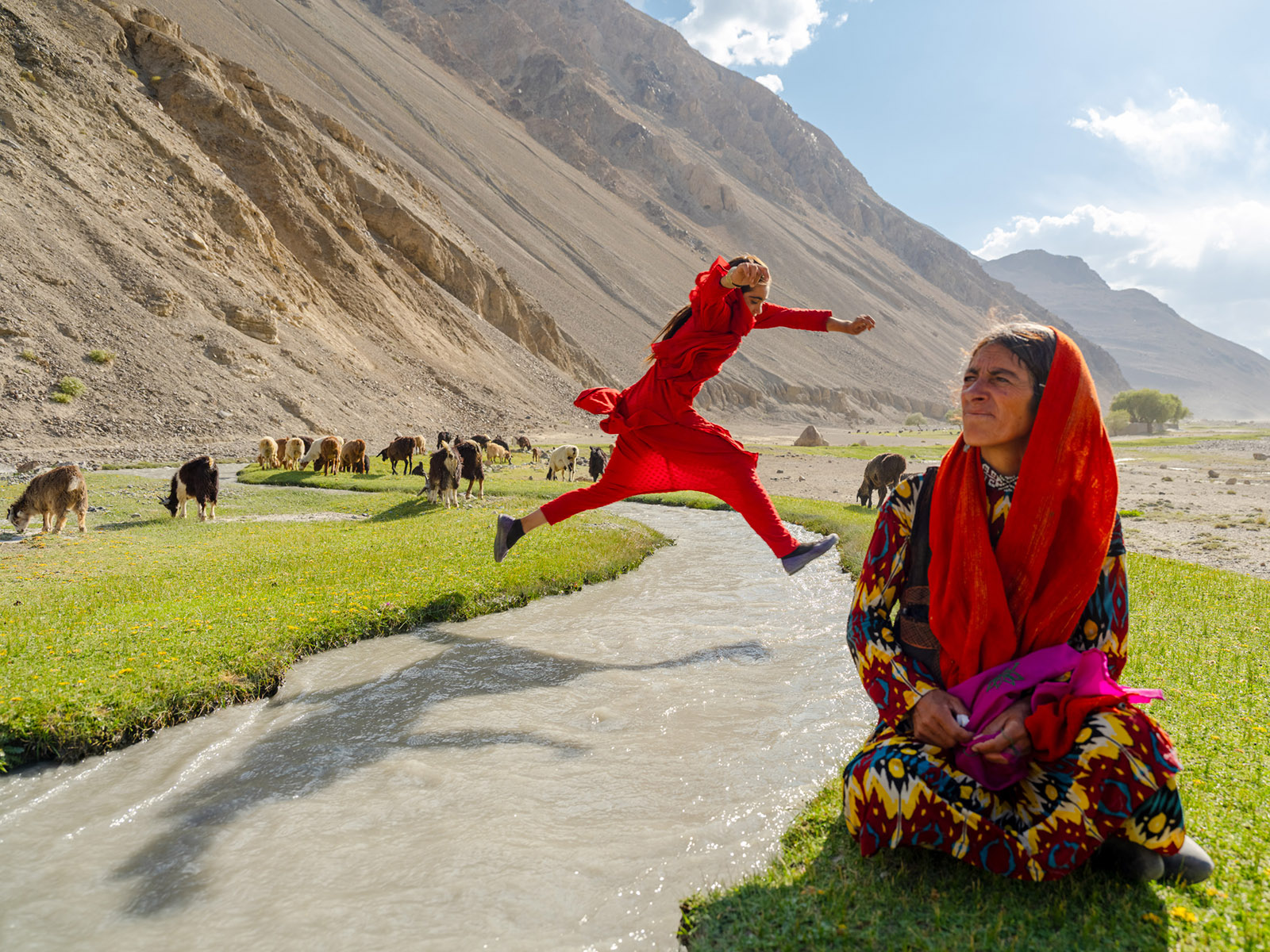
“The only thing anyone knew from Afghanistan was always war, negativity and headlines – and those things are very much present and real,” Malikyar says. “But there’s also another side that we experienced at home that other people didn’t really know about.”
In October 2018, together with his father, Malikyar set foot in the country for the first time. “The feeling of arriving is something that’s so overwhelmingly emotional,” he says. “The representation, the connection, the language, the people, the clothes — everything is real. It’s present. It’s in front of you.
“That was really the beginning of this project, so I decided to just go all in and focus on bringing this to life in the most meaningful way possible.”
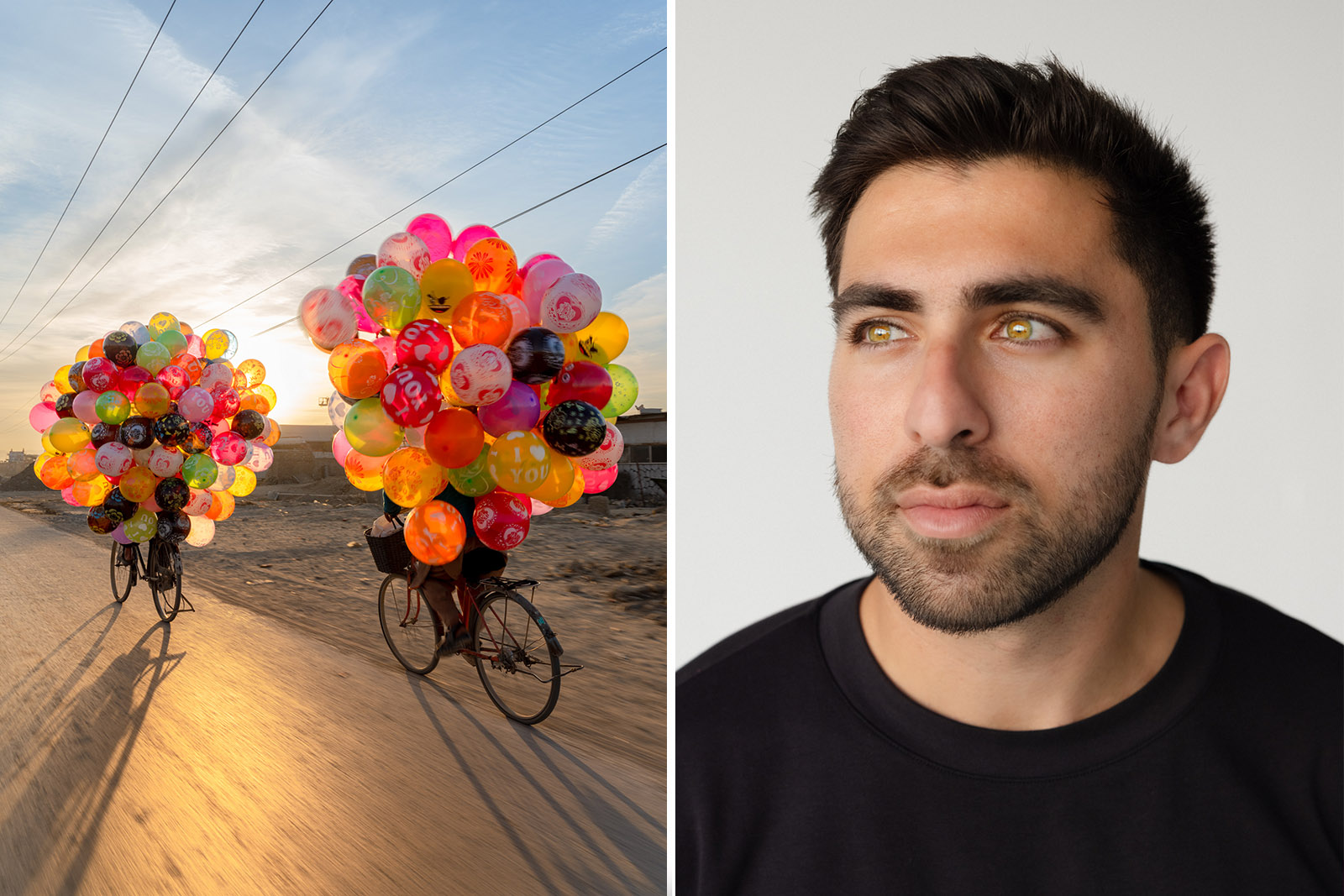
Malikyar has since travelled to more than 20 provinces across the country, facing unpredictable weather, treacherous roads and remote regions where some local people had never seen a camera before. Each trip has been its own unique experience.
“There are moments in which the reality is exactly what I imagined and things align in this perfect way,” he says. “But there are also moments where there are so many signs of hardship. People who look like me or my cousins, or share the same names living in very difficult situations – there isn’t really anything that can prepare you to witness that.”
While that meeting of beauty and struggle is integral to Afghanistan’s story, Malikyar’s work is an attempt to capture the vibrant life that exists through and beyond the hardship. Alongside the book itself, he plans to release a docuseries via social media over the coming months, eventually launch a travelling exhibition and develop a non-profit organisation to train and support the next generation of visual storytellers in Afghanistan.
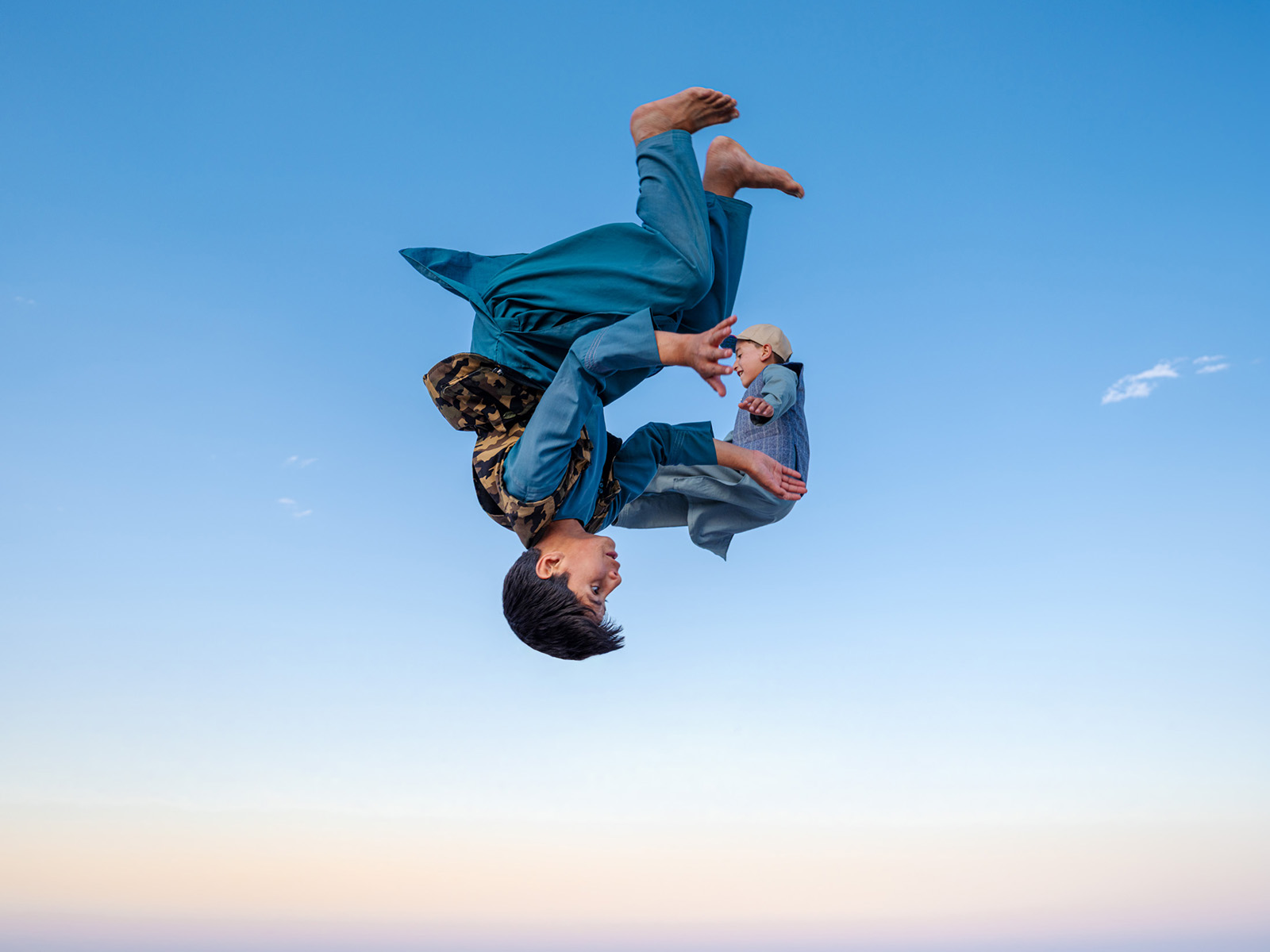
“For too long, we have been showcased through the lens of people from other countries,” he says. “There are so many stories that haven’t been told yet because these kids haven’t been given the means to have a camera or to understand the basic principles of visual storytelling.”
Of all the places Malikyar visited, the rugged district of Wakhan in the Pamir Mountains left the most lasting impression. “Wakhan is a place where you really feel like you’ve stepped back in time,” he says. “It hasn’t been impacted by war. People still go about their daily lives in the way that they did many years ago. There’s this peace that exists there and a purity in the people’s eyes. It just feels very untouched and untainted.
“We would drive for days without seeing any other cars. You would be invited into people’s homes within seconds of meeting them. There’s no internet connection or smartphones. People were just themselves. All the photographs are completely unposed… In a world that is so developed and interconnected, going to a place like that is very rare.”
Afghanistan by Daniel Malikyar (£60) is published by teNeueus and available for purchase now.