
Is Labour on track for real change?
Keir Starmer’s resignation as prime minister may give the government a clean state, but it also hands urgent obligations to his successor

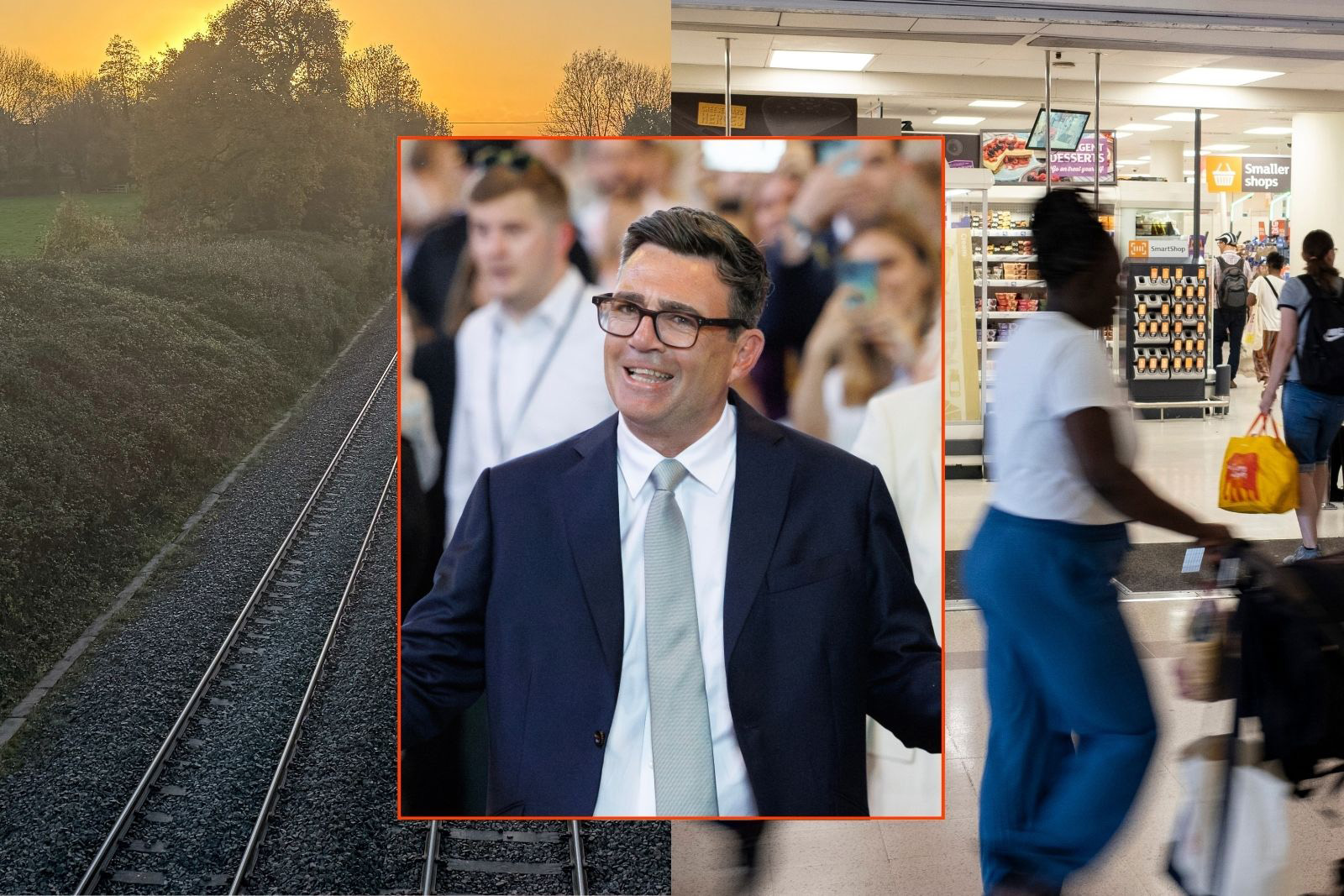
“Do you need a hand with that?” I find myself asking this question whenever I’m on platform two at Luton’s Leagrave station. A hand with a pram up the stairs. A hand with a suitcase too heavy for ageing shoulders. Last year my brother watched an elderly woman tumble down the steps there.
More than a million passengers pass through Leagrave every year. Yet there is no step-free access. Plans to address the problem have been discussed for years, but were shunted into the sidings in January by the Department for Transport.
Then there’s the matter of fares. Thameslink, which operates trains between Leagrave and London, quietly scrapped super off-peak tickets in 2025, pushing the price of some journeys up by nearly 40%. Once you’re on board, there are no charging points and the wifi barely ever works. Cleaning staff are outsourced on poorly paid self-employed contracts, despite Labour’s promise of the biggest wave of insourcing in a generation. Thameslink may have been taken back into public ownership in May, but few people who use the service are expecting much to change.
That, in a nutshell, is Labour’s problem. After two years in government, elected on a mandate of change, a vast number of voters don’t feel any better off and, more importantly, don’t imagine that they ever will be.
Related content
Keir Starmer’s resignation, announced on Monday, will see him leave office as one of the most unpopular prime ministers in living memory. Labour chair Anna Turley’s response was to lament that the UK’s national politics has become “impatient, unforgiving and personally brutal”.
A better reaction would have been to consider why, at this point, voters wouldn’t be impatient? The UK has endured its longest period of wage stagnation since the early 19th century. Then there are the ever-increasing energy and water bills, council tax charges, rising rents and the rocketing cost of basic essentials. And let’s not forget the declining high streets and the parlous state of our public services, battered by years of austerity.
If you want to know what brutality looks like, speak to the nurse relying on foodbanks to get through the month or the family forced to choose between dinner and turning on the heating in winter. Most people are not obsessing over Westminster’s daily dramas. They want to know one thing: how will politics make my life easier?
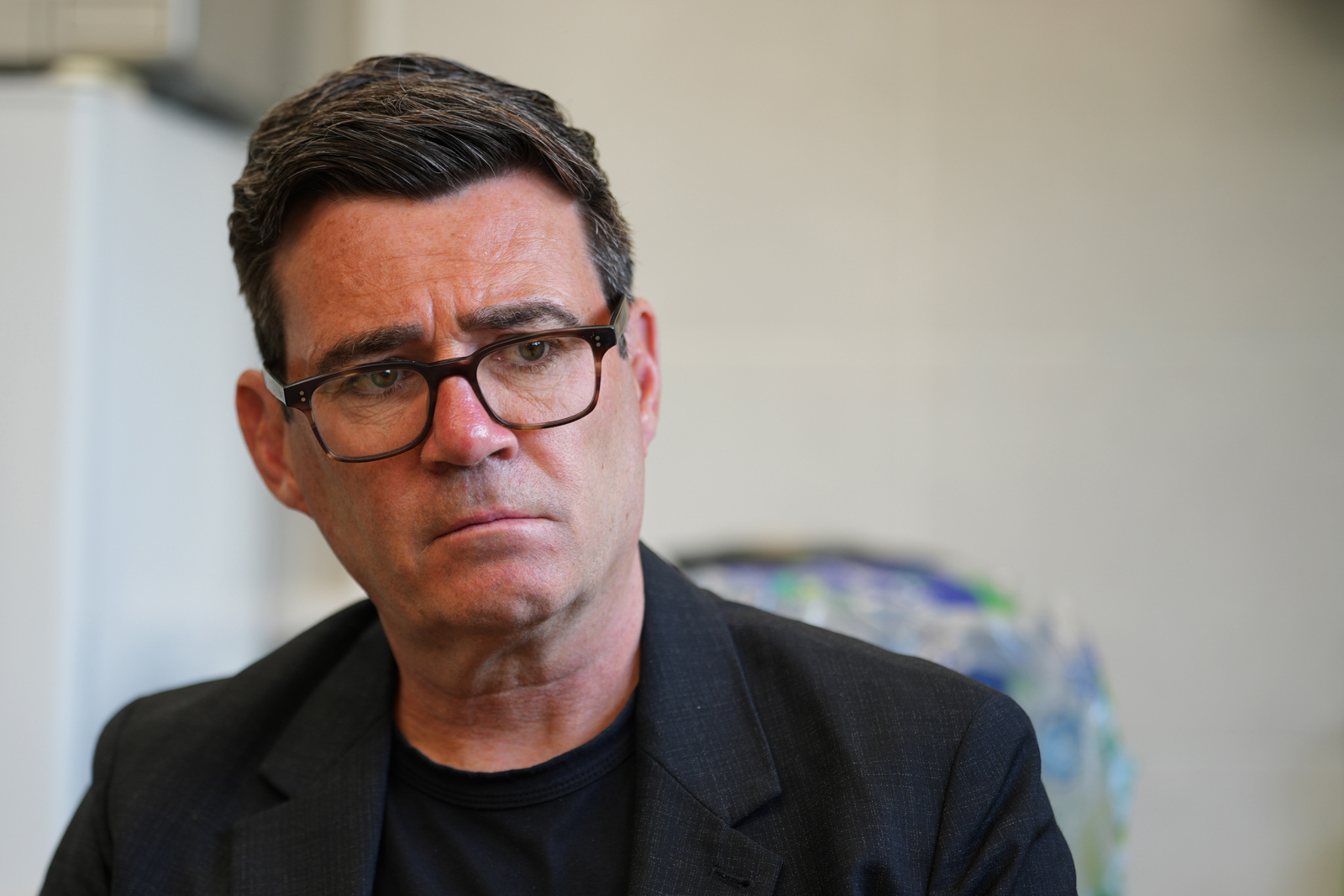
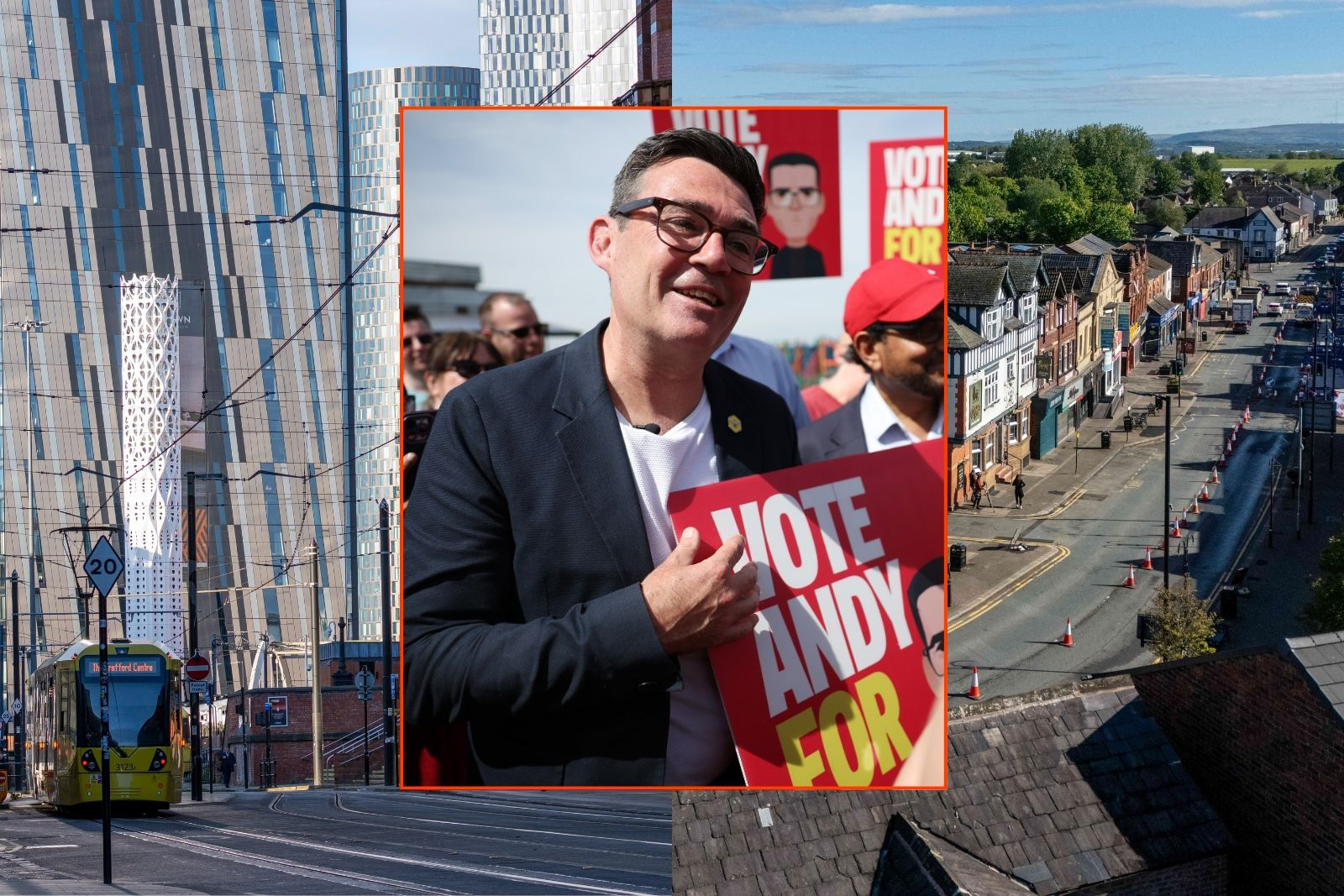
Enter Andy Burnham. The man of the moment, who recently secured an impressive win in the Makerfield byelection, a constituency that was, on paper, Reform UK’s to win. He has reassured voters that he gets it. “Politics isn’t working for places like ours,” he told them in a campaign video. As mayor of Manchester, he has railed against Westminster for years, yet is now set to become the face of it.
Burnham’s poll ratings are better than those of any other Labour figure and the news of Starmer’s departure means that the road is pretty much clear for him to become party leader and our next prime minister. But as Starmer’s brief tenure has demonstrated, positive polling can quickly take a nosedive if voters feel that life is still getting harder.
So what will Burnham do differently? What is his guiding philosophy? As I wrote recently, the jury is still out. The word Manchesterism has entered the lexicon as his apparent framework, but it remains a contested term. Some use it to describe a business-friendly socialism that doesn’t have a problem with courting private developers to invest in our cities. Others see it as a transformative break from the status quo.
Mathew Lawrence, chief executive of the progressive thinktank Common Wealth and someone known to advise Burnham on policy, believes the latter. A policy paper that he co-authored was published on 21 June, making the case for greater public ownership of key utilities and a more active, “productive state”, willing to invest directly in the nation’s economy and public services. It is a serious and thoughtful contribution, drawing on the work of Karel Williams, Julie Froud and other scholars of the foundational economy, an approach that emphasises the importance of the cost and infrastructure of everyday life.
Related content
Moving beyond simplistic sloganeering on nationalisation and providing detailed policy proposals is a welcome intervention. Many foundational economists, however, caution against viewing public ownership as a panacea. As I’ve argued previously, a change of ownership alone will not solve the chronic underinvestment that has left many utilities crumbling and ill-equipped for the future. Welsh Water, for example, operates on a not-for-profit basis and pays no dividends, yet continues to face significant challenges. Williams and others, instead, advocate for measures such as progressive charging systems, which would lower bills for most households while funding essential infrastructure upgrades.
Public ownership should therefore be understood not as an endpoint, but as a foundation for change. If Burnham is prepared to pursue such policies, they should be viewed as a good start, not a crowning achievement.
The Productive State paper also calls for a cost of living relief agenda, financed by reforms to capital gains tax. Citing the success of Zohran Mamdani, the leftwing mayor of New York, it calls for direct intervention in energy, transport and housing pricing. While structural changes at a macroeconomic level are important, delivering immediate material change could prove way more successful with voters in the short term for Burnham.
Beyond his affability and talent as a communicator, Mamdani built his campaign around a simple affordability agenda: freeze rents, make buses free, reduce the cost of essentials. The appeal of those policies is obvious. Voters can easily see how they will affect their day-to-day lives.
Of course, it’s not just the economy that Burnham will need to consider. Many previous supporters have deserted Labour over its stance on Gaza. Not only did the government have to be dragged kicking and screaming into backing a ceasefire. Starmer’s earlier remarks that Israel was justified in cutting off food, water and electricity in Gaza were enough for a significant number of voters, many of them Muslim, to write off Labour before the 2024 general election. Winning back their trust will also require meaningful repositioning on foreign policy.
For many people in the UK, a new leader will give the Labour government a clean slate. With that comes an obligation to do things differently. To deliver real change to the everyday lives of ordinary people, to ease the pain and frustration that accumulates when wages stagnate, costs rise and public services fail. If Burnham is to be the man of the hour, that will be his biggest test.