
Venues won’t stage South Asian dance in case they can’t sell tickets
South Asian dancers face double whammy of few chances to train and lack of opportunity to perform, warns author of Arts Council England report

Small venues are avoiding booking South Asian dance performances out of fear they will sell too few tickets and end up in debt, the author of a report for Arts Council England has warned.
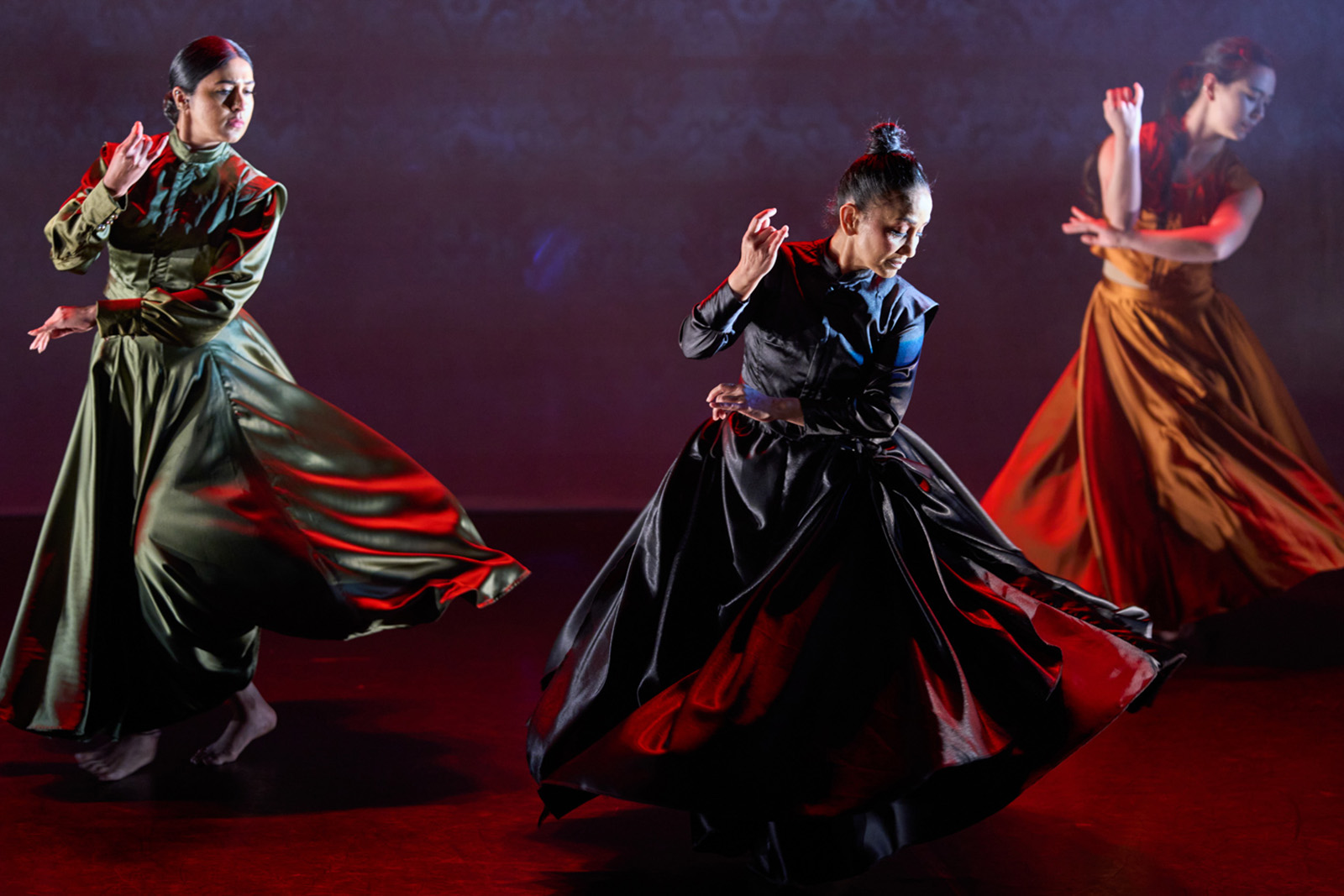
Debbie Jardine’s report said that the anxiety of venue owners around staging productions with lesser-known names had resulted in a lack of opportunities and career progression for dancers from South Asian backgrounds working in styles such as kathak, bharatanatyam, bhangra and Kandyan.
She also flagged the lack of professional training available at British universities and conservatoires in these styles, which are popular among different South Asian communities in the UK. Kathak, which originates from ancient northern India, is unique among classical Indian dances as it bridges both Muslim and Hindu cultures.
Related content
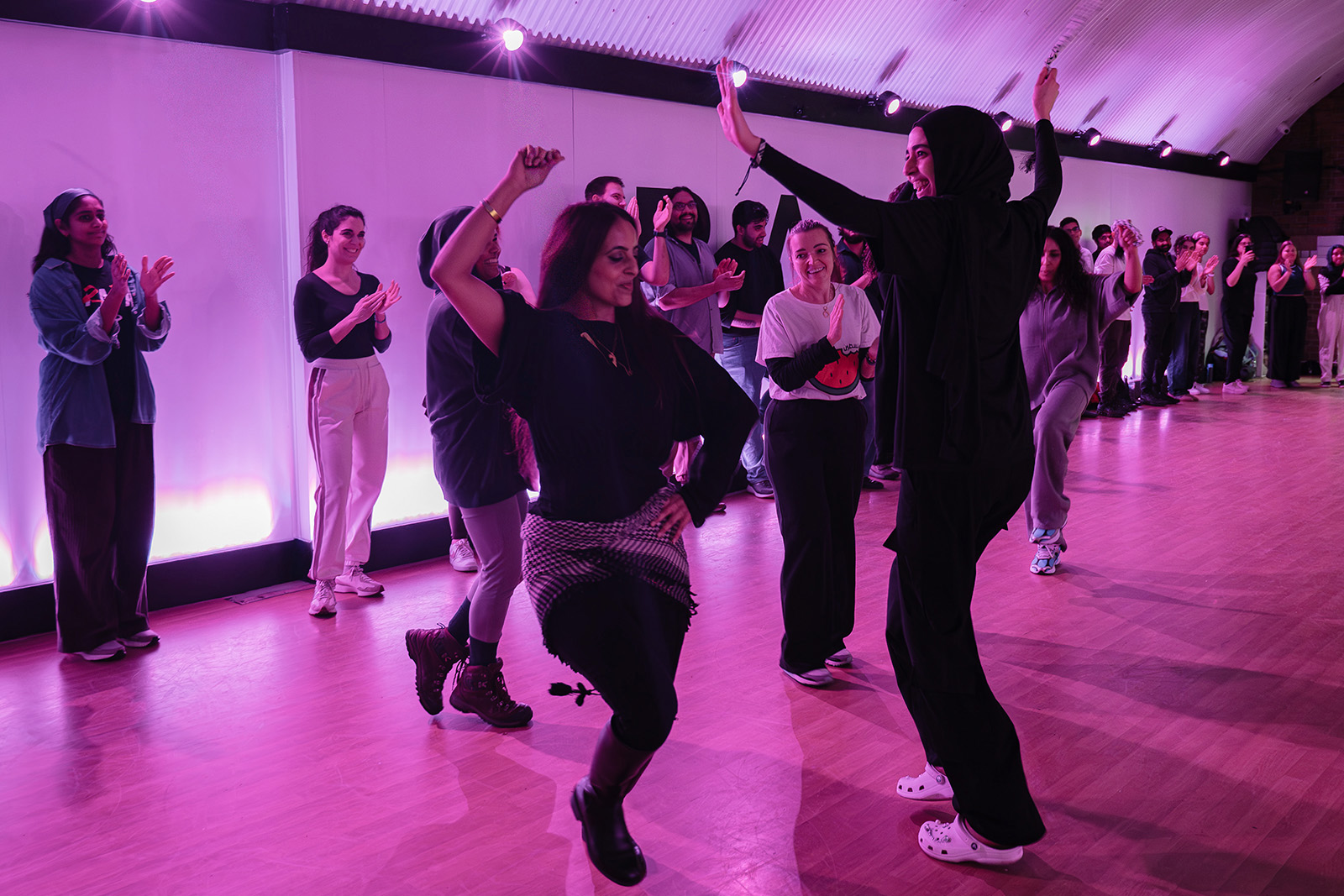
“The role of small venues is so important in allowing new talent to come through and names to become known,” said Jardine, an independent consultant. “But since Covid, the economy of small venues has been very tight. If they experiment in terms of what they think audiences will come and see, they can end up in debt very quickly. They are in a very precarious position compared to bigger venues but they are also asked to take on all the risks.”
Several of the dancers consulted by Jardine for the report also felt that venue programmers were “still stereotyping and choosing work to fulfil particular diversity programming slots” and were picking works that conformed to “what they expect South Asian work to look like”, rather than engaging with more experimental and contemporary works.
Jardine, whose report was commissioned in the wake of a £1.3m annual Arts Council uplift in funding for South Asian dance organisations, would like to see the agency offer financial support to small venues who have established relationships with local artists working across diverse genres. “This would minimise the risk, so the venue can experiment with new people without worrying about going out of business,” she said.
Amina Khayyam, a kathak dancer and choreographer, echoed Jardine’s concerns. “To become a professional dancer, in any dance form, you need professional training,” she said. “But here in the UK, kathak being the ‘other’ art form, it never had that platform. It is not taught in a university setting where you can learn the form the way you can learn ballet, for example. Those of us who do end up doing it professionally, go out into the world without any of that training.”
Khayyam moved with her family to Surrey from Bangladesh as a child and faced significant obstacles in pursuit of her art.
“I come from a very orthodox Muslim family. So there was never going to be any support for dance or music,” she said.
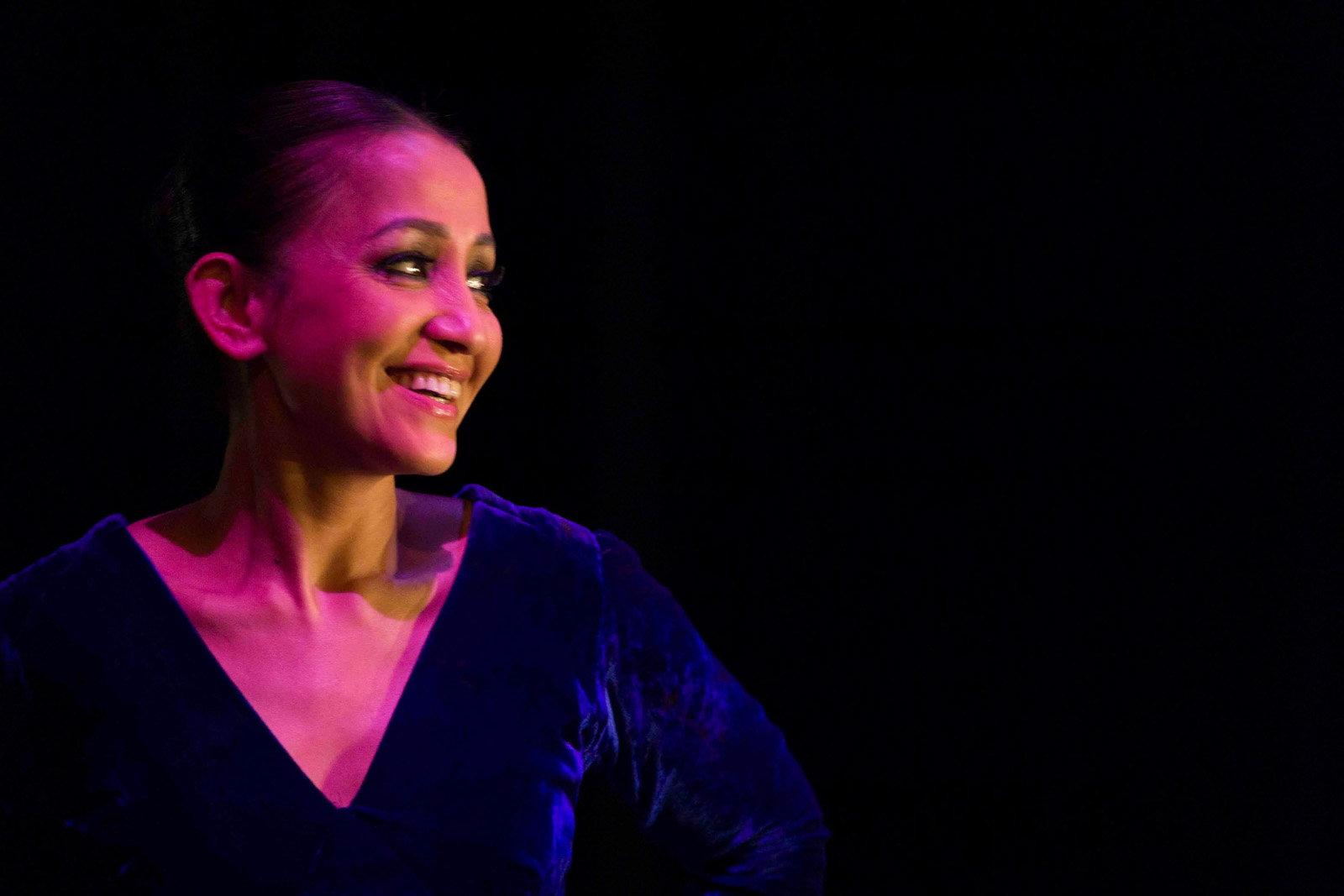
As a teenager, Khayyam started sneaking out to kathak classes in a church hall in Croydon.
“Within six months my teacher asked me to perform. That’s when I got a taste for it. I realised that performance is where my strength really lies,” she recalled. “I ended up leaving home very early and that gave me the independence to pursue dance classes, do my training, practise dancing at home. But I didn’t leave just because of dancing — that came later. I didn’t want an arranged marriage. I didn’t want all those things. I felt I had to move out in order to be who I am and survive as a woman in a patriarchal culture.”
Despite her talent, quality training was hard to find and Khayyam didn’t get an opportunity to dance to live music — an integral part of kathak — until her debut performance. Instead, Khayyam found her own ways to train herself and seek out mentors who could help her.
“I knocked on doors,” she said. “I pushed myself. I don’t know where it came from and I don’t know where this urge to dance came from either because music and dance was never part of our upbringing.”

Khayyam’s first professional performance was in 2001 at the Southbank Centre. Today she is a director of the Amina Khayyam Dance Company, founded in 2013. She is in discussions with several higher education institutions about developing a kathak module that could be taught as part of dance degree education. Khayyam had previously taught a similar module at the University of Surrey before the degree programme was discontinued in 2016, but she says no universities now offer kathak instruction.
“When I taught kathak at Surrey, the module was always over subscribed,” she said, “but it was overwhelmingly white students. Over my seven years of teaching, I only had one British South Asian student. South Asian families don’t necessarily see dance, music, arts as a profession. They see it as a hobby.”
Nonetheless, Khayyam stresses that despite barriers, it is possible to build a successful career in kathak. “When I first started kathak, I did not imagine I could be a professional dancer,” she said. “Now it is my bread and butter.”
Abid Hussain, Arts Council England’s diversity director, said: “South Asian dance brings so much richness to the cultural life of this country, drawing on a wide range of artistic traditions and forms. This report demonstrates how vibrant the sector is, but it also reminds us that we still have work to do to ensure underrepresented artists can access the opportunities they deserve. I’m grateful to everyone who shared their time, experiences, and insights to help shape this research.”
Editor’s note: this article was updated on 5 June 2026 to include a statement from Abid Hussain at Arts Council England.