
Why Marseille’s Muslims are funding their own mosques
France’s second-largest city needs more places to pray. But with no state support, local associations are having to find millions of euros themselves

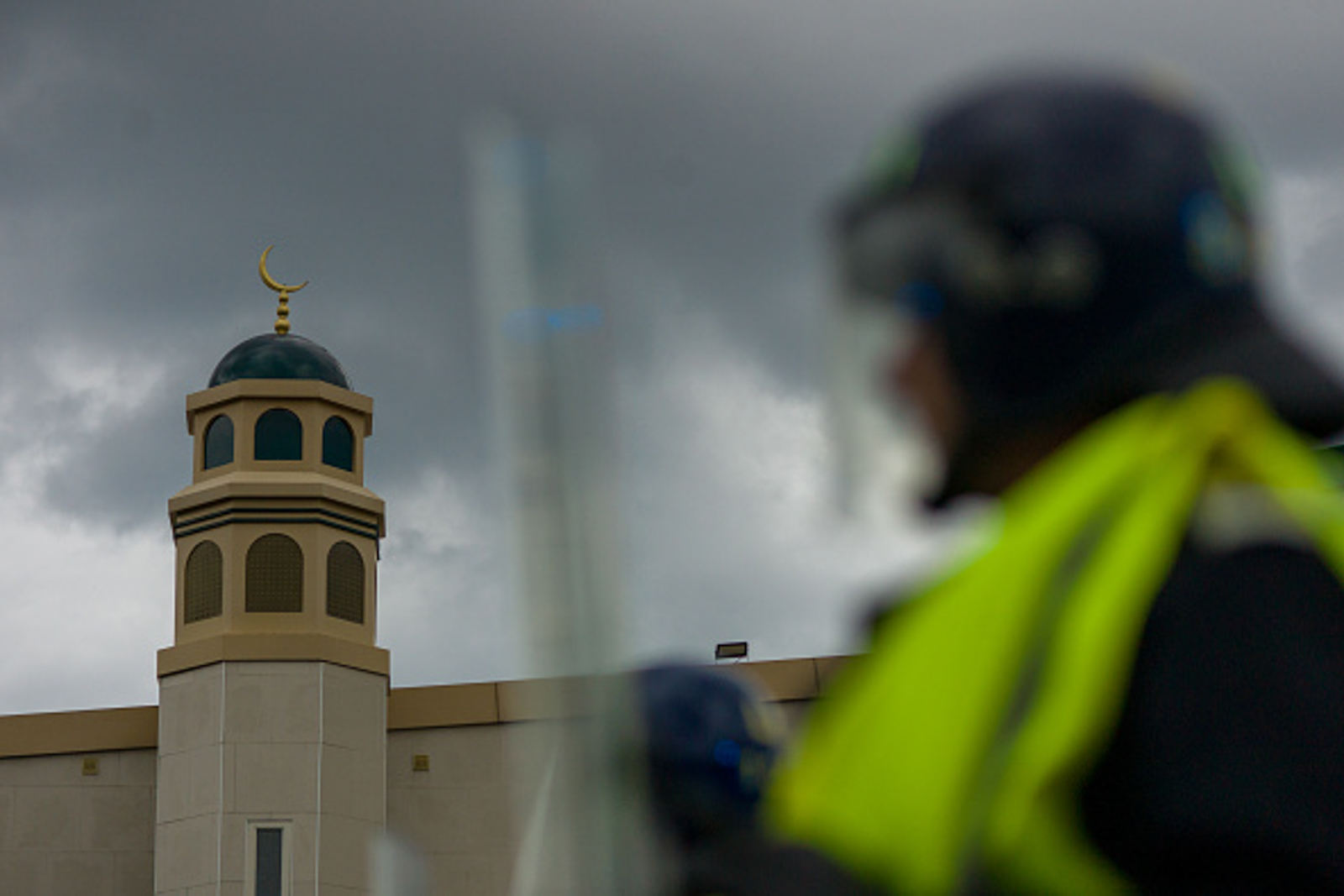
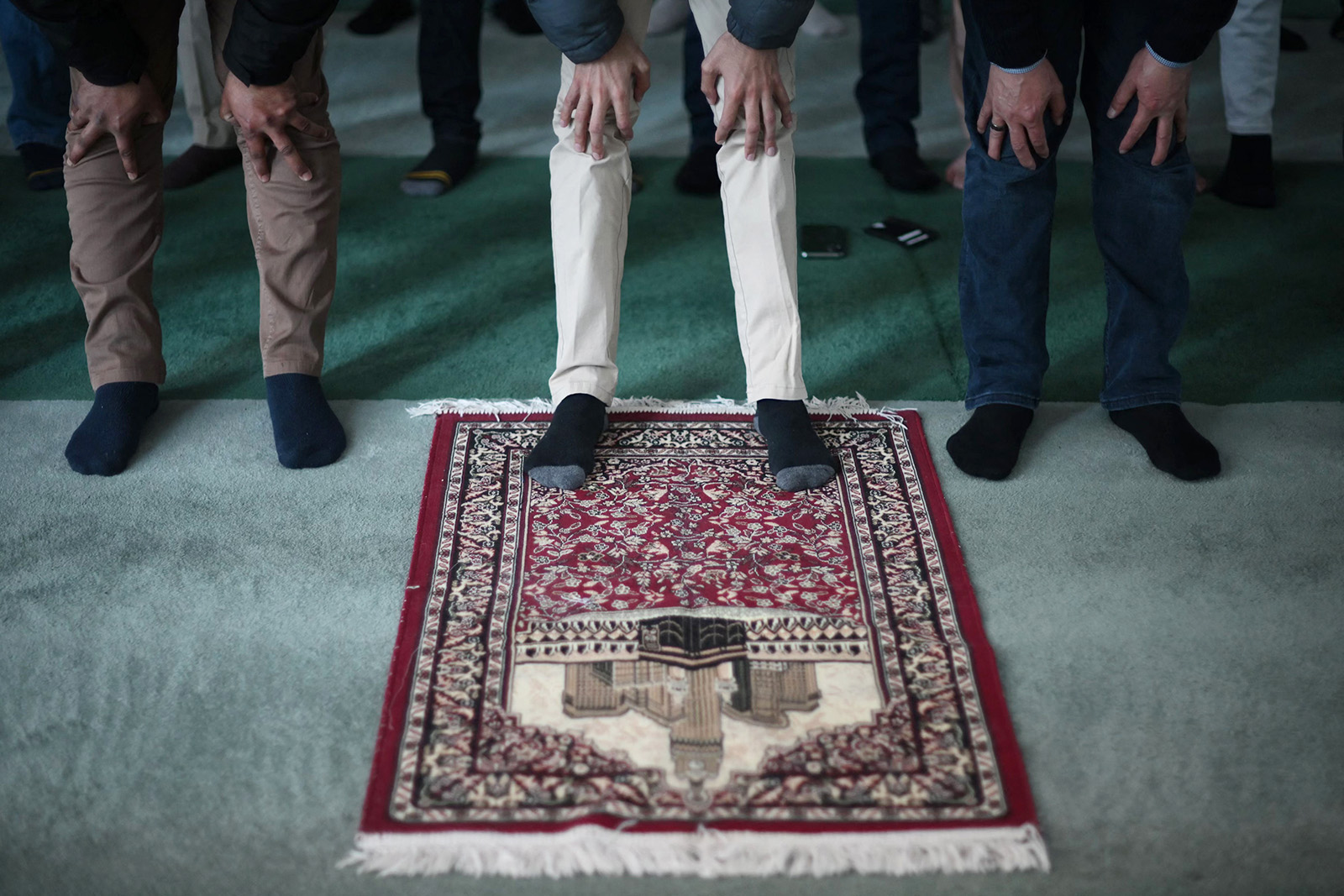
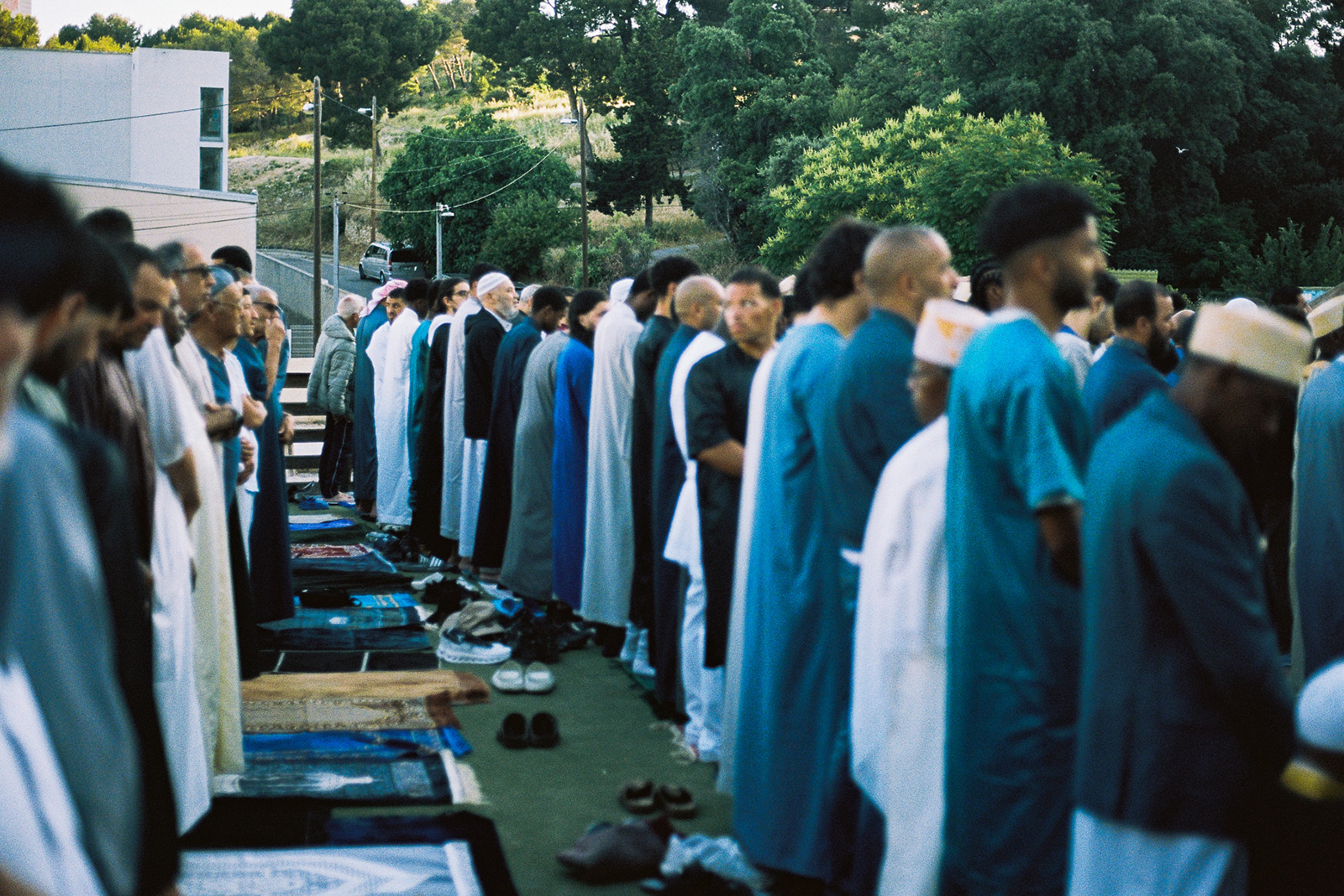
Marseille is in desperate need of new mosques. France’s second largest city is home to an estimated 300,000 Muslims — more than 20% of the population — yet has just 70 known mosques and prayer rooms. Every Eid, hundreds are forced to pray in sweltering streets, parks and stadiums.
But with no state assistance to build more mosques, and foreign finance drying up, local associations are being forced to address the shortage themselves.
“We don’t want to pray in the street,” said Nacer Mendil, a representative of Marseille Muslim association ACM13 (Religious Association Marseille 13).
Mendil’s association is behind one of just four projects actively building mosques in Marseille. ACM13 will open a 400-person mosque in the deprived 13th arrondissement later this year.
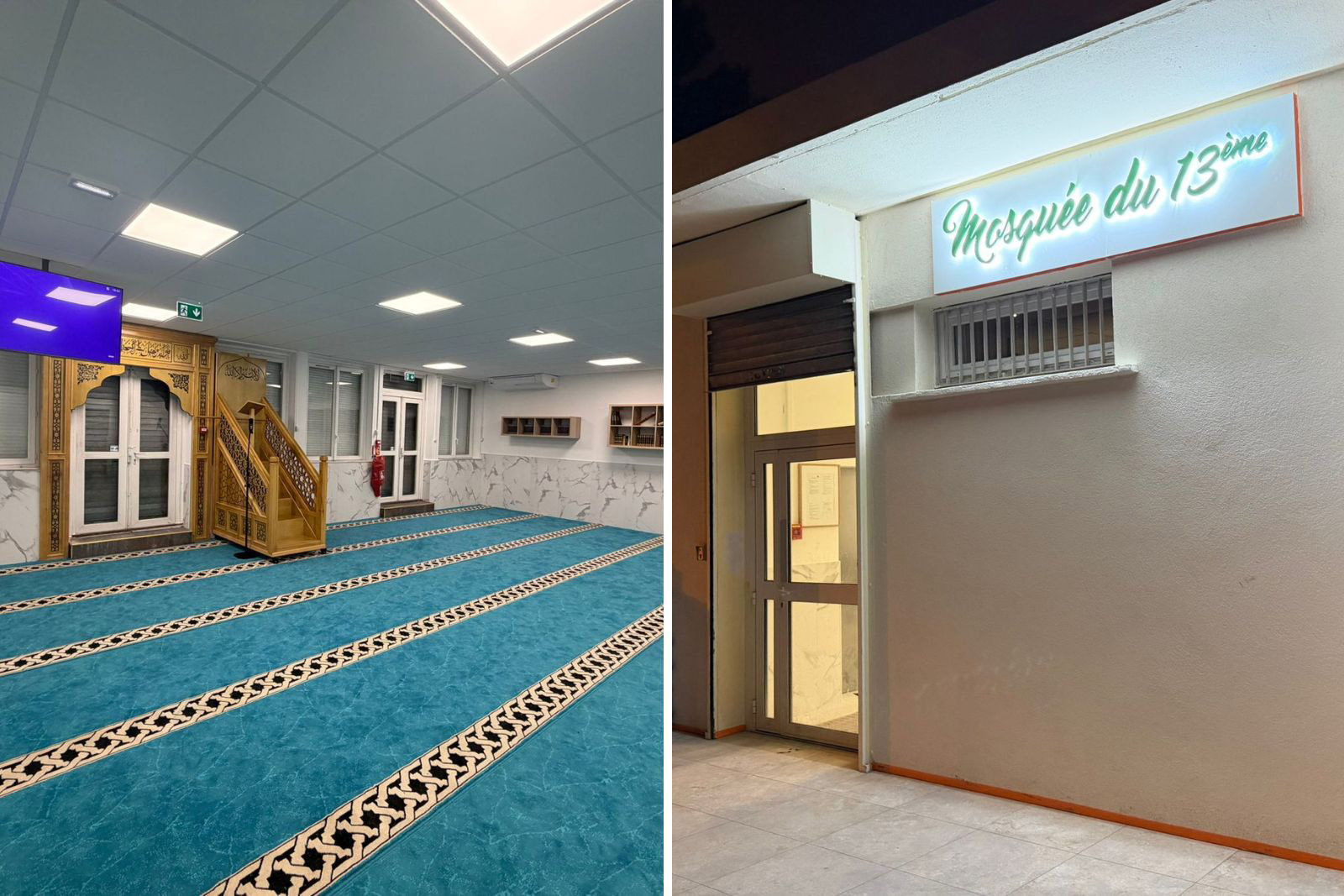
Mendil told Hyphen that Marseille’s mayor, Benoît Payan, was supportive and “opened the door” for them to buy the site, a former crèche.
That support is politically significant. While the far-right Rassemblement National (RN) has made gains across France and is strong in the wider region, Marseille remains under the control of Payan’s socialist administration. That means RN representatives can — and do — oppose new mosque projects, but they do not have the power to block them.
Even with local political support, however, associations must still finance construction themselves. In ACM13’s case, that meant paying €350,000 for the building and a further €100,000 for renovations.
For many local Muslim leaders, these costs are prohibitive and the main reason so few mosque projects get off the ground. It’s a question of money.
Historically, mosques in France were funded by wealthier Muslim countries, but over the past few decades successive French governments have made this significantly harder in their efforts to clamp down on what they call “entryism” — a theory that the Muslim Brotherhood is trying to exert influence in western countries through the funding of mosques.
Following the introduction of the Upholding Republican Values law in 2021 — imposing strict auditing of all associations that receive foreign funding of more than €153,000 per year — very few mosques have received foreign funding in France.
In 2005, the government of Dominique de Villepin created the Fondation des Œuvres pour l’Islam de France, with the idea of centralising funding for Islam in France and helping to finance mosque construction, but this collapsed without any funds being distributed. After a wave of terror attacks claimed by Muslim extremist groups and growing concern about foreign influence in France, efforts in 2016 to revive this idea also failed to get off the ground.
Without state or foreign support, French Muslim associations rely almost exclusively on public donations to build mosques. This model can work: the small communes Massy and Gennevilliers reported raising €500,000 and €1.3m respectively during just one Ramadan.
In Marseille, however, fundraising is harder. The city’s residents, and its Muslim minority in particular, don’t have much money to spare.
“Marseille is a genuinely poor city; Muslims here are not wealthy,” said Azzedine Ainouche, an imam at the local Mosque al Islah and head of association 2C2M (Cultural and Religious Centre of Marseille), which is building a mosque near the city’s commercial port.
Local authorities have helped 2C2M obtain the land to build on, Ainouche said, but have not contributed to funding.
Around 210,000 Marseillais live in poverty and French North Africans — most of Marseille’s Muslim population — tend to earn less than the French average, the World Inequality Database reported.
Nonetheless, over two years, 2C2M raised €1.2m by visiting local and regional mosques, speaking on the radio, and offering symbolic square metres of the future mosque to residents. Essential renovations to the building, though, could cost a further €4m.
Nacer Mendil said just one fifth of the €450,000 that ACM13 raised was donated by Marseille residents. The rest came from 55 mosques across France. He thinks the failure of Marseille’s Grand Mosque project explains this reluctance to donate.
In 2006, local authorities authorised the lease of land and construction of a Grand Mosque of Marseille to rival those of Paris and Toulouse. Permissions were granted, residents donated money, but the project was ultimately abandoned with a shortfall in funding cited. An expected €7m donation from Algeria never materialised. However, French media also reported that internal disagreements within the project’s association also contributed to the project’s collapse, by which time La mosquée de Marseille was reportedly more than €60,000 in debt.
“Because the Grand Mosque did not succeed, that makes other projects more difficult,” Mendil said. “They gave money. The result? Nothing. Now, people are afraid to trust.”
Aside from ACM13’s and 2C2M’s project, there are two other mosque-building projects ongoing in Marseille, Mendil said. One is a €2.5m construction by a local Comorian association which someone with direct knowledge of the project told Hyphen is expected to finish in 2027. Another, in the northern Plan d’Aou district, may conclude sooner. Both are still in the process of raising funds.
“Things are beginning to emerge, but we are still very far behind,” Mendil said.
Azzedine Ainouche said that in the meantime, Marseille’s Muslims are creating informal places of worship.
“They ask the landlord, or they convert it themselves, and it becomes a mosque, even if it is small,” Ainouche explained.
It is not known how many informal spaces like these there are in Marseille, but of an estimated 2,600 Muslim places of worship in France, more than two-thirds are thought to be smaller prayer rooms.
For Mendil, this is about more than religion. He believes neighbourhood mosques like ACM13’s — which will also deliver community services, careers advice, and help feed people — can be a starting point for wider social change in Marseille.
“We want to give young people a space, a cultural room, a screen to watch football matches, computers for learning, tutoring. Because in these neighbourhoods, the social fabric is lacking. There are no shops, no community centre,” he said.
Marseille’s north, where many Muslims live, is dangerous and deprived, and hosts a significant drug trade that often exploits minors.
“Young people see their parents praying in undignified places, and it affects them. Now, we are offering a dignified space. I think this will make a difference,” Mendil said.