
Can Paris host a modest fashion week without controversy?
In a country where headscarf bans extend from schools to sport, organisers say the event is about inclusion, not provocation

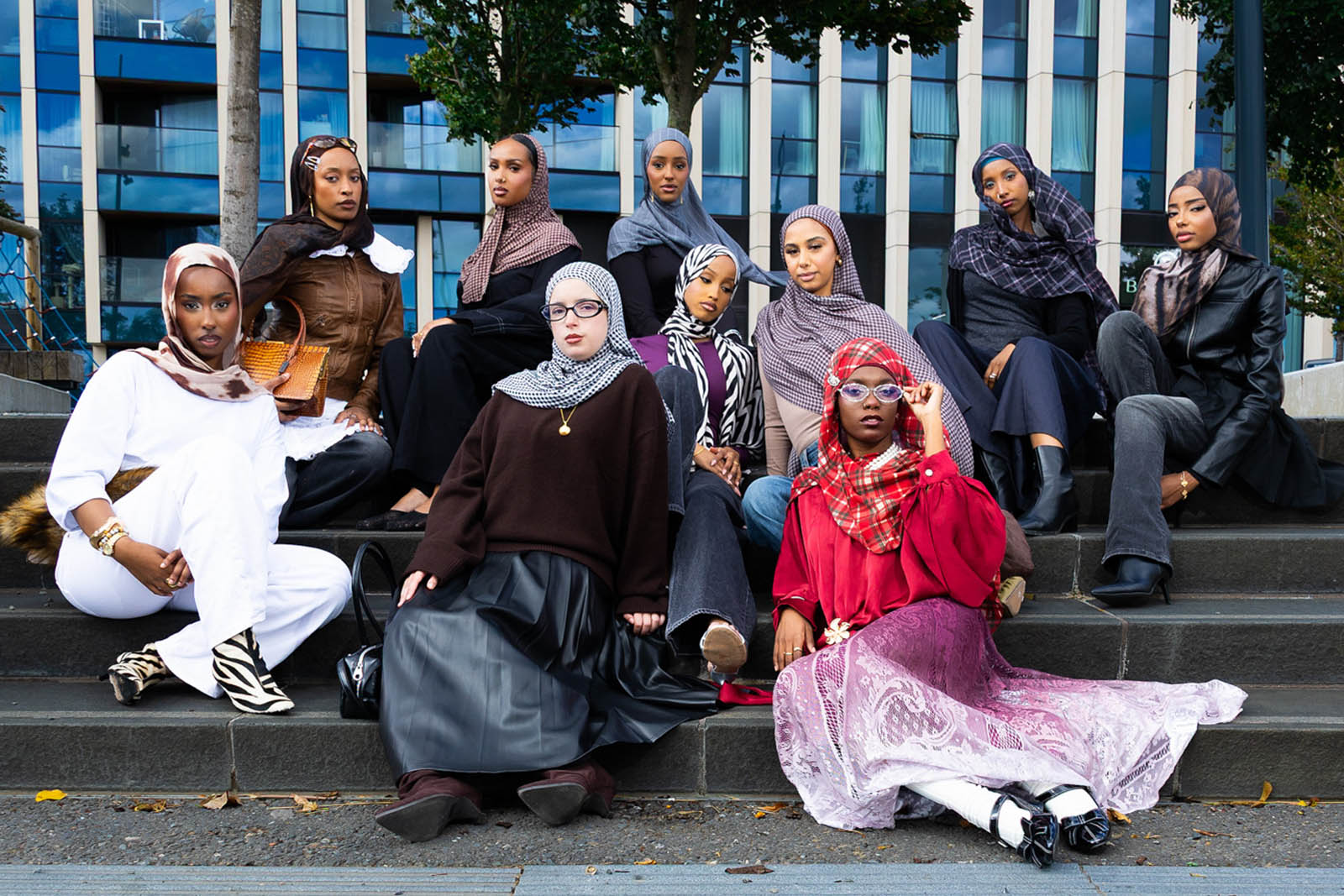
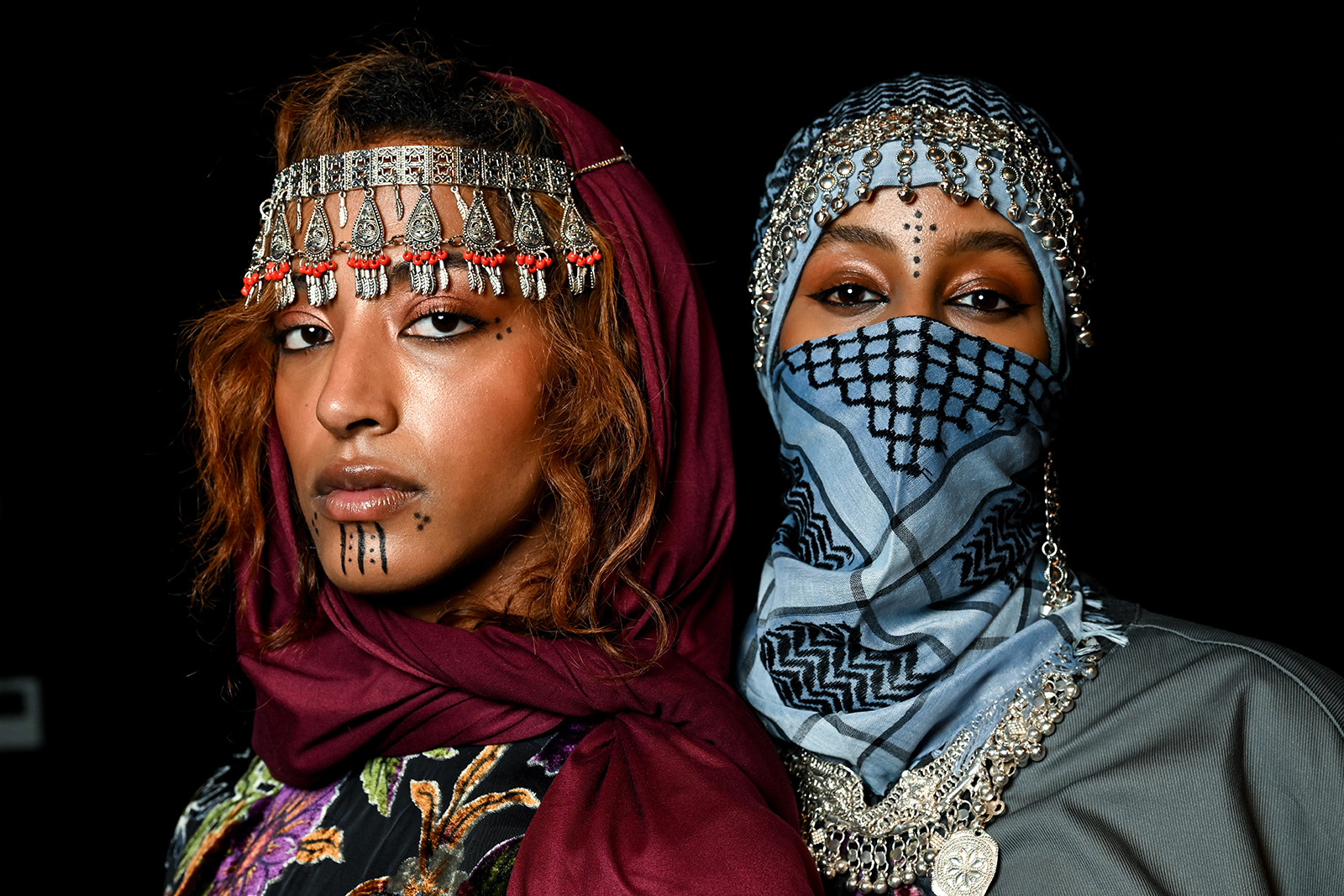
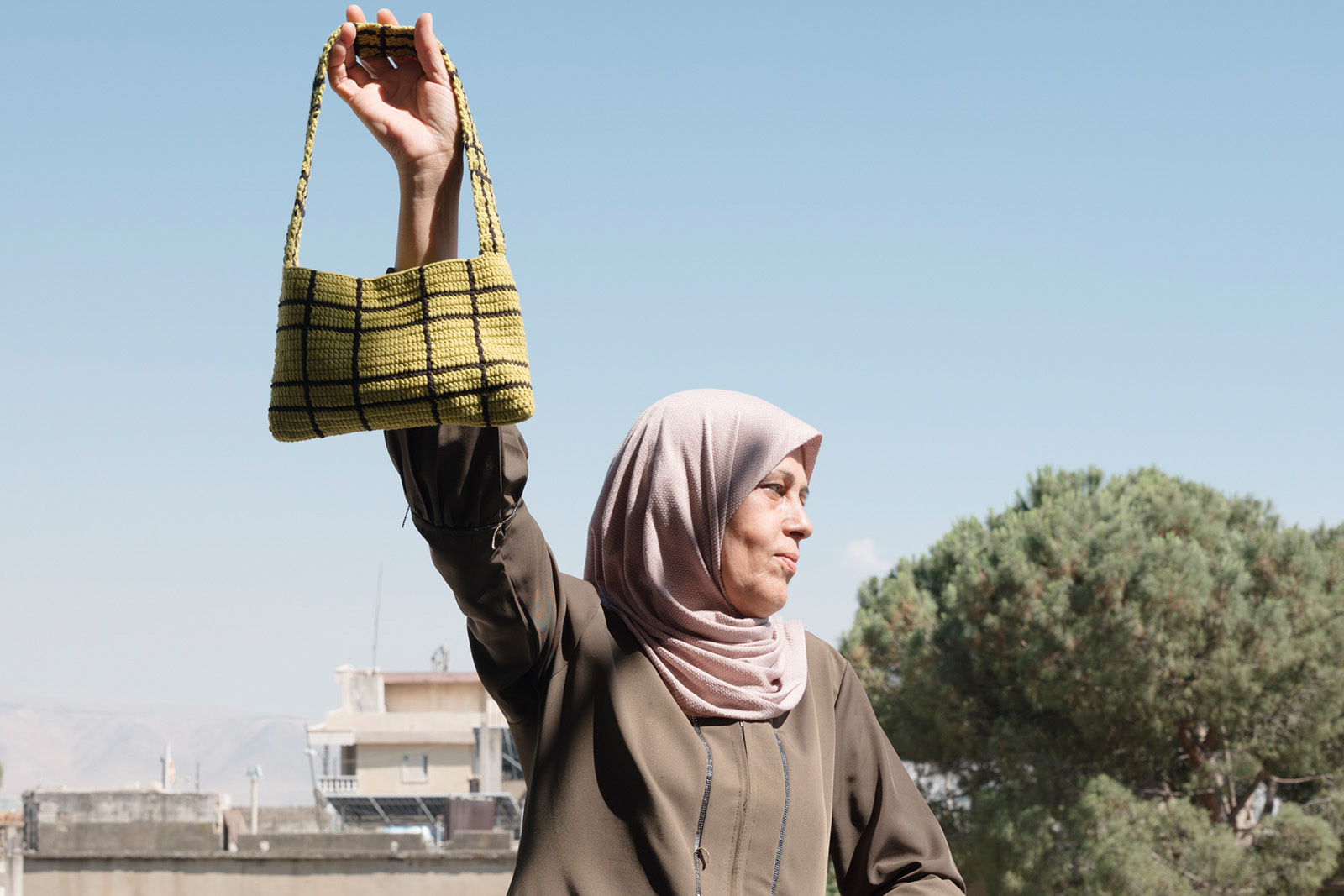
Paris is no stranger to major fashion events, but this week marks a debut in the world’s fashion capital that is likely to stir controversy — it will host its first international Modest Fashion Week.
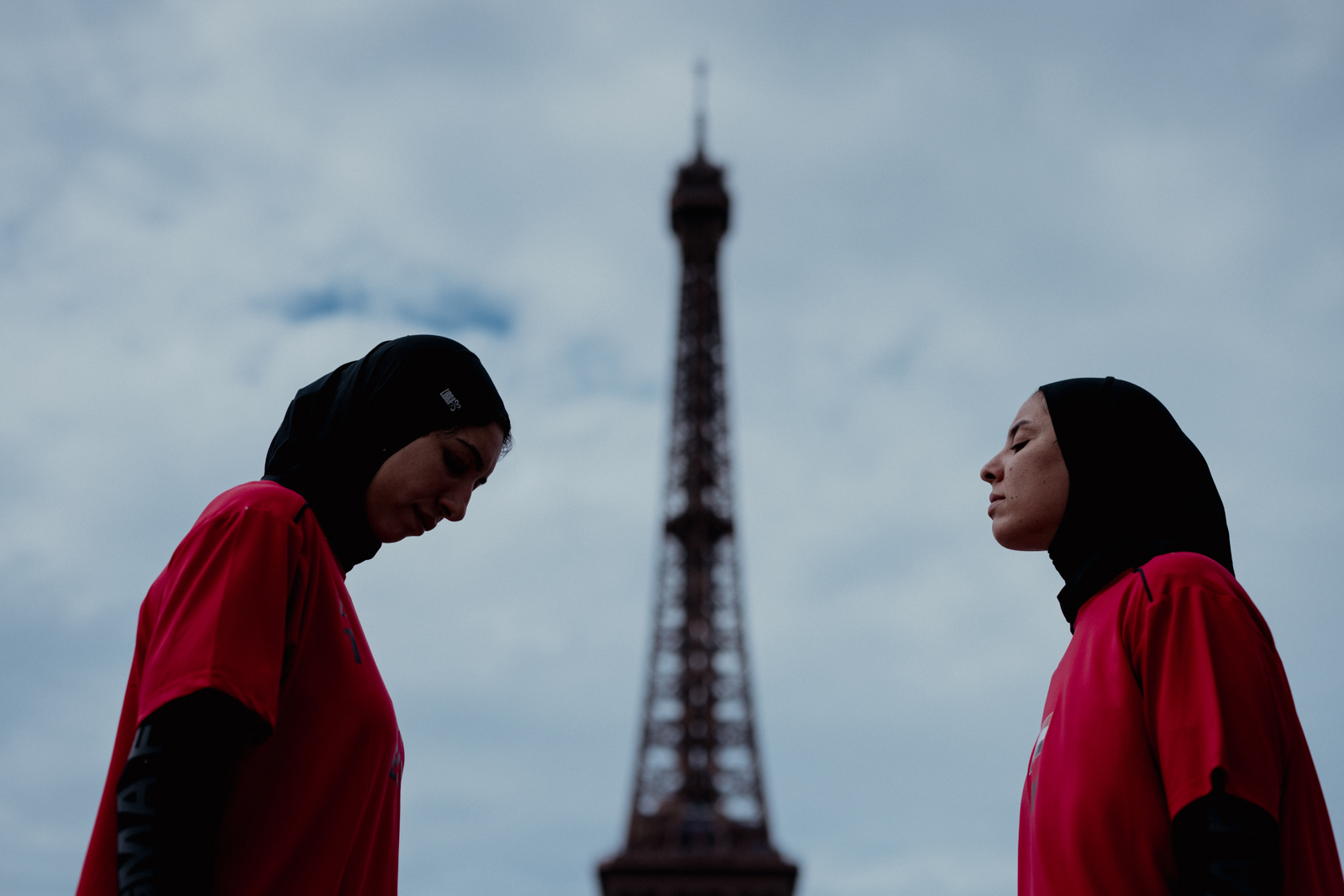
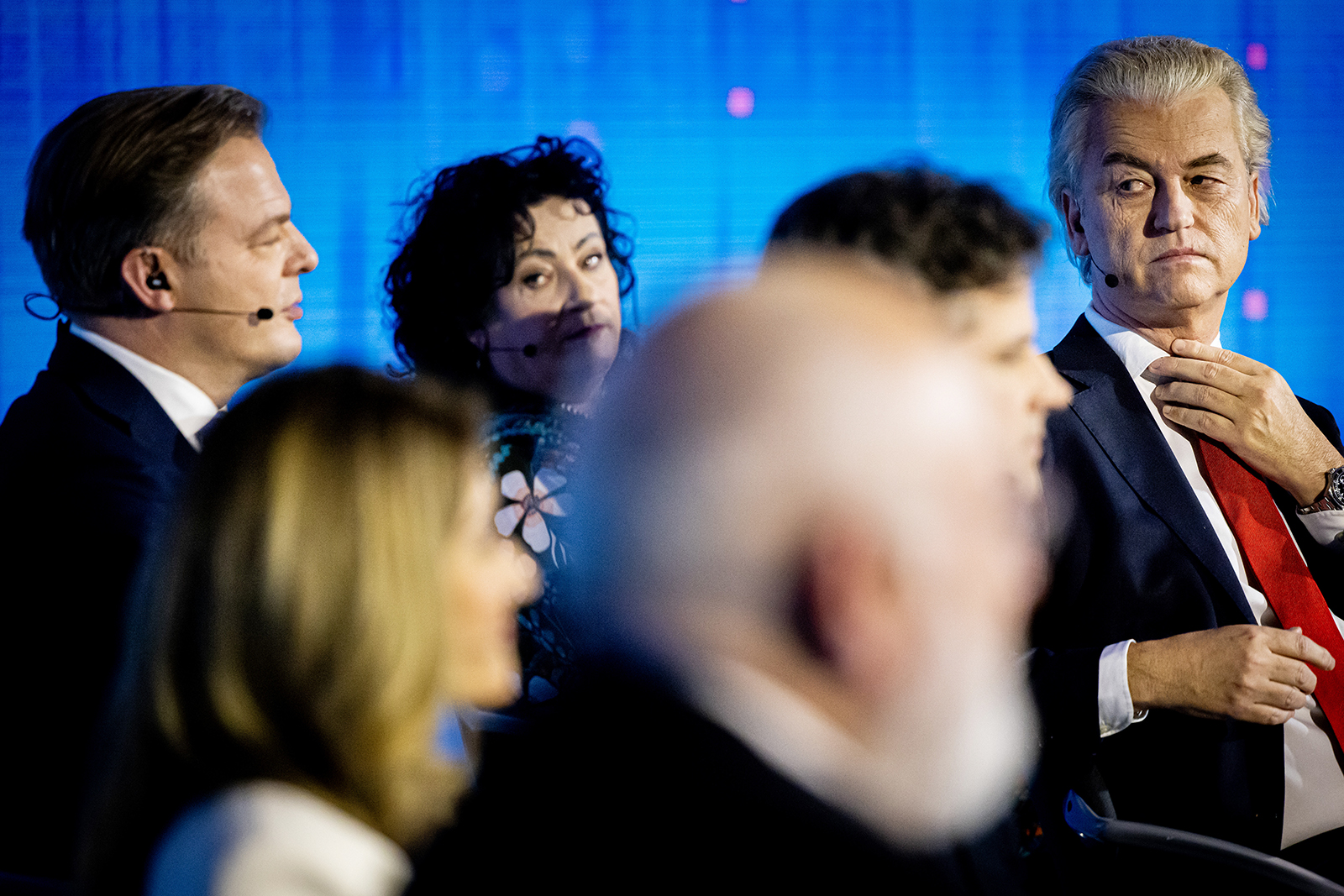
In France, the hijab is a political flashpoint, inflamed by recurring debates over headscarf bans in schools, sport and other areas of public life.
Related content
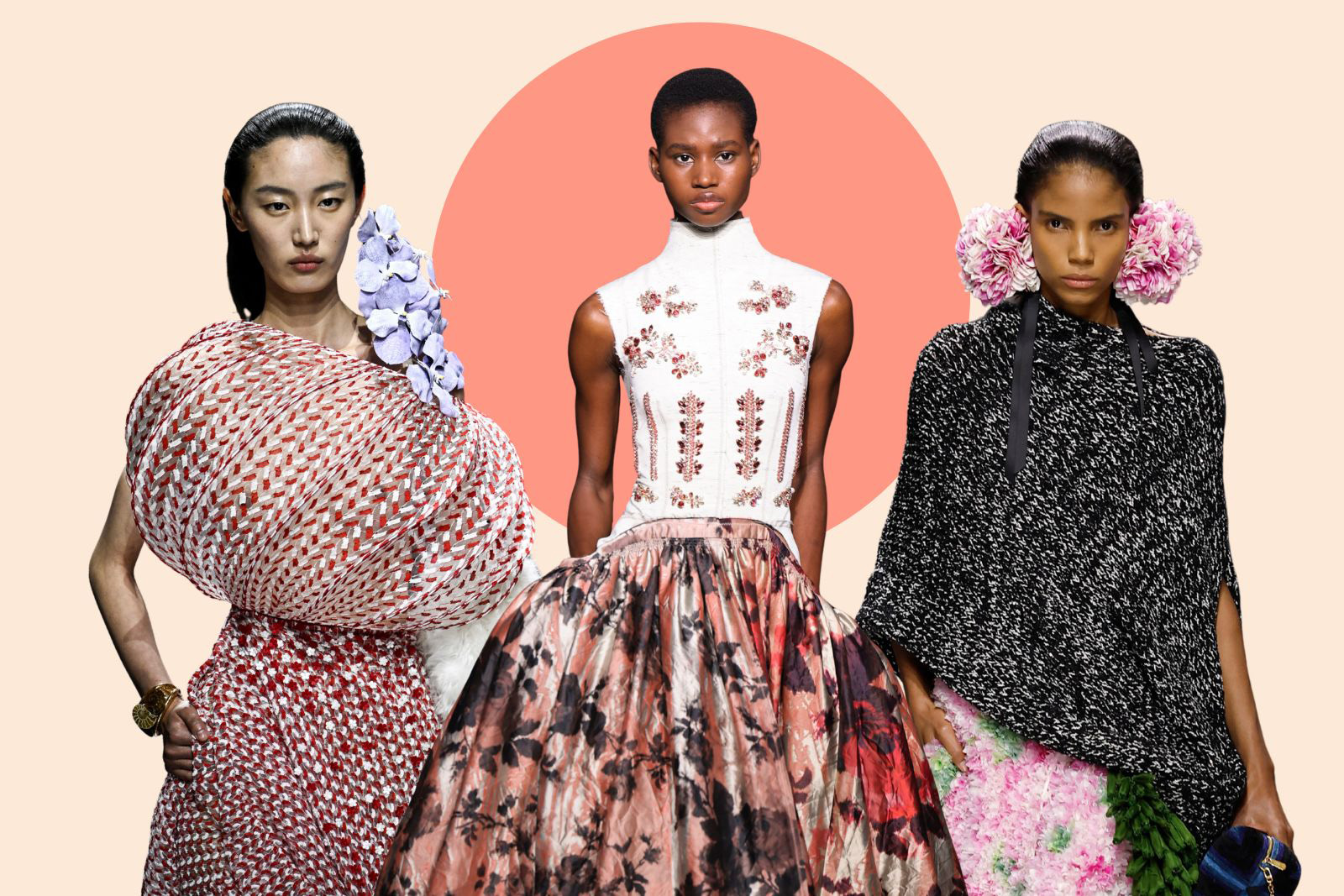
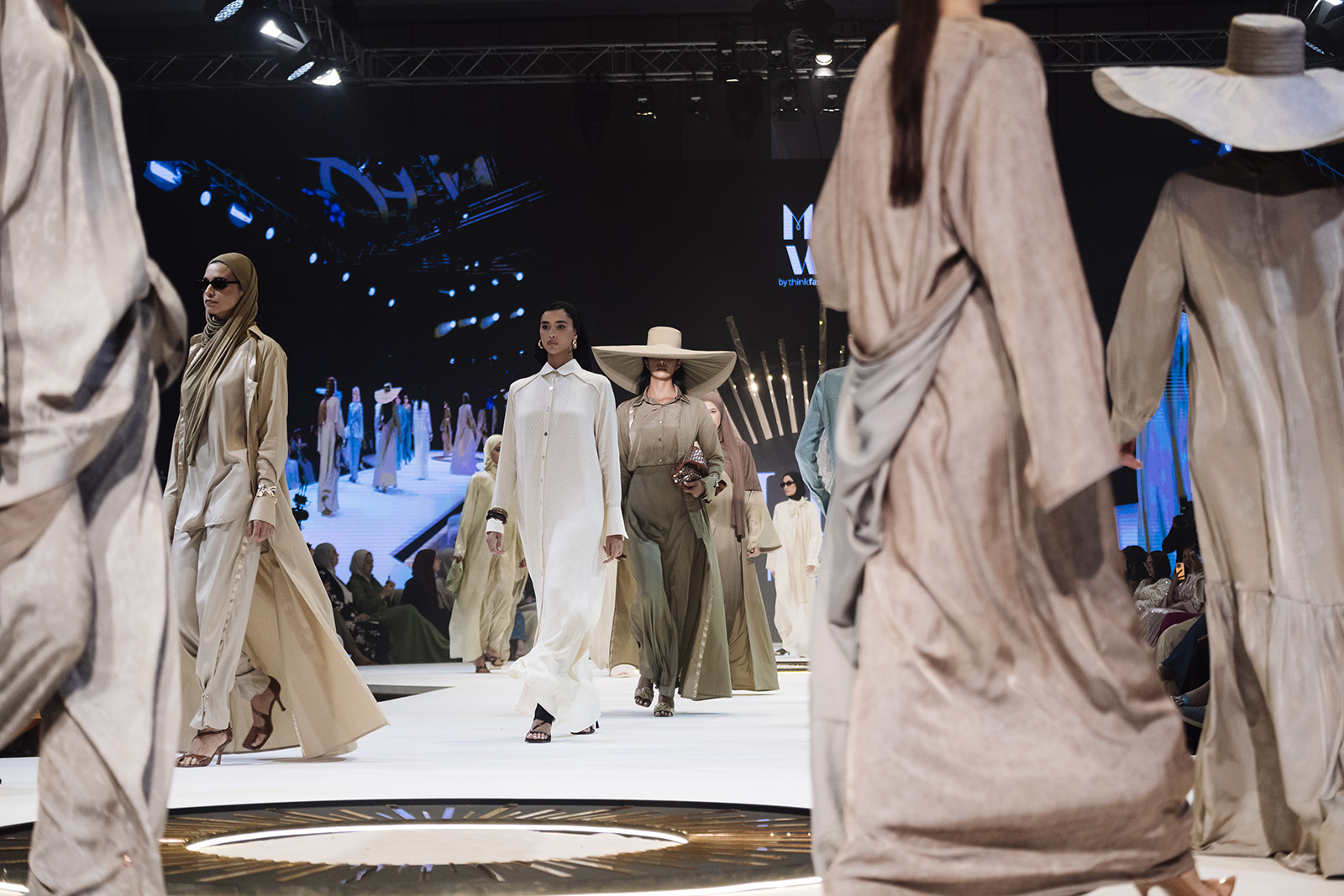
That has not discouraged Think Fashion, the Turkey-based company behind a global series of Modest Fashion Weeks, from putting on its first such event in Paris. From 16 to 18 April, it will stage thirty runway shows, eight industry panels and a showroom connecting designers with buyers from across the world in the world’s fashion capital.
For its first event in France — and its 11th worldwide — Think Fashion has chosen the Hôtel Le Marois, a grand Second Empire mansion, built in 1863 in one of the city’s most prestigious neighbourhoods for Count Jules Le Marois — the son of Napoleon Bonaparte’s aide-de-camp.
“France is one of the leading modest fashion capitals in Europe. As a global fashion pioneer, Paris has the power to set trends, and we see it as a fast-growing and increasingly open-minded market,” Think Fashion chief executive Özlem Sahin told Hyphen.
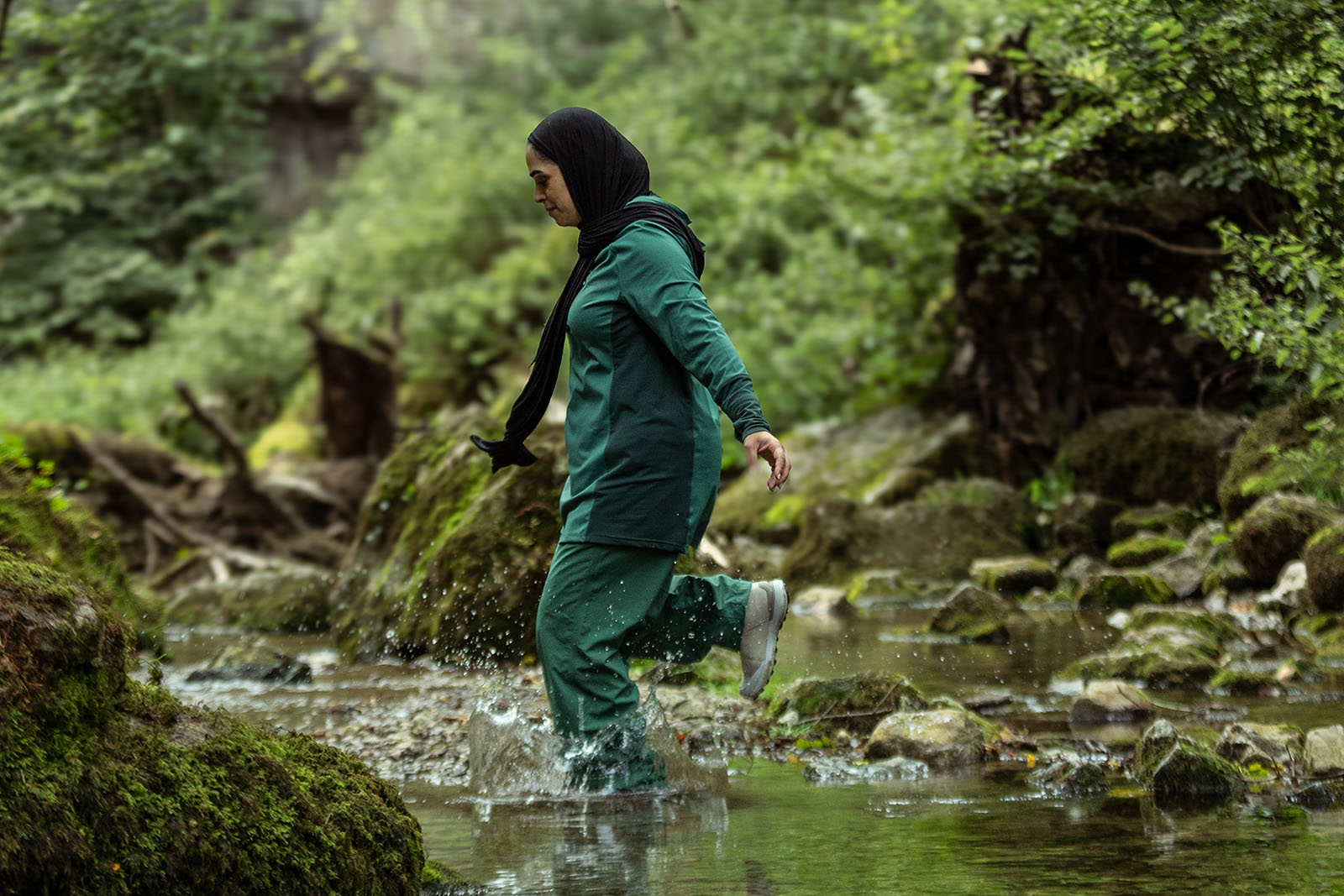
In France, modest fashion rarely appears in lifestyle coverage without becoming a political issue. In 2019, French retailer Decathlon attempted to launch a running hijab — a product it was already selling in Morocco. The backlash came from across the political spectrum.
Even Agnès Buzyn, then minister of health, weighed in. “It is not forbidden by law,” she said on RTL radio. “However, it is a vision of women that I do not share. I would have preferred that a French brand not promote the headscarf.” Faced with threats against staff and calls for a boycott, Decathlon withdrew the product before it reached shelves.
“It created a huge controversy even though, in fact, any Muslim woman could already buy the Nike hijab wherever she wanted. So there really is something specific about French brands,” said Alice Audrezet, a researcher at the Institut Français de la Mode in Paris.
Audrezet argues that polemics around the headscarf create a cycle of exclusion: political controversy feeds regulation, and regulation feeds further controversy, making it increasingly difficult for brands to operate and for consumers to wear their products without scrutiny.
France remains one of the most restrictive European countries when it comes to headscarf regulation. Major laws on secularism have repeatedly followed public controversies involving the veil since the 1989 Creil case, which paved the way for the 2004 ban on religious symbols in state schools. “It’s a very Franco-Belgian issue,” Audrezet said.
She links this to France’s attachment to a universalist model of citizenship, in which all individuals are expected to appear equal before the state. The 1905 law on secularism, she argues, is still interpreted in two competing ways: as a guarantee of freedom of worship, or as a demand for religious discretion in public life.
For Audrezet, resistance to modest fashion does not come from the industry itself. Designers are well aware of the market opportunity.
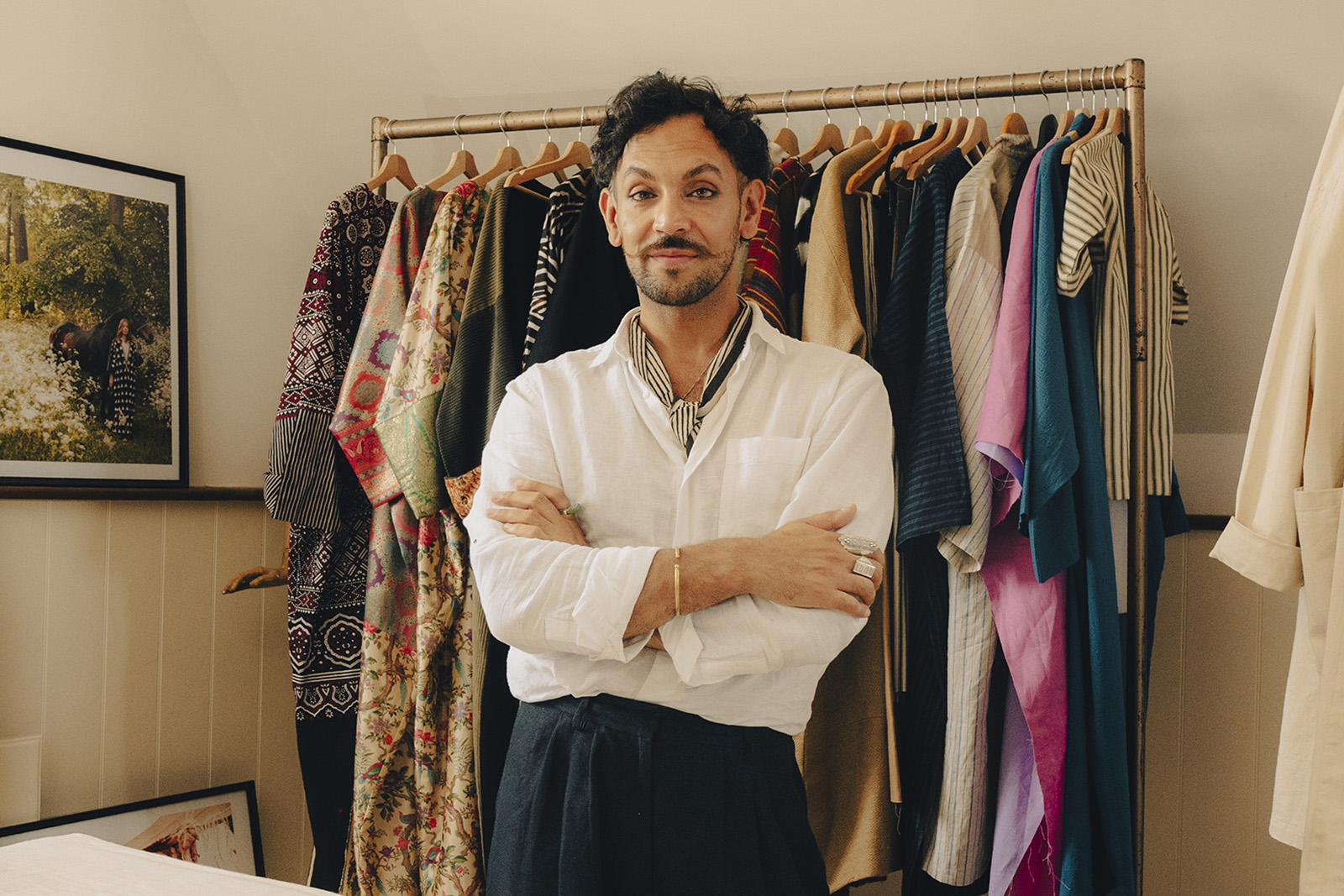
“It is the next golden egg,” said Fatoumata Doucouré, founder of Soutoura, a Paris-based modest fashion label with a streetwear influence, and one of the three French designers participating in this week’s event.
Doucouré, who is building her brand around a full time job as a nurse, wants to show that Muslim women have the right to dress with style like anyone else.
“People reduce us to the burqa, they put us in a box. But you can wear the headscarf, feel good about yourself, dress well — and not owe anyone an explanation,” she said.
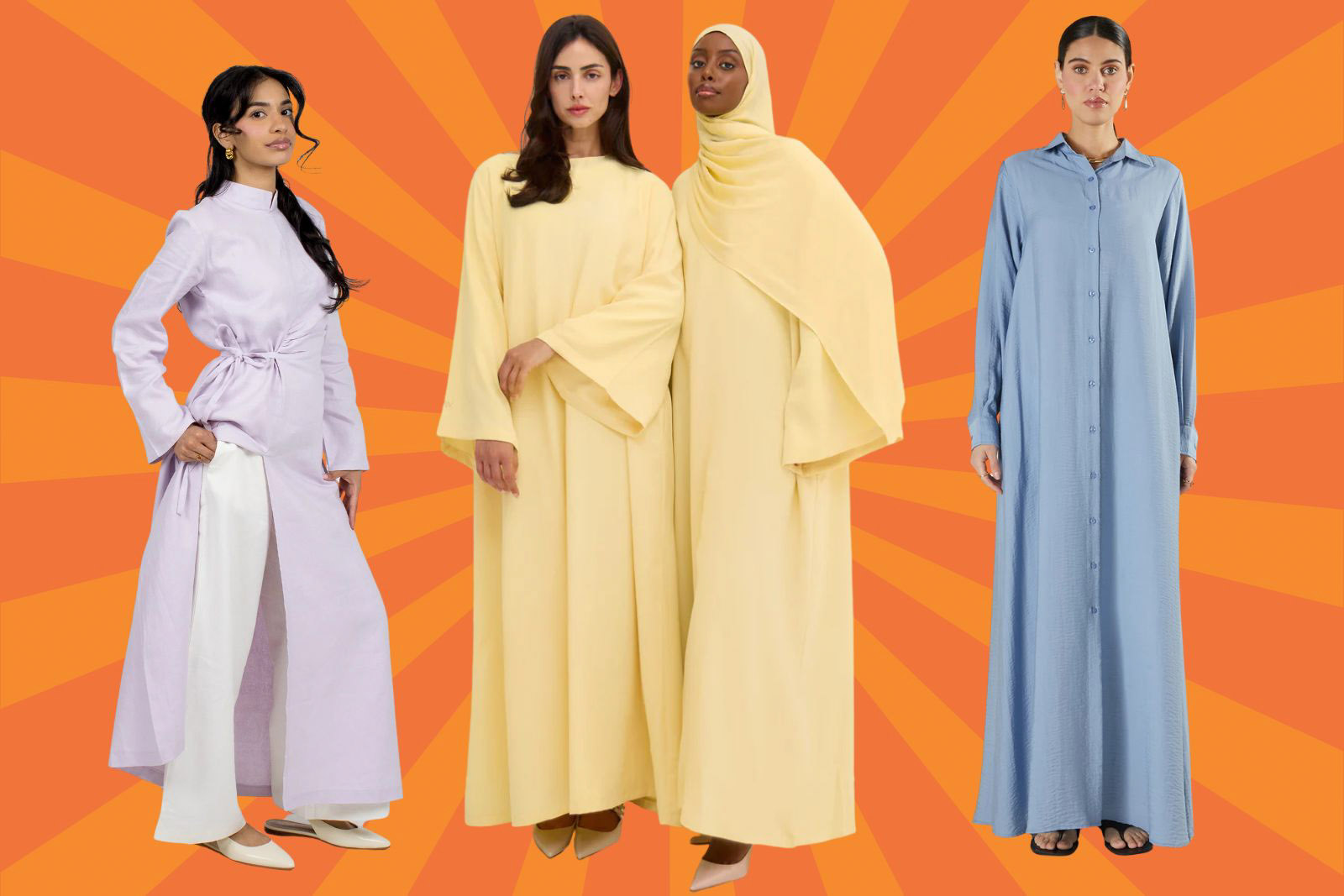
Despite the political climate, modest fashion is becoming more visible in France. A local Modest Fashion Week has been running in Paris for several years, while social media has helped popularise modest styles, with influencers showing how fashion and religious dress can coexist.
At the same time, mainstream brands are increasingly borrowing these codes. From Burberry’s scarves to Givenchy’s elaborate headpieces, head coverings have quietly entered high fashion. “It’s all about the norm,” Audrezet said. “Once it becomes cool to cover your head, the point of difference disappears.”
Yet a taboo remains. Brands may adopt the aesthetics but rarely acknowledge their origins.
“They make money off us but they don’t acknowledge our worth,” said Doucouré. “They borrow our codes, they target our community but they won’t say the word Muslim.”
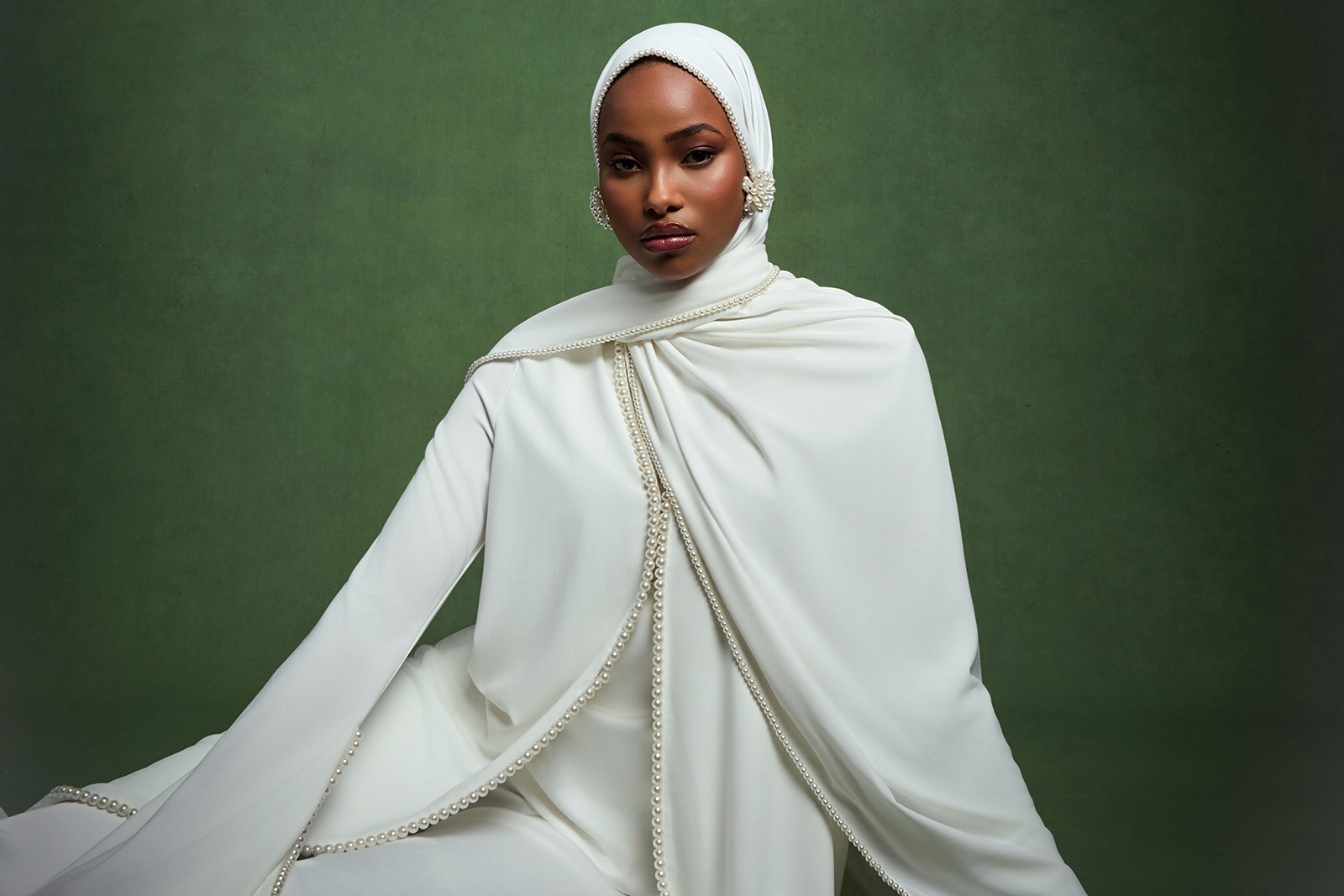
Covering one’s head might be a simple fashion choice elsewhere. In France, it rarely gets to be. “I convey a certain message without even trying to. Just by being a Muslim woman showing my work, I’m already making a statement — whether I want to or not,” Doucouré said.
Sahin insists Think Fashion’s first Paris Modest Fashion Week is designed to promote inclusion and collaboration. With designers from Turkey, the US and Russia, the event is deliberately international, not marketed as a Muslim event or a political statement.
“We contribute to reshaping how modest fashion is perceived globally — moving it from stereotype to sophistication, from a niche to a respected part of the fashion narrative,” she said.
Whether Paris is ready for that shift remains uncertain. The question may be less whether the event provokes controversy than whether it is acknowledged at all — a global industry platform unfolding in a country where visible Muslim identity is in itself controversial.