
Roon’s Catering — probably the UK’s only Somali food truck
Bold spices, tender meats, fluffy rice and a warm welcome. This south London lunch spot is hard to beat

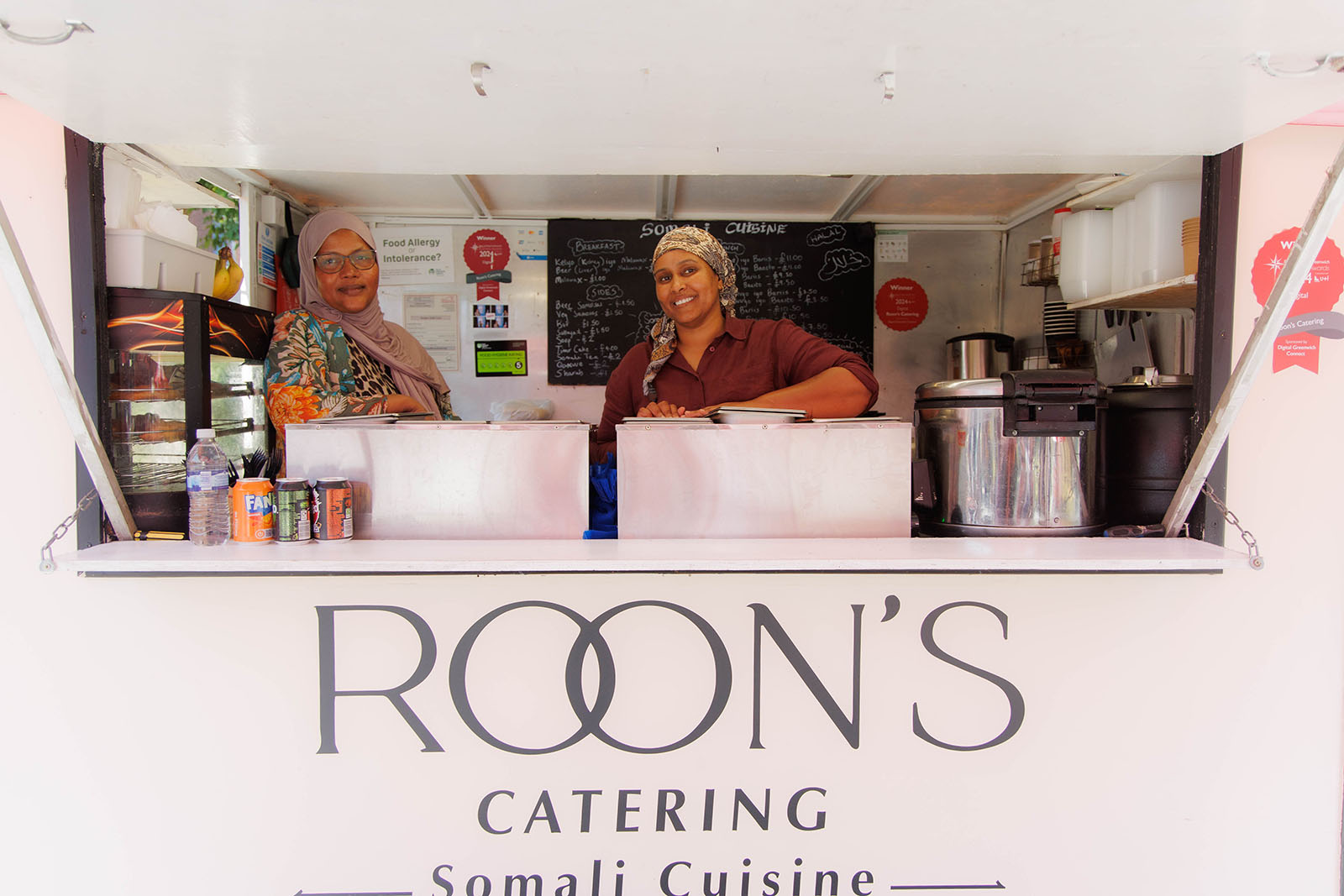
When new customers visit Roon’s Catering food truck in Woolwich Market in south-east London, owner Safia Hassan, 42, offers samples to help them choose what to order.
“People don’t know what Somali food is,” she says. “They don’t know what to relate it to but the thing is that there’s a dish for everybody,” she says. She believes hers could be the UK’s only Somali food truck. The business is named after her late aunt, Roon, whose name means “true” in Somali.
“Don’t let me make a choice for you,” Hassan adds. “Let me give you a taster first, and then you can make your own choice. Everybody has different taste buds. I want people to try whatever we have.”
The temperature is more than 30C when I visit and people are usually less hungry on hot days like this, Hassan says. But as lunchtime approaches, they begin to arrive. Locals stop by to chat as Hassan and her aunt, Amina Ahmed, are busy behind the counter.
One regular customer, a woman from Zimbabwe, sits down at an orange picnic table outside with a plate of beef suqaar iyo bariis and catches up with Hassan. The conversation moves from exercise to Zimbabwean history and apartheid South Africa before the woman promises to bring some fresh turmeric the next time she visits.
Related content
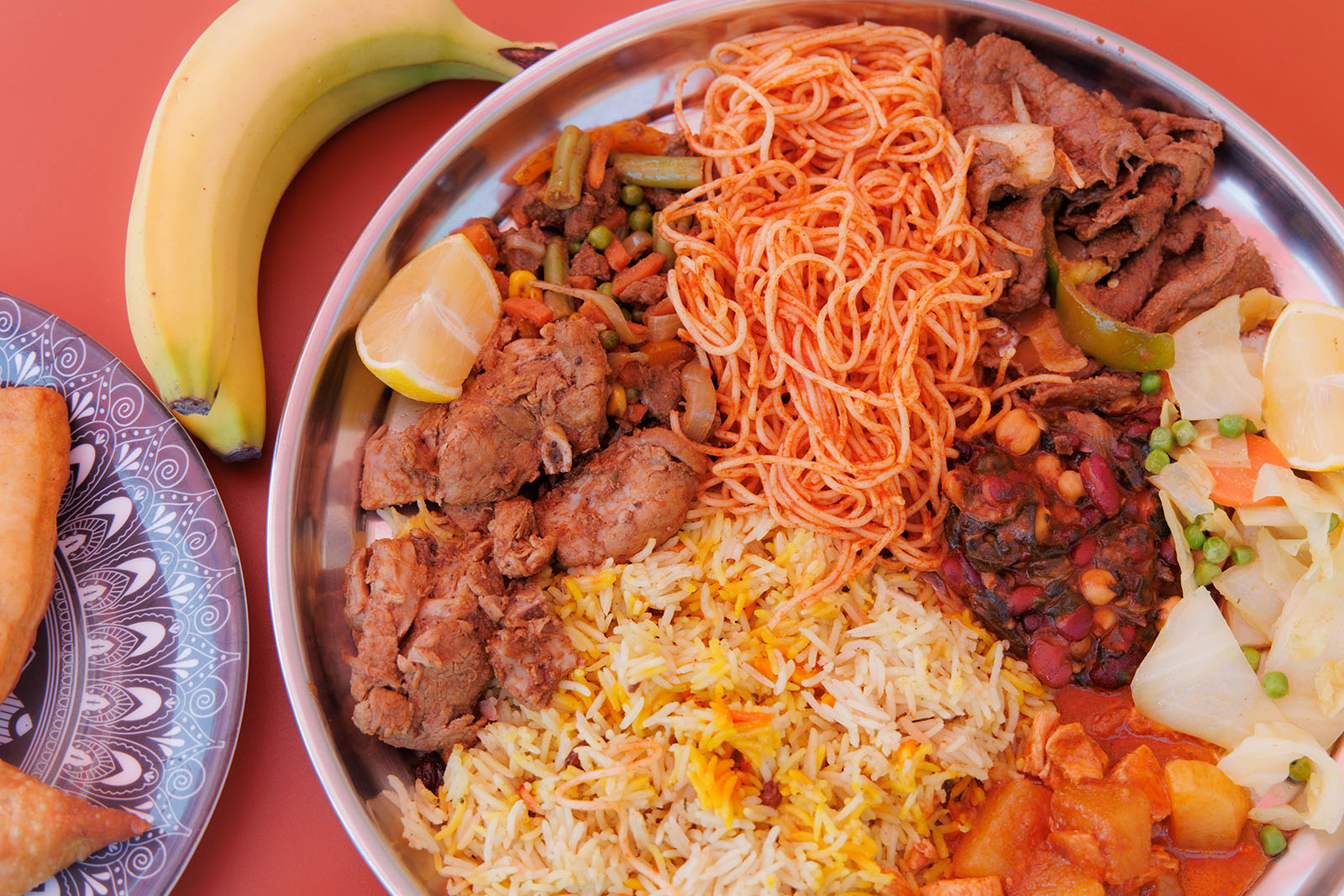
I order a custom platter (£20). It’s a serious amount of food, served on a round metal tray with a section for each dish. There’s bariis, a Somali rice similar to pilau; slow-cooked lamb shoulder known as hilib; suqaar, a Somali beef stir-fry; red-sauced chicken suugo; a vegetarian suugo with chickpeas, kidney beans and spinach; baasto or Somali spaghetti; crisp samosa-like sambuse and homemade chilli sauces. If that isn’t enough, there’s also the traditional Somali banana and a cup of lamb broth on the side.
The bariis is fluffy with pops of sweetness from caramelised onions and raisins. It’s a perfect accompaniment to the tender hilib. Hassan explains that the lamb would traditionally be served as a whole shoulder in the middle of a large sharing platter, but she breaks it down into smaller pieces to make it easier to eat on the go.
“We’ve had to learn how to adapt to being a food truck and not doing these big dishes,” says Hassan. “Somali food — east African food in general — is a hidden gem. People don’t know how good it is.”
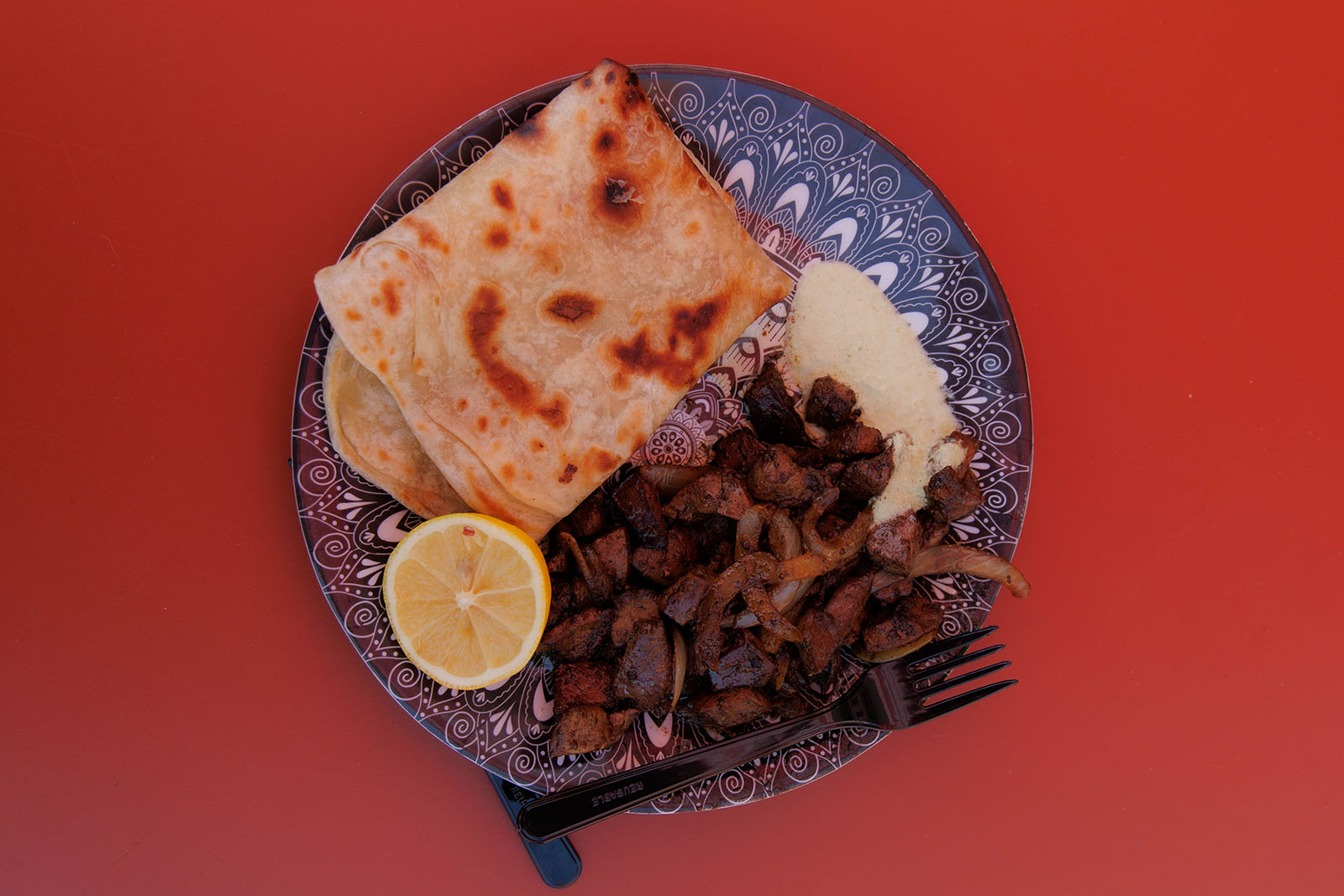
She describes suqaar as one of the most versatile dishes in Somali cooking, eaten with chapati — a soft, flaky flatbread common across east Africa — or rice, for breakfast, lunch or dinner.
The chicken suugo (£11 on its own) consists of potatoes and meat cooked in a sauce of coriander, garlic and onions. Hassan says she added the dish after discovering that customers wanted “something saucy”.
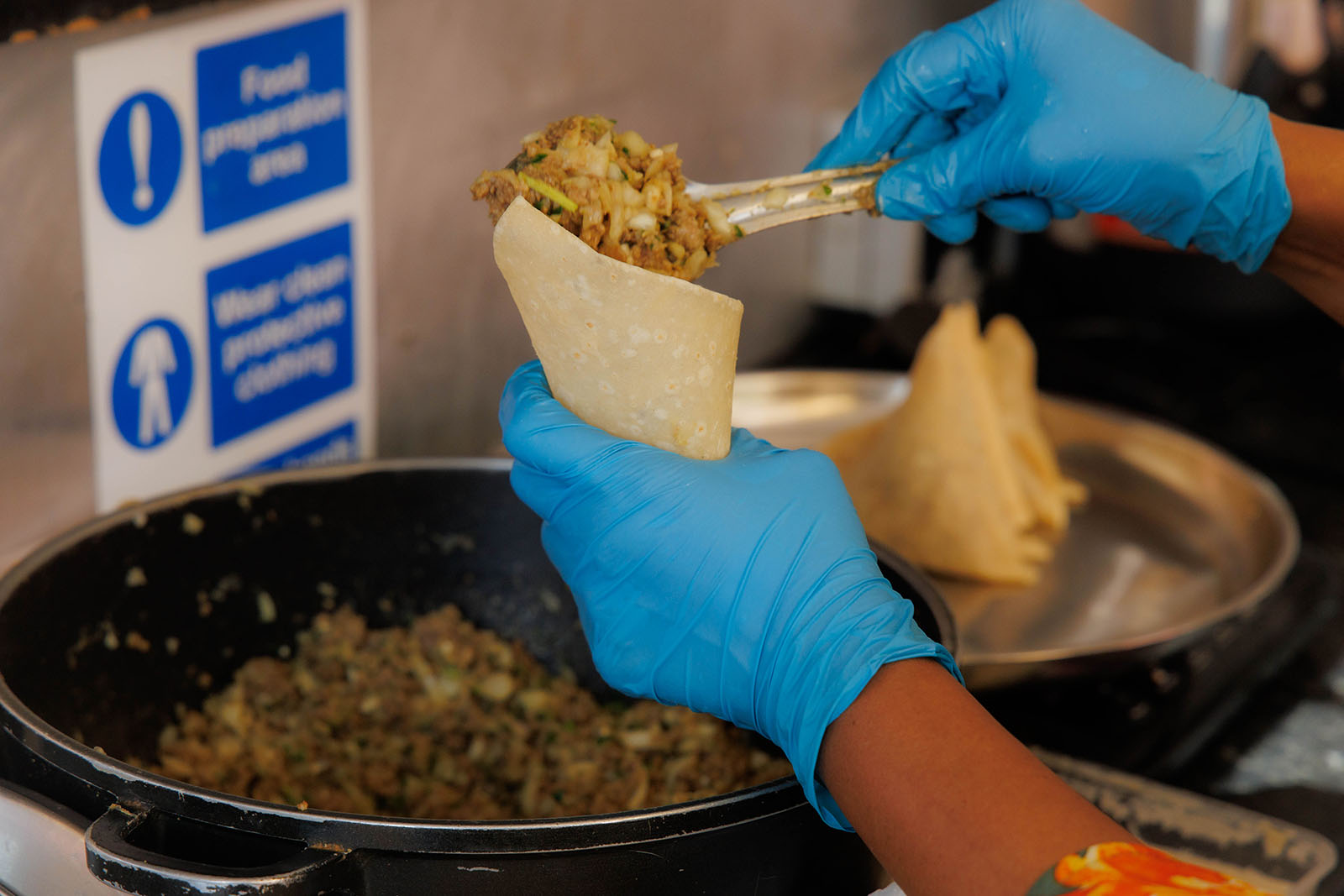
The sambuse — stuffed with a delicious filling of beef coriander, onions, cumin and fresh green chillies — is offered in both mild and spicy varieties. Everything is made from scratch, including the pastry.
Related content
Another staple is bur (£1.95), a sweet and soft fried bread. Versions of the dish are found across East Africa, including in Kenya, Tanzania and Uganda, where they are often known as mandazi.
The sauces are something special, including basbaas — a punchy green chilli blend that Hassan’s uncle taught her how to make — and another made with tamarind, garlic, onion and lemon.
The banana may surprise newcomers, but it’s a common part of Somali cuisine, eaten by hand with savoury dishes.
“We used to be a big exporter of bananas. I think we must have thought: Let’s try it with the rice,” says Hassan. “Then it became a thing. You either love it or you hate it.”
Having grown up in London, Hassan says she learned to cook “out of necessity”, helping her grandmother, who raised her. Over time, she fell in love with it and turned that passion into a business.
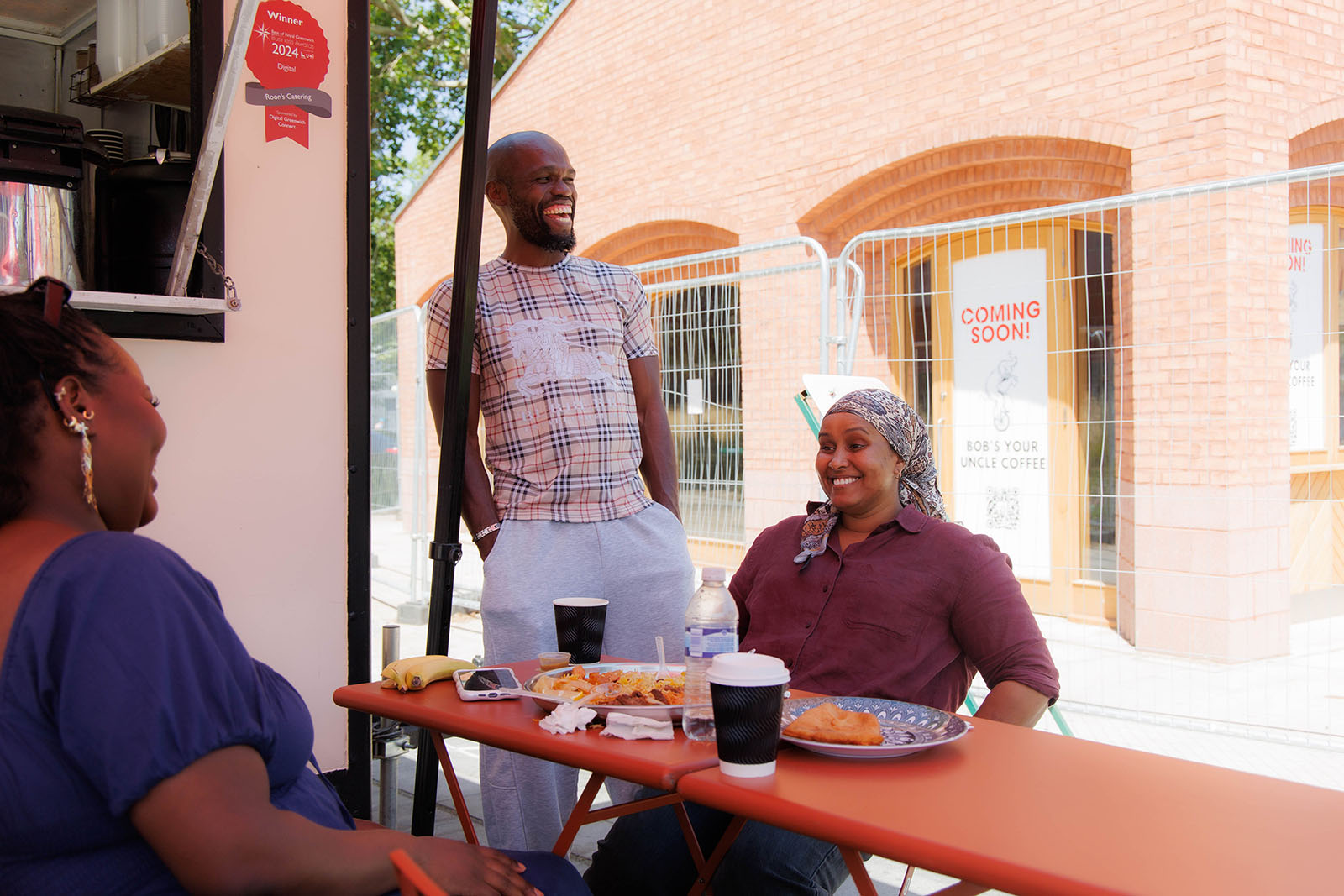
For Hassan, serving Somali food with first-timers and regulars alike is a way of extending the warmth and hospitality she grew up with to the wider community.
“Food is what brings everybody together,” she says. “In Somali culture you never go hungry. We share with our neighbours. No one gets left out.”