
One chef’s mission to bring Senegalese hospitality to London
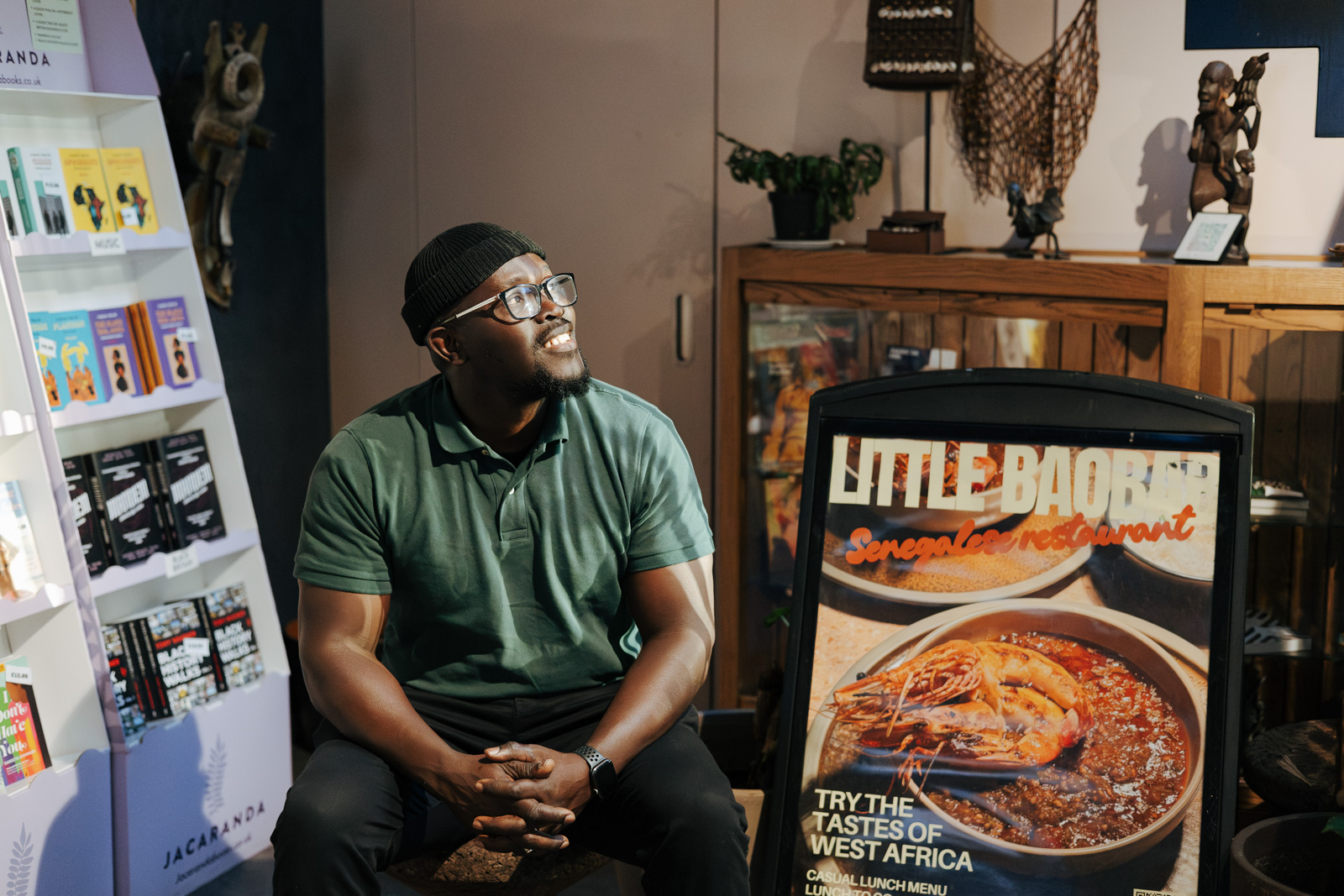
The national philosophy of teranga is about much more than a warm welcome. It’s making people want to stay. That’s exactly what Khadim Mané does at Little Baobab

When chef Khadim Mané first arrived in the UK in 2010, he didn’t know how to cook. Dishes as simple as eggs and plain rice were a challenge.
When he grew up up in Dakar, Senegal, his mother and sisters had always owned the kitchen. If he wandered in, it was usually to grab a snack or to reluctantly help clean rice in exchange for pocket money.
“Men didn’t cook in Senegal,” he says. “That’s how I grew up.
“The moment I realised it was wrong was when I left home. Being by yourself, you struggle. I was tired of eating chicken and chips. I wanted to eat my own food but I couldn’t find any Senegalese restaurants around me.”
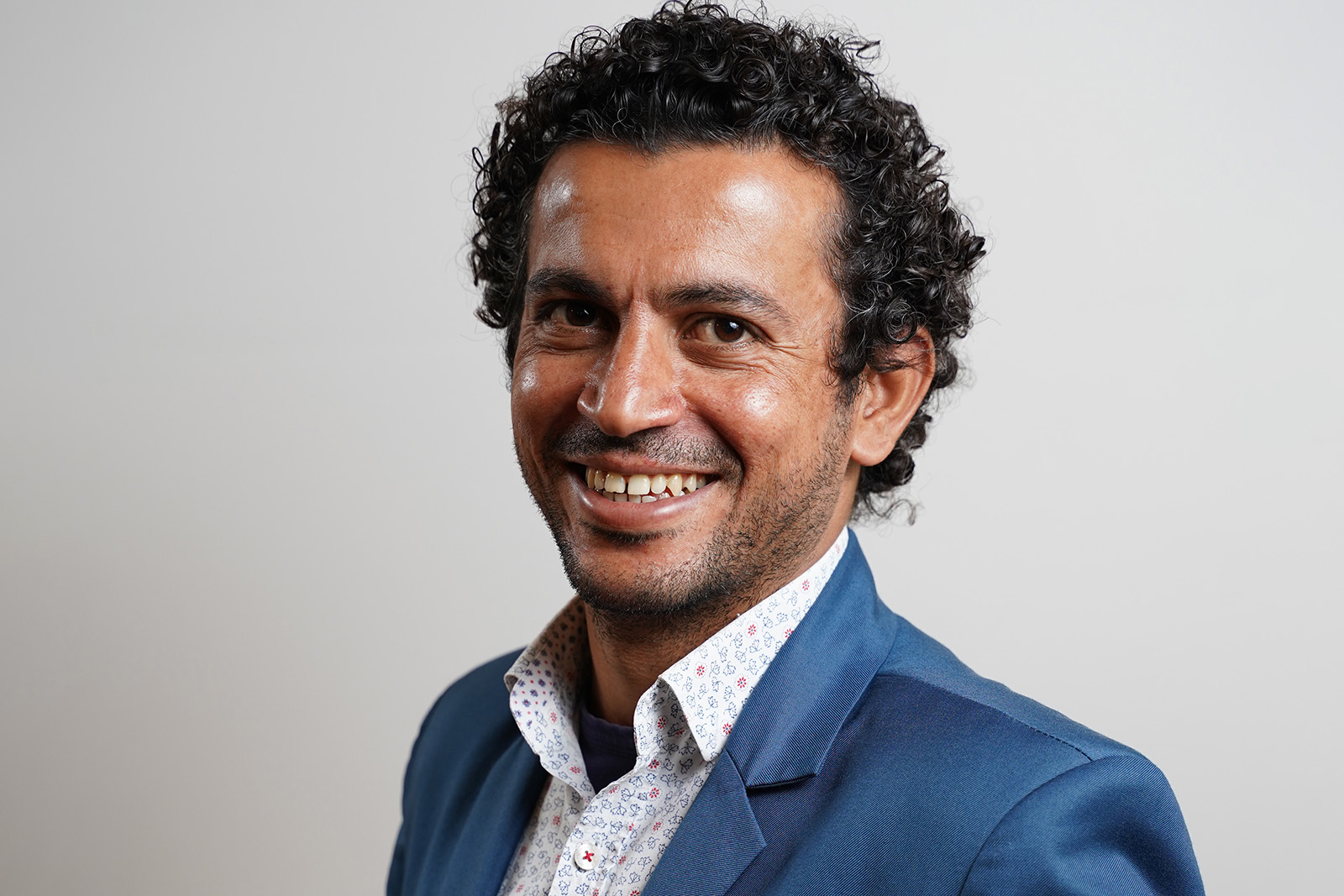
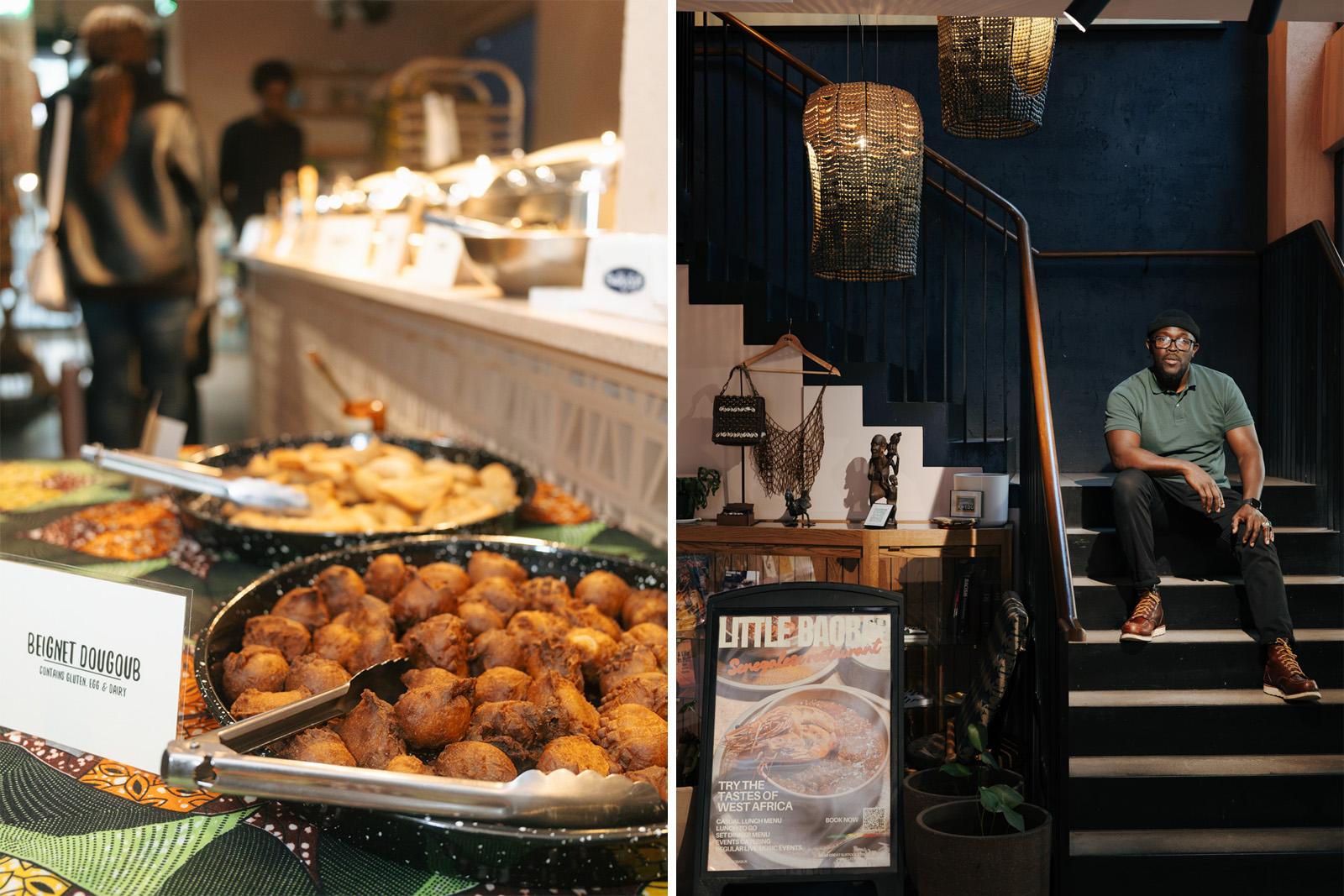
Mané, 46, is the owner and head chef of Little Baobab, a Senegalese restaurant based in the Africa Centre, in the south London district of Southwark. Little Baobab has built its reputation and loyal clientele around the spirit of teranga — a Wolof word for the Senegalese philosophy of generosity and bringing people together.
For Mané, the concept goes beyond simple hospitality. “It’s about sharing,” he says. “It’s nice to have that connection and help each other. That’s Senegal.
“If I have one loaf of bread and there are other people there, I will share it with them. I’m not just going to think, ‘This is mine, I worked hard for this, it’s just for me.’”
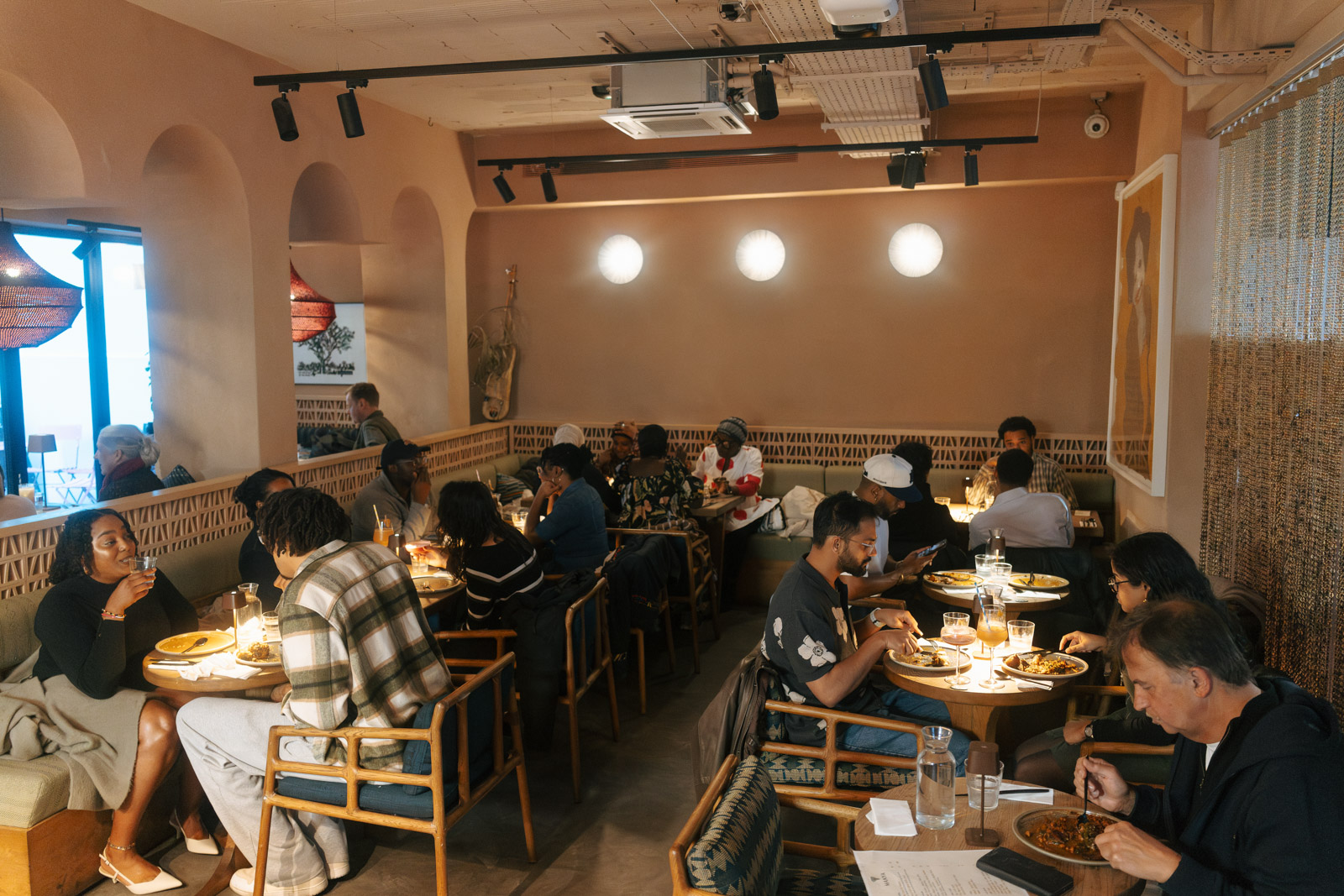
When I meet Mané at Little Baobab’s monthly teranga event, featuring a buffet, live music and attaya — Senegalese tea — he’s upstairs finishing a bowl of jollof rice ahead of rehearsals with the musicians performing later that evening. Though usually head chef, tonight he’s taking on the role of bass player.
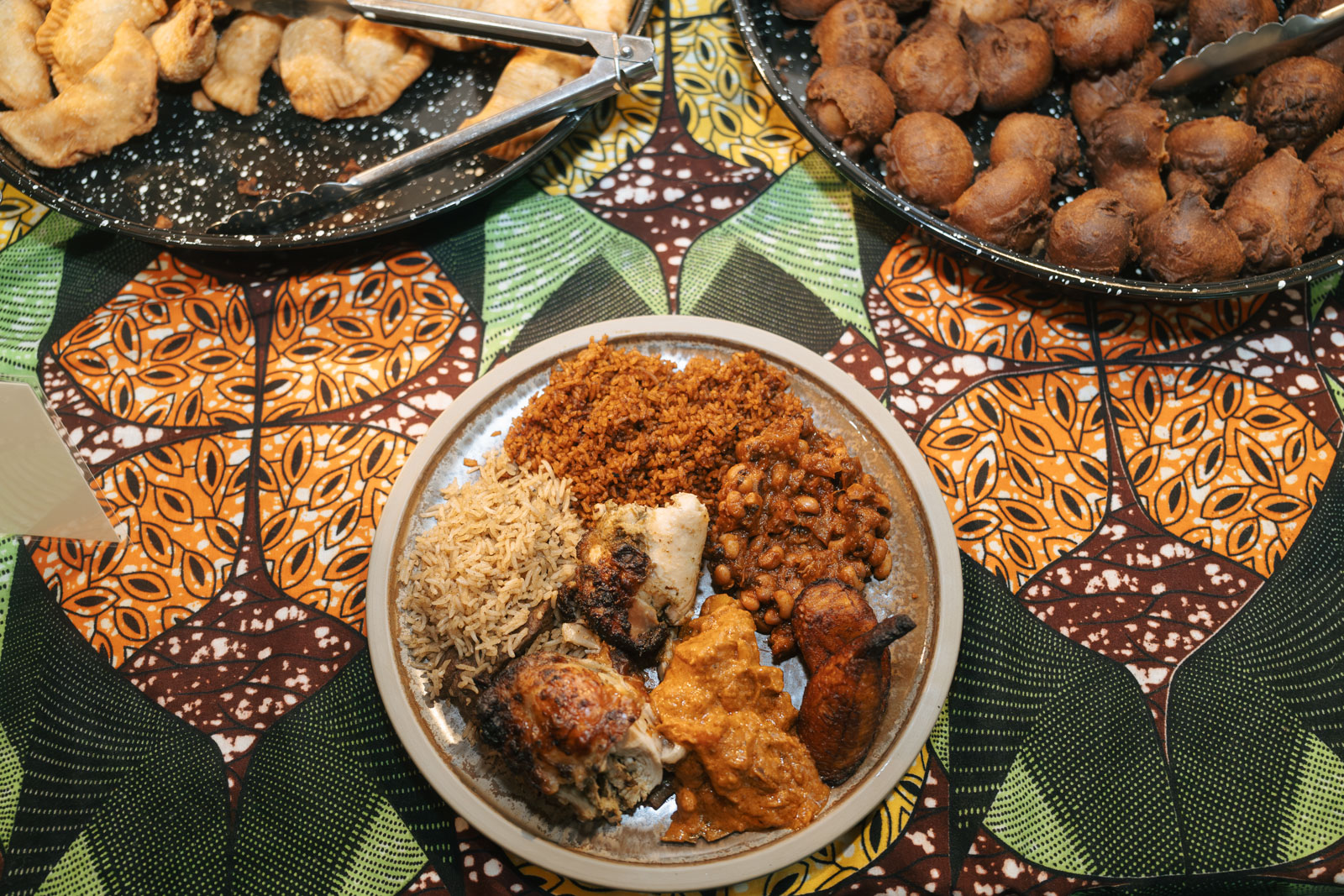
Downstairs, as guests slowly begin to arrive, staff are busy arranging buffet trays of grilled chicken, vegetarian mafe — a traditional Senegalese peanut stew — jollof and plantains.
Also on the menu are beignets dougoup (sweet, deep-fried dough balls), spinach stew, a rich black-eyed pea stew known as ndambe, thiebou yapp (rice with lamb) and fish fataya pastries.
As the evening gets under way, the room grows busier. Mané tells me he is expecting around 50 people. Diners weave between the tables carrying plates piled high with food.
By the time the music begins upstairs, every seat in the dining area is full. The room hums with conversation as guests settle into their meals while waiters deliver trays of drinks including baobab and bissap juice.
Watching Mané drift through the room greeting customers — some clearly regulars — it is difficult to imagine that just 16 years ago, he couldn’t even boil rice or chop onions.
When asked if he could have imagined hosting evenings like this back then, Mané laughs. “Never,” he says.
“We all have something sleeping inside of us but we don’t know. I never thought I would be a chef,” he says. “When I told my family and my friends it was what I wanted to do, they were laughing at me.” Now, he says, they are proud of him.
Mané’s introduction to the kitchen came accidentally in 2011, through a friend who ran a Moroccan food stall at festivals in Leeds. Initially, he had only agreed to help set up the tents.
“He wanted help with the food,” Mané recalls. “I told him, ‘I need the money but don’t have a clue about kitchens or how things work.’ He looked at me and said, ‘Just come.’’”
At first, Mané learned simply by watching. The first dishes he made were north African staples including brik (flaky filo pastries with a variety of fillings) and tagines. Slowly, he began picking up techniques and confidence in the kitchen.
One day, after showing Mané how to make shakshuka, the chef briefly stepped away and asked him to prepare another batch himself for the first time.
“I was scared,” Mané says. “I thought: ‘I’m going to destroy this.’”
But, later that evening, customers praised the dish. “Three people came to me and said, ‘Since we’ve been eating with you guys, you’ve never made this sauce like this.’”
For the next three years, Mané worked with his friend’s festival business, slowly learning how to cook north African dishes.
When he got back to London, he wanted to recreate the food he had loved as a child but had never learned to make himself. He began cooking daily, constantly phoning siblings and asking for tips and recipes.
Soon, Mané found work at a restaurant serving Spanish and English food. Occasionally, he would ask the owners if he could add a Senegalese dish to the menu. Monday nights were usually quiet, so he started inviting musician friends to play Senegalese music in the restaurant. Eventually, they were there three nights a week.
He called the evenings Dakar Nights. “That’s where everything started,” he tells me.
“There wasn’t any Senegalese food around,” he says. “A lot of people are not familiar with it. West African cuisine is really quite close but it’s a little bit different in terms of the spices we use and the way we cook.”
A year in, Mané left the restaurant to organise his own pop-ups and market stalls at venues across east and south east London, combining food with live music.
In 2014, he chose to call his business Little Baobab, inspired by the ancient towering trees surrounding his family village of Joel Palmarin, where he spent many school holidays as a child.
“You cannot imagine how many baobab trees we have there,” he says. “They remind me a lot of my upbringing. If you’re talking about culture and spirituality, it’s all linked with the baobab. Our elders are really connected with those trees. There’s so much mystery.”
For Mané, Little Baobab was never just about food.
As he grew up, his family home was always open to others. “People would come from nowhere and my dad would have them inside the home,” he says. Looking back, he sees those acts of generosity as a foundation for the atmosphere he’s trying to create now.
“My dad helped so many people and right now, I’m on the same path,” Mané says.
That energy is reflected in Little Baobab’s teranga evenings, where guests are encouraged to hang around long after finishing their meals. Some stay seated, chatting over minty attaya, while others head upstairs to listen and sing along to the live music.
“Teranga is about sharing and putting people together,” says Mané. “I grew up with cousins, siblings and everyone at home having a great time. We’d all eat together and I’ll never forget that. With Little Baobab, I want to keep that. When people come, I want it to feel like home.”
The philosophy of sharing and connection extends beyond the restaurant itself. In autumn 2025, Little Baobab launched a free chef training programme for 18 to 30-year-olds.
The current cohort consists of 10 young people taught by Mané himself. He says it was important to help remove barriers for young people struggling to access training or employment.
“Life is about opportunity,” says Mané. “I was in their position. I want to help them understand, if you love it, come to me and we’ll build together. Tomorrow, they will be able to do the same for someone else. That’s how we grow.
“When we die, we leave everything behind. It’s sad to have a lot of knowledge and keep it for yourself. I don’t know much but what I do know, I share with these kids.”
Little Baobab will hold teranga nights on 11 June, 9 July and 13 August. Bookings can be made through its website.