Brixton’s food culture tells the story of a changing Black London
Ahead of the 60th anniversary of Notting Hill Carnival, we take a culinary tour around another London neighbourhood brimming with Black history

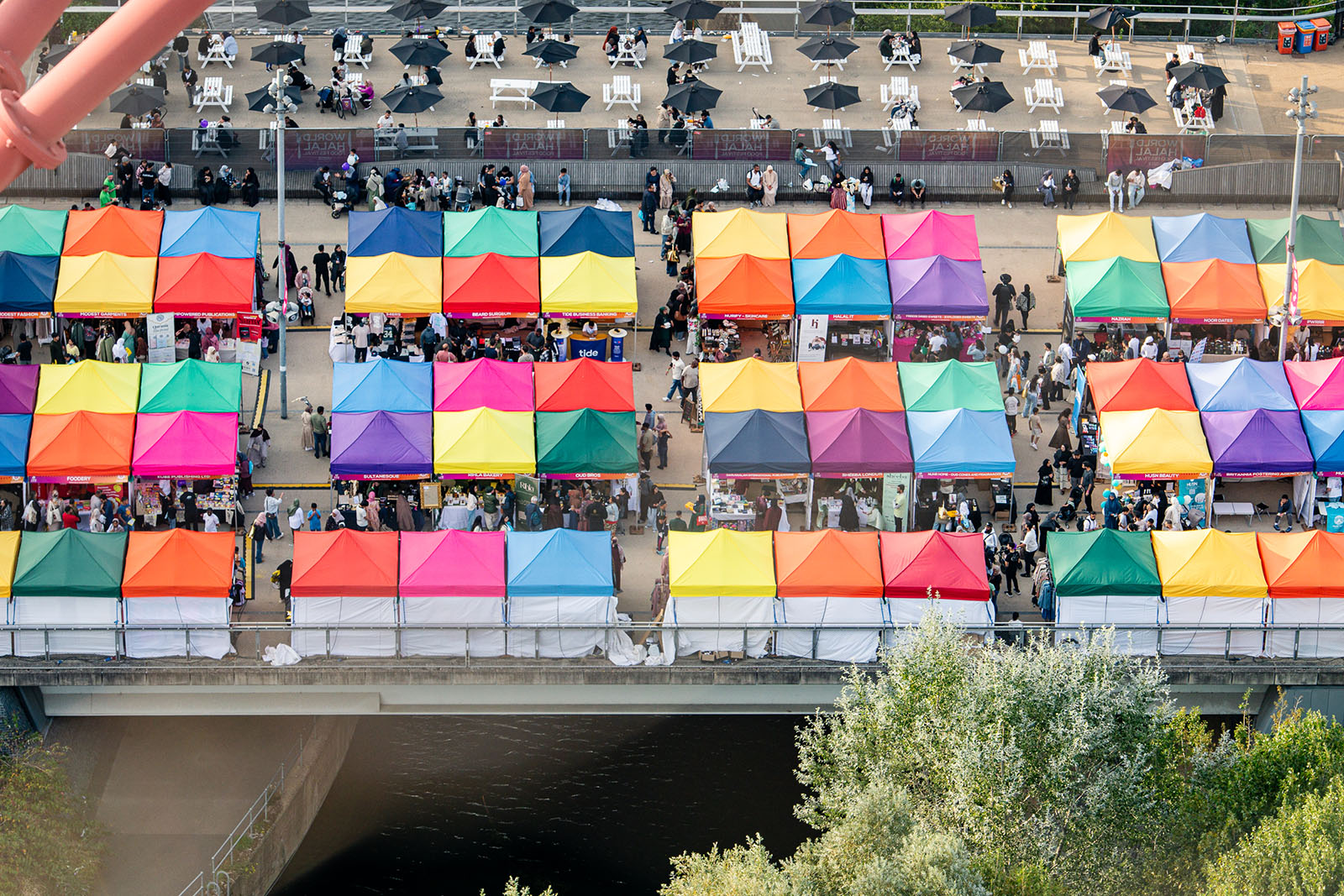
It’s a muggy Thursday afternoon in south London, but Brixton is alive as it always seems to be. Market stallholders call out to customers, shop owners greet passersby, street preachers proselytise outside the tube and the smell of freshly cooked food drifts through the streets.
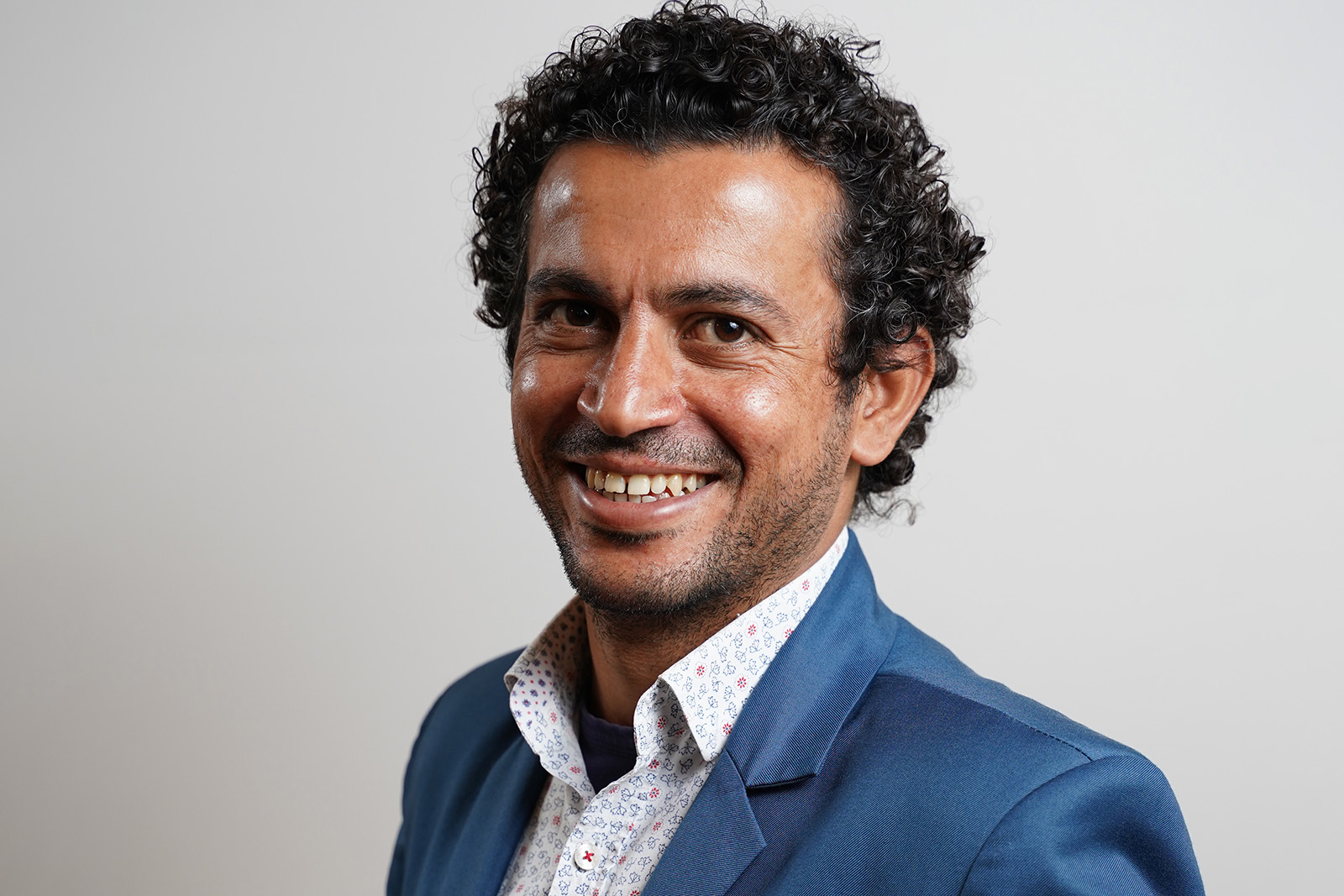
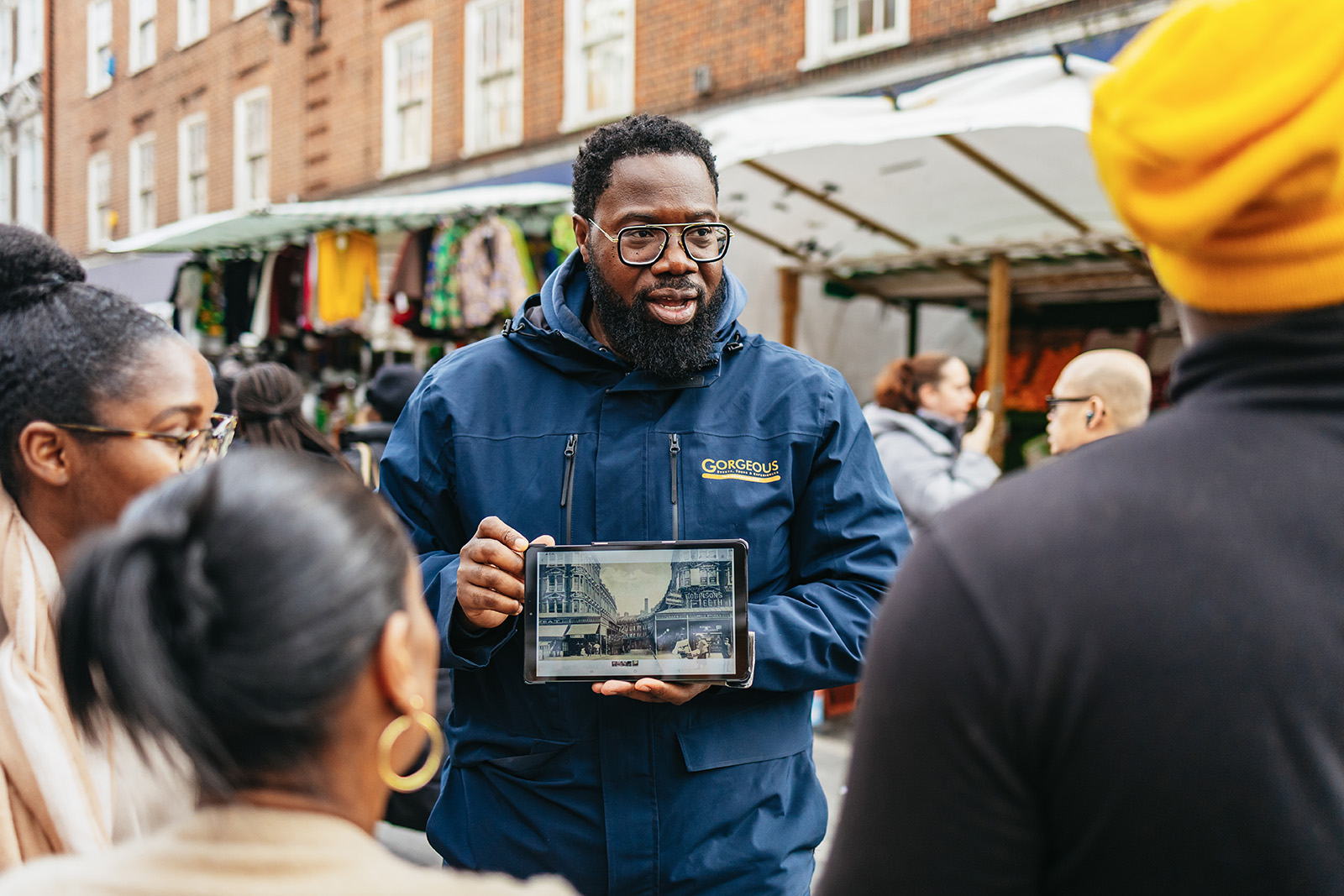
Opposite the station entrance, I meet Obi Opara, the man behind Obi’s African & Caribbean Food Tour and the founder of Gorgeous Tours UK. Around me are five women visiting from Washington DC — two groups of friends who have never met before. One pair has arrived in London that morning; the other three are part of an Afro-Brazilian band in town to play at Notting Hill Carnival. Within minutes, they’re swapping stories about where they’re from and what brought them here.
Related content
From the start, it’s clear that this tour is about much more than eating. Opara, 48, who grew up in Brixton in the 80s and 90s, spends the afternoon weaving together stories of food and migration.
Walking towards Electric Avenue, he stops to say hello to traders and shopkeepers. This thoroughfare, opened in 1888, got its name as the country’s first electrically lit shopping street. By the 1950s, its market was being transformed by the arrival of Afro-Caribbean communities of the Windrush generation.
The first bite of the tour is a piece of Moroccan pineapple, sweet enough to make the supermarket fruit I buy from Asda seem almost flavourless. It’s a palate cleanser before we start the first of many courses.
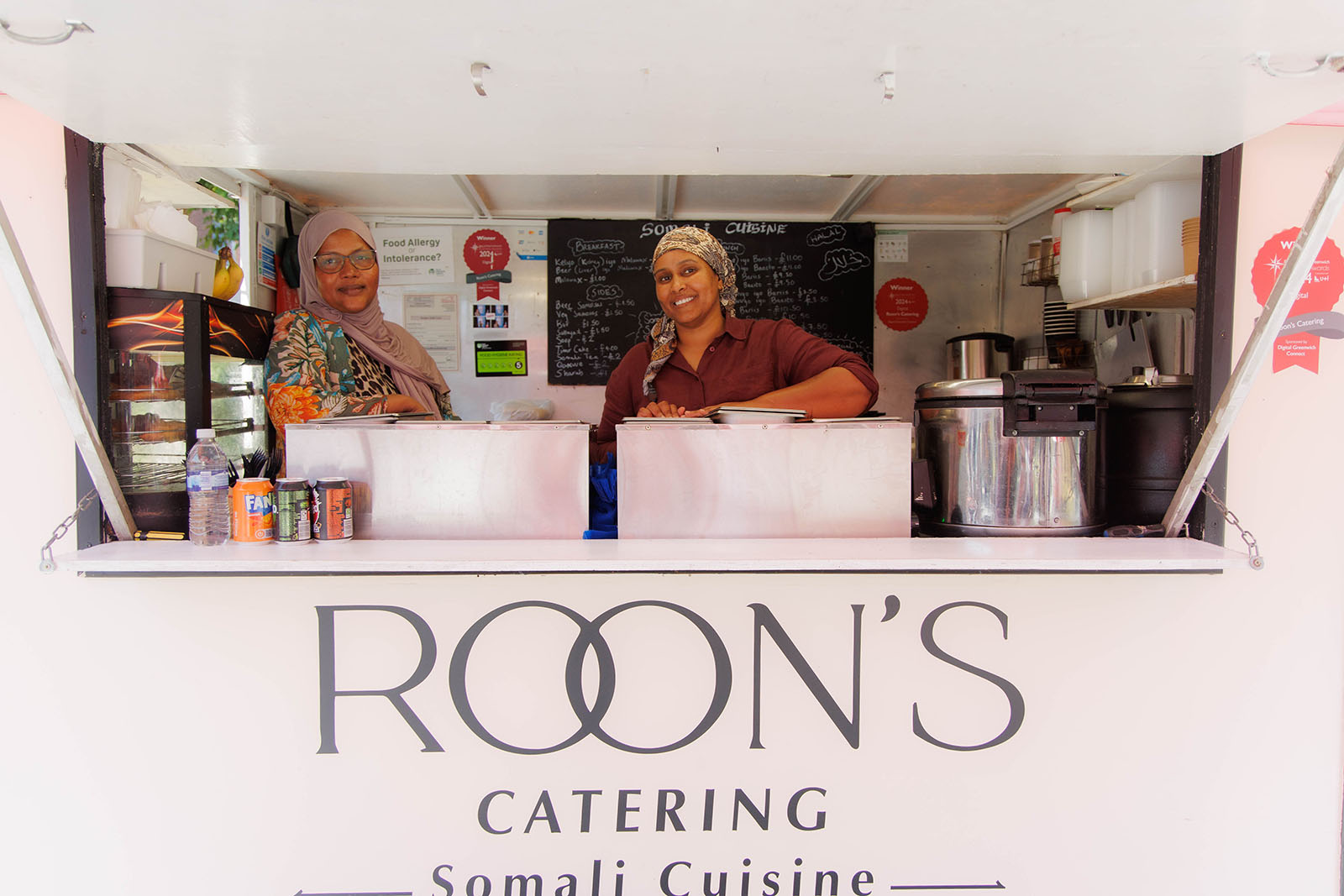
We head inside Healthy Eaters, a Jamaican bakery that has been operating in the area for more than two decades. We dig into some freshly made patties, the juicy chicken filling encased in a flaky golden-yellow crust. Everything is made fresh on site, with roughly 9,000 patties made a week by hand. The establishment is the last remaining Jamaican bakery in the area.
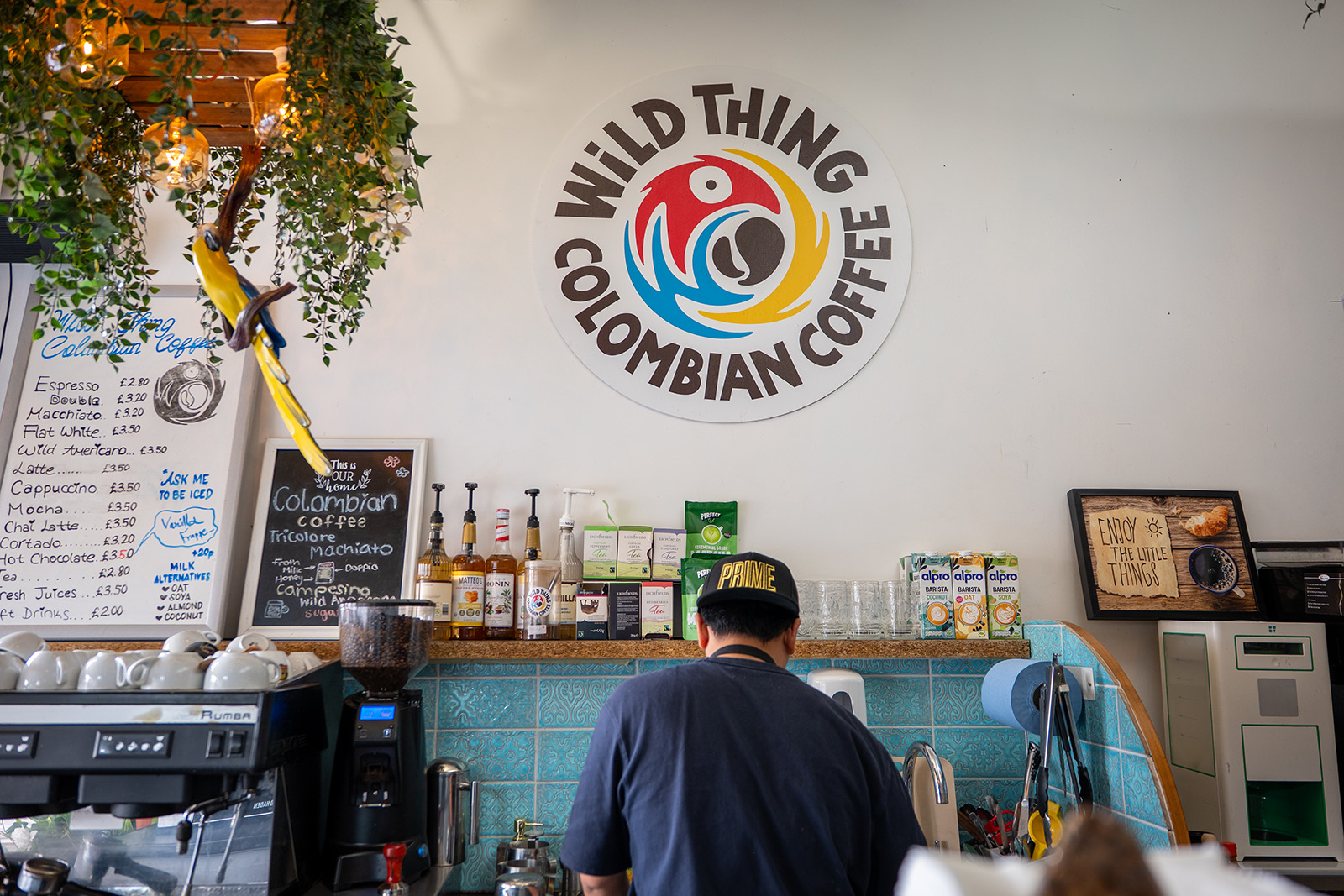
“There are now more Latin American eateries in Brixton Village than there are African and Caribbean eateries,” Opara tells us. “And this is supposed to be known as Little Jamaica — make it make sense.”
The tension between Brixton’s history and its present is a recurring theme. Along the tour, Opara shows us new developments and describes how the area began to gentrify in the 1990s, as investment began to pour in.
For Opara, preserving Brixton’s story is personal. He no longer lives here. The house his father bought in the 1950s for £500 is now worth £2.2m, he tells us. He now lives in Croydon because he can no longer afford to live in the neighbourhood he once called home.
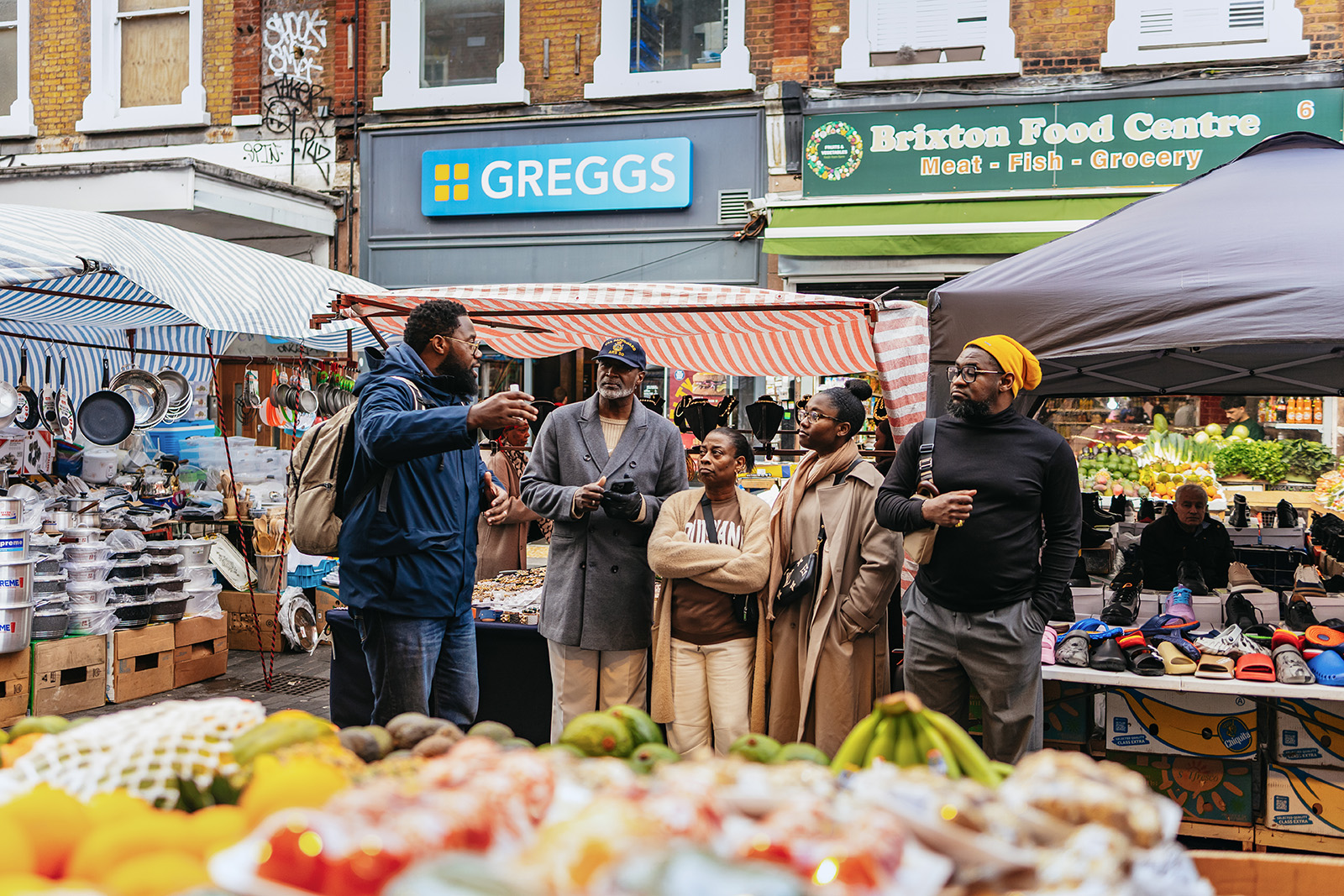
It was a trip to Thailand that first sparked the idea for him to run these food tours. In Bangkok, Opara and his wife ended up on a culinary walking tour. His wife saw the parallels with what he already did for friends and family visiting London — showing them the market, telling them about the neighbourhood and taking them to places to eat.
“She said, Brixton is changing so quickly that if you don’t do it, somebody else is going to and they’re not going to look like you,” Opara says. Seven years on, he now runs the tours full-time, twice a day, six days a week.
As we continue through the market, we pass African clothing stalls, a barber, grocers selling an array of traditional African and Caribbean fruits and vegetables such as yams, and several more halal butchers.
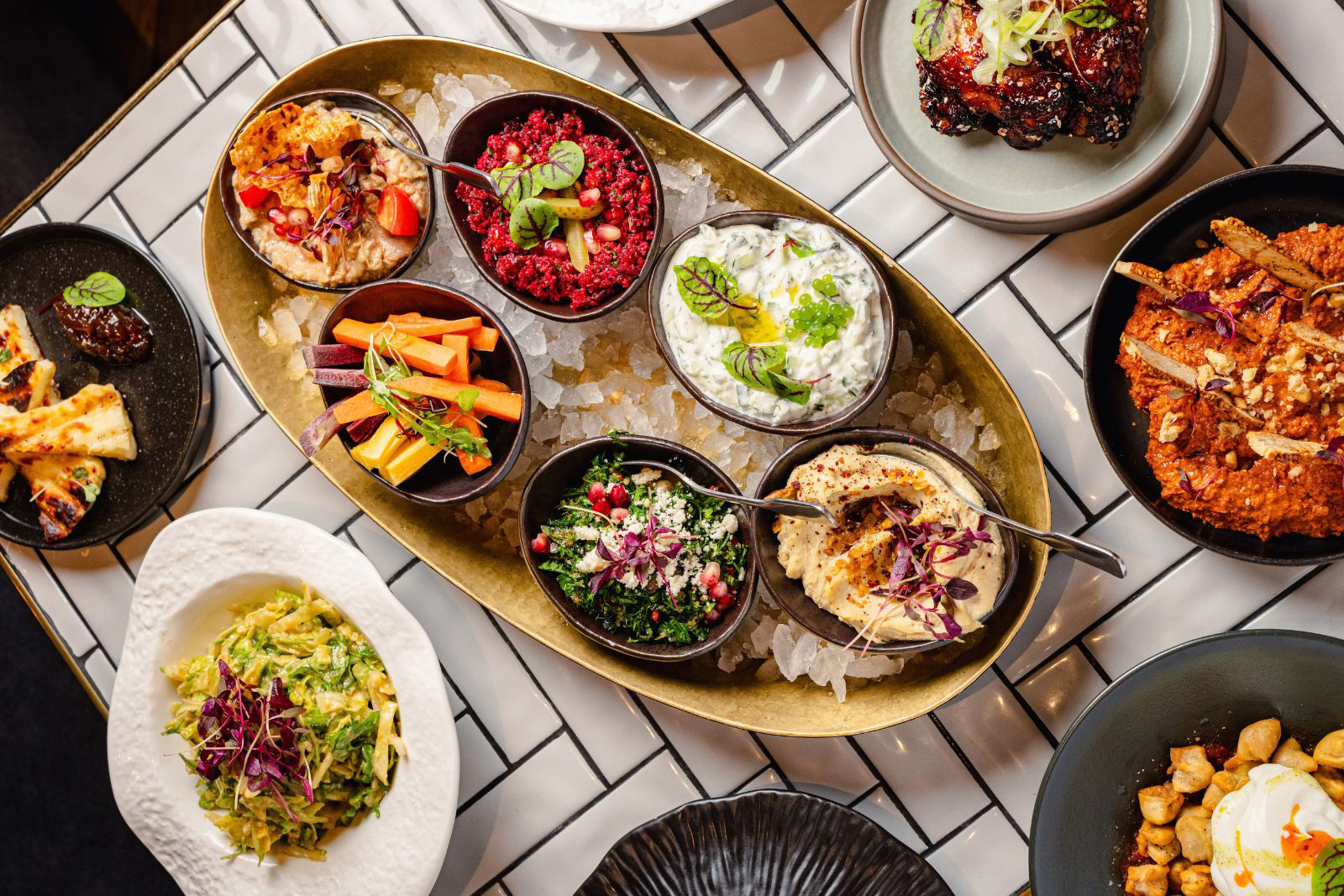
The food keeps coming. We try a hearty Jamaican red pea soup, made with kidney beans, beef, coconut milk and spices including scotch bonnet, pimento and scallion. There are Jamaican sweets, Ethiopian watermelon, warm Nigerian puff puffs dusted with sugar and sweet fried plantain.
Later, we stop by Alhaji Suya, a Nigerian street food takeaway, for a bowl of jollof rice. As we eat, Opara talks us through the dish’s West African history, explaining its connection to the Wolof people and the Jolof kingdom of Senegal and Gambia, before turning to the differences in how it is prepared across the region.
For the Nigerian version, long-grain rice helps absorb the tomato and pepper-based sauce. The final step is crucial, he says — covering the rice and allowing the bottom to burn slightly, creating “a nice smoky flavour”.
At one point, Opara explains halal meat is so common that, in his view, “it’s actually harder, especially in neighbourhoods like this, to have non-halal meat”.
Everything I eat on the tour is halal, and Opara checks guests’ dietary requirements before they arrive, making sure everyone is catered for.
The area also holds a deeper Muslim history. Brixton Mosque, only a five-minute walk away, traces its roots back to 1975, when Black Muslims, including Caribbean converts and people from west Africa, began to congregate in the area. The mosque opened on Gresham Road in 1990 and has served the Muslim community ever since
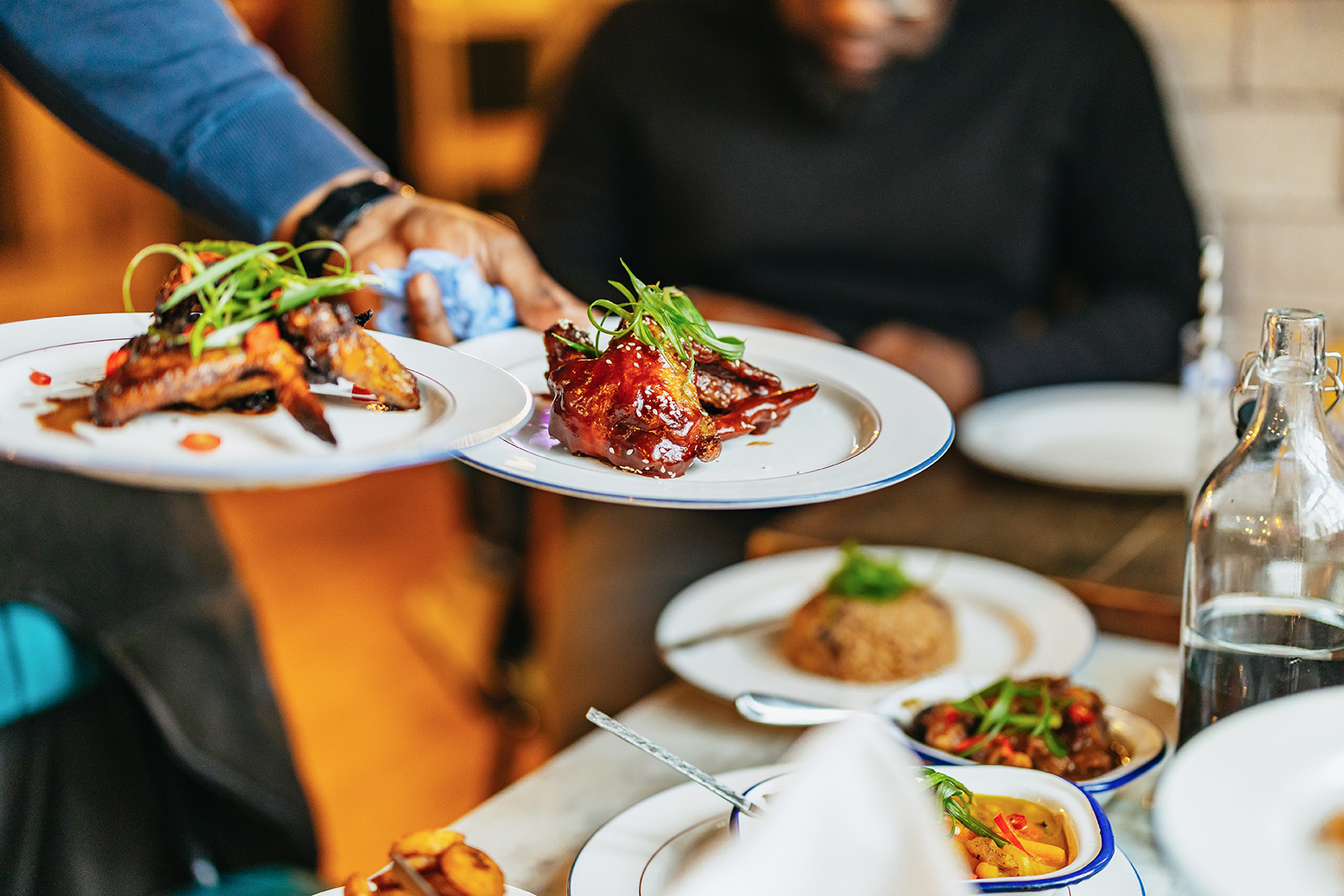
The fact that food was part of how many immigrant communities built and maintained connections becomes most apparent when our group sits down to eat. After two hours of walking and snacking, we end our tour at another branch of Healthy Eaters, this time inside the Brixton Village. It’s time for a traditional Jamaican spread of jerk and fried chicken, rice and peas, mac and cheese, ackee and saltfish, and callaloo, all doused with gravy, alongside a glass of fruit punch.
Related content
For Opara, this moment is the heart of the tour.
“Our ancestors — we’ve been doing it for years, that’s how we kept our culture alive,” he says. “Sitting down and breaking bread and talking to people is how we keep our stories alive.”
It’s a poignant week to be thinking about the ways London’s Black communities preserve their cultures. The origins of Notting Hill Carnival, which celebrates its 60th anniversary this year, are rooted in the response to racism and social exclusion of Caribbean communities of west London.
But the cultures Opara is showing us are under pressure. In the face of rapidly advancing gentrification, businesses can be here today and gone tomorrow. For him, supporting those that remain is part of the purpose of the tour.
“There are not many of us left,” he says. “I’m a local boy who likes to show people the community.”
That may be my biggest takeaway from the tour — the conversations between the group, the shopkeepers Opara knows by name and the stories of streets that are changing faster than some of their residents can keep up with.