
Olly Robbins gave Starmer’s critics more ammo, even if they can’t use it yet

Sacked civil servant revealed that No 10 pressured him to find a job for Matthew Doyle at the same time as pushing for Peter Mandelson’s appointment

It is fast becoming one of the worst political appointments in recent memory. The decision to make Peter Mandelson Britain’s ambassador to the US was lauded at the time as shrewd politics — but the scandal it has caused continues to wreak havoc, claiming scalps around Westminster.
The recent revelation that UK Security Vetting had recommended against giving Lord Mandelson clearance for the role — a decision that was overturned by the Foreign, Commonwealth and Development Office (FCDO) without Keir Starmer’s knowledge — has opened up a new can of worms. Downing Street has been pointing the finger squarely at Olly Robbins, at the time the most senior FCDO civil servant, who the prime minister unceremoniously dismissed last Thursday when he found out the news.
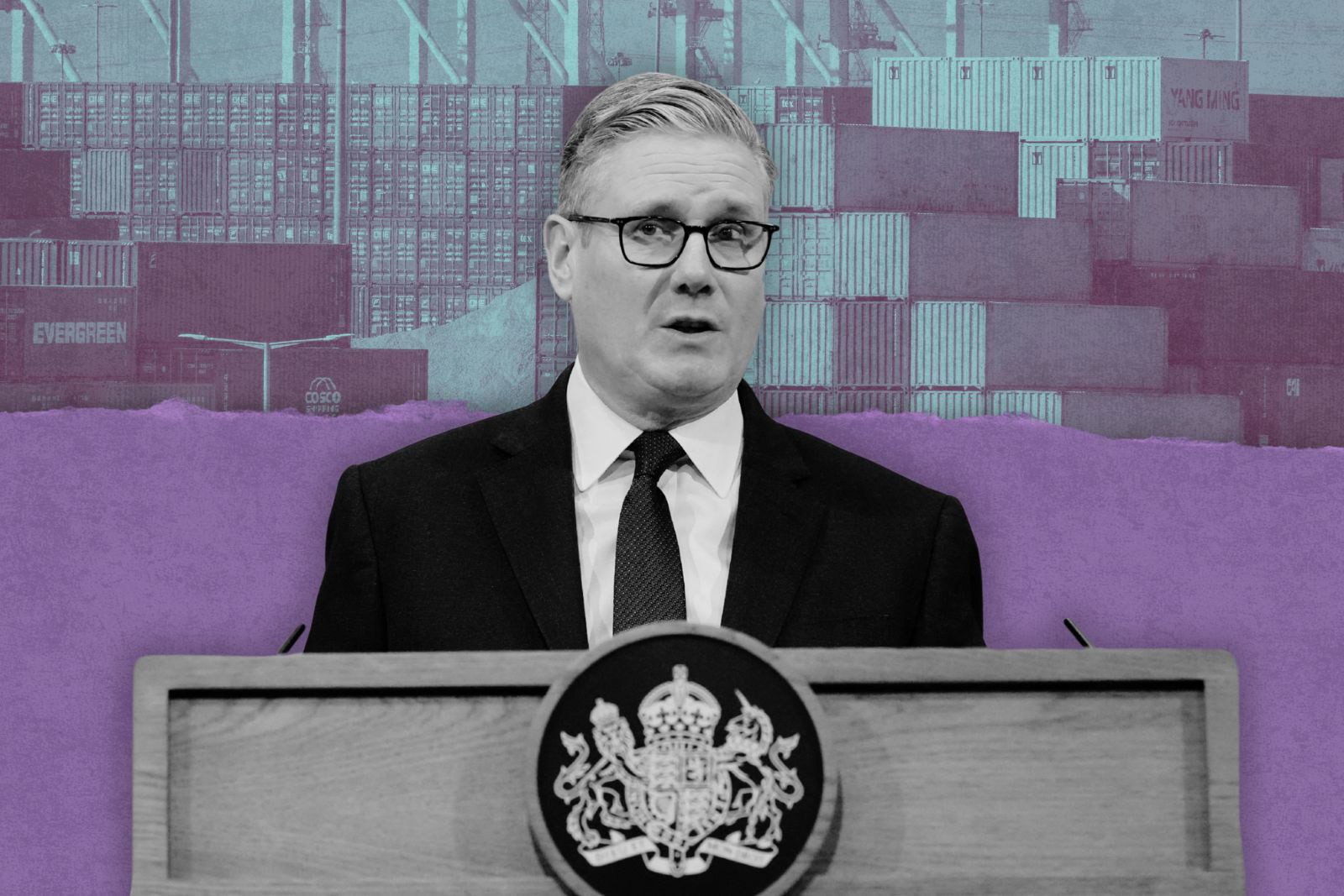
After days of taking the blame, Robbins decided to deliver damaging evidence when quizzed for almost two and a half hours by MPs on the Commons foreign affairs select committee on Tuesday. His account was detailed and methodical, with the headline revelation being about the prime minister’s former director of communications, Matthew Doyle.
Robbins told MPs that he was asked by officials working for the prime minister to “potentially” find an ambassadorial posting for Lord Doyle, who was made a peer following his stint in No 10 — an appointment that itself quickly descended into scandal over his past support for a convicted sex offender. The idea that another diplomatic fix was being worked up for a separate Labour figure with his own skeletons, at the same moment No 10 was pushing to get Mandelson to Washington, could look to some like a pattern of behaviour. The appointment of a political figure rather than a civil servant to a diplomatic role is, or used to be, very unusual, and both scandals point to why.
It was unwise for Downing Street to pick a fight with Robbins given that he was sitting on a grenade of that calibre. No 10 picked it anyway and the costs are stacking up.
Mandelson is gone. Morgan McSweeney, the prime minister’s former chief of staff and the architect of so much of the operation inside No 10, is gone. And now so is Robbins. Three names, three careers, three departures — all in the wake of one appointment Starmer now concedes should never have been made.
I put that to Mandelson myself on Tuesday. Doorstepping him for ITV News, I asked whether, given so many had lost their jobs over this saga, the prime minister was still the right person to be sitting in Downing Street. There was no answer. He walked on in silence.
Downing Street’s defence remains that Robbins made the wrong call at the end of the vetting process and that no undue pressure was applied to him personally. Robbins’ own account is the mirror image: that the political team in No 10 was determined Mandelson would become ambassador “come what may”, that his decision to grant developed clearance was the correct one on the advice and direction in front of him and that he was essentially doing his master’s bidding.
But the specifics of who pressured whom may matter less, now, than what the whole affair reveals about how this government operates. That is the territory that worries Labour MPs the most.
One senior Labour figure told me that Robbins’ evidence “shows the character and culture of this government”. Criticisms of the Number 10 operation have become a regular occurrence by Labour MPs, with several telling me they thought it was “toxic”.
Others described what is unfolding as reminiscent of the dying days of Boris Johnson’s premiership — the same sense of a prime minister whose judgment is being questioned week after week.
“It’s over,” one Labour MP — admittedly, one who is already usually critical of Starmer — told me. “If the locals go the way they are predicted to go, he is in big trouble.”
Here, though, is where the Johnson parallel breaks down and where Starmer could be saved.

In the final weeks of the Johnson administration, ministers resigned at will. They did so because they believed a viable alternative was waiting. Liz Truss and Rishi Sunak had the support of large numbers of MPs and party members. Starmer has no such problem. Of the three names being floated by Labour MPs as a potential replacement, each comes freighted with complications. Angela Rayner is subject to an ongoing HMRC investigation into possible underpayment of stamp duty. Andy Burnham is not an MP and has no clear route to becoming one. Wes Streeting enjoys real admiration in parts of the party but, on the current evidence, does not command the breadth of parliamentary support that would be needed.
The consequence is a strange sort of political limbo. The pressure on Starmer is, by the private admission of his own MPs, enormous. The judgment of his operation is being questioned on a weekly basis. The machinery of parliamentary accountability — committees, prime minister’s questions and document disclosures under the humble address — will keep grinding and with the local elections just now a fortnight away, there is further trouble looming. An electoral demonstration of a lack of public support is likely to spook MPs more than anything else. Sooner or later, obstacles will be cleared for Starmer’s potential challengers — and then he may have to answer for all the dissatisfaction that has been stored up.
Shehab Khan is an award-winning presenter and political correspondent for ITV News.