
The Migration Matters Festival returns to Sheffield with a packed programme
Encompassing art, film, food and conversation, the nine-day event explores identity and belonging and celebrates the diverse culture of the UK’s first City of Sanctuary
The Migration Matters Festival returns to Sheffield in June with a new director and a packed nine-day programme exploring identity and belonging to life through art, film, food and conversation.
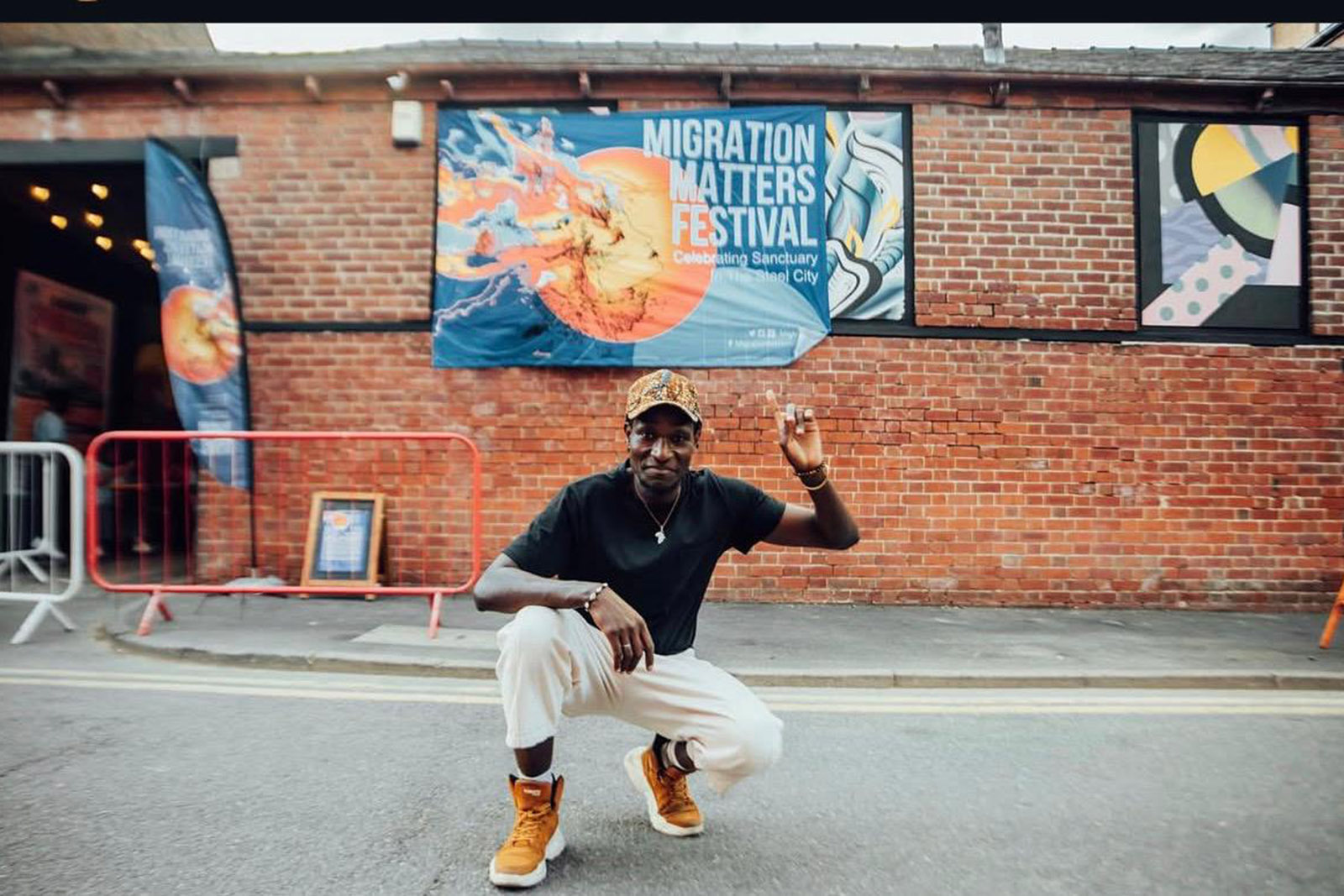
Taking place on 19-27 June, the award-winning event is the UK’s largest Refugee Week festival, bringing together artists, performers and communities from around the world to celebrate the diverse communities and welcoming spirit of Sheffield, the UK’s first City of Sanctuary. The theme for 2026, Forged by Migration, is a nod to the local steel industry and a reflection on the journeys and the people that have helped shape the city’s identity.
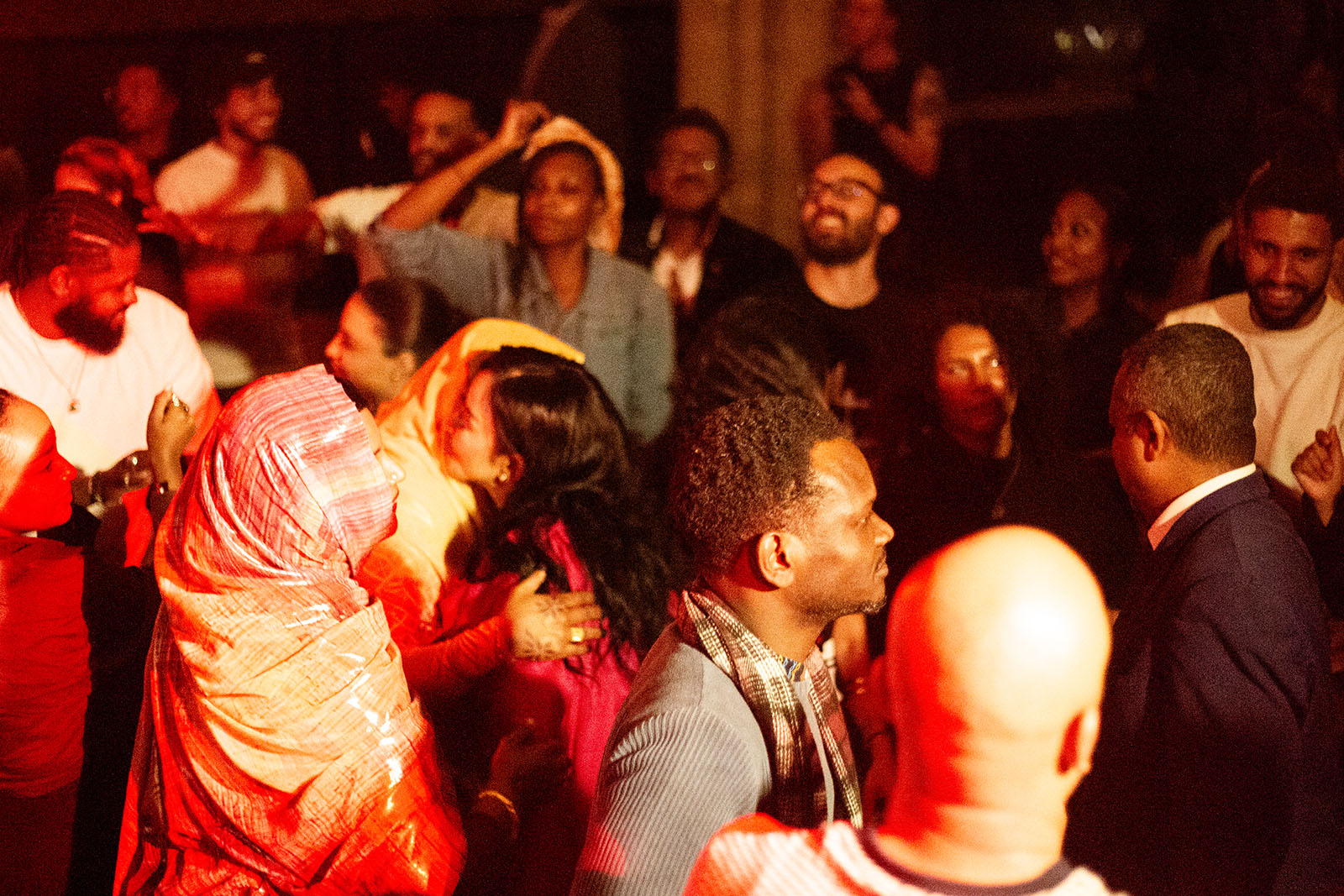
The 2025 edition of Migration Matters attracted around 16,000 people and organisers are hoping for a similar turnout this year. The programme will feature dozens of events across Sheffield, including theatre performances, cinema screenings, exhibitions, workshops, live music, a show by the Mobo Award-winning singer Fuse ODG, and live discussions.
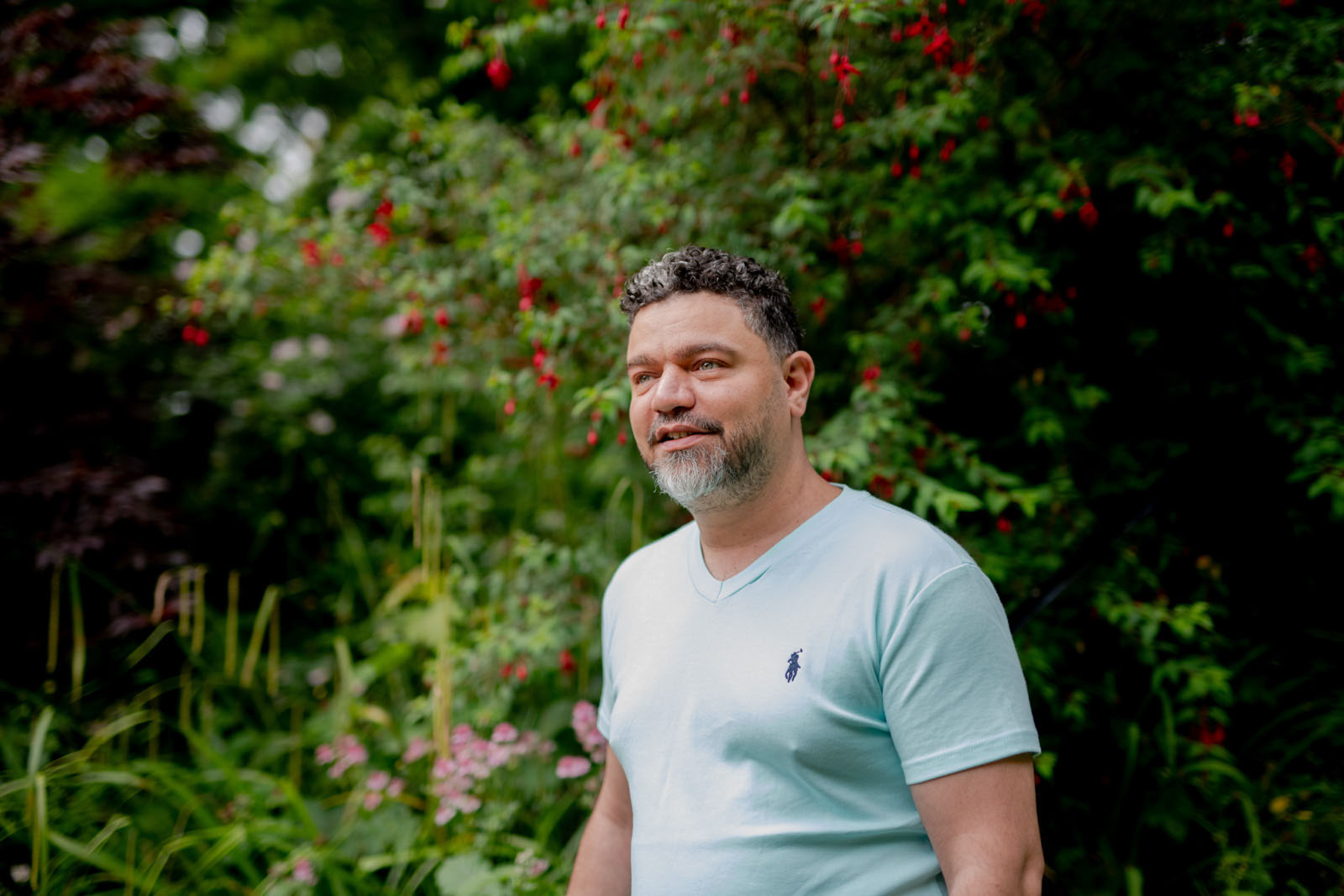
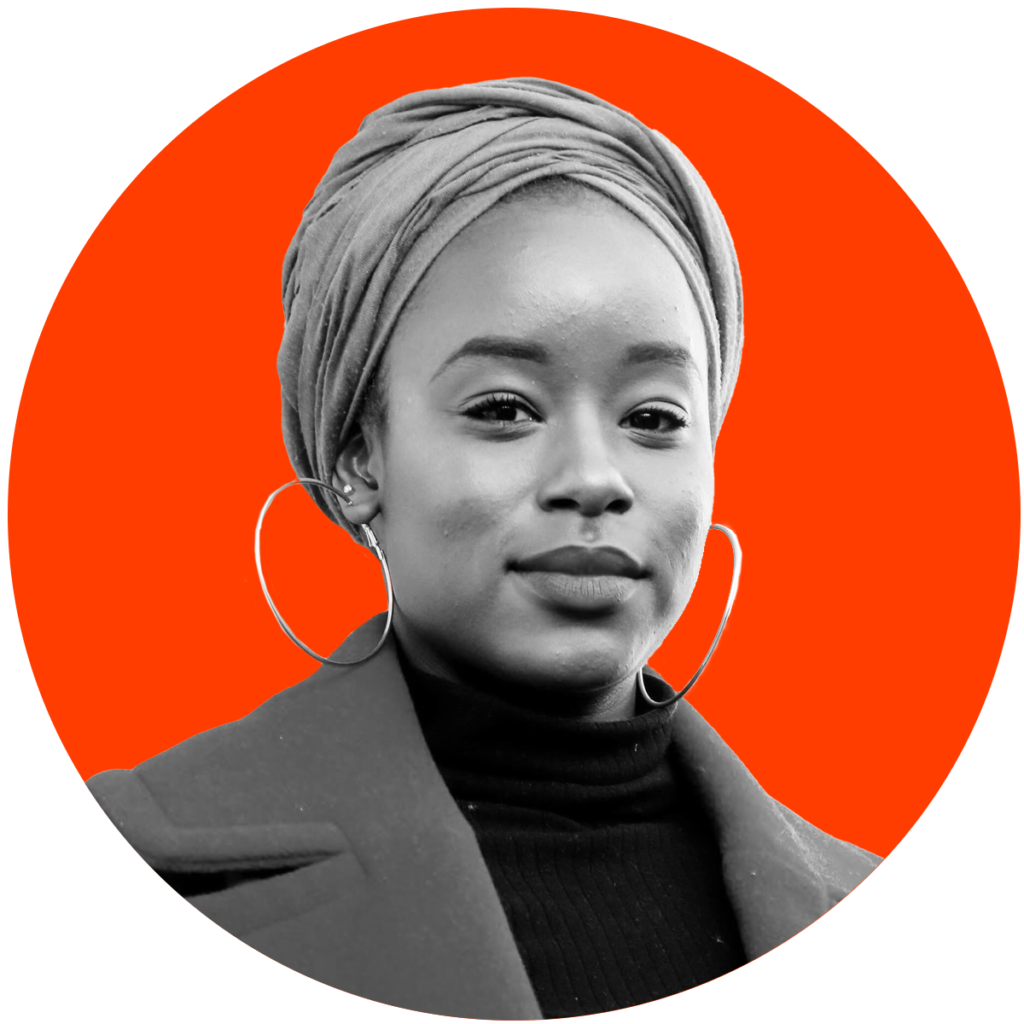
The opening also marks a new chapter for Migration Matters, with Ugandan-born, Sheffield-raised actor, writer and theatre director John Rwothomack taking over from founder Sam Holland as director.
“This festival is for Sheffield, for the people of Sheffield. It belongs to the city,” Rwothomack says. “The team and I, we’re just a vessel through which the festival is realised.”
Having moved to Sheffield at the age of 11, Rwothomack adds that leading the festival is particularly meaningful for him.
“I want people to feel seen,” he says. “Being seen is not just about the programme. It’s how we welcome people, how we treat them and how we make them feel like they belong to what we’re doing.”
The festival’s new theme emerged from Rwothomack’s reflections on Sheffield’s long history of migration.
“It’s been a very long time since the first person arrived in Sheffield as a migrant,” Rwothomack says. “The cultural makeup of the city as we know it now has been forged by those journeys.”
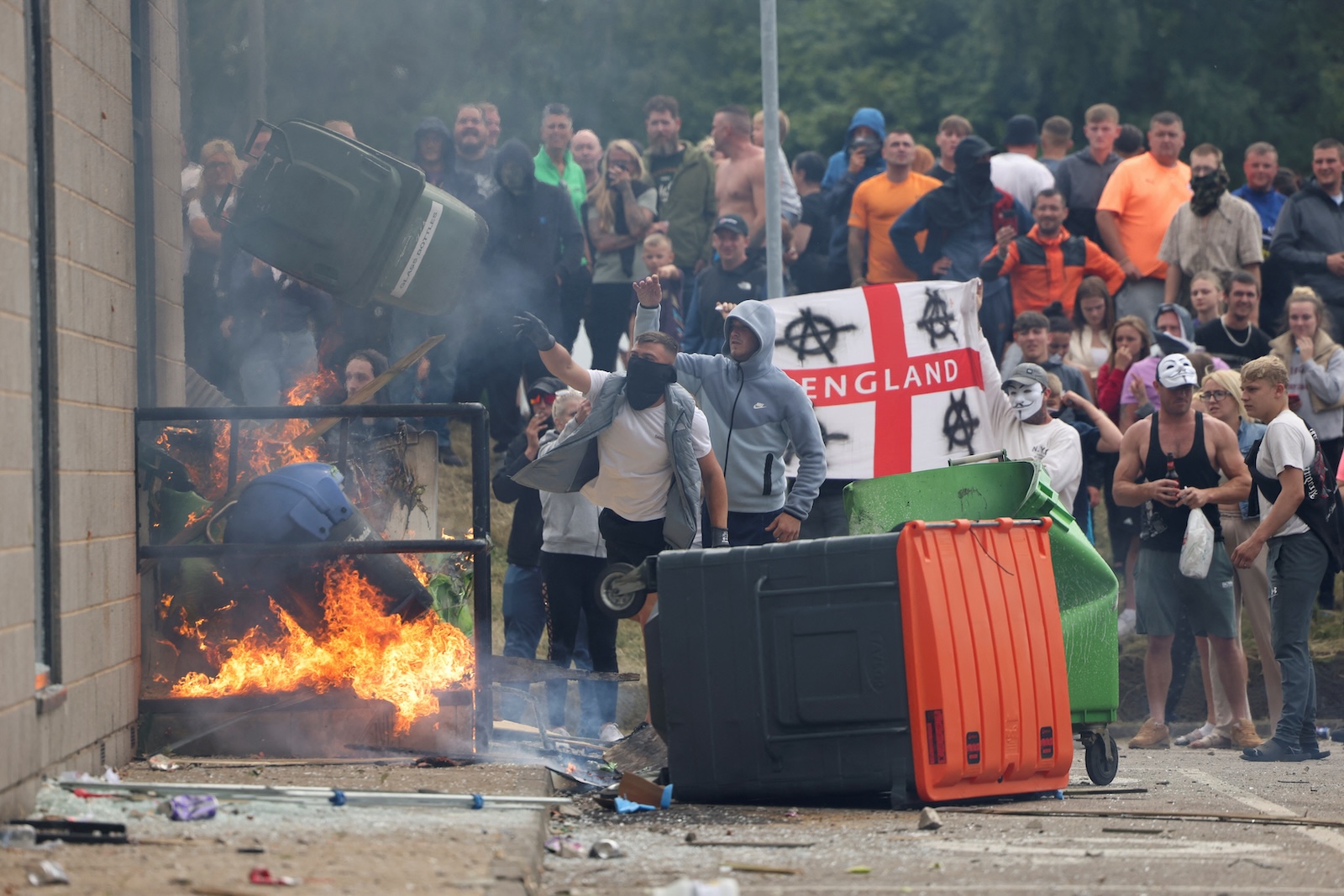
Migration has become an increasingly contentious political issue within national politics, but Rwothomack believes that the festival offers an opportunity to build understanding.
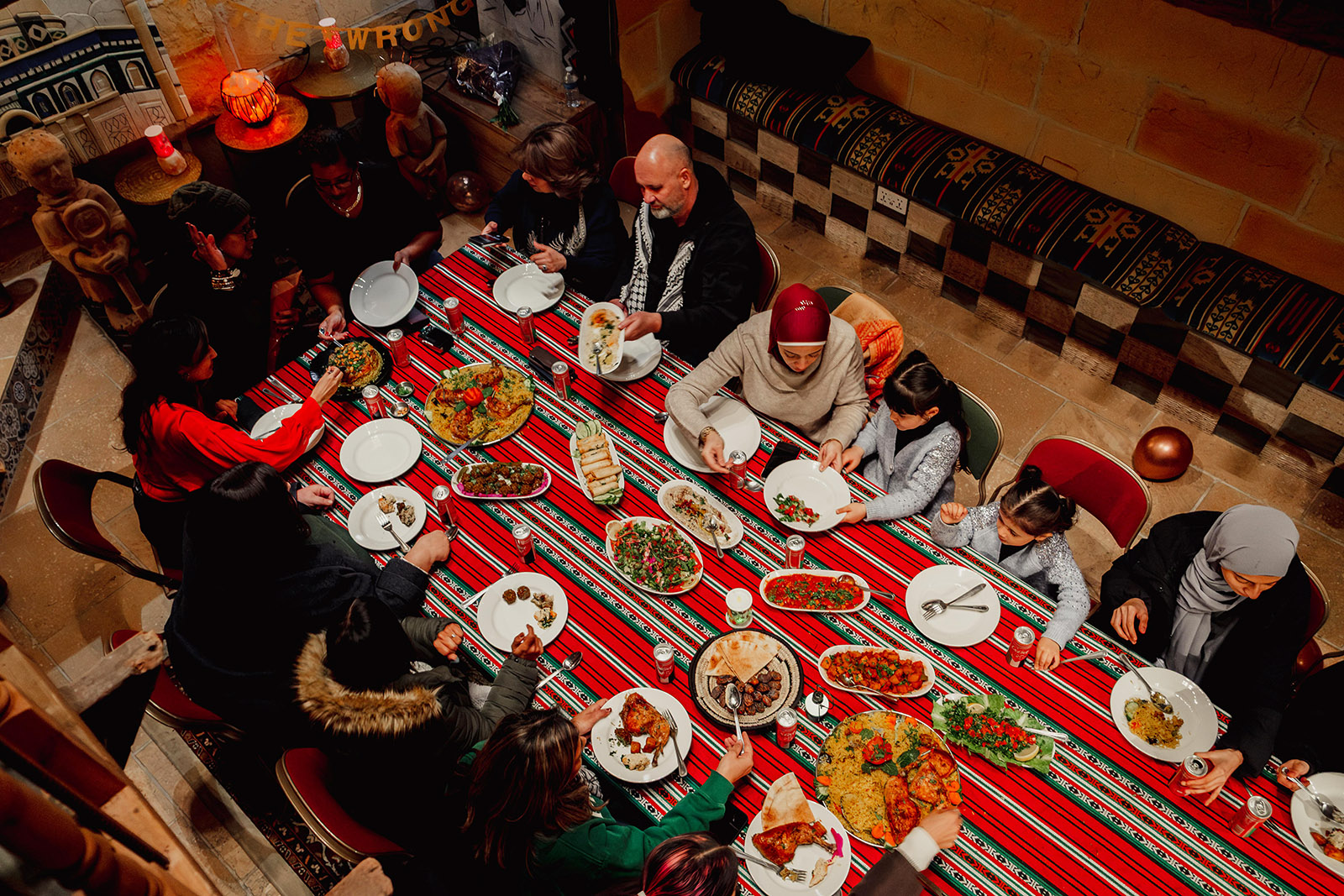
“I truly believe these things happen because we don’t understand each other and don’t spend enough time breaking bread, talking, communicating and having communion,” he says. “If we do, then we actually get to understand what we share a lot more than the things that divide us.”
With that in mind, here are our picks from this year’s programme:
The Horse of Jenin
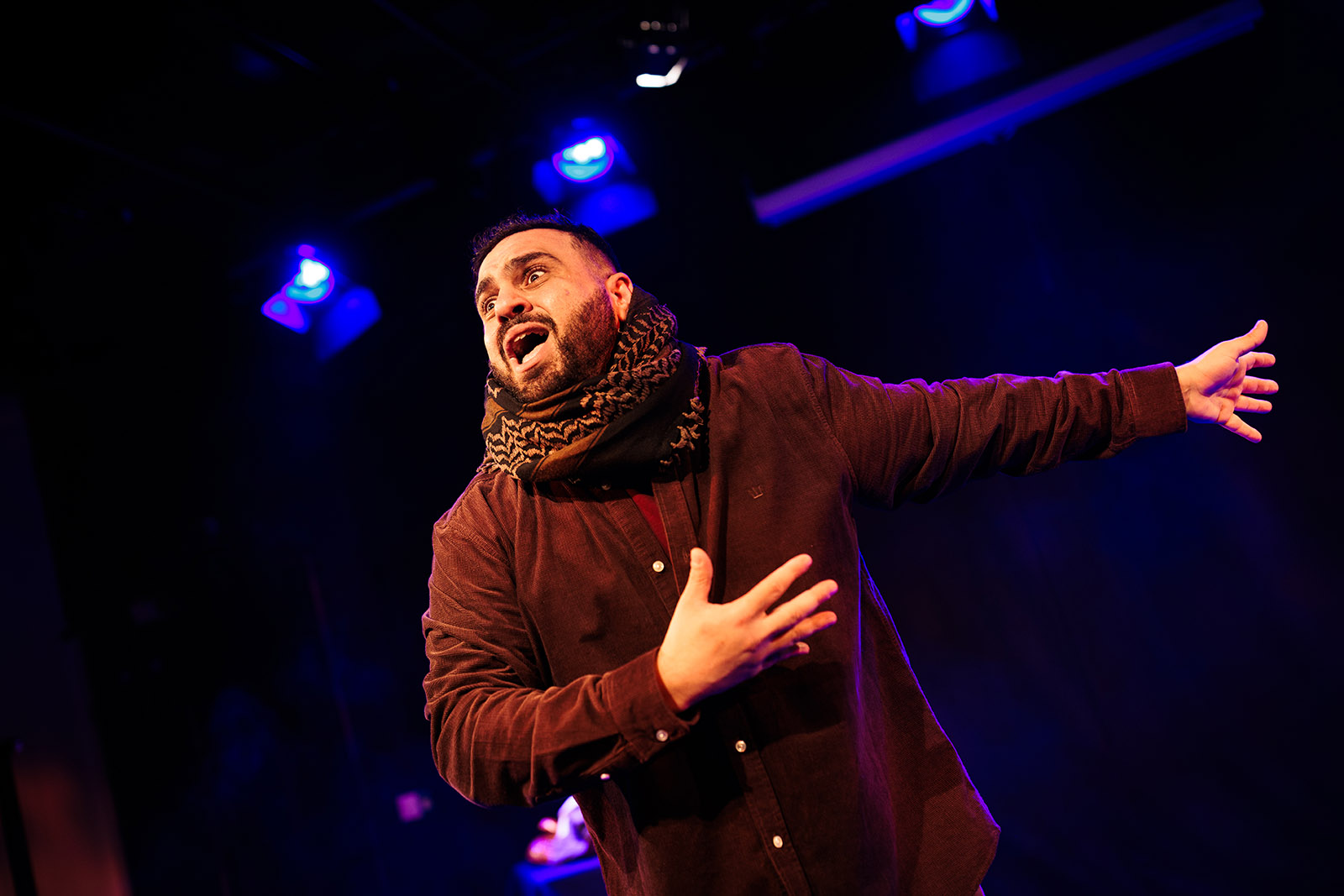
Palestinian actor and comedian Alaa Shehada brings his award-winning one-man play to Sheffield. The show tells the story of a young boy growing up in Jenin in the Occupied Palestinian Territories. It focuses on the famous horse sculpture created from the debris of an Israeli military invasion in 2002. Combining storytelling, standup comedy and physical theatre, the production explores memory, resistance and hope through a Palestinian lens.
Quo Vadis, Aida?
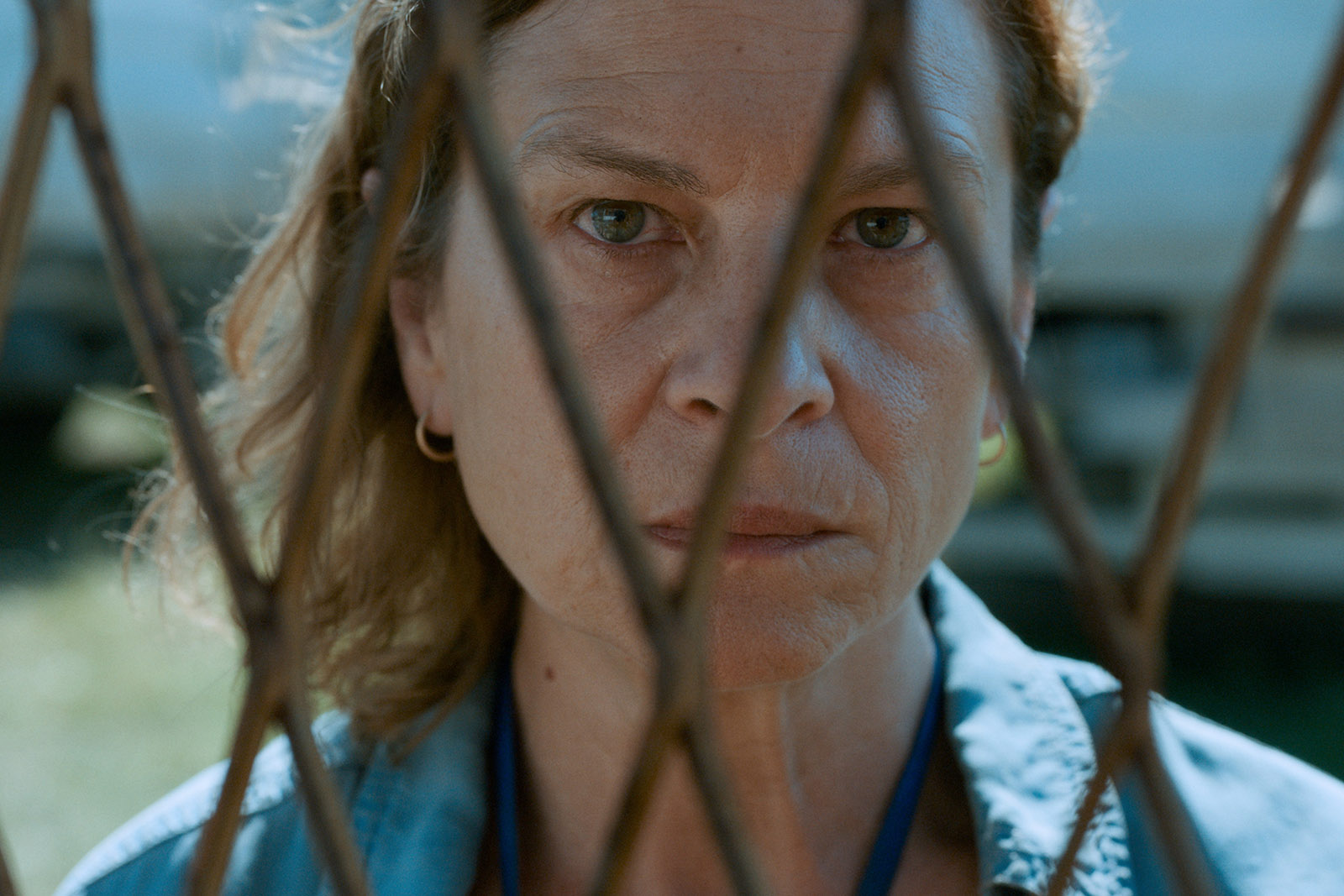
A powerful Oscar-nominated Bosnian drama that follows a UN translator attempting to save her family during the Srebrenica genocide of 1995. Directed and written by award-winning director Jasmila Žbanić, Quo Vadis, Aida? has been widely acclaimed for its devastating portrayal of the genocide against Bosniak Muslims, bringing one of the darkest chapters in modern European history to wider attention.
In Between: Daughter of Two Worlds
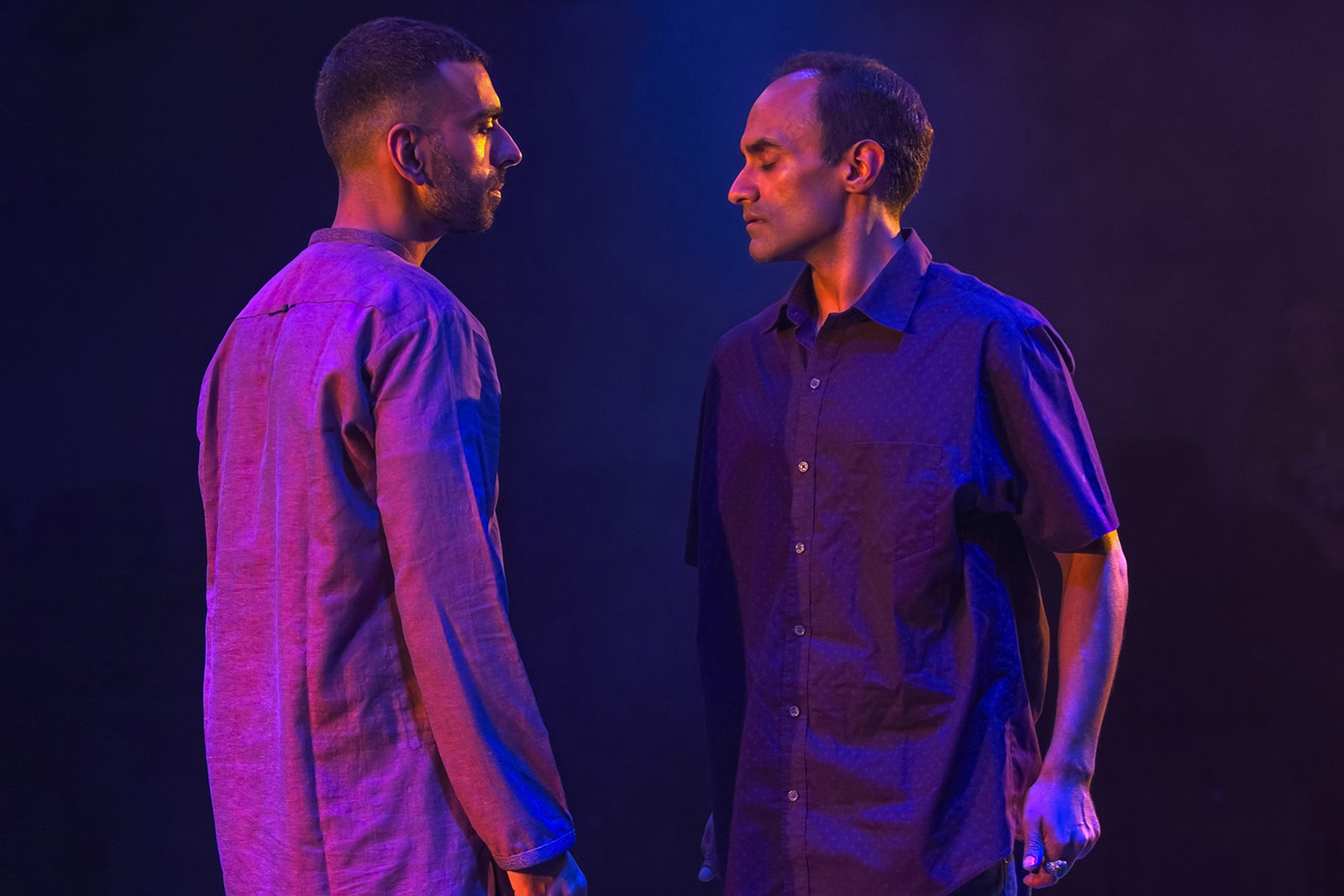
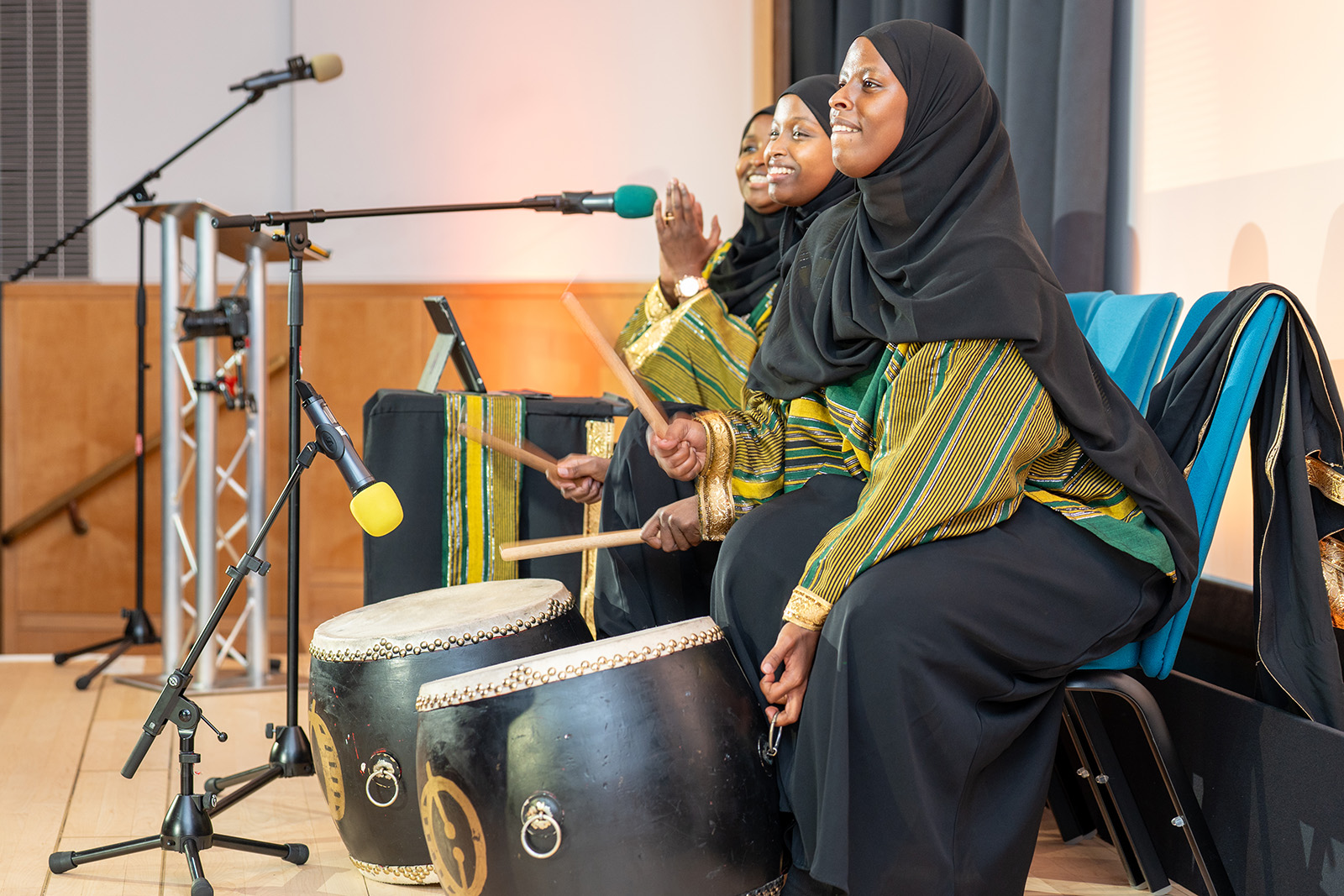
Staged in association with Side eYe Productions, this youth-led theatrical show explores how it feels to navigate life between cultures. Developed from real conversations with women in the Somali community, it draws on stories of life in Somaliland alongside the experiences of young people growing up in Britain today.
Sisters 360
This moving drama follows two 10-year-old Muslim stepsisters growing up in Bradford. When a new job opportunity threatens to separate them, Salima and Fatima team up to keep their family together, bound together by their love of skateboarding. The family-friendly play is part of Mini MigMat — a programme of events aimed at younger audiences.
Flavours of Belonging
Led by chefs from Sheffield social enterprise Ammi’s Kitchen, this hands-on cooking workshop offers participants the chance to learn recipes from a range of cultures, including cuisine from Iraq, Pakistan, Nepal, Iran and Sri Lanka. Alongside cooking, attendees will hear the stories behind the dishes.
Khalida Popal In Conversation
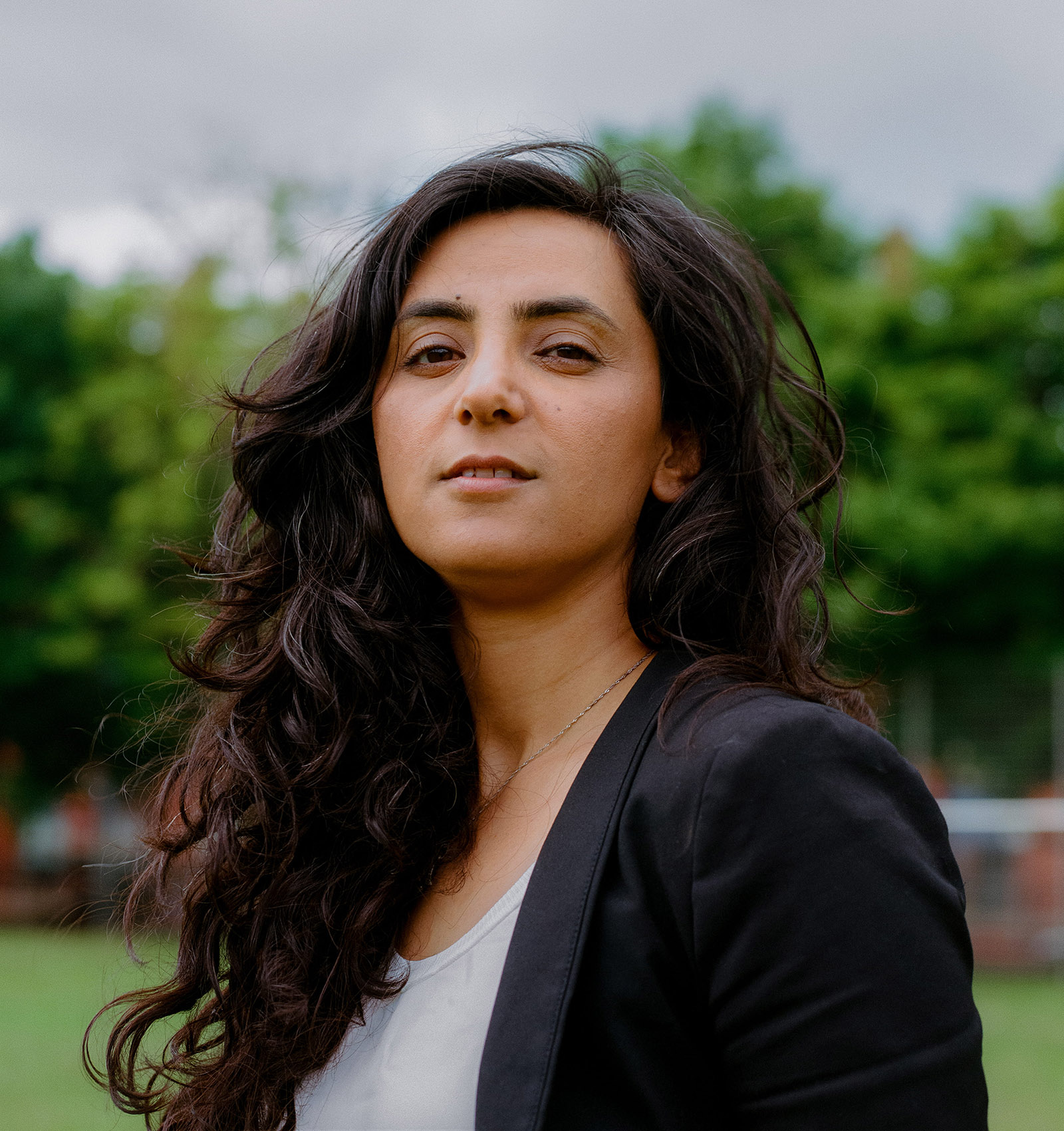
Internationally recognised advocate for women’s rights and refugee athletes Khalida Popal joins the festival for a thought-provoking conversation. As founder of the Girl Power Organisation and former captain and co-founder of Afghanistan’s women’s national football team, Popal knows exactly what she’s talking about.
Migration Matters Festival runs from 19 to 27 June across venues in Sheffield.