
UK South Asian artists are still told there is no audience for their work. Ticket sales show otherwise

Galleries and theatres are enjoying a surge in visitor numbers as British South Asians flock to see art that engages them

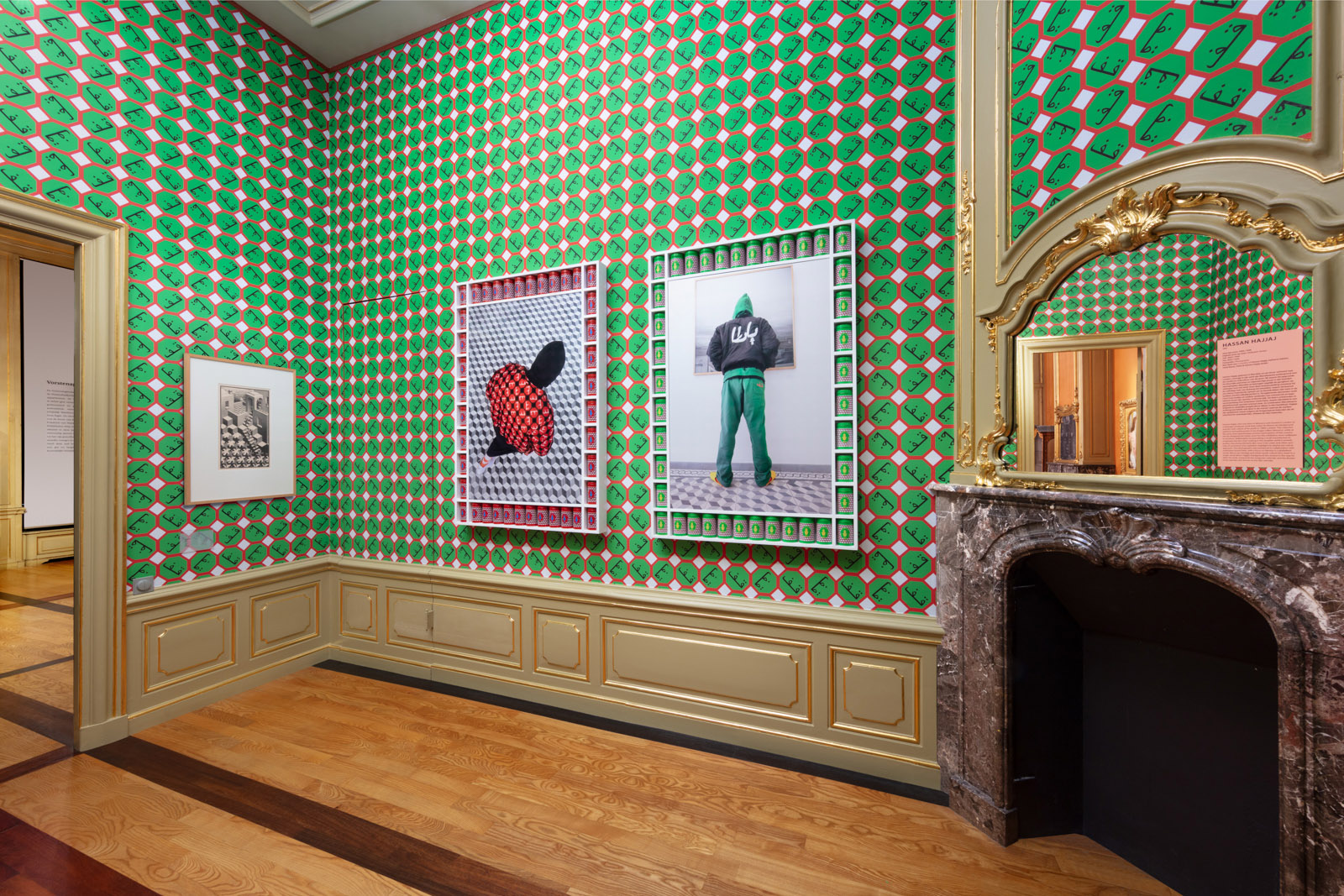
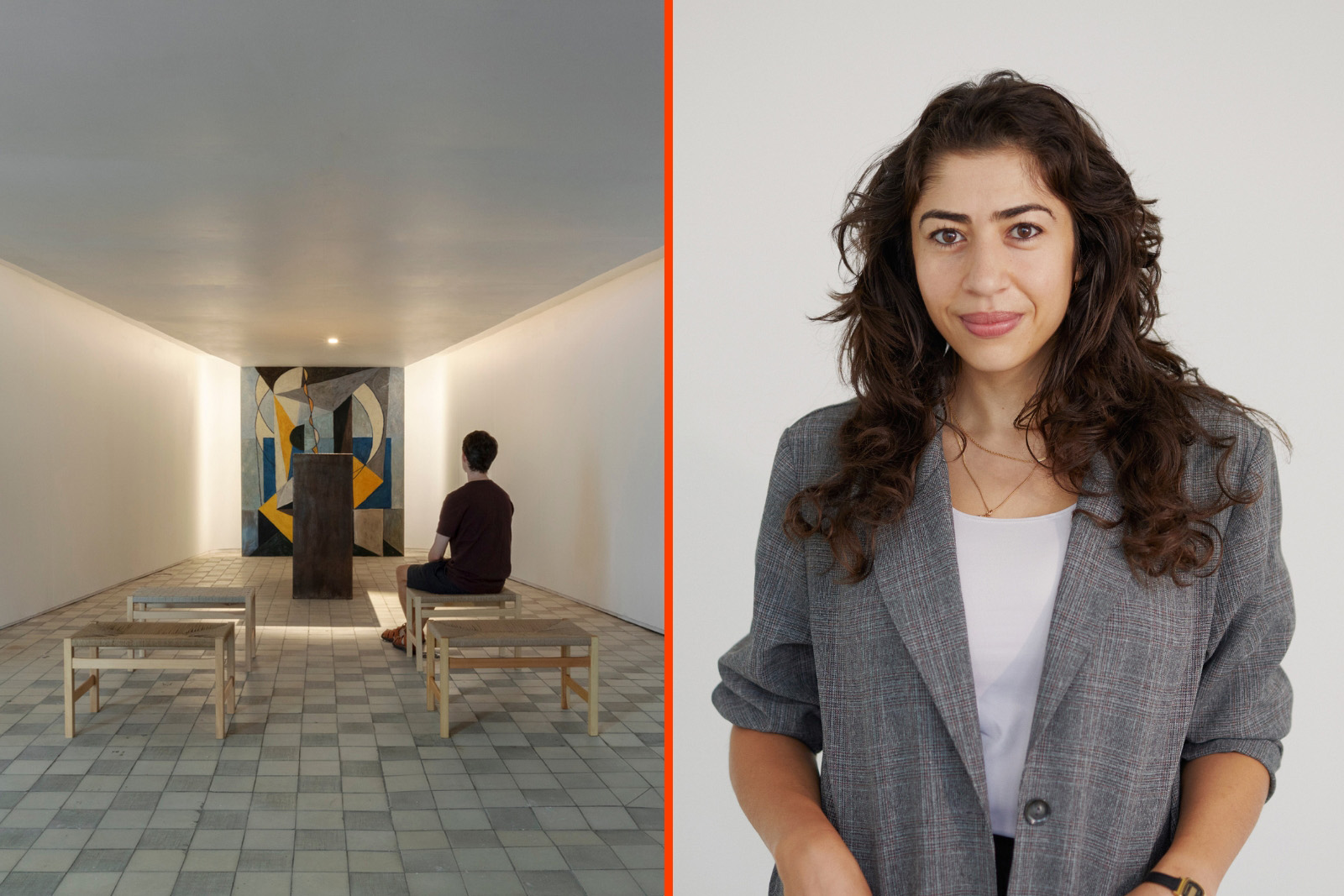
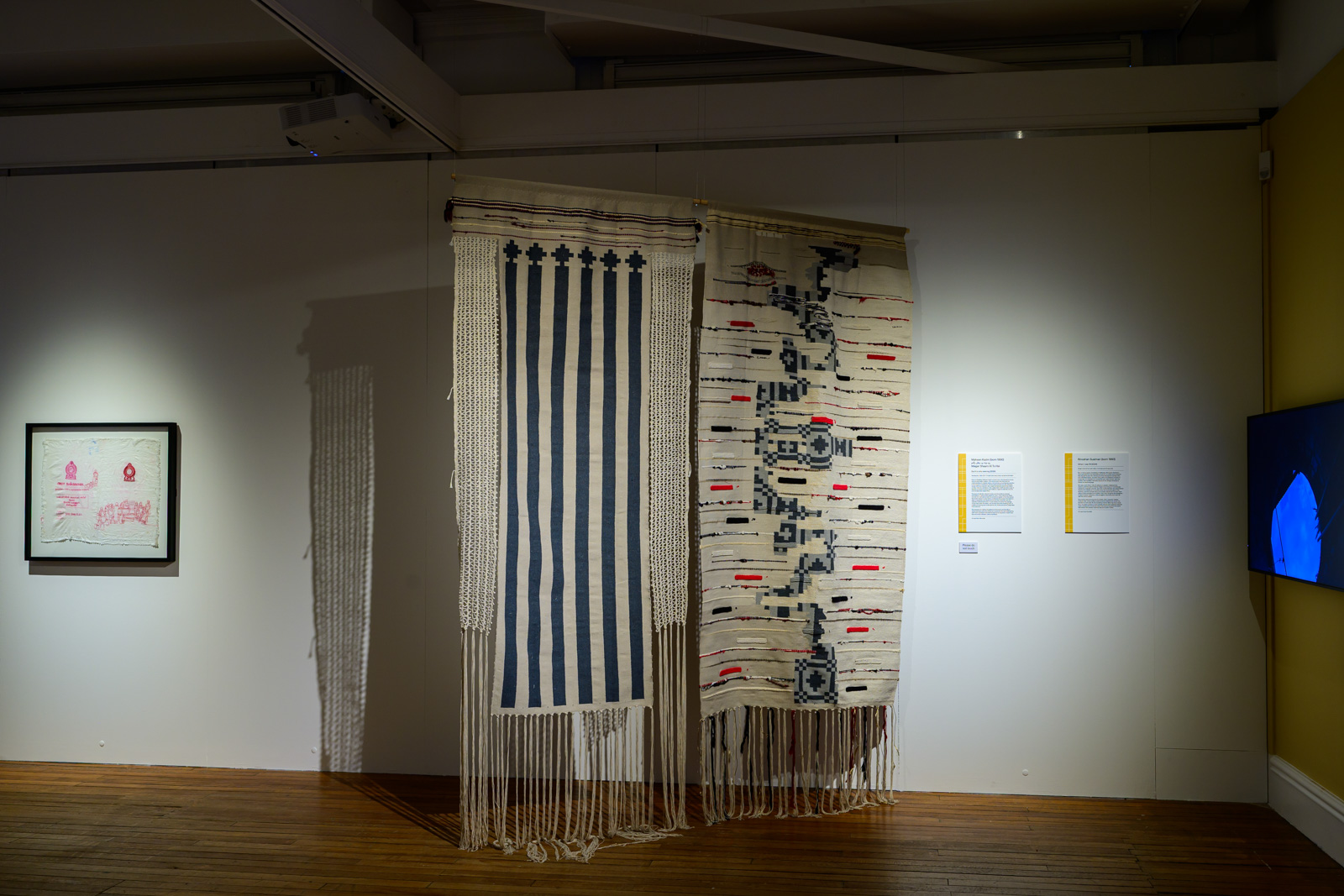
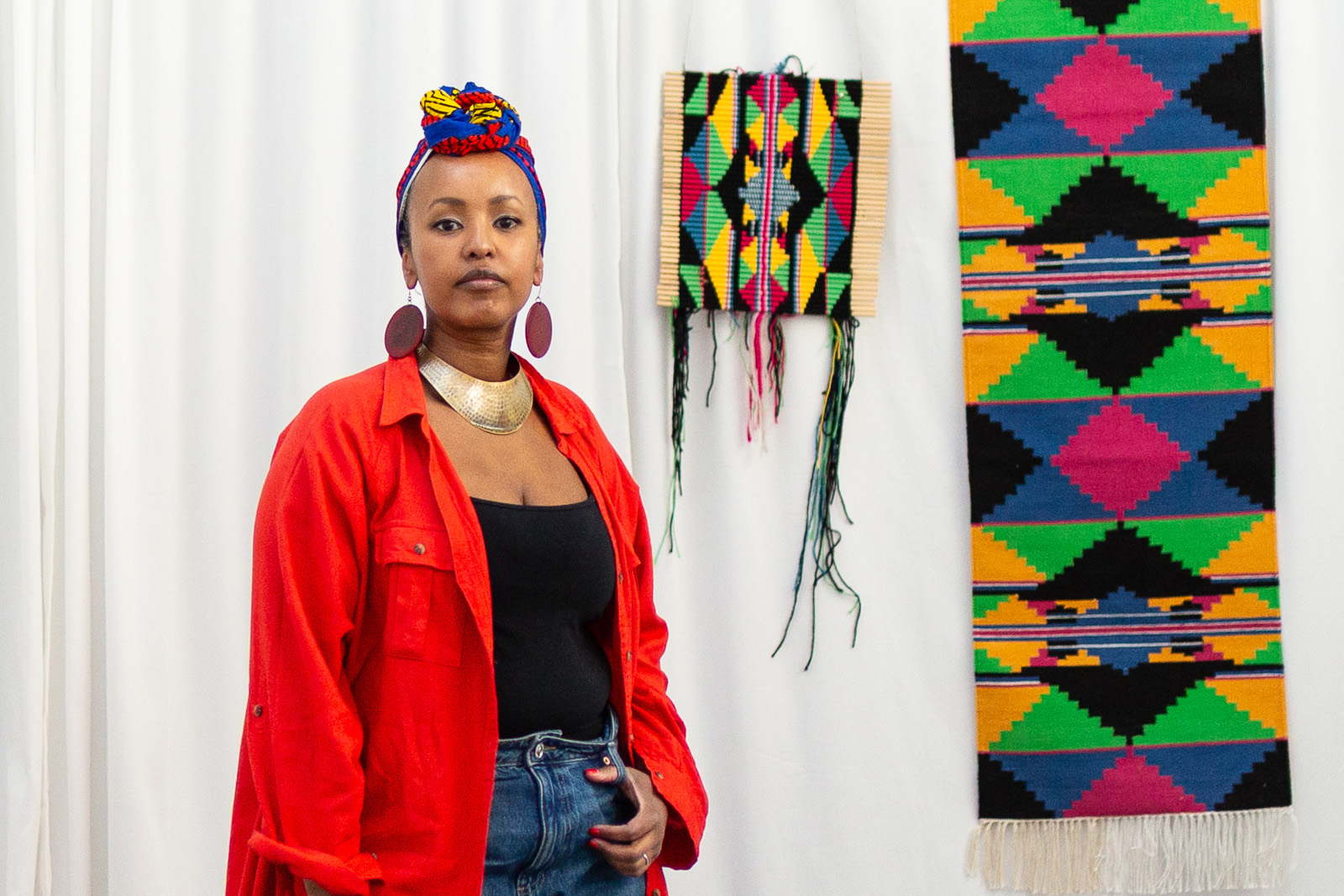
When Manmeet K Walia was tasked with adapting a contemporary art exhibition, (Un)Layering the Future Past of South Asia, for an art gallery in Bradford, her first impulse was to travel to the city and speak with her potential audiences. She went around the city’s shopping centres and market stalls speaking with women as they did their shopping and ran errands.
“I wanted to understand what the city is expecting from art and what it is that they need,” said Walia, who lives in London. “I found that they were very rooted to their region and there was a sense of nostalgia within the conversations.”
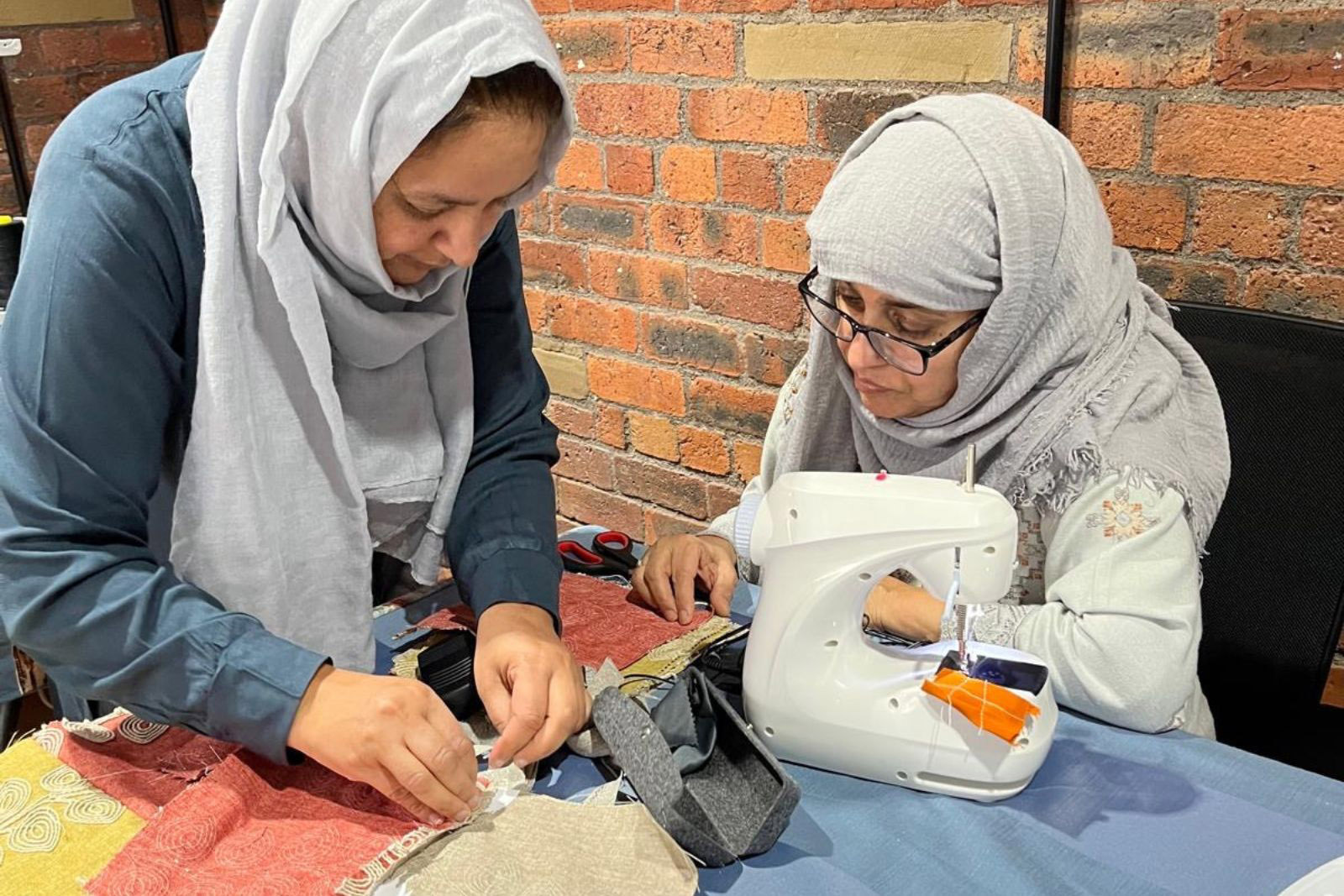
The exhibition, which opened at Bradford’s Cartwright Hall Art Gallery in March, focuses on textiles.
“When mass migration happened in Bradford, it was for the mills. The people from South Asia who first moved to Bradford came to the city to work in the textile mills,” said Walia. “And the more I spoke to people in Bradford, the more they were intrigued by the idea that textiles could be used as a medium for contemporary art.”
The exhibition, which will close on 31 August, has been a huge success. Since it opened in March Cartwright Hall has received more than 24,300 visitors — a 58% increase on the same time period last year.
“It was exciting to see people of different ages and backgrounds coming to see the exhibition. There were many people from the South Asian diaspora who might have otherwise not come to an art gallery, and that is exactly what we wanted to do: engage people.”
The drive to reach diverse audiences has not always been successful. British arts and culture audiences have remained overwhelmingly white and middle-class despite years of attempts to diversify cultural participation in the UK, according to research in the International Journal of Cultural Policy.
A 2024 survey carried out by the University of Newcastle found that disabled people (39%), Black people (41%) and Asian people (36%), as well as those in routine and semi-routine working-class occupations (38%), were the most likely to have not engaged in any cultural activity.
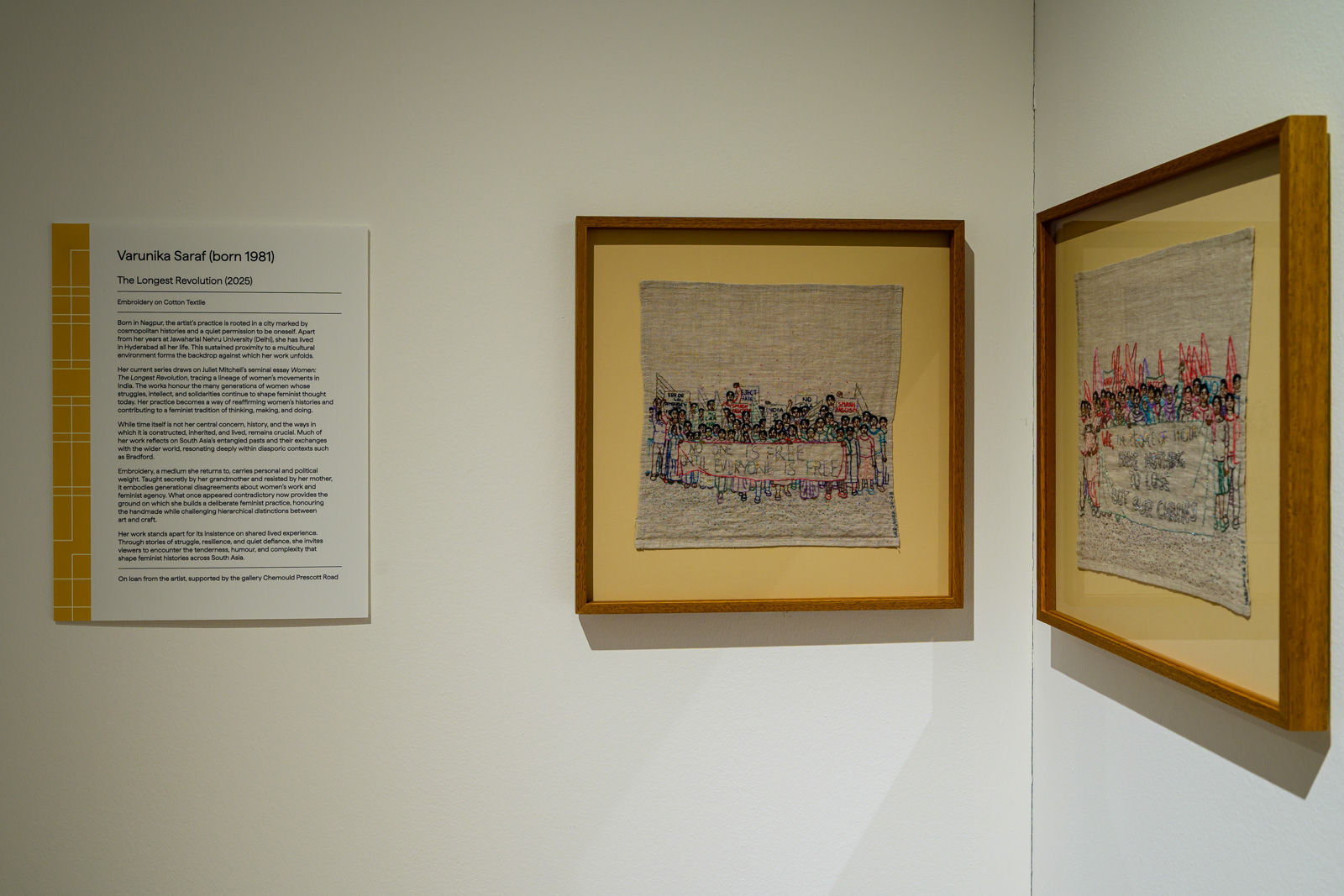
However, Walia says the turnout to the exhibition she co-curated with Salima Hashmi shows that members of the South Asian diaspora are eager to engage with art which includes them.
“They do come when there’s a conversation that they appreciate or that they can connect to,” she said.
But the assumption that Muslim and South Asians do not, and will not, engage with art also contributes to reluctance of venues to develop programming which might appeal to them.
“We consistently encountered venues across the country that saw a play about young Muslim men as too much of a risk,” said Adèle Reeves de Melo and Pavlos Christodoulou, co-chief executives of London’s Boundless Theatre — currently producing a national tour of the Olivier-nominated play Blue Mist — in a written statement. “They told us they didn’t have the audiences for it, even in cities with large South Asian and Muslim communities. Decisions were often driven by assumptions about who would buy a ticket, rather than by the quality of the work.”
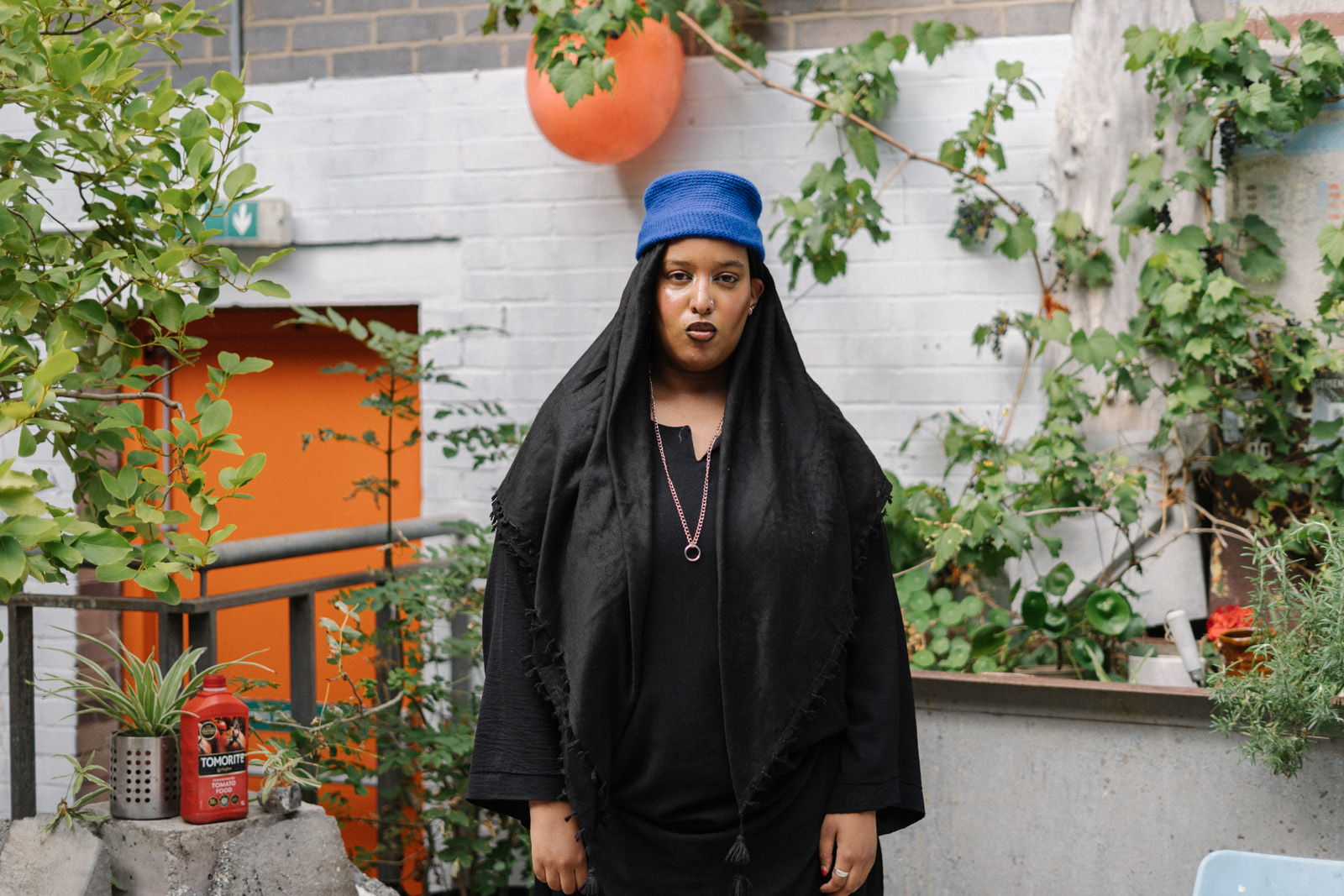
The situation is “a feedback loop”, said Blue Mist playwright, Mohamed-Zain Dada. Theatres, often driven by financial constraints, see art which centres South Asian narratives as “risky”.
“Those audiences exist and by ignoring them, theatre buildings are perpetuating this reinforced narrative of ‘these audiences don’t exist or engage’.” Dada said.
Blue Mist, however, has so far sold very well, said actor Azan Ahmed, who plays the entrepreneurially minded Rashid in the play.
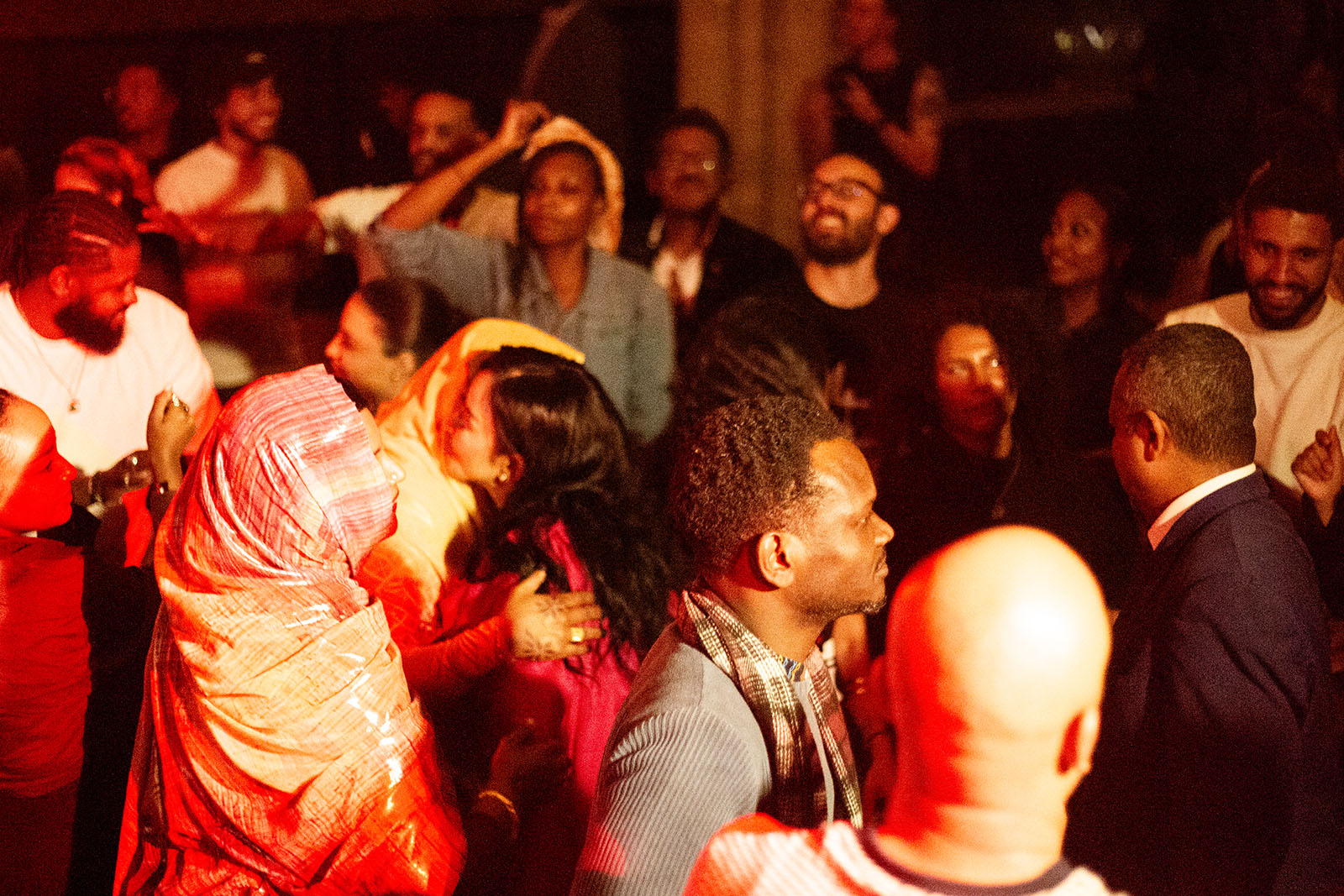
“After the first two shows in Leeds the rest of the week was pretty much sold out,” he said. “People were coming from Oldham in Greater Manchester. They would hear about the play in the morning and be there in the evening, travelling hours to, hopefully, see themselves reflected on stage.”
He mentioned speaking with three young men who own a shisha lounge and had travelled from Bradford to see the play.
“It was the second time they had ever been to a theatre. They adored our play. They couldn’t stop raving about how joyous and how much of a relief it was to see themselves reflected on stage.”
The success in Leeds, Ahmed said, is mostly thanks to word of mouth as well as the determination of Dada and the marketing team to meet the audience where they are.
“Zain was doing amazing work leafleting and flyering on the streets. Our marketing team also worked really hard to push it into local spots, not just places where regular theatre goes,” he said. “Our community can mobilise incredibly fast. When it comes to communal resistance or spaces of joy, as South Asians, what we do best is commute, gather and host.”
Despite the challenges of finding venues interested in commissioning South Asian artists, Ahmed remains cautiously optimistic.
“Things are definitely on the up compared with the past,” he said. “I stand on the shoulders of giants: the Art Maliks, the Riz Ahmeds of the world. The people who’ve been fighting to be in rooms that I can now breeze into.”
What Ahmed calls the “post-Hamilton era” of theatre saw an increased interest in portraying diverse stories on stage. However, he worries how the cuts in arts funding — the lifeblood of emerging artists — will affect actors looking to enter the industry.
“Recession is a huge factor,” he said. “Working-class Muslim people not having access to the arts because everything’s cut funding-wise.The number of spaces to share works in progress, to find champions and collaborators, is decreasing by the second.”
“There has been an increase in interest in South Asian art,” said Walia. “Institutions are thinking about how they can better engage diverse audiences but the interest goes through waves and phases, and we don’t want to have a moment. We want an ongoing conversation.”