
Kamal Kaan challenges expectations in his garden and on our screens
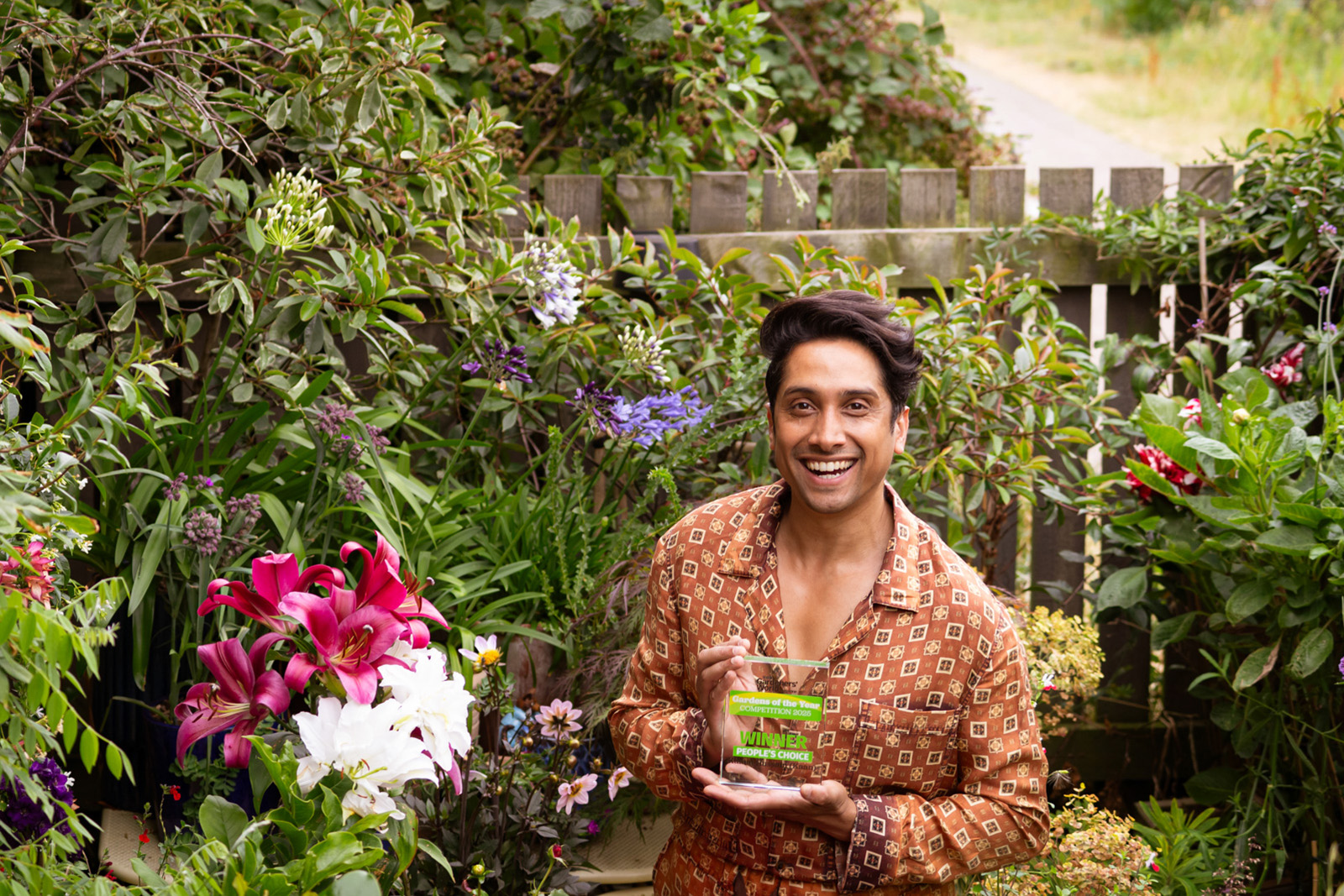
His little garden in Yorkshire has won prizes, but the screenwriter and horticulturalist is better known for his prolific work across TV, film and radio
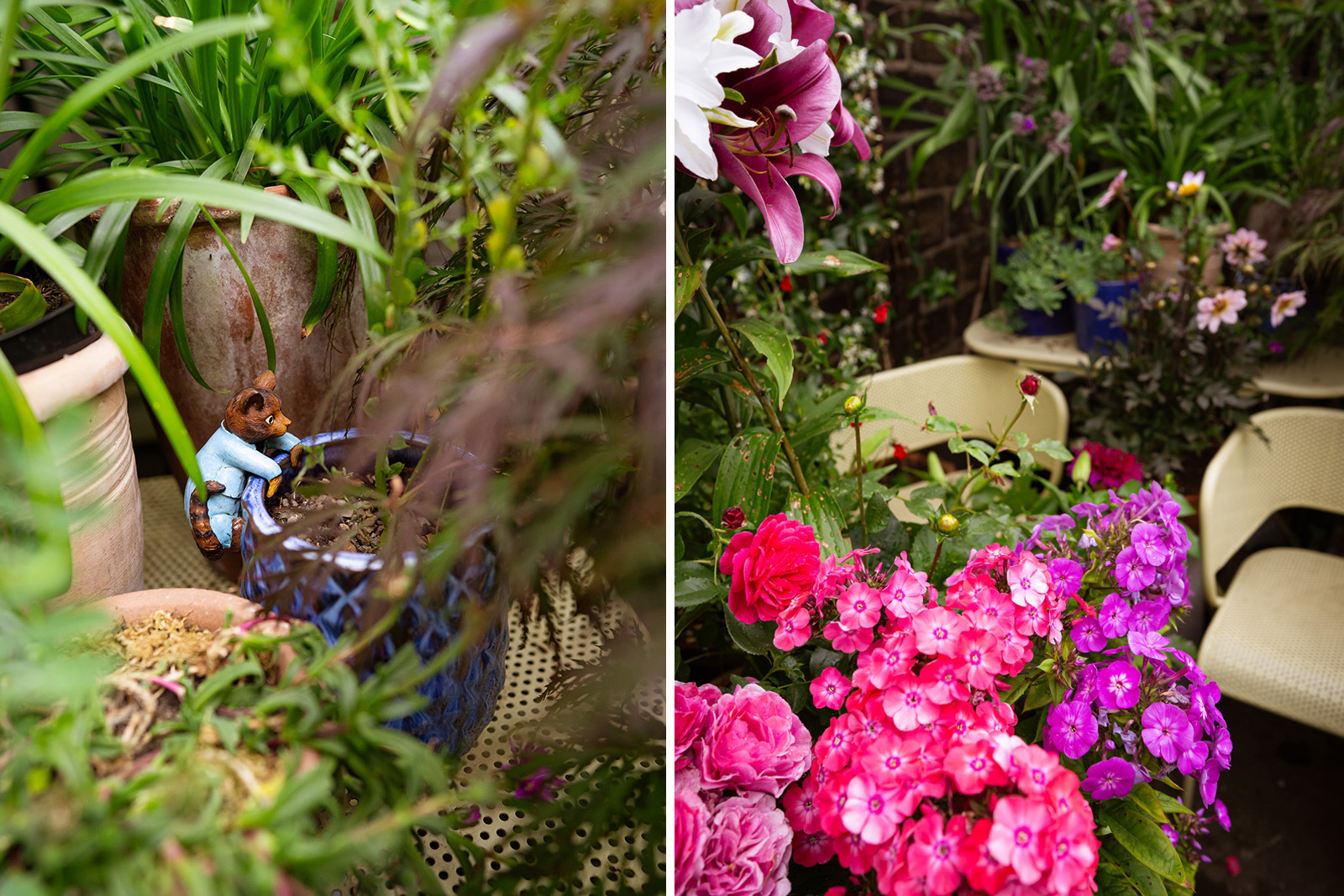
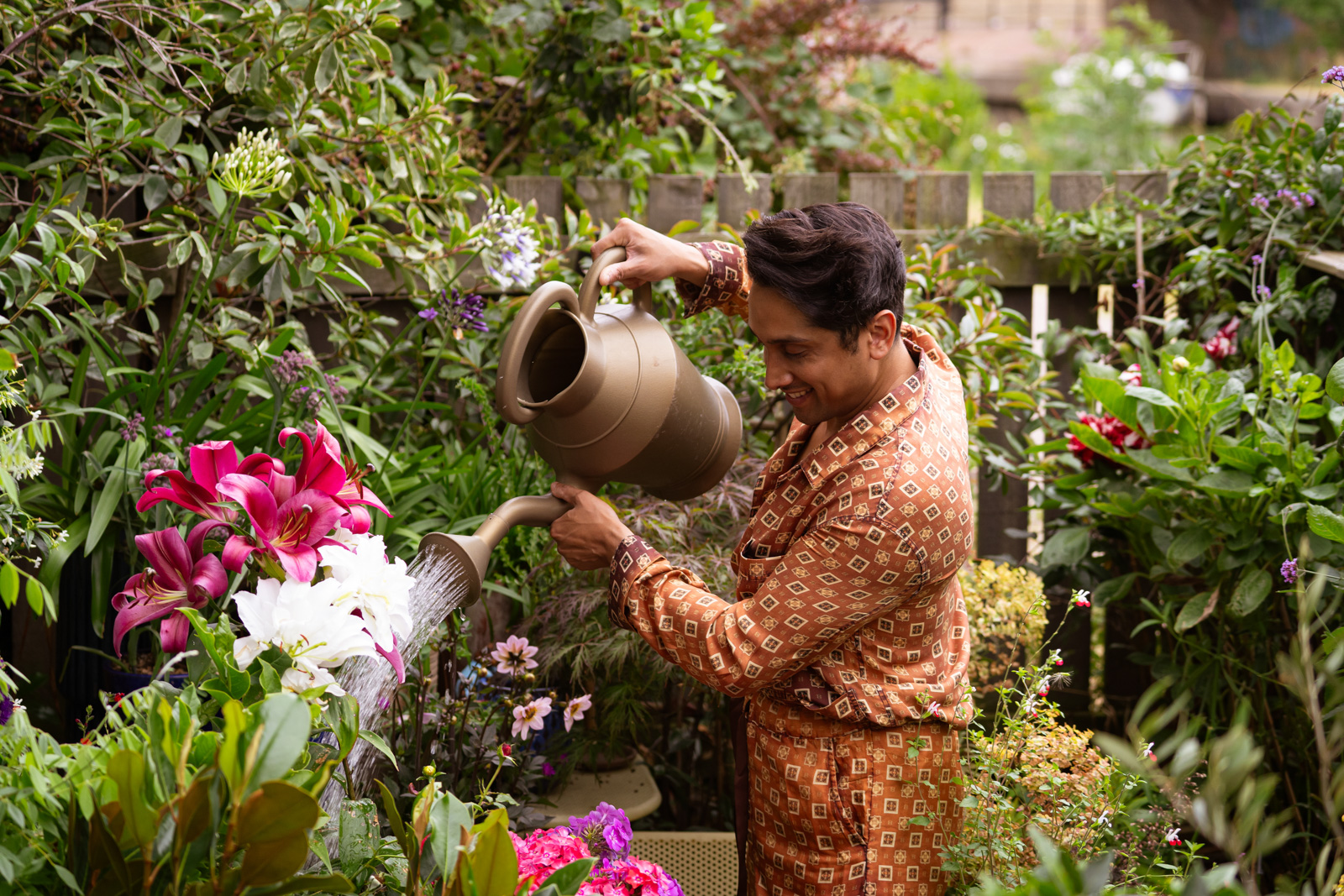
A group of passersby pause along the Leeds-Liverpool canal in the Yorkshire village of Saltaire. They have stopped to admire a garden filled with rich dahlias, magenta hydrangeas, white lilies and towering purple verbenas.
Kamal Kaan peers out of his living room window and notices the onlookers. “It’s like this every day,” he says. “But I don’t mind it. I like to think of a private garden as being open to the public.”
In February it was announced that Kaan, 39, had won the Gardeners’ World people’s choice award 2025, the smallest garden to ever win the competition, and the only global majority winner in the past decade. “It was just incredible that people had seen this little plot in Saltaire and wanted to get behind it,” he says.
Related content
“I had been taking a horticulture course and using my front garden as a testing ground,” Kaan adds. “I thought, people are going to see this tiny garden with a South Asian Muslim posing in a pink shirt and no one’s ever going to vote.”
But the public fell for the garden, inspired by the late David Hockney’s 2015 painting Garden. Born in Bradford, Kaan grew up just two streets from Hockney’s childhood home. “Hockney’s house faces Abu Bakr Mosque, the biggest mosque in the area,” he says. “For years I loved that relationship between high culture and faith — the image of David Hockney’s house and Abu Bakr Mosque sitting in conversation with each other.”
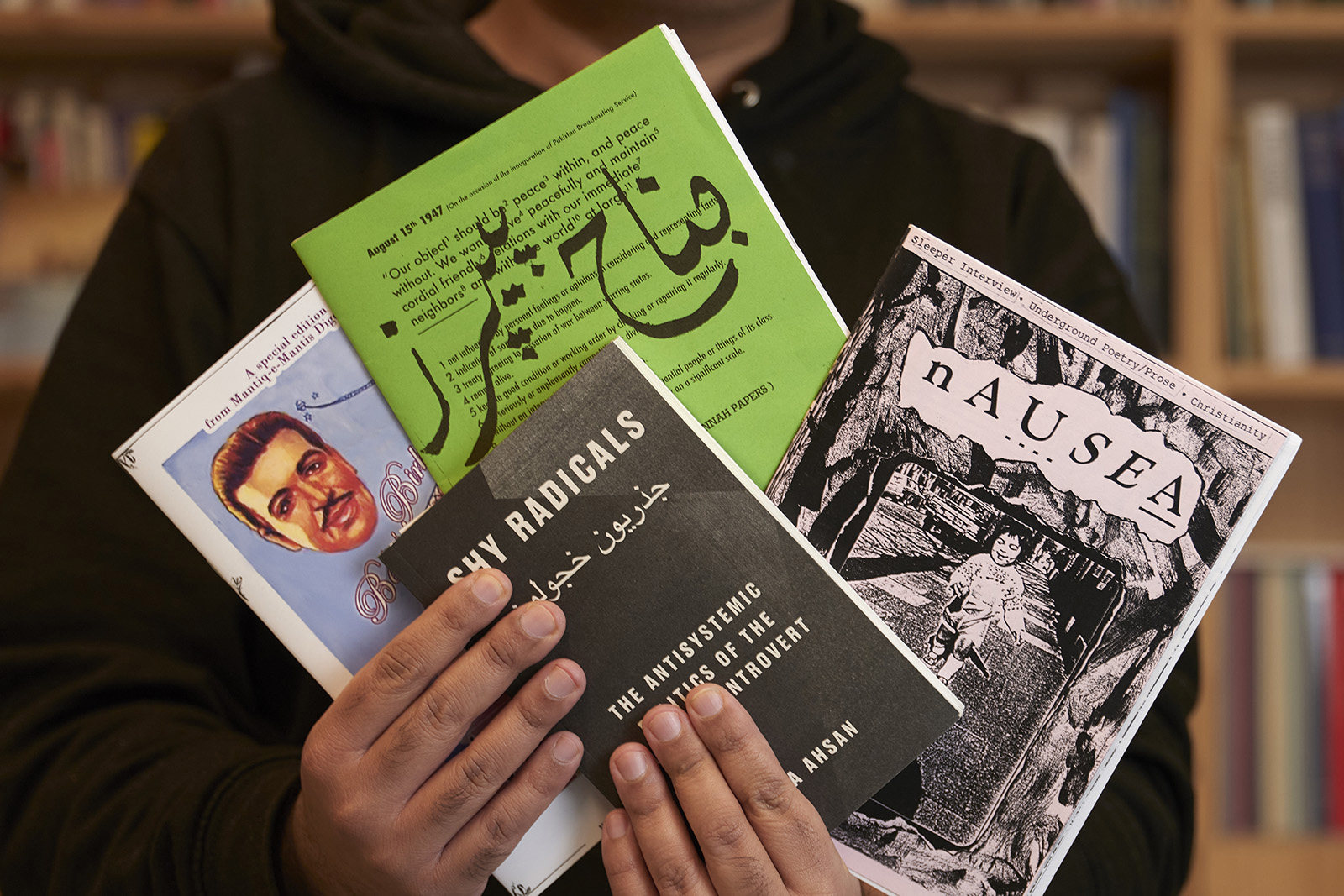
Kaan’s heritage seeps into his garden design — the white jasmine flowers, for example, are a reference to the Bangladeshi tradition of garlands worn in women’s hair. But mostly it’s expressed through his day job as a screenwriter and playwright.
Kaan is more known for his work across film, TV and radio than for his green fingers. He was the development and story consultant for the Bifa-winning feature film Ali & Ava (2021), starring Adeel Akhtar, and Channel 4’s coming-of-age TV series Dreamers (2025).
More recently, Kaan wrote the 2026 BBC Radio 4 drama Trimerous, about renowned British horticulturists Gertrude Jekyll, Ellen Willmott and Beatrix Potter. His short film, Me & the Witch (2025) has just been optioned by Warner Brothers for a television pilot.
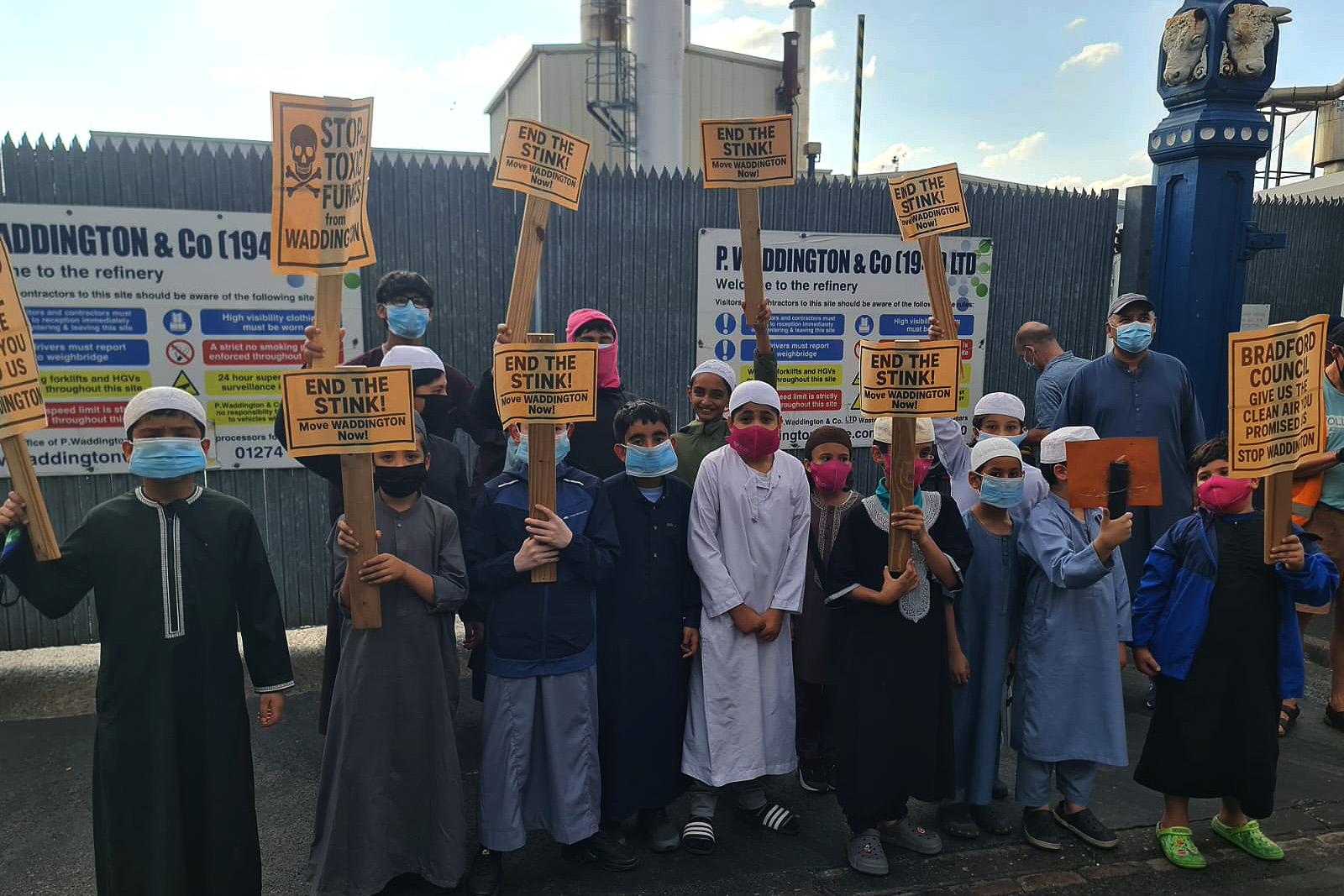
“There’s something about all of my work and all my characters where they all live, work and breathe Bradford,” says Kaan. “I love the idea of being able to celebrate the joys Bradford has brought me over time.”
Me & The Witch is a story of queer love, following a young British Muslim man who falls for someone who turns out to be a witch. “It’s about how you can subvert the expectations of how people see Muslims,” Kaan says.
“My work seeks to beautify, reimagine and reauthor those lazy tropes. This idea that Bradford is this post-industrial city that is run down is a total myth. Have you seen Muslims in Bradford? They look good. They smell good. They dress well. Go to their houses. Their houses are good.”
The son of Bangladeshi immigrants in a predominantly Pakistani community, Kaan says growing up felt like being a minority within a minority. He and the few other Bangladeshi students at school experienced bullying from their schoolmates. Kaan was the first of 10 siblings to go to university, studying architecture at Cambridge.
Shortly after leaving university, Kaan went into acting and, later, writing. In 2017, he was named one of The Prolific North top scriptwriters.
Kaan is currently writing a play — an adaptation of 20th-century Spanish playwright Federico García Lorca’s Yerma — for Leeds Playhouse’s summer 2027 season, his first for a leading institution.
He was commissioned by the artistic director Tom Wright, who, since joining the company in 2025, has diversified the Playhouse’s programme with a stage adaptation of children’s author Zanib Mian’s bestselling book Planet Omar and Suhaiymah Manzoor-Khan’s Peanut Butter & Blueberries.
“I’m now at the point where I can bring big collaborators to be able to make work on a global scale,” Kaan says, reflecting on his Leeds Playhouse commission. “But it has been terrifically hard. I see some of my white peers who’ve had the front door open to them — you have to deal with that institutional racism all the time. But I feel like there is beginning to be a shift in that attitude, whereby there are certain commissioners who are opening up the doors to a more dynamic pool of artists. Tom Wright is a good example of that.”
Related content
After 13 years in the arts, Kaan feels he is now in a position to “make works that are small acts of resistance”.
“Everything I make has got a political bite to it,” he says. “Because I think as artists, we are activists as well. I love the idea that you can do that in a way that is presented to the world as beautiful, like a honey-dipped dagger. This is what we need: art as a tool of social activism and that’s absolutely at the core of all my work.”
It is his garden, he says, that keeps him grounded amid all this.
“As a writer I am chained to the desk in a fixed position and I spend a lot of my time indoors. As a horticulturist you are out in nature, there’s no technology and I love that connection between the hand and the earth,” he says.
“One of the pleasures I get is how my garden faces a public footpath, so it means people can enjoy the work that I do in looking after my garden, and pollinators and insects get a share in the fruits of my labour too.”