
Inside London’s artivist spaces building political engagement through creativity
Artivism uses creative practice to engage with political issues, turning conversations about racism, migration and economic inequality into shared visual work

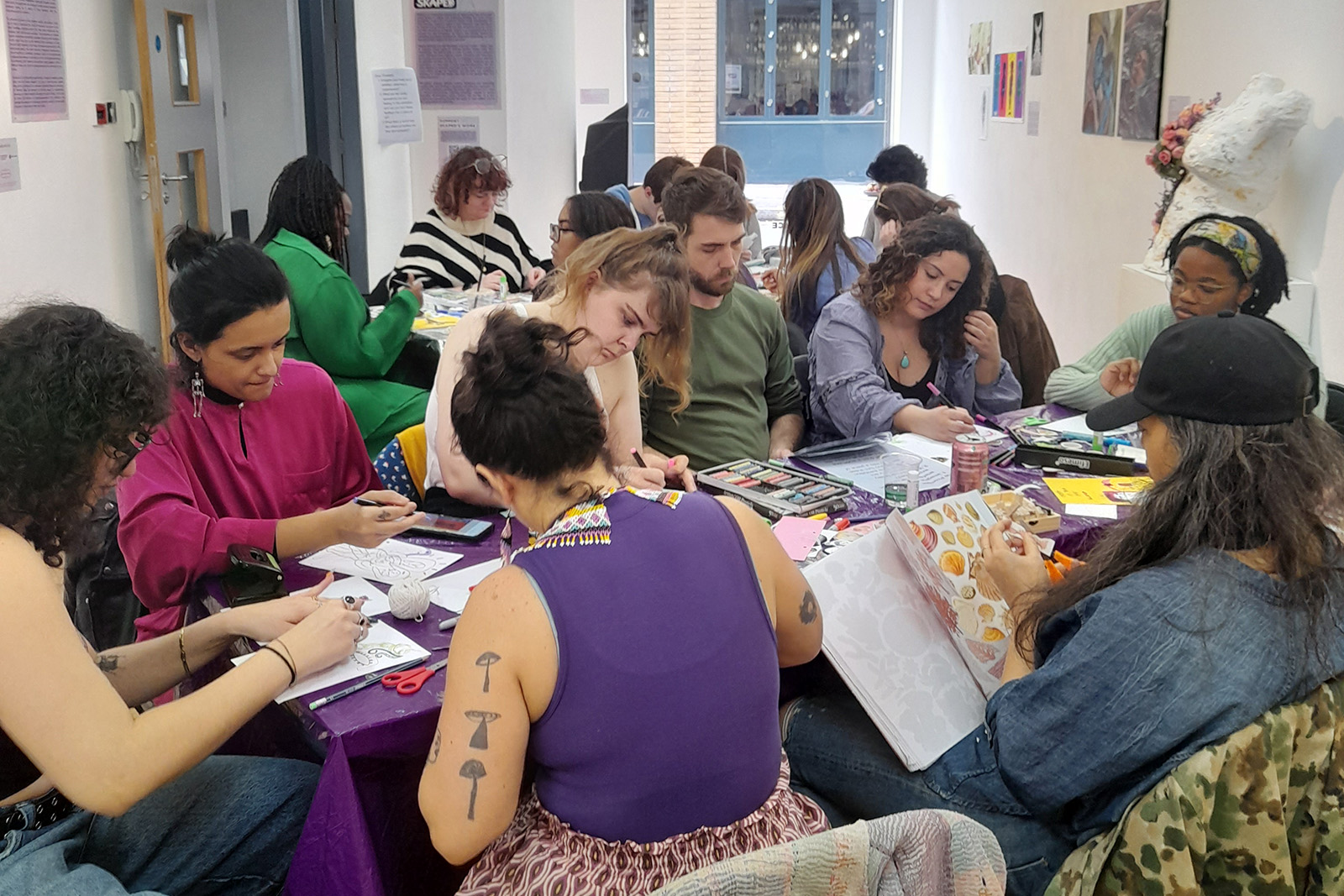
A group of young people sit together in an east London community centre on a weekday afternoon in spring, leaning over a large sheet of paper. At its centre, two words are written in thick marker: “social change”. Around it, lines branch outward as they map out the conditions influencing their lives as they debate what real change would look like.
The session is part of an artivism programme, where facilitators combine creative practice with political engagement. Here at the charity Skaped, young people work across a range of artistic mediums — including collage, drawing, painting and poster-making — alongside guided exercises turning conversations about racism, migration and economic inequality into shared visual work. These creative workshops help young people process their personal experiences of discrimination or inequality.
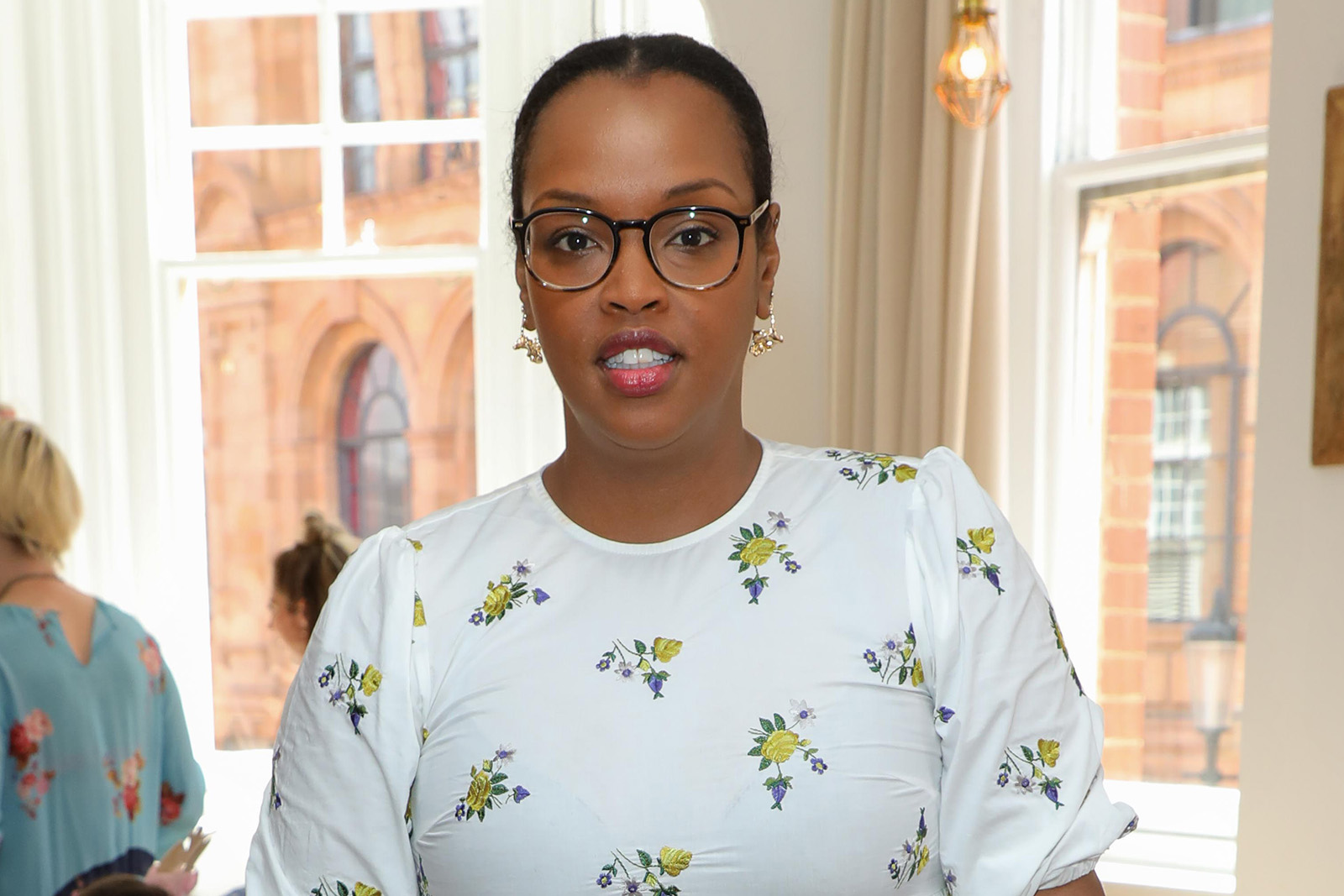
Skaped was founded in 2017 by activist and creative entrepreneur Sandy AbdelRahman. Born in Egypt and raised in east London, AbdelRahman says the organisation grew partly from her own experiences of inequality and exclusion growing up, and from seeing how few spaces existed for young people to explore the issues affecting their lives.
“There aren’t many spaces where young people can critically engage with human and social factors like power, identity or social justice in ways that feel accessible,” she says. “So, we start with the self.”
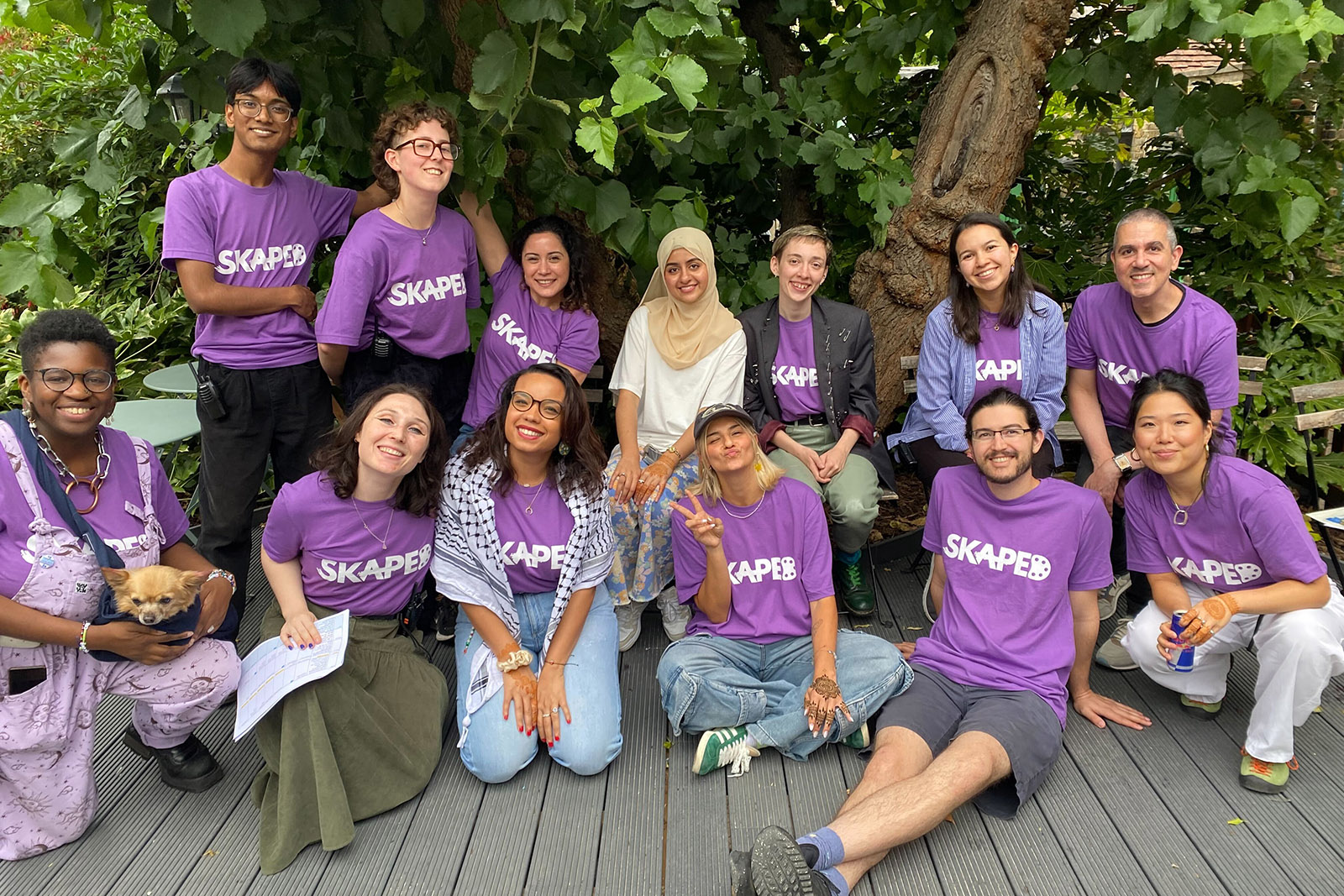
Artivism is an approach that uses creative expression to engage with social and political issues and has become an increasingly visible part of grassroots youth and community work among organisations working with Muslim and racially minoritised groups.
“Each session begins by deciding what participants should leave with, whether that is greater confidence, stronger relationships or a deeper understanding of a social issue,” says AbdelRahman. From there, conversation quickly gives way to creativity. Exercises such as drawing a self-portrait are used to spark discussion before participants begin producing zines, protest posters, spoken-word pieces and mixed-media work shaped by the themes that emerge in the room.
One recent programme, We’re Here to Stay – Honouring Our Many Identities, was developed in response to Islamophobic and anti-migrant violence following unrest across parts of England. The month-long series explored what it means to build community in moments of hostility and social tension.
Running over four Monday evenings, it brought together panel discussions on identity in the diaspora, workshops on collective healing through community art, film screenings exploring migration and home, and book clubs focused on decolonising reading lists, before culminating in a community flag-making event. AbdelRahman describes the programme as an attempt to create space for participants to collectively imagine “safer and more just futures for everyone”.
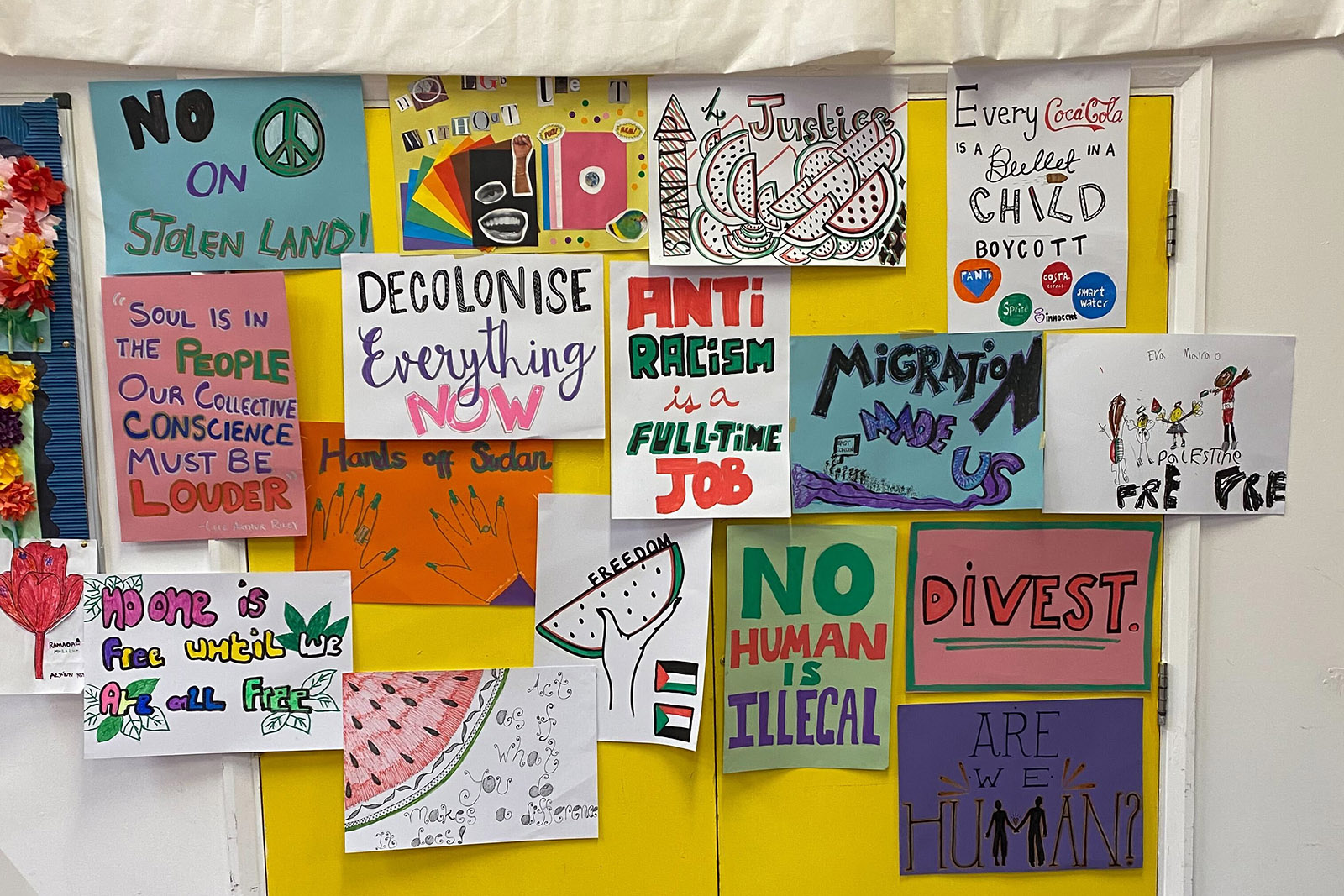
The programme brings together young people from different ethnic, class and cultural backgrounds. For Rbeeza Mobeen, Skaped’s social impact officer, that mix is central to how the space functions. “It doesn’t necessarily centre Islam, but it definitely recognises that their Muslim identities shape how they navigate life, especially in a country where they’re often told that identity is incompatible with Britishness,” she says.
Mobeen says art “lets people process experiences of hardship and inequality in a way that feels less exposed than direct conversation. Each workshop is a space for them to advocate for themselves against this idea that they don’t fully belong in Britain, and to show that their identities are multifaceted and don’t need to be proved to exist.”
Lydia Rose first encountered Skaped through a day-long training workshop. The sessions, she says, gave her “confidence to express my views and grievances through art”, while offering a space where “everyone’s identities and backgrounds were welcomed”.
She recalls arriving at one workshop “feeling very upset and ashamed due to financial hardship and unemployment”, before being encouraged by a facilitator to channel those experiences into her work, reframing them as part of a broader understanding of economic injustice rather than something to carry in isolation.
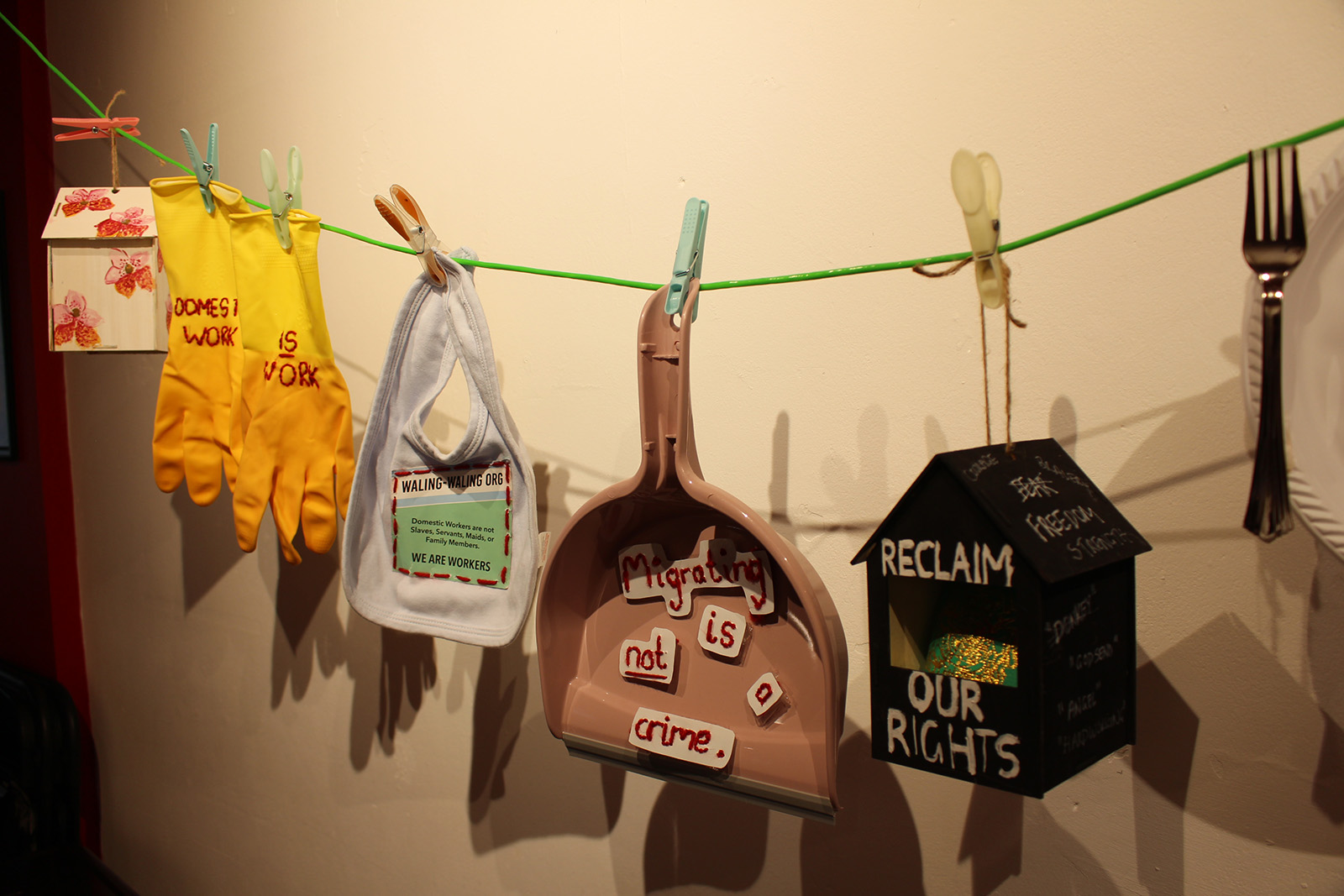
Similar approaches are being used in organisations such as Pan Intercultural Arts, which works with young asylum seekers, refugees and survivors of trafficking. Facilitators say young people often struggle to adjust to life in a “pluralistic” city such as London, where different faiths, identities and ways of living sit alongside one another. Pan’s workshops use theatre, storytelling, performance and visual work to help participants explore displacement, identity and inequality without directly recounting traumatic experiences.
In Harrow, north-west London, grassroots youth-led charity Nomad, also puts creative work at the centre of its programming.
“The idea is that you engage with the issue and then you create a piece of work based on that,” says Ali, project coordinator.
Recent workshops have produced short audio recordings and group-led podcast-style conversations in which participants discuss issues including unemployment, knife crime and social media pressures. Other sessions have involved filmed responses and visual storytelling, with young people taking on both production and presenting roles.
“It’s about engaging critically and creatively in a short space of time,” says Ali. “That constraint is what makes people actually make something.”
The medium may vary, but the principle is often the same: turning lived experience into something that can be shared, discussed and understood collectively.