
MCB chief: Muslims should give more to UK causes and less overseas
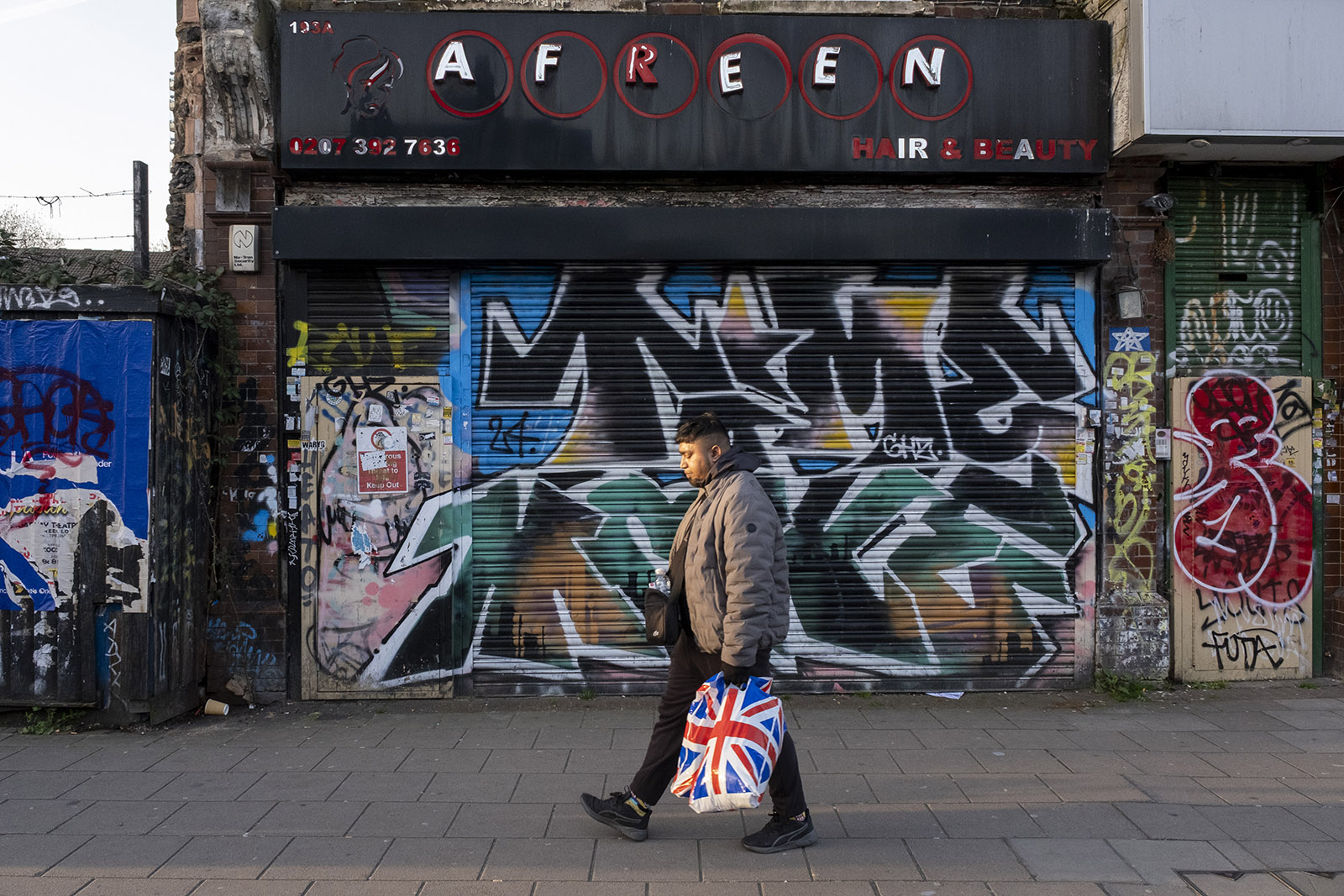
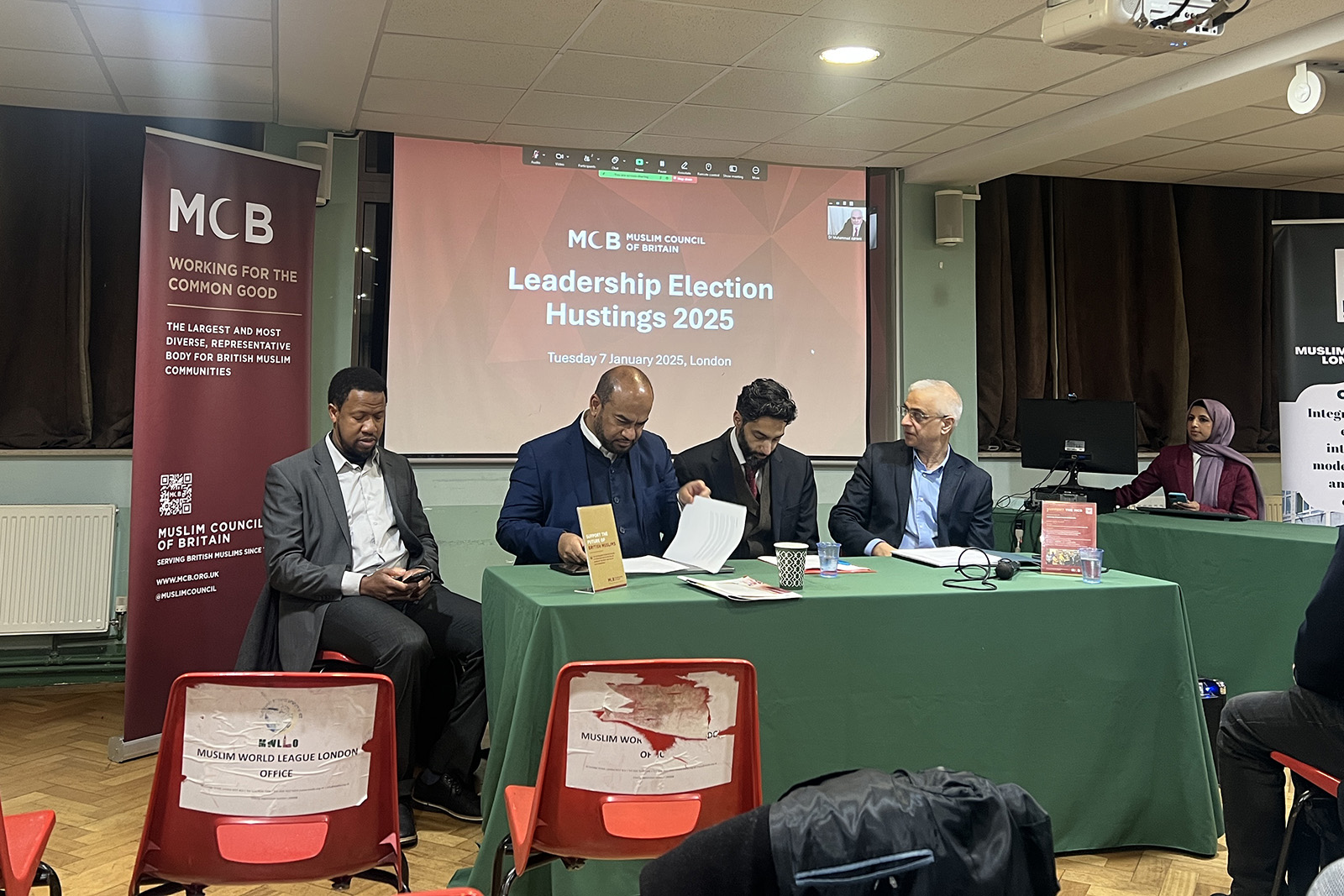
Dr Wajid Akhter, secretary general of the Muslim Council of Britain, says too much cash goes on mosque-building and to international causes
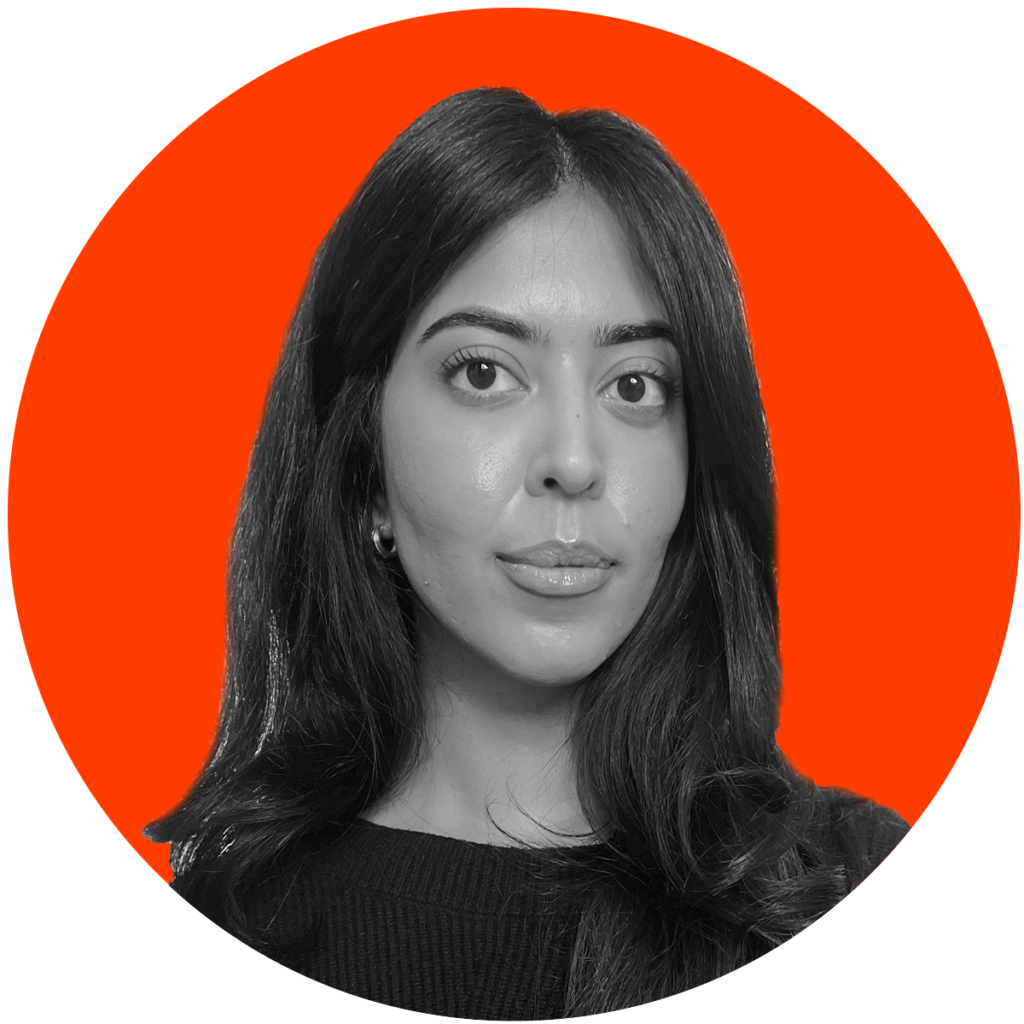
The leader of Britain’s largest Muslim umbrella organisation has said Muslims in the UK divert too much of their charitable giving overseas and should focus more on the problems on their doorstep.
Dr Wajid Akhter, secretary general of the Muslim Council of Britain (MCB), also said that while mosques were cornerstones of their communities, too much money was spent on building and renovations.
In a wide-ranging interview about his first year in leadership at the MCB, to be published by Hyphen on Wednesday, Akhter said the Muslim community was facing serious challenges around mental health, youth unemployment and the rising cost of living, but that resources to address them are being misdirected.
Related content

“In the last two weeks alone, I’ve been approached by 13 mosques, each one of them working on multimillion-pound extensions or acquisitions,” he said. “I totalled it up to about £20m altogether.
“Each one of these mosques is going to raise and spend more money for their extension than has been spent, for example, on mental health in the Muslim community in the last 10 years combined.
“Hundreds and thousands of people are struggling to put food on the table. There is mass youth unemployment.”
Akhter stressed that his intention was not to discredit mosques themselves, and he praised the vital work they do for their communities. Many mosques across the UK run food banks, community kitchens and wellbeing centres and host community events — while facing the threat of violence.
The inaugural report of the British Muslim Trust in November identified 27 verified attacks against mosques in five months, while two men allegedly entered Manchester Central Mosque last week with an axe. The government has made nearly £40 million available each year to boost the security of mosques and Islamic centres.
But Akhter said money and resources within the community were being diverted “to the path of least resistance”. “We spend tens of millions on mosques and international aid,” he said, “because that infrastructure already exists.”
Research by the Ayaan Institute in 2020 estimated there were 1,026 Muslim aid organisations registered in the UK carrying out humanitarian work overseas.
“How come we have one international Muslim aid organisation for almost every 4,000 Muslims?” said Akhter. “We need a cultural shift for people to realise that actually we need to invest in the new generation here. We need to invest in youth services. We need to invest in education, rather than bricks and stones.
“You have people with huge amounts of funds who have no idea where to spend the money so they build another mosque, and you have people with amazing ideas who are desperate for funds who don’t know how to access it.”
Research published in 2024 by Bluestate, an agency that specialises in helping charities fundraise, found that Muslims are almost twice as likely (85%) to donate to international organisations than the wider UK public (48%). It found that a quarter of Muslims had donated to either Muslim Aid or Islamic Relief over a 12-month period.
Related content
“There are individuals doing amazing work on things like knife crime, on youth support, but they are often lone rangers,” said Akhter. “When I meet them I feel ashamed, because they have such little funding and no support. But ask someone to build a mosque, and you’ll get £3m just like that.”
That’s even though some mosque buildings, he added, are “standing mostly empty”.
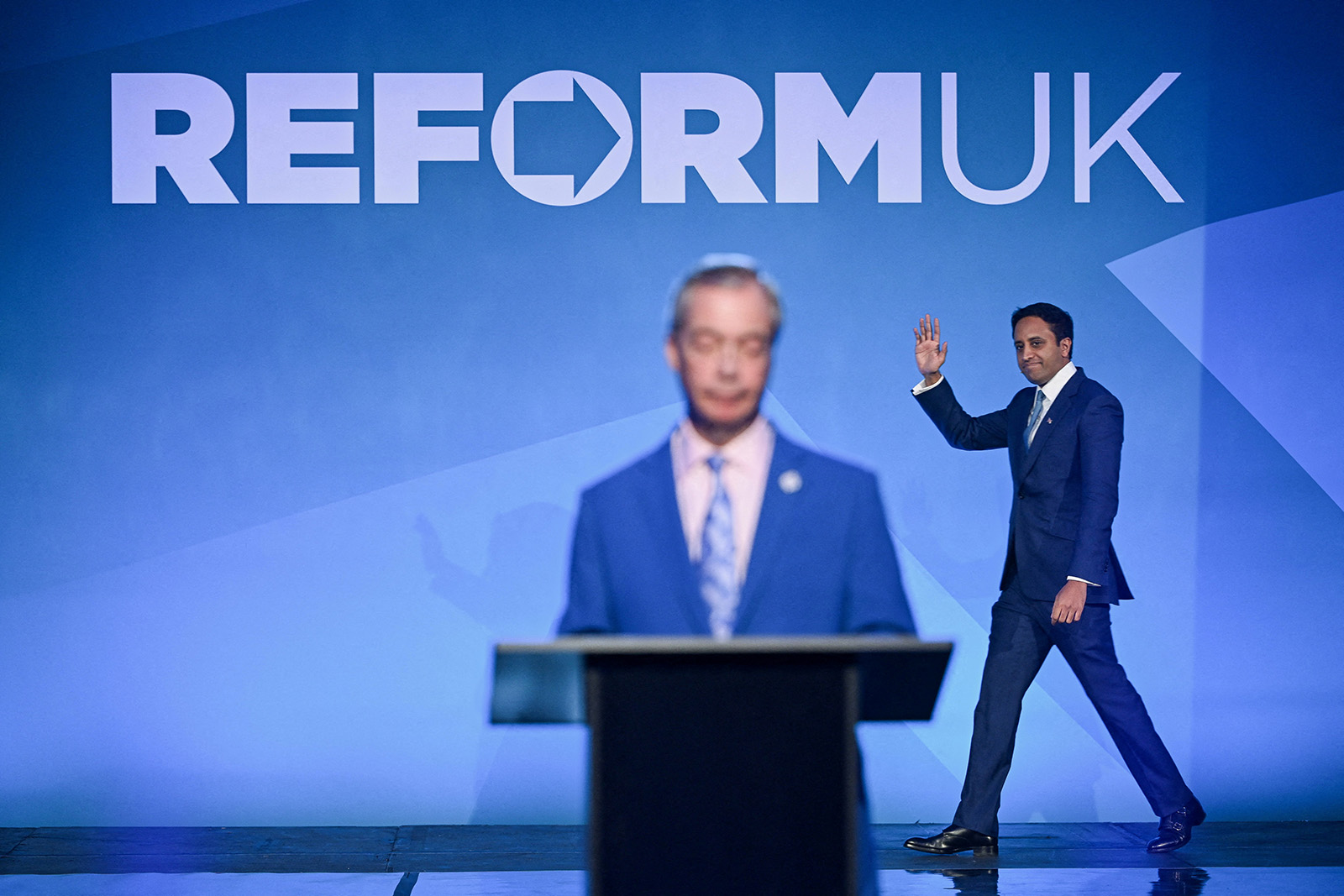
In February, Reform’s home affairs spokesperson, Zia Yusuf, pledged that the party would introduce new legislation that would prevent churches from being turned into mosques.
Akhter said: “We smirk when churches get sold and we buy them as mosques. But 20 years from now, we will be selling mosques. There is no way we will be able to keep them open — we won’t be able to afford half the electricity fees. I don’t know what we are thinking.”
Read Hyphen’s extended interview with Dr Wajid Akhter.