
Tributes paid to veteran British Muslim thinker Ghayasuddin Siddiqui
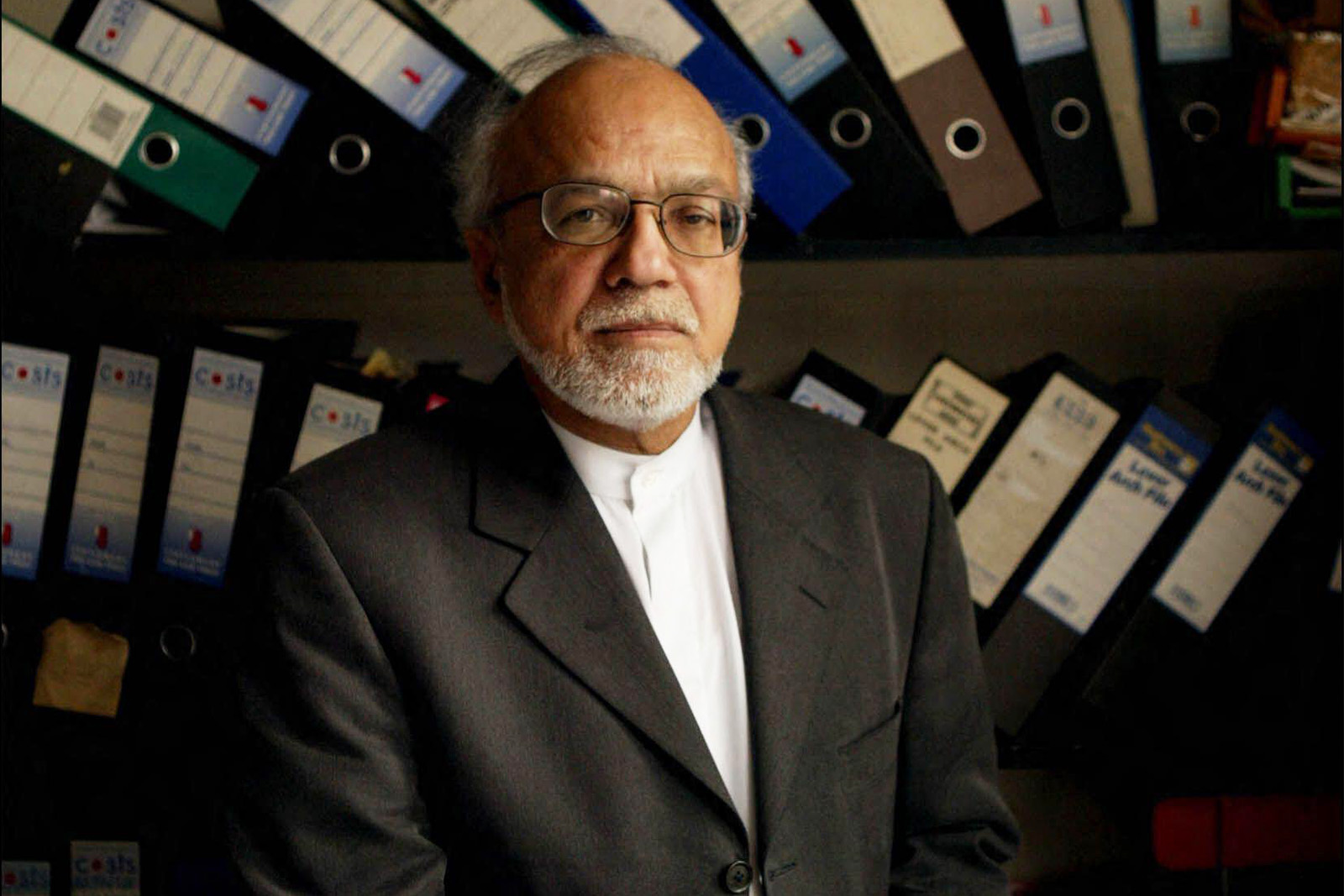
The civil rights activist, who has died at 86, set up the Halal Food Authority and the Muslim Institute — but could also ‘skirt close to the law’
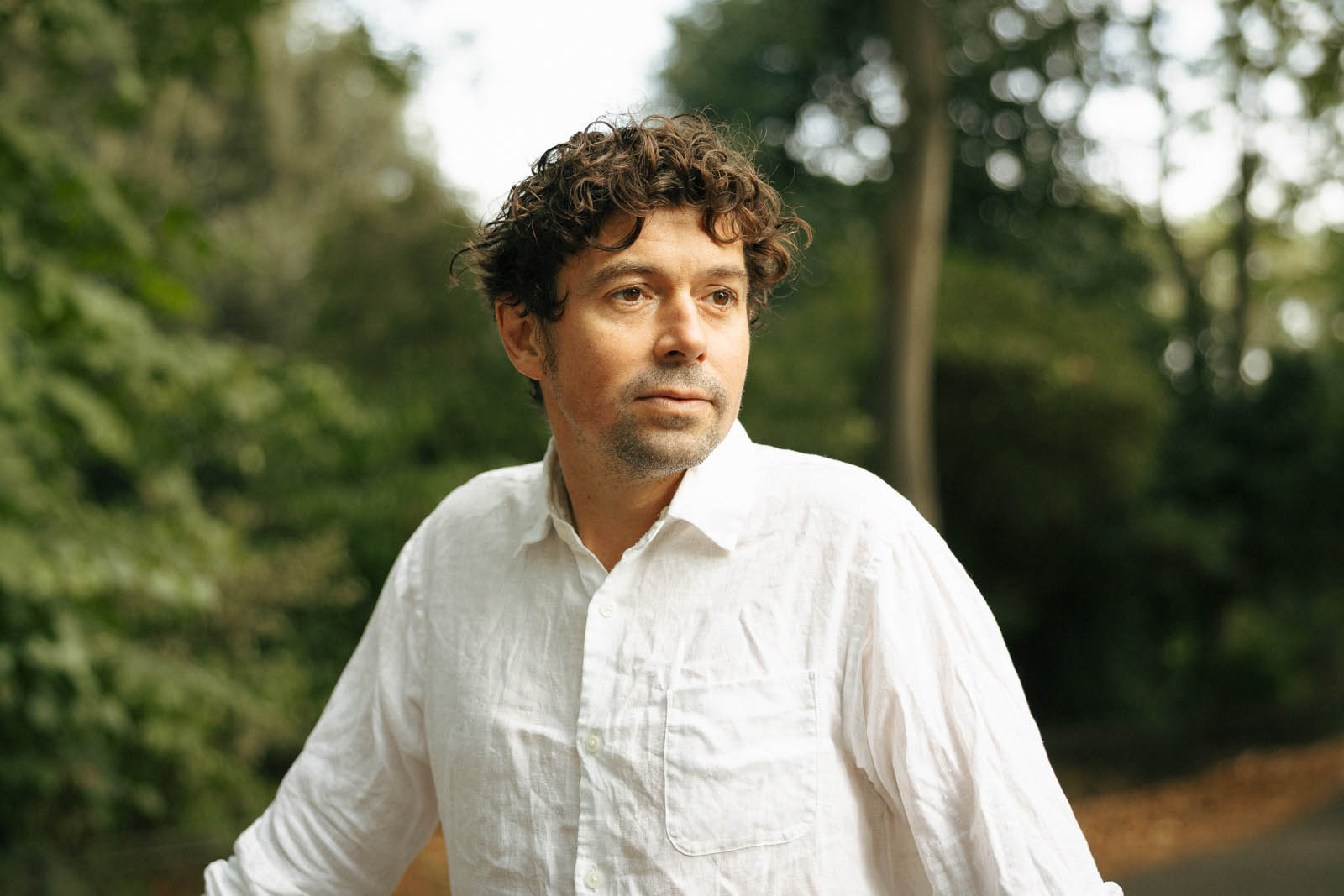
The director of the Muslim Institute thinktank has led tributes to the influential Muslim thinker Dr Ghayasuddin Siddiqui, who has died aged 86.
Siddiqui helped found the debate and discussion group during a more than 60-year career in Muslim civil rights advocacy. His family said he had died peacefully at home in Chesham, Buckinghamshire, on 18 April. His funeral at Chesham Mosque was attended by 500 people.
“Dr Siddiqui was a visionary and an institution builder,” said Hassan Mahamdallie, current director of the Muslim Institute. “When he first came to the UK, Muslims were invisible in British society. They were identified by their ethnicity in relation to the majority population coming from the Asian subcontinent, but there wasn’t any recognition of Muslims as Muslims in British society, despite the fact they had been in this country for a very long time.”
Siddiqui was born in Delhi, India, in 1939 and moved with his family to Pakistan in 1947. He came to the UK to study at Sheffield University in 1964, where he became involved in student activism and organised Malcolm X’s visit to the university the same year.
“A born activist, his life was a pursuit of justice for the oppressed wherever they may be found, irrespective of faith. If a cause was worth fighting for, he would fight for it,” his son, Asim Siddiqui, wrote in an obituary for the Muslim News.
In 1973 Siddiqui was one of the founding members of the Muslim Institute with Dr Kalim Siddiqui, who was no relation. The organisation sought to act as an incubator of Islamic thought and scholarship. Following the Iranian revolution, the institute developed “a long and very deep relationship with the Islamic republic”, according to Ghayasuddin Siddiqui, which ended following Kalim Siddiqui’s death in 1996.
In 1992 the pair also co-founded the Muslim Parliament, which sought to provide Muslims with representation in the public sphere. Ghayasuddin Siddiqui additionally set up the Halal Food Authority in the 1990s, which still provides halal certification.
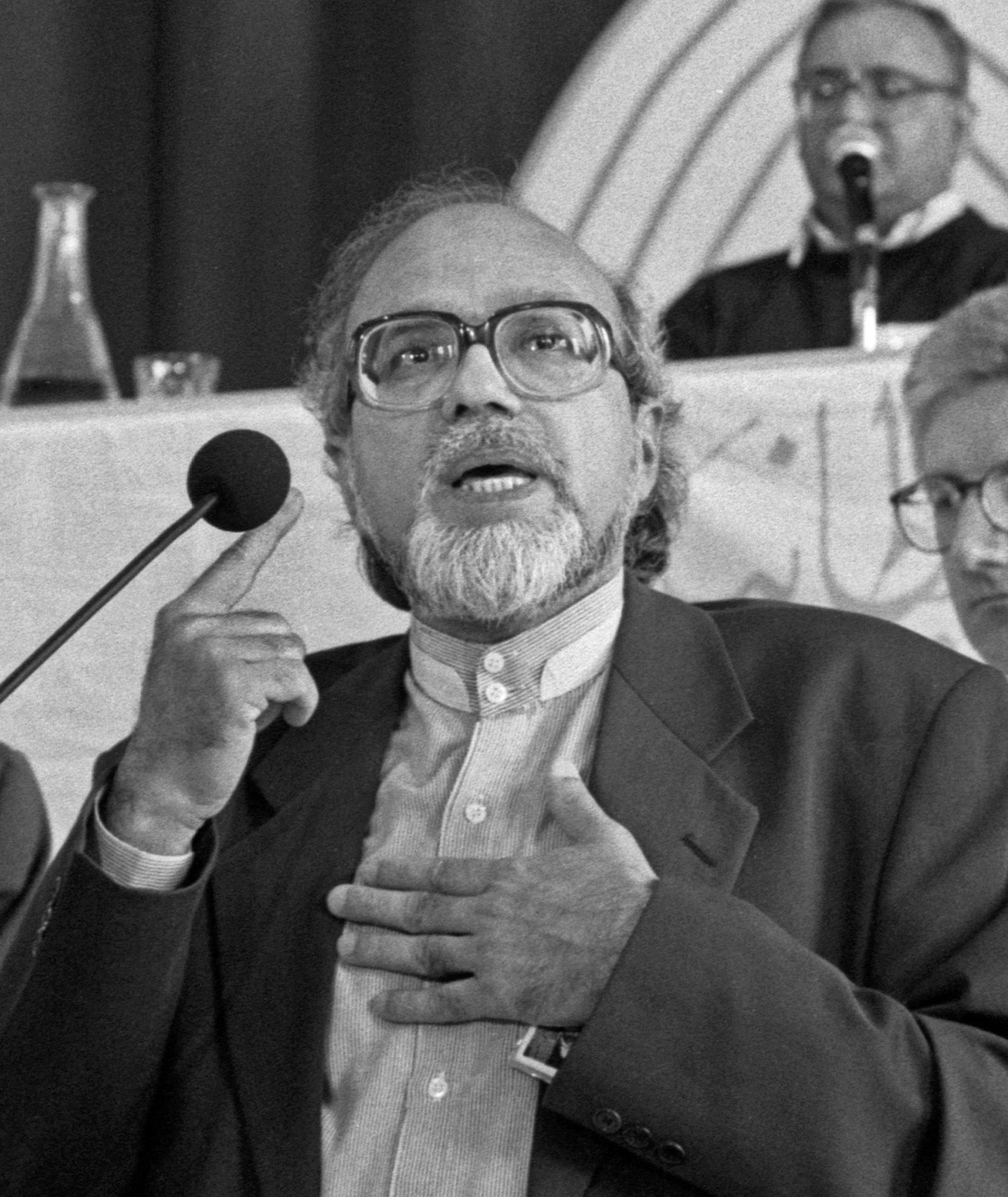
“He laid foundations for all sorts of civil society groups that we Muslims now enjoy in British society, including the Muslim Council of Britain and other organisations,” said Mahamdallie. “The Muslim Parliament stepped into the void of Muslim representation and began to shape it. It made demands on society, legislators and political parties to take Muslims’ needs and their representation seriously.”
In the 1990s, Siddiqui had a high-profile role in the Salman Rushdie affair. As leader of the Muslim Parliament in 1996 after Kalim Siddiqui’s death, he voiced support for the fatwa issued on the novelist by the Iranian regime — a position from which he later distanced himself.
Related content
During the Bosnian Genocide, Siddiqui fundraised for the Bosnian government after the British government issued a weapons embargo on the country attacked by its neighbours.
“Whilst most Muslim groups were sending bandages, the Muslim Parliament would raise funds for arms for the Bosnian government to defend their civilian populations,” wrote his son in the obituary. “My father would often skirt close to the law where it was blatantly oppressive.”
Siddiqui dedicated the rest of his life to activism. He joined the inaugural committee of the Stop the War Coalition and continued advocating for the rights of Muslim women and protection of children from sexual abuse in religious environments.
In 2009, with his long-time friend Professor Ziauddin Sardar, he re-established the Muslim Institute as an independent charity committed to “research, creativity and open debate” after 13 years of “brainstorming” following Kalim’s death.
“Dr Siddiqui was an incredible linchpin figure and an incredibly nice and humble person,” said Mahamadallie. “He cared deeply about every Muslim person in this country and how their situation can be bettered.”
He added: “He was part of a group of Muslim intellectuals and leaders who set the foundation for where we are now. Even if you don’t know about him but you’re involved in organising in the Muslim community, I can assure you that in some way you are following in his footsteps.”
The Muslim Institute will host a memorial event on 31 May. You can RSVP at this link.