
London’s first purpose-built mosque celebrates its centenary
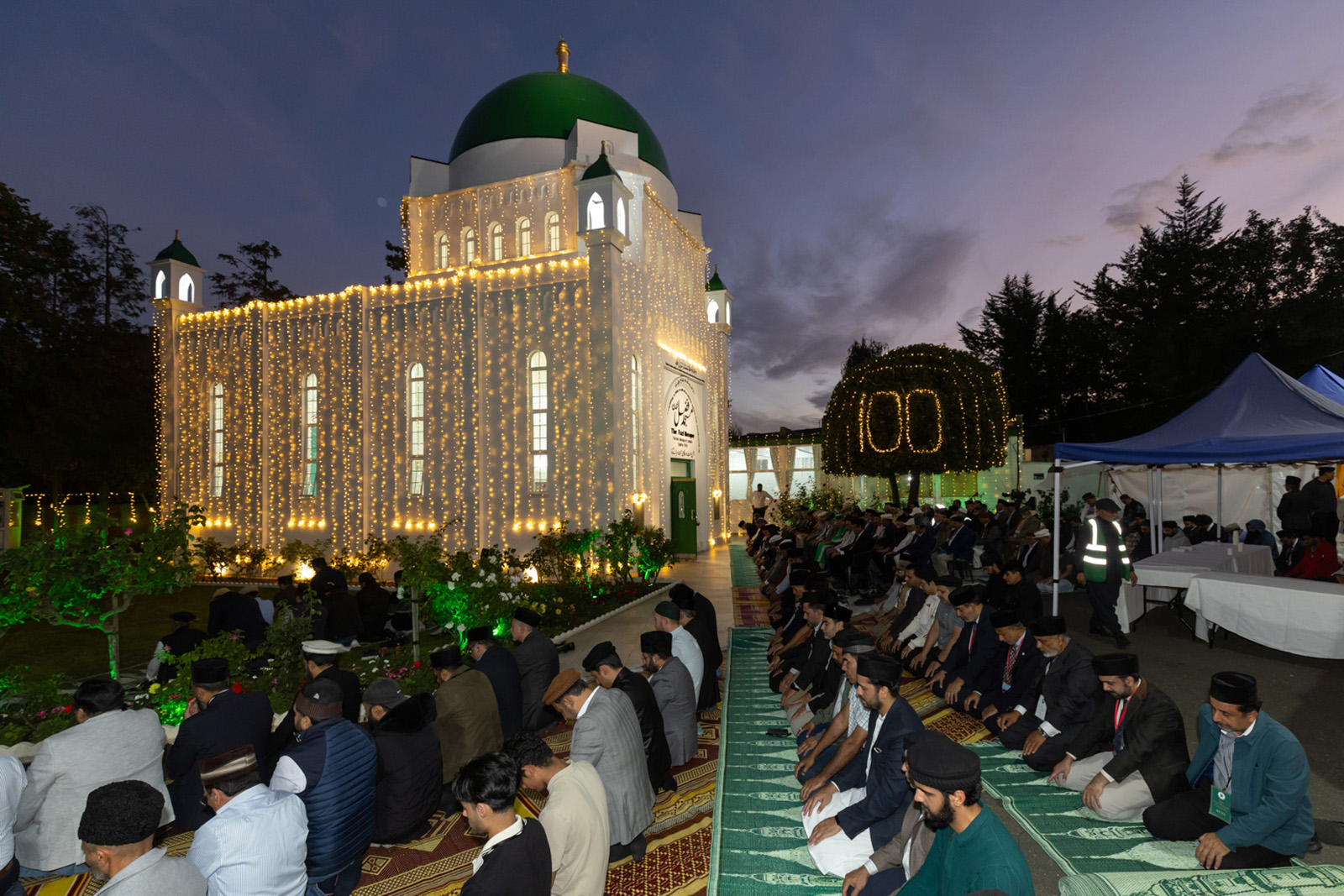
Fazl Mosque in Putney has been welcoming worshippers with a message of openness and diversity for the past century

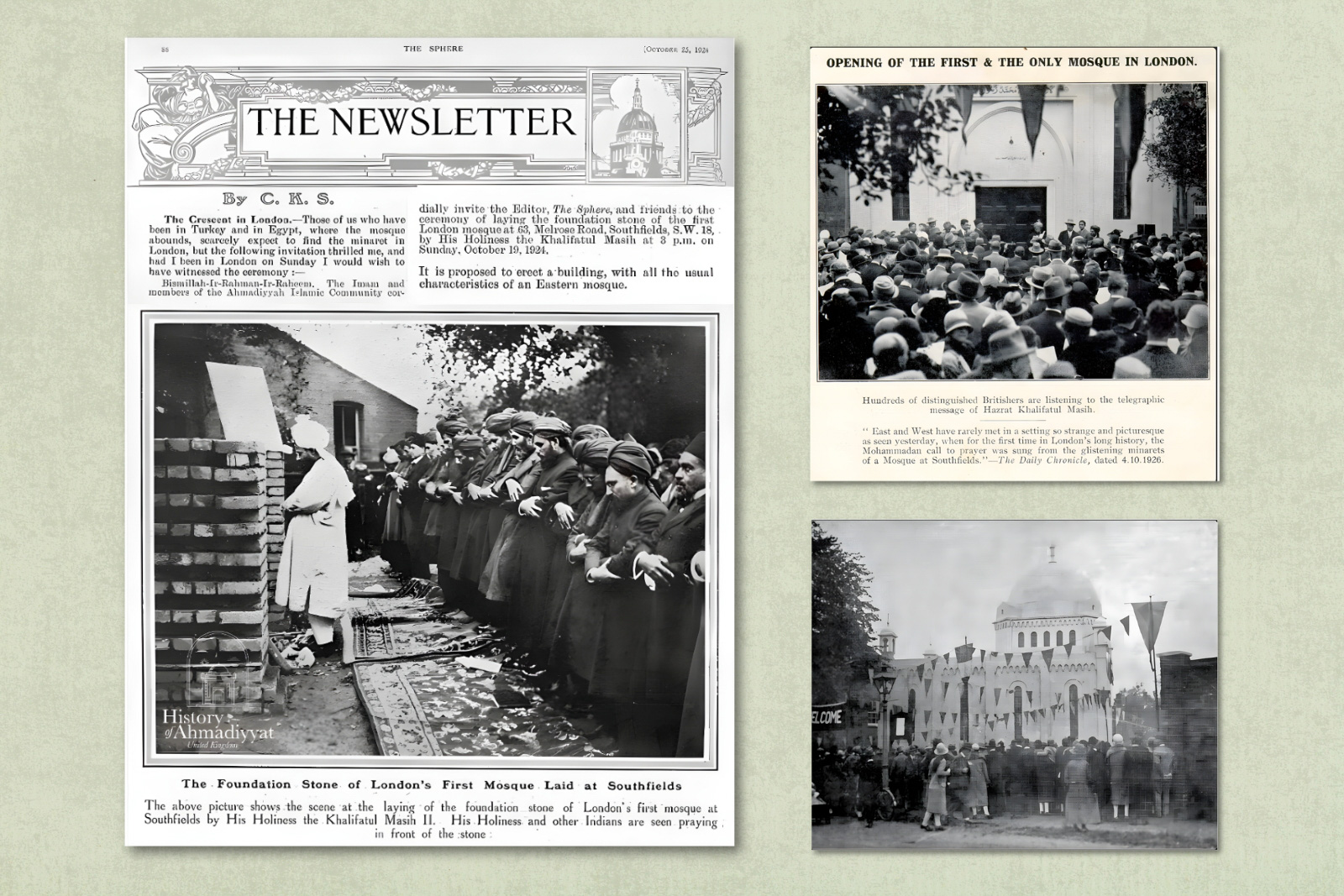
One hundred years ago, a call to prayer echoed through the south London neighbourhood of Putney. It heralded the opening of the capital’s first purpose-built mosque and the institution’s promise to welcome worshippers.
More than 600 dignitaries, including MPs, peers and foreign diplomats attended the inauguration of the Fazl Mosque, which had been financed almost entirely through donations from the Ahmadiyya community in India. Many women sold their jewellery and valuables to finance the project.
“We will try to remove the feelings of hatred and enmity from betwixt the followers of different religions and will do our best to create the true spirit of search,” Mirza Basheer-ud-Din Mahmood Ahmad, the second caliph of the Ahmadiyya community, wrote in a letter read out during the ceremony.
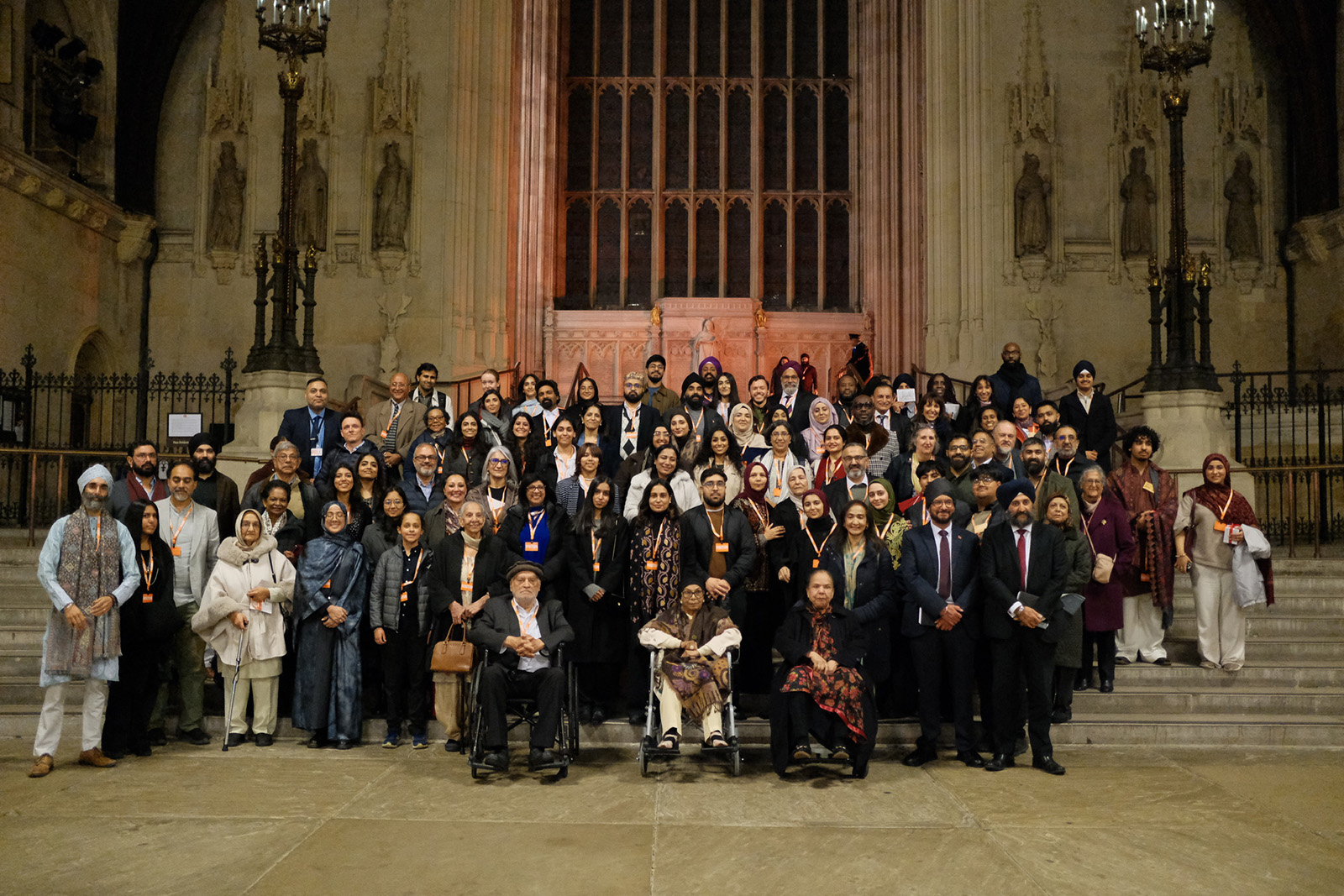
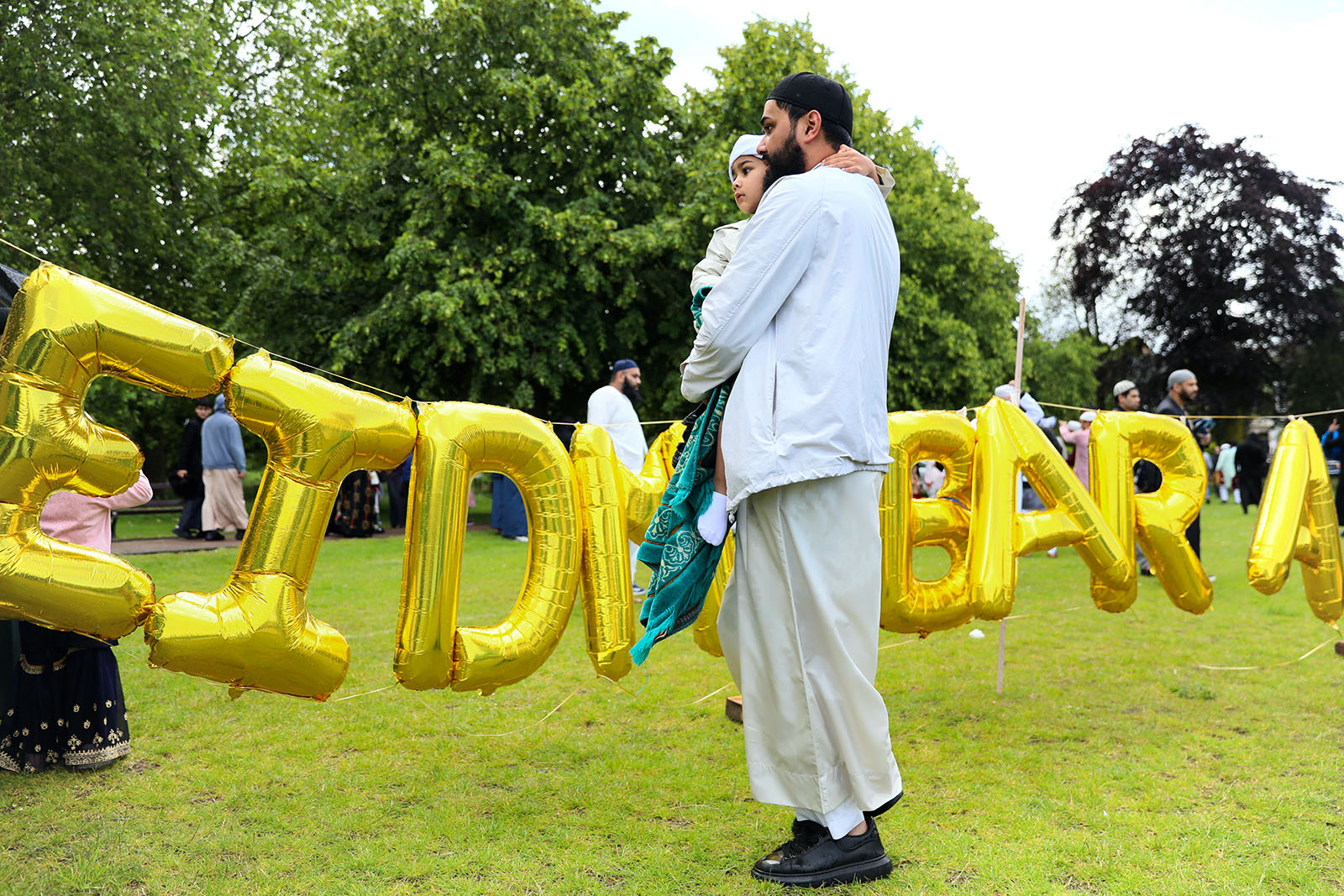
A full century later, the mosque continues to uphold its promise of openness. Last weekend, 10,000 meals were distributed to homeless people to celebrate the mosque’s centenary, while more than 1,000 people from across the country attended a banquet, preceded by a street party.
“Marking 100 years is a moment of joy for us but also of reflection as we remind ourselves of our responsibilities,” said Usman Shazad Butt, who has served as the mosque’s imam for the past four years. “Not only to pray five times a day but to serve God’s creation. The mosque serves as a beacon of hope and peace.”
Butt has grown up attending the mosque which, he says, has played a large part in forming and solidifying who he is today.
“Throughout my whole life, this mosque helped me — someone who was born and raised here in this country — shape who I am and what I stand for,” he said. “On a personal level, it’s a huge honour for me to be able to serve this mosque at the time when it is celebrating 100 years.”
The Ahmadiyya community traces its origins to late-19th-century Punjab. Ahmadi Muslims accept Mirza Ghulam Ahmad as the Mahdi. The movement’s first missionaries arrived in the UK in 1913, becoming a frequent presence at Hyde Park Speakers’ Corner.
Among their listeners was Bilal Nuttal, a Lancashire soldier who, under the influence of the missionaries, converted to Islam and became the Fazl Mosque’s first muezzin, proclaiming the daily call to prayer.
Over the years, the mosque has welcomed many distinguished guests, including princes Saud and Faisal of Saudi Arabia, both of whom went on to rule the country, as well as Muhammad Ali Jinnah, founder of Pakistan, and Prince Edward.
In 1984 the mosque became the centre of the global Ahmadiyya community, as the fourth caliph and grandson of Mirza Ghulam, Mirza Tahir Ahmad, was forced to flee Pakistan due to religious persecution.
Related content
“I was born in January 1984 and the caliph arrived in April so it was quite surreal that my local imam was the caliph,” said Basheer Khan, a civil servant who grew up just a short walk from the Fazl mosque. “My parents arrived in the UK in the 1960s and it was a big transition for them that their local south London mosque changed into the centre of the global community.”
Although the current caliph, Mirza Masroor Ahmad, moved the community’s headquarters to Surrey in 2019, the mosque continues to play an important role, Khan said.
“It is not just a place of worship. We have blood drives, the MP does surgeries here. I think the mosque has shown over the last 100 years that Islam has a place in Britain and I hope that it will continue to show that.”
During a keynote speech the caliph addressed the guests who gathered for the banquet.
“The second caliph articulated his belief that the Fazl mosque would be a lasting symbol of tolerance, interfaith harmony and mutual respect in society,” he said. “With the grace of Allah Almighty these words became true. The 100-year history of the Fazl mosque bears witness to the fact that it has always served as a beacon of peace, love and compassion.”