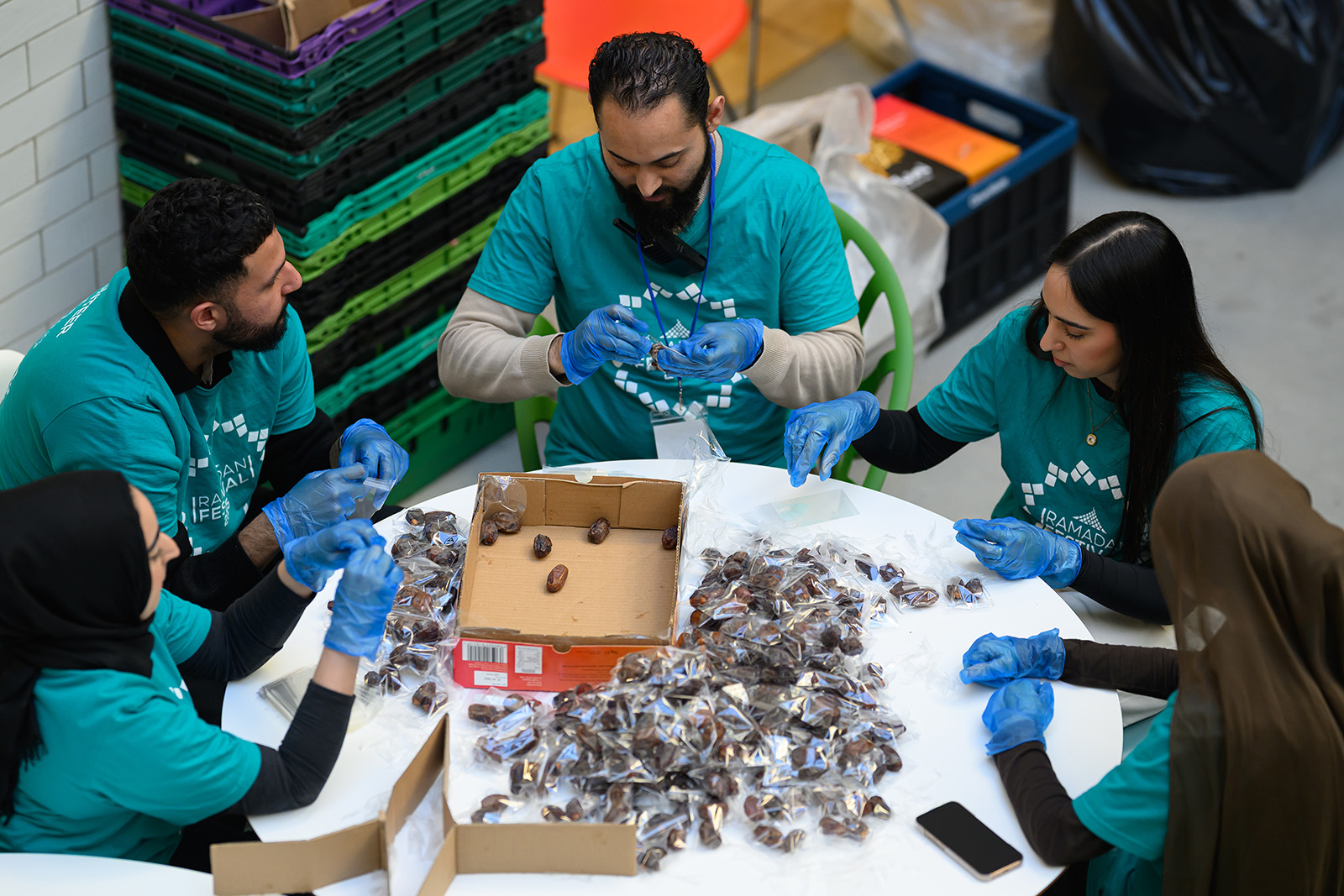
‘Young people are the solution’: the Leicester group building community through social action
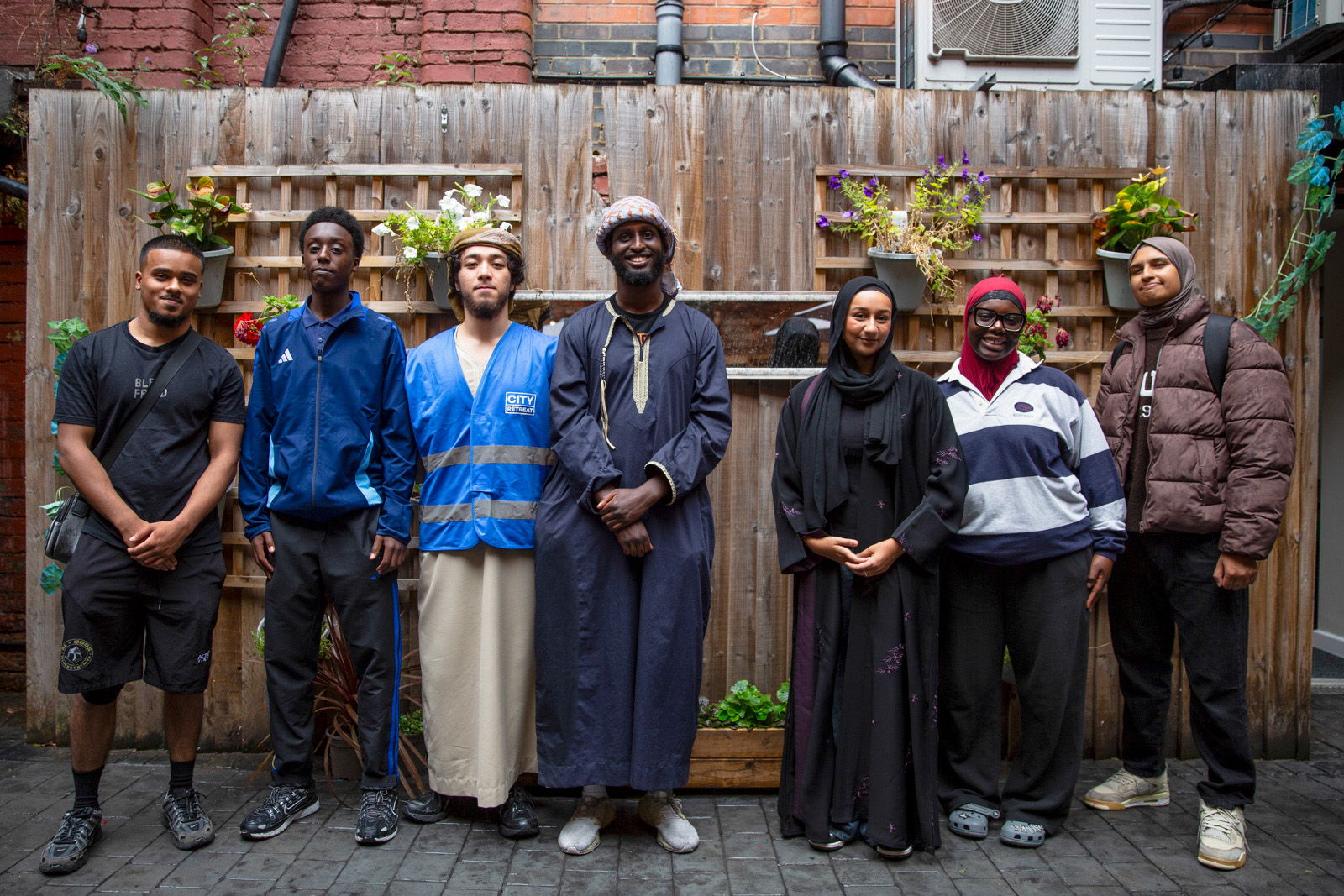
Move the Youth’s volunteers are actively involved in their neighbourhoods, picking up litter, cleaning cemetery headstones and packing food bank bags

Zakariya Islam was 14 when he was excluded from school and told he was heading down the wrong path. He moved from Leicester to Loughborough for a fresh start, and later came across the story of Malcolm X. In him he found an example of how a life could change direction.
“He was a drug dealer, a pimp and a menace to society, that was until he went to prison, came out, transformed his life and went on to impact millions worldwide,” Islam says. “If someone like him could turn it around, what’s stopping anyone out there doing the same thing?”
Islam came to believe that young men like him — so easily drawn towards gangs, drugs or fraud — needed adults they could recognise themselves in.
“One thing where the school system is going wrong is not having relatable mentors and adults for our specific demographic of youth,” he says. “Today we need figures we can relate to from working-class backgrounds.”
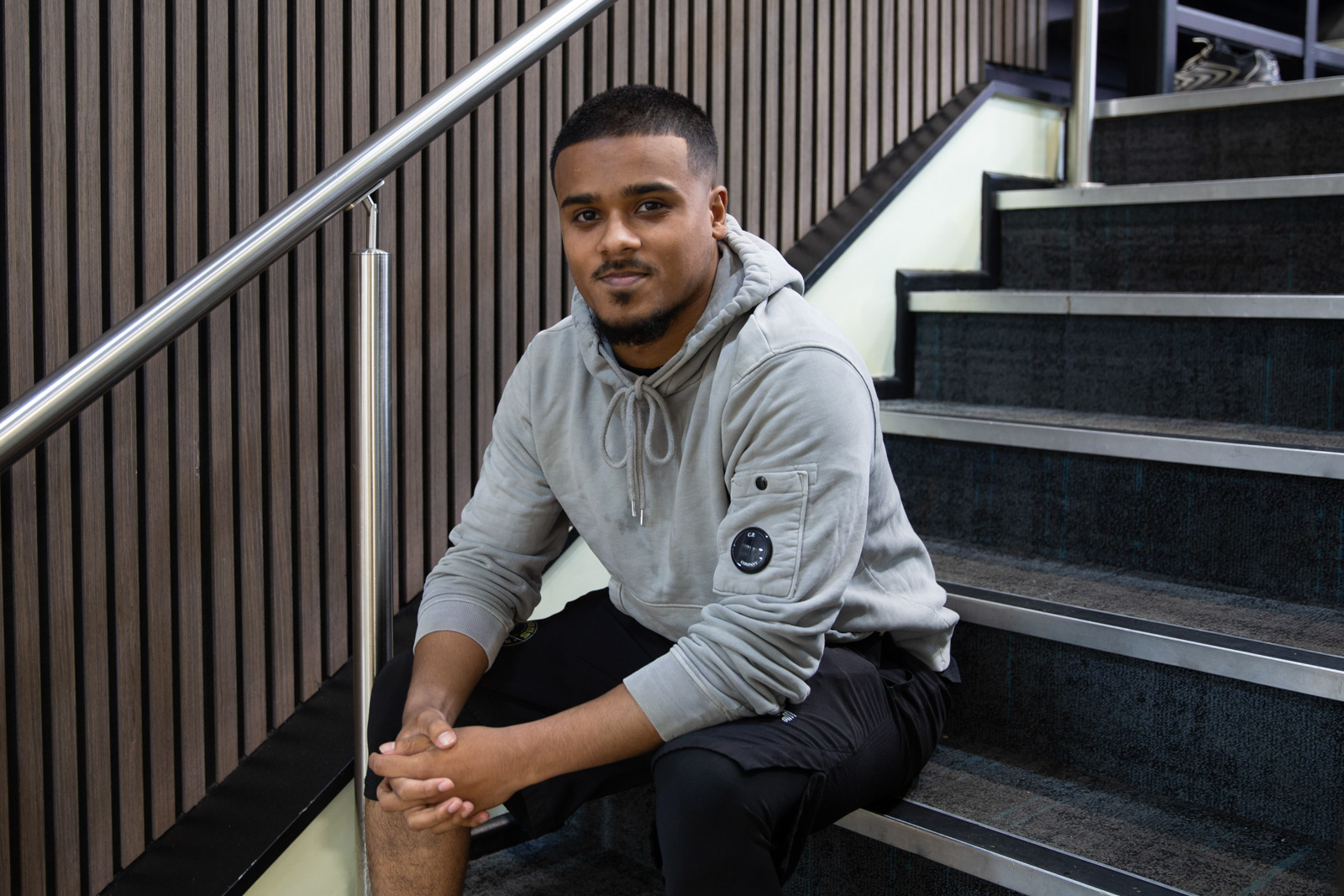
Islam, now 21, wanted to find a way to encourage young men to do something more constructive. “A lot of people want to be part of a gang, so how do we spin it and make it a good thing?”
He found the answer in Move the Youth, a group he co-founded in 2025 made up of young volunteers in Leicester.
Across England, years of cuts have decimated youth clubs and social care. Research has linked the loss of youth provision to poorer educational outcomes and increased offending among young people. In Leicester, open-access youth club sessions were reduced from 42 a week to 12 in 2017.
Move the Youth is trying to create opportunities for young people to be actively involved in their communities and address issues in their neighbourhoods.
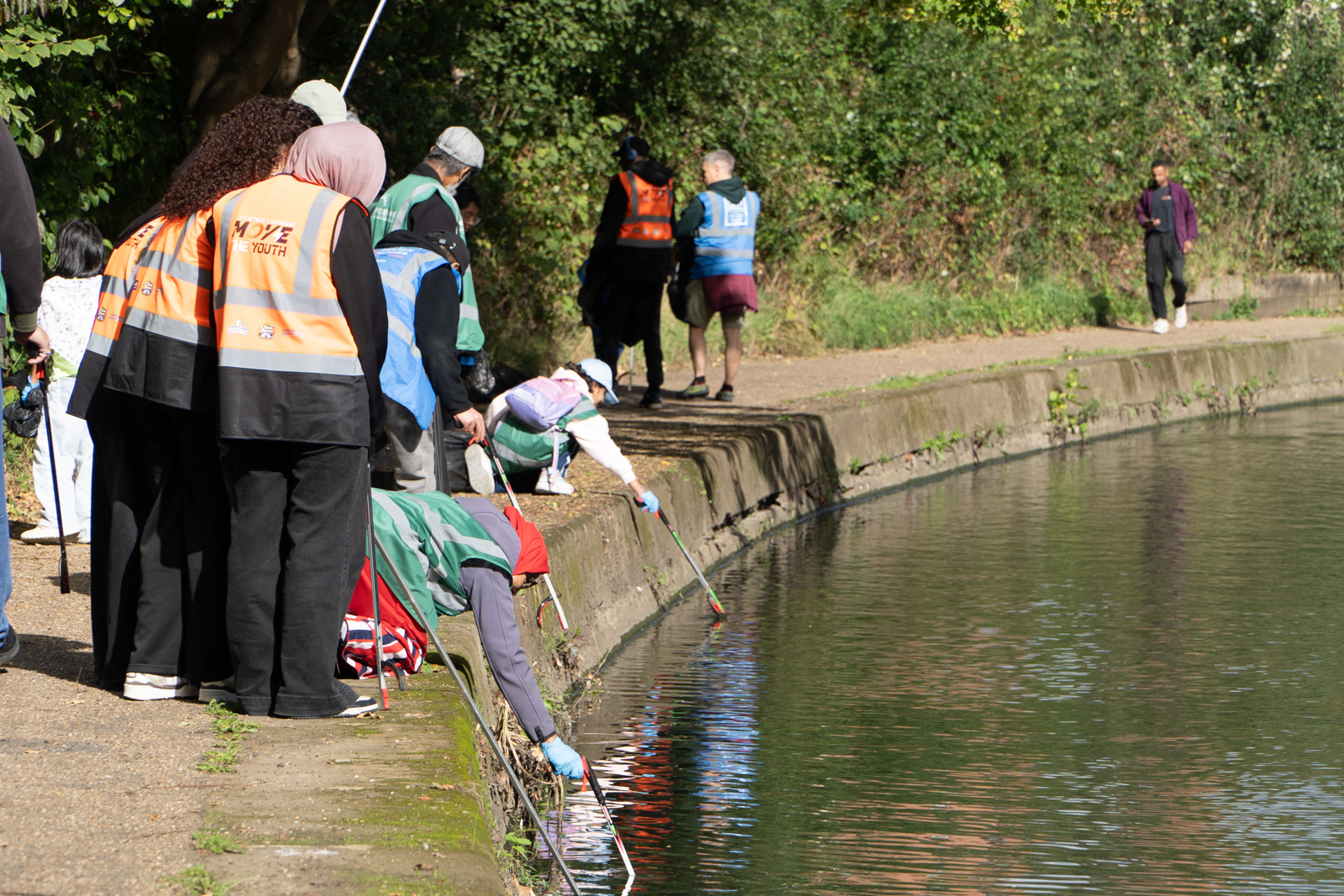
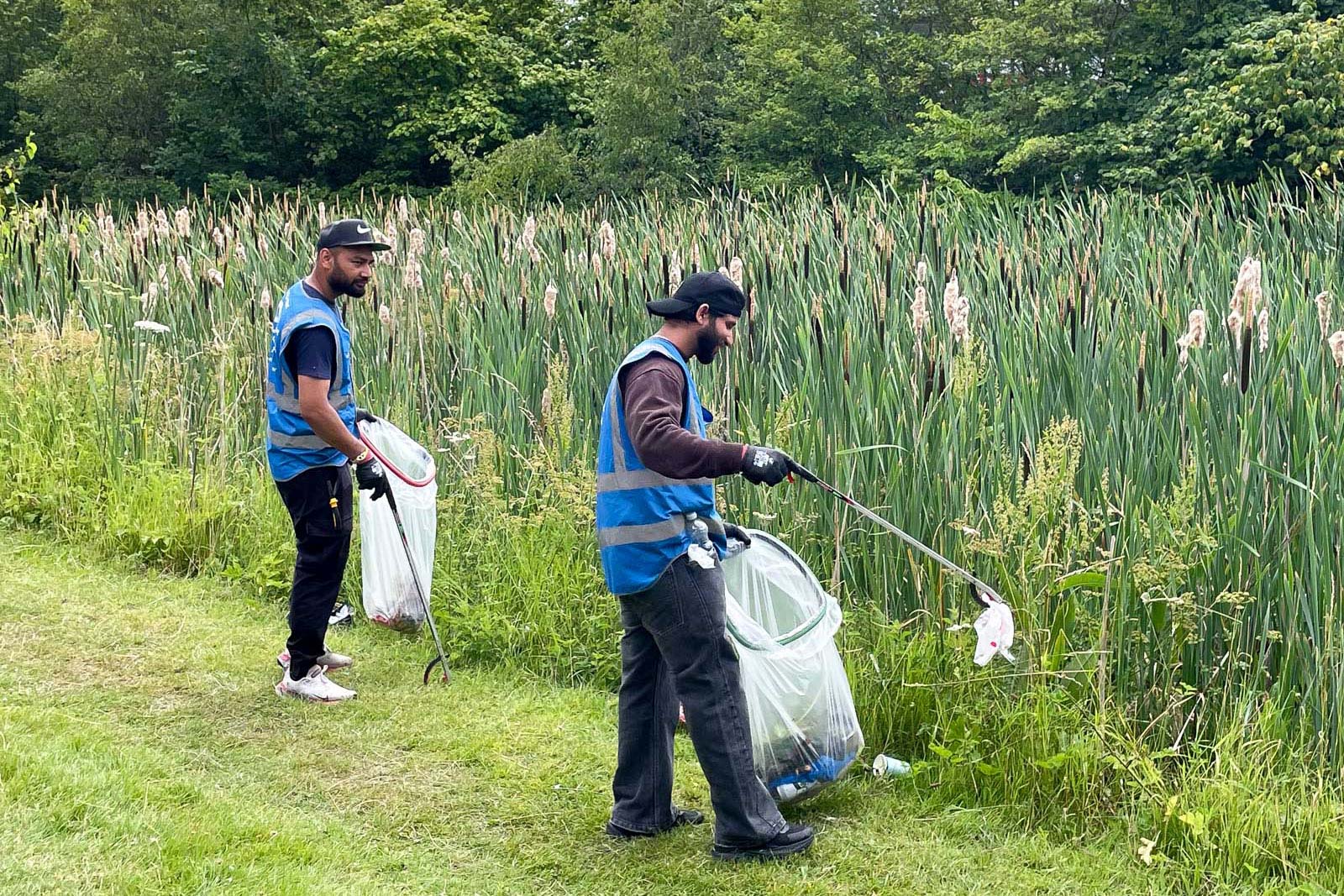
On any given week, volunteers can be found pulling on gloves to clear rubbish from a street or lake, cleaning headstones in a local cemetery, packing blue food bank bags with essential food items, or sitting down together to decide what needs doing next.
“Essentially we locate a problem that’s going on and we try and be a solution to it, ” Islam says.
Islam co-founded the network after attending a community meeting where residents were discussing the large amounts of litter and fly tipping on the streets. Akeel Hayat was also listening.
“They didn’t know each other at the time,” says Yahye Abdi, 28, one of Move the Youth’s team members who helps oversee strategy and safeguarding. “Everyone was complaining about the mess on the streets and one of them said, ‘You know what, I’m going to clean up litter on this day, who’s down to come?’” The other agreed. “Zak just happened to be one of the two, and that’s where it started,” Abdi says.
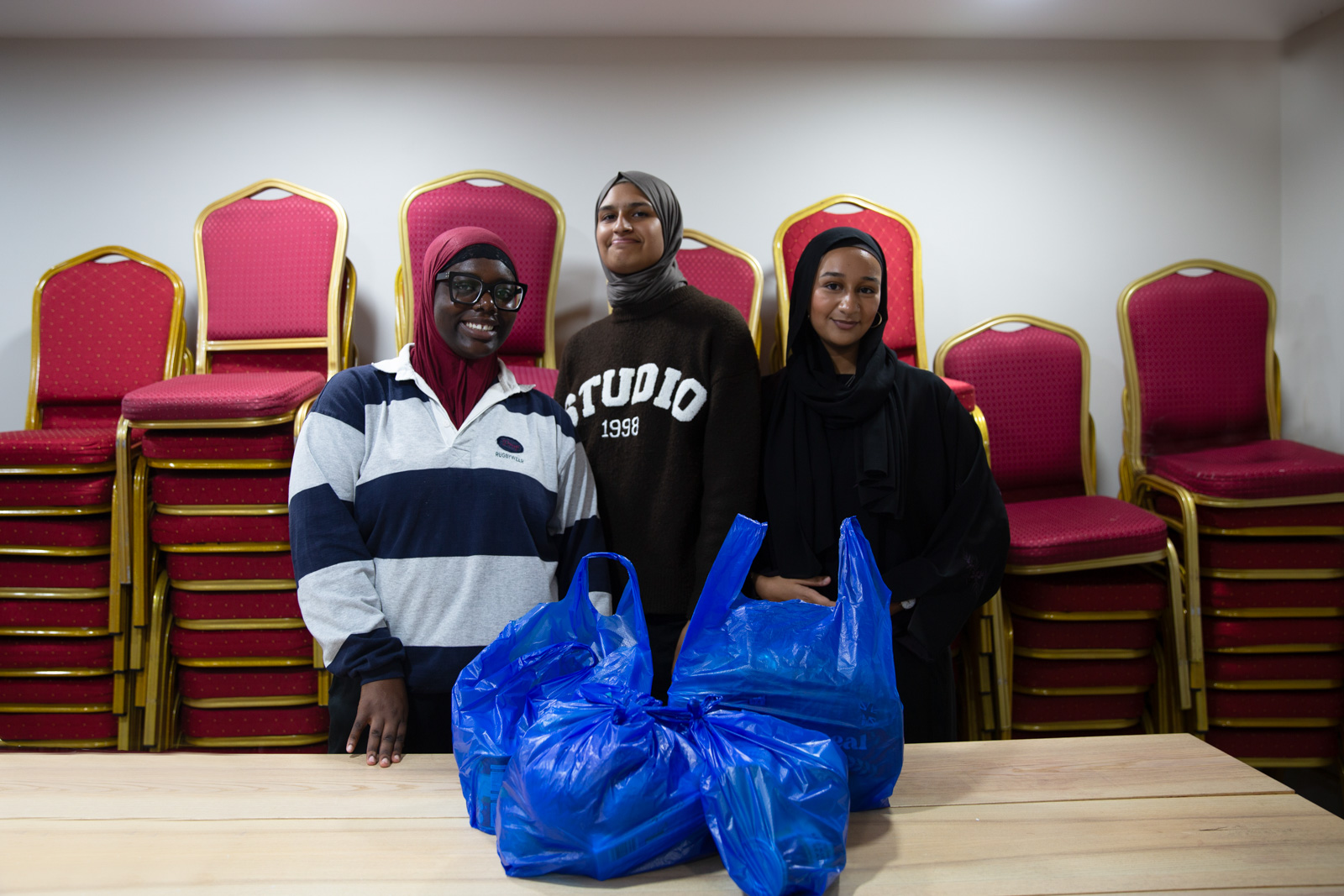
Since February, the group has run one or two litter picking sessions a week, typically drawing between 10 and 20 volunteers. New recruits often get involved after seeing what Move the Youth are up to via social media posts.
“Our first task is reaching people who are at home, on the couch, people who are literally stuck, just doomscrolling,” Abdi says. “The first stage is getting them out of the house and engaged in what is happening around them.”
Getting people through the door is only part of the challenge. Abdi believes many young people are missing the informal networks that previous generations could more readily rely on.
“You look at our parents’ generation and they have these networks around them, aunties, uncles, neighbours, family WhatsApp groups,” says Abdi. “A lot of young people don’t have that same network of support.” Some, he says, are looking for belonging and to “feel useful and needed”.
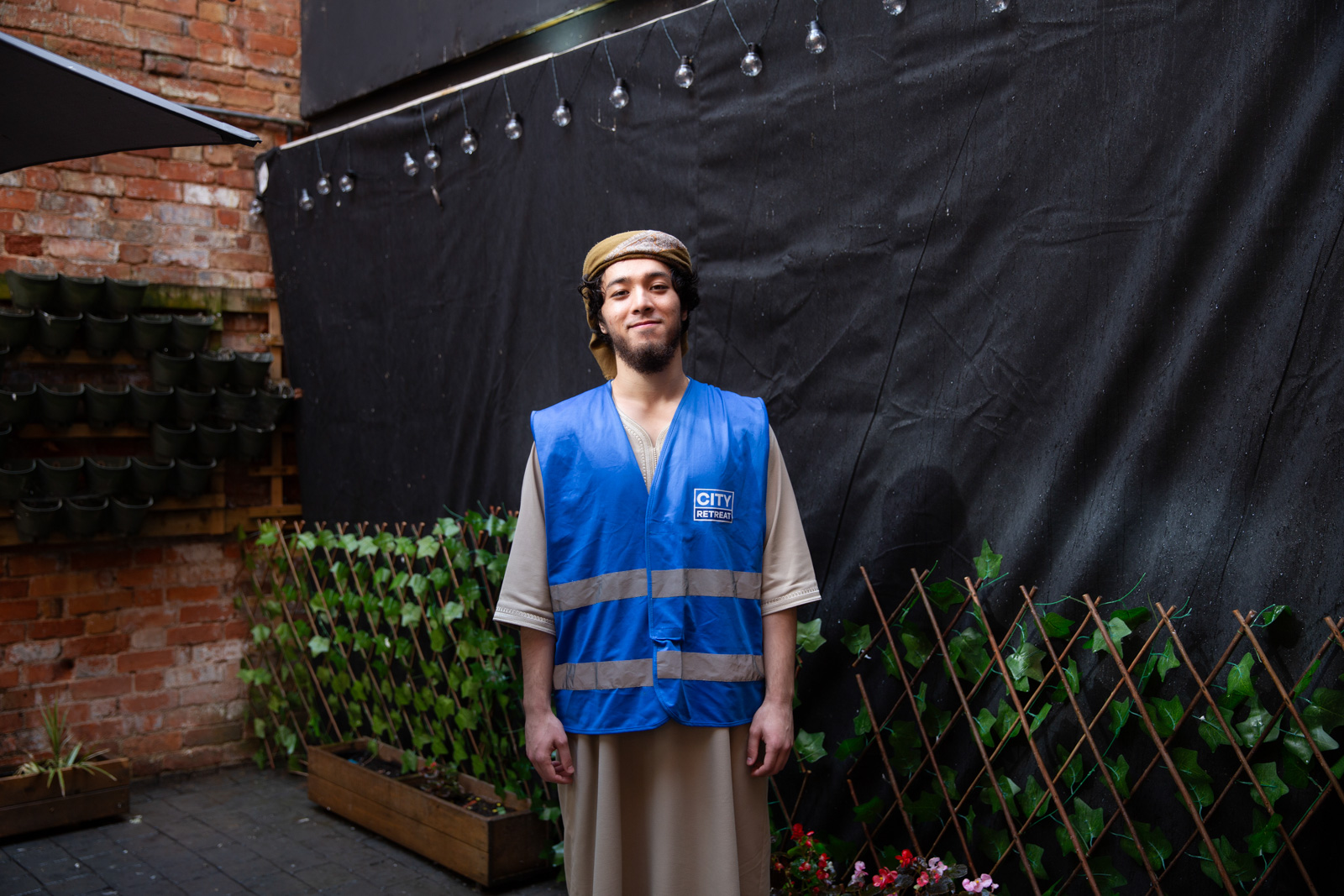
Move the Youth tries to build those connections through repeated participation. It’s set a target of involving 3,000 young people in social action across Leicester, which Abdi says would amount to roughly 5% of the city’s 16- to 25-year-old population. The ambition is to organise enough young people so that they have a greater say in the things that affect them, approaching councils, businesses and other institutions.
“‘We are the youth of Leicester’,” Abdi imagines them being able to say. “‘We want internships. We want more youth spaces. We want youth clubs.’”
Sana Owen, 20, an English student at the University of Leicester, had previously worked with a domestic abuse charity and joined Move the Youth with a particular interest in making the group more accessible to young women.
Move the Youth now hosts mixed Sunday meetings to discuss local issues and sessions specifically for girls and young women. The girls’ sessions give young women room to talk openly about subjects such as misogyny on social media and the pressure to have an identity defined by being “a daughter, a mother, a sister, a wife”, says Owen.
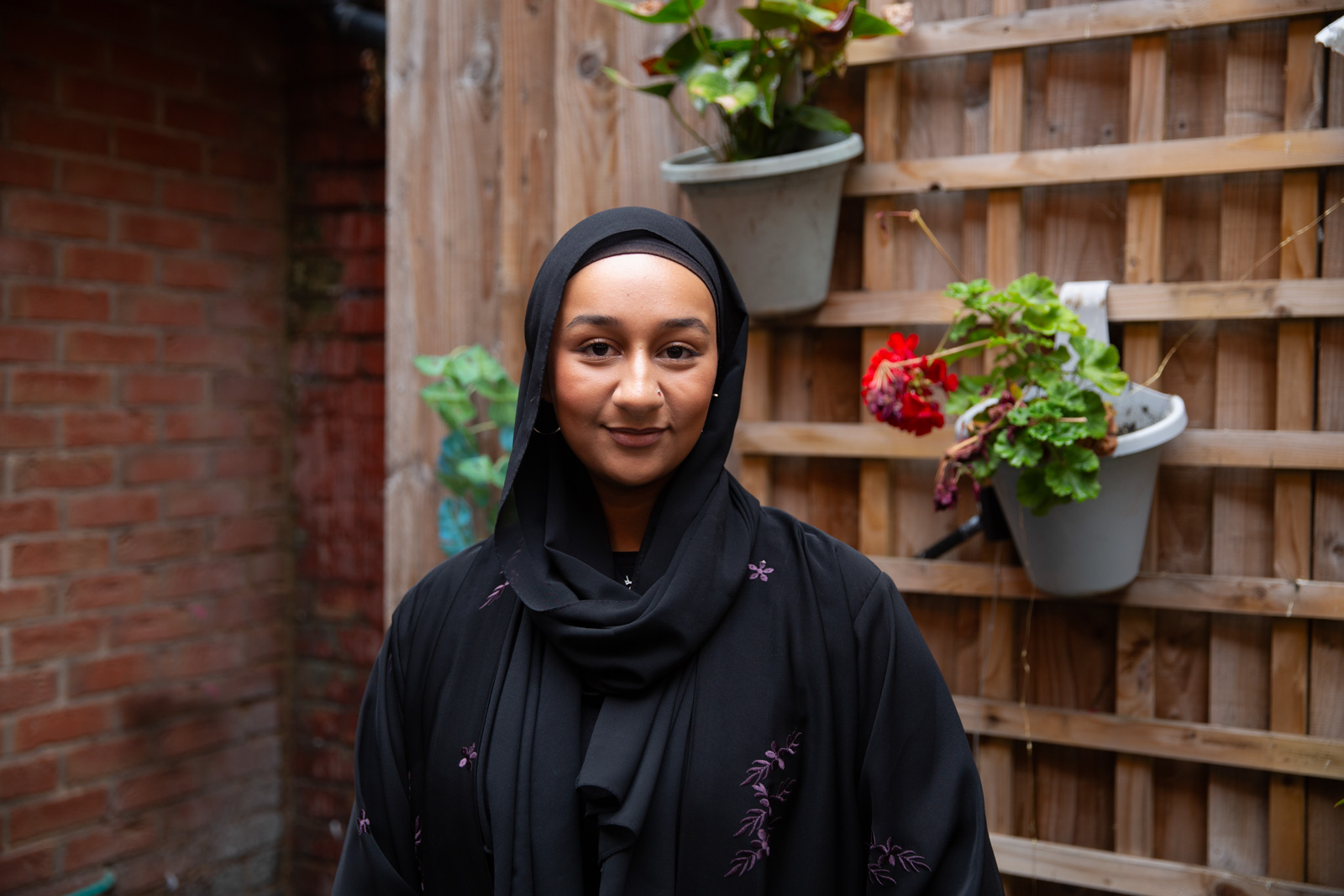
Meanwhile, she says, the mixed sessions give “young women the chance to describe the effects of those attitudes in a space where young men are expected to listen and take responsibility”.
Sajjad, a 21-year-old nursing student, remembers sitting down with Islam and being offered several ways to get involved. He chose the food bank, which has since become his favourite activity.
“There are small actions that really do make my day,” he says. “When you see people smile at you, and you smile back at them, it’s all sorts of small acts that build up. You’re doing it for the pleasure of God.”
“We live in a generation where young people are just often seen as statistics and numbers,” Islam adds. “So, we give young people that ownership and power to be involved in decision-making.”
For Abdi, that is the larger point of the project: not simply giving young people somewhere to go, but giving them enough confidence and influence to shape their futures.
“Young people are not the problem to solve,” he says. “They are the solution.”