
Plea for help getting Qur’ans and prayer mats to Muslim children in care
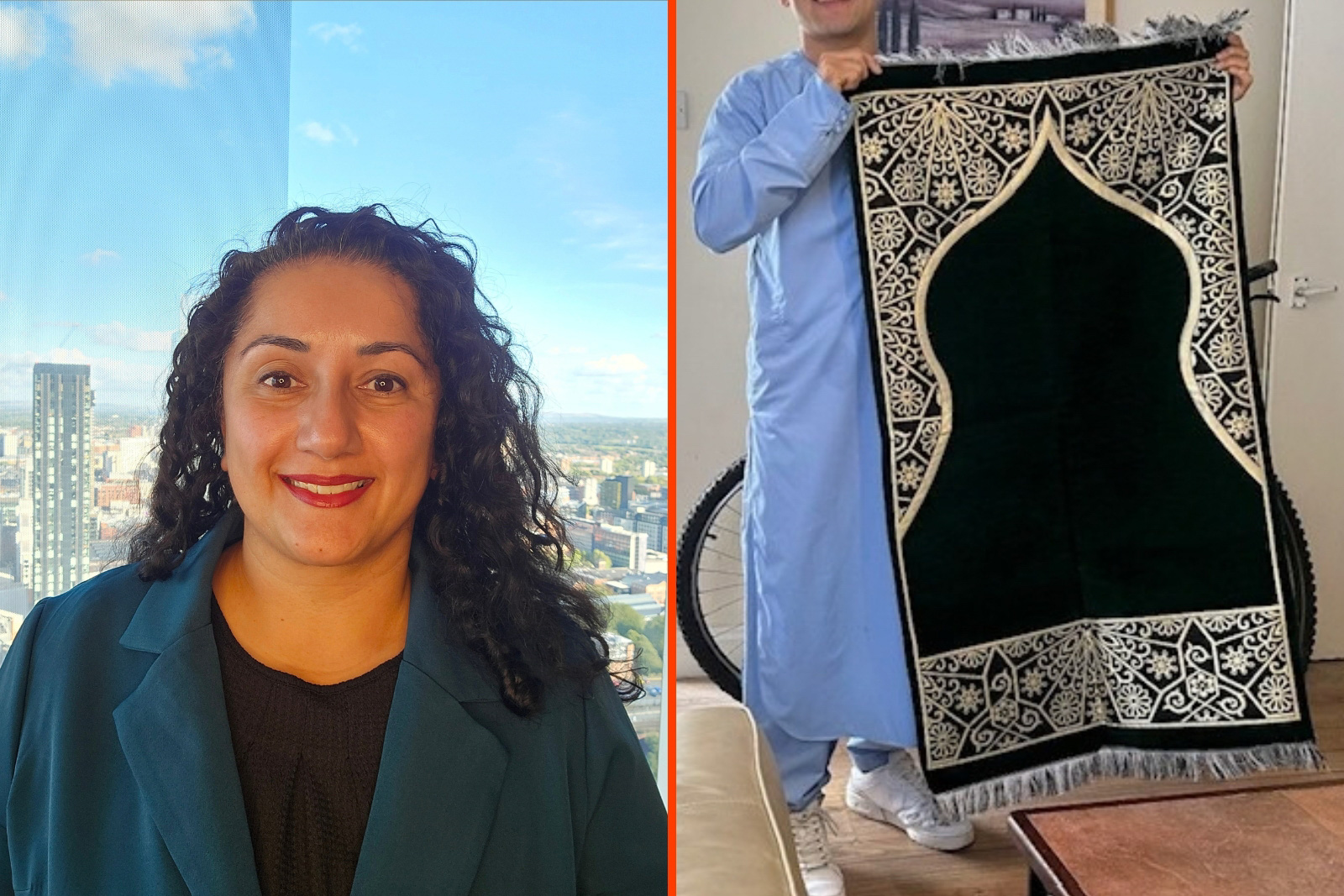
The community organisation Muslim Children in Care has given out dozens of prayer packs but says there is a huge unmet need for more

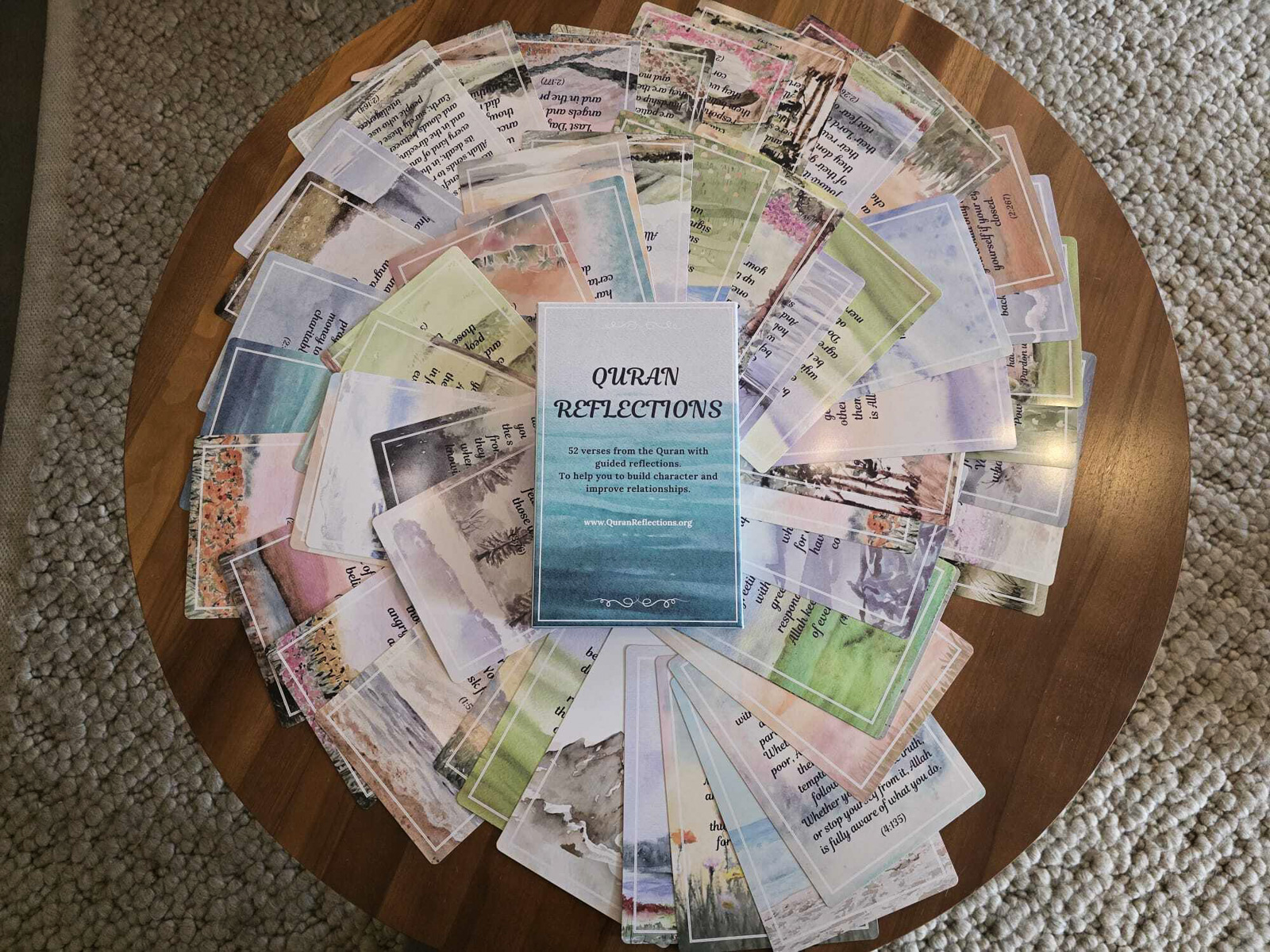
Dozens of prayer packs containing Qur’ans and prayer mats have been delivered to Muslim children in care after social workers and foster carers asked for help meeting their needs.
Muslim Children in Care, a community project founded by social worker Tay Jiva, has so far distributed more than 1,500 prayer packs to children supported by councils including Hillingdon, Warwickshire, Leeds and Hartlepool — and is now raising money to provide more faith resources to kids in the care sector. It also wants to create local hubs where care professionals can collect them throughout the year.
Jiva, who has worked in social care for almost 30 years, led a project funded by the Department for Education to recruit Muslim foster carers and adopters before setting up Sparks Fostering in 2022, an independent fostering agency. She said Muslim Children in Care grew out of the informal support she continued to provide to social workers and foster carers looking for advice on supporting Muslim children.
“How do we support our children during Ramadan? How do you support their faith needs? What do I need to do? What should I do if the child isn’t praying five times a day? They have those sorts of questions,” she said.
The initiative is currently fundraising for work with organisations and councils that have agreed to provide faith resources to the young people they support. This includes Hillingdon and Leicester councils, as well as the Da’aro Youth Project — an organisation working closely with young refugees and people seeking asylum. It has already raised thousands of pounds.
Jiva said some of the young people most in need of the resources are teenagers who arrive in the country alone and are placed with carers who do not share their faith.
“A lot of the time, they are living with non-Muslims. They don’t know the country, they don’t know their way around, they don’t know where the shops are, they haven’t got any money,” she said. “What they’ve reported back is they feel like they were worried about being in this country and being Muslim because they thought their faith wouldn’t be accepted. They appreciate having these items. When they’ve come from war to this country and they’ve lost everything, some of them have lost their family members, friends, school, everything is gone. The one thing that they can carry with them wherever they go is their faith. When they are supported by people who say, ‘We see that, we respect that, we support you in your beliefs,’ it means a lot.”
Related content
While members of the public have offered to donate toys, books and other items, Jiva wants to provide things children and professionals have specifically requested and ensure anything handed out to vulnerable children is properly vetted. The aim is to establish at least one community hub in each area, ideally based in a mosque, to hold Qur’ans, prayer mats, beads and other faith materials.
According to Jiva’s analysis of freedom of information responses from local authorities, at least 4,496 Muslim children were in foster placements during 2024, revealing the scale of the need for culturally and religiously sensitive support.
She said responsibility for providing that support should not fall solely on social workers, particularly those who do not have specialist knowledge of Islam and Muslim communities, and has called for mosques and Muslim community organisations to help bridge that gap.
Jiva added that making the resources available throughout the year is particularly important. “If we only give gifts for the faith resources in Eid,” she explained, “there’s a huge number of children who are in and out of the system in between Eids who won’t get those faith packs.”