

Muslims in England feel strong sense of community but remain lonely — survey
Government’s annual Community Life Survey of 175,000 people over 16 counters stereotype that Muslims ‘are not integrated’, says academic
A government survey of 175,000 people has found that two-thirds of Muslims in England feel a strong sense of belonging to their immediate neighbourhood — higher than the country’s average — but that they are also more likely than other people to report feeling lonely.
It is the third time the Community Life Survey, carried out annually by the Department for Culture, Media and Sport and Ministry of Housing, Communities and Local Government to track civic and community engagement, has found that Muslims in England are the loneliest faith group, despite a £4.5m government grant aimed at reducing the problem across England in 2025-26.

The survey polls people above the age of 16 each year on metrics such as how often they volunteer and chat with their neighbours, and whether they are satisfied with the green spaces in their neighbourhood. It has run since 2016.
Dr Leon Moosavi, a sociologist of race and religion at the University of Liverpool, told Hyphen the findings ran counter to recent research that found two in five Britons believed Muslims were unable to integrate into British society.
“There is a stereotype that Muslims are not integrated, they are outsiders or a fifth column, as they call it, but research shows that Muslims have a strong sense of civic and community-mindedness,” he said.
Moosavi pointed to the Arabic word ummah — often taken to refer to the global Muslim community — as capturing this feeling. “When we talk about ummah, many people don’t just understand that as [meaning] the Muslim nation — it makes us think of other people.”
The survey, conducted between October 2024 and March 2025, found that Pakistani and Bangladeshi people were more likely to feel a strong sense of belonging to their immediate neighbourhood. “In parts of the Midlands and the North we have these ethnic enclaves where we find that people are living in communities and neighbourhoods where they share culture and heritage,” he said.
When questioned on how often they felt lonely, isolated from others or that they lacked companionship, however, 8% of Muslim adults reported feeling lonely often or always.
Loneliness remains a critical public health issue. In 2022, nearly 26 million adults in the UK reported feeling lonely, with 7.1% experiencing chronic loneliness, according to research from the Campaign to End Loneliness. Loneliness has been linked to higher levels of mental distress and rising healthcare costs, with analysis showing that those who report feeling lonely incur around £850 more in annual NHS costs.
Related content
“It’s important to consider that there might be certain types of Muslims who are struggling with loneliness,” said Moosavi. “Muslim converts are an excellent example because they often report feeling like there is lots of excitement when they first convert but feel abandoned afterwards.”
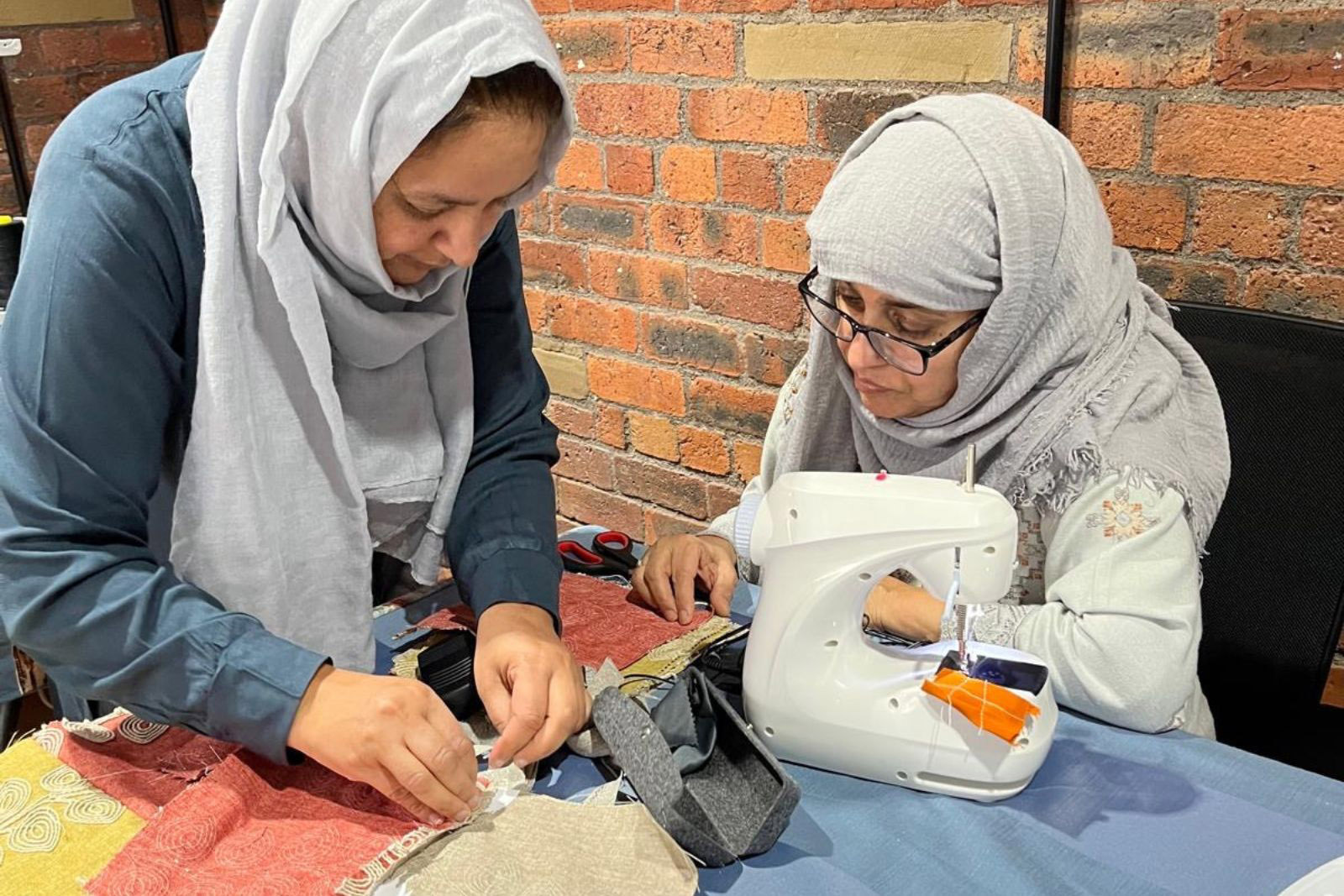
Ayesha Acharya began Sisters4Islam to support Muslim women in Leicester who experience isolation. Although Leicester has one of the UK’s largest Muslim populations, Acharya said social events in the city that did not take faith and cultural values into consideration further isolated Muslim women in Leicester. She hosts regular social events, including running clubs, trips to the seaside and upcoming retreat in Wales.
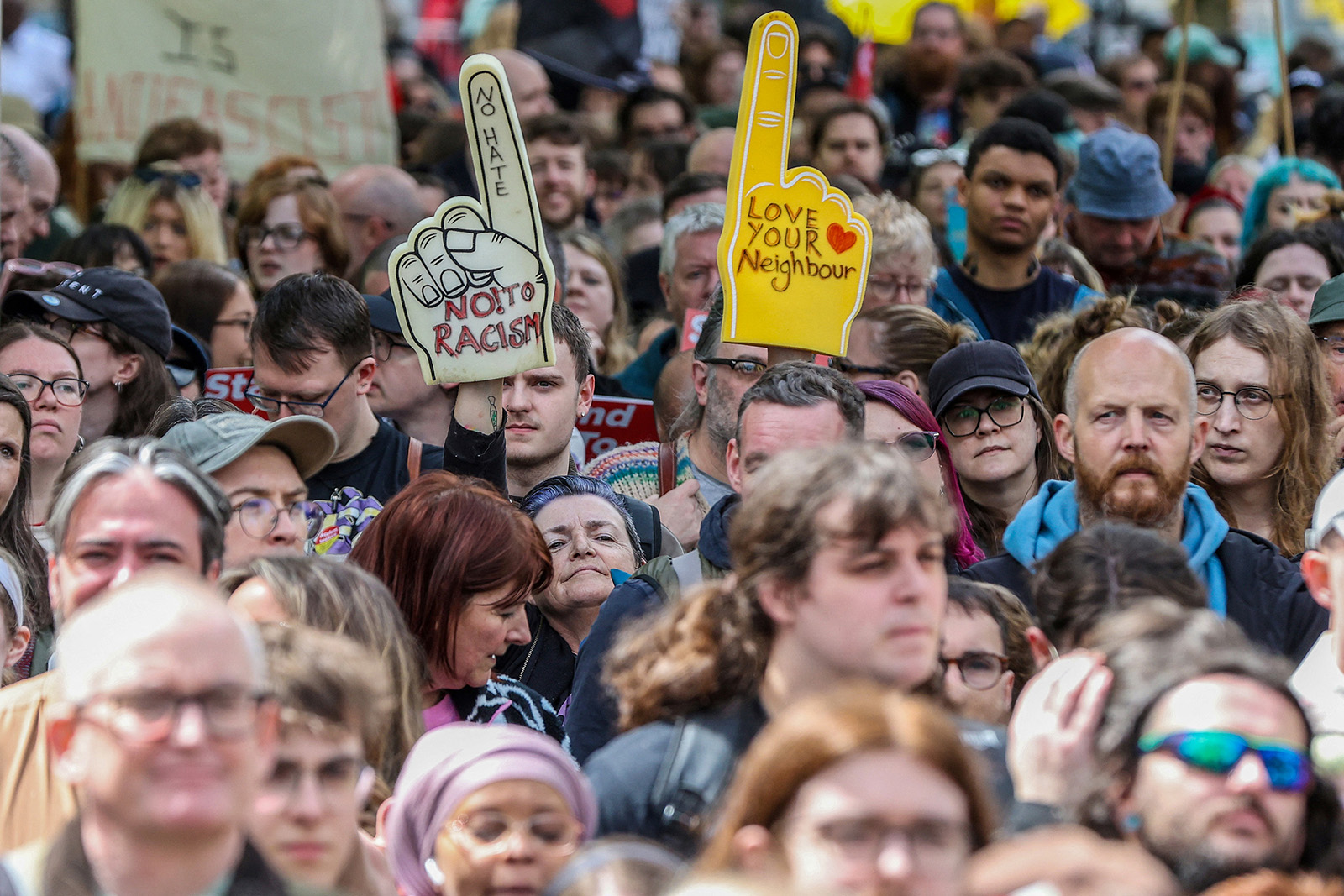
The increase in anti-Muslim hate might also explain the higher rates of loneliness among Muslim adults. The British Muslim Trust, which monitors Islamophobic incidents, recorded 70 attacks on mosques in its first year.
“When we say that Muslims are lonely it gives a sense of hopelessness, as if loneliness was our choosing or a result of our inaction,” said Moosavi. “Loneliness is also about exclusion and marginalisation and feeling that we’re not accepted or included for who we are.”