
Most Brits recognise that Muslims face prejudice and back efforts to stop it
Some 61% support government action against anti-Muslim prejudice, suggesting Tory pledge to scrap equality duty is out of step with public mood

Most British people recognise that Muslims in the UK face prejudice and support government action to tackle it, national polling has found.
The survey of 2,000 people, commissioned by the British Muslim Trust and the thinktank British Future, found that 63% of the general public believe Muslims experience prejudice in the UK, while 61% support government action against anti-Muslim prejudice.
It comes after Conservative leader Kemi Badenoch pledged to abolish the public sector equality duty — a law under the Equality Act requiring public bodies such as police forces and hospitals to consider how they can promote equality, prevent discrimination and foster good relationships across communities within their work.
In a speech at the Institute for Government last week, Badenoch claimed that public services had “spent so long worrying about institutional racism that they have become institutionally incompetent”. Reform UK has vowed to repeal the Equality Act altogether and ban any recruitment or training initiatives that promote diversity and inclusion.
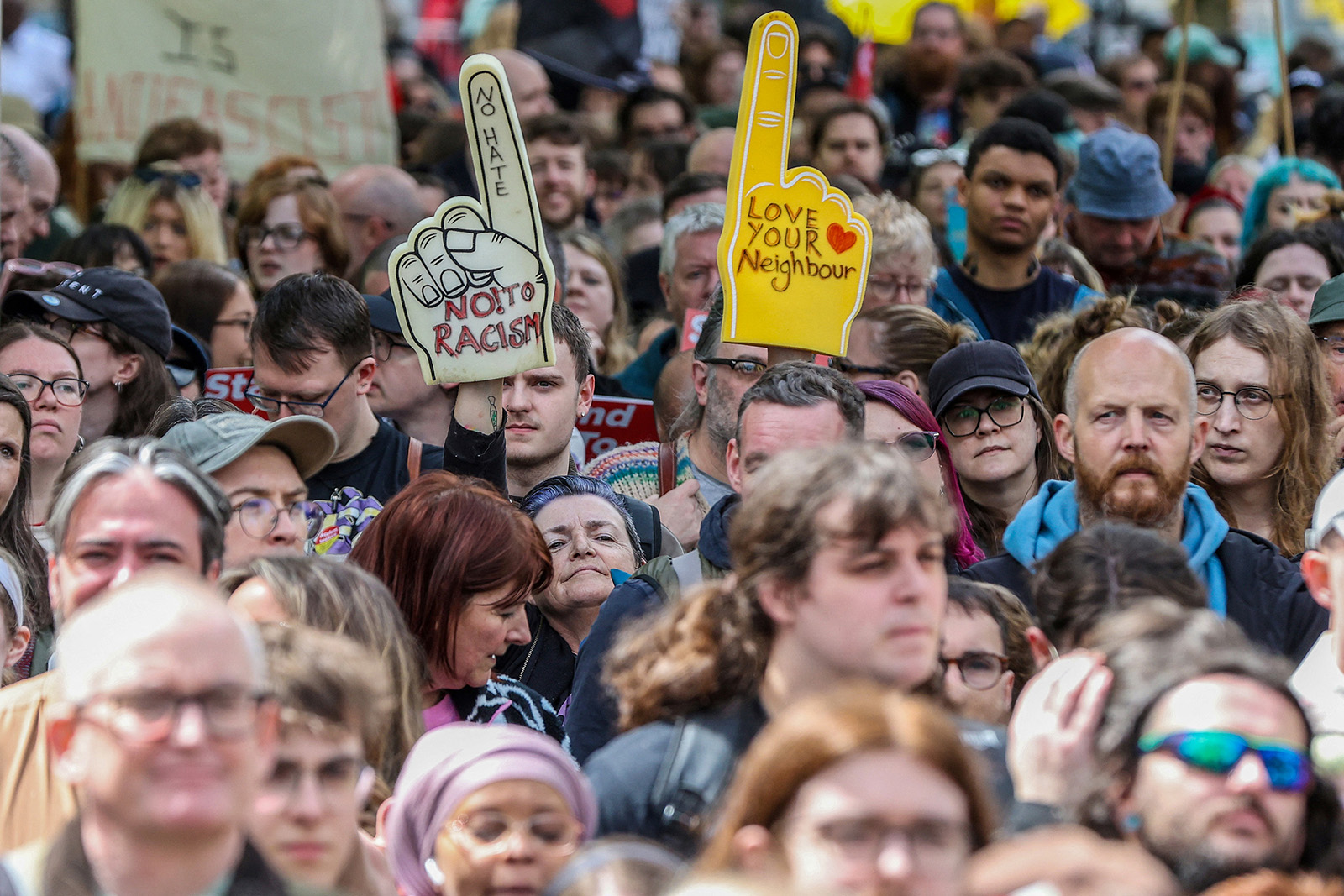
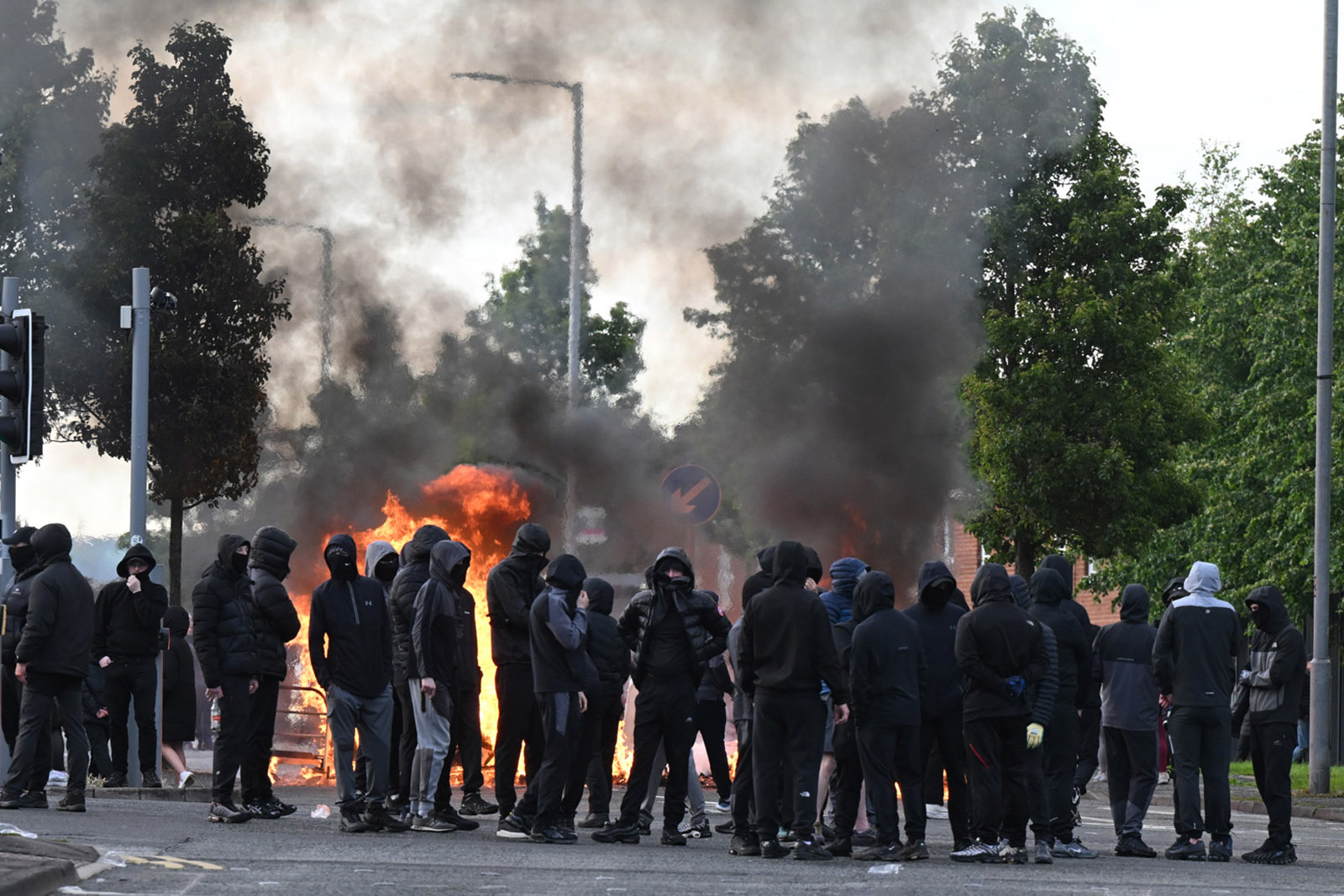
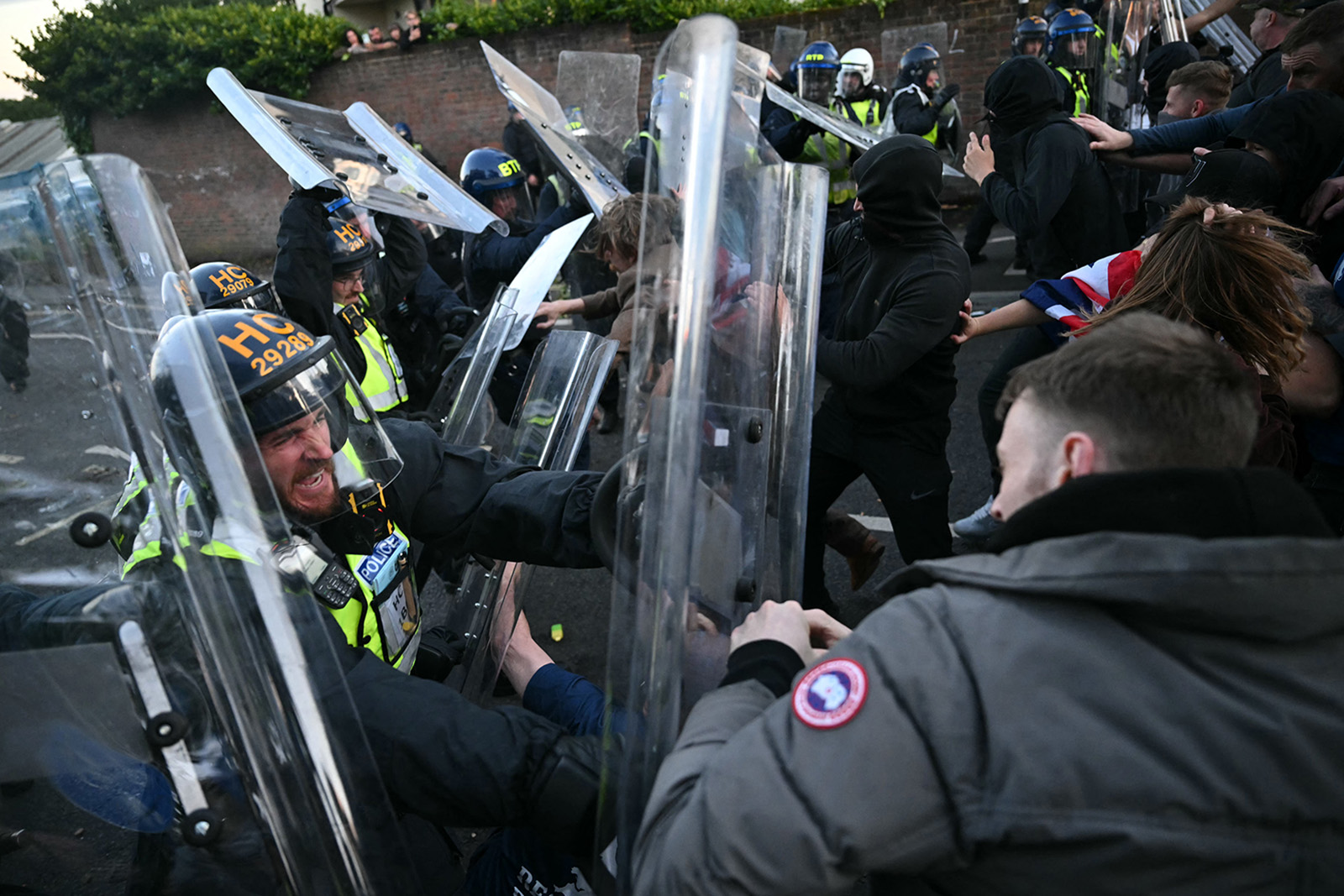
A separate survey of 1,000 Muslims was also carried out alongside the larger study. This was done before last week’s riots in Belfast, the violent disorder that erupted following the murder of Henry Nowak and far-right Unite the Kingdom march in May, which featured Islamophobic and ethnonationalist hate speech and flyers. But the research found that 69% of Muslim women already felt less safe as a result of the same movement’s rally in 2025, which saw 150,000 people descend on central London, with some chanting anti-Muslim slogans and attacking police.
Akeela Ahmed, chief executive of the British Muslim Trust, said the findings — contained in the report Understanding Anti-Muslim Hostility: Foundations for Action — were “extremely worrying”.
“But British Muslims are not alone,” she added. “A clear majority of the British public appreciate that there is anti-Muslim prejudice, and support action to combat it.
“There is a concerning minority who hold hostile views towards Muslims, but we must never forget that the vast majority of people in this country are warm, decent, respectful people who want to get on with their neighbours and communities.
“That goodwill must now be harnessed into an urgent, society-wide response to anti-Muslim hate and hostility that helps ensure we can all live our lives free from hatred, prejudice and abuse.”
The research, conducted online by polling company Number Cruncher Politics, found that more than half of Muslims had experienced prejudice based on their religion in the last year but that three-quarters still felt the UK was a good place to be Muslim.
One in four Muslims surveyed said they had experienced prejudice in a public space, such as the street or on public transport, while 19% had encountered anti-Muslim prejudice at work or in an institution like the NHS and 34% had experienced it on social media.
The survey also found that overall one in six Brits surveyed held “persistently strong, hostile views of Muslims” including support for discriminatory policies and treatment such as deportation and violent protests outside places of worship.
Sunder Katwala, director of British Future, said this was “deeply worrying”.
“Most people do not agree with them,” he said. “But if this trend continues unchecked, there is a real risk that these attitudes become normalised in wider society.
“It cannot be OK for a section of our society to be subjected to such hostility because of their religion. This shouldn’t be a matter for polarised political debate, but a basic norm that we can all agree on. We must protect free speech, and we must also protect our fellow citizens from hatred.”