
Playground politics: why park cuts could set back Leicester’s riots recovery
Grassroots groups working to bring together Hindu and Muslim communities say the hard graft was left to them — and austerity isn’t helping
It’s 28 August 2022 and a brawl breaks out in the Belgrave area of Leicester among rival fans of India and Pakistan’s cricket teams. Eight people are arrested. As the days go on, tensions between Hindu and Muslim communities start to mount and further violence breaks out; a week after the initial brawl, the police issue a dispersal order to help them break up groups of people.
On social media, influencers and accounts purporting to support each community post incendiary videos and misinformation, particularly about the influence of religious extremists, raising the level of fear and threat across communities. The events reach a culmination on the weekend of 17 September, when what is meant to be a peace march splinters and violent disorder engulfs Belgrave Road, Green Lane Road and the Highfields area of the city.
By the end, there have been 47 arrests and Leicester’s reputation as a model of good community relations is shattered.
Related content
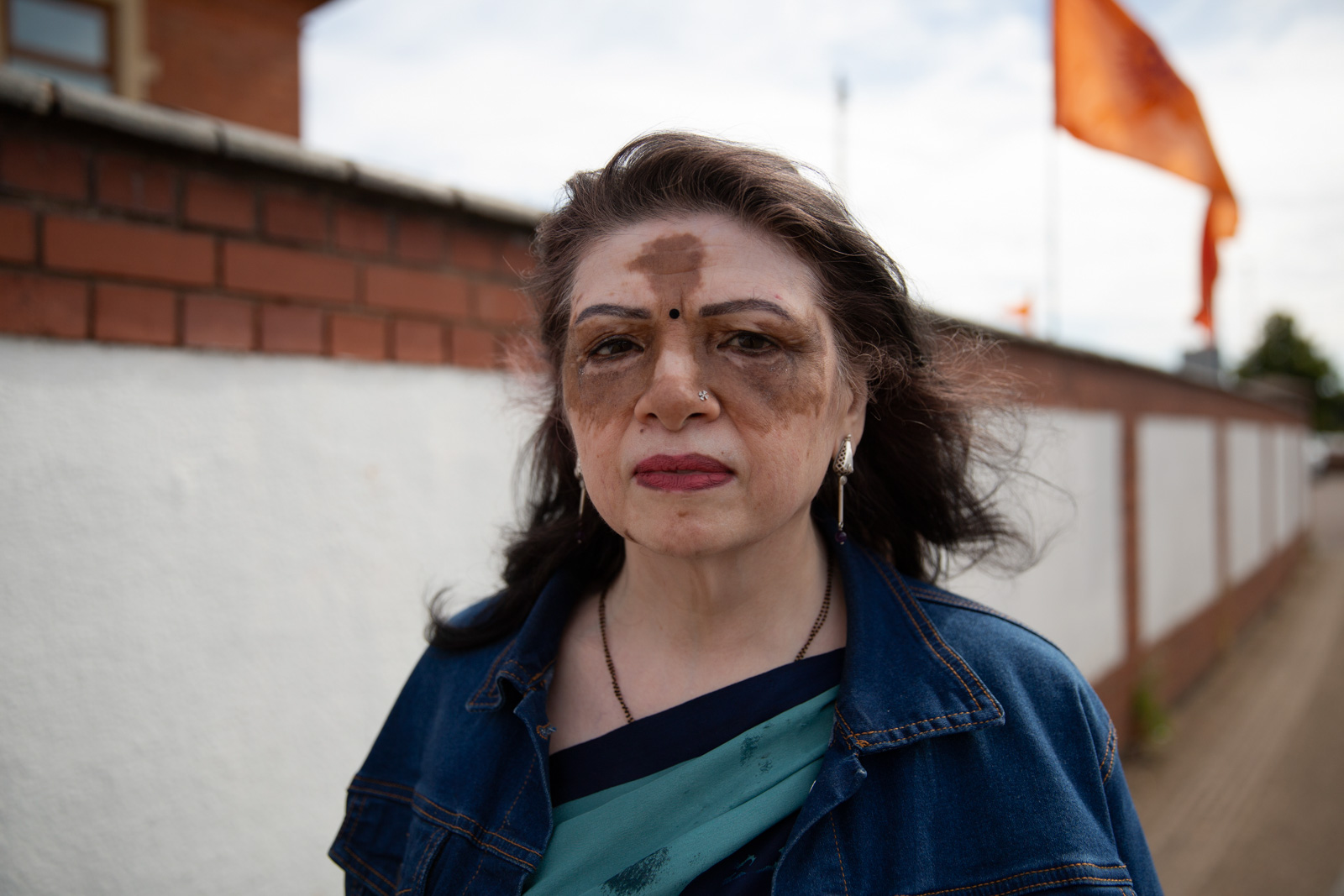
Four years on, Rita Patel remembers it well. Patel — then a Labour councillor with political responsibility for community and equality, as well as assistant mayor of the city — was enjoying an evening out when events took a turn. “I was at the restaurant when the major trouble happened on Belgrave Road, and I was on the corner of the street where it was happening,” she says. “I’ve still got the text that I sent to the mayor to say: ‘I don’t know where you are and I don’t know what you’re doing, but you know there’s all this stuff going on here.’”
Patel came to Leicester aged seven in 1966 from India, joining her father who had emigrated two years earlier.
“Both my parents were teachers in India,” she recalls. “When they came here, they had to work in factories. My father worked on buses. They were one of just two Asian families in their street.”
In the decade that followed, Leicester would be transformed by waves of migration from East Africa, where discriminatory policies were being pursued against Asians by the newly independent governments, and from South Asia. What was initially portrayed by opponents of immigration as a disaster for Leicester became, over the years, a thriving community. But complacency began to set in. The services and mechanisms that had helped promote good relations between Hindus and Muslims started to break down as the communities changed — and as austerity policies meant public funding to the city had to be cut.
“Leicester was sleepwalking into a situation that actually the local government and other leadership in this city should have — if they had enough insight and enough connectivity — been able to foresee long before,” says Patel.
Factors, she said, included the closure of services under austerity, particularly youth services, which were cut by 80% in 2018, robbing young people of spaces where they could encounter people from other communities.
Alongside this was the decline and offshoring of the garment factories in the city in the preceding five years, a trend that has continued since and means the 1,500 factories that operated in the city in 2017 had dwindled to just 96 in 2025.
The rise of religious Hindu nationalism in India, associated with the governing BJP party, also had an impact on diaspora communities in Leicester. Meanwhile, newer, predominantly Hindu communities that had migrated from India prior to Brexit did not have access to the same institutions and services that had previously fostered good relations, according to the independent commission formed to investigate the causes of the riots, which reported in February of this year.
Mahomed Jussab is an energetic community organiser. We meet outside the City Retreat, a masjid and community centre in the middle of the city. Jussab is part of the Dosti (“friend”) network, a loose group of activists who are working across different faith communities in Leicester. Their main focus is on engaging and supporting young people to play an active and positive role in the city.
One of the groups that has emerged from this work is Move the Youth — a project run by the organisation iRepresent, founded by Jussab — which has a focus on social action ranging from litter picks to food bank collections. At its heart is a desire to support young people from across communities to develop the leadership skills to make a positive difference.
Jussab also organises three cross-community iftars during Ramadan. He says he operates a “traffic light” system when designing the events. “The green light is people you know that come; already your friends that know [you], and it’s just to build,” he explains. “The second iftar, which is the Hindu-Muslim one, is amber. So there’s some hostility. [People are] a little bit scared. Not sure. Never been to an iftar,” he continues. This year, the third iftar was in a predominantly white community in Leicestershire where there have historically been tensions between Muslims and their neighbours.
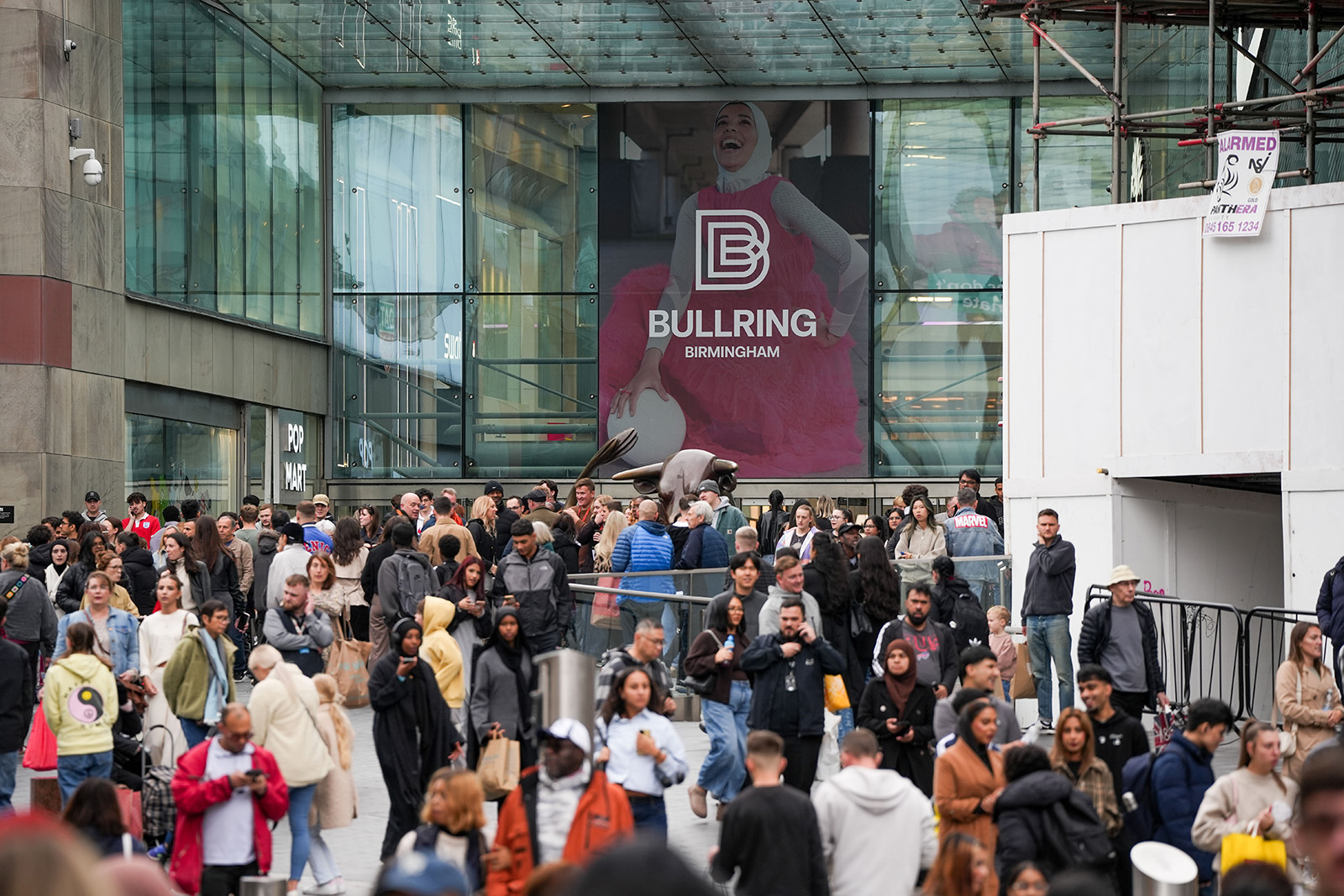
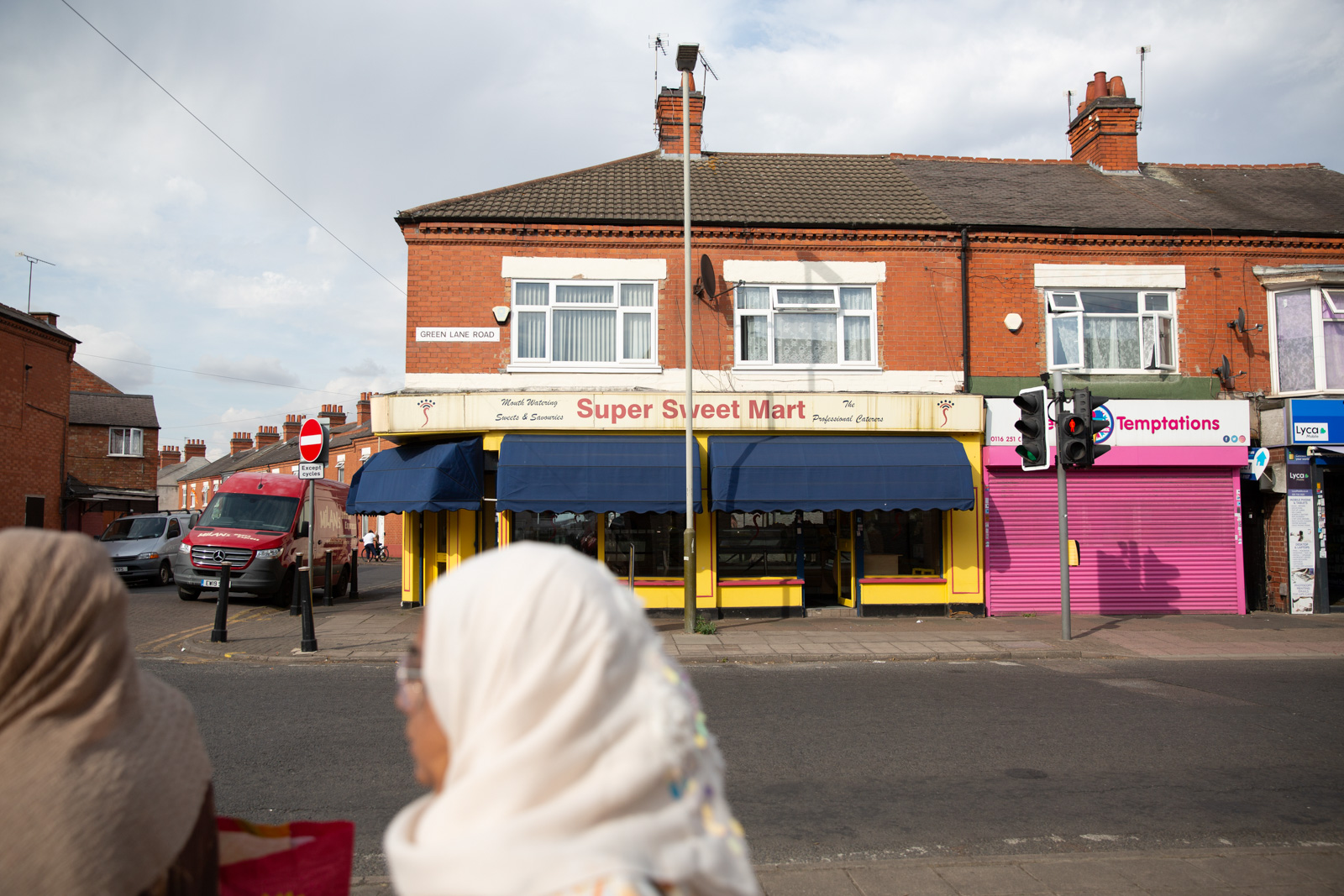
Along Green Lane Road, a predominantly Muslim area, and Belgrave Road, a predominantly Hindu area — both affected by the 2022 riots — shopkeepers are reluctant to be drawn on the events of four years earlier. On both streets, the multicultural status quo established before the riots has slowly returned: people from multiple communities are working and shopping side by side, with halal restaurants down the road from Hindu temples and Hindu shoppers going to Muslim-owned clothes shops. A few minutes’ walk south, however, playground politics is threatening to undo the work that has been done to stitch Leicester back together.
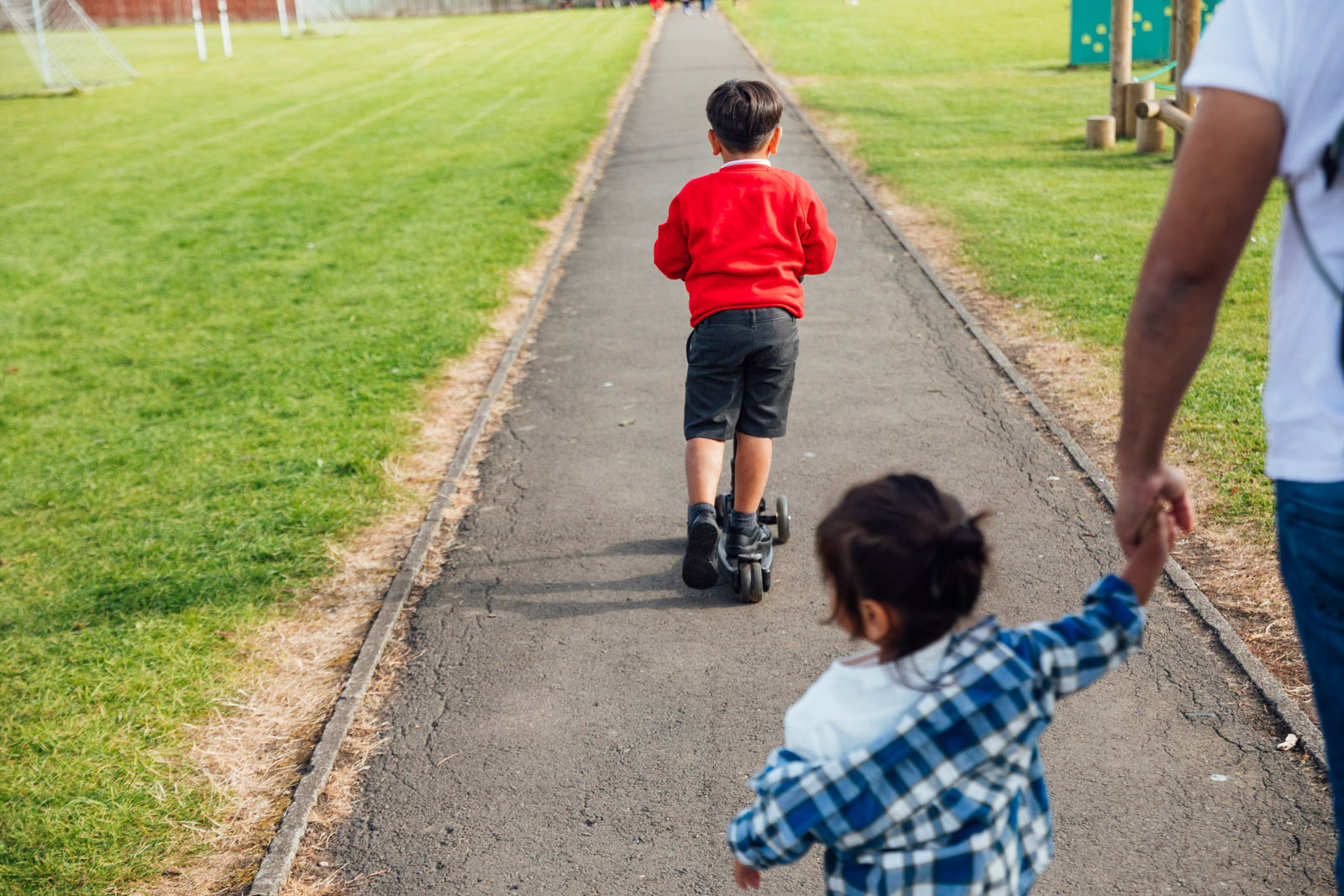
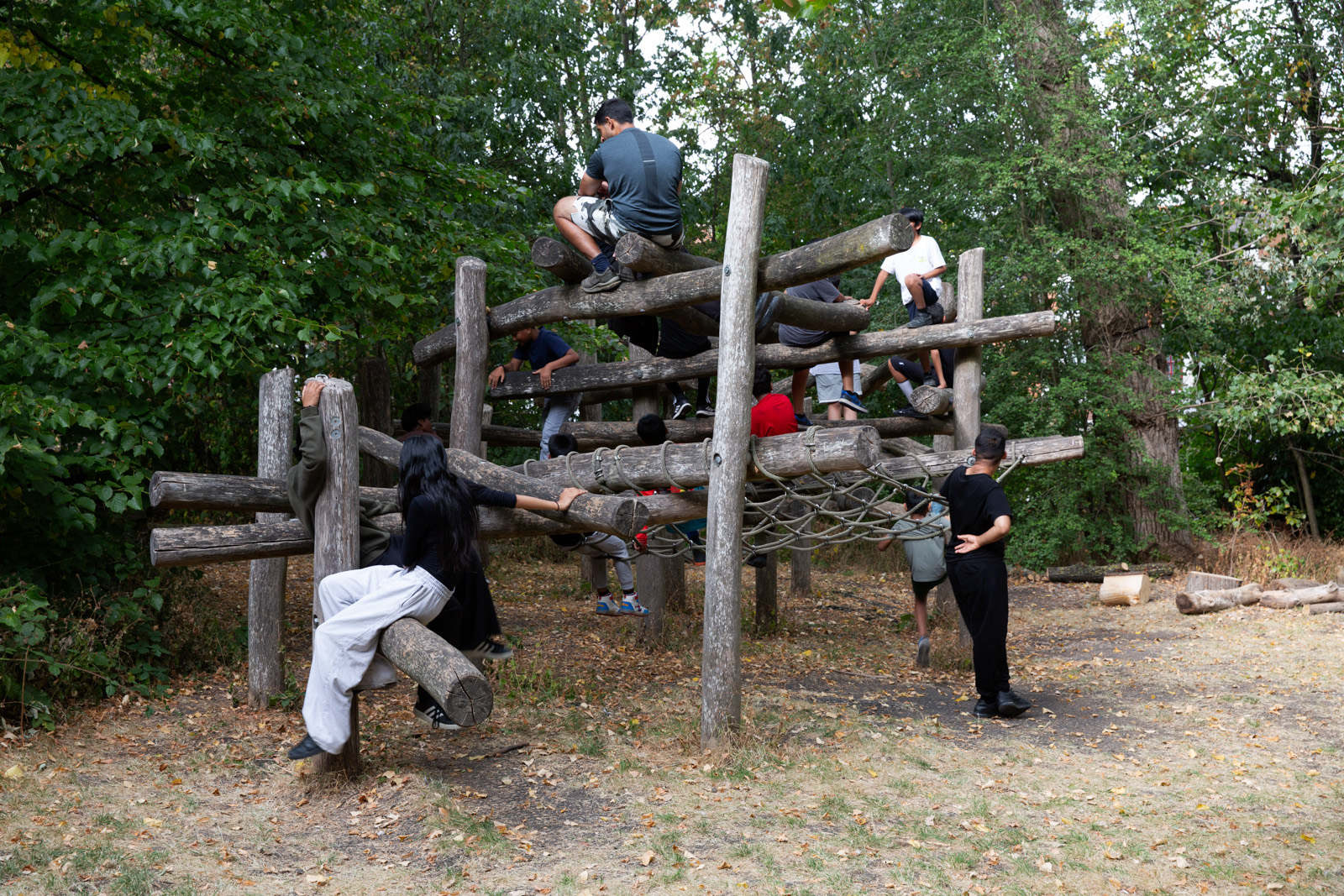
In Highfields, a mixed-faith community comprising streets of closely packed terraced housing, one of the city’s adventure playgrounds sits at the north end of Spinney Hill park. Around 90 children are there on a Friday afternoon, mostly from local Asian families. There are treehouses and football, a greenhouse and a building hosting an art class and gaming.
The variety of activities at Highfields Adventure Playground is incredible. The five workers employed by the charity take a hands-off approach, allowing the youngsters to make their own fun using the available facilities. During the heatwaves of the summer of 2026, the adventure playground is shaded and relatively cool.
The playground was founded in the late 1960s, the result of a campaign by radical local university students to provide for children in the working-class neighbourhood where many of the students lived off campus. It’s a free service, with food provided to anyone attending. Kevin Sheriff, 61, now the playground’s manager, was one of the first kids to use it when he moved to the area aged seven.
Children at the playground have to take a lead on what they want to do and how to share and behave — if necessary, with the gentle guidance of Kevin and other workers. While we speak, one of the children comes to ask him about a DIY problem her mum is having at home and he promises to stop by to take a look.
“When these riots started, it was interesting,” says Kevin. “Obviously, we’re not too far away from the kind of interface in terms of Green Lane Road, where there was quite a lot of stuff going on. A lot of families were quite scared to be out on the street.” But, he adds, with a sense of purpose: “None of our kids were involved — we know for a fact. It is an old saying, but it’s like: those who play together stay together.”
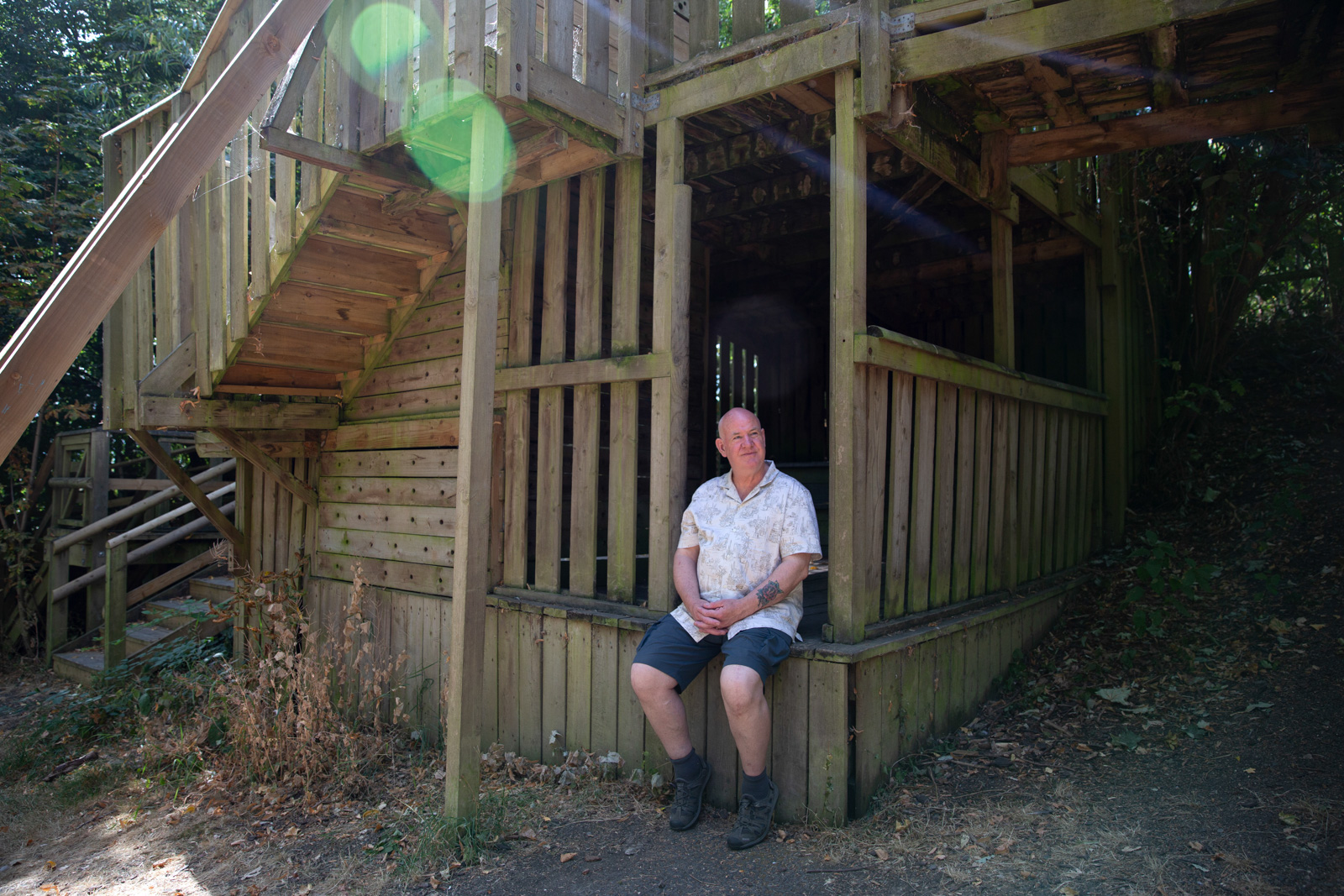
For the past two years, however, the adventure playground has been under threat of closure. Funding from Leicester City Council was halved last year as part of cuts to voluntary sector organisations, and is due to be reduced again next year before ending altogether in 2028. Staff, supporters and the local community are campaigning against the cuts and there are city-wide elections next year, which could reverse decades of Labour domination in the city. Opposition parties ranging from the Conservatives to the Greens are opposing the cuts to the adventure playgrounds and they could become a symbolic issue in the campaign.
Leicester City Council has hit back by saying it expects the city’s adventure playgrounds — including Highfields — to find their own cash once public funding ends, and that Highfields is among those that have submitted business plans for how they would do this. A spokesperson said the council would “ensure that open access play continues to be offered” at all sites if these did not work, but did not explain how it would achieve this.
But Sheriff said alternative funding was not something that could happen quickly. “We’ve got a fantastic team who are looking at getting money in for us, and have been fairly successful,” he said, “but it’s nothing compared to what our normal grant would be.” In the meantime, most of the nine adventure playgrounds in the city, including Highfields, have already had to cut their hours and holiday provision.
“A lot of the causal factors that I think led up to the riots are very much still brimming underneath the surface,” said Sharmen Rahman, another former Labour councillor who defected to the Green Party in 2023 after being deselected by Labour along with 18 colleagues. She stood for the Greens in Leicester South at the 2024 general election, losing to independent candidate Shockat Adam.
Rahman is critical of what she says is the lack of action by the city leadership on rebuilding community relations in the wake of the riots. “Basically the political will to address this issue is not there, and the funding to do what’s needed is not there,” she said.
“In terms of reconciliation work, it’s been left more to the communities themselves. Whilst that is a good thing and I absolutely champion it, it’s also quite surface-level because it doesn’t actually address the fact that most of these communities feel like they’re competing with each other for resources.”
In addition to cutting funding to the adventure playgrounds, earlier this year the council agreed to close a library and cut opening hours at others while demolishing a community building and offering others up for volunteers to run. The council has also cut its support for families struggling to pay council tax.
Leicester City Council said in a written statement that the town hall was developing a long-term plan called Connected Communities, “involving residents, community organisations and partners in identifying actions that would help people to live well together and increase feelings of belonging to the city”.
This work is being led by the Belong Network, which is yet to share its findings with the council. None of the people Hyphen spoke to for this story, however, mentioned the network or Connected Communities.
“Our aim is to fully understand the strong connections that we know already exist between Leicester communities so that we can build on and strengthen them for our future work,” the council added.
Meanwhile, a report into the riots commissioned by the then Tory government in 2023 and led by crossbench peer Ian Austin is still yet to be published. The Ministry of Housing, Communities and Local Government responded to Hyphen to say that the report had been finished and was being reviewed by the government.
Back in Leicester, community workers and members are doing what they can to repair the community relations torn as much by neglect as by violence.
Despite the axe hanging over the playground he manages, Sheriff remains optimistic about the city’s future.
“There are some fantastic things that are going on within these communities — really positive stuff,” he said. “Everyone just seems to want to concentrate on the negatives.”