
The doctor bringing health education to pre-school children
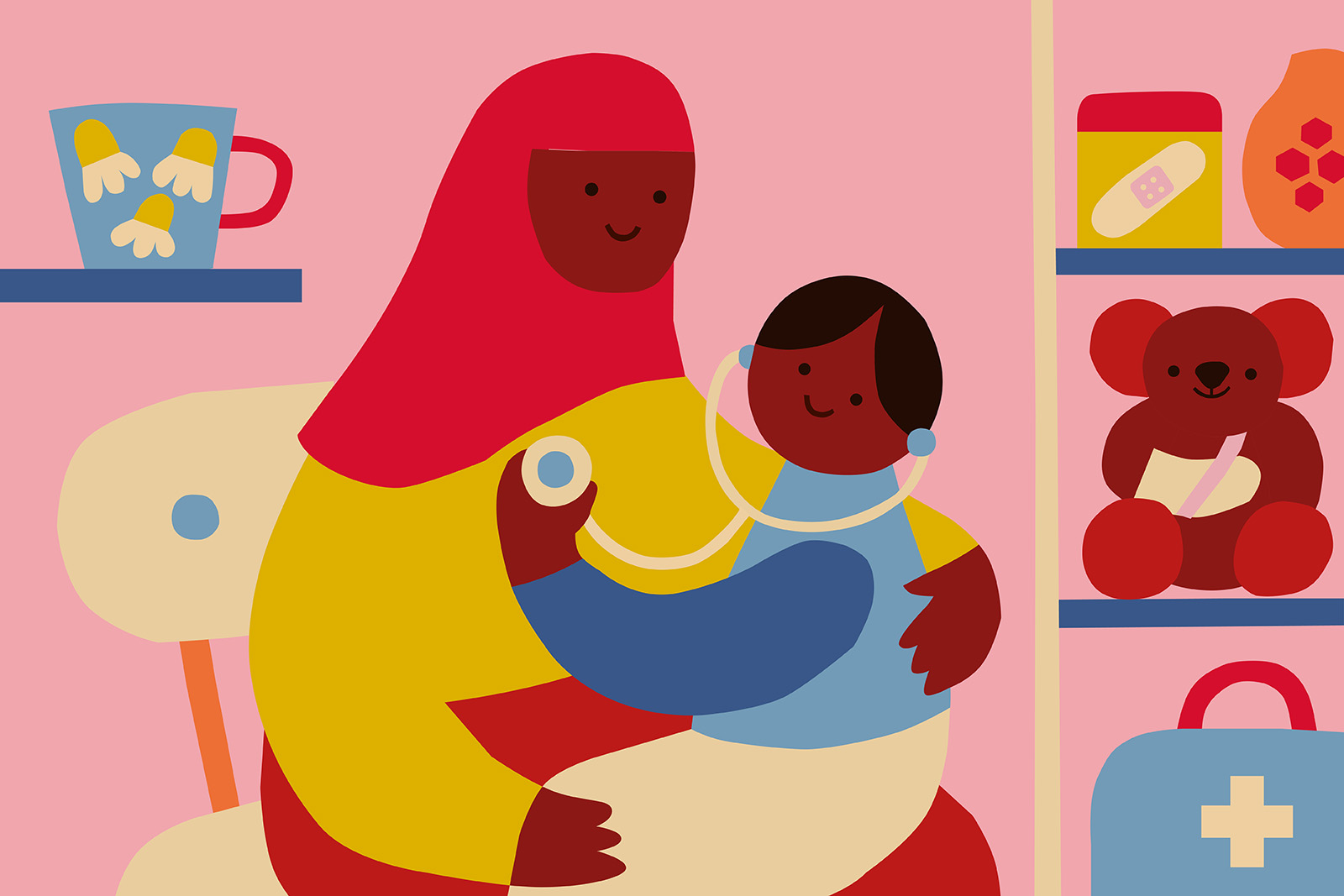
Dr Eva Miah’s YouTube channel Tiny Doctors is tackling health literacy through puppetry and songs
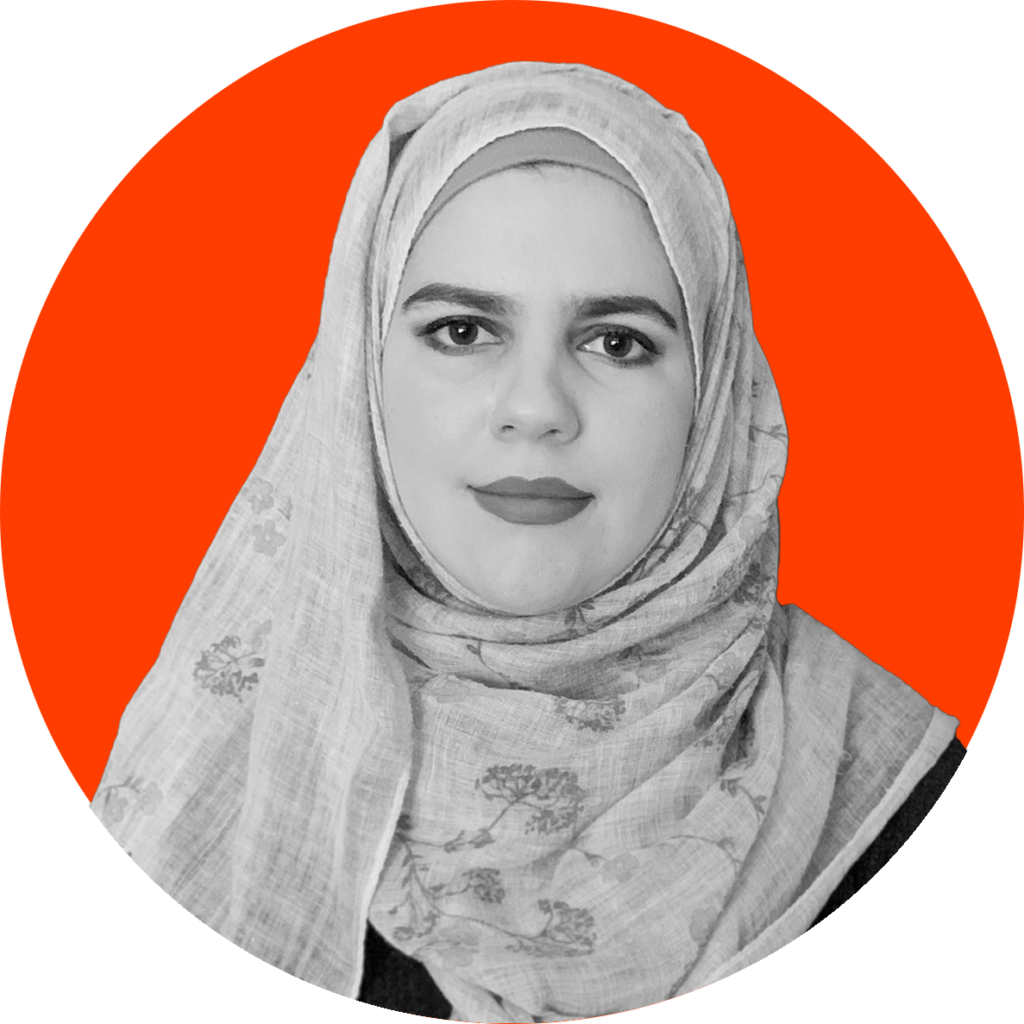
When Eva Miah’s 18-month-old daughter became sick with a cold, she felt unable to explain to her what was happening. Although Miah is a doctor, training to be a GP, and spends her days explaining medical conditions to adults, she says she “struggled to find words” that her child could understand.
Mian began looking for resources online on how to discuss health with children. “I wasn’t comfortable with the majority of videos on YouTube and so I decided to come up with the content myself,” she says.
Related content
In 2025, Miah started the YouTube channel Tiny Doctors to share informative videos on physical health targeted at pre-school children. The idea is to provide them with the language and understanding of their bodies, so that if something does not feel right they feel confident enough to speak up.
“It’s never too early to teach children about their bodies,” she says.
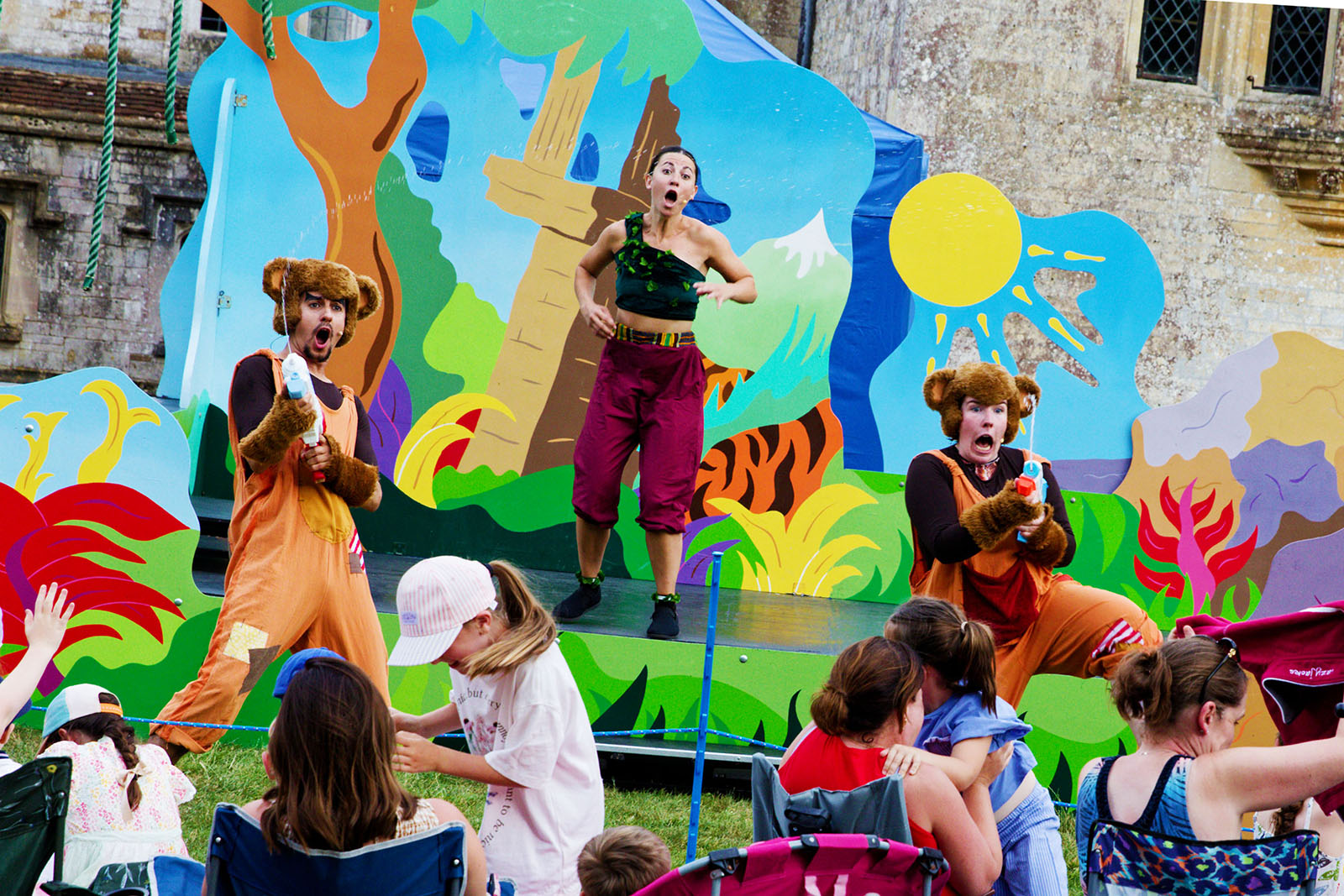
Aimed at children aged two to six, the videos are similar in style to those of YouTube pre-school educator Ms Rachel. Puppets, songs, cartoon graphics and funny skits are interweaved into lessons about anatomy and how our bodies work.
Miah’s husband Raihan Baquee is in charge of puppetry and is the voice behind Scrubby, the ginger-haired purple puppet that Miah had custom-made for her channel. In one video, Baquee takes Miah and a crew of puppets around Scrubby’s digestive system in a yellow submarine. In another, they travel around the brain while Miah explains the roles of its different parts.
Miah creates the concepts and writes the scripts, while Baquee edits the content. “We have so much fun,” says Miah. “We bounce ideas off each other. We’ve always had really good chemistry and a really good work ethic.”
In the UK, health literacy levels tend to be lower among ethnic minority communities owing to factors such as language barriers and living in areas of high deprivation. This can lead to less engagement with healthcare professionals, increased hospitalisation and higher mortality. This is why Miah believes starting health literacy young is so important.
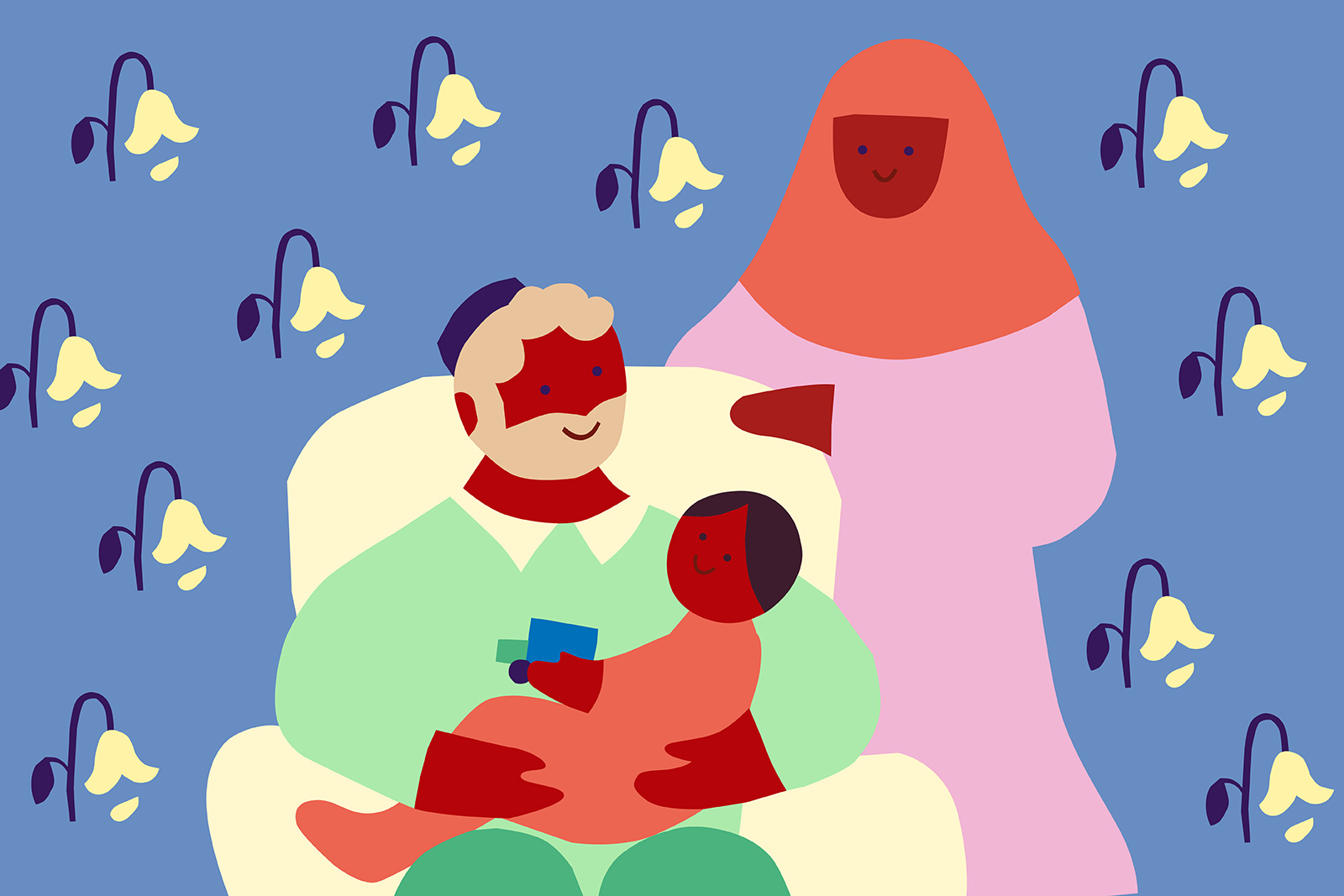
Miah is of Bangladeshi Muslim heritage and felt it was important that children from minoritised backgrounds could watch a visibly Muslim doctor and woman of colour on screen. While she stresses that her content is for children of all backgrounds, “I wanted to represent and I wanted my daughter to be represented,” Miah says. “I wanted children around the world to see me.”
She adds: “A child would never question my skin colour or my hijab. I’m representing my community, but my beliefs are personal. I’m not teaching my beliefs; I’m teaching science and health literacy.”
Miah’s health education is also targeted at parents, with informational posts on social media on what to do if your toddler is choking or how to explain to toddlers why they need to take medicine.
Related content
Other videos discuss consent and bodily autonomy. “With Tiny Doctors I want to create a safe environment for children where they can learn about their bodies, but also feel safe to talk about them to their parents. Children have a right to their bodies and the right to learn about their boundaries. I’m hopeful that we can create that safety in every household,” she says.
“Unfortunately, I was raised in a household where I didn’t talk about certain body parts and physiological processes. I didn’t know about periods, and it’s not because of lack of knowledge, but purely because culturally there are taboos associated with these topics,” she says.
Ultimately, Miah hopes her channel will remove the fear many children feel around going to the doctor or to hospital.
“Seeing a doctor on the screen and what equipment they’re using, they are not as fearful any more,” she says.