Since becoming a mum, I constantly feel angry — but I can’t pinpoint why
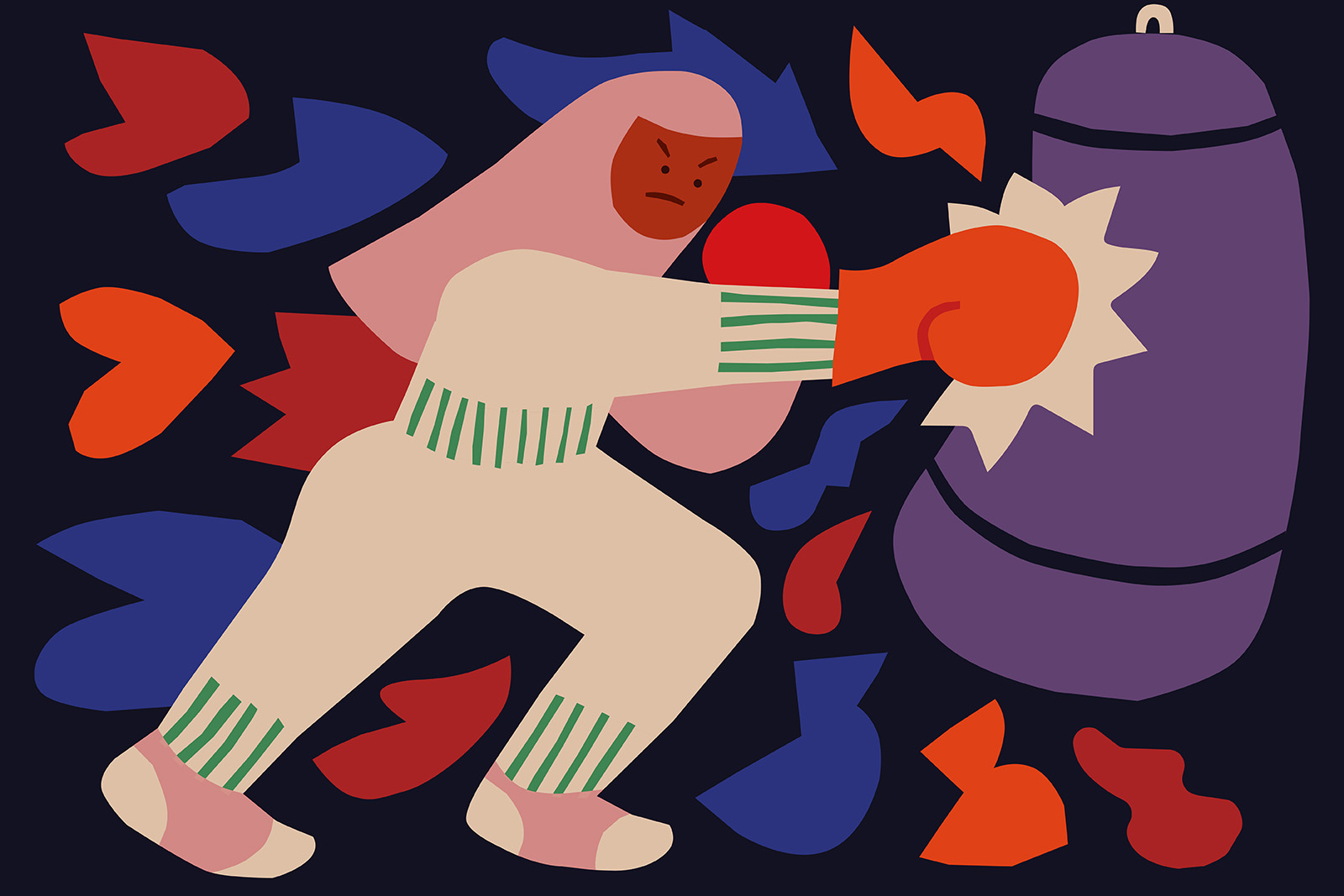
Maternal rage is common among mothers, but there is still stigma and shame surrounding these emotions

Recently, I’ve been waking up with a feeling that I could smash a thousand plates.
The constant hum of anxiety I experienced in my first two years of motherhood has been replaced with a gnawing sense of anger that struggles to dissipate. I often feel irritable and on many days I’m so overwhelmed and overstimulated by motherhood, and the frustration is so great, that I feel I could burst.
The author Saima Mir writes about maternal rage in the anthology The Best, Most Awful Job. It is a fury that simmers beneath the surface, making you “dig your nails into your fists”. Mir writes that mothers are too afraid to talk or admit these feelings, but we must.
Related content
The root of Mir’s maternal rage was the transition from successful journalist to mother, which made her feel invisible overnight. She also struggled with the reality that no matter what people tell you, you only really know how hard motherhood is when you actually become one.
Maternal rage is not about feeling violent but, rather, feeling irritable. I never act on this rage, but I often feel that I am the worst wife and mother in the world for having these emotions. When I try to reflect on why I am angry, I cannot pinpoint an exact reason.
Perhaps it is a combination of things — the realisation that the idea that one “can have it all” was a lie. Perhaps it is the constant sacrifices, cancelled plans and the unpaid physical and emotional labour.
I wonder why, when I sat in the midwife’s office at seven months pregnant, she talked to me about the risk of getting the baby blues — feeling sad after giving birth — but not feelings of anger?
Maternal rage is, in fact, very common. One in three women experience anger in the first year of motherhood, according to a 2022 study by the Qualitative Health Research Journal. Doctors tend to associate maternal rage with postnatal depression; however, half of the women in the study did not experience depression. They instead described feeling anger that was “uncharacteristic”. Reasons listed were similar to my own: lack of support, daily parenting struggles, boundaries being violated. The study’s authors added that maternal rage is a neglected part of maternal mental health.
Still, there is still a huge amount of stigma and shame surrounding the emotion of anger, even more so when you are a mother. In online forums, mothers have described having to suppress a “primordial scream” because they haven’t found an appropriate outlet. We suppress this anger because shouting and screaming does not feel like the answer.
Admitting that motherhood is making you angry is often interpreted as being ungrateful for having children. But believe that you can be frustrated while also loving your child unconditionally. Both emotions are valid.
Anger is usually seen as a negative feeling but, when managed, it is a healthy and normal human emotion.
Related content
I recognise that I need to find positive outlets for these emotions. The most effective has been going to the gym and strength training. I also find happiness and calm through gardening, and I try every day for five minutes to journal, listing the things I am grateful for and writing down any negative thoughts I would like to let go of.
Family members recommended increasing my dhikr, remembrance of Allah, and that has always been part of my daily faith practice. There is also a voluntary two-rak’ah prayer that you can offer when you feel angry. However, I feel there is really only one spiritual solution: holding my hands up to Allah in humble supplication, asking Him to alleviate this feeling.
The more we talk about maternal rage, the less it will be stigmatised. Ultimately, along with the challenging emotions of motherhood there are still many moments of joy, like when my four-year-old and I snuggle up together at night and have our little conversations before bedtime. And, nothing compares to that feeling of unconditional love from your child.