
The climate crisis is a burning issue for UK workers
From hospitals to the gig economy, urgent action is needed to protect people who are simply trying to safely earn a living

Around the world, the UK has a reputation for grey and unexciting weather. It’s long been seen as the home of drizzle, overcast skies and a climate that can most charitably be described as “mild”. When the clouds clear and the sun beams down, British people embrace it with open arms. We fire up barbecues, inhale ice-cream cones, grab towels and trunks and head to the nearest beach. Something about the relative scarcity of sunshine makes its arrival cause for celebration.
This summer, however, has hit differently.
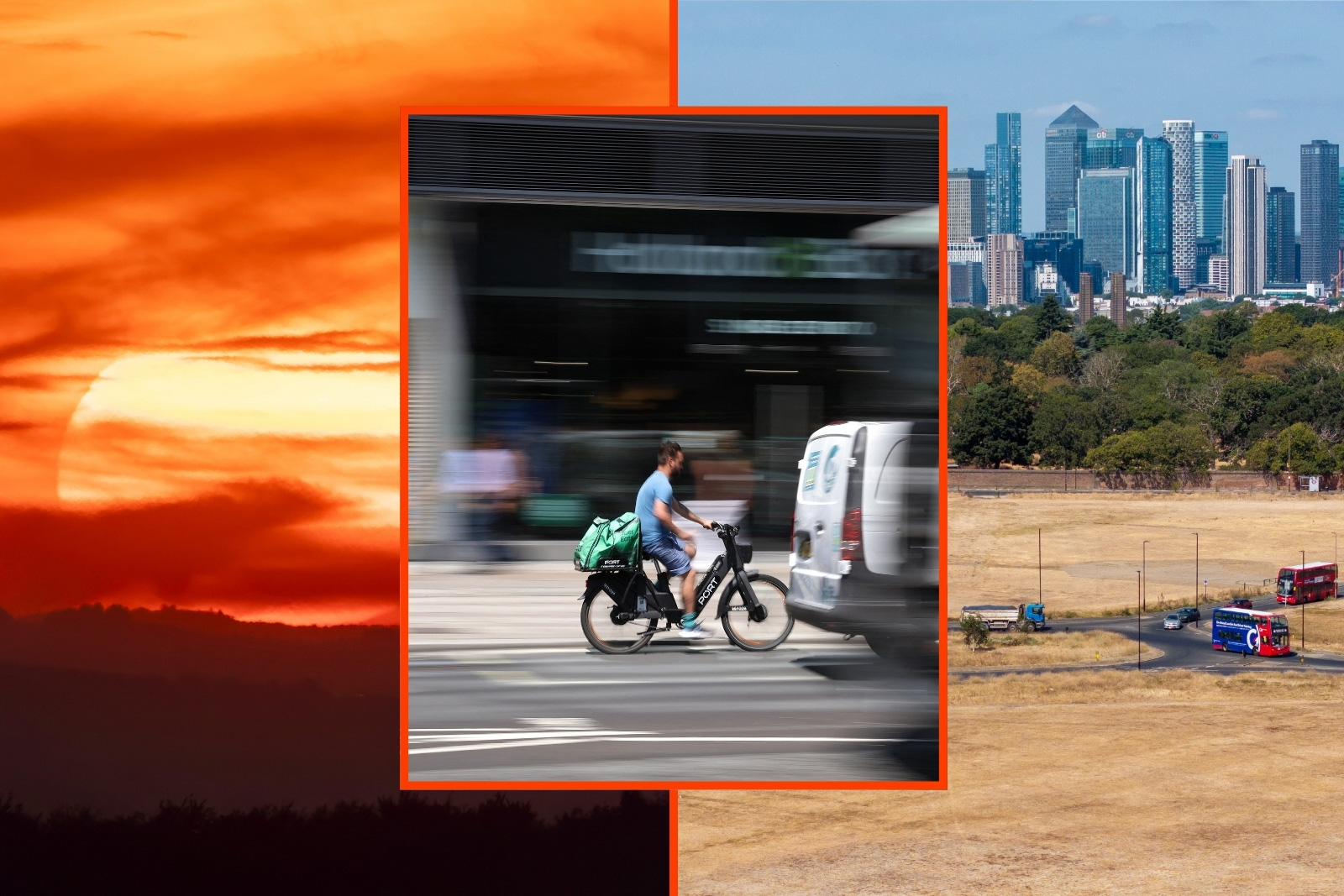
The sunshine has been almost constant and, for many people, unprecedented high temperatures and a severe lack of rain have made life miserable. Droughts have ravaged the UK. Grass in local parks has turned from green to dustbowl brown. Rivers and reservoirs are drying up. London commuters are packed into baking hot tube trains, sweating through their journeys. Suddenly, those much-derided clouds and showers don’t seem so bad.
The summer of 2026 has been record-breaking and deadly. In July, the UK Health Security Agency warned that England was on track for a record number of heat-related deaths. In a preliminary assessment, it estimated 2,877 instances during the May and June heatwaves alone — almost double the figure for the whole of 2025.
Related content

The fire service, which since 2010 has lost nearly 12,000 firefighter roles, 82 fire stations and more than 200 frontline fire engines, has been stretched to breaking point as wildfires spread throughout the country. Wildfires, once a rare occurrence in the UK, are a clear indication of the seriousness of the global climate crisis.
Hospital wards have become unsafe, with surgeries being cancelled because operating theatre cooling units stopped working in the intense heat. Some hospitals in England have recorded indoor temperatures of almost 42C.
Climate change is not experienced equally. People who work outdoors or in poorly ventilated workplaces — couriers, delivery riders, factory and construction workers — are disproportionately affected by extreme heat.
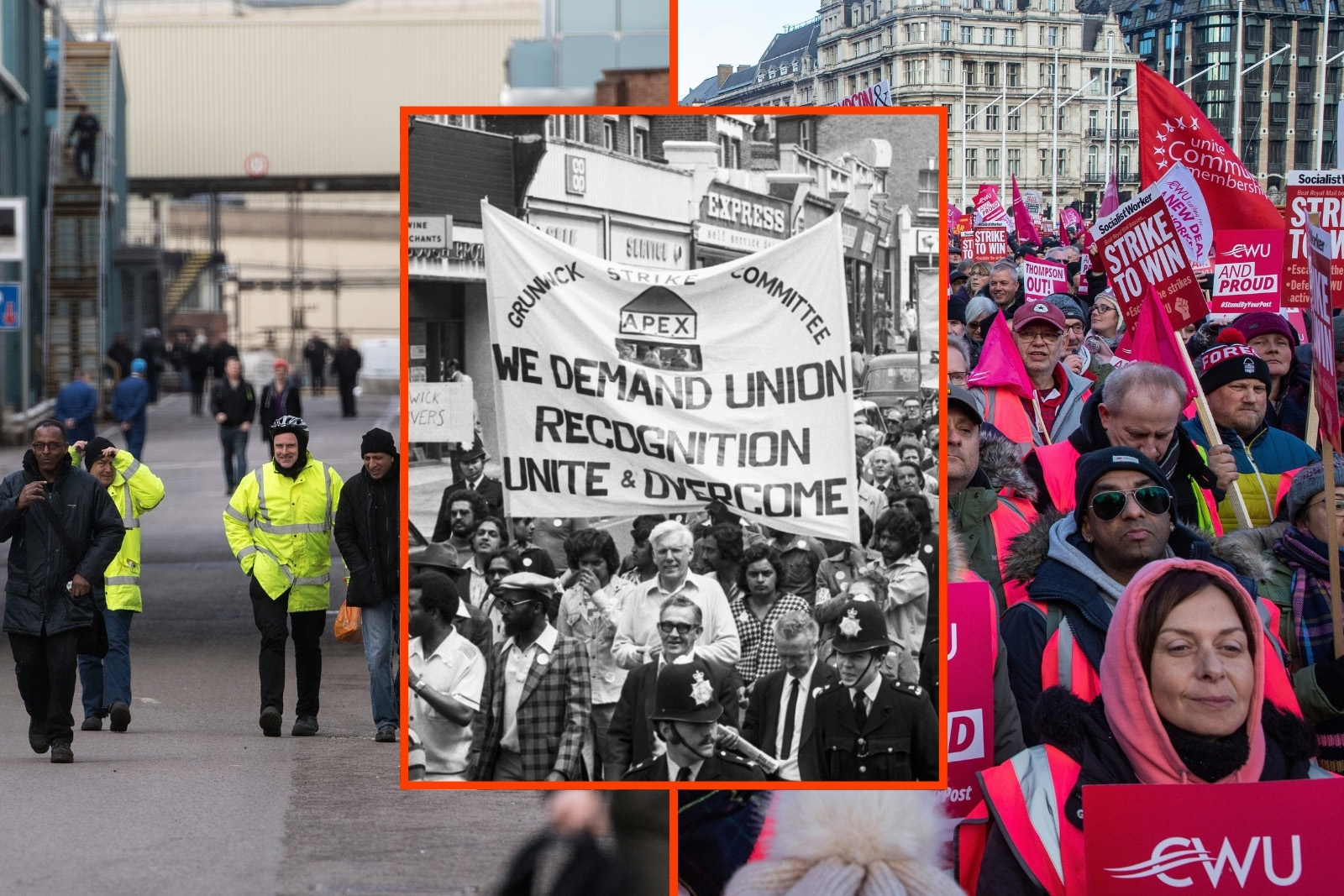
At the time of writing, 1,500 Arriva bus drivers in north London are on strike over unsafe working conditions. The company’s buses are equipped with air-cooling systems rather than air conditioning and many drivers have been struggling with the heat.
One, named John, told Hyphen’s Weronika Strzyżyńska, “Yesterday, I was on duty at 1.30pm. I had a thermometer on me. The temperature went up to 40C. I try to be prepared. I have a fan and a water spray, but I am getting old now. I’ve hit 70 and I have COPD [a long-term progressive lung condition]. When it gets hot, it is hard for me to breathe.”
Extreme heat affects public transport users too. Bus passengers are disproportionately elderly and therefore at increased risk of heat stroke and heat exhaustion. John recalled one fainting and an ambulance having to be called. Yet another example of frontline workers being forced to provide care to vulnerable people on top of their actual jobs.
Ali Haydor, a private hire driver in Southampton for more than 20 years and a GMB union rep, has told me that cabbies are also feeling the adverse effects of the heatwaves. Running a car’s air conditioning increases fuel consumption by around 10%. With fuel prices already shooting up as a consequence of the US war on Iran, that means drivers face higher expenses and lower take-home pay to simply stay cool.
Other difficult decisions are a direct result of local authority cuts.
“A lot of us drivers want to stay hydrated but we don’t want to drink too much because finding access to toilets is a massive issue,” says Haydor. “One of the things they’ve cut massively because of austerity is public toilets.”
Delivery drivers and couriers fare even worse, particularly those on bikes. “Those drivers delivering food are often walking around into shops and into buildings in the heat,” Haydor adds. “We have members who are on pushbikes so they’re working in even more extreme conditions because they’ve got all their gear on. And you get paid peanuts for all that.”
Extreme heat also increases the risk of workplace accidents, reducing concentration and causing dizziness, and can aggravate pre-existing health conditions such as heart disease.

Unlike European countries such as Belgium and Spain, the UK currently has no maximum working temperature. The Trades Union Congress has called for that to be immediately rectified, proposing a 30C limit for normal tasks and 27C for heavy physical work. The organisation has also called for the climate-proofing of workplaces by installing ventilation, air-cooling and energy efficiency measures.
If TUC demands are met, it might mean some respite for people in full-time employment, because their income would be protected, but for gig economy workers on questionable self-employment contracts, maximum working temperatures would simply mean a reduction in income. And with heatwaves set to become longer, more frequent and more intense, the future of these workers looks even more precarious.
The inequalities of the climate crisis have for some time been globally visible. Nations and communities that have contributed far less to global emissions are already facing more extreme consequences than the industrialised economies responsible for the majority of greenhouse gases.
More than 71,000 people died from drought in Somalia between January 2022 and June 2024. Around 40% of those deaths were among children under five. In the 2022 Pakistan floods, one-third of the country was submerged, affecting 33 million people and killing around 1,700. Eight million were displaced.
Now, though, we are seeing the consequences closer to home. Adapting to extreme heat will come at a cost, but the price of failing to act will be far greater. That means listening when workers demand safer conditions and protections. It means reversing the cuts that have left emergency services struggling to respond to wildfires. And it means taking seriously the demands of climate campaigners for urgent action to reduce emissions.
The climate crisis is not a problem that belongs to someone else, to somewhere else or in some distant future. It is already shaping working conditions, public services and people’s health here and now.