
My friendships thrive on the shared guilty pleasure of watching and reading bad works of fiction
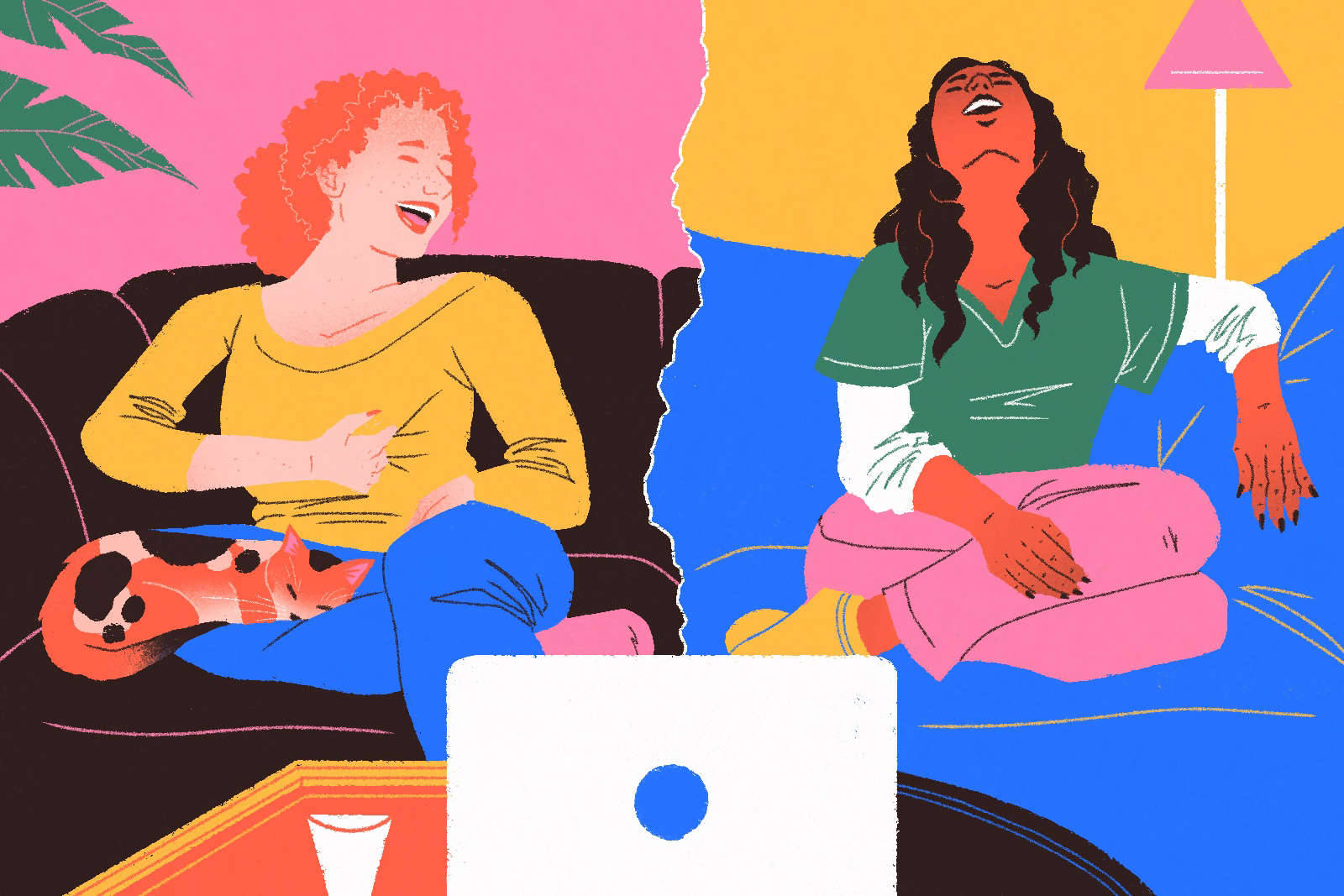
Every so often we come across something so cheesy and so terrible that it must become a communal experience. If one of us suffers, we all must suffer

Most friendships are built upon shared affection. You finish an excellent book, TV show or film and excitedly begin mentally listing which of your friends must be immediately alerted to its existence. An instinct that is thoughtful and a little risky — what if your recommendation is a complete dud? But when someone takes your suggestion and returns having had the same great experience, it’s such a thrill.
Then there are the friendships that thrive on eye rolls and mutual dislike. A dud-friendly zone. The more baffling the TV series or film, the better. There is nothing more enticing than expounding on the latest unhinged plot twists or curious character choices that usually involve yet another set of rich people behaving terribly in a beautiful location.
When a “have you seen this?” message arrives from one of these friends, I know I’m in for a good time. We have an unspoken agreement that every recommendation has to be funnier than the last. It’s a warm and reassuring reminder that our connection is still alive, even after spells of hibernation when life gets busy.
Last week it was my friend Sarah who set things off after streaming Netflix’s The Housemaid. A film seemingly made of vibes more than plot.
Every so often, we — usually Sarah — come across something so cheesy, so camp, so terrible that it must become a communal experience. If one of us suffers, we all must suffer.
Since she and I now live on different continents, we’re forced to communicate via texts, FaceTimes and the occasional voice note when something is particularly egregious. It’s not unusual to wake up to 17 messages that begin with confusion and end with a promise to never punish our precious eyes again. An incoherent stream of consciousness that, to anyone lurking over our shoulders, might cause concern: why is this guy not dead yet? Why didn’t she just stab him? How many islands does one kitchen need?
When time zones align, we discuss the incredulous events with the intensity of judges at a bake off. The implausible stolen inheritance solved by the reveal of a secret sibling is riveting. But not as riveting as the audacious plot hole that undercuts the entire premise — spoiler alert — what do you mean the sibling was a ghost all along?
Similar rationale applies to our fascination with pursuing one-star reviews. An unappreciated art form. A strong one-star review falls across a spectrum of “fair” to “absurd” and, of course, the absurd ones are the best. The ones where the reviewer was offended and put off by the use of swear words in a novel about serial killers, yet had no problem with the gory murders.
While hate-watching and hate-reading is the internet’s favourite pastime, I’m reluctant to label this as quite that. Hate feels like a strong word for what is a private and silly activity that doesn’t involve real people or public pile-ons.
We are revelling only in the misfortune and misdeeds born from creative fiction, like the group of old friends in She Started It by Sian Gilbert, who secretly hate one another yet fly off to a secluded and private island together anyway. Or the supposedly renowned criminal psychiatrist in The Good Lie by A.R Torre who ignores every professional instinct for a sharp jawline.
It’s not uncommon for the overanalysis and mocking to develop into real fondness where one of us — usually me — ends up adoring the thing unironically. It becomes one more thing that bonds us together and gives us even more in-jokes to be obnoxious about. It becomes ours. Like how we now blame our imaginary twin any time we do something mildly regrettable thanks to A Simple Favour. A film we remember less for the zany plot and more for the distraction it provided while Sarah healed from a bad break-up.
Attempting to make sense out of the nonsensical while knowing none of it is serious is cathartic — probably because so much of life doesn’t make sense, and trying to figure that out is much less fun.
Adulthood requires us to be reasonable and generous even when a situation is anything but. A ludicrous plot twist or confusing character doesn’t always require a nuanced and thoughtful response. If anything, it invites the same energy it delivers.
The joy isn’t based on being right or righteous over a lacklustre film or a ridiculous book. It’s from the little journey each questionable story takes us on that helps my friends and me stay connected.