
Visiting Rwanda with Destination Dawah is a life-changing experience
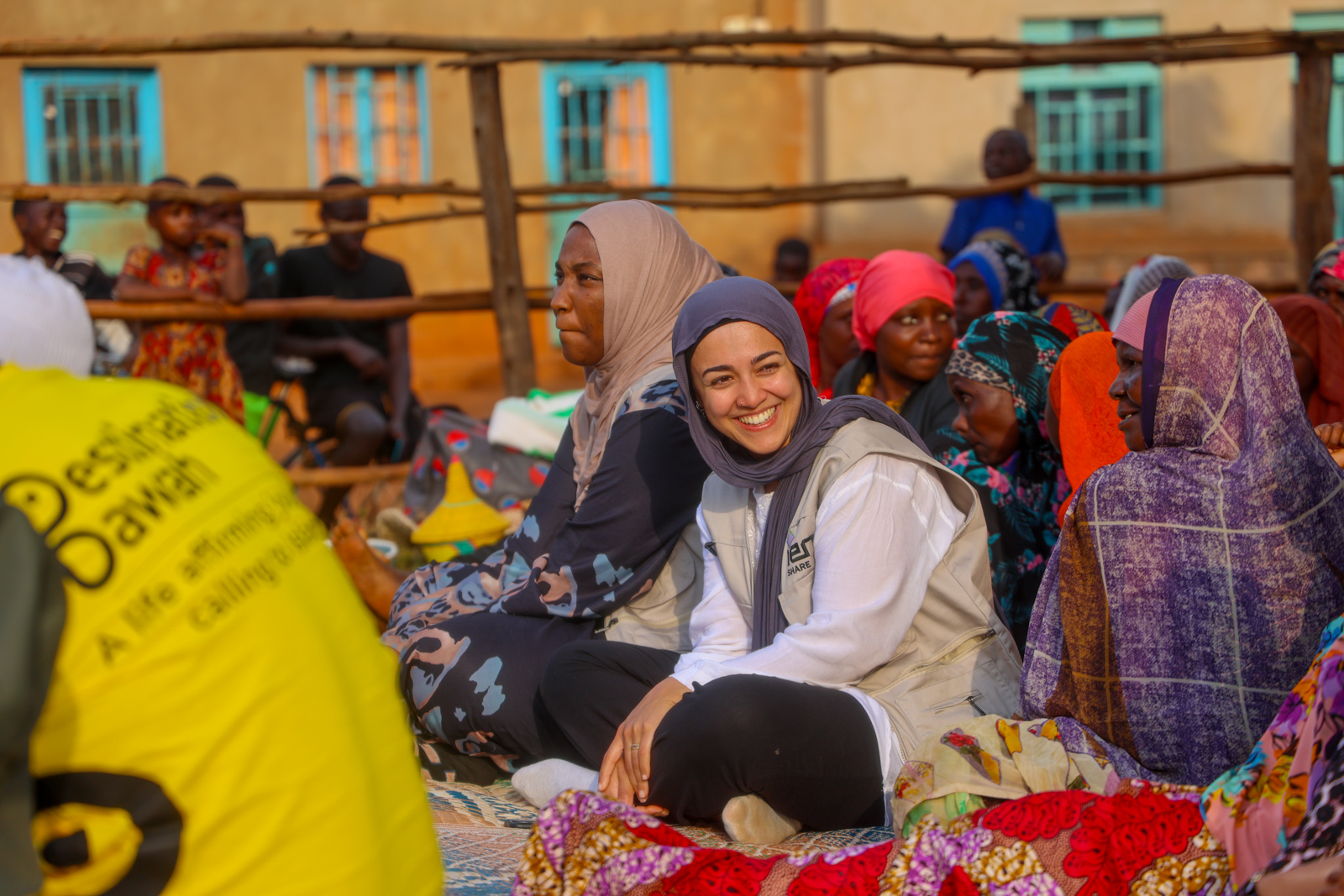
Since 2022, the Islamic Education & Research Academy’s international outreach programme has forged connections with more than 100 communities across the country
I slid my shoes off and stepped onto the mat, where a group of about 60 new Muslims were learning how to recite Al-Fatiha, the first chapter of the Qur’an. Joining the first row of women, who were seated just behind the men, I closed my eyes and joined the recital.
“In the name of Allah, the most compassionate, the most merciful,” we sang in harmony, practising the opening verses in Arabic. Sitting at the heart of the group, the notes engulfed me.
This was our fourth day in Rwanda as part of Destination Dawah, a week-long deployment run by the Islamic Education & Research Academy (IERA), a UK-based charity working to spread the message of Islam around the world.
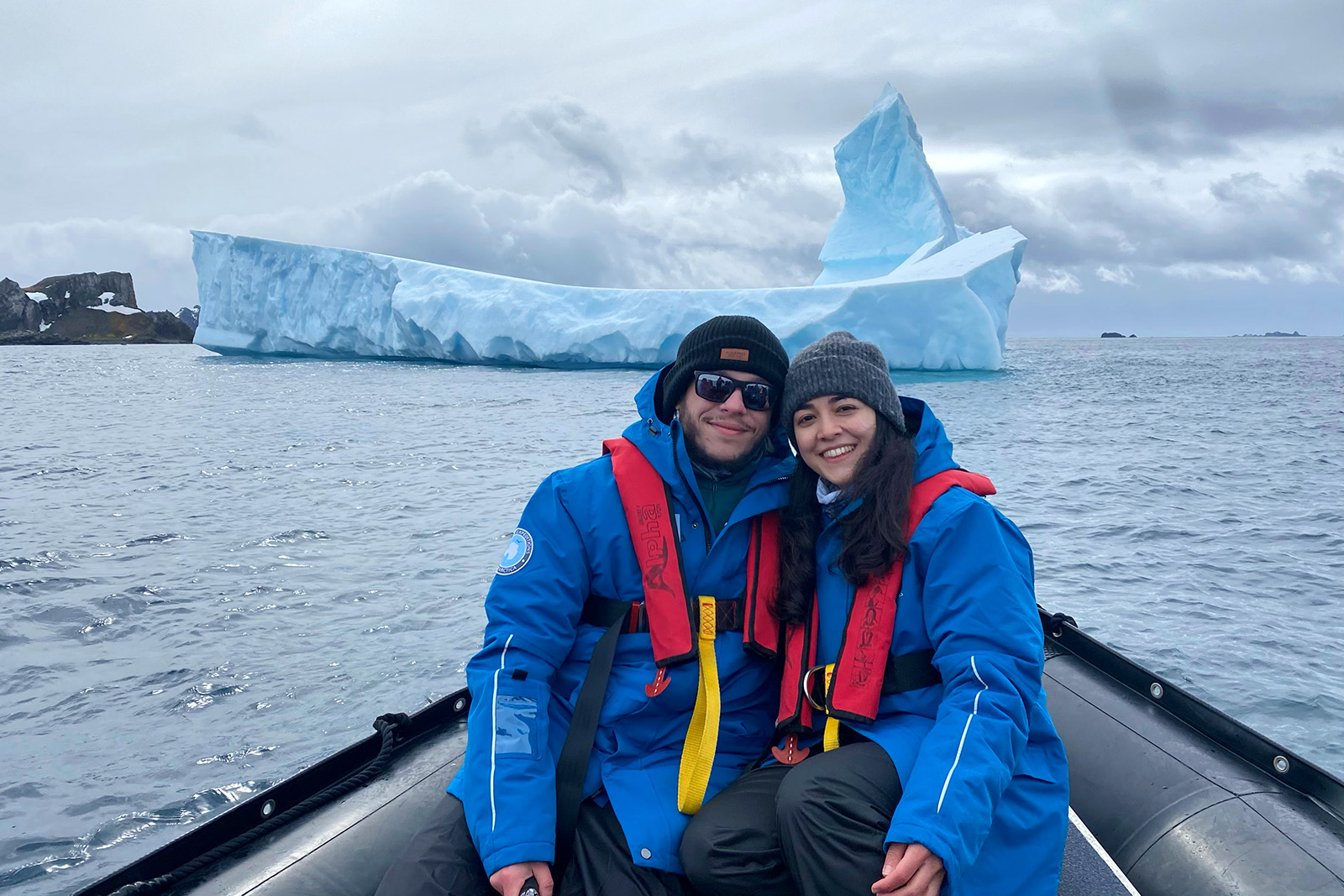
My husband, Christian, and I first learned of the programme at an IERA gala event in London. Since meeting on a volunteer expedition in Malaysia in 2018, travel has been a core part of our relationship, as has faith, since Christian is a convert to Islam.
Destination Dawah seemed to combine these aspects of our lives perfectly, promising cultural exchange, personal development and a chance to connect with those either curious about Islam or new to the religion. Alongside the £750 registration fee, which covers flights, accommodation, all meals and other recreational activities, such as kayaking, hiking and horse riding, we were each given a fundraising target of £5,000, which goes towards funding the local dawah efforts.
On 23 June, exactly five months after the gala event in London, we landed in the Rwandan capital Kigali and were welcomed by IERA’s local team. I had already been informed that I would be the only woman on the deployment, but it wasn’t until we arrived that I found out I was the first to ever take part in Destination Dawah in Rwanda.
IERA first launched its projects in the country in 2022. In the last three years, the organisation worked in at least 100 villages and helped more than 162,000 people embrace Islam.
Often referred to as the “Singapore of Africa”, our first impressions of Kigali were that it was a spotlessly clean and safe city. The pace of our first day was relaxed as we waited for the rest of the team to arrive. In the evening, we ventured to Biryogo, one of the city’s oldest suburbs.
“This is where Islam originated in Kigali,” said IERA Rwanda operations officer Rwozi Aboubakar, as we sat huddled around two large sharing platters of meat, rice and vegetables in the neighbourhood’s Car Free Food Street. According to Aboubakar, all the food here was halal and there was no alcohol served.
While it’s unclear exactly how many Rwandans are Muslim, reports suggest that up to 14% of the country’s population had embraced Islam by the early 2000s. One possible reason for this sudden rise is the role of Muslims in shielding, saving and harbouring local Tutsis during the 1994 genocide.
Prior to visiting the country, I knew very little about this dark period in its history, but our third day’s itinerary included a revealing visit to the Kigali Genocide Memorial.
It’s intimidating how much detail is preserved within the exhibitions. The experience is intense and emotional, but also important in understanding Rwanda’s past and how that past has shaped its present.
Alongside the shocking level of sadism inflicted upon the Tutsi population, I was also astonished to learn that the entire pseudo-ethnic system of identity differentiating Hutus and Tutsis had been constructed by Belgian colonists. Before their arrival, the only difference between the two groups was one of socio-economic class. Individuals could move between groups, based on the number of cows they owned — more than 10 and you were classified as a Tutsi.
Despite the brutality of this still recent history, we quickly realised that memory of the genocide had not extinguished the warmth and kindness of the Rwandan people.
On our first field trip to Rugunga village in Bugesera, a district in the country’s Eastern Province, we began waving to the locals during the drive in and greeting them in Kinyarwanda – the national language. Big smiles and waves were offered in return, making us feel immediately welcome.
Bugesera was one of the first districts approached by IERA’s local dawah team. We eventually stopped at a small mosque with some rooms at its rear, where an Islamic studies lesson was taking place for new Muslims. Our group entered, and one by one, some of the brothers introduced themselves to the class.
“It’s a real privilege to meet you all today,” said Christian, as Aboubakar translated his words into Kinyarwanda. “I became a Muslim in 2020 and it was by far the best decision I have ever made. One of the biggest challenges of growing up in the west is that there are a lot of distractions that take you away from what’s truly important. People forget the importance of knowing their creator, and the freedom that gives you.”
There were also some non-Muslims present. By the end of the session, several of them stood up to take their Shahada, which I was given the opportunity to lead.
The room fell silent as I lifted my right index finger and recited the words that make up Islam’s first and most fundamental pillar – sincere belief in one God and that Muhammed (peace be upon him) is the final messenger.
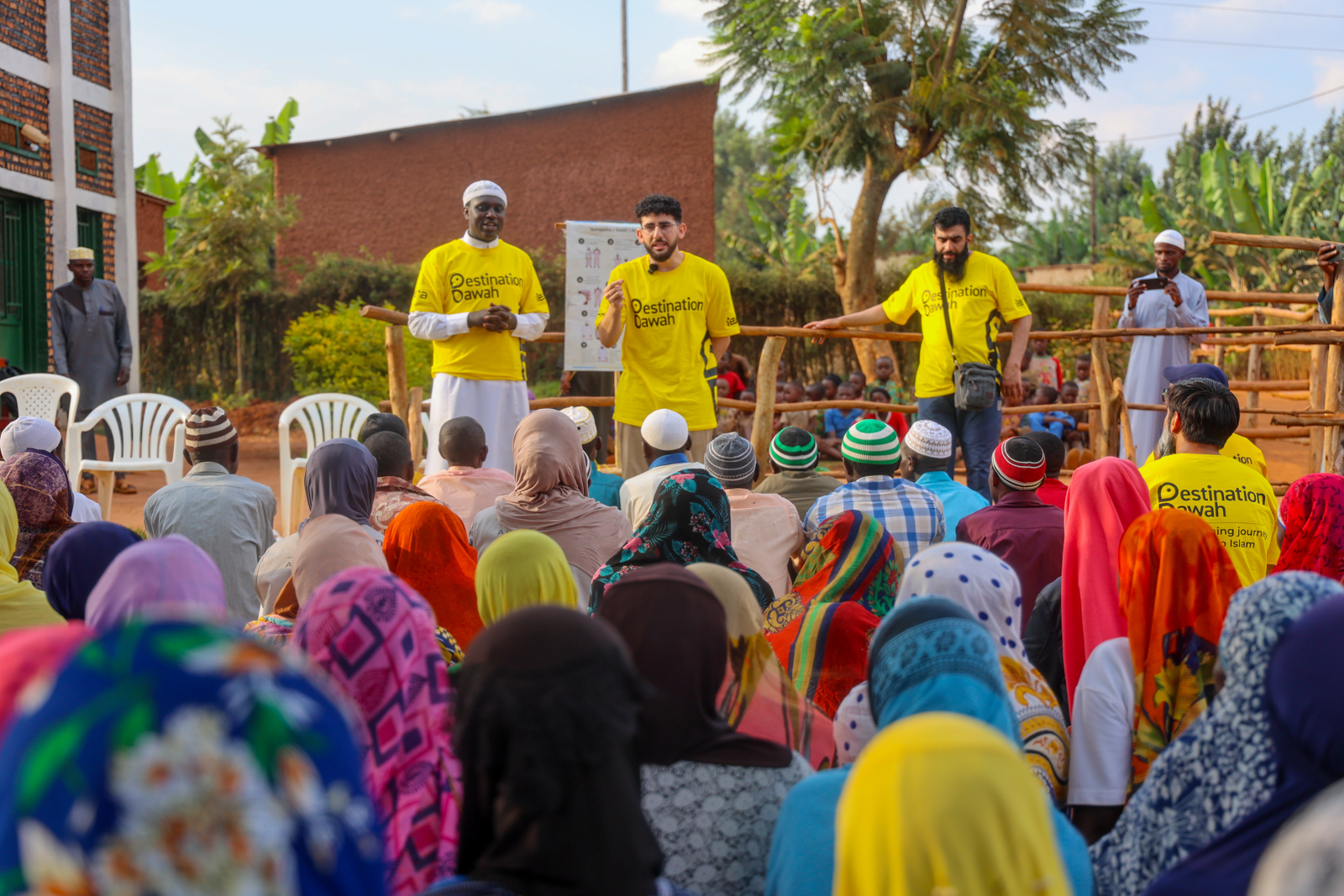
Later, we headed for our first Mega Mass Dawah, a larger public sermon led by two older sheikhs, one of whom was once a Christian pastor. We sat and watched as the pair explained certain verses from the Bible – namely, about how Jesus (PBUH) didn’t eat pork and that he would put his face to the ground to pray, resembling the way salah is performed by Muslims.
The style wasn’t strict or stiff, joking with each other and dancing at certain points. Slowly, the audience grew, laughing and clapping along. The way they engaged with their audience dispelled any negative associations I had with the idea of preaching.
Their approach also made me appreciate that dawah can have many faces and that it doesn’t always have to be rooted solely in Islamic knowledge.
The Prophet (PBUH) tells us that “the best of you are those who have the best manners and character”. Sometimes, simply living that hadith as best you can might just be enough to show someone the value of faith and the beauty of Islam.
For our final day in the field, we had the chance to join Umuganda, a nationwide event dedicated to community service that takes place on the last Saturday of every month.
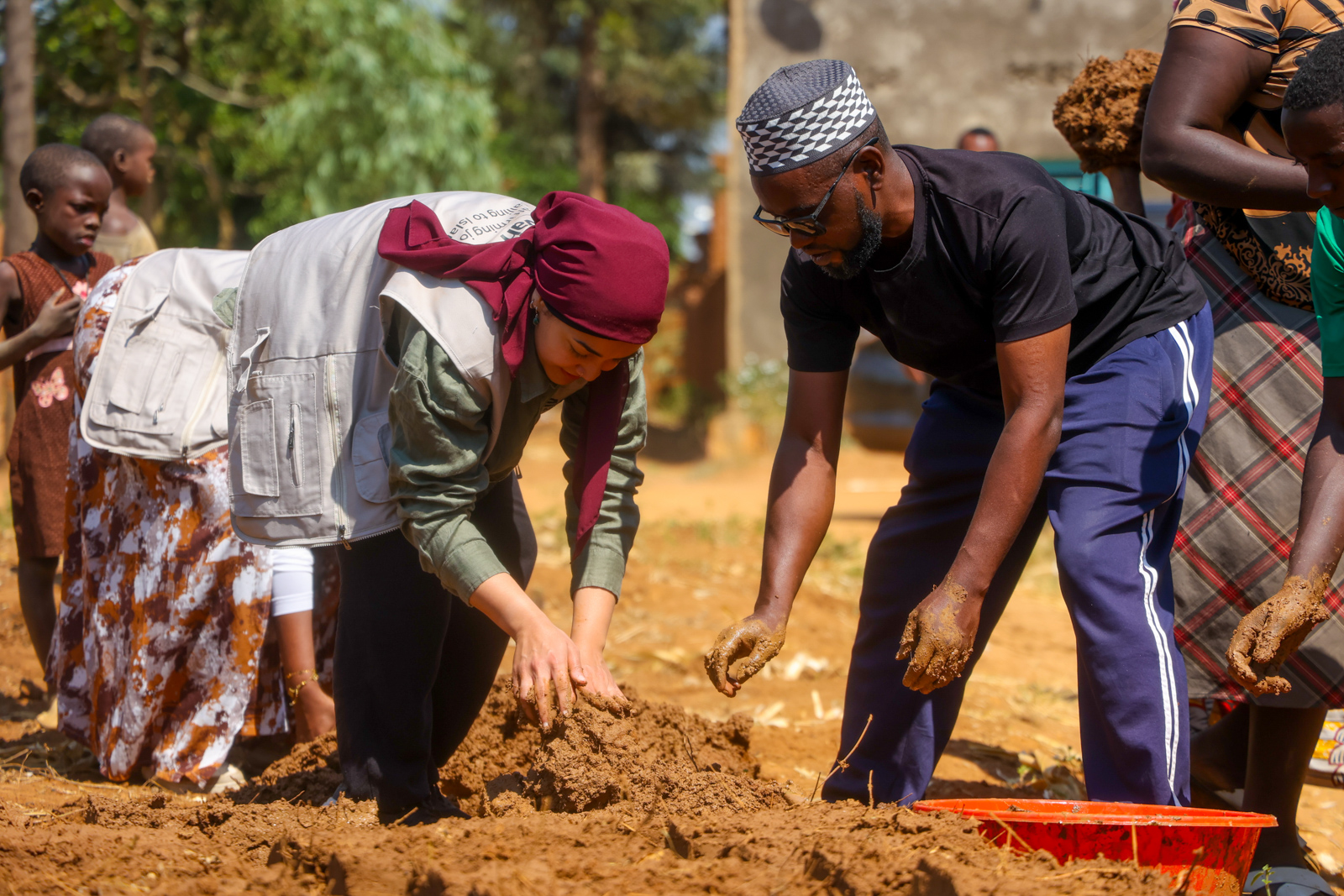
That morning, we arrived at Kayovu village in Bugesera, near Lake Rweru, where members of the community had already started making mud bricks that would eventually build a new home for a local widow.
Related content
Rolling up our sleeves, we created a human chain to transport the mud into the brick moulds. It wasn’t long before the whole village burst into song. “Let us unite and develop our nation,” they chanted in Kinyarwanda, “because the strength of the country relies on our hands.”
Afterwards, the village chief thanked us for coming and told us how much it meant that we had come all this way to visit them.
We each introduced ourselves in turn, as Aboubakar once again translated. When my turn came, I made my way to the front of the circled crowd.
“My heart is so full being with you all,” I told them, noting the spiritual richness and infectious joy that was evident among the community.
Above all else, visiting Rwanda’s rural settlements gave me perspective. For those of us living in the west, it’s easy to get lost in trivial matters and take the privileges and conveniences of our lives for granted. We all measure wealth in different ways, but my time in the country made me realise that the richest among us are those with conviction and faith.
Visit the website for more information about volunteering with Destination Dawah.