
A walking tour through Bath’s refugee history
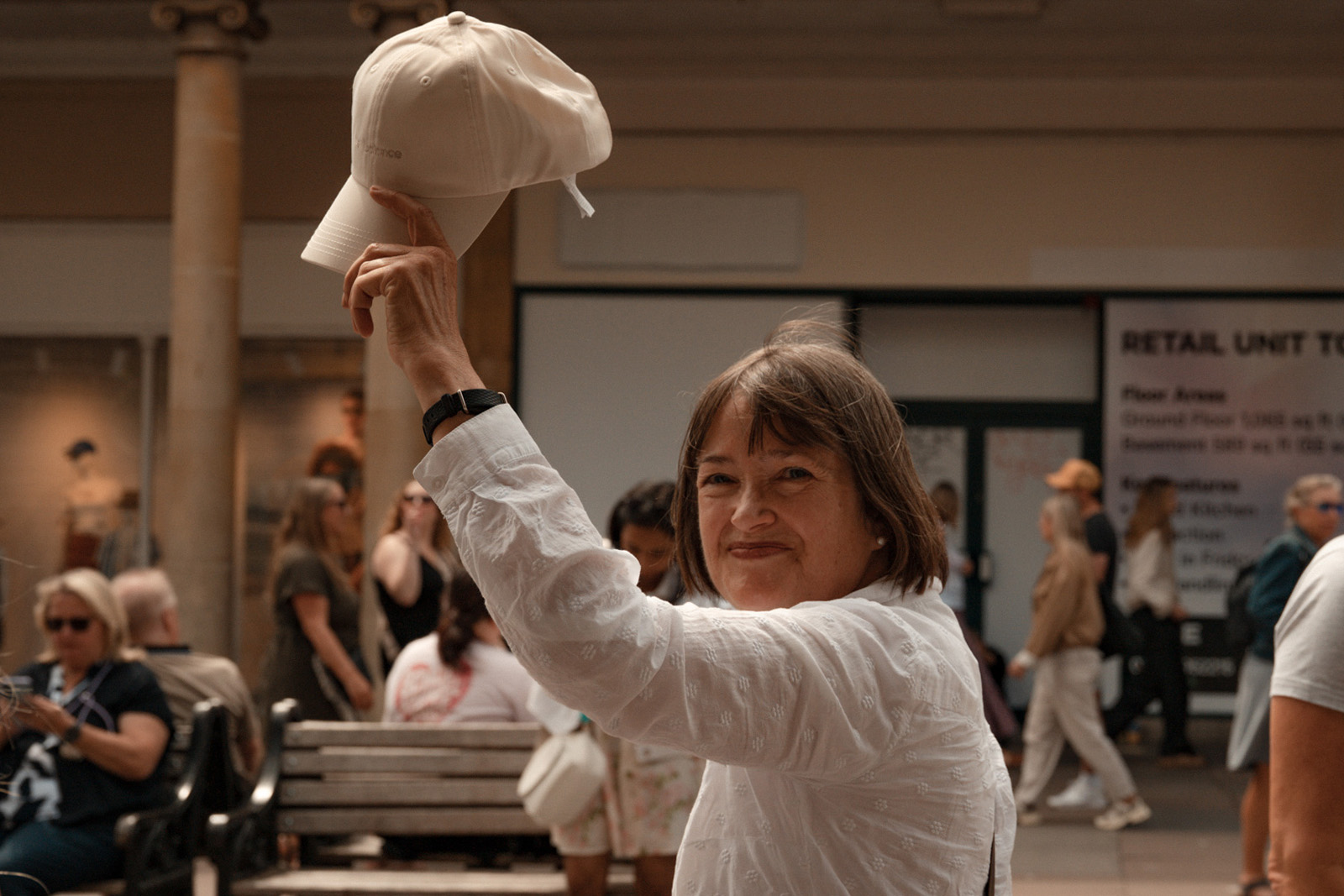
A guided walk through the West Country city shows how it has long welcomed people fleeing persecution from around the world

It’s a sunny afternoon in June and the area surrounding the honey-cream towers and turrets of Bath Abbey is packed with people enjoying the warm weather. Various tour groups stream into the building and just beyond its entrance, another starts to form. They gather not to learn about the city’s tourist sites, but to celebrate its history of welcoming refugees.
“Today is a special walk,” our tour guide Louise Rickitt tells us. “Imagine large numbers of desperate people, fleeing violence and religious persecution, crossing the English Channel in small boats. Sound familiar? This actually happened 350 years ago.”
Organised by local charity Bath Welcomes Refugees (BWR) as part of Bath Refugee Week in June, this guided walk is the first of its kind. It was all researched and started by Rickitt, who is a former NHS worker, BWR trustee and volunteer with the Mayor of Bath’s Honorary Guides.
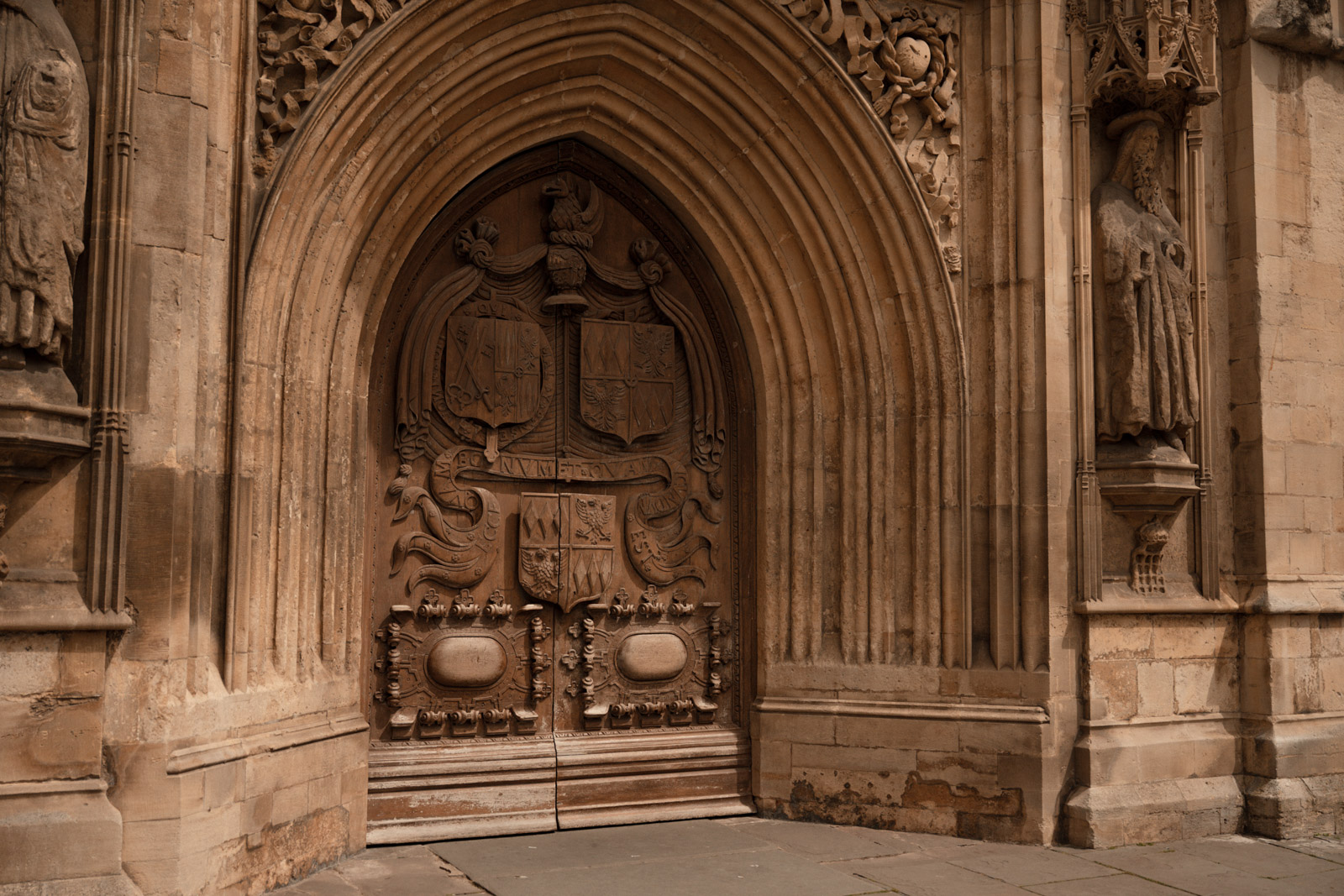
“There’s so much negative news at the moment about refugees,” she says. “I wanted to do something to remind people that actually we’ve been welcoming and accepting refugees for hundreds of years. And they have contributed enormously to our country.”
Bath’s unexpected refugee heritage reflects the wider pattern of migration to the UK over the centuries. Rickitt shares the story of the Huguenots — a group of French Protestants who began fleeing France’s Catholic government in the 1680s. It’s estimated that up to 50,000 crossed the Channel on small boats seeking asylum. This is actually where the word “refugee” originates, coined after the French word réfugié.
At the time, England’s population was around 6 million, compared to almost 60 million today. Many of the refugees changed their names to sound more English and it is believed that one in six people living in the UK today have Huguenot heritage.
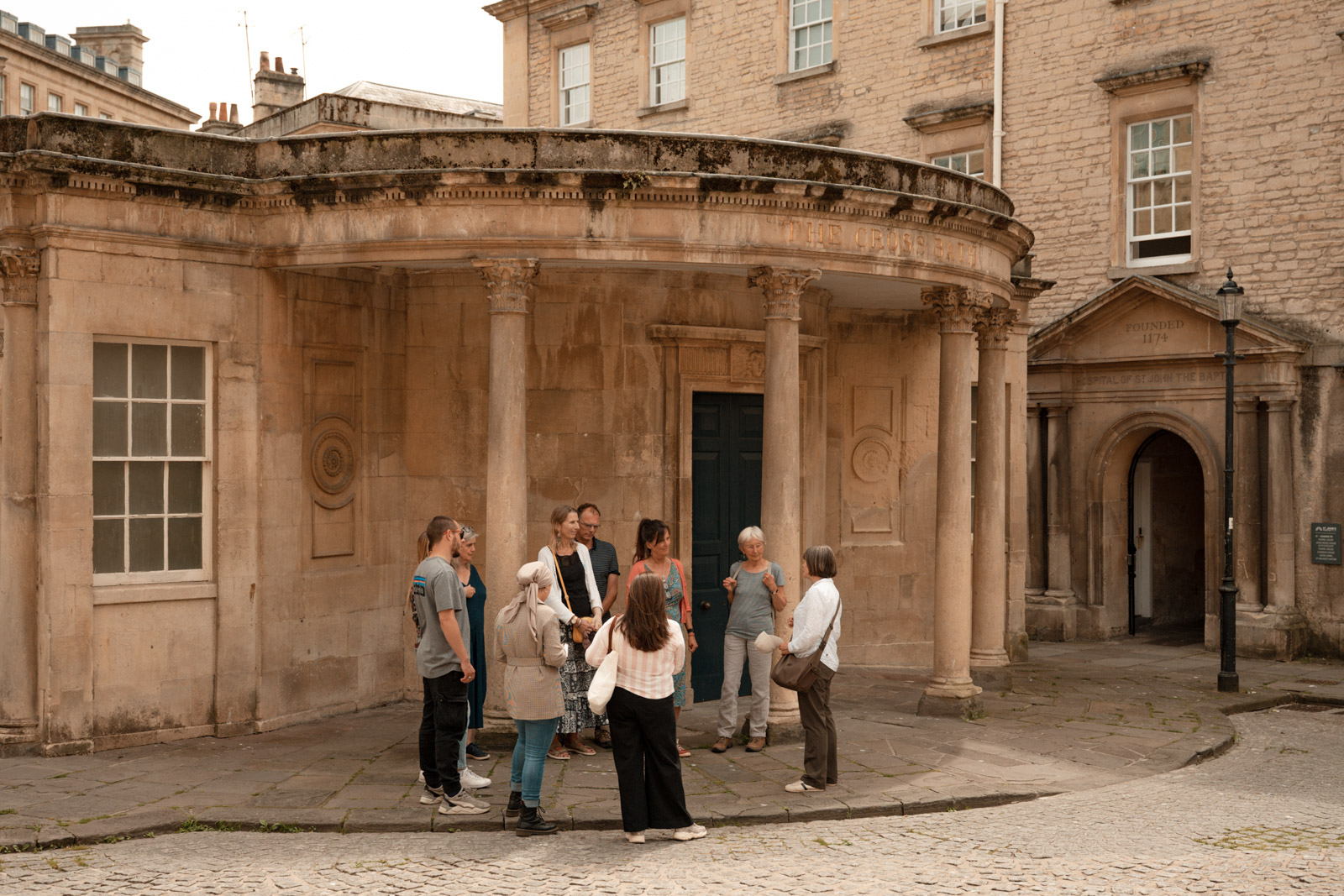
“Research into the registers of Bath Abbey has identified 320 family names that are believed to be Huguenot in origin,” says Rickitt, as she leads us into the abbey.
We surround a monument towards the back right of the main hall, dedicated to the memory of Leonard Coward and his family. Coward — likely to have been Couard originally — was a lace merchant whose parents were believed to be Huguenots. His son was later elected as the mayor of Bath four times.
According to Rickitt, much of Bath’s economic success in becoming a centre for fashion in the 18th century was a result of merchants, silk-weavers and lace-makers like Coward.
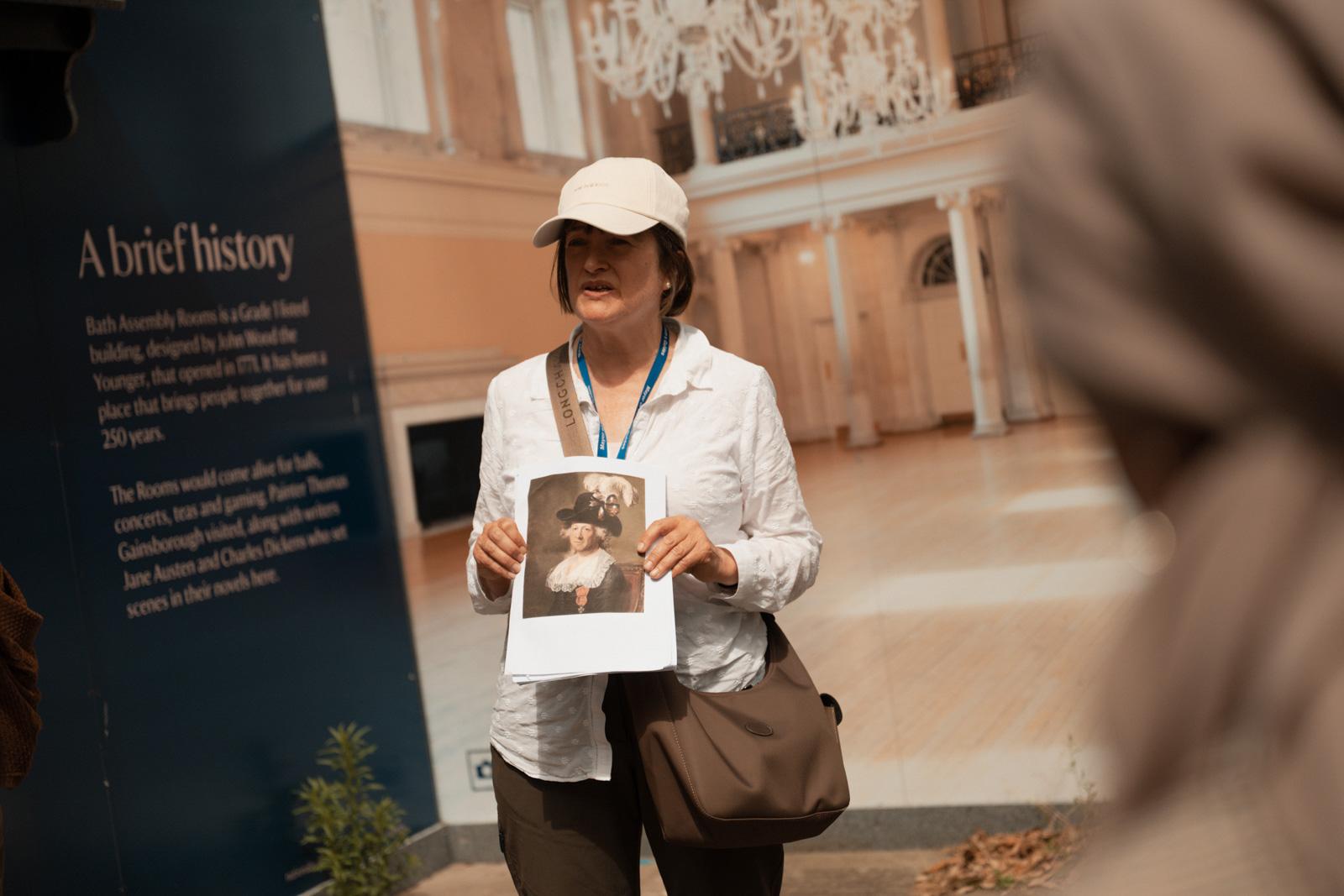
Next, we head to the Cross Bath, an intimate bathing pool reserved for the social elite in the 18th century, and the stomping ground for one of the city’s most famous refugees — Haile Selassie, the 225th Emperor of Ethiopia.
Selassie spent several years living in Bath while in exile from his home country, having been forced to flee in May 1936 following the Italian invasion under Mussolini. Initially staying at the Bath Spa Hotel, he went on to make Fairfield House his residence and later donated the property back to the city. Today, the Grade II-listed building is used as a daycare centre for the elderly, as well as a social hub for events promoting cultural diversity and heritage.
“It’s important for people to understand that welcoming refugees is not a new phenomenon,” says BWR donations coordinator Linda Walz. “You can’t always predict where refugees are going to be fleeing from. There is no one refugee story but there can always be a welcome.”
Walz regularly attends the social groups organised by BWR for the city’s most recent arrivals, one of which is a monthly meet-up for Afghan refugees. Since 2021, Bath and North East Somerset Council have resettled 15 Afghan families under the UK’s Afghan Resettlement Programme. Similar schemes have seen 19 families arrive from the Middle East and North Africa, as well as more than 400 Ukrainians.
We soon find ourselves standing outside Bath Assembly Rooms, completed in 1771 and currently under renovation. Our guide narrates the tale of another wave of migration following the French Revolution, which began in 1789. Bath is thought to have received 25,000 French refugees in 1791 alone. One notable refugee during this period was Chevalier d’Eon.
D’Eon served as a diplomat and spy for the King of France, and was one of the first known people in the UK to live openly as a trans woman. During their time in Bath, d’Eon visited the assembly rooms frequently, gaining local celebrity by taking part in fencing competitions.
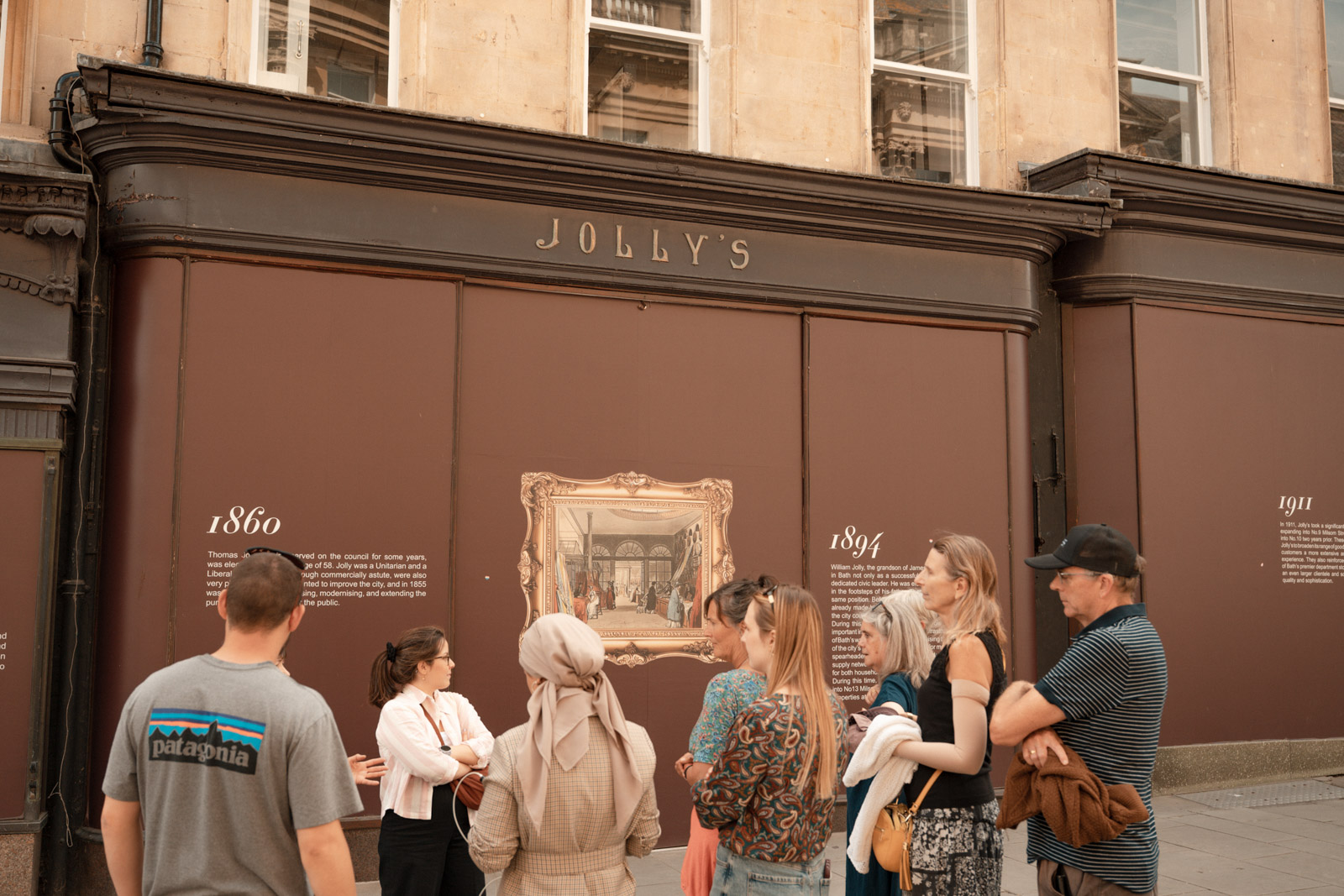
More than 150 years later, Bath hosted Jewish Austrian national swimming champion Ruth Langer, in the 1940s. Our penultimate stop is Jolly’s department store, where Langer worked.
At 15, she refused to represent her country in the 1936 Olympics in Berlin, protesting against Hitler’s anti-Jewish policies. She initially escaped to Italy under false papers, dyeing her hair blonde. However, as she still held an Austrian passport at the onset of the second world war, she was treated as an “enemy alien” and temporarily sent to an internment camp, along with many other Jewish refugees from Germany and Austria.
“My own father was interned,” says Walz. “He was German — not Jewish — but someone who couldn’t keep quiet about what was happening in Nazi Germany. He was a university lecturer in Heidelberg and was arrested by the Gestapo because of his criticism of the regime in his lectures. He managed to charm his way out and fled to England in 1936.”
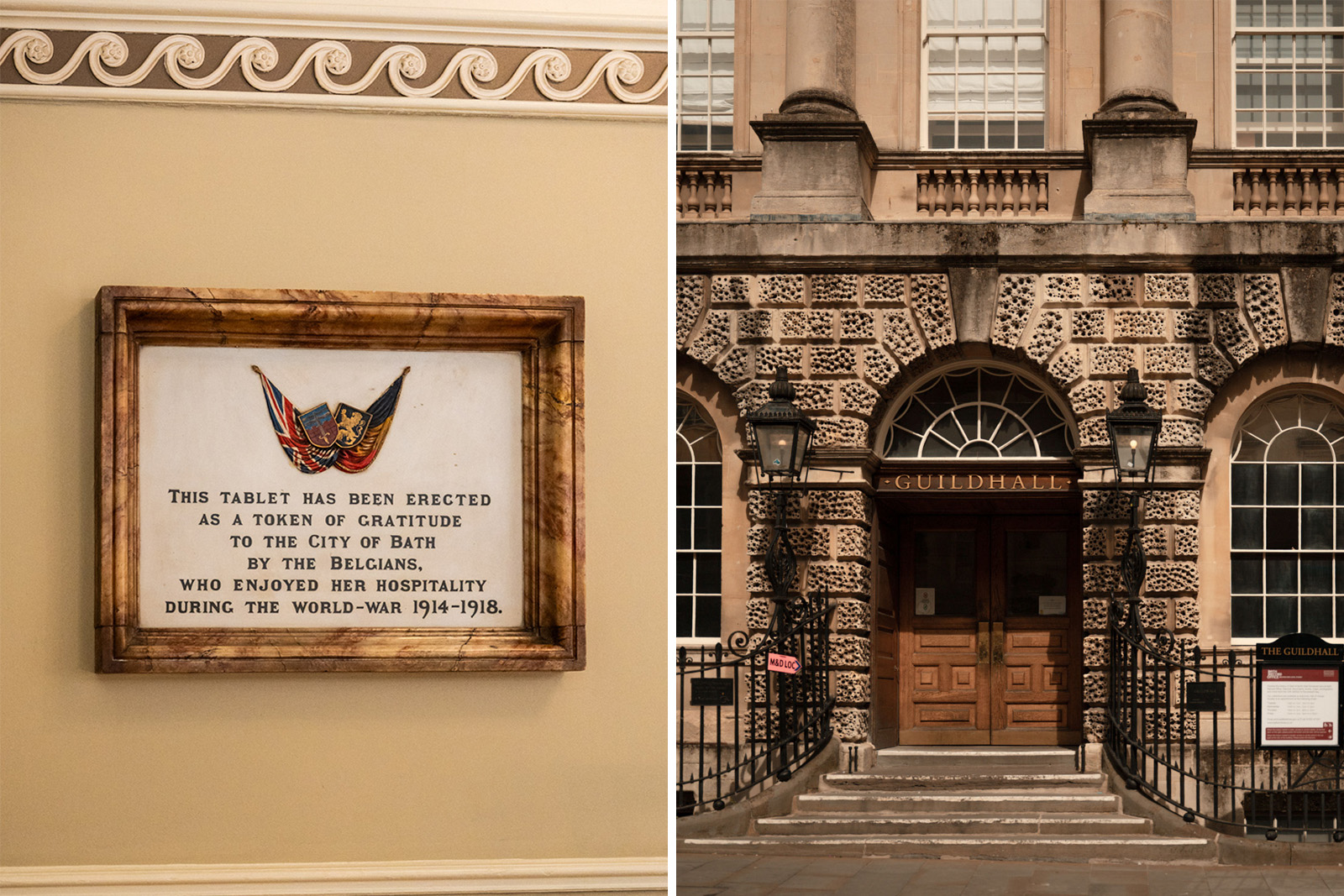
Our final destination is Guildhall, where our guide points up to a plaque flanking one of the inner stairwells. “This tablet has been erected as a token of gratitude to the city of Bath by the Belgians, who enjoyed her hospitality during the war of 1914-18,” it reads, referring to the 250,000 Belgian refugees who arrived in Britain during the first world war.
Rickitt ends the tour by mentioning the displacement of Uganda’s Asian community in the 1970s. More than 27,000 of those refugees came to the UK, but there is little record of how many came to Bath specifically. She also references more recent arrivals to the city, such as families from Syria and Afghanistan, many of whom now call Bath’s Twerton and Foxhill areas home.
“I had no idea Bath had such a multicultural and supportive history for refugees, and I’ve lived near the city my whole life,” says Georgina Bryant, a Bristol local who attended the tour.
“It’s lovely to hear some positive stories about this topic compared to what’s happening in the world currently. It also brings together people who are interested in learning about more than just the mainstream history,” she says.
“People coming over in small boats — it’s nothing new,” says Rickitt. “This city has long welcomed refugees and I really hope that we continue to do so. They’re an intrinsic and important part of our history.”
This tour was organised by Bath Welcomes Refugees as part of Bath Refugee Week.