
A guide to Islamic history city breaks this summer
Top destinations to visit for a long weekend across Europe that are steeped in cultural heritage

Whether you’re travelling with family, friends or flying solo this summer, these European city breaks offer their own unique blend of Islamic history and culture.
Mostar, Bosnia
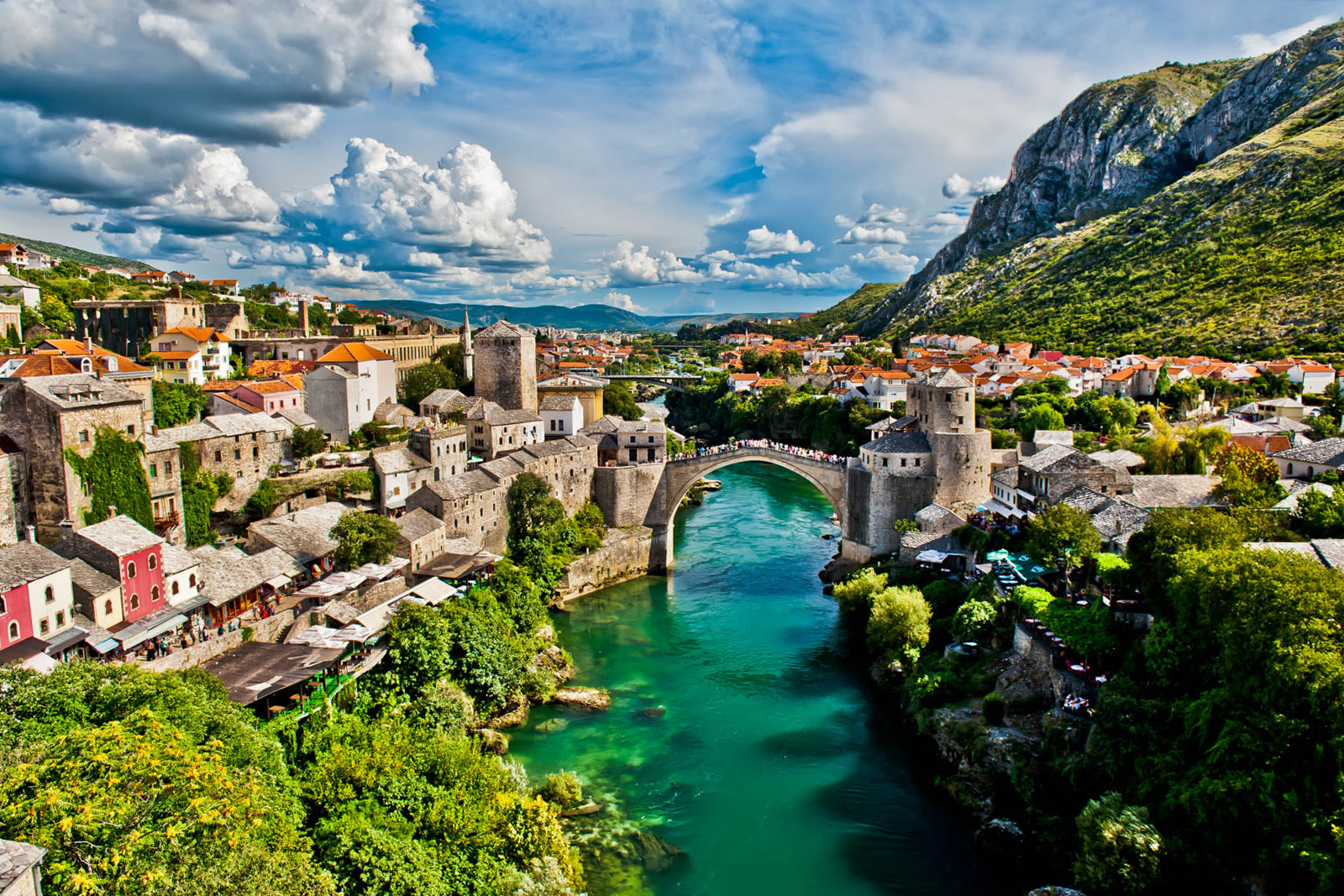
Mostar has a multifaceted history. Muslim Bosniaks and Christian Croats and Serbs lived in relative harmony under the Ottomans, who gained control of the territory in the 1400s. Erected in 1566, the city’s Stari Most (Old Bridge) became a symbol connecting the Christians in the west to the Muslims living east of the river.
The bridge was destroyed during the Yugoslav Wars in the 1990s. Walking through the streets of Mostar, you can still see this recent history — in some parts of the city, bullet holes still riddle buildings. The bridge was reconstructed in 2004 and today it is Bosnia’s most popular landmark, attracting more than a million visitors a year.
Perched along the Neretva River, tree-lined paths and cobblestone steps lead to Islamic heritage sites such as Koski Mehmed Pasha Mosque and the Kujundžiluk Bazaar, a trade hub active since the 16th century. Much of the traditional Bosnian food in the old town, such as klepe (meat dumplings), bosanski lonac (Bosnian stew) and the national dish ćevapi (sausages served in fluffy lepinja flatbread), is also halal.
For those willing to venture further, the historic village of Blagaj is a 20-minute drive from Mostar and houses a Sufi monastery set into the cliff face. Just under an hour’s drive away are Kravice Waterfalls, a network of 20 different cascades accessible by wooden bridges and boat rides through a nature reserve.
Gjirokastër, Albania
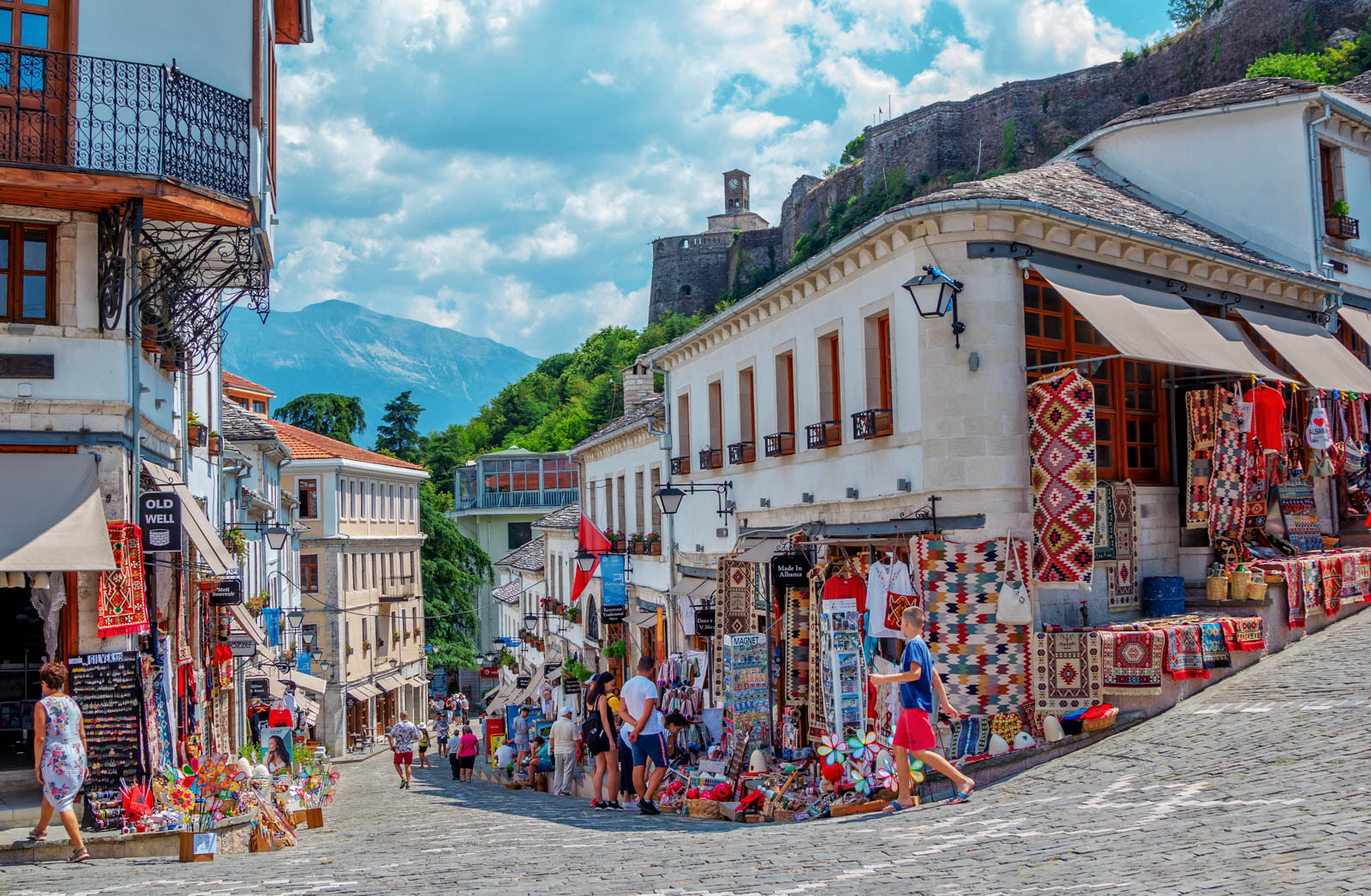
While most tourists flock to the white-sand beaches of the Albanian Riviera, Gjirokastër provides a tranquil alternative. Nestled between the Gjerë mountains and the Drino river, this Unesco World Heritage city is filled with historic limestone and grey slate buildings with sloping cobbled streets, giving its name the City of Stone.
In the old town you’ll find the Old Bazaar, a colourful maze of shopfronts displaying pottery, carpets and other crafts. Built in 1757 under Ottoman rule, the Old Mosque, with its domed centre and 99-step minaret, is close by. There are also 200-year-old residences, such as Skenduli House and Zekate House to visit for their well-preserved Ottoman architectural features, and Gjirokastër Castle, an imposing hilltop fortress.
For those interested in more recent history, check out the Cold War Tunnel — a museum situated in an expansive underground bunker built by Albania’s communist dictator Enver Hoxha, or Ali Pasha Bridge — a former aqueduct just a 30-minute hike from the old town.
Throughout the city there are plenty of halal-friendly restaurants serving local specialties such as qifqi, a savoury, herb-filled rice ball that originated in the city.
Skopje, North Macedonia
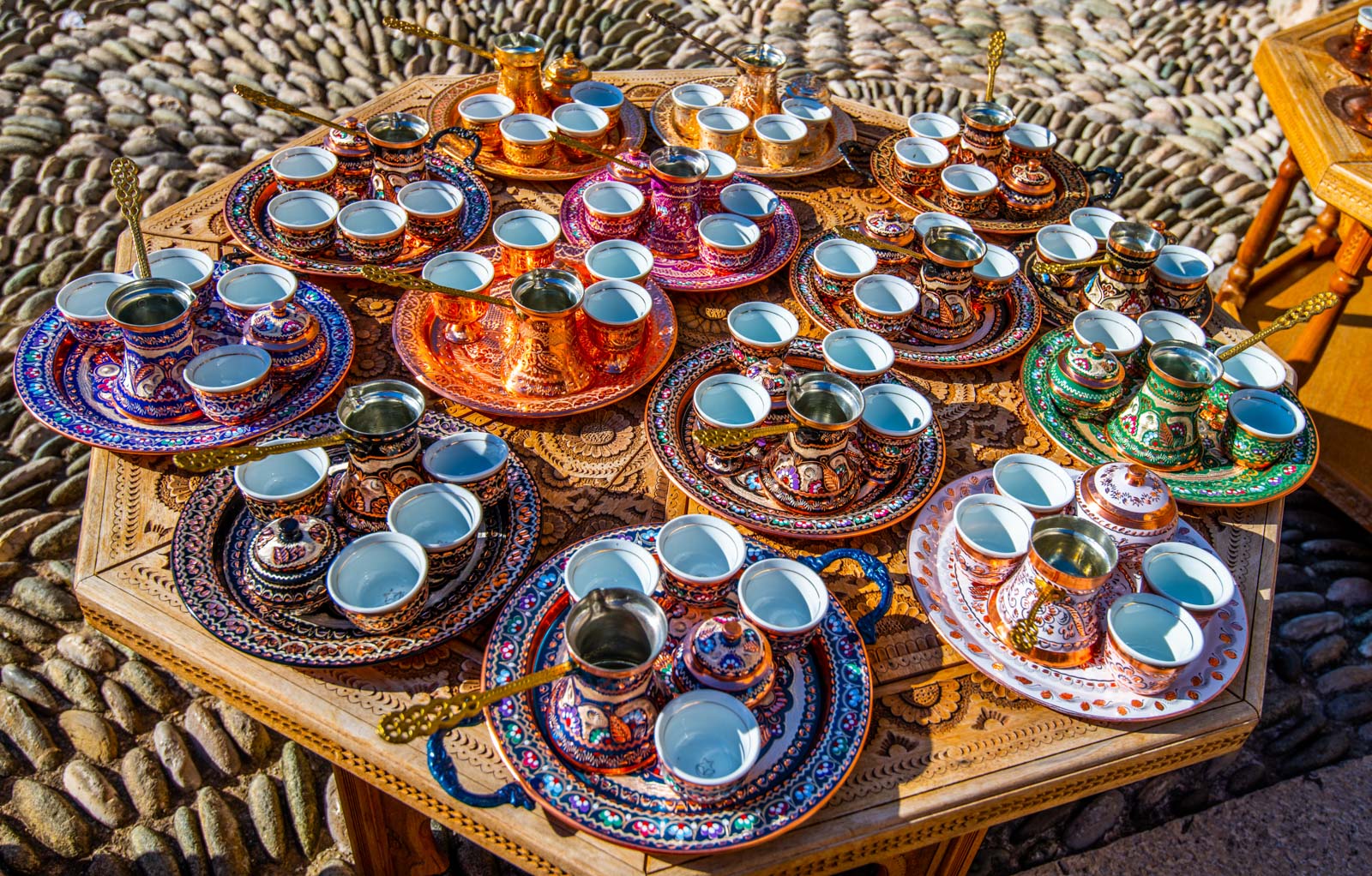
North Macedonia’s capital is underrated as a travel destination, but that means fewer crowds and a more authentic local experience. Known as the City of Statues, it is dotted with hundreds of bronze figures following an urban redesign in 2014 aiming to reclaim national pride and boost tourism.
Halal food is highly accessible — Muslims account for more than a third of the country’s population — and this is especially true the more you wander into the old town. Here, pretty cobblestone streets house local artisans, jewellers and souvenir shops, marking the beginning of the city’s Old Bazaar. Further along is Mustafa Pasha Mosque and the Skopje Fortress, a historic complex overlooking the Vardar River.
Stone bridges give way to even more statues. Cross the river and you’ll end up in Macedonia Square, with its sizable Alexander the Great sculpture guarding the centre. The Museum of the Macedonian Struggle for Independence and Mother Teresa Memorial House are worth a visit for history lovers, while nearby nature spot Matka Canyon offers majestic limestone cliffs, medieval monasteries and kayaking along the canyon’s lake.
Silves, Portugal
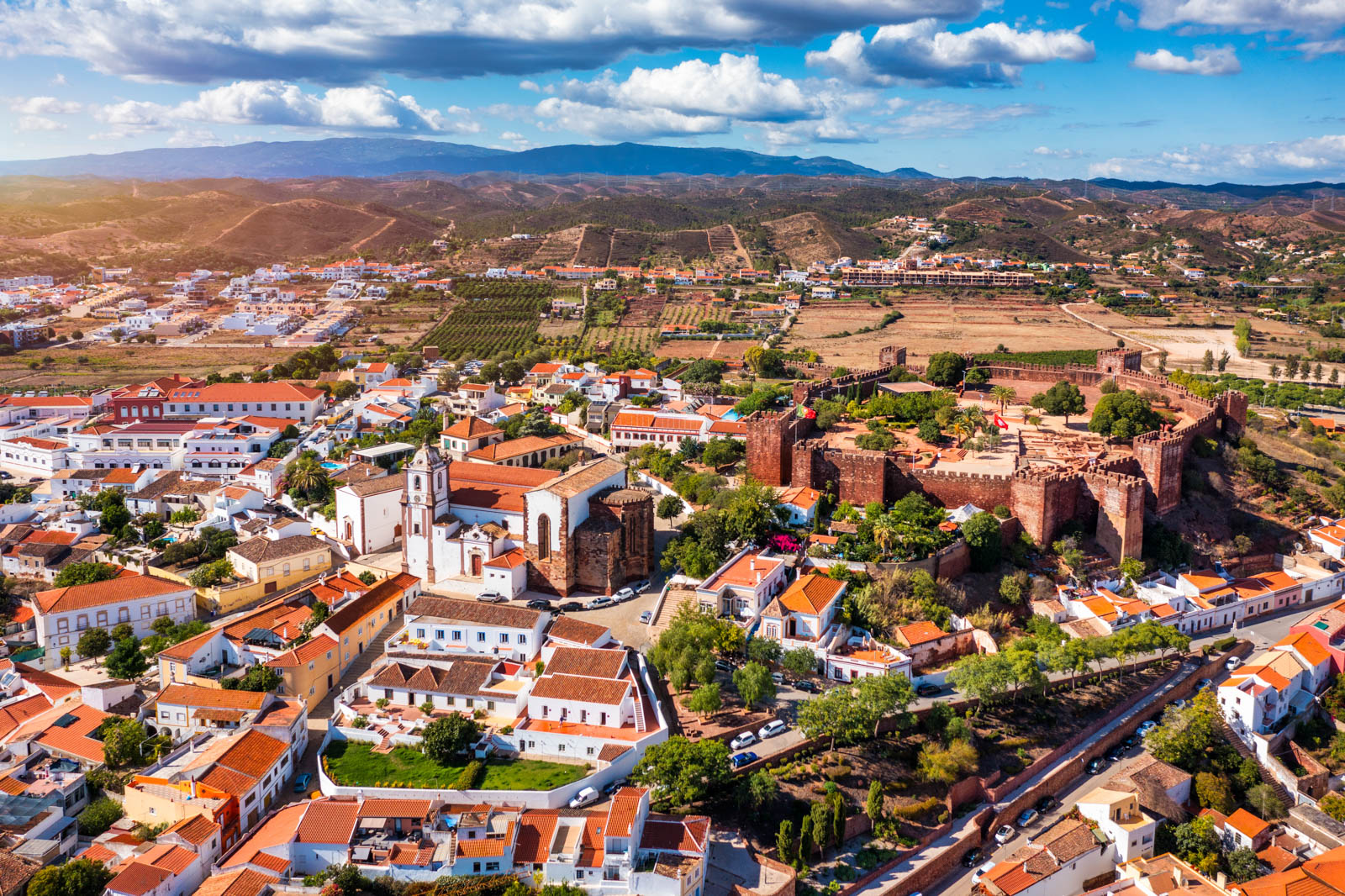
The Algarve region got its name from the Arabic term Al-Gharb, meaning “the west”. Muslim rule began in 711 AD with the Umayyad conquest of the Iberian Peninsula. By the 11th century, under the Moors, the city of Silves had become the Islamic heart of the region, and a prominent centre for culture, literature and politics.
Once known as the “Baghdad of the west”, today this sleepy ancient capital is often overlooked. Its Moorish influence can still be seen in the architecture of the city walls and its deep-red sandstone castle, which sits on a hilltop overlooking the city. Vibrant tiles (azulejos) echoing Moorish influence adorn the walls of houses and churches.
Constanța, Romania
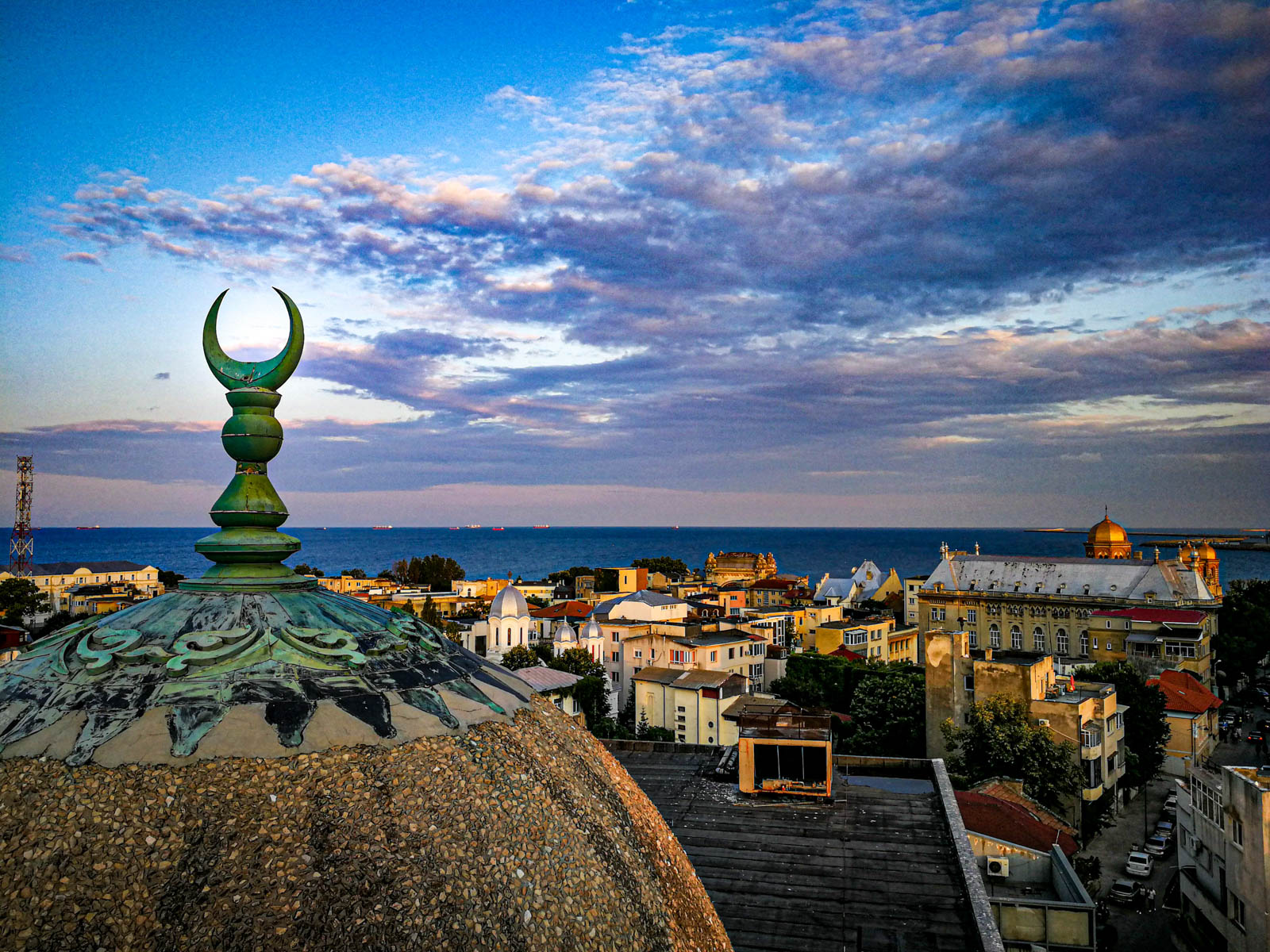
Constanța is the historical heart of Islam in Romania. It hosts the majority of the country’s Muslim population, with a city skyline that includes the Grand Mosque of Constanța, the country’s largest masjid.
Blending Byzantine, Romanian and Egyptian architectural styles, the building was gifted by the Romanian King Carol I to the Muslim community. From its mighty 47-meter minaret, the rest of the coastal metropolis can be taken in, the old town spreading in one direction, and on the other side, the Black Sea.
Stroll along the shoreline and you’ll come across the derelict Constanța Casino with its striking Art Nouveau edifice. Venture into the bustling old town and enjoy a drink in cafe-lined Ovid Square or find halal food joints such as Restaurant Konak.
Granada, Spain
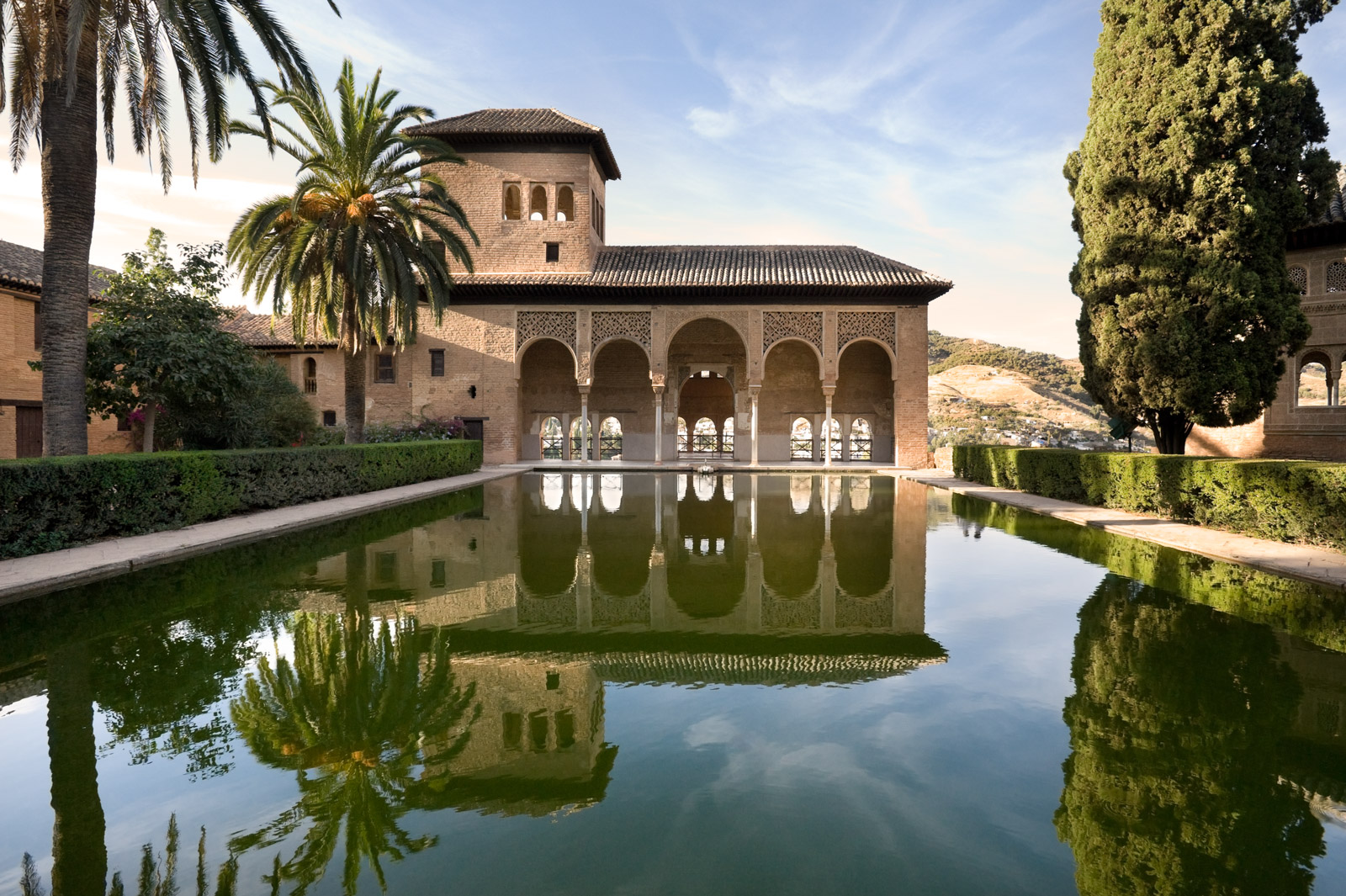
Like Silves in Portugal, Granada had become a thriving Islamic centre by the 11th century, and at the heart of this was the Alhambra — a sprawling palace complex of Moorish design and one of Spain’s most visited landmarks today.
Beyond the grandeur of this historic fortress, the narrow streets of the town itself provide plenty of charm. Vibrant terrace cafes and traditional Arab tea houses, known as teterías, also adorn the city’s Moorish quarter Albaicín. Within the labyrinth of whitewashed houses is historic monument El Bañuelo, one of the oldest Arab public baths in Spain, though it’s no longer a working baths.
The Mirador de San Nicolás is one of the best spots for viewing the sunset over the city, and the lively Paseo de los Tristes promenade is perfect for dining on halal tapas, such as those served by Ruta del Azafrán.