
Lebanese poet Nur Turkmani on building a life in a city that’s continually being erased
A new collection of writings offers a deeply personal take on Beirut’s place in an increasingly volatile world
In early 2025, Green Southerners, an organisation dedicated to preserving Lebanon’s natural and cultural heritage, shared a photograph of a golden jackal spotted in Aitaroun, in the south of the country. The animal had returned to its natural habitat after the area had been subjected to white phosphorus bombing by Israel, which had caused “immense damage to biodiversity”, the organisation said.
“Let us preserve and protect it, so that natural habitats may regain their health and balance.”
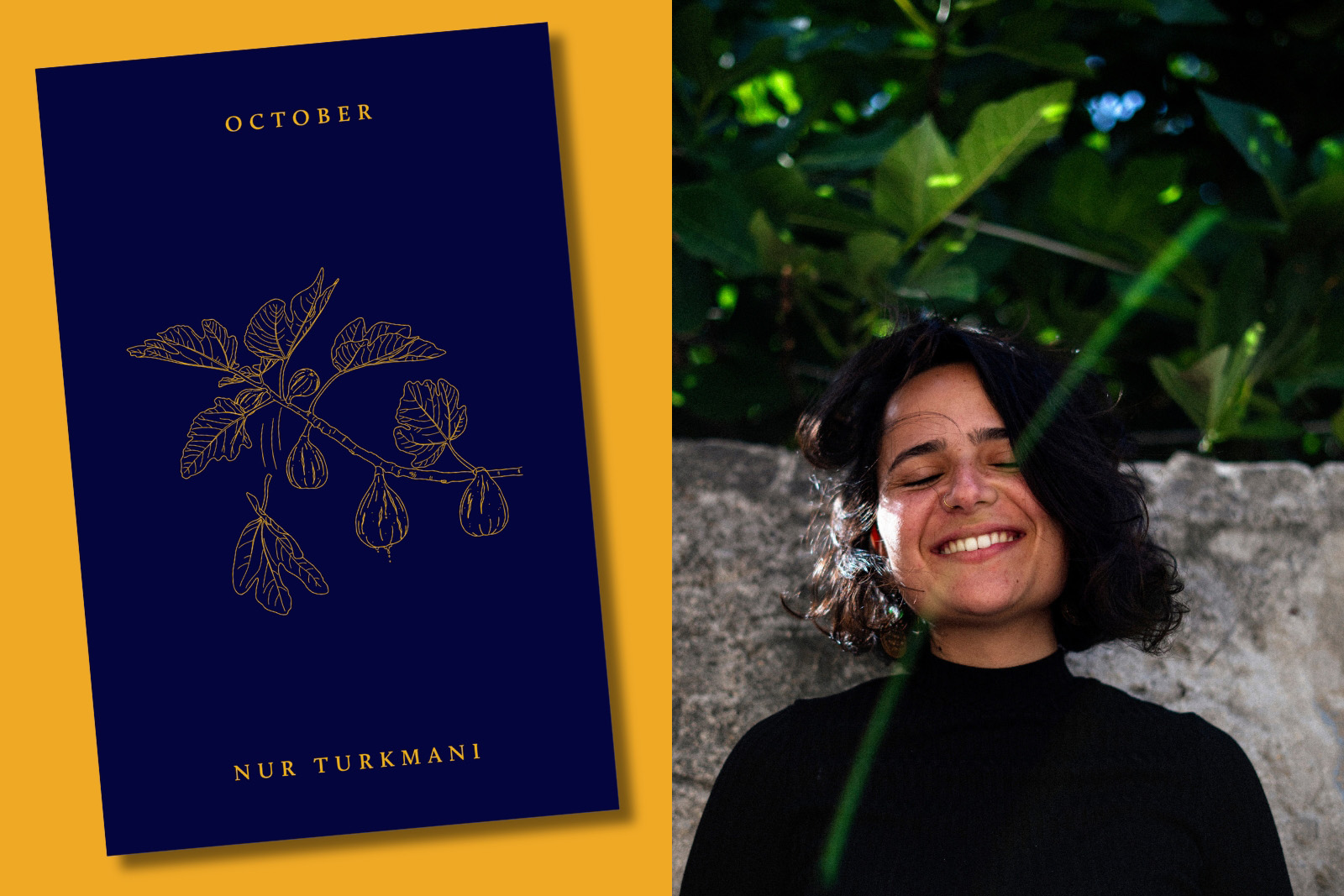
The photograph inspired Lebanese-Syrian poet Nur Turkmani, 31, to write Animal Grief, which features in her new collection, October. “It’s probably one of the only poems in the collection that arrived to me almost readily formed, after a very long spell of not writing,” says Turkmani.
Related content
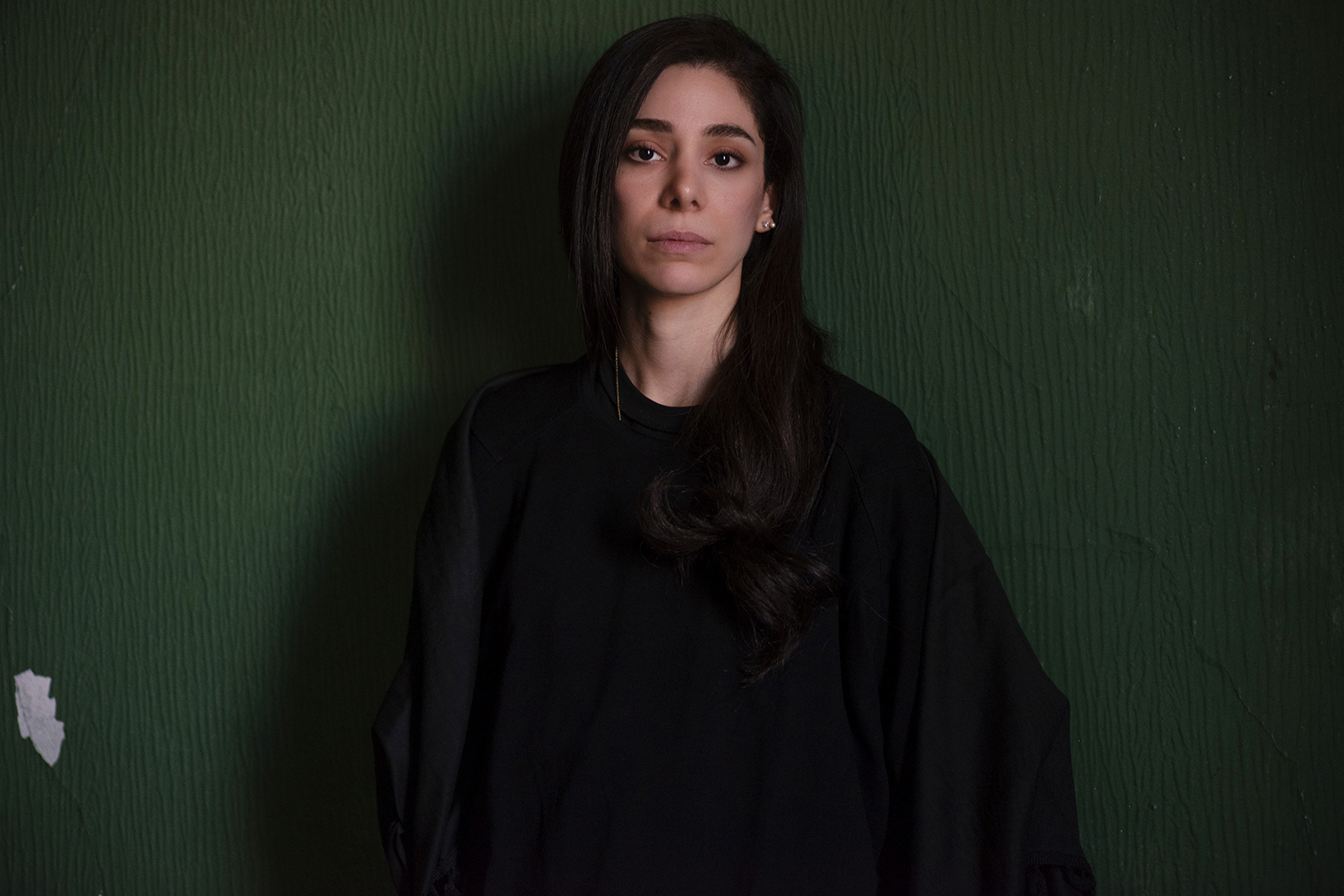
Turkmani is a writer and researcher who lives in Lisbon. She studied creative writing at the University of Oxford and, in addition to poetry, also pens fiction and essays.
She first began writing the poems featured in October after protests against the Lebanese government began in October 2019. Turkmani, who was living in Beirut at the time, spent the next six years using poetry to document her life in the city. It was only after Israel’s assault on Gaza intensified in October 2023, when she sat down to review the more than 100 poems she had written, that she noticed the month of October had been a recurring theme.
The collection, originally written in English, explores what it means to endure political and economic instability and its impact on relationships, family and friendship. “In many ways, October is the aftermath of the disappointment and disillusion my generation felt with the Arab Spring,” Turkmani says, referencing the anti-government uprisings that swept across the Middle East in the early 2010s.
“There was this moment of possibility and reckoning, and this sense that we were about to break from the binary of the east v the west, and carve a space that is true to us. But in the years that followed across Egypt, Libya, Syria and Lebanon, we became smaller, and smaller, and smaller.”
Speaking about her writing process, Turkmani says she always carries a notebook to write down lines whenever she feels inspired. “On some level, I don’t think I know exactly when I’m writing a poem. Often, either I read something or watch something that immediately triggers an urge to sit down and write, so I have a notebook I carry around so I’lll write down a few lines,” she says. “There are reactionary poems or poems that came from a need to note something with an immediacy, and there are other poems that simmer with me, that I spend months or years thinking about and I see them slowly coming together over time.”
October is her way of exploring what it means “to build a life in a city that is historically and continuously being erased in one form or another”.
“What does it mean to be young in a city that is constantly exposed to violence and, oftentimes, violence that we don’t have agency over?” she says. “It’s a violence that is imposed by colonial borders, by settler colonialism, but also by military dictatorships and authoritarian regimes.”
Turkmani, whose mother is Syrian and father is Lebanese, spent most of her adult life in Beirut before moving to Lisbon aged 30. “For a long time, Beirut was the compass for me. A lot of how I made sense of the world was through my life in the city, but a series of personal and political changes instilled in me the idea of leaving,” Turkmani says.
Related content
Prior to moving to Lisbon, Turkmani heard writer Arundhati Roy — the award-winning author of The God of Small Things — speaking at an event in Beirut, where she was asked why she won’t leave India. “She says, ‘I am a tree in India, and the rivers and the sun and the soil make sense to me. It’s not a kind of nationalism as much as it is a sense of rootedness.’” Turkmani says she felt the same way in Beirut throughout her 20s. But something in the past few years has shifted.
She points to the genocide in Gaza beginning in October 2023 and Israel’s ensuing attacks on Lebanon, including its capital. “It really ruptured any sense of safety or continuity we had. Not to say that before 2023 Beirut was in any way a safe or secure place — there were a lot of really violent structures — but I think the kind of invasion that the genocide brought made me feel deeply claustrophobic.
“It’s not that I think we are doomed to a life without agency, but I think we have had our experience of this kind of ceiling. We have protested, we’ve written, we’ve witnessed and we’ve screamed, and it still feels like at any given moment, Israel can define our every day. That is a very harsh reckoning.”
Against that backdrop, October functions as a kind of archive of her time in Lebanon. “I let go of Beirut,” she says. “I think it’s really sad in many ways, but I tell myself it was also inevitable.”
October, published by Hajar Press, is out now.