
Birmingham balti could be recognised by Unesco within weeks
The city’s Balti Triangle is declining. After a decade-long campaign by Zaf Hussain and others, could cultural heritage recognition help it survive?

The Birmingham balti restaurateur leading a campaign to get the dish recognised by Unesco has warned that the curry could become “generic” without action to protect it.
Zaf Hussain told Hyphen on Monday that he was expecting a decision from Unesco in the next 12 weeks.
Ladypool Road — once the heart of Birmingham’s Balti Triangle — was previously home to more than 30 balti houses. Today, only a handful remain. For Hussain, owner of Shababs, that decline is exactly why the push for Unesco recognition matters now.
Related content
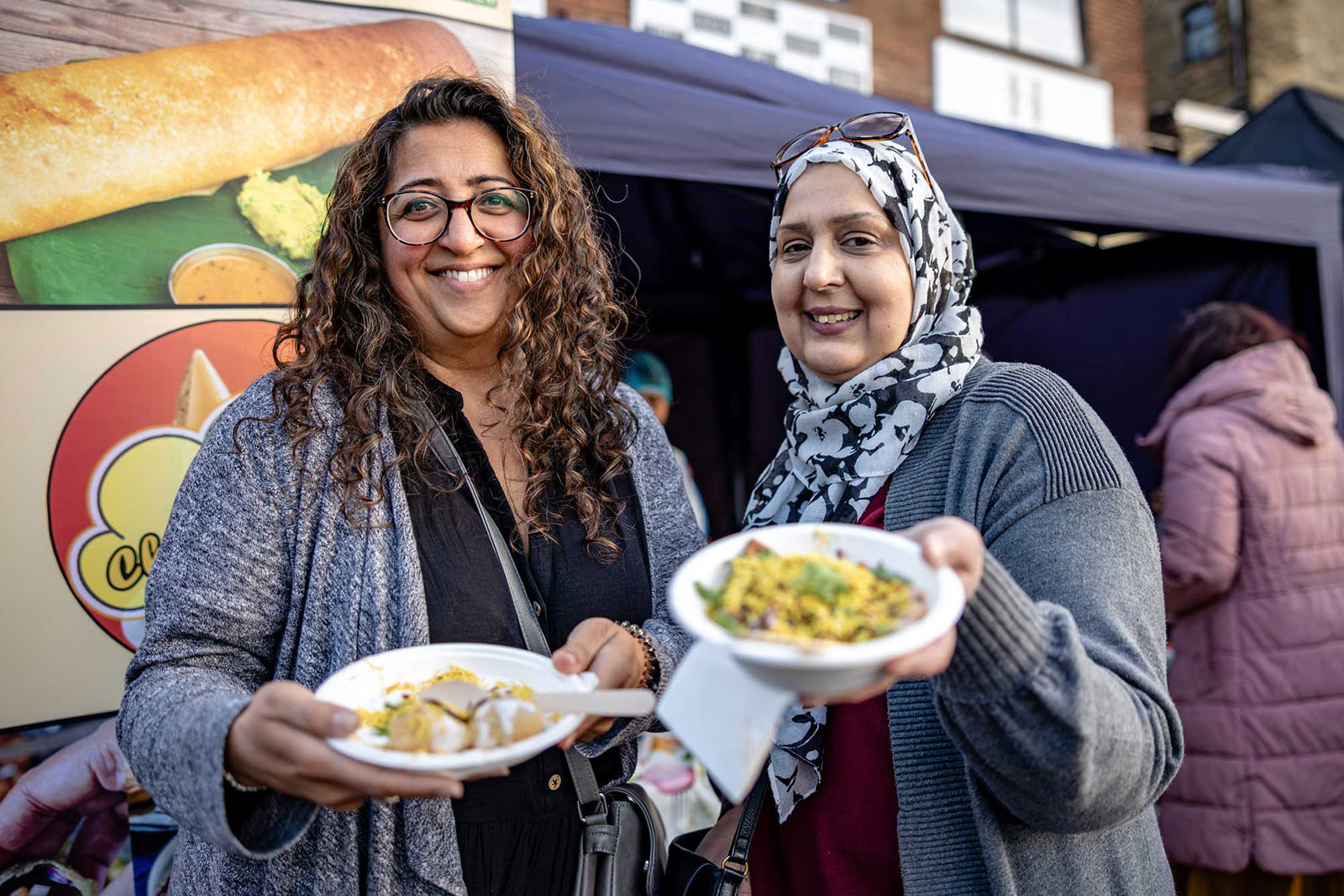
“The balti is 50 years old now,” said Hussain. “Over the years, the number of balti houses has decreased and it feels like we’re a bit late in trying to protect them.”
Hussain has spent more than a decade trying to secure protection for the dish. Earlier attempts to trademark the term balti failed, partly because it had become too widely used, even by major supermarket chains. Now, the focus has shifted to securing Unesco Intangible Cultural Heritage status for the Birmingham balti.
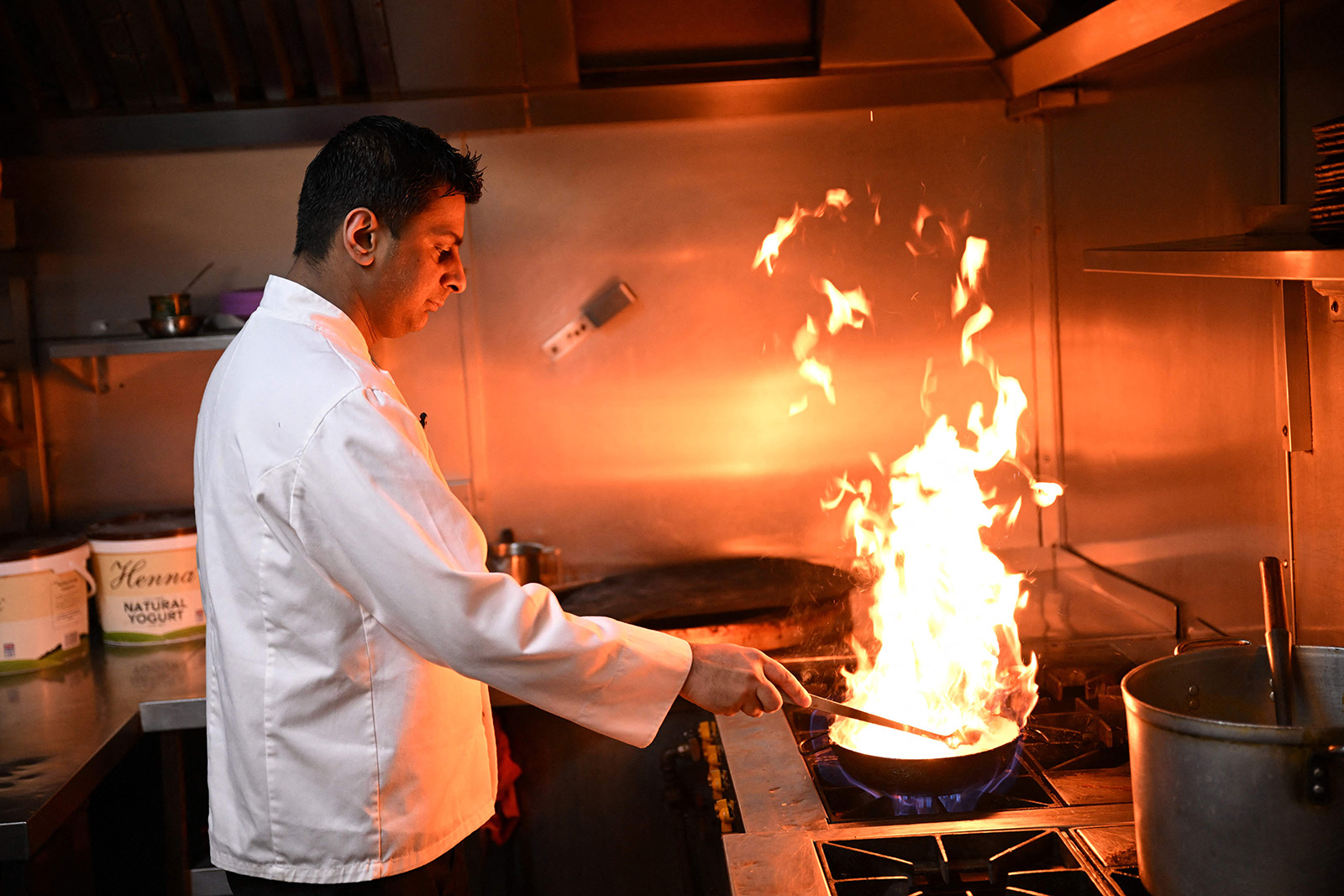
At the centre of the campaign is a point Hussain believes has long been misunderstood — a balti is defined by how it’s made, not the ingredients.
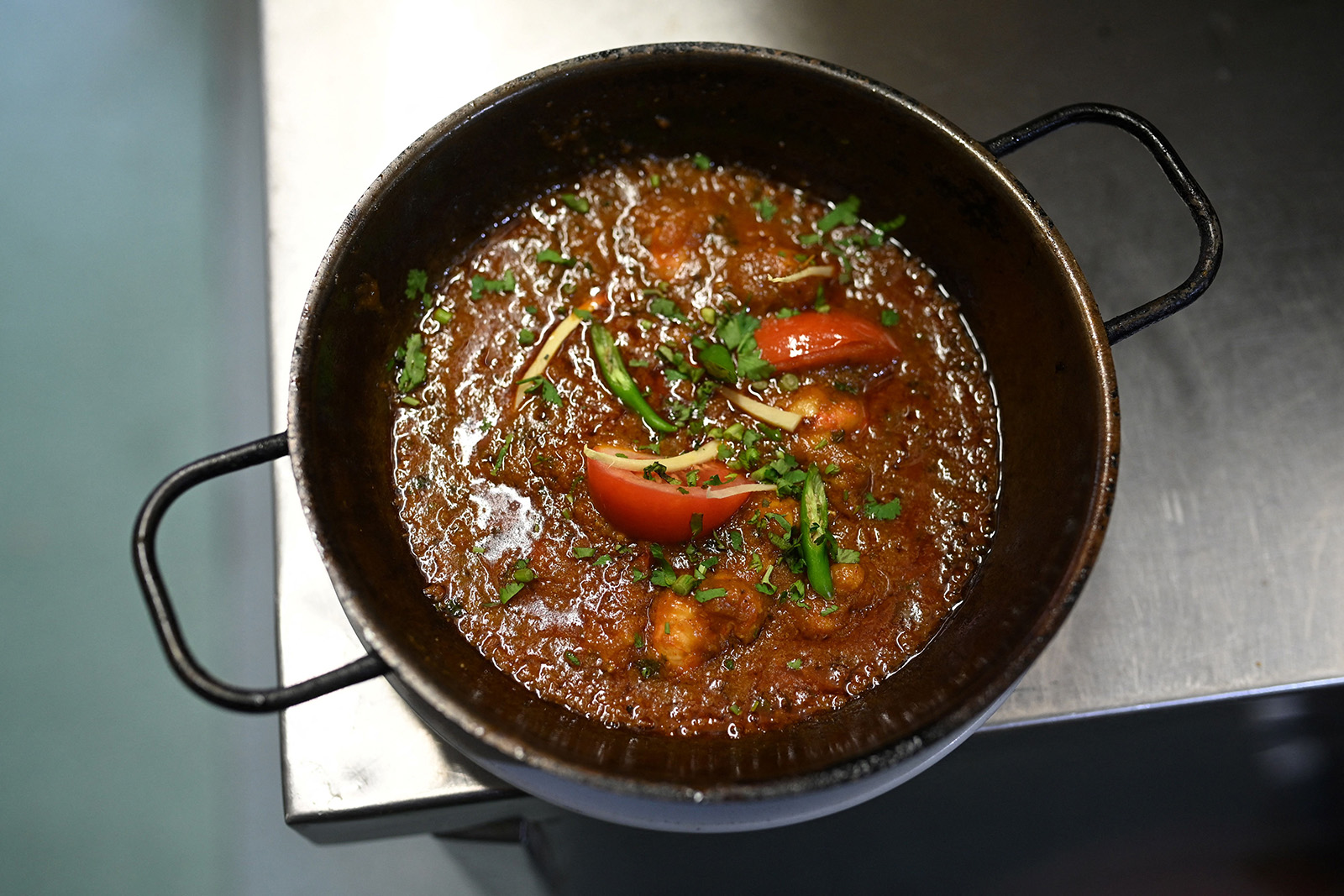
“Balti is a method of cooking. It’s not a sauce,” said Hussain. “To cook a balti properly, you need to cook it in the balti bowl, serve it in that bowl and eat from the same bowl.”
For Hussain, that process is what separates an authentic balti from the versions found elsewhere in the UK.
“What these other restaurants do is cook it in a different pan and then serve it in a shiny bowl just for aesthetics,” he said. “That’s not a balti.”
He argues that this has led to widespread confusion about the dish and a growing disconnect between the balti and its roots in Birmingham.
“If you go to India or Pakistan and ask for a balti, you won’t find it,” he said. “We can say with our heads high that the balti was born in Birmingham.”
But preserving that legacy is becoming increasingly difficult. Hussain points to a combination of factors behind the decline of balti restaurants — from the collapse of pub culture, which once brought steady footfall into the area, to staffing and generational shifts within the industry.
“It’s hard work — long hours, anti-social hours,” he said. “The younger generation doesn’t see it as attractive.”
For Hussain, Unesco recognition is less about prestige and more about survival. He believes it could help raise awareness of what a “real” balti is and encourage people to seek it out in Birmingham.
Related content
“This is like an awareness programme,” he said. “Once people understand the difference, they will support the balti.”
He also points to wider economic benefits, from increased tourism to supporting local supply chains. But recognition alone, he said, will not be enough. Hussain is calling for greater investment in the area, including improved infrastructure and transport links to help revive the Balti Triangle.
For Hussain, the campaign also carries cultural significance for Muslim communities.
“As Muslims, we are sometimes bad-named,” he said. “This is something good — something great for where we live.”
If successful, he believes the campaign could help secure the future of the balti for at least another generation. Without it, he warns, the dish risks becoming just another generic menu item, disconnected from the city and people who created it.
“Otherwise,” he said, “I feel as if all our hard work will have gone to waste — not just mine, but all the balti restaurants in Birmingham.”