Inside the ESOL class that ‘feels like family’
In Lincoln, a local charity provides education that equips people for life. It’s also building a strong and supportive community

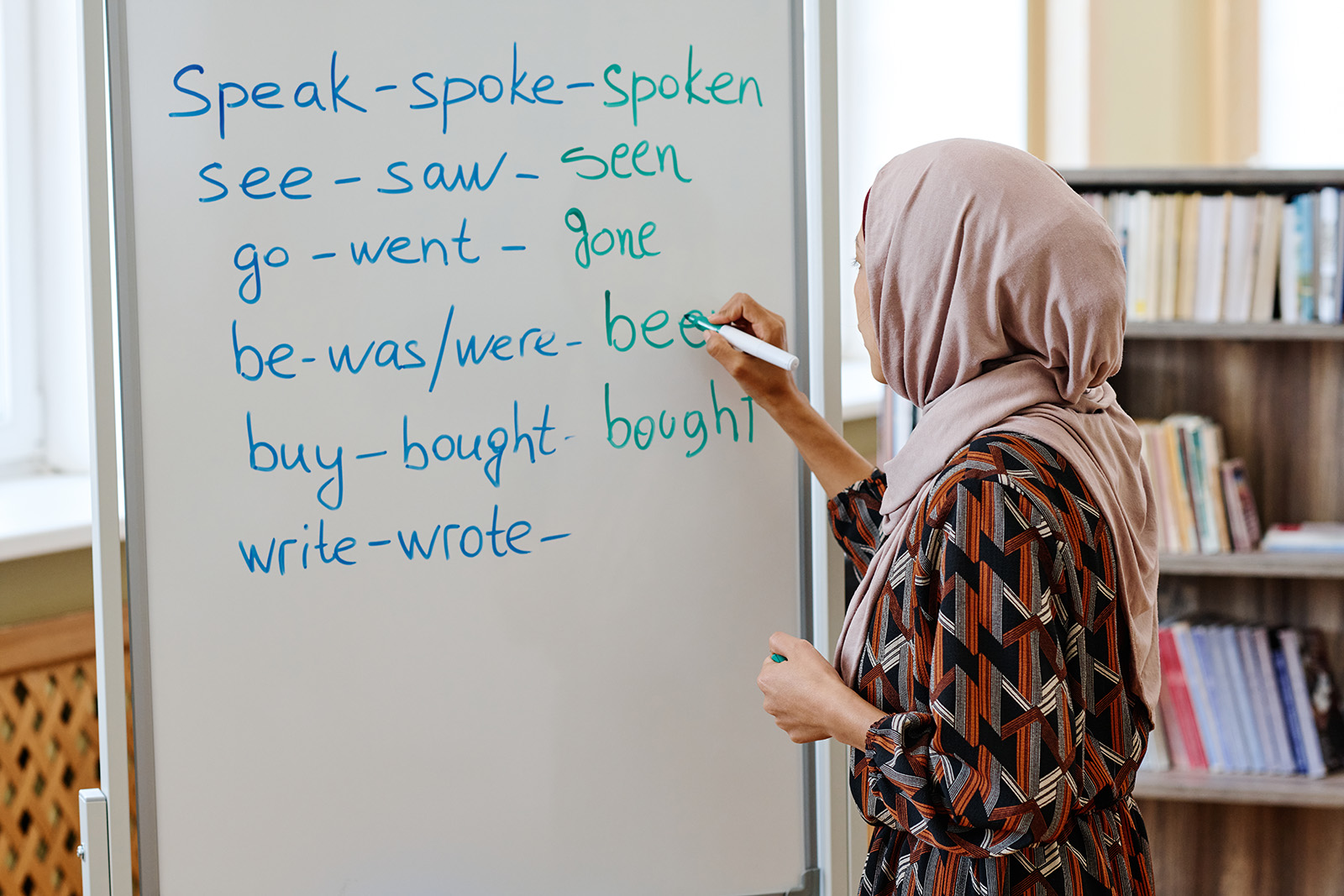
The lesson starts with UK geography. Around 10 students are sitting together in a church hall in Lincoln, talking about some of the UK’s best-known cities.
This intermediate English class for speakers of other languages, run by local charity LEAN, is about more than vocabulary and grammar. Students explain which places interest them, listen to one another and talk about their own everyday lives. The group includes people from Sudan, Turkey, Afghanistan and China. Some are regulars, but others are here for the first time.
Mohammad Chowdhury, 67, has lived in Lincoln for around 26 years. He has been attending the sessions for the past three months and says they have offered a chance both to learn and to connect with others after years of living alone.
“My family have grown up… they’re all separate,” he says. “I’m happy coming to the classes because I feel worried all by myself in my house, with no one to talk to.”
Chowdhury arrived in Leicester from Bangladesh in 1983, before moving to Lincoln. He worked for many years at a local polythene factory, but his working life gave him few opportunities to improve his English.
The classes have not suddenly made English easy. Chowdhury says he can understand more than he can speak and that writing is still difficult for him. Having somewhere to go, though, has been invaluable.
LEAN’s work contrasts sharply with growing national concerns about access to ESOL classes. According to a Hyphen investigation published earlier this month, spending for adult provision fell 39.1% in real terms between 2009-10 and 2024-25, or £117m.
Meanwhile, the 2021 census found more than one million people in England could not speak English well or at all. Hyphen’s investigation also found that the number of adults taking ESOL courses had fallen over the same period, despite rising need.
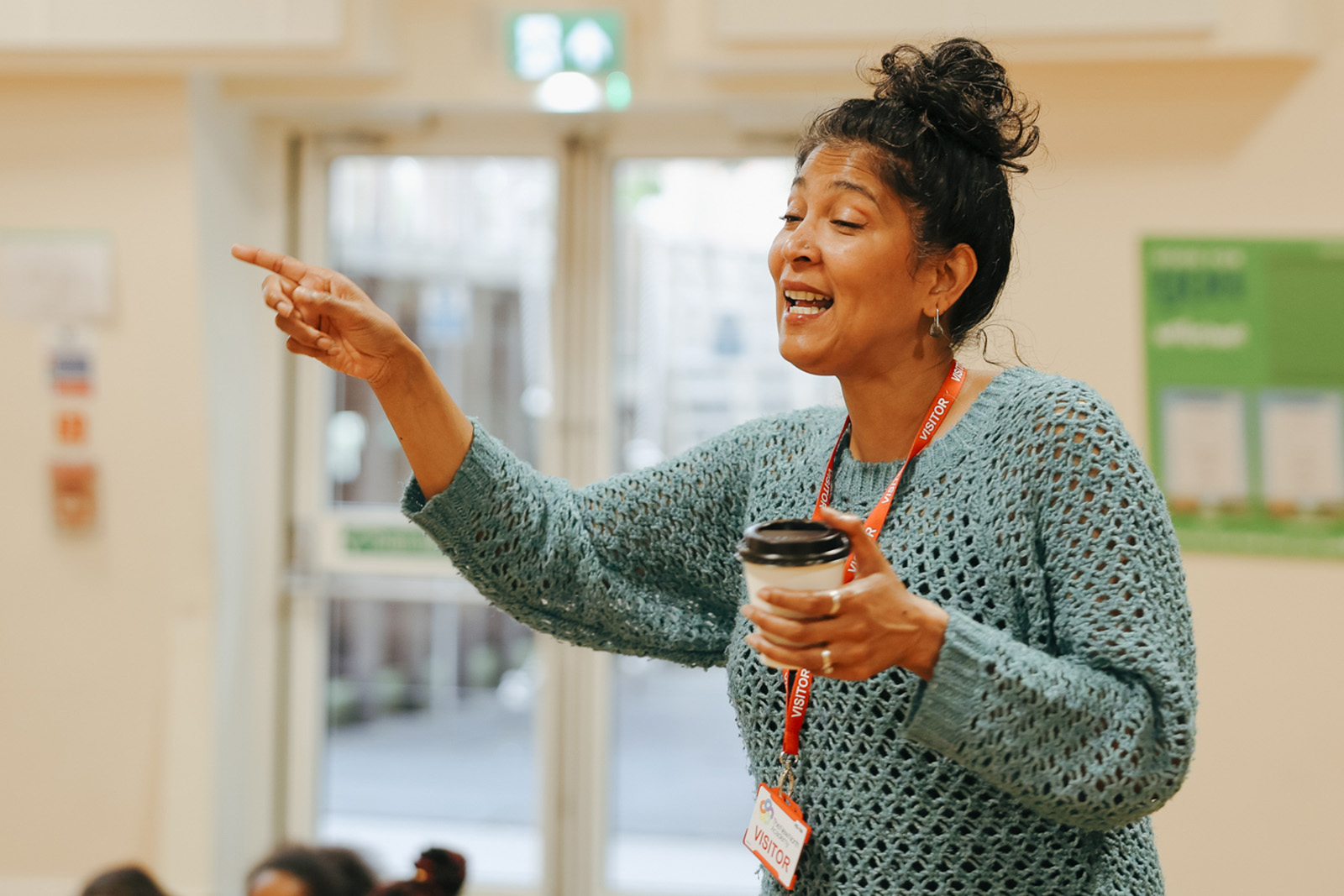
Inam Ibrahim, LEAN’s manager, says the organisation’s classes offer a space where people can improve their skills and reach out for wider support. For her, creating a space where students feel comfortable asking for help is just as important as the teaching.
Chowdhury has received help to register with a GP and communicate with medical professionals. A nurse also visits the organisation monthly to offer support to all students.
“When you help someone, and you see them receive what they want and the smile on their face, it is a great feeling,” Ibrahim says.
Zahra Orak, 41, moved to the UK from Turkey in 2006 and has lived in Lincoln since. She first connected with the organisation through Ibrahim and later began volunteering at the classes.
Although she had taken an English course at a local college, she found that LEAN provided opportunities to practise with people from different backgrounds.
“I’ve found learning English here better for me,” she says. “I’ve met a lot of people and made lots of friends. In college we just learned grammar, but here we talk about everything.”
During her year and a half with the organisation, Orak has attended courses and gained qualifications, including an English Functional Skills Entry Level 3 certificate. She has also taken part in computer lessons and other training.
Volunteering with LEAN has allowed her to support people who are less comfortable speaking English. She hopes to become a teaching assistant and sees improving her language skills as vital to working towards that goal.
“If you volunteer, you can find a job more easily,” she says. “You improve yourself in every way.”
Hassan Ibrahim, 33, came to the UK from Sudan in February 2025. For him, progress means becoming increasingly able to independently manage everyday conversations and tasks.
He says he has had to learn English “from scratch”, but can now handle a variety of day-to-day situations with much greater confidence.
Inam Ibrahim, who acts as Hassan’s translator, says his improvement is noticeable. Previously, Hassan had to call her for help and hand over his phone when he needed to communicate with people. Now he is able to speak for himself.
“If he wants to go to the doctor, he can talk to them. If he wants to speak to the counsellor, he can talk to them,” says Ibrahim. “Now he does most things by himself, which is really good.”
Hassan hopes that learning English now will equip him to take a college course and secure his ideal job. “I want to be a builder,” he says.
LEAN launched in 2022 and offers classes for complete beginners up to Entry Level 3. The organisation has secured funding from the council for the classes until March 2027 but, like many community organisations, it relies on grants to sustain its work.
Alongside ESOL classes, the charity runs a monthly international social group, bringing people together over a hot meal. An international women’s group also meets every month, offering everything from health and wellbeing discussions to free hairdressing and manicures.
The need for accessible ESOL is being felt sharply across the country. In West Yorkshire, Leeds City College told Hyphen that it routinely offers around 3,500 ESOL places each academic year, but waiting lists for its most in-demand courses sit between 200 and 400 applicants. Some learners have had to wait up to two years for a place.
As the lesson in Lincoln draws to a close, the students are set homework. They must answer questions about which UK city they would like to visit and explain why. Before they leave, the class is quizzed on the capitals of England, Scotland, Wales and Northern Ireland, bringing the session back to everyday geographic vocabulary.
For Chowdhury, however, these classes mean much more.
“He told me it feels like a family,” Ibrahim says.