
‘A musical journey around the world without a passport’
The Aga Khan Music Programme brings its forward-looking fusions of global traditions to Edinburgh
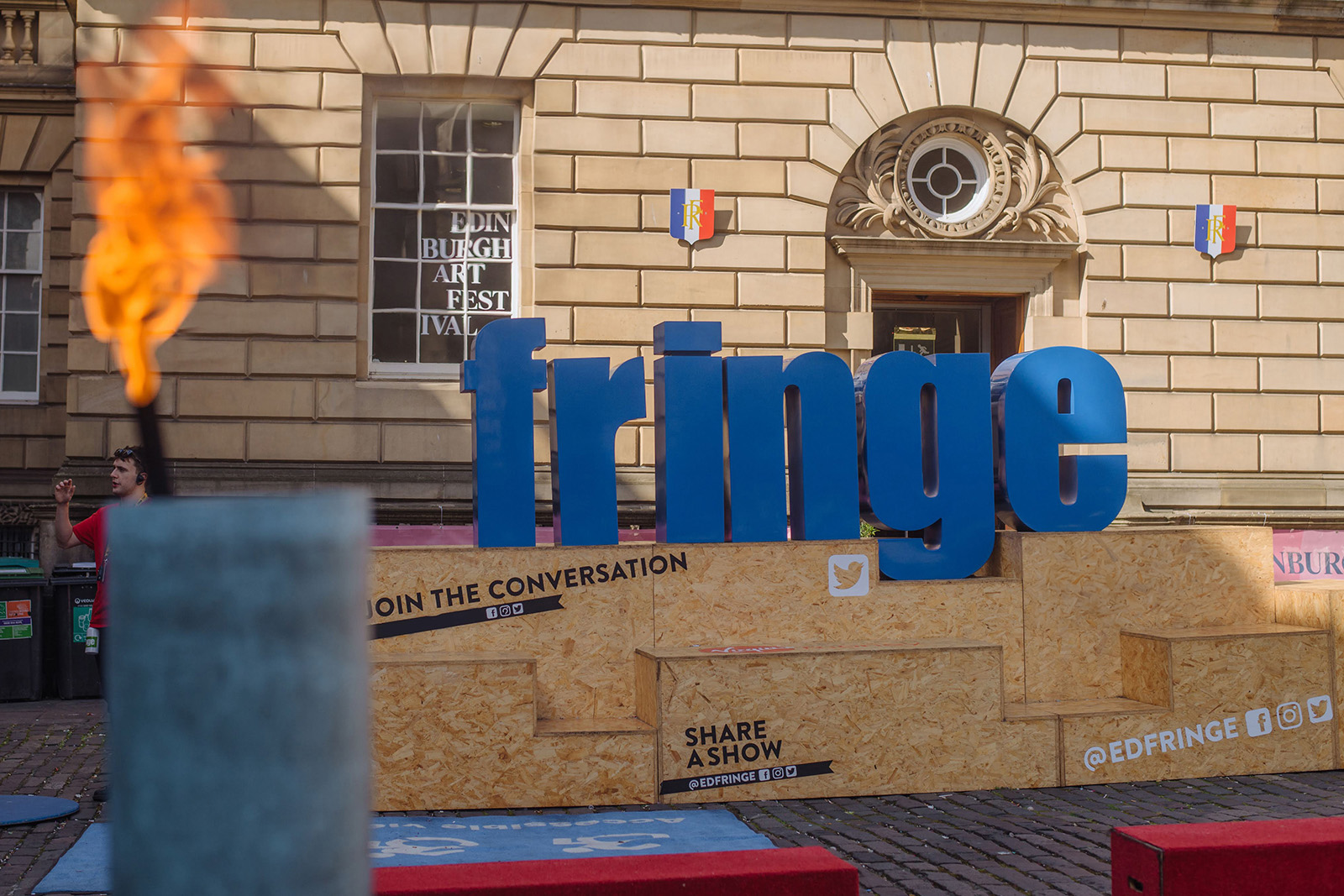
Every August, Edinburgh is inundated with thousands of actors, writers, directors and performers of all kinds. From improv comedy troupes to one-person plays, amateurs and jobbing professionals, the Royal Mile transforms into a frenzy of activity as part of the Edinburgh international festival and the fringe. For the past 17 years, however, one organisation has been bringing artists from further afield and with a greater range of expertise than perhaps any other.
Founded in 2000, the Aga Khan Music Programme (AKMP) preserves and develops musical cultures in areas around the world with a significant Muslim presence. Starting out as a project to explore the music of the ancient Silk Road alongside cellist Yo-Yo Ma in central Asia, the programme has since grown to encompass educational workshops, recorded releases and support for artists engaging with their cultural traditions in the Middle East, central Asia, Africa, South Asia and beyond.
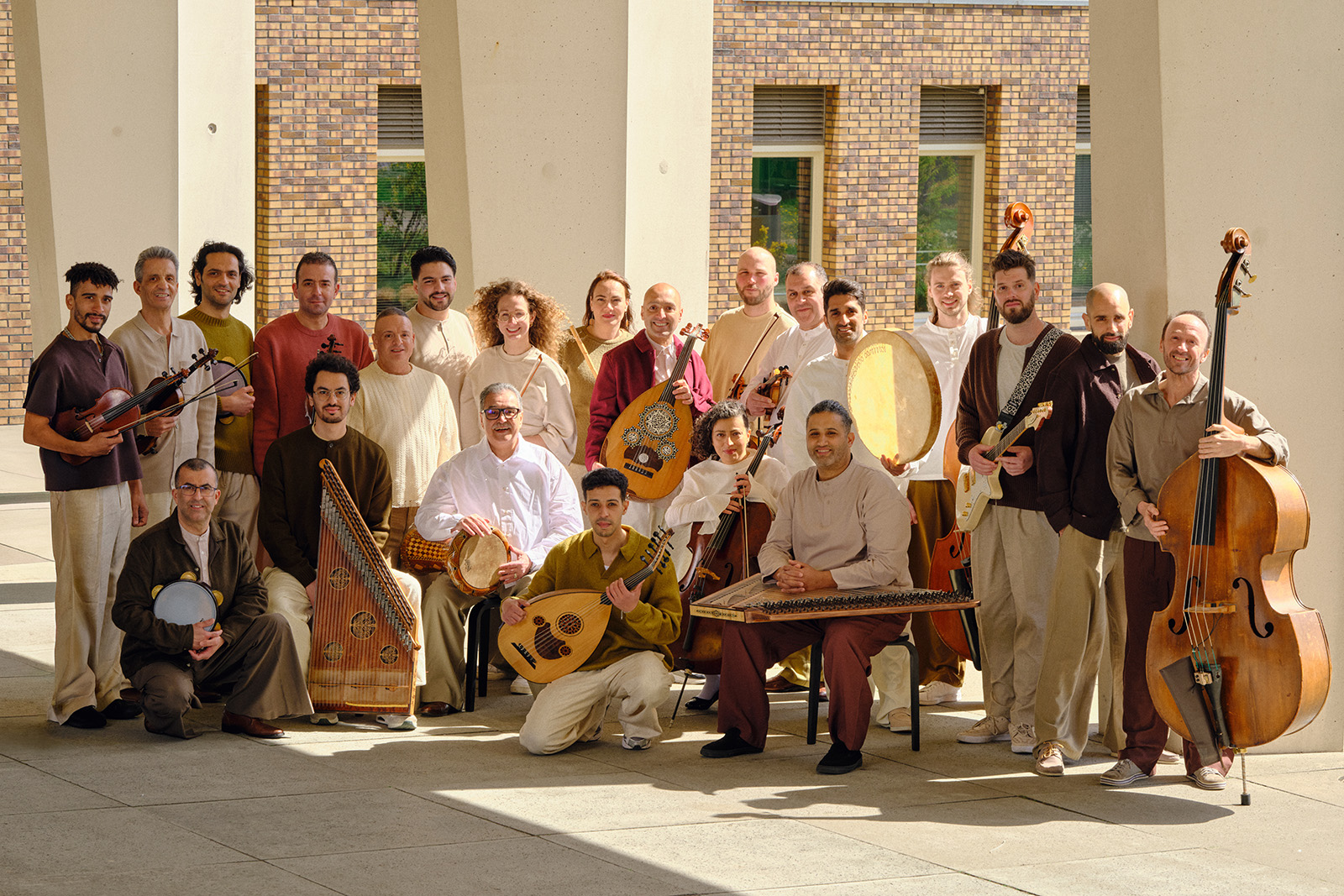
This month, the programme arrives in Edinburgh with a typically eclectic showcase, blending Muslim creative cultures to create performances with master musicians that not only uphold tradition but encourage evolution. The lineup includes Sufi poets, Arabic calligraphy artists, French classical musicians, Turkish oud players and Syrian saxophonists, each performing in collaboration and conversation with each other.
“The fundamental thing about the AKMP is that we celebrate the pivotal role of musicians in the east,” says programme director Fairouz Nishanova. “In the west, there’s a concept of music as entertainment and commerce for a specific time and place, but in other parts of the world, it’s a way of life. These musicians are storytellers from generation to generation. They will be present at births, deaths, marriages. They carry a tradition that must be taught and continued.”
Working with the programme since its inception, Nishanova has seen first-hand how difficult it can be to keep these traditions alive in a rapidly changing world. “In the late 90s we made a commitment to post-Soviet Central Asia, where a western style of musical education had been taught at the cost of indigenous roots and culture, or that culture had been preserved in a government-dictated way that meant it was largely inaccessible to opinions or interactions from the public,” she says.
“Once I became tasked with finding expert musicians that could collaborate for a Silk Road project, I realised just how obscure these traditions had become. There wasn’t an infrastructure to keep this knowledge alive and we realised we needed to get involved on a much deeper level.”
Nishanova tracked down a group of specialists from the area, each trained in disciplines from the Middle Eastern qanun to the Chinese pipa and Armenian duduk, named them the Aga Khan Master Musicians and began developing the programme.
“We have since created five key elements to the programme,” Nishanova explains. “Education, where the masters put on workshops everywhere from the small villages they might be travelling through to international conservatoires; performance, which is all about showcasing music from masters and others to audiences that might not otherwise have access to it; production, meaning releasing albums that these audiences can take home; new commissions to keep traditions developing; and our own Aga Khan Music Awards to help develop these musicians’ careers further. It’s a holistic effort reviving east-east musical fusion, which is so often abandoned in favour of east-west.”
Wu Man, an original member of the Silk Road project and one of the half-dozen-strong current group of touring and recording Aga Khan Master Musicians, is a typical example of the programme’s nurturing of ancient musical practices.
“My instrument, the pipa, has a tradition stretching back over 2,000 years, where it was Persian before becoming associated with Chinese culture. It has developed its character telling the stories of these places and that must continue,” she says.
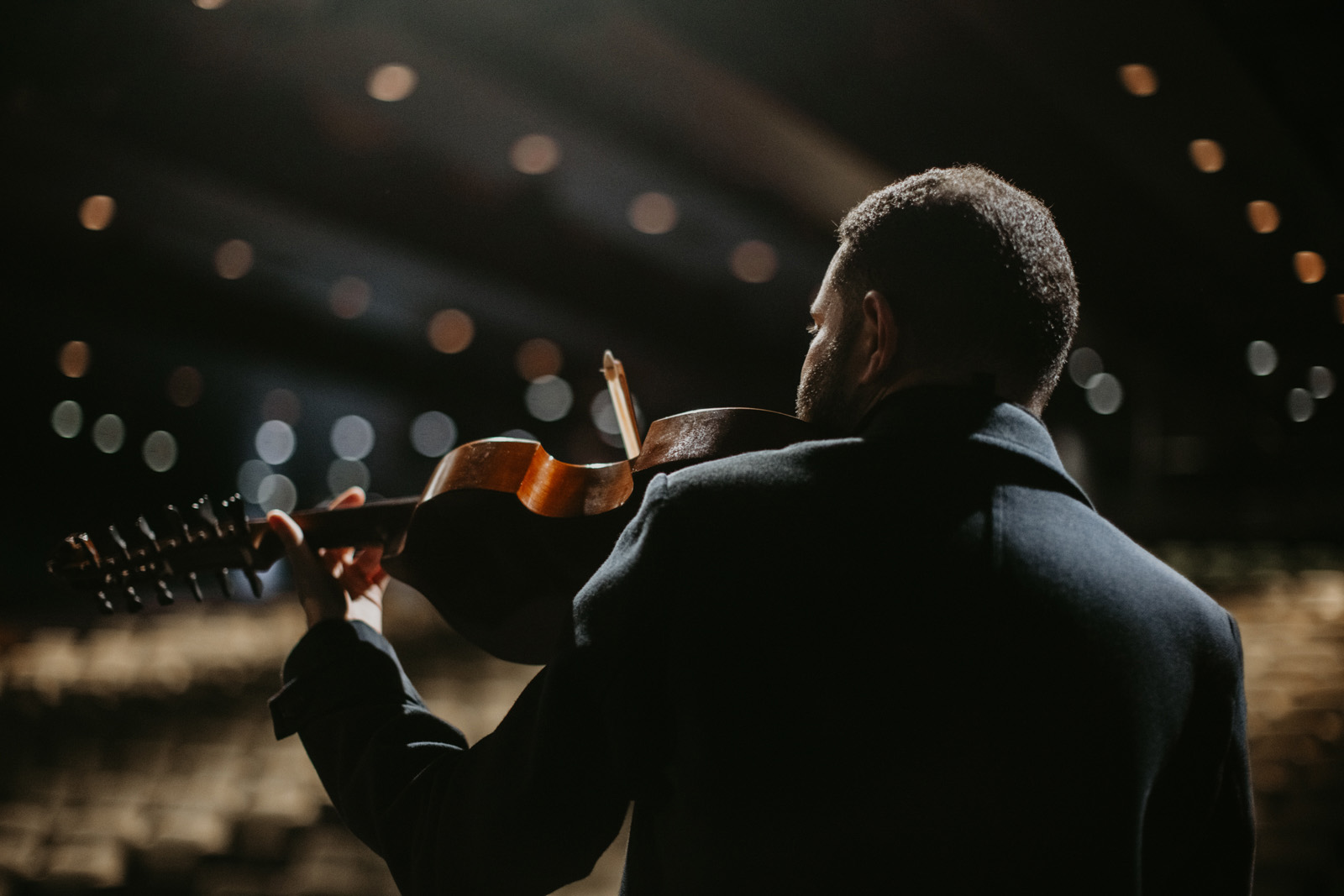
“I’ve been a core member of the Master Musicians for the past 15 years and in that time I have had an incredible chance to work with fellow masters from all over the world. It’s helped me to understand my own instrument and its context more, as well as educate audiences who might not have seen anything like it before. All of this work keeps the pipa alive.”
Wu Man describes Chinese audiences as being familiar with the pipa but stunned by the Central Asian stringed qanun or dutar and leaving shows inspired to seek out their interrelated histories. It’s an effect she is sure her forthcoming performance in Edinburgh will also have. “We’re doing something new for this show by collaborating with two French classical masters, Vincent Ségal and Vincent Peirani, and every time we have rehearsed together we find something new,” she says.
“It’s great fun onstage because we’re trying to connect ancient traditions and the modern world. The concert is a journey around the world without a passport. We’re going from China to Turkey, France, Syria, Uzbekistan and hopefully showing people that we all come from the same earth and we can share our musical cultures.”
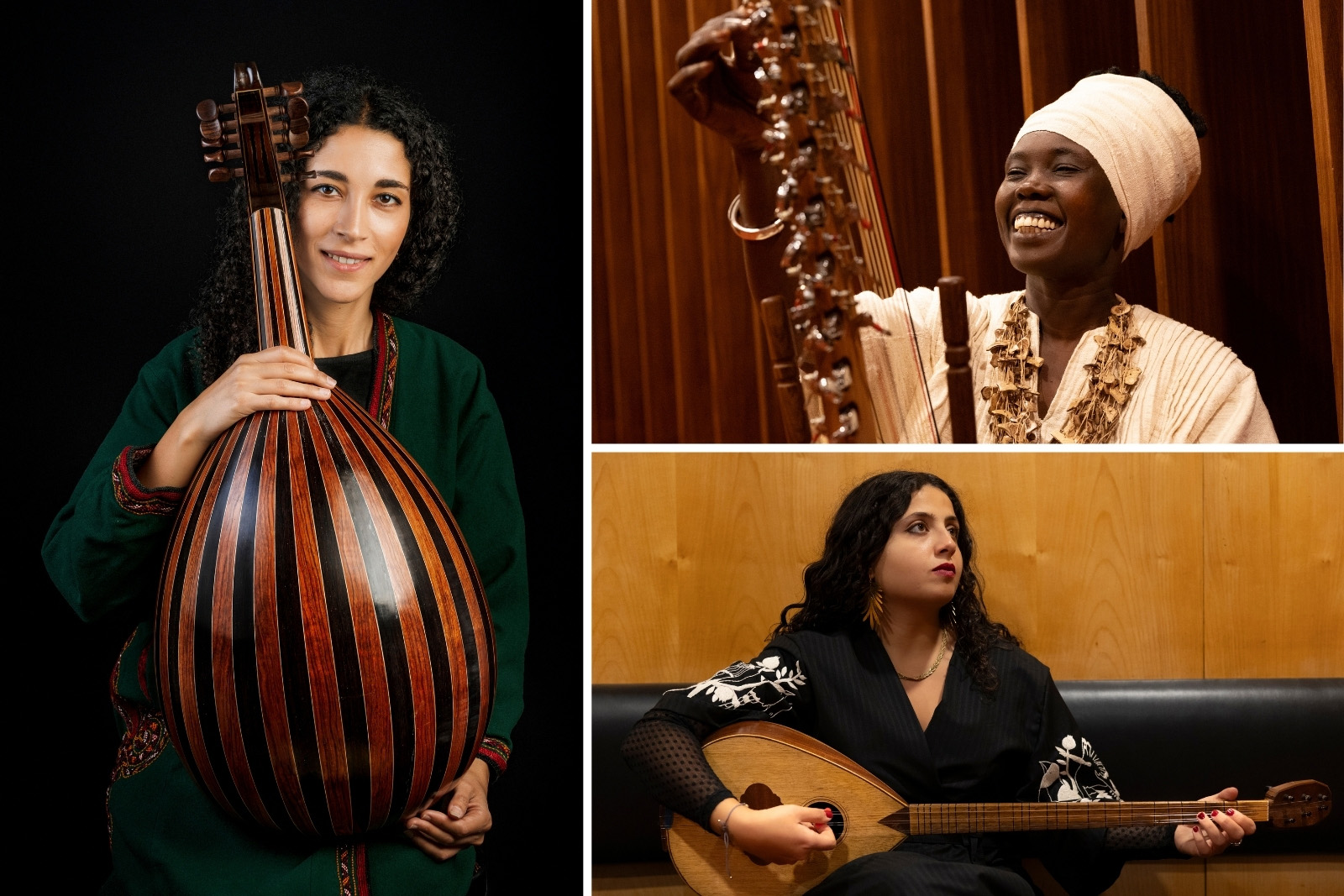
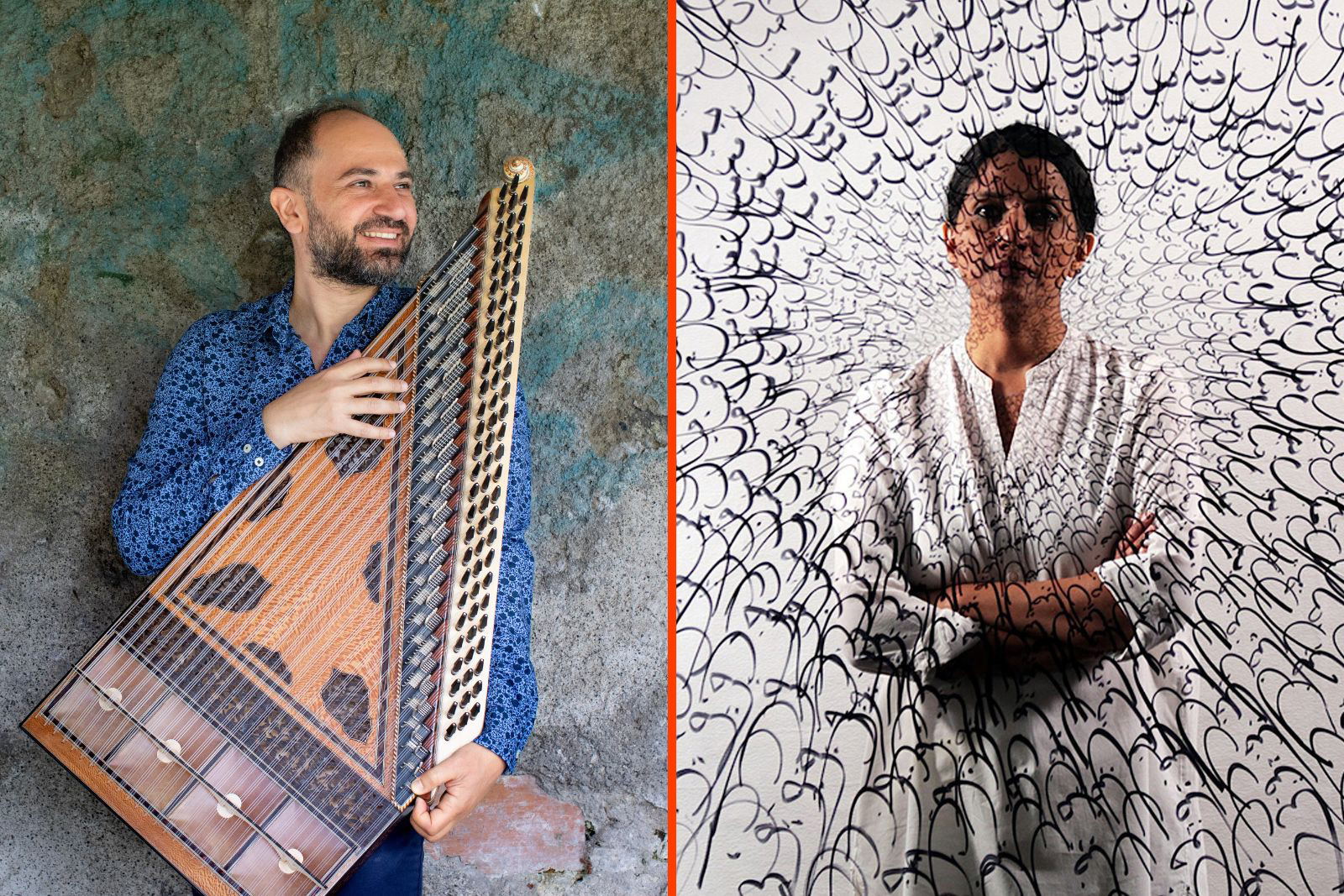
Syrian saxophonist and duduk pipe player Basel Rajoub will be performing alongside Wu Man in the masters’ show, as well as in a fascinating lineup with qanun player Feras Charestan and visual artist Tazeen Qayyum who will be creating a calligraphic drawing on stage in response to their playing.
“It’s totally different, since we have to follow the energy of the artist and start entirely from scratch to build something together,” Rajoub says. “It’s incredible to see the art emerging as we play and it’s typical of the AKMP lineups, since it’s so rare to have artists of this calibre and from different disciplines on stage together, creating in the moment.”
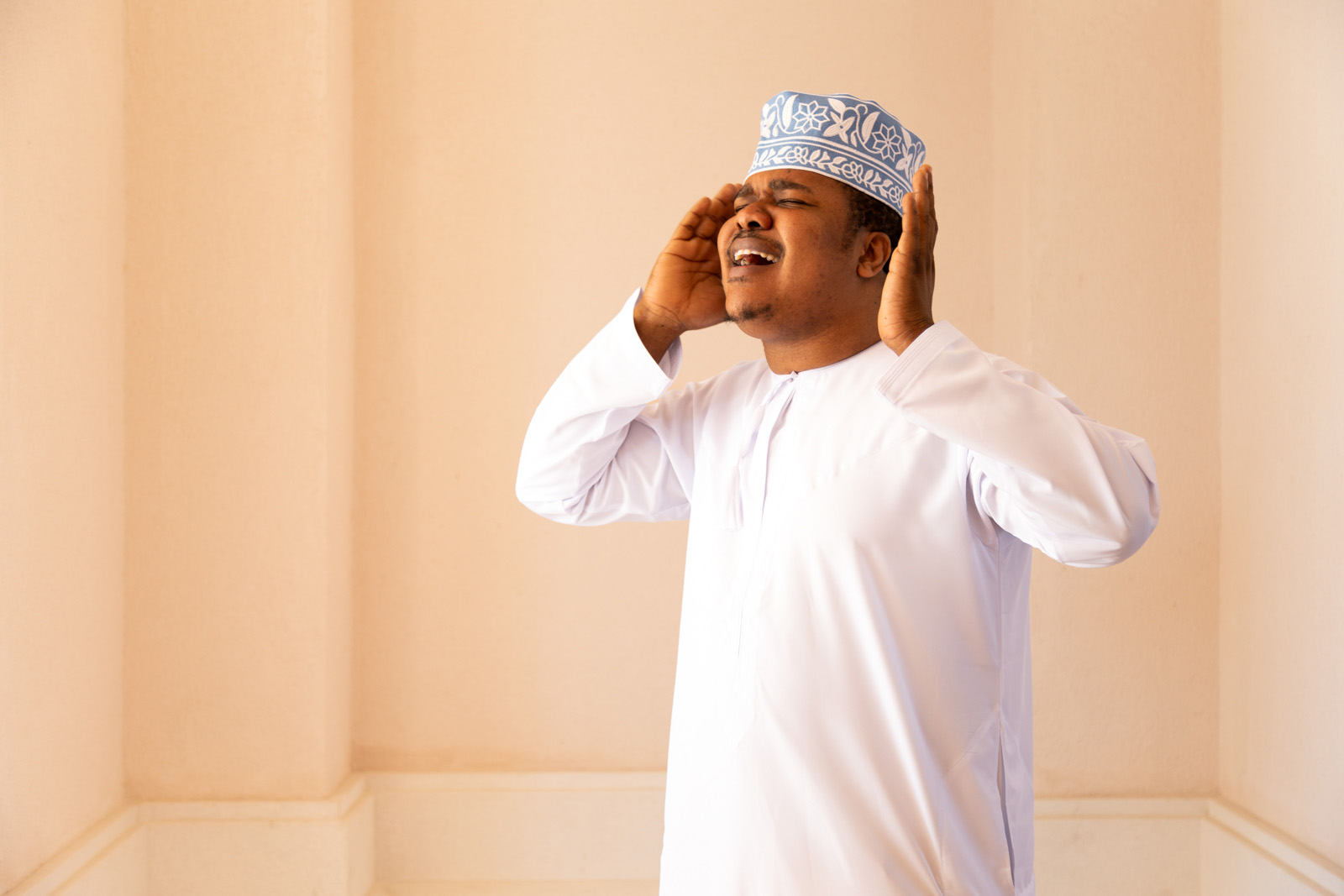
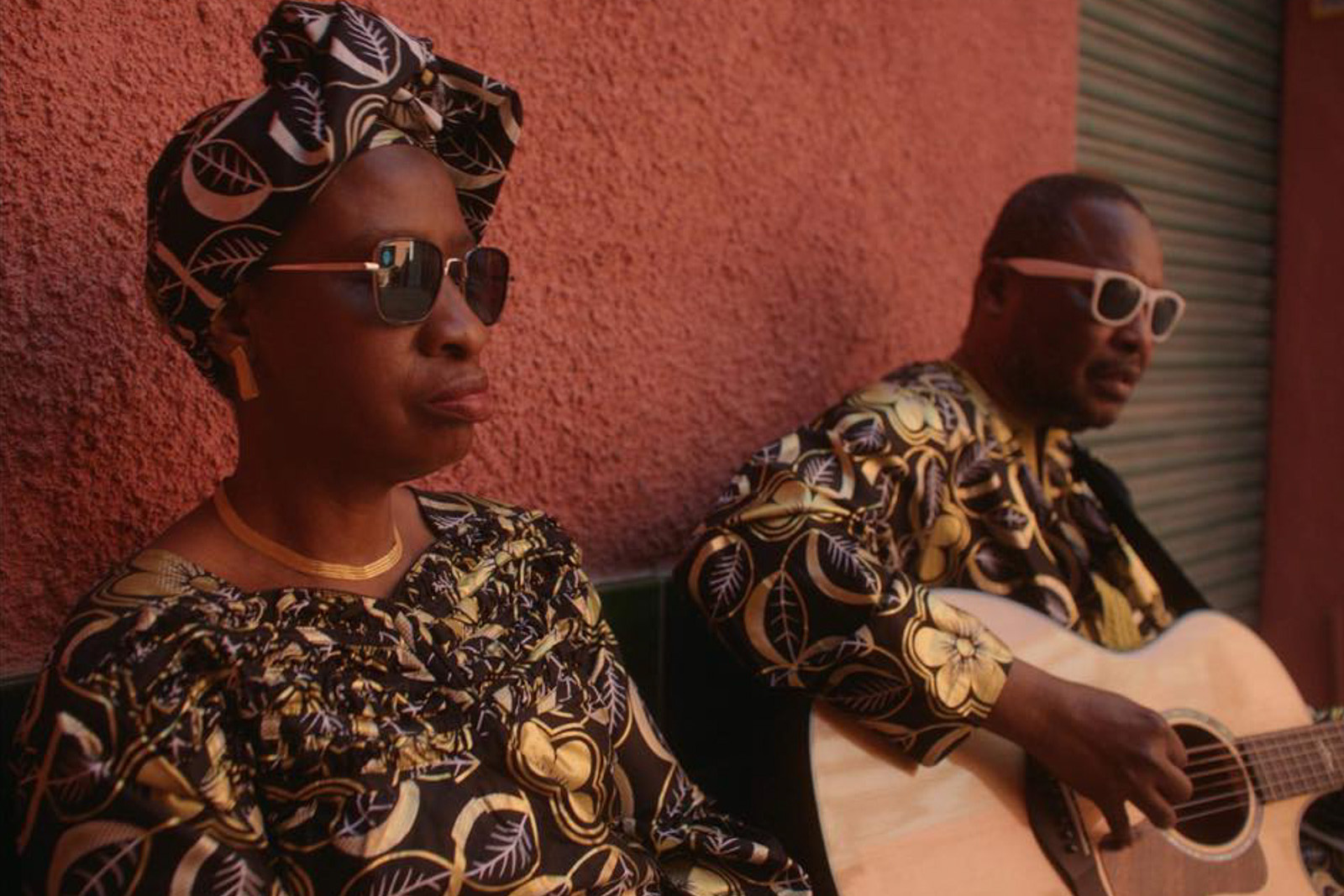
Tanzanian singer Yahya Hussein Abdellah and Tunisian viola d’amore player Jasser Haj Youssef round out the Edinburgh lineup with a performance of Sufi poetry intended as a “healing ritual” for the audience.
“The programme at Edinburgh is particularly diverse this year and I struggle to name another festival that has such depth to it, as well as an audience that is as curious – it’s just a pleasure to be a part of,” Nishanova says.
“Ultimately, I believe we have an endless curiosity as humans that we’re often taught to forget but anyone who comes to our shows is welcoming it back into their lives. There isn’t a single artist on stage who is from the same country, and if they can surmount their geographical and cultural borders to create something together, anyone else can.”
It’s an admirable concept, one that she hopes will continue for at least another 25 years. “I believe that people have finally realised the importance of this music and they have a respect for it,” she says. “Now we just need to keep reaching listeners and potential students — all those people out there who are yet to be inspired.”
Aga Khan Music Programme at the Edinburgh international festival 2025 runs from 19 to 22 August at The Hub.