
When is Ramadan 2026?
Islam’s holiest month inspires fasting, prayer, reflection, charity and diverse public celebrations across the UK
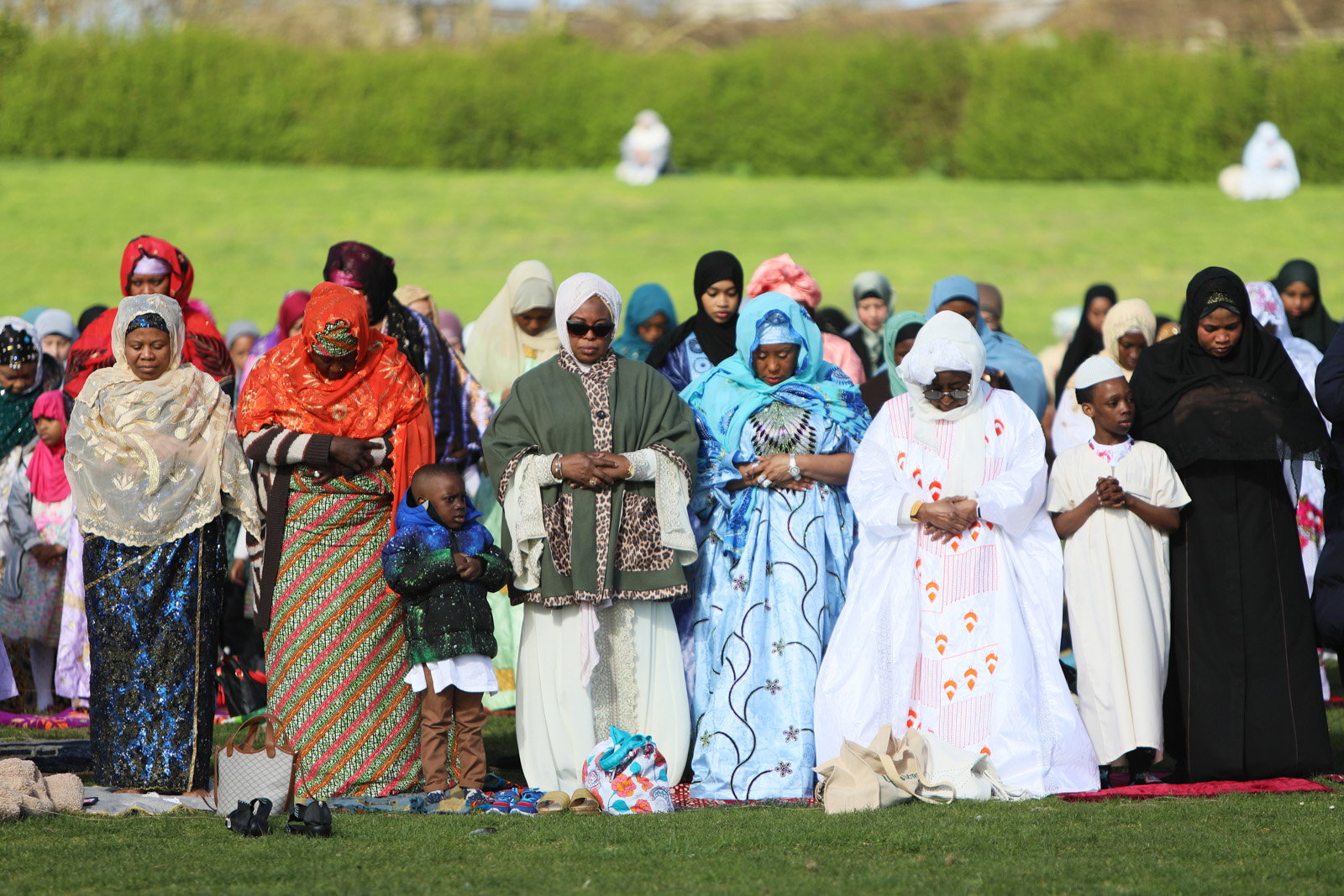
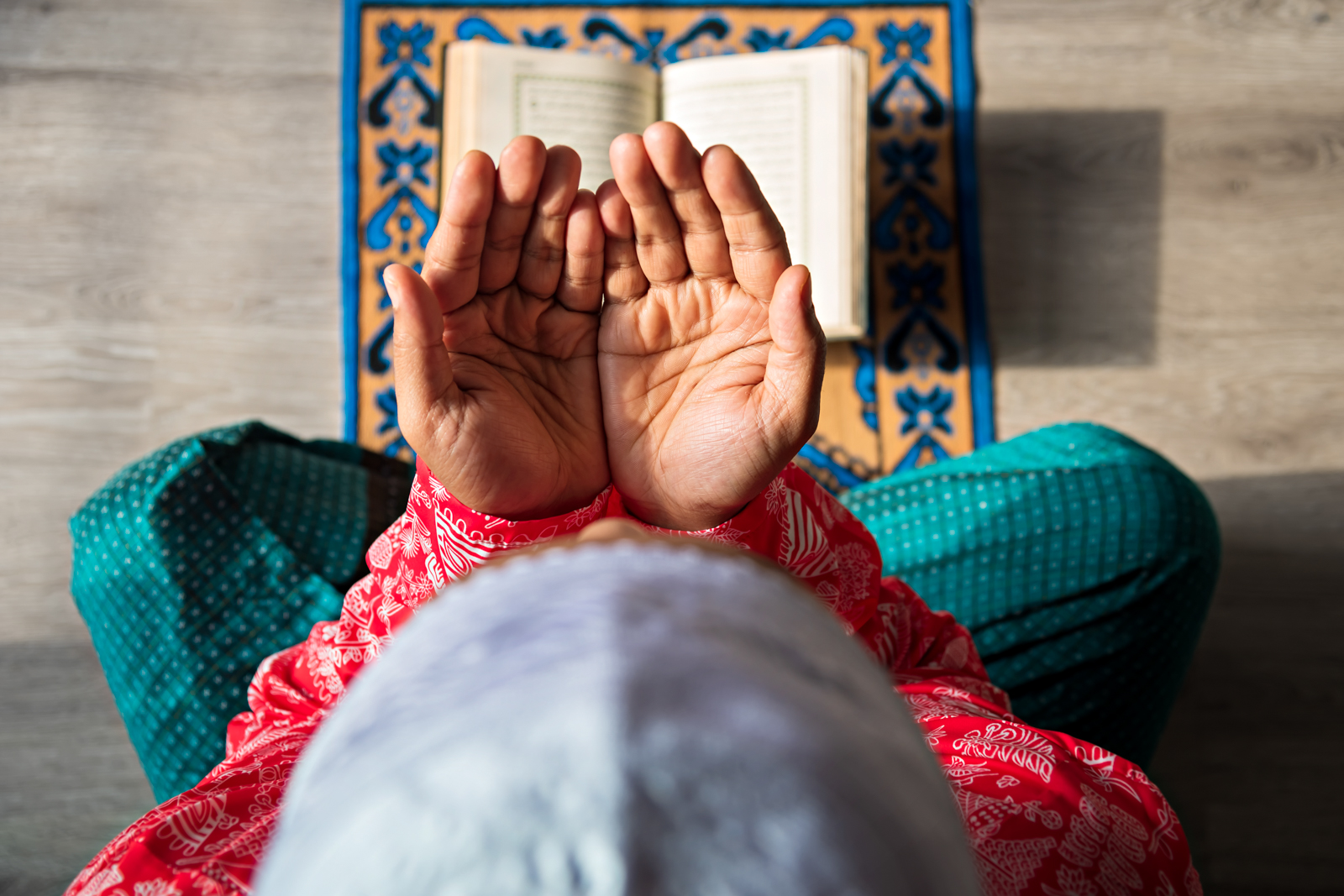
Ramadan is the holiest month in the Islamic calendar, observed by millions of Muslims worldwide through fasting, prayer, reflection and charity. From dawn until sunset, adult Muslims abstain from food and drink, alongside making a conscious effort to improve their character, deepen their faith and give back to those less fortunate.
In the UK, Ramadan has also grown into a major cultural moment — marked by city-wide iftars, charity appeals, special TV programming and public celebrations that reflect the country’s diverse Muslim communities.
When does Ramadan 2026 start?
The start of Ramadan is determined by the Islamic lunar calendar, meaning the holy month begins with the sighting of the new crescent moon and shifts earlier by about 10 to 11 days each year. In 2026, the first day of Ramadan is expected to fall on either Wednesday 18 or Thursday 19 February, though the exact start date will only be confirmed once the new moon is sighted, typically in Saudi Arabia.
Muslims in the UK may also follow announcements from local and national bodies, including the London Central Mosque, East London Mosque and other UK-based moon sighting groups.
Related content
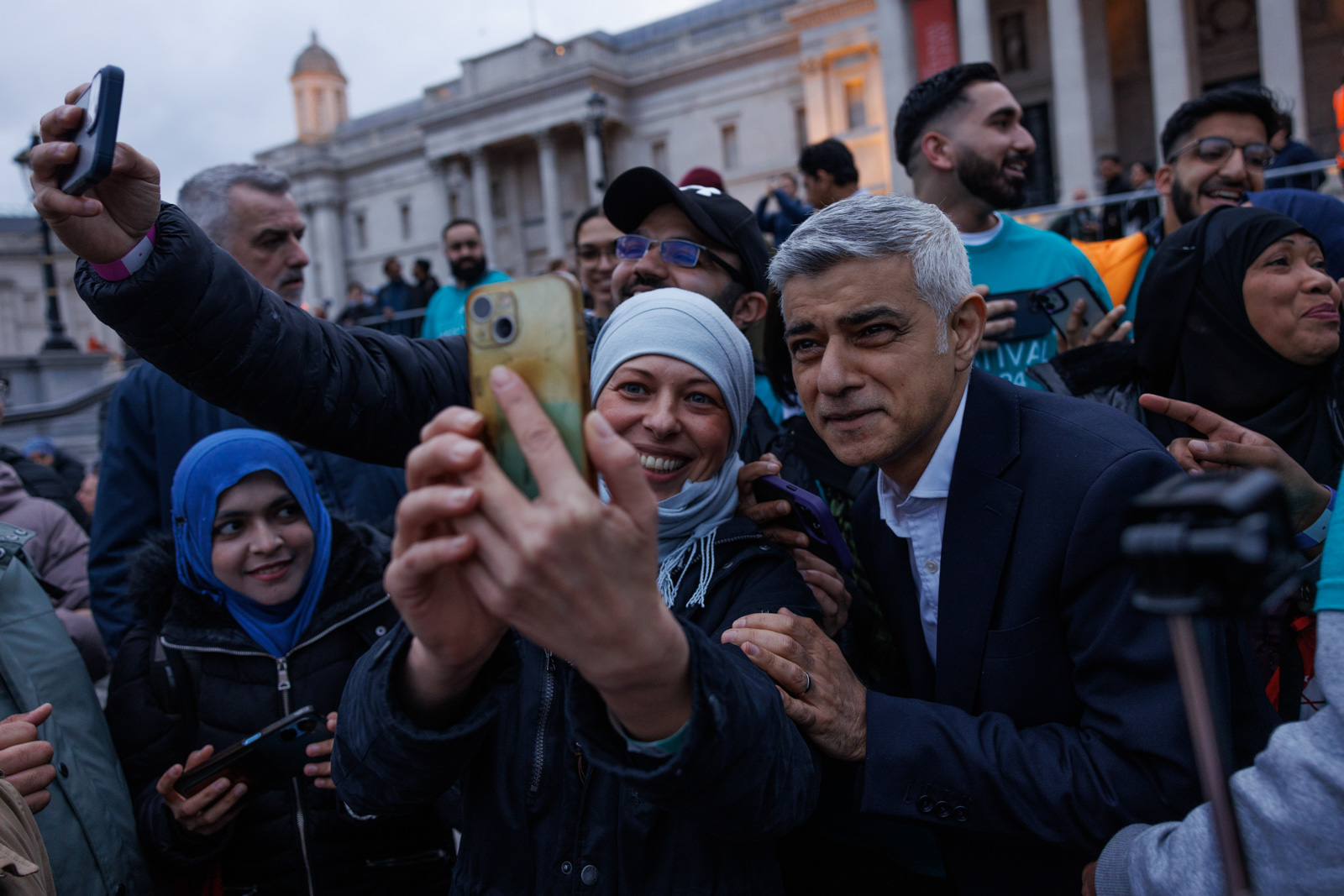
The final ten nights of Ramadan are the most spiritually significant and are expected to fall between 10 and 19 March, though this remains an estimate and depends on moon sighting. Within this period falls Laylat al-Qadr, or the Night of Power, which marks the night the Qur’an was first revealed to the Prophet Muhammad. Many Muslims believe worship on this night carries immense spiritual reward, leading to increased night prayers and reflection during the closing days of Ramadan.
Prayer times during Ramadan
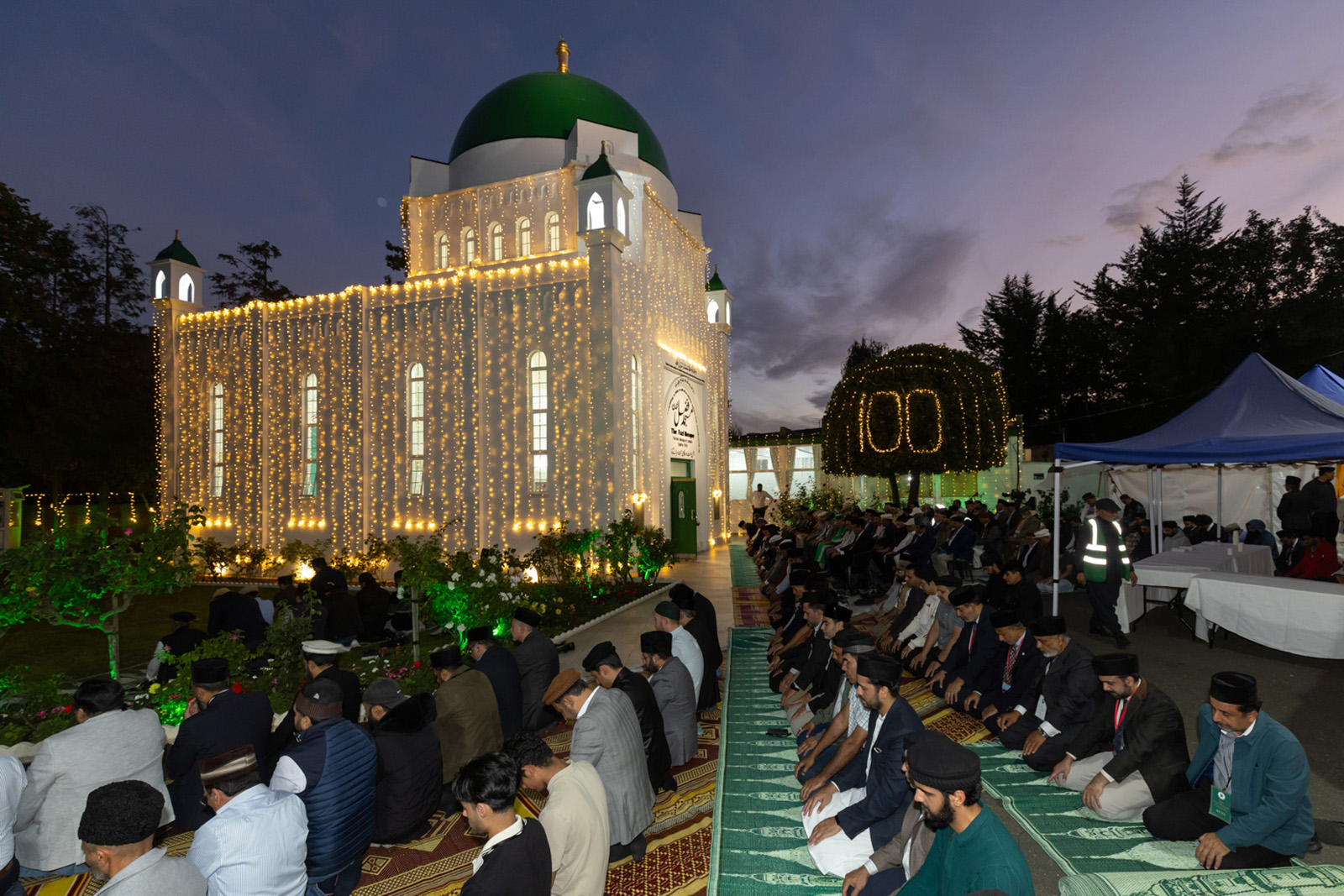
Throughout the month, prayer times shift every day as they are linked to the sun’s position. Muslims pray five times a day, with two prayers — fajr at dawn and maghrib at sunset — marking the start and the end of the fasting day. Many also attend taraweeh — special voluntary prayers performed only during Ramadan — held after isha, the final prayer of the day, with timings varying by mosque. Muslims also increase their Qur’an reading and recitation throughout the month.
Mosques publish local prayer timetables. Many Muslims rely on schedules from mosques in major cities, such as London, Manchester, Bradford, Leicester and Birmingham.
What time does the first fast start in the UK?
Suhoor is the pre-dawn meal eaten before the fasting day begins. Fajr on the first day of Ramadan is expected to be around 5:30am, so suhoor must be eaten by then. As the month progresses, fajr will start earlier, with the final day of fasting starting at around 4:30am.
What time can you break your fast?
Iftar is the meal eaten to break the fast and takes place at sunset, so the time varies from day to day and from location to location. At the beginning of Ramadan, iftar is likely to fall around 5:30pm, gradually getting later as the days get longer throughout the month, with iftar falling around 6:20pm by the end of Ramadan.
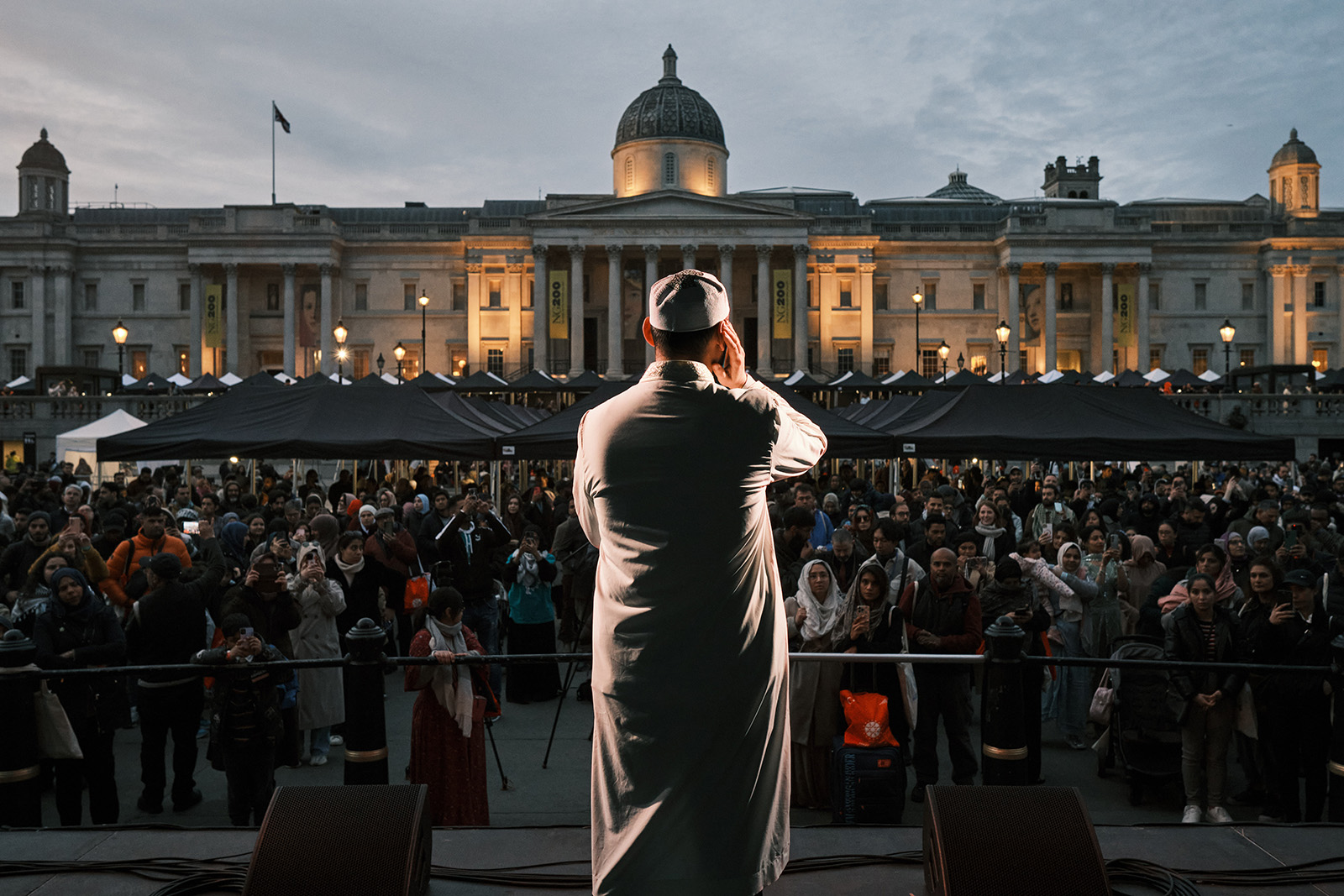
Across the UK, mosques, community centres, charities and restaurants host communal iftars, many of which are open to people of all faiths. The annual Ramadan Tent Project runs free open iftars across the UK, with previous events held at venues such as Windsor Castle, Trafalgar Square and Lord’s cricket ground.
Ramadan events in the UK
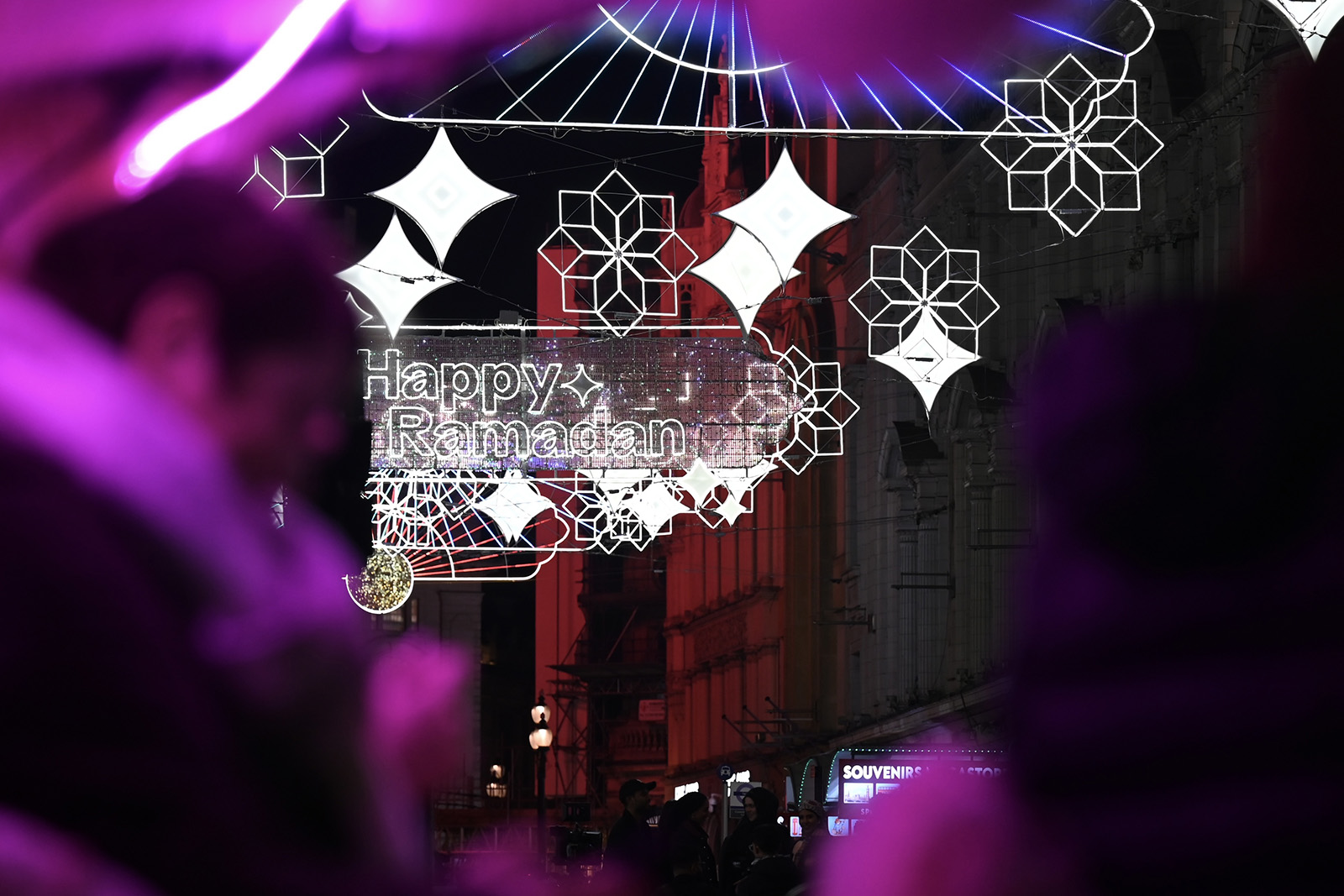
Over the years, Ramadan has become marked by a packed calendar of events across the UK, and this year is no different. From iftars to lecture series and community gatherings, Muslims and non-Muslims alike have access to a wide range of events throughout the month.
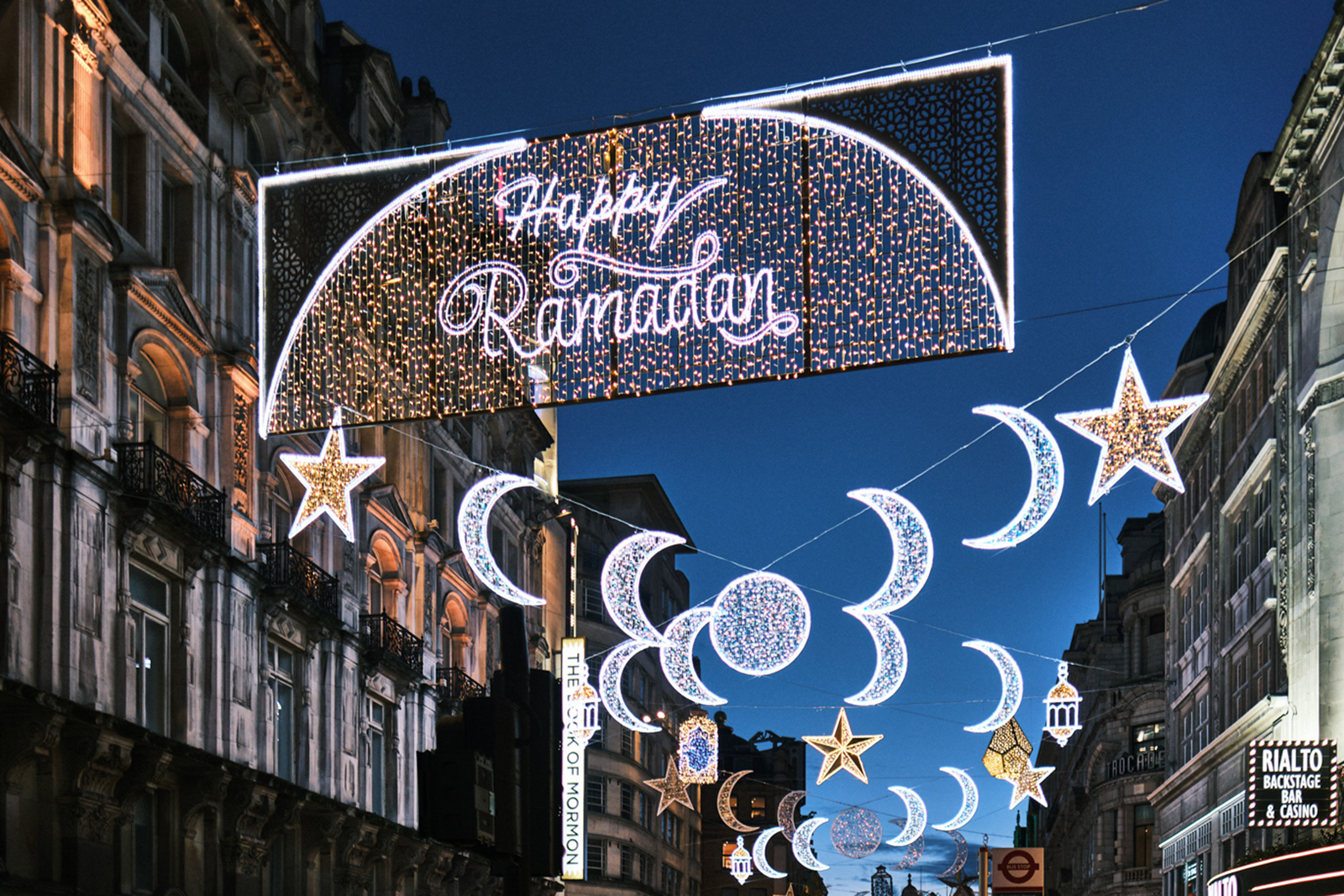
In London, the much-loved Ramadan Lights will return to the West End, with a public switch-on this month, celebrating the start of the holy month and making Ramadan visible in the heart of the capital.
For those looking to mentally prepare for the holy month, Islamic Relief is hosting a nationwide lecture tour, titled And He is with you, before Ramadan starts — bringing scholars, such as Qari Abdul Wahab, to cities across the UK, including Newcastle, Leicester, Edinburgh and Birmingham, for evenings of learning and reflection.
The well-known Islamic conference, Light upon Light, also returns this year with its Ramadan lecture series — Seeking Laylatul Qadr — in London and Birmingham.
Events such as the Muslim Shopping Festival provide a one-stop space for Eid gifts, fashion, homeware and decorations, while those looking to balance worship with wellbeing can take part in outdoor experiences, such as Ramadan retreats and walks organised by groups like Muslim Hikers.
Together, these events highlight how Ramadan in the UK is as much about connection and community as it is about fasting.
Where to go food shopping during Ramadan?
Related content
Major supermarkets across the UK now cater for Ramadan, with dedicated aisles and seasonal products. Sainsbury’s, Tesco, Asda and Morrisons regularly stock halal meat, dates, South Asian, Middle Eastern and African staples and Ramadan-themed products. Independent halal butchers and local world-food shops are also stocked up throughout the month.
Charity during Ramadan
Giving in charity is a key pillar of Islam and during Ramadan, many Muslims choose to give their zakat (obligatory charity) or sadaqah. In the UK, Muslim charitable giving increases to several million pounds during the blessed month but ethical and transparent giving is essential for creating the most impact for those in need. Each year the Muslim Charities Forum runs their Give Smart Give Safe awareness campaign to support donors in ensuring their contributions are protected and creating change.
Across the country, a range of Ramadan fundraising events and campaigns are bringing communities together in support of charitable causes. One example is The Date Project’s 2026 Ramadan campaign, a decade-long, volunteer-led effort that sells medjool dates to fund humanitarian work in the UK and abroad. Since 2015, it has mobilised more than 2,500 volunteers annually, sold 1.8 million tins, and raised more than £6.6 million for charitable initiatives.
When is Eid al-Fitr?
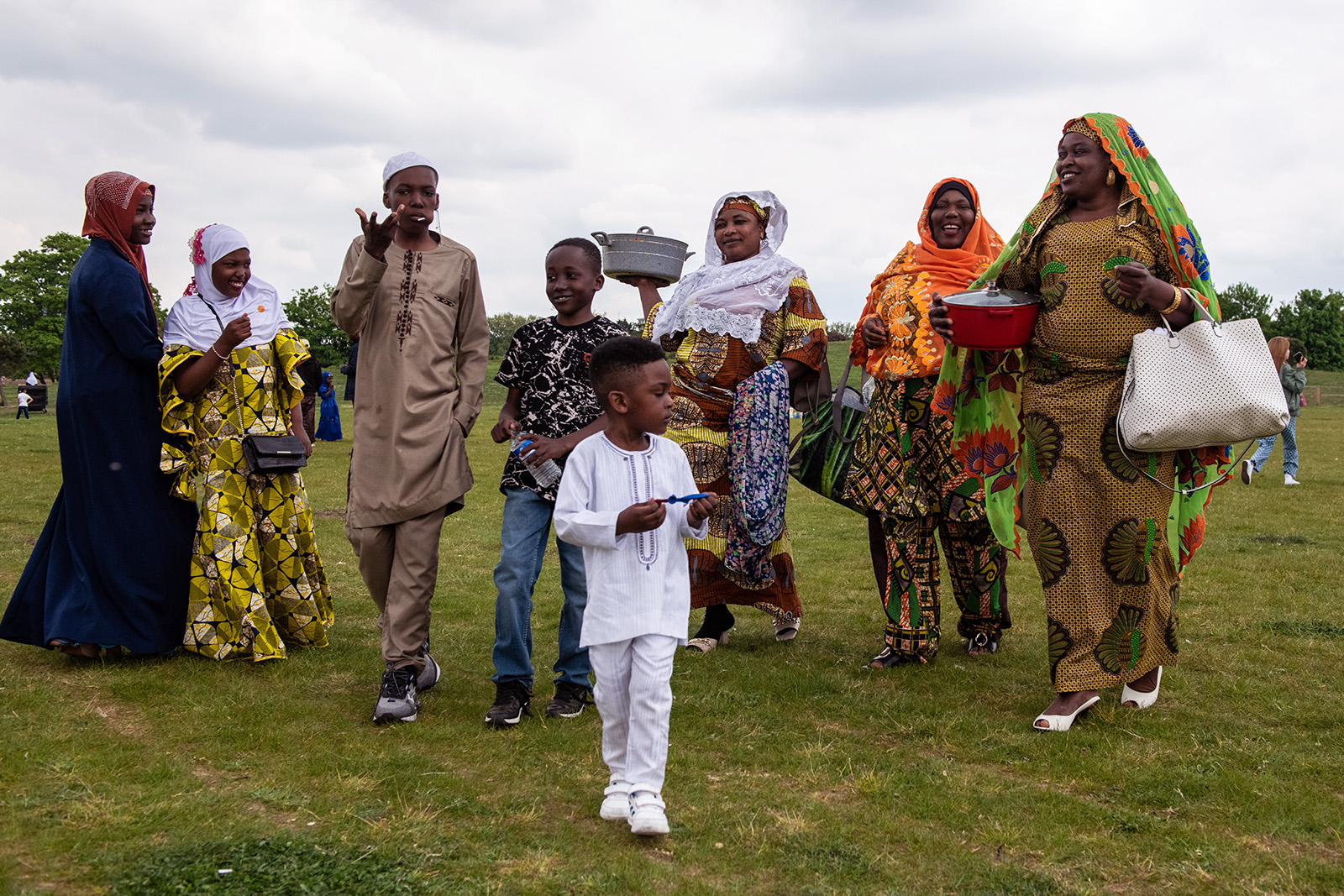
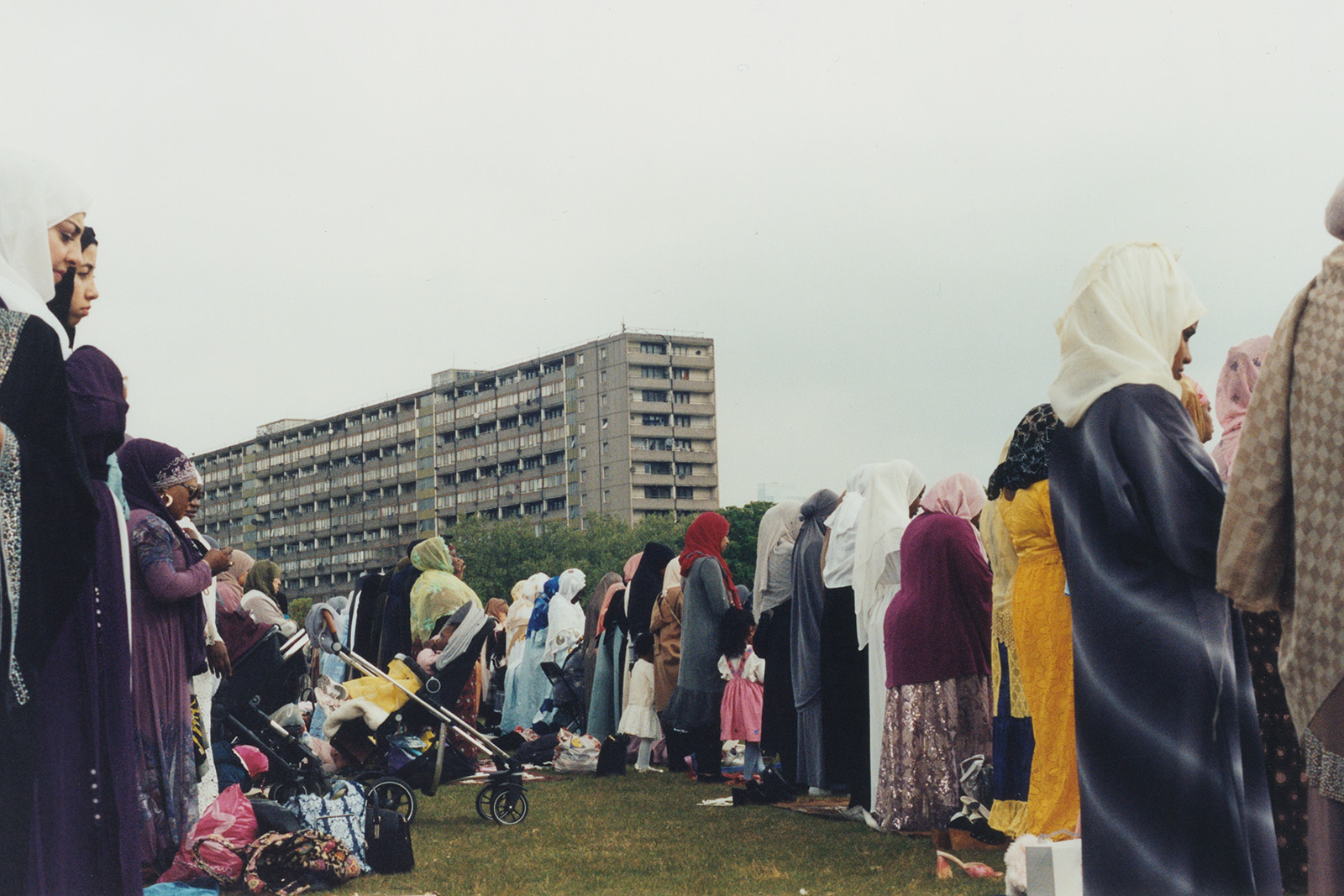
Ramadan ends with Eid al-Fitr, one of the most important celebrations in the Islamic calendar. The day begins with the sighting of the new moon, meaning the exact date is confirmed only at the end of Ramadan and can vary by country and community.
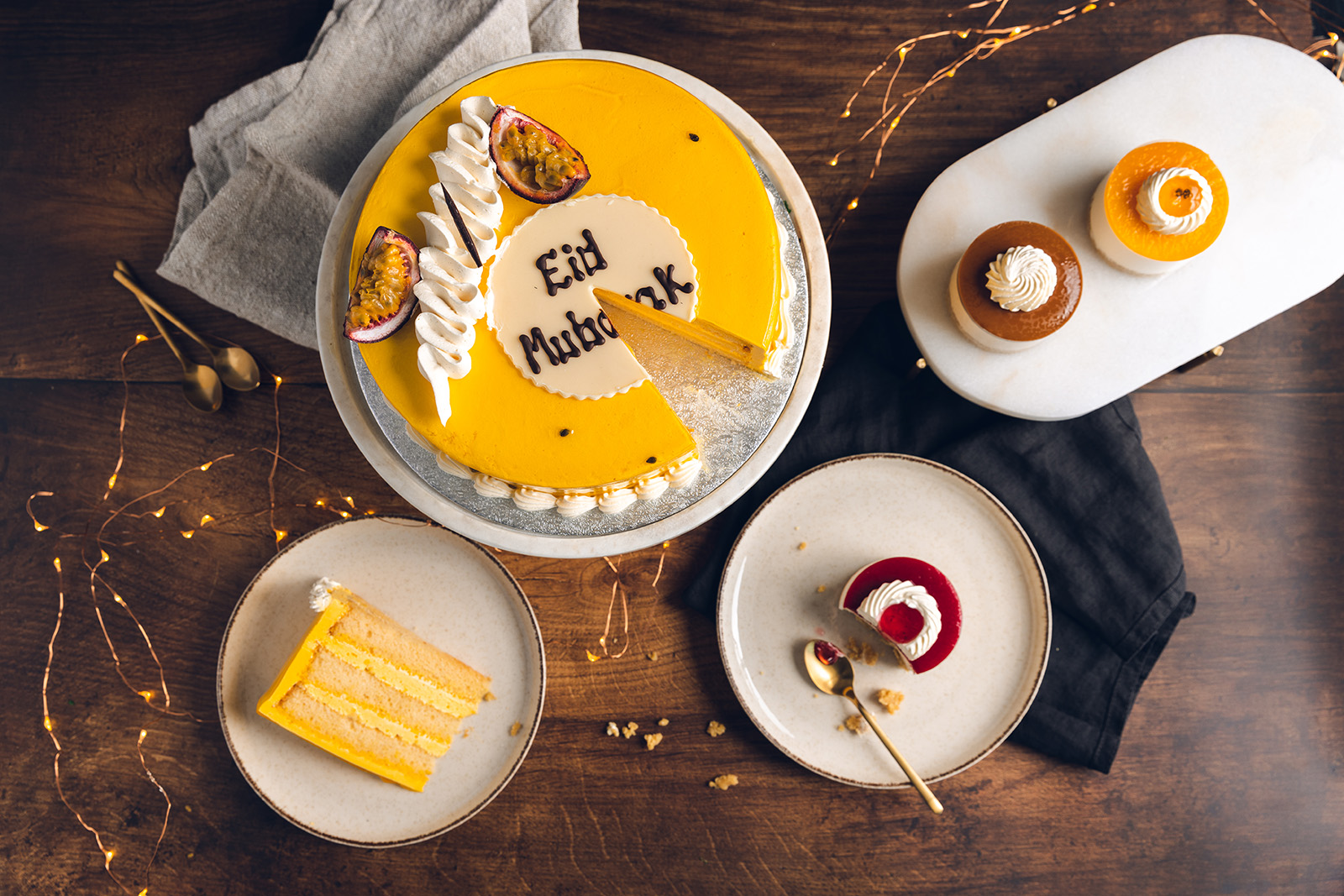
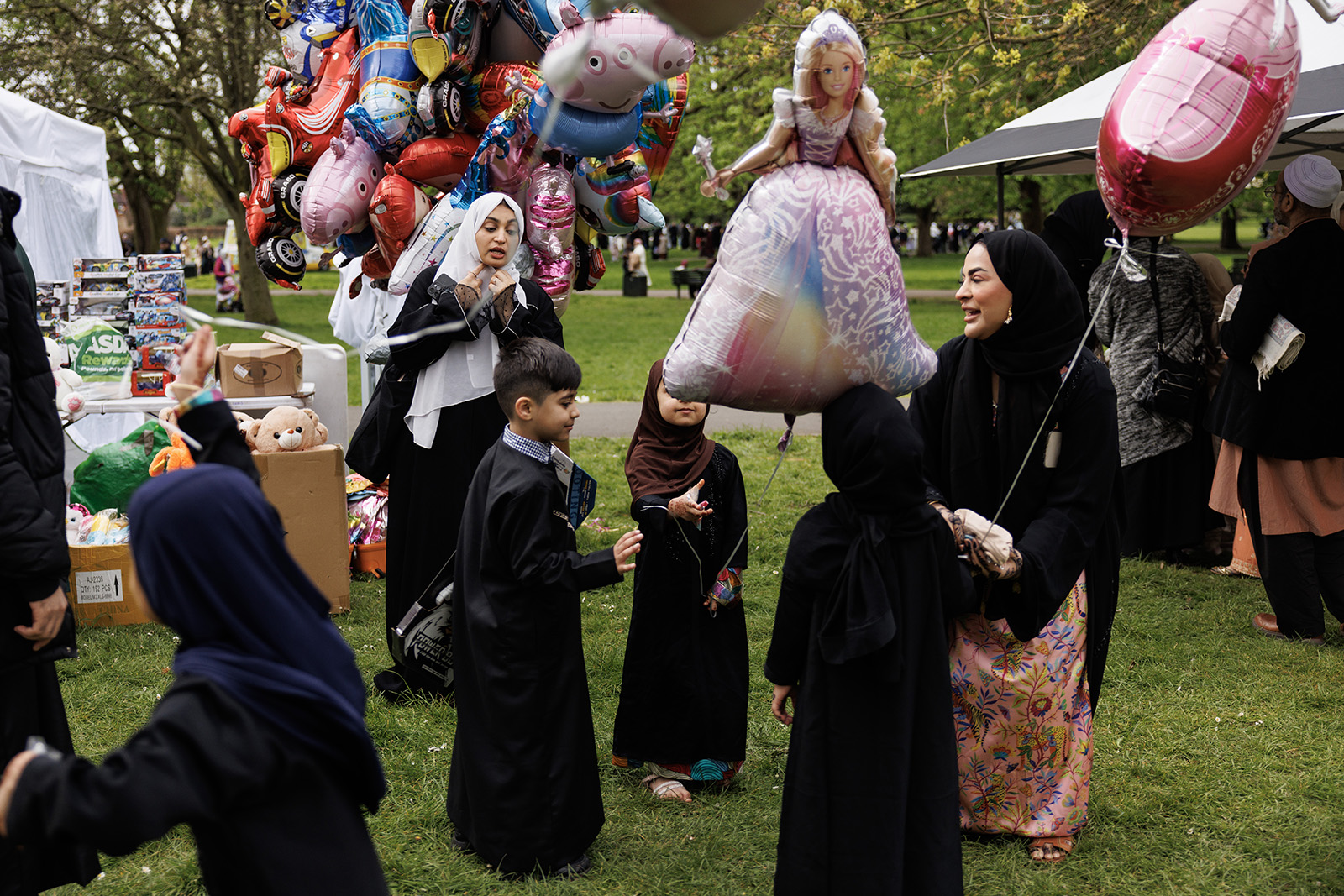
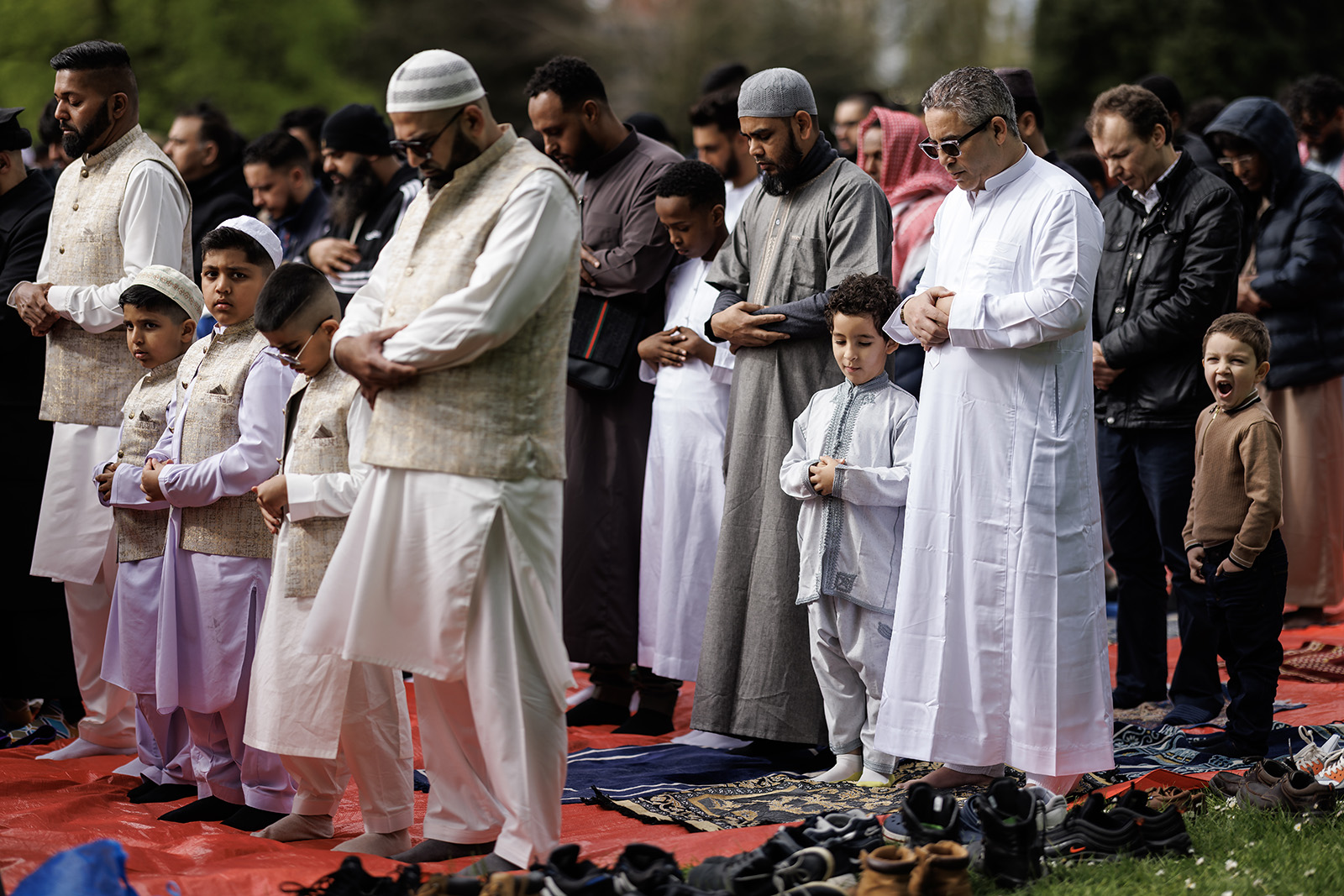
Eid al-Fitr is expected to fall on either Thursday 19 March or Friday 20 March. As with the start of Ramadan, confirmations are typically issued by mosques and Islamic organisations on the final evening. Muslims celebrate the day with special Eid prayers, followed by dressing up, family gatherings and plenty of food, with many Muslims taking time off work or school to celebrate.