‘We need to take back that pride’: the Muslim drag queen teaching Islamic history
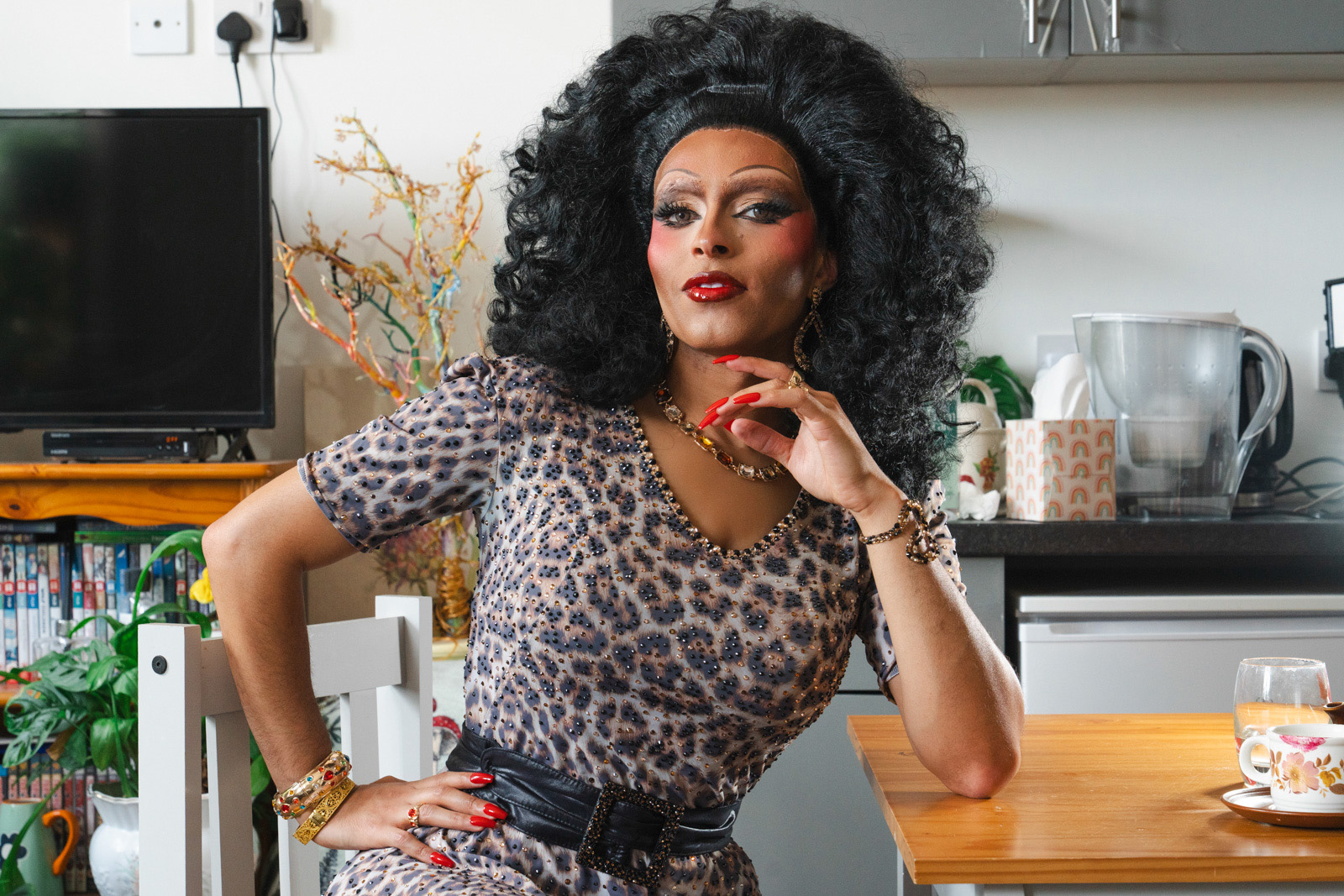
Through her live performances and across social media, Lujane Oud highlights the contributions of Muslims throughout history, showing that Arab drag is nothing new
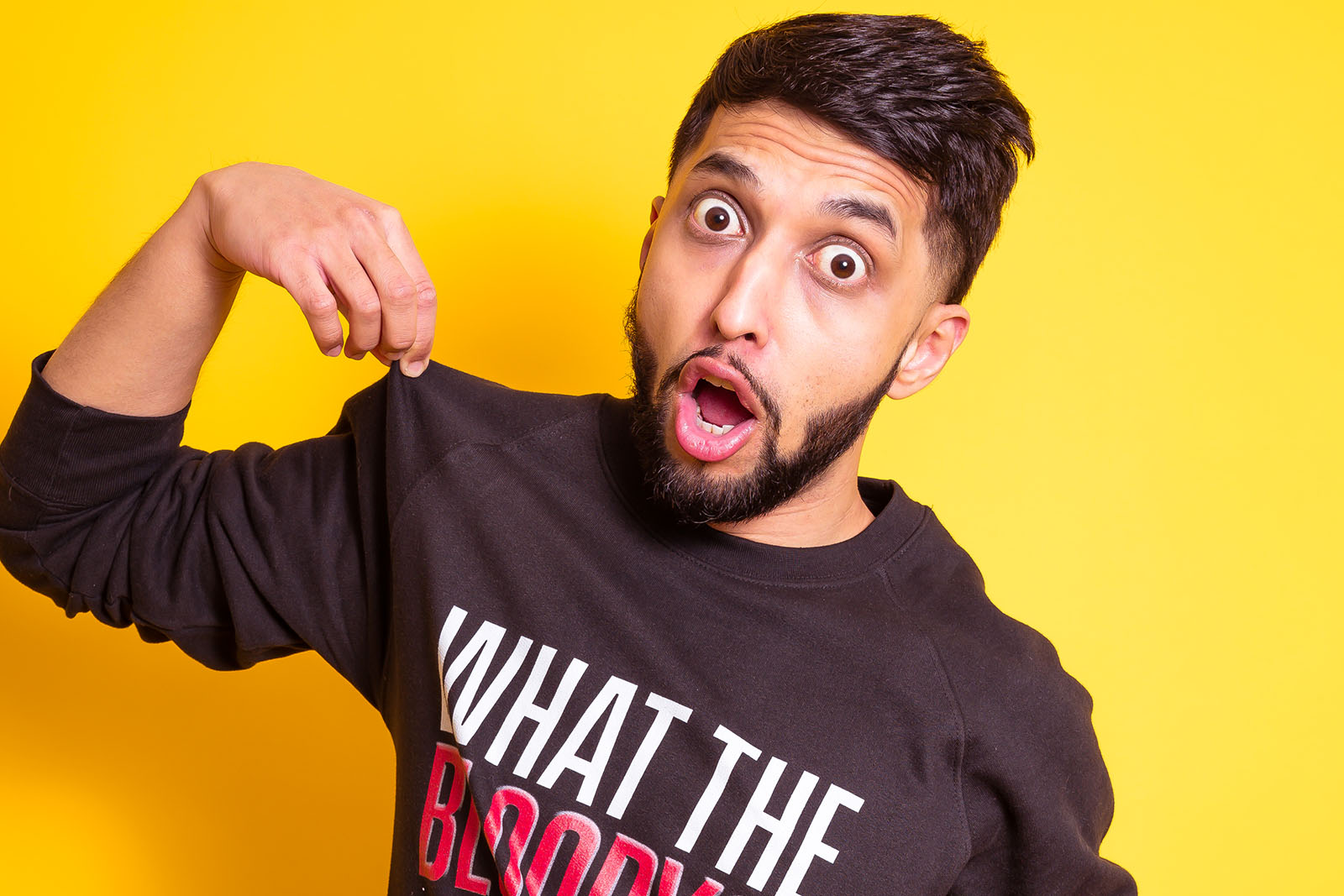
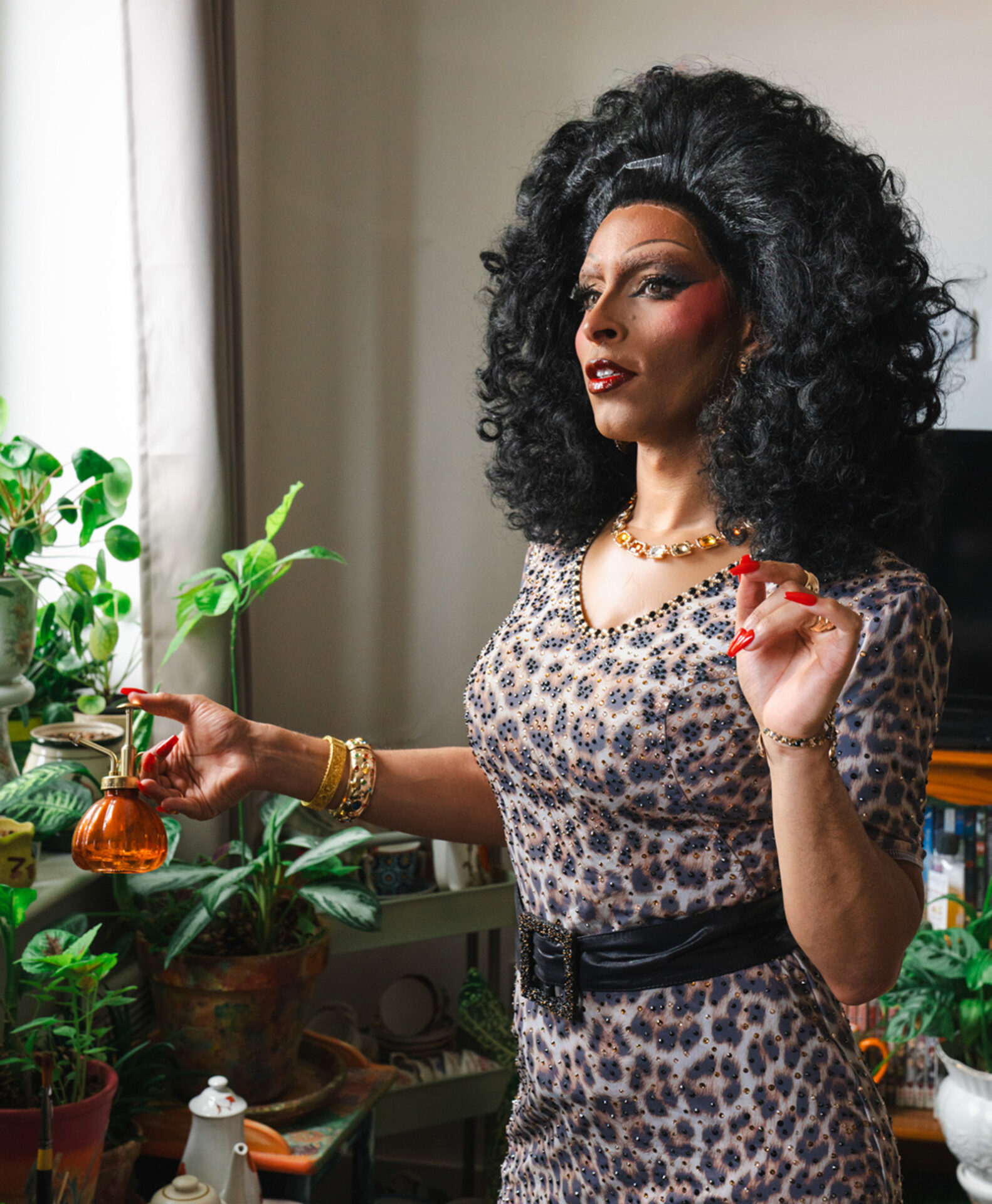
Lujane Oud believes she is just one of seven Muslim drag queens in the UK. “We’re like Pokémon!” she laughs.
Born in Kuwait to a Kuwaiti father and Moroccan mother, Oud, 32, has been performing drag in the UK for the past six years, basing her style on 20th-century Arab icons such as Syrian singer and actor Asmahan, and Egyptian singer Um Kulthum.
“I began drag out of a yearning for my culture and missing Kuwait. I started listening to Arabic music and watching Arabic TV,” Oud says. She chose her drag name to reference her cultural heritage.
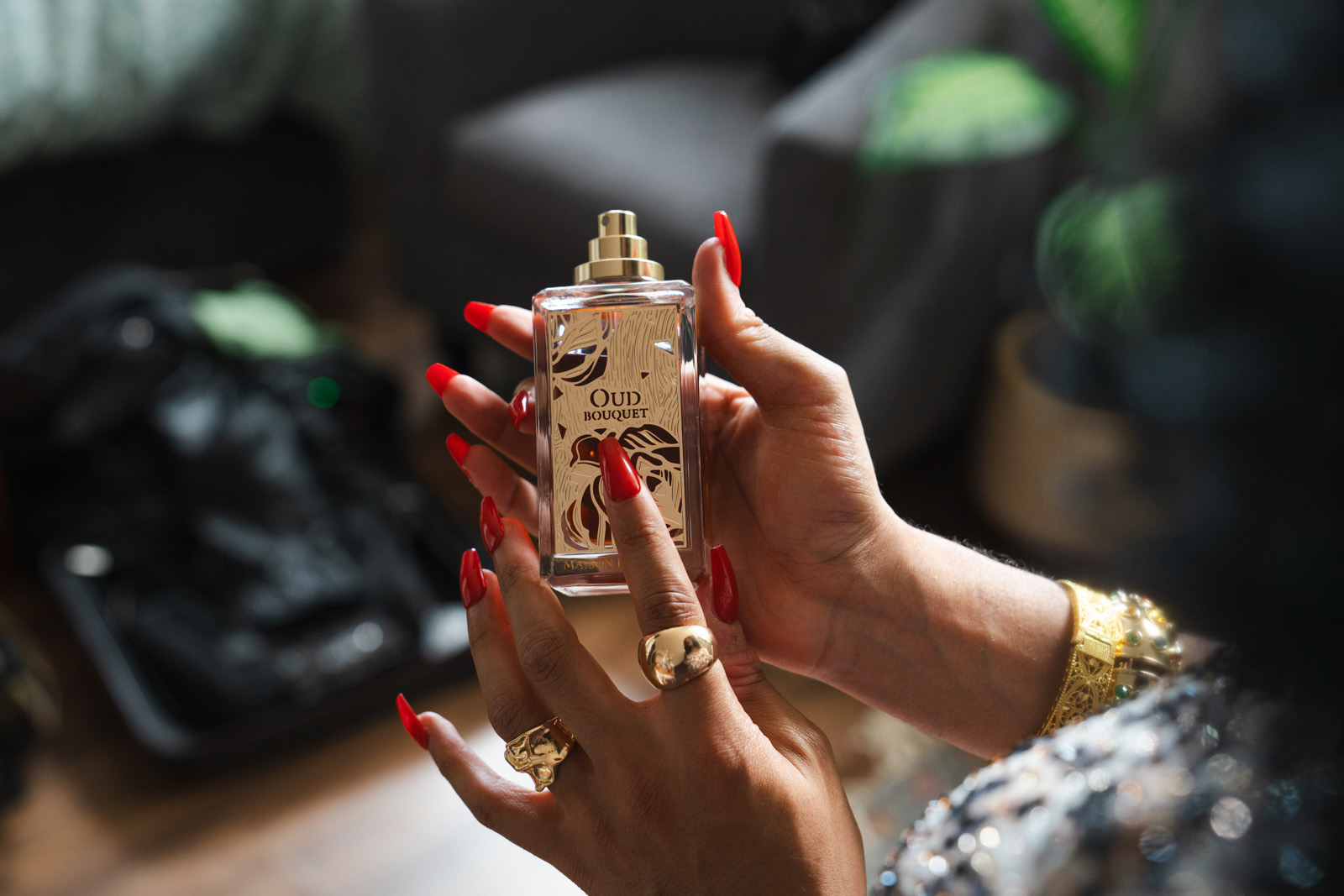
“Lujane is an archaic word. It means molten silver, it’s also a popular girls’ name in the Gulf. I paired it with oud as in the instrument or the perfume,” she says. “They are really symbolic of my Bedouin roots.”
Oud, who has a degree in biomedicine and by day works as a regulatory affairs specialist in pharmaceuticals, is best known for sharing snippets of Arab and Muslim history across social media, in a series called Arabian Archives. Dressed in opulent Moroccan takshita, Oud’s videos tell the stories of Muslim pioneers, from Abbas Ibn Firnas, the ninth century engineer who was the first man to fly, to Fatima Al-Fihri, the Tunisian educator who founded the world’s first university in Fez, Morocco.
“When I was young, I was pretty much as westernised as I could be,” says Oud. “My mum hated it and said, ‘You’re forgetting who you are. You’re forgetting the people that came before you.’”
Drag has brought her closer to her own culture. “It’s ironic, because as soon as I started drag, it made me very proud of my Arab and north African identities.”
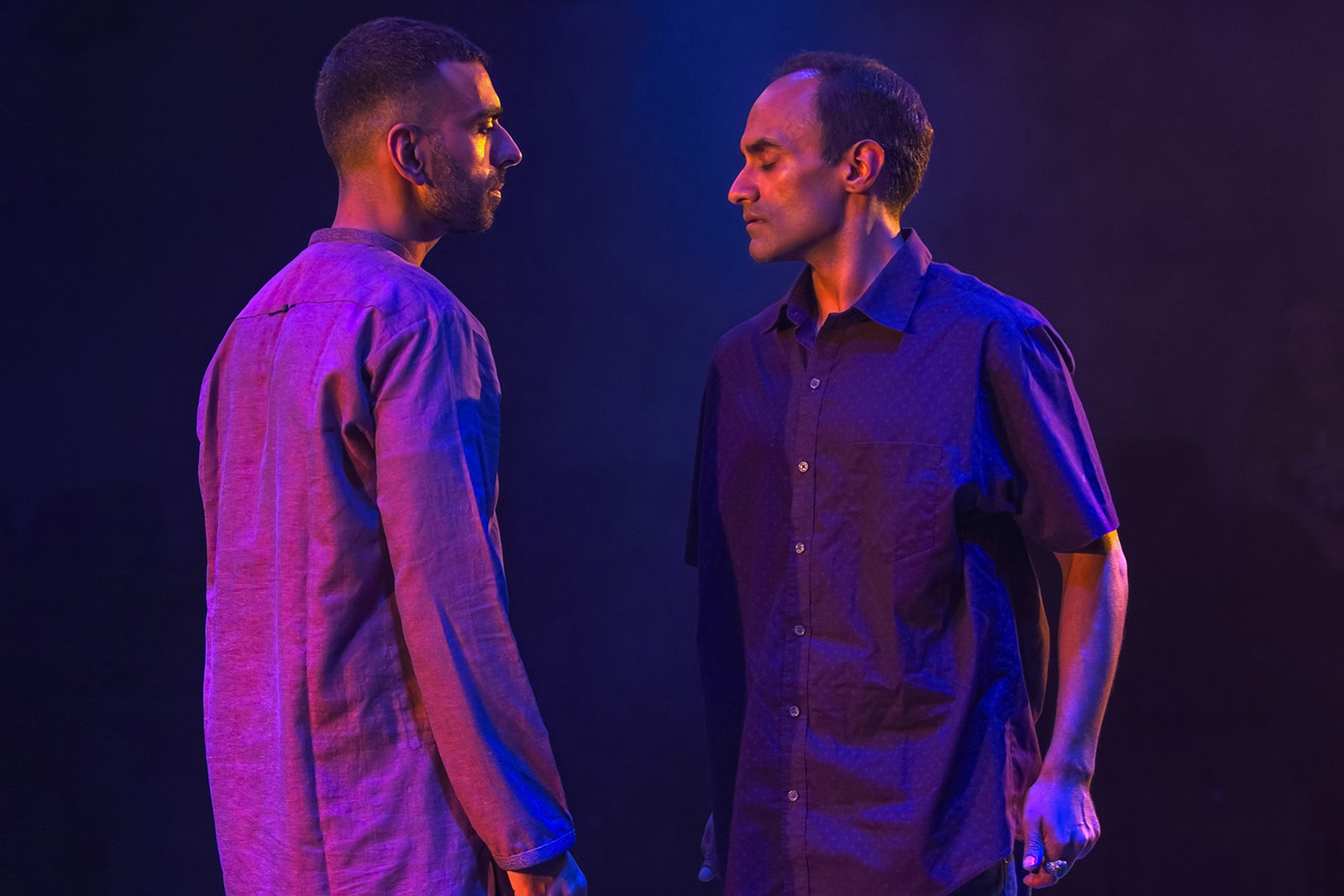
As she highlights in her performances and educational videos online, there is a long history of gender exploration in Islamic societies. “People watching my shows think I am bringing something new and fresh,” Oud says. “But I’m not, because we’ve always been there. You watch the news and see anti-immigration, anti-Arab rhetoric, but this is who we are.”
Oud began posting videos of Arab history at the start of 2026 after a series of conversations with other Gulf friends made her realise that some people in the Arab community had a skewed view of their history, and in some cases, a self-Orientalism.
“As much as people think that Arabian Archives is to teach the west, for me it’s to remind Arabs more specifically that this is who we are and this has always been who we are. You all decided to forget that because you’re too focused on division,” she says.
“I’m learning more about my own people and who we are. If I didn’t know these parts of my history, I can guarantee you there are others who don’t know or don’t remember. We need to take back that pride and use it to develop ourselves.”
A key part of the series is showcasing the history of drag in Arab societies, many of which have gone viral. Lujane highlights a prominent history of drag in Arab theatre and TV, including Lebanese TV star Bassem Feghali who was famous for their impersonations of legendary singer Sabah. In the Gulf, male actors have been performing on stage in drag since the 1960s. Kuwaiti actor Abdulaziz An-Nimsh, for example, whose drag journey began in 1964, only ever played male roles twice in his career. Other Gulf actors famous for performing in drag are Kuwaiti Hassan Al Balam, Emirati-Palestinian Abdelnasser Darwish and Saudi Nasser Al Qasabi.
In other videos Oud highlights the androgynous clothing worn by female actors such as Nelly and Sherihan in Fawazeer Ramadan, a popular Ramadan TV game show from the 1970s.
“It’s a massive misconception to say drag has never existed in Arab societies or that it was imported from the west. We’ve always existed,” she says. “When we forget our history, it plays into the narrative that we are against ourselves, or against our artistic decisions.”
Oud has her mother to credit for her knowledge of Islamic history. “It all came from the stories that my mother told me. She would say, ‘There’s a reason why you should be proud of being Arab. It’s because of these people. Look at these artists, look at these scientists. Don’t ignore them. They’ve done so many things, despite the misogyny, racism and homophobia that exists.’”
Lujane is grateful to her mother for creating an accepting home environment, despite growing up in a country where homosexuality is criminalised. Oud says she believed she was different as a young child but did not have the terminology to know she was queer. She felt accepted at the British school she attended in Kuwait and at home, her father would avoid taking her to the diwaniya, a space where men meet to socialise and discuss politics.
“It’s a very macho space,” explains Lujane. “He did that for my own comfort.”
Related content
Oud’s sexuality only started to pose a challenge once she hit adulthood. “My father thought that it was a phase,” she recalls. “Then the realisation came that it was not and he thought it was something I should stop. People blamed my mother for my queerness. My parents sent me to a psychotherapist for a ‘homosexuality evaluation’. The psychotherapist said it was my mother’s fault that I was gay and that being gay is always caused by the mother,” she recalls. “My mother felt guilty and for months lived with that guilt. Suddenly we weren’t as close as before.”
When Oud received an offer to study for a master’s degree in the UK in 2016, her mother told her: “Stay in the UK or wherever you feel safe and where you can express yourself.”
While Oud has performed in venues across the UK, she dreams of one day performing in the Gulf. “Many of my fans are from Egypt, Palestine and the Gulf. I receive so many messages from them telling me how proud they are of me and that they support what I’m doing,” she says. “Those messages give me hope.”