What is zakat?

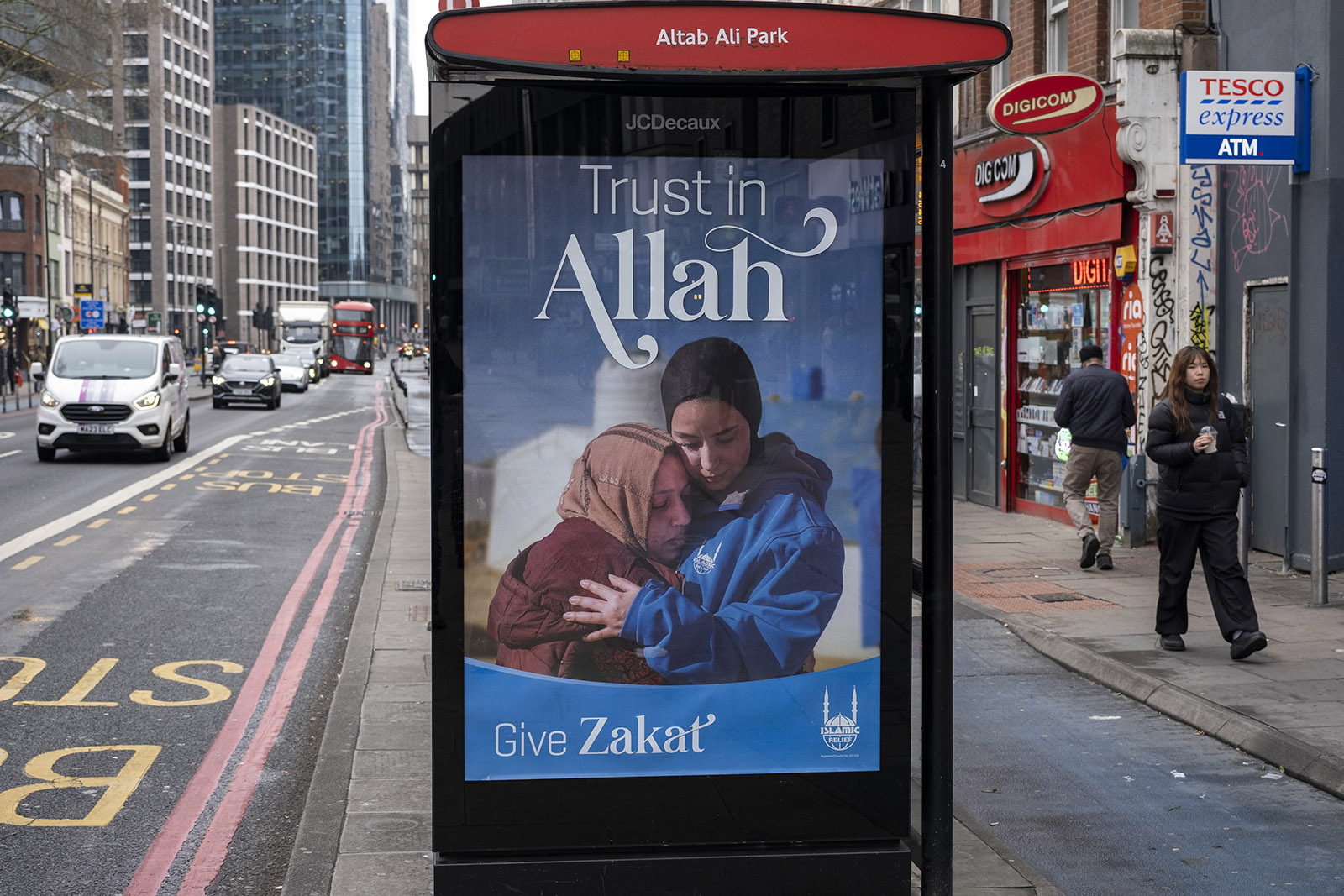
Zakat is a type of charity in Islam where eligible Muslims give a percentage of their wealth each year to help those in need and share their blessings with others

Zakat, one of the five pillars of Islam, is a mandatory form of charitable giving that requires eligible Muslims to contribute a portion of their wealth each year. More than just a financial obligation, it represents a commitment to social justice and community support. In practice, zakat can be given directly to people in need or channelled through charities and mosque-led collections.
The meaning and purpose of zakat
The word zakat comes from Arabic and means “to purify’ or “to grow”. Spiritually, zakat is believed to purify a person’s wealth and heart by cleansing their earnings from greed and reducing attachment to material possessions.
Socially, it plays an important role in supporting people facing hardship and reducing inequality. When distributed effectively, it can help provide food, shelter and financial relief to those who need it most.

Who has to pay zakat?
Zakat is obligatory for Muslims whose wealth exceeds a minimum threshold known as nisab. In order to be eligible to pay zakat, you must be an adult, of sound mind, and have wealth equal to or above the nisab threshold. Not every Muslim pays zakat each year. If your wealth falls below the nisab, you’re not required to pay.
When is zakat due?
Zakat becomes due once a person’s wealth has remained above the nisab threshold for a full lunar year. While there isn’t a fixed deadline for paying it, many Muslims choose to give their zakat during Ramadan because of the increased spiritual significance of the month.
What wealth is zakat paid on?
Zakatable wealth is money and assets that have the potential to grow. This typically includes cash, savings, gold, silver, investments and business assets.
It does not include personal items such as your home, car, clothes, furniture, or household belongings.
Short-term debts can usually be deducted from your total. If the remaining amount is above the nisab threshold, zakat is due at 2.5%.
What is nisab?
Nisab is the minimum amount of wealth a Muslim must own before zakat becomes mandatory. It’s calculated based on the current market value of gold or silver, so the amount can change over time.
Understanding the nisab threshold is important for accurate zakat calculation and helps Muslims ensure their giving aligns with Islamic teachings.
How much zakat do I pay?
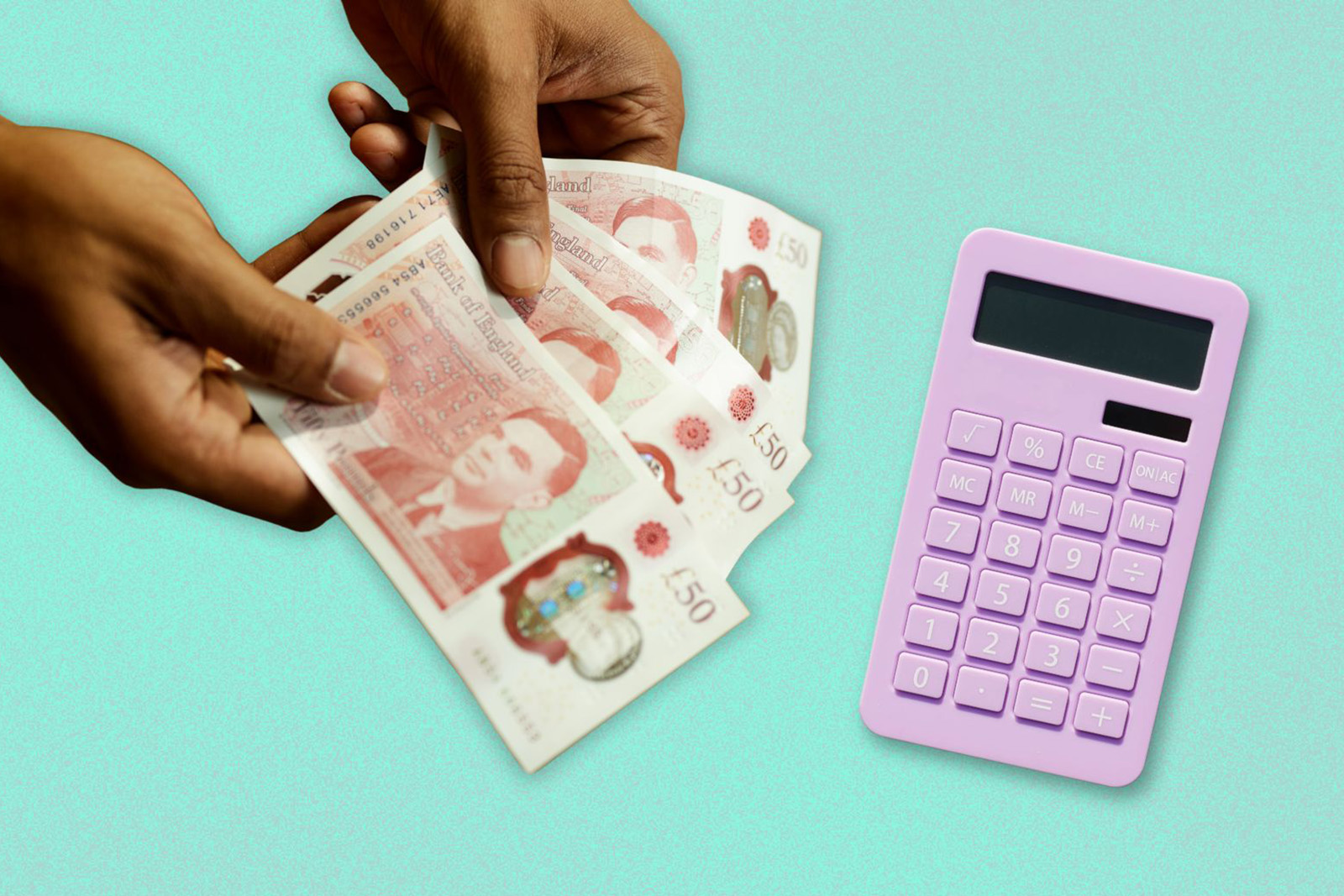
The standard rate of zakat is 2.5% of a person’s zakatable wealth over the nisab threshold.
A simple way to calculate it is:
Total zakatable assets – short-term debts x 2.5%
Many people use online tools, such as zakat calculators created by organisations like Islamic Relief, Islamic Finance Guru or the National Zakat Foundation.
Below is an example provided by Adil Hussain, head of content at Islamic Finance Guru:
Let’s say Musa’s zakat date arrives.
He has:
£12,000 in savings
£8,000 in gold
Total assets = £20,000
He also has £3,000 in short term debts due within the coming year.
£20,000 minus £3,000 = £17,000 net zakatable wealth
Musa is using the silver nisab of £1,157.36. Since £17,000 is above the nisab and has remained above it for one full lunar year, zakat is due.
Now calculate 2.5%
£17,000 × 0.025 = £425
Musa would therefore pay £425 in zakat.
Who can receive zakat?

Zakat must be given to specific categories of people outlined in Islamic teachings. This includes:
- People facing financial hardship
- Those living in poverty
- People in debt
- Those working to collect and distribute zakat
- New Muslims and allies
Zakat is commonly distributed through charities or local networks and supports causes such as poverty relief, debt support, food aid and emergency assistance.
Frequently asked questions about zakat
Do I have to pay zakat on my house and car?
No, zakat is not paid on personal items you use, such as your home or car. However, if you own property or vehicles for investment or resale, they may be subject to zakat.
Is zakat the same as sadaqah?
No. Zakat is obligatory and has fixed rules. Sadaqah is voluntary charity and can be given at any time, in any amount.
Can I pay my zakat monthly?
Zakat is calculated annually but you can spread payments throughout the year, as long as the full amount is paid when due.
Do I pay zakat on debts?
You can usually deduct short-term debts from your zakatable wealth. However, long-term debts like mortgages are treated differently depending on scholarly opinion.
How is zakat different from tax?
Zakat is a religious obligation and an act of worship, while tax is a legal requirement set by governments. The two serve different purposes and are not interchangeable.
How to pay your zakat today
Paying zakat is now easier than ever, with many trusted organisations offering online tools and secure donation platforms.If you’re not sure where to start, look for established charities and guidance from initiatives like the Muslim Charities Forum’s Give Smart Give Safe campaign, which helps ensure donations are handled responsibly and reach those most in need.