

How Ramadan became a marketing moment
Brand engagement during the holy month was once limited to supermarket offers on halal products. Now, big-name companies are coming up with innovative and inclusive campaigns
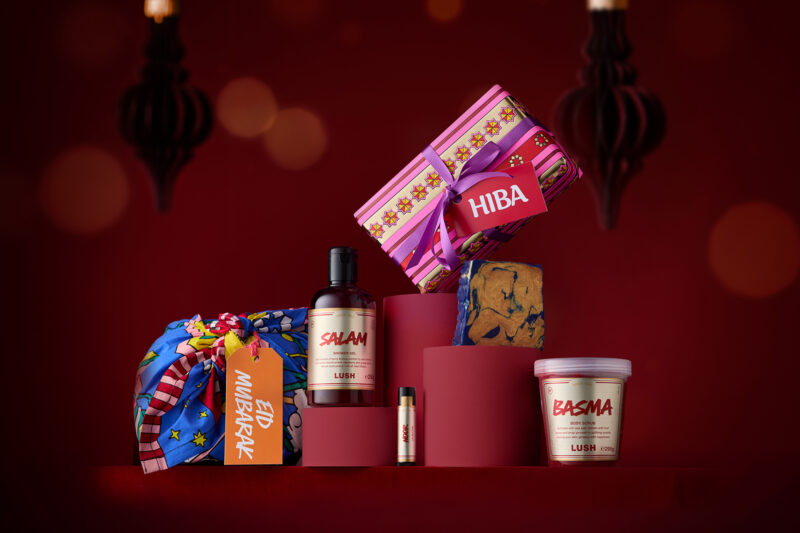
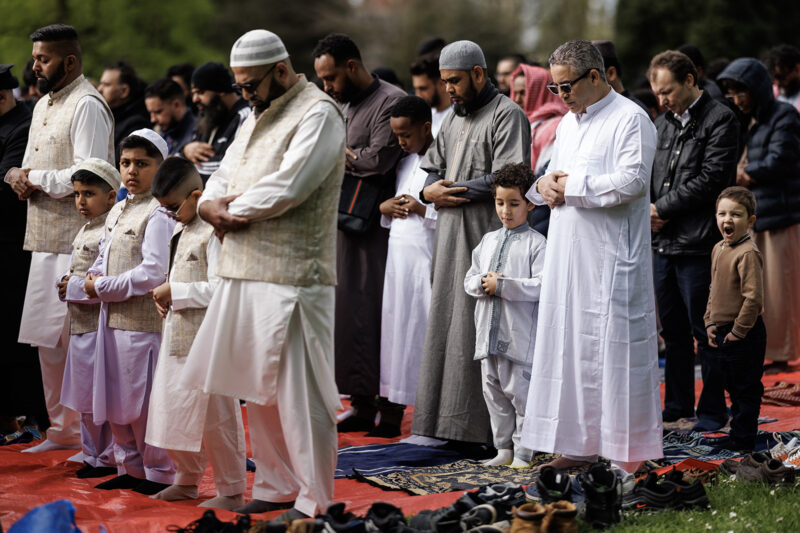
This Ramadan, a range of well-known brands have been competing for the attention of Muslim customers. For years, Ramadan marketing in the UK was largely limited to supermarket promotions for dates or halal meat. But in recent years, companies across fashion, beauty and retail have started to treat the holy month as a significant opportunity to connect with the Muslim community.
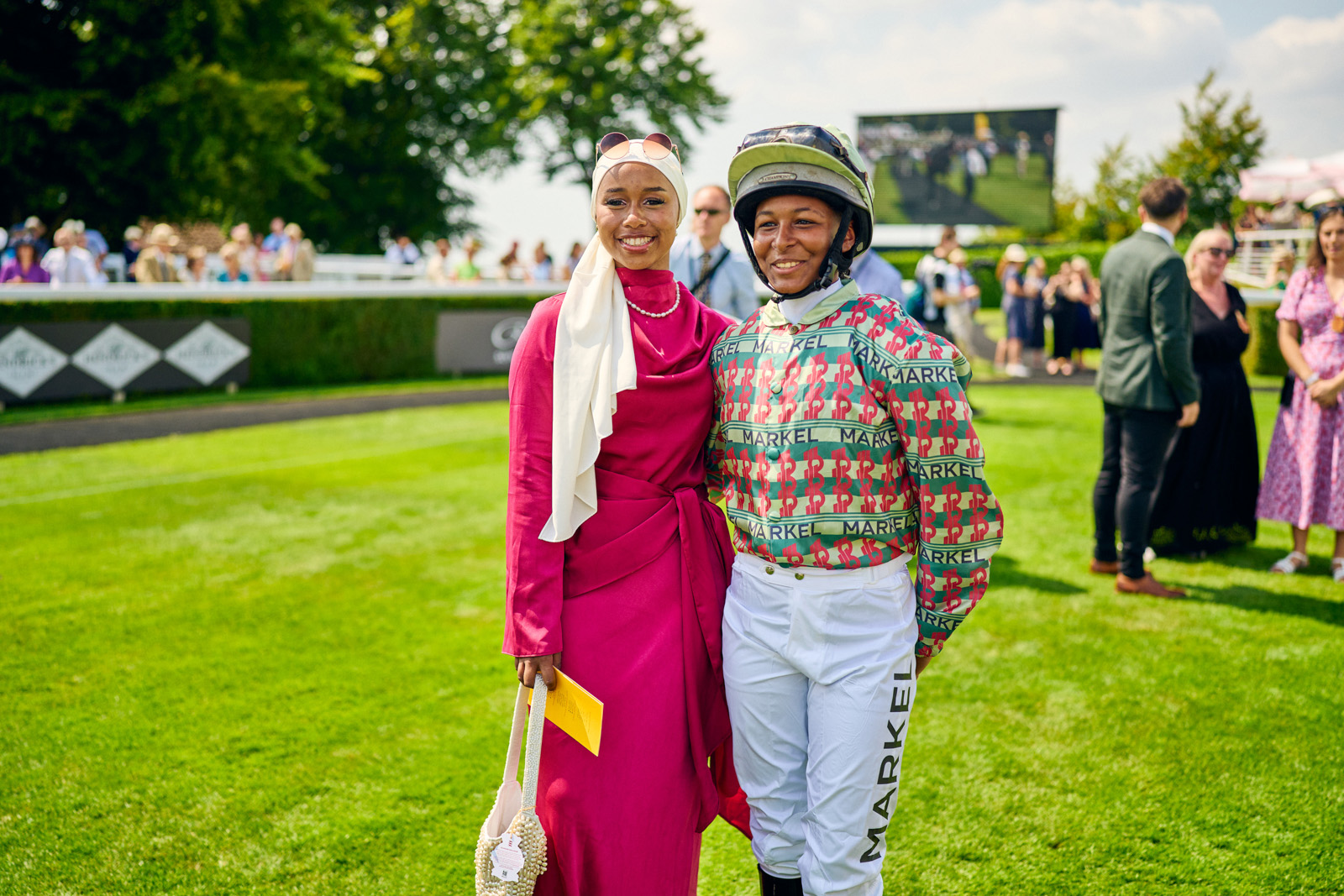
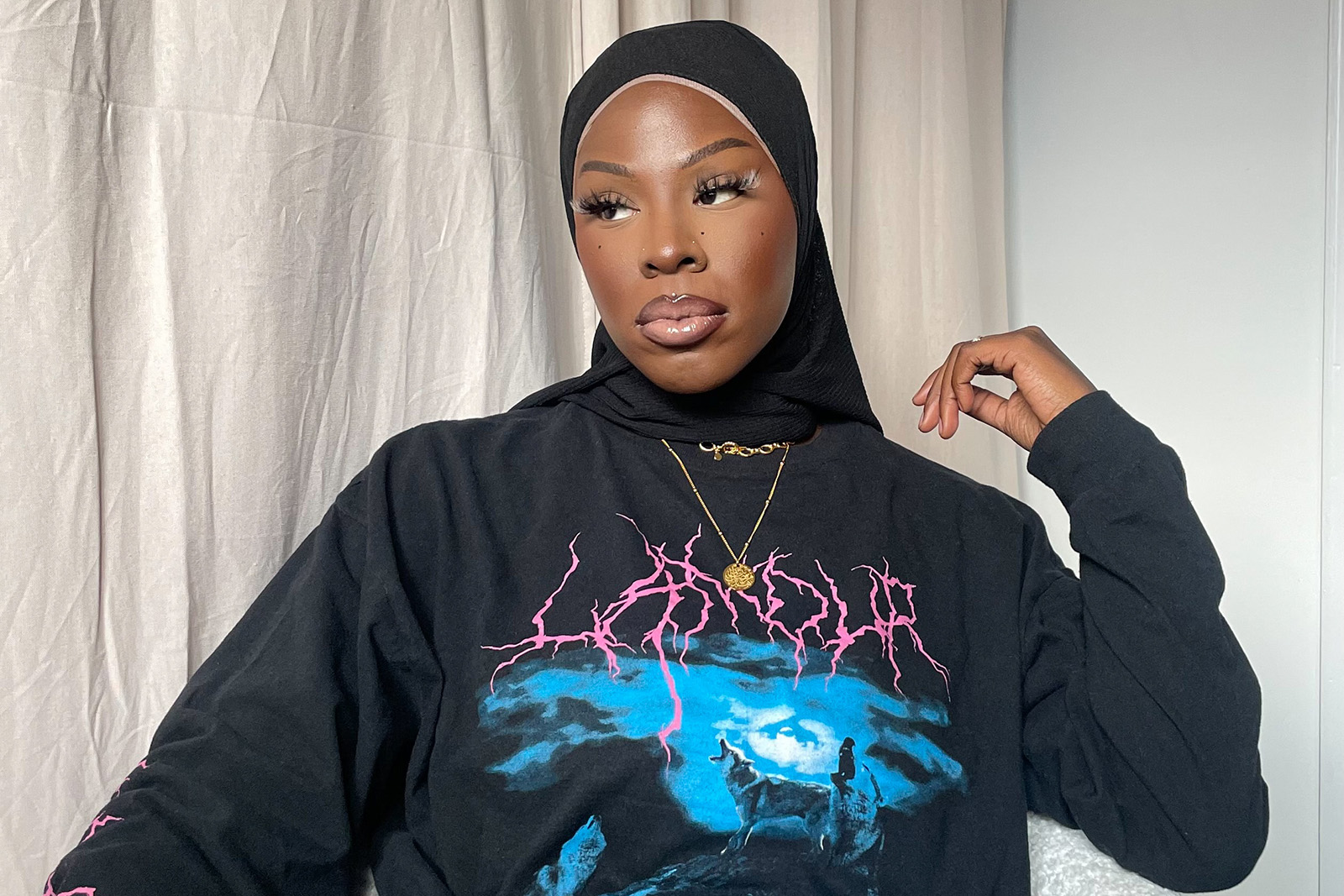
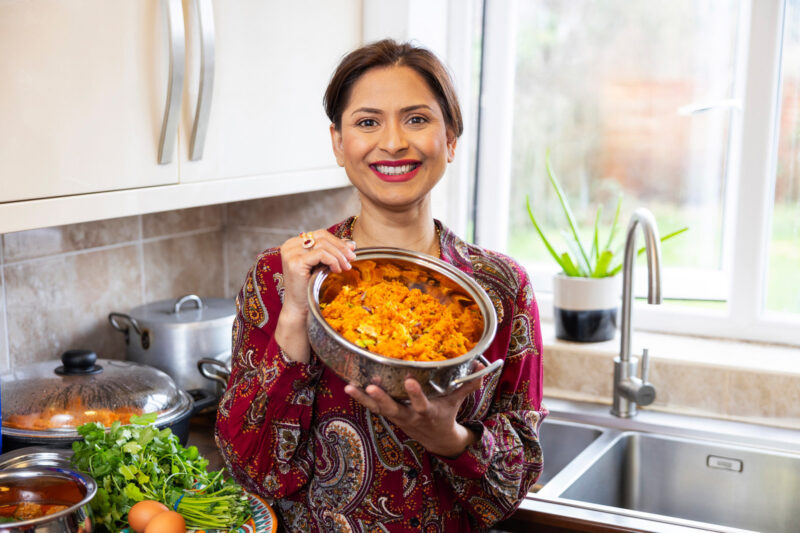
One campaign that resonated strongly this year comes from Foot Locker, which released a Ramadan campaign video celebrating Muslim creators observing the holy month. Produced by Muslim-led creative agency FutureCultureX, the film follows a day in Ramadan life — from the early morning suhoor meal to the communal moment of breaking fast — featuring Khadijah Mellah, Britain’s first hijab-wearing jockey, llhan Mohamed Abdi, author of the Ramadan Kitchen, and content creators Safro Ali and Krimoe.
For FutureCultureX founder Amran Abdi, authenticity was the main focus.
“When Foot Locker first reached out, they said they wanted to do something meaningful around Ramadan,” she says. “Muslim youth are such a significant part of sneaker and streetwear culture, so it was about staying true to that while celebrating the Muslim community.”
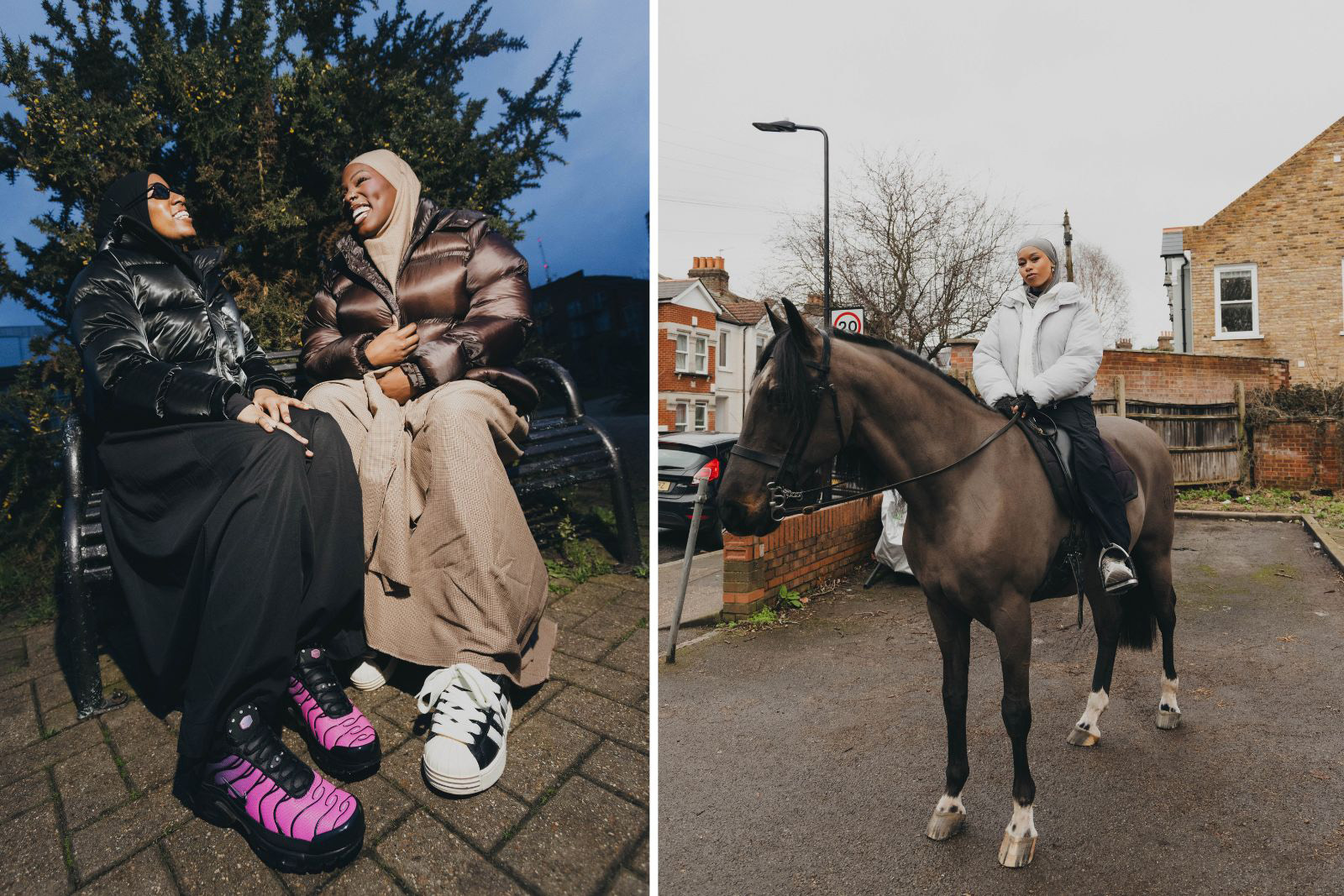
Abdi founded FutureCultureX in 2018 after organising informal meet-ups for creatives in London who, like her, felt disconnected from the creative industry. That community ethos shaped how she and her team approached the campaign.
“For me, it was very important that these Muslim creatives’ stories were seen,” she says. “We wanted to showcase them unapologetically and authentically, rather than shaping them into something they’re not.”
The campaign received an overwhelmingly positive reaction online, generating more than 700,000 views on Instagram and TikTok, plus thousands of organic shares across social media.
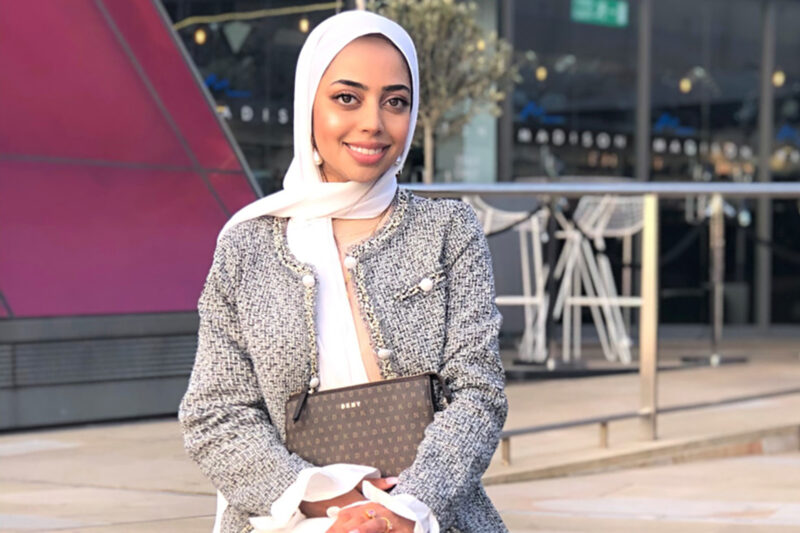
For fashion and beauty content creator Ameena Roshae, who featured in the film, the project felt different from previous brand collaborations.
“When I first heard about the Foot Locker campaign, I was excited,” she says. “There hasn’t really been a sports brand doing a Ramadan campaign like this before, so the idea of being part of the first one was really intriguing.”
Roshae also assisted with styling the other talent, including Mellah, in the film.
“I had a heavy part in the styling,” she says. “I was involved in meetings and jumping on calls, so it was nice to be involved more deeply rather than just at a surface level.”
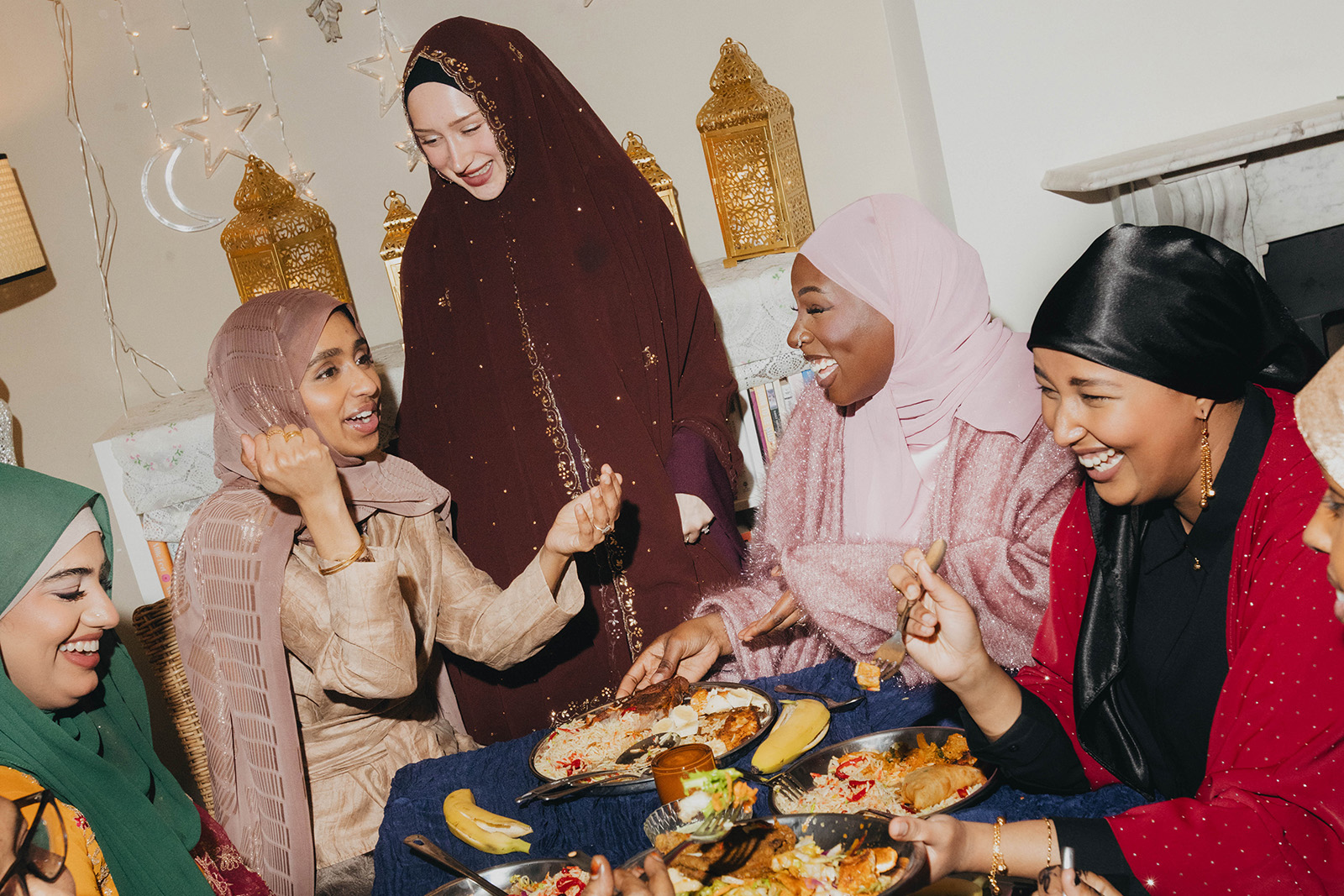
Rather than relying on studio sets, much of the footage was shot in real homes and neighbourhood spaces — something Roshae believes helped audiences connect with the campaign more.
“We weren’t filming in a warehouse turned into a set; it was actual people’s houses. It made everything so much more real and raw,” she says.
For Roshae, one aspect of the Foot Locker campaign that made it stand out was its willingness to represent visible expressions of Muslim identity without softening them for wider audiences.
“Sometimes brands stop at just showing a hijab,” she says. “But in this campaign, the women were fully Islamically dressed — abayas, jilbabs — and the men were in thobes. It wasn’t watered down.”
But Ramadan marketing isn’t limited to advertising campaigns alone. Increasingly, brands are experimenting with events and experiences to reflect the month’s communal spirit.
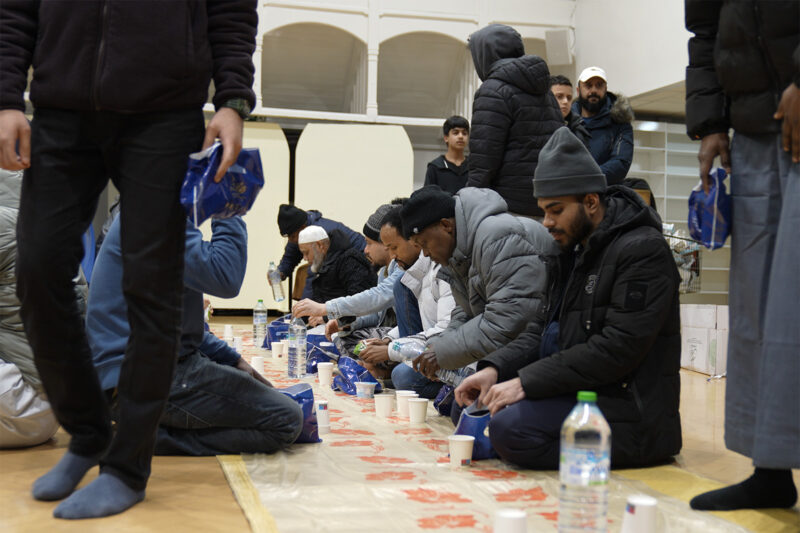
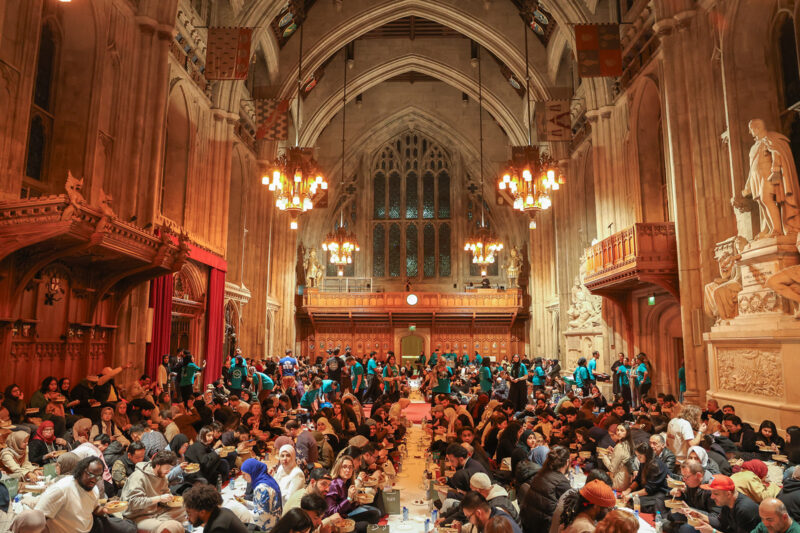
This year, furniture retailer Ikea hosted a series of public iftar gatherings in London and Manchester under the banner Iftar at Ours.
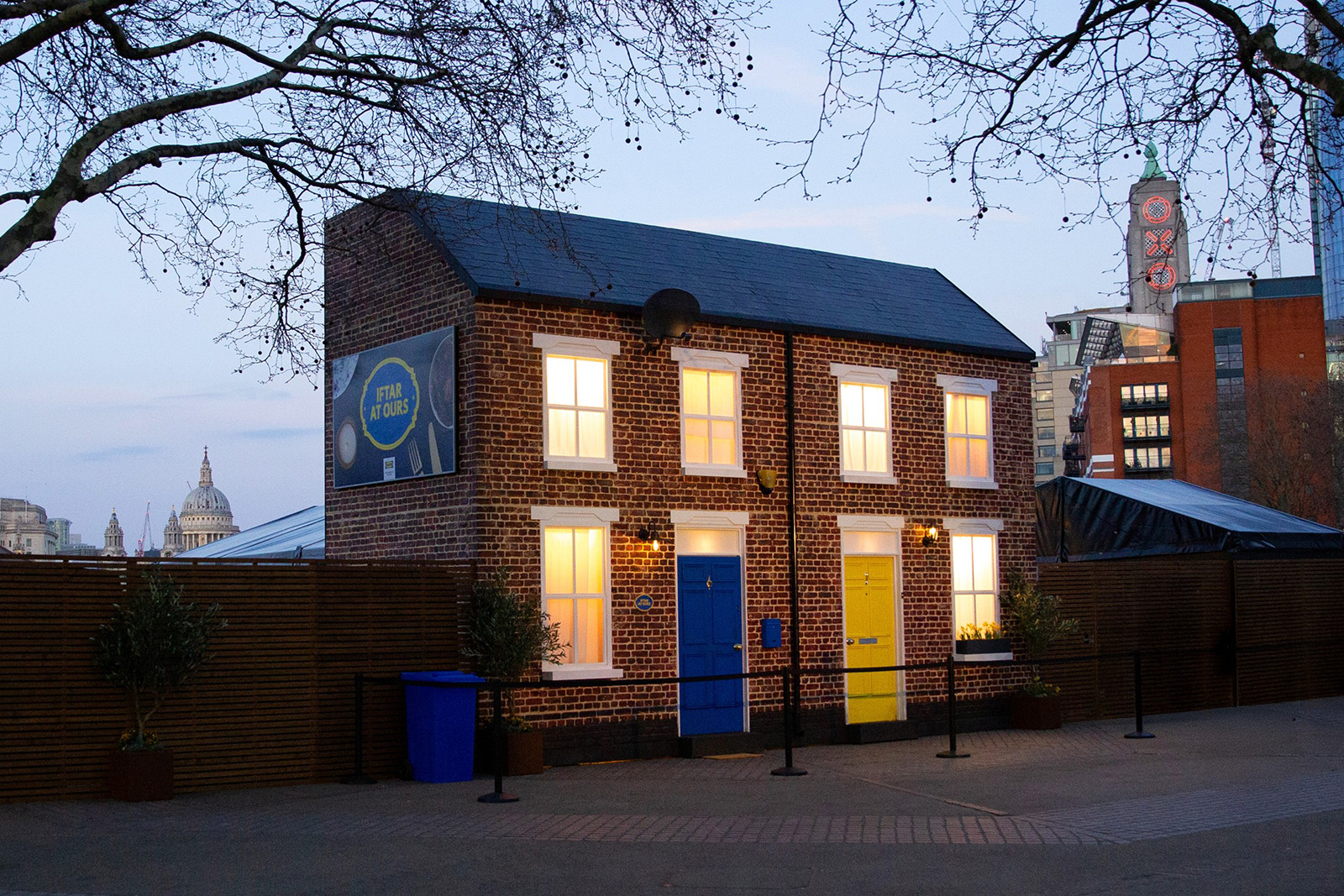
The pop-up spaces were designed to recreate an atmosphere described by organisers as “your auntie’s living room”, where Muslim commuters could gather to break their fast together. The concept was partly inspired by the timing of Ramadan this year, which often saw sunset fall during the evening commute.
“The timing of Ramadan meant many Muslims were breaking their fast while travelling home from work,” an Ikea spokesperson said. “We wanted to make sure commuters could still break their fast in the comfort of a home and in the company of others.”
To ensure the initiative resonated with Muslim audiences, Ikea said it consulted with Amaliah — a media company and agency centring the voices of Muslim women — during development and held listening sessions with members of the Muslim community. Muslim creatives were also involved in shaping the event itself, including interior designer Noor Aliyah Ali, who helped design the pop-up space, as well as chef Mursal Saiq and content creator Majida Sofi Basit, who designed the four-course menu.
“We are always on the lookout for new ways to meaningfully engage and help create a better everyday life for our customers across the UK,” the spokesperson added.
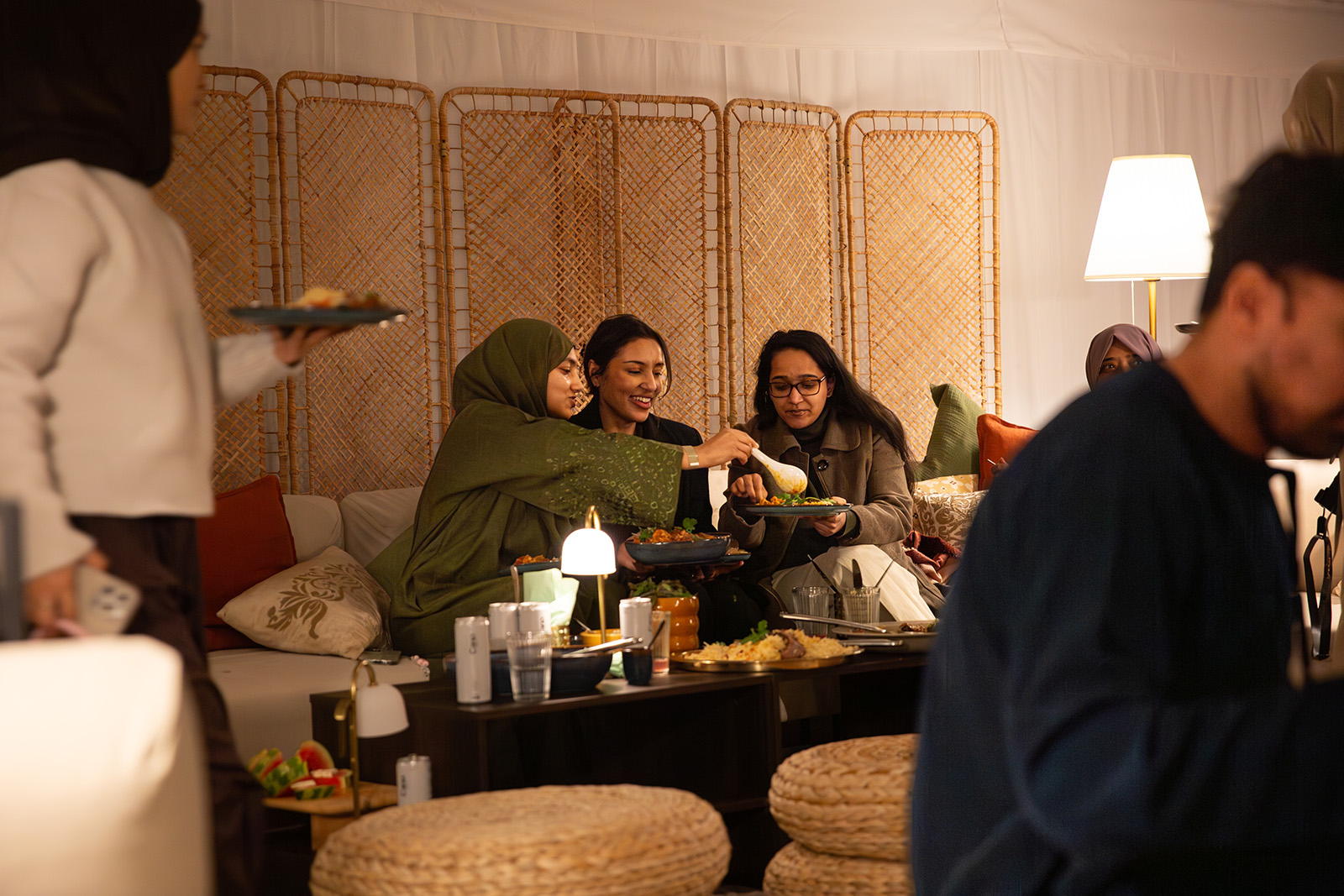
The company also partnered with the Ramadan Tent Project to support a large open iftar event in Birmingham.
But as Ramadan campaigns become more visible, brands also face growing scrutiny. Earlier in the holy month, a Ramadan promotion by McDonald’s in Germany drew criticism online, with some Muslims pointing out that the fast-food chain has no halal franchises across Europe and that it has faced boycotts by the Muslim community around the world. Critics argued the campaign felt disconnected from the realities and concerns of Muslim consumers.
For Abdi, the difference between campaigns that resonate and those that fall flat often comes down to who is involved in creating them.
“Reach out to someone who is actually from the community,” she says. “People aren’t dumb — they can see when something is authentic and when it’s not.”
Brands that treat Ramadan as a marketing tool risk alienating the very audience they hope to reach, but those who approach it thoughtfully may build something more meaningful.
“If you do it right, you build longevity and loyalty,” says Abdi. “It’s not always about quick wins — it’s about showing up for your community properly.”